
Reviewed · TREME & MARIGNY TOURS
New Orleans: Tremé African American & Creole History Tour
Jazz has a street address.
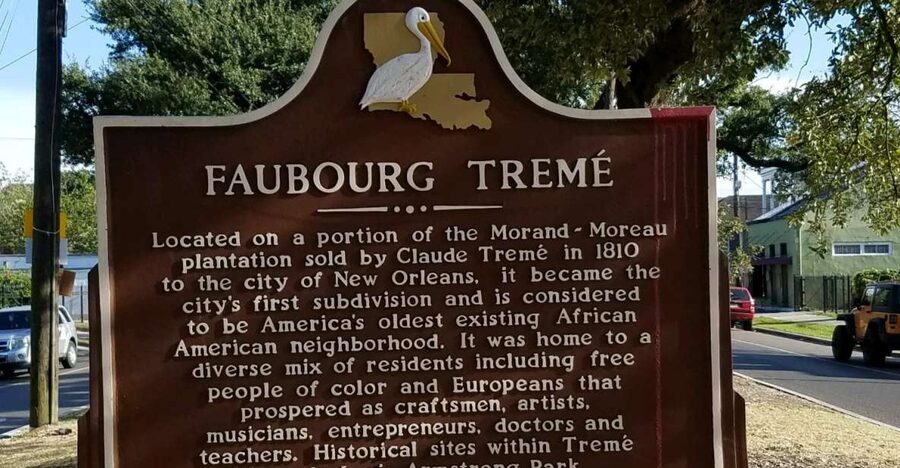
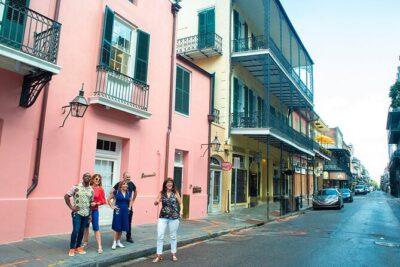
This walking tour through Tremé puts Creole culture and African American history into real-world blocks, with stops tied to the rise of jazz, civil rights stories, and even locations seen in the HBO series Tremé. It’s built for people who want New Orleans beyond postcards, using music, landmark context, and neighborhood memory to explain how the city became the city.
I especially like that you’re guided by a licensed local historian, so the story stays grounded in place and people. I also love the music element: you’ll hear about major jazz names born here like Jelly Roll Morton, Alphonse Picou, and Trombone Shorty, and several guides use chosen music while they talk (some even bring a small speaker setup to match the moment).
One possible drawback: it’s still a 105-minute walking tour, and it runs rain or shine. If you’re sensitive to heat or cold, plan to dress smart and give your feet priority.
In This Review
- Key things to know before you step into Tremé
- Why Tremé feels like New Orleans’ real starting line
- Meet the guides: licensed historians and music-first storytelling
- Walking the HBO Tremé trail, block by block
- The stops you do not want to skip: churches, a tomb, and an iconic laundromat
- Louis Armstrong Park and the memory of what was erased
- Jazz legends born here: brass bands, jelly rolls, and real names
- Timing, pace, and what to bring for 105 minutes
- Price and value: why $22 can feel like a steal
- Who should book this tour (and who might want a different fit)
- Should you book this Tremé African American & Creole History Tour?
- FAQ
- How long is the New Orleans Tremé African American & Creole History Tour?
- What does it cost?
- Where do I meet the tour?
- Where do I check in?
- What attractions and landmarks are included on the tour?
- Is food included?
- What should I bring?
- What restrictions are there on bags?
- Does the tour run in rain, and is it wheelchair accessible?
Key things to know before you step into Tremé
- Licensed local historian guides: you’re not just getting facts; you’re getting context from a neighborhood insider.
- Jazzy, Creole-centered route: jazz origins, brass band tradition, and community history are linked together.
- HBO Tremé location spotting: you’ll see real places connected to the show as part of the walk.
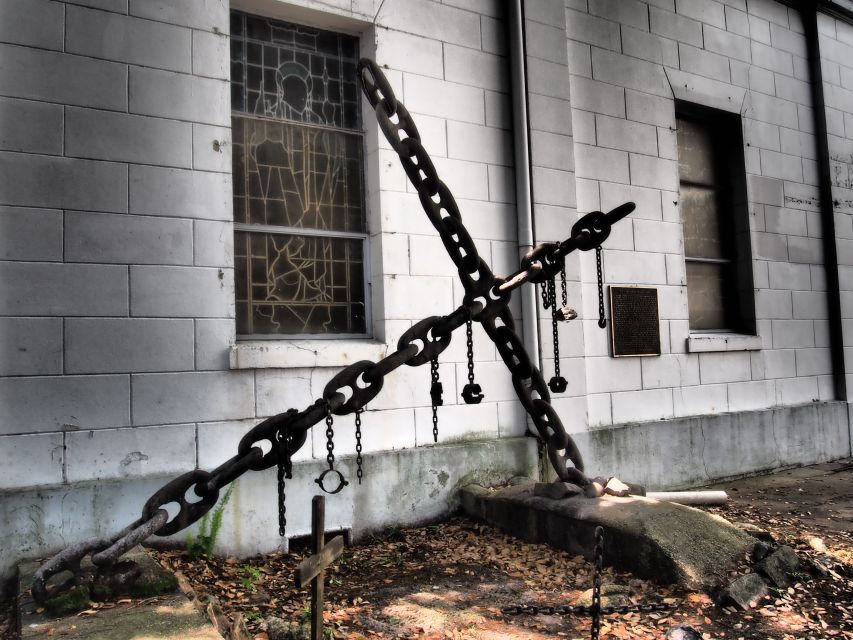
- Landmarks with serious weight: St. Augustine Church and the Tomb of the Unknown Slave set the tone fast.
- Music names you recognize, places you can point to: from Jelly Roll Morton to Trombone Shorty.
Across Esplanade into Treme and the Marigny
- Frenchmen Street VIP Live Music Pub Crawl in New Orleans★ 4.5 · 613 reviews
- New Orleans: Tremé African American & Creole History Tour★ 4.9 · 208 reviews
- 60-minute Tremé Walking Tour & Photo Experience★ 5.0 · 72 reviews
- New Orleans Voodoo, Storyville, Treme, Walking Tour★ 4.5 · 58 reviews
Why Tremé feels like New Orleans’ real starting line
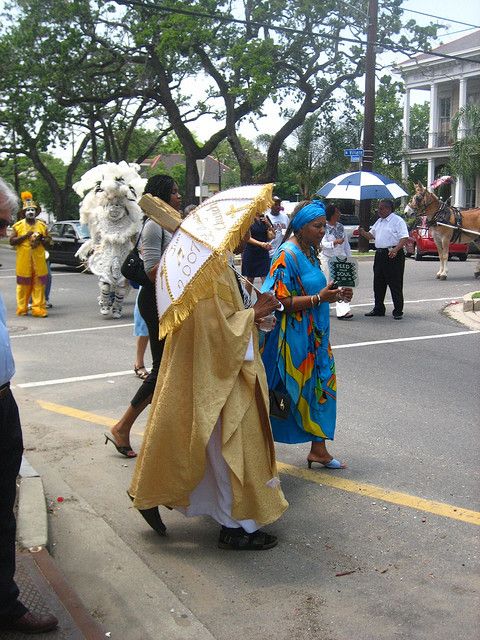
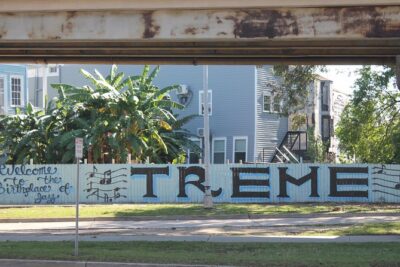
Tremé is often described as one of the places where New Orleans culture formed its early identity. What makes this tour compelling is that it doesn’t treat jazz like a musical museum piece. Instead, it connects music to everyday life, migration, freedom struggles, community building, and the people who kept making art even when they had every reason to stop.
You also get a clear lens on Creole culture and the African American experience in the neighborhood over time. The tour’s focus includes the lives of enslaved Africans and free people of color in the 18th and 19th centuries, and it connects those stories to later civil rights momentum. That matters because it explains why New Orleans music isn’t just entertainment. It’s survival, expression, and identity—played out in streets you can still walk today.
Meet the guides: licensed historians and music-first storytelling
The biggest reason this tour earns top scores is the guides. You’ll be led by a licensed guide who’s also a local historian, and the effect is noticeable: the pacing, the tone, and the way questions are handled all feel intentional.
Many guides bring music into the walk in a practical way—playing selected tracks that match what they’re describing, so the story sticks. Some groups report using a Bluetooth speaker, with music selections spanning genres and eras tied to Tremé. That’s not a gimmick. It helps you hear the “why” behind the “what,” especially when you’re learning how brass bands and jazz traditions connect.
If you want a specific guide, names like Erin, Nika, Kweku, Angela, Claire, Malika, Eva, and Kweku show up in strong reviews. It’s worth checking availability and requesting a guide you see mentioned in reviews. You’ll likely keep the momentum of the tour the whole time.
Walking the HBO Tremé trail, block by block
New Orleans has lots of scenes, but Tremé (the HBO series) gave the neighborhood international attention. This tour uses that connection as a way to help you orient fast. You’ll see locations from the show while your guide explains what those places mean beyond TV framing.
That approach works well because you aren’t just hunting for famous corners. You’re learning how the neighborhood’s geography supports its cultural story. When you connect a filming location to the history around it, you start to see patterns: how institutions formed, where people gathered, and how music traveled through community networks.
The best part is that it keeps the walk grounded in today. Tremé isn’t presented like a set. It’s still home to musicians, artists, and craftsmen shaping the ongoing neighborhood story.
The stops you do not want to skip: churches, a tomb, and an iconic laundromat
This tour centers classic Tremé landmarks, and each one carries a different “job” in the story.
St. Augustine Church is a major anchor. The guide uses it to talk about the community’s spiritual and social life—how churches often functioned as more than places of worship, especially in neighborhoods where community cohesion was survival-level important.
Then there’s the Tomb of the Unknown Slave. This stop sets an emotional tone, because it forces a direct conversation about slavery and what the city chose to hide or downplay. Expect your guide to handle this carefully. The point is not shock value. It’s recognition, memory, and honesty about who built the world you’re walking through.
You’ll also see the laundromat tied to the Rock and Roll Hall of Fame. That’s such a perfect contrast stop: history doesn’t only live in grand monuments. It also lives in everyday places where people gathered, worked, and kept moving forward. Seeing the music-world reference in a real neighborhood setting helps you connect New Orleans pop culture to the human scale underneath it.
Depending on timing, some tours add extra context stops. For example, reviews mention opportunities like a look inside Perseverance Hall/Lodge and the MLK Day parade or march on certain dates, plus a prayer ritual connection at the Prayer tree in Congo Square. If you’re visiting around major dates, you may catch more than the standard list of points.
More of the city's Black history and heritage




Louis Armstrong Park and the memory of what was erased
One of the tour’s most powerful themes is how New Orleans remembers—and how it edits. A standout story described images of the razed neighborhood now part of Louis Armstrong Park, shown while standing near the former intersection of St. Claude and Dumaine. That kind of framing turns a famous park into something more complicated than a nice open space.
Why it matters for you: it changes how you interpret what you see. Instead of thinking, “Nice park,” you start thinking, “What happened here, and who lost what?” That’s a big part of understanding Tremé properly, because the neighborhood’s story includes displacement and loss along with creativity and civic strength.
This isn’t handled with one-note gloom, either. Guides often balance heavy topics with the neighborhood’s continuing musical life—how the brass band tradition and jazz lineage keep carrying Tremé forward.
Jazz legends born here: brass bands, jelly rolls, and real names
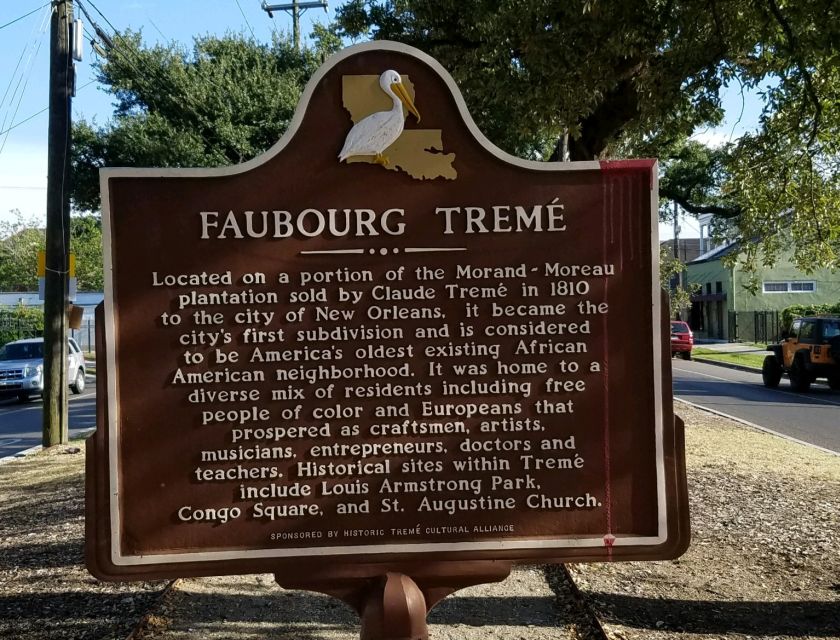
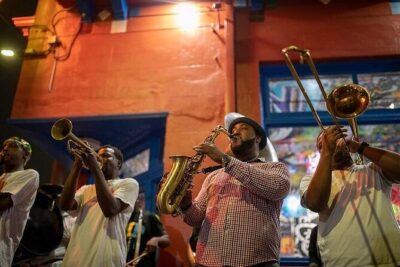
When the tour talks jazz, it does it with specific people and specific neighborhoods in mind. You’ll hear about Jelly Roll Morton, Alphonse Picou, and Trombone Shorty, all of whom are tied to Tremé. That’s useful because “jazz history” can get vague fast. Names and place connections make it real.
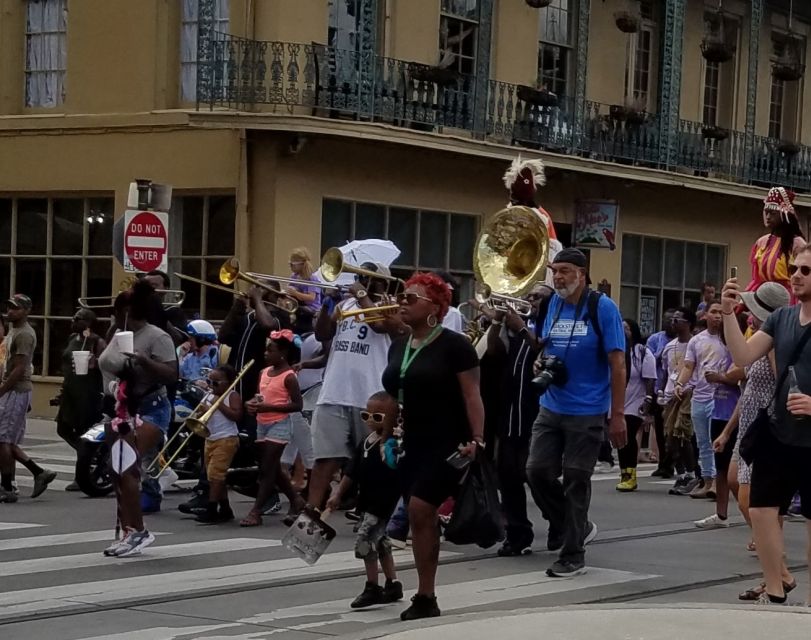
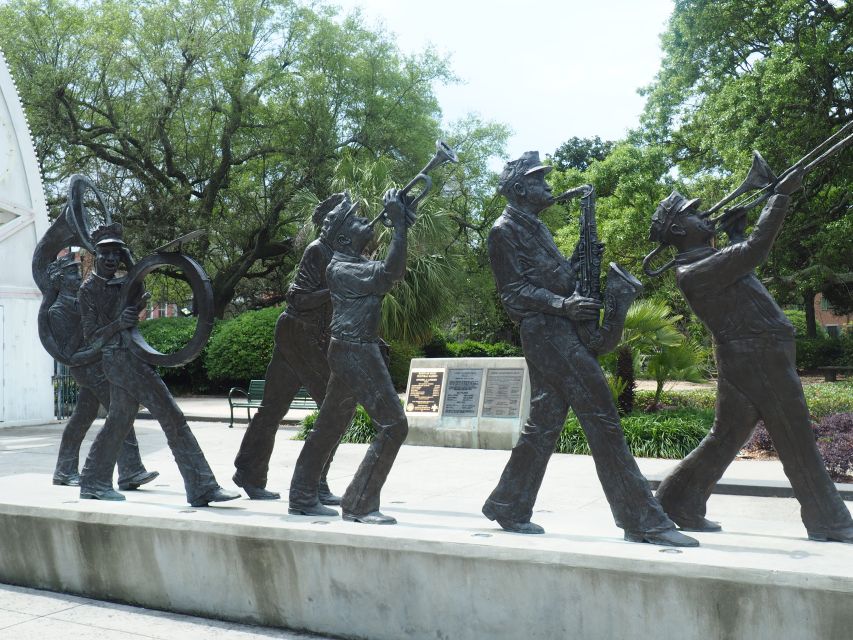
You also learn how the modern brass band tradition grew from the same cultural ground. That’s the part many visitors miss: brass bands are not random parade noise. They’re community music systems that stretch across generations, with Tremé as one of the engines.
If you’re the kind of traveler who enjoys linking the dots—how early freedoms shaped later artistic freedom—this tour hits your favorite button. The music becomes a timeline you can walk beside.
Timing, pace, and what to bring for 105 minutes
This is a 105-minute walk. That sounds short until you’re in New Orleans weather with a focused group moving block to block. The good news: the pace is usually reported as well-timed, with an amount of landmark time that doesn’t feel rushed.
Still, plan for real walking. Reviews mention everything from Arctic cold to hot days, and guides reportedly handle conditions by finding shade when possible and using stops intelligently when weather shifts. You should still bring practical comfort items and dress for the day.
What to bring is simple: comfortable shoes and sun protection. If you’re traveling in winter or shoulder season, bring layers; if it’s summer, wear breathable clothes. Also note the rule on bags: no luggage or large bags.
Price and value: why $22 can feel like a steal
At $22 per person for 105 minutes, the value comes from what’s included: a licensed local historian and a structured route that connects music, community history, and landmark context. In New Orleans, tours that focus on one thing often cost close to this while giving you a thinner story. Here, you get an integrated narrative—African American and Creole history tied directly to jazz and modern brass bands.
You also get the kind of guide interaction that turns “tour facts” into personal understanding. Strong reviews repeatedly mention how guides answer questions respectfully and make space for dialogue, even when the topic gets sensitive. That’s hard to quantify, but it’s exactly the part that makes a tour worth your time after the photos are taken.
Food is not included, so think of the tour as your cultural reset. Afterward, you’ll be ready to eat with better context for what you’re tasting and where that food and music culture came from.
Who should book this tour (and who might want a different fit)
This tour is a great fit if you want:
- Black history and Creole culture tied to real streets and real landmarks
- Jazz learning that includes place and community context, not just famous names
- A guide-led walk that handles serious topics with care
It may be less ideal if you want a strictly light, purely scenic tour. This neighborhood tour includes the hard parts of history, including slavery and remembrance. That doesn’t make it negative. It makes it honest.
It’s also a strong choice if you’re short on time and want a high-impact orientation to New Orleans beyond the French Quarter. The meeting point sits at the top of the French Quarter, but the route quickly moves you into a different understanding of the city.
Should you book this Tremé African American & Creole History Tour?
If your goal is to understand New Orleans as a music-and-community story, I think you should book it. The price is reasonable, the guide credentials matter, and the tour’s structure connects jazz, Creole culture, civil rights context, and landmark memory in a way you can actually feel while walking.
One last practical call: wear shoes you trust, and give yourself no pressure to rush afterward. If you enjoy asking questions and you’re open to serious history delivered with respect, this is the kind of tour that makes the rest of your trip make more sense.
FAQ
How long is the New Orleans Tremé African American & Creole History Tour?
The tour runs for 105 minutes.
What does it cost?
It’s $22 per person.
Where do I meet the tour?
Meet at The Voodoo Lounge, 718 N. Rampart St., on the corner of N. Rampart Street and Orleans Street. The tour starts from there at the top of the French Quarter.
Where do I check in?
Check-in is inside the Voodoo Lounge. You’ll receive wristbands at the box office.
What attractions and landmarks are included on the tour?
You’ll visit stops including St. Augustine Church, the Tomb of the Unknown Slave, and a laundromat tied to the Rock and Roll Hall of Fame. You’ll also see locations from the HBO series Tremé and learn about New Orleans jazz and the modern brass band tradition.
Is food included?
No. Food and beverages are not included.
What should I bring?
Wear comfortable shoes and plan for sun protection.
What restrictions are there on bags?
Luggage or large bags are not allowed.
Does the tour run in rain, and is it wheelchair accessible?
Yes, the tour operates rain or shine, and it is wheelchair accessible.
More Tour Reviews in New Orleans




More Black History & Heritage
Treme & the Marigny, Keep Going


Just added to The New Orleans Traveler



Treme & Marigny Tours, compared.
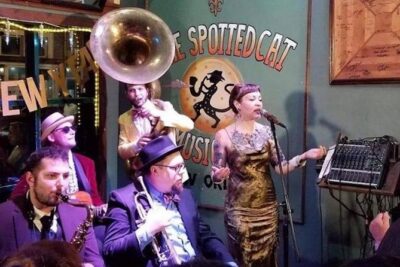 ★ 4.5Frenchmen Street VIP Live Music Pub Crawl in New OrleansFrom $52613 reviews
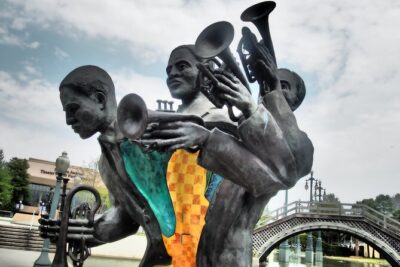 ★ 5.0Treme’ Walking TourFrom $20240 reviews
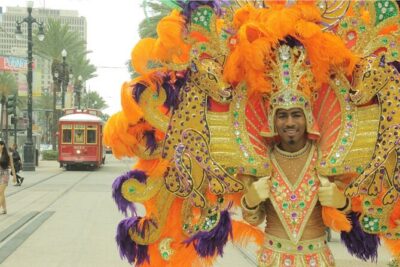 ★ 5.060-minute Tremé Walking Tour & Photo ExperienceFrom $1572 reviews
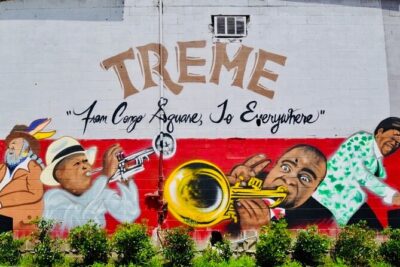 ★ 4.5Voodoo, Storyville, Treme, Walking TourFrom $2958 reviews
 ★ 5.0Creole Architecture of the Marigny TourFrom $4046 reviews
 ★ 5.0Private French Quarter and Treme Walking TourFrom $60029 reviews
 ★ 4.5Walking the Tremé: A Self-guided Audio Tour of New OrleansFrom $924 reviews
 ★ 4.5Private VIP Frenchmen Street Live Music Pub Crawl New OrleansFrom $23517 reviews
Browse the lists this tour appears in