
Reviewed · TREME & MARIGNY TOURS
Creole Architecture of the Marigny Tour
Marigny architecture has a way of telling stories fast. This guided walk links the Greek Revival Old Mint, the mansion-lined ridge of Esplanade Avenue, and the home styles of Faubourg Marigny into one easy route you can handle in about two hours. You’ll get a local perspective on how the neighborhood formed, and you’ll see parts of New Orleans that usually don’t make it onto the quickest sightseeing lists.
I especially like the way the tour turns buildings into clues about people—who lived where, and why the streets look the way they do. I also like that the guide keeps it practical with clear storytelling and visual helps, so the architecture tutorial actually sticks as you walk. Guides named Kelsey, Karen, and Guy stand out for friendly, detailed commentary and an easy pace that doesn’t feel like a lecture.
The main thing to consider is that it’s a walking tour in real weather. If the forecast is bad, you’ll need to plan around rescheduling options, and you should expect some time on sidewalks between stops.
In This Review
- Key things to know before you go
- From the French Quarter to Marigny: what this walk is really about
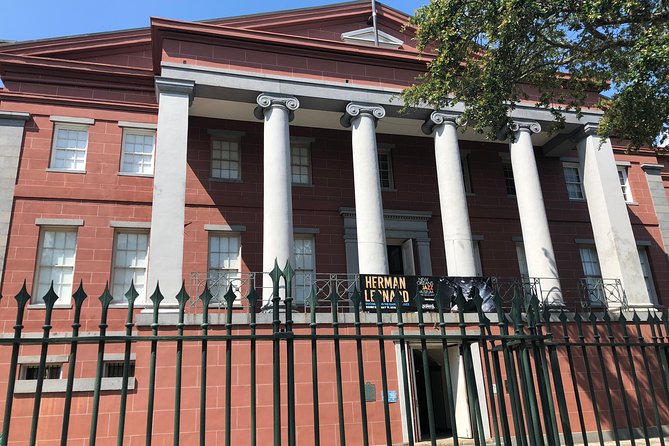
- Stop 1: New Orleans Jazz Museum in the Old Mint (Greek Revival basics)
- Stop 2: Esplanade Avenue mansions and the ridge effect
- Stop 3: Faubourg Marigny—Creole cultures showing up in home styles
- Stop 4: Frenchmen Street as your evening plan
- Price, group size, and the “value per minute” question
- Who this Marigny architecture walk is best for
- Should you book this tour?
- FAQ
- How long is the Creole Architecture of the Marigny Tour?
- How much does the tour cost?
- Where does the tour start and end?
- What language is the tour offered in?
- Is admission included at the stops?
- How many people are in a group?
- Is a mobile ticket used?
- What should I wear or bring for the tour?
- What if the weather is poor?
Key things to know before you go
- Creole architecture focus: Homes and building styles are the “main character,” not just background scenery.
- Small groups (max 14): Easier to hear the guide and move at a comfortable pace.
- Free admission built into the stops: The Jazz Museum stop uses a free admission ticket.
- A neighborhood off the main drag: Marigny is the payoff—different feel from the French Quarter loop.
- Frenchmen Street in quick hits: Great for orientation, and useful if you plan an evening there.
- Guides bring local color: Many tours are led with personal anecdotes and simple geography explanations.
Across Esplanade into Treme and the Marigny
- Frenchmen Street VIP Live Music Pub Crawl in New Orleans★ 4.5 · 613 reviews
- New Orleans: Tremé African American & Creole History Tour★ 4.9 · 208 reviews
- 60-minute Tremé Walking Tour & Photo Experience★ 5.0 · 72 reviews
- New Orleans Voodoo, Storyville, Treme, Walking Tour★ 4.5 · 58 reviews
From the French Quarter to Marigny: what this walk is really about
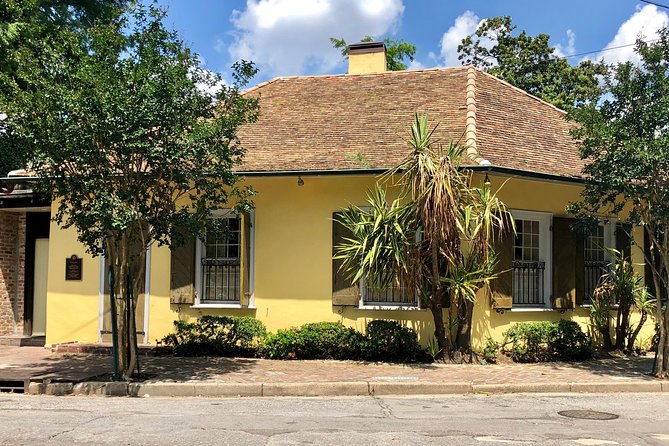
This isn’t a “look at pretty facades” tour. It’s about using architecture as a map of culture—Creole, Irish, German, and Haitian influence show up in how homes were built and how the neighborhood evolved. You start where most first-timers begin (the French Quarter), then you gradually move into a more local-feeling side of town.
I like that the route is structured like a story with momentum. You begin with a landmark building (the Jazz Museum in the Old Mint), then you transition to the ridge and its 19th-century mansions, and finally you spend the bulk of your time in Faubourg Marigny where the mix of cultures shows up in everyday housing styles. The short stop on Frenchmen Street works as a quick “future plan” at the end—so you know where to go if you want music or dinner after.
The tour lasts about 2 hours, and it’s paced for walking comfort. Comfortable shoes matter here because you’re covering multiple blocks on sidewalks, not just staying in one square.
Stop 1: New Orleans Jazz Museum in the Old Mint (Greek Revival basics)
Your first stop lands at the New Orleans Jazz Museum, housed in the Old Mint. The building is a strong example of Greek Revival architecture in New Orleans, and it’s a smart choice to start with because it gives you a visual anchor right away. Even if you’re not a building-nerd, you can usually “read” the style once the guide points out what makes it Greek Revival.
This stop also gives you a quick historical frame for the downriver neighborhood you’re about to explore. The tour keeps this portion short—about 10 minutes—and the admission ticket for the stop is free. That means you’re not paying extra to access the museum space, and you’re not stuck inside too long at the beginning of a walking tour.
A small practical note: because it’s a museum setting, you might encounter indoor/outdoor transitions depending on where you’re standing and how the tour is timed. If you want to linger, you’ll have to come back on your own later, but as a kickoff to the architecture theme, it does its job fast.
What you’ll likely take away here: the tour isn’t only about Marigny. It uses the Old Mint to show how New Orleans building styles grew and changed across different parts of the city, including areas downriver.
Stop 2: Esplanade Avenue mansions and the ridge effect
Next comes a stroll along Esplanade Avenue, where the focus shifts from one major landmark to a whole streetscape. The guide points out the magnificent mansions built in the early to mid 1800s and explains what the ridge meant for the people who built their homes there.
Why this matters: a ridge isn’t just geography—it’s advantage. Higher ground historically affects flood risk, visibility, and how neighborhoods expand. When you connect the “where” with the “how,” the architecture starts to make more sense. You’re not only seeing houses; you’re learning how location shaped lifestyle and building decisions.
This is a lighter stop at around 20 minutes. It’s enough time to see the street layout and understand the big picture without making the tour drag. Admission isn’t required for this segment, so you keep moving and save time for the neighborhood that takes center stage later.
One possible drawback: if you’re hoping for a long, deep look at specific mansion interiors, you won’t get that here. This part is built for orientation and architecture basics from the street, so come with curiosity rather than expectations of a deep, inside-the-home experience.
Stop 3: Faubourg Marigny—Creole cultures showing up in home styles
Faubourg Marigny is where the tour earns its reputation. As you head deeper into the neighborhood (for about 1 hour 20 minutes), the guide talks through the cultures that shaped the area—Creoles, Irish, Germans, and Haitians—and how those influences show up in the kinds of homes you see.
This is the real “architecture tutorial” portion because it’s not about one building. You’re comparing types, styles, and building choices in a way that’s hard to do on your own. The guide also helps you see how the neighborhood’s history connects to movement and change over time—so you start noticing patterns instead of random houses.
What you’ll enjoy most here is the way the tour gives you a lens. After a while, you stop seeing a street full of buildings and start seeing a record of decisions: what materials and proportions look common, how additions might reflect changing needs, and what the different styles suggest about the people who lived there.
If you get a guide with strong visual helps and simple geography explanations—something you’ll often find with guides like Guy, Kelsey, or Karen—you’ll get even more out of this segment. The best moments tend to be when the guide slows down, points, and helps you translate the neighborhood “layout logic” into architecture takeaways.
Practical comfort tip: this middle stretch is the longest part of the walk. If you’re sensitive to long walking segments, plan for a steady pace and bring water. (Water isn’t mentioned in the tour details, so use normal sense, not special gear.)





Stop 4: Frenchmen Street as your evening plan
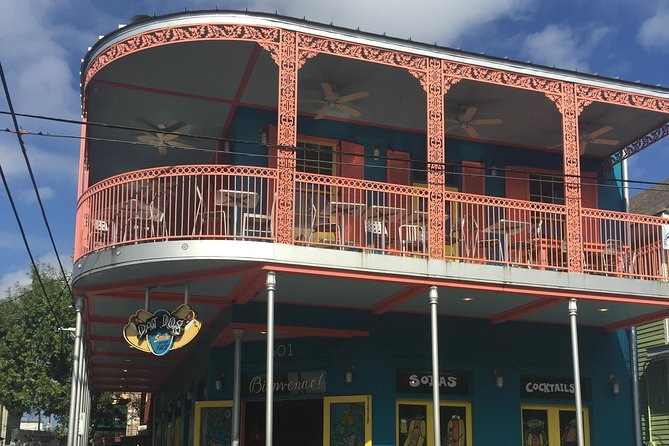
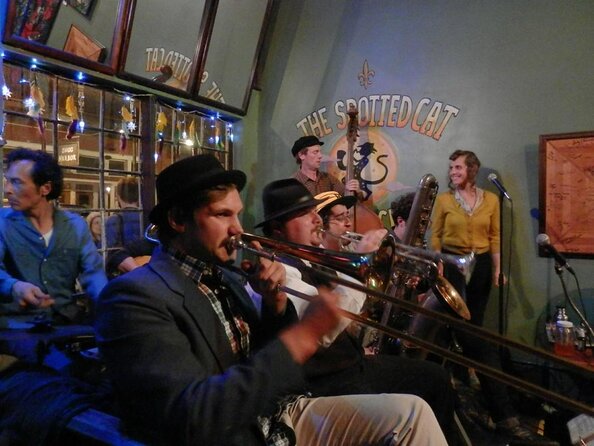
The tour finishes with a quick stroll down Frenchmen Street for about 10 minutes. Here the tone shifts from architecture lesson to neighborhood energy: Frenchmen Street is lined with clubs, dance-halls, and restaurants, and it’s presented as a new entertainment corridor in New Orleans.
In other words, this stop helps you set your next move. Even if you’re doing this tour during the day, you leave with a simple answer to the question: Where should I go later if I want music and a lively scene?
It’s short by design, so don’t expect a long hangout on this street during the tour itself. Use it as orientation—then pick a spot after.
A quick consideration: Frenchmen Street can be loud and active compared to the quieter streets in Marigny. If you prefer a calm atmosphere, you can still use the street for dinner or just a quick look, but save the longer music time for when you’re in the mood.
Price, group size, and the “value per minute” question
At $40 per person for about 2 hours, this tour is priced for quality storytelling and practical sightseeing rather than expensive add-ons. The free admission ticket at the Jazz Museum helps make the cost feel more grounded, and the rest of the stops don’t rely on extra ticket fees.
The small group size—maximum 14 travelers—also matters for value. With fewer people, your guide can pace the explanation to the group, and it’s easier to hear details about architecture without constantly asking the person next to you to turn their head.
Another value point: the tour is booked about 10 days in advance on average. That’s a sign you should plan ahead if your dates are fixed, especially because it’s weather dependent.
If you’re deciding whether this tour is worth it versus doing Marigny on your own, here’s the difference: on your own, you’ll probably admire buildings. With a guide, you’ll understand why those buildings look the way they do and how cultures and geography shaped the neighborhood.
Who this Marigny architecture walk is best for
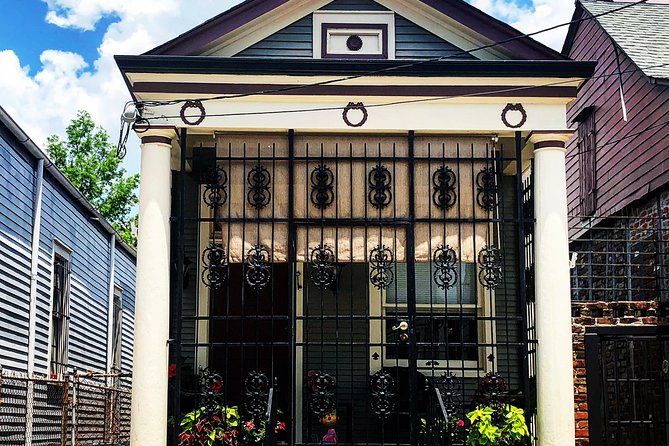
This tour is a great fit if you like history told through real streets and real buildings. If you want something more thoughtful than a standard French Quarter loop, you’ll likely appreciate the off-the-beaten-path feel of Marigny.
It’s also a good choice for first-time visitors who want to see beyond the postcard core without getting overwhelmed. You start at the French Quarter, but you don’t stay trapped in that area. Instead, you transition into a neighborhood with a different rhythm.
If you’re traveling as a small group or solo, you’ll probably enjoy the structure and the ability to ask questions when the guide pauses. The tour is designed so most people can participate, and comfortable walking shoes are recommended.
Should you book this tour?
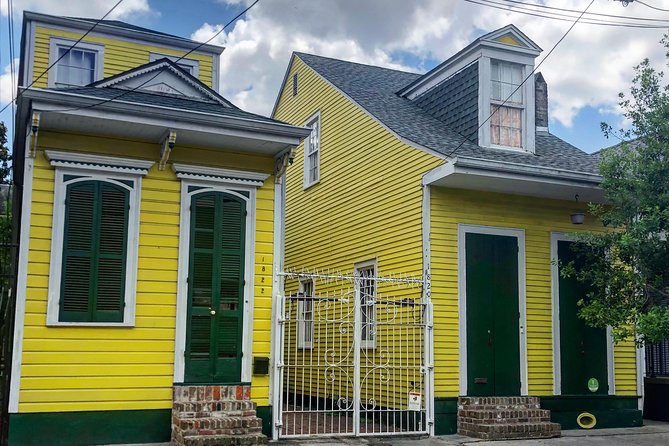
I’d book it if you want architecture with context and you like walking tours that feel personal, not robotic. The best part is that Marigny isn’t treated like a background setting—it’s treated like the lesson, with a guide who helps you see patterns in how homes reflect the neighborhood’s cultural mix.
Skip it (or consider another option) if you want lots of time inside museums or long stops for photos without talking. This is built for movement and explanation, not for extended lounging at each site.
If you’re the type who enjoys learning what you’re looking at—especially when it’s a neighborhood you might otherwise miss—this is a strong use of your time in New Orleans.
FAQ
How long is the Creole Architecture of the Marigny Tour?
It runs for about 2 hours (approx.).
How much does the tour cost?
The price is $40.00 per person.
Where does the tour start and end?
The tour starts in the French Quarter, New Orleans, LA 70116, USA, and it ends back at the meeting point.
What language is the tour offered in?
The tour is offered in English.
Is admission included at the stops?
The New Orleans Jazz Museum stop uses a free admission ticket. The other listed stops do not mention admission requirements.
How many people are in a group?
The tour has a maximum of 14 travelers.
Is a mobile ticket used?
Yes, the tour uses a mobile ticket.
What should I wear or bring for the tour?
Comfortable walking shoes are recommended.
What if the weather is poor?
The tour requires favorable weather. If canceled due to poor weather, you’ll be offered an alternative date or a full refund.
More Tours in New Orleans

More Tour Reviews in New Orleans
Treme & the Marigny, Keep Going





Just added to The New Orleans Traveler



Treme & Marigny Tours, compared.
 ★ 4.5Frenchmen Street VIP Live Music Pub Crawl in New OrleansFrom $52613 reviews
 ★ 5.0Treme’ Walking TourFrom $20240 reviews
 ★ 4.9Tremé African American & Creole History TourFrom $22208 reviews
 ★ 5.060-minute Tremé Walking Tour & Photo ExperienceFrom $1572 reviews
 ★ 4.5Voodoo, Storyville, Treme, Walking TourFrom $2958 reviews
 ★ 5.0Private French Quarter and Treme Walking TourFrom $60029 reviews
 ★ 4.5Walking the Tremé: A Self-guided Audio Tour of New OrleansFrom $924 reviews
 ★ 4.5Private VIP Frenchmen Street Live Music Pub Crawl New OrleansFrom $23517 reviews
Browse the lists this tour appears in