
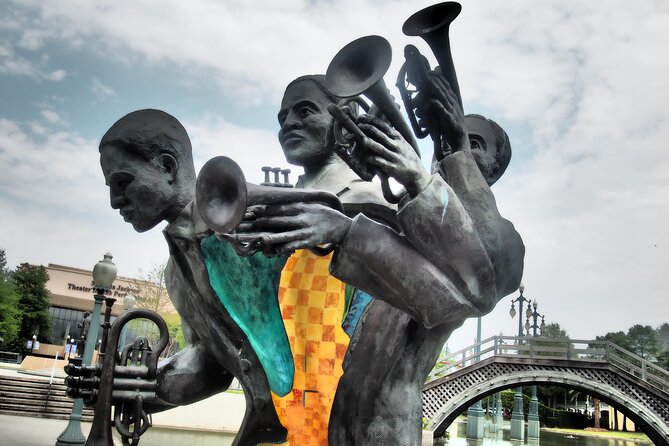
Reviewed · TREME & MARIGNY TOURS
New Orleans Treme’ Walking Tour
Treme has always been about music and survival. This walking tour connects big names, hard truths, and street-level landmarks, with storytelling that keeps it personal in a small group. I especially love the music-forward way the guide frames the neighborhood and the fact that you’ll see history sites like St Augustine’s Church and the Tomb of the Unknown Slave without it feeling like a textbook.
If you’re expecting nonstop Treme street time from minute one, note a potential wrinkle: some tours start near park areas first, so the early stretch can feel less like walking deep through the neighborhood than you planned. That said, the route then hits key sites and keeps the focus on the people and traditions that shaped New Orleans.
In This Review
- Key highlights to notice before you go
- Why Treme is the New Orleans you want to understand
- Price and group size: $20.50 that actually feels worth it
- Where the tour starts on Rampart and how the walk runs
- Stop 1 at Storyville: jazz origins and the moral complexity
- The French Quarter Phantoms intro stop: getting your bearings fast
- Tour Treme’ streets: St Augustine’s Church and the Tomb of the Unknown Slave
- A heads-up on pacing
- Congo Square: where community gatherings shaped the music
- The Lost Sock @ Rampart: laundry history and early recording legend
- How the guides make the tour click (and why music matters)
- Comfort, camera rules, and what to plan for on the day
- Who should book this Treme walking tour
- Should you book? My take for deciding
- FAQ
- What time does the New Orleans Treme’ Walking Tour start?
- How long is the tour?
- How much does the tour cost?
- How big is the group?
- Where do I meet the guide?
- Where does the tour end?
- Is Congo Square admission included?
- Is the tour offered in English?
- Can I bring a camera?
- What if it rains?
- Is cancellation free?
Key highlights to notice before you go
- Small group (max 14) means more room for questions and a less chaotic pace.
- Congo Square includes an admission ticket, so you’re not juggling extras while you’re listening and walking.
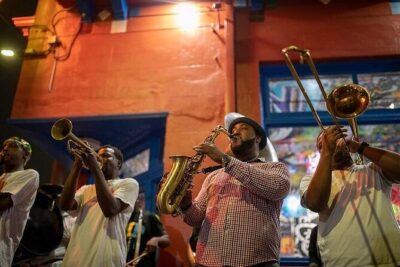
- Music is used as a storytelling tool—guides often play selections to match the site and the era.
- You cover multiple layers of Treme in about 1 hour 45 minutes, from Storyville’s jazz myth to later recording history.
- The walk is built for comfort, with clear guidance to wear comfortable shoes and expect rain or shine.
Across Esplanade into Treme and the Marigny
- Frenchmen Street VIP Live Music Pub Crawl in New Orleans★ 4.5 · 613 reviews
- New Orleans: Tremé African American & Creole History Tour★ 4.9 · 208 reviews
- 60-minute Tremé Walking Tour & Photo Experience★ 5.0 · 72 reviews
- New Orleans Voodoo, Storyville, Treme, Walking Tour★ 4.5 · 58 reviews
Why Treme is the New Orleans you want to understand
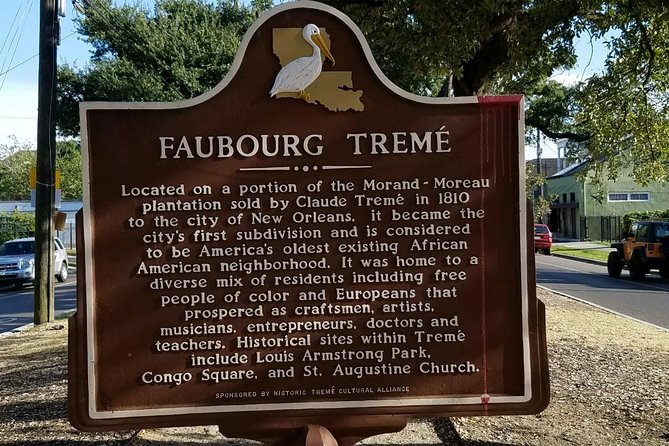
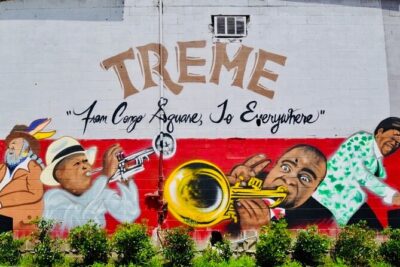
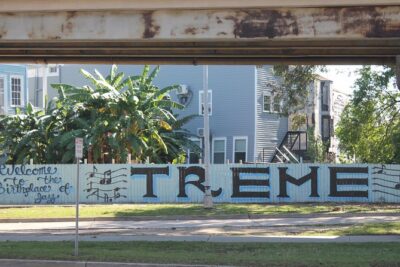
Treme is where New Orleans music gets a human backstory. Yes, you’ll hear about jazz. But you’ll also hear about community life—how African traditions, shared public spaces, and resilience shaped what became famous around the world.
What I like about this tour is the way it treats Treme as more than scenery. You’re guided to places that explain how culture formed through gatherings, worship, and everyday survival. Even when the subject gets heavy, the pace stays practical: you’re walking, listening, and seeing physical landmarks tied to the stories.
Price and group size: $20.50 that actually feels worth it
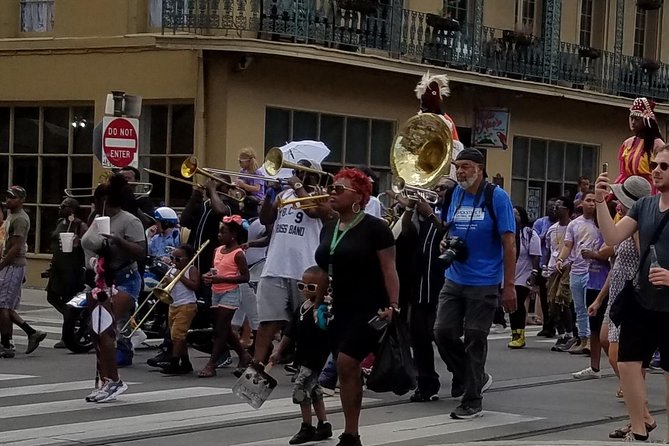
At $20.50 per person for about 1 hour 45 minutes, this is the kind of tour that works well when you want real context without spending half your day. It’s not a long bus ride or a museum-only experience. It’s a guided neighborhood walk that stays focused.
The small-group limit matters. With up to 14 people, you’re less likely to get lost in the back of a crowd, and you can ask follow-up questions when something clicks. That’s part of what keeps the tour personal and memorable instead of generic.
You also get built-in value in the pricing structure. Most stops are free, and Congo Square has an admission ticket included. So you can plan your day without suddenly paying for entry midway through.
Where the tour starts on Rampart and how the walk runs
You meet at Voodoo Lounge, 718 N Rampart St. The tour starts at 10:30am, and it ends back at the same meeting point.
A couple details affect how you plan:
- Expect a rain-or-shine walk, so bring something light for weather.
- Bring comfortable shoes. This is a walking tour, and the route includes multiple stops close enough to keep it moving, but you’ll still be on your feet for most of the time.
- You can bring a camera, but no videotaping is allowed.
The tour is listed as in English, with a mobile ticket provided. Also, service animals are allowed, and the tour notes it’s near public transportation—helpful if you don’t want to rely on rideshares for your whole day.
Stop 1 at Storyville: jazz origins and the moral complexity
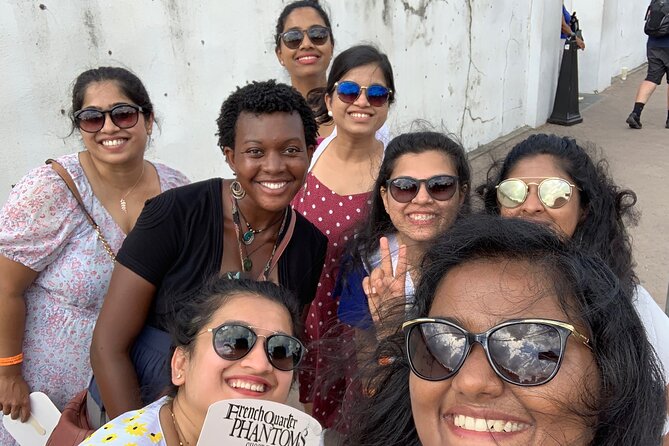
The first major stop focuses on the old Storyville District, active from 1897 to 1917. The guide talks about how the area is romanticized as a jazz birthplace, but it was also a red-light district—brothels, bars, and dance halls—where musicians socialized and performed.
Why this start works: it gives you a frame. You’ll understand that early jazz development didn’t happen in a neat, polished environment. It grew in complicated spaces where people had limited options and still made something powerful.
A practical note: if you’re sensitive to adult themes, this topic comes up through the historical lens. The tour keeps it factual, but it’s still part of the story of the city’s early music ecosystem.
More of New Orleans on foot

The French Quarter Phantoms intro stop: getting your bearings fast
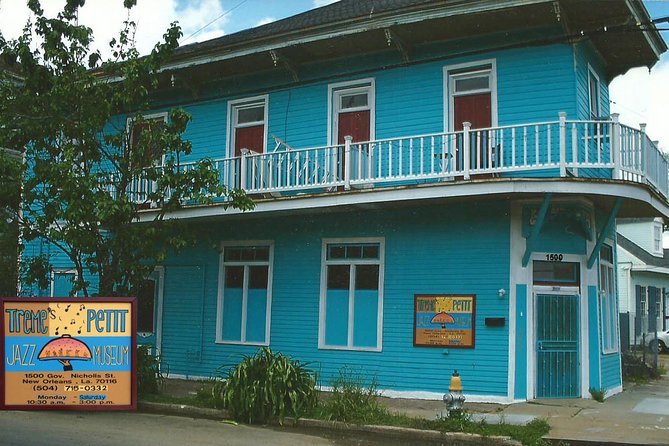
After Storyville, the tour begins with a short stop that sets up general Treme context. This isn’t just warm-up talk—it’s the moment where your guide helps you understand what Treme is and why it matters historically, culturally, and musically.
This kind of orientation is underrated. New Orleans neighborhoods can look similar if you’re moving quickly. A good intro helps you recognize what you’re seeing: why certain landmarks land where they do, and how the neighborhood fits into the city’s larger story.
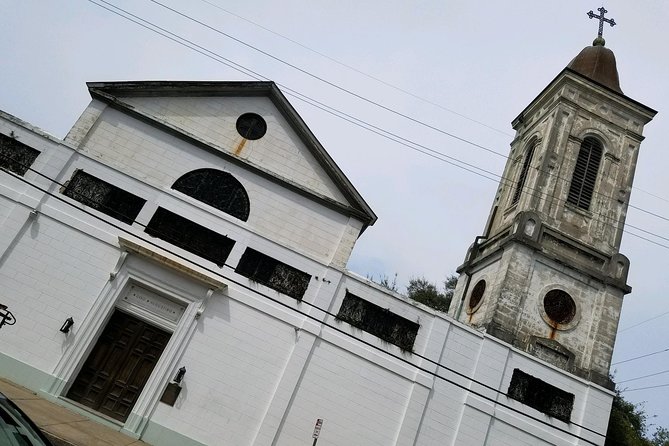
Tour Treme’ streets: St Augustine’s Church and the Tomb of the Unknown Slave
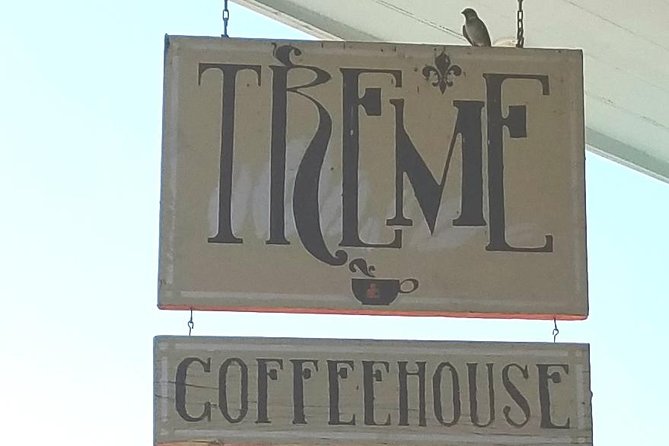
This is the heart of the tour. You spend about 50 minutes walking through Treme with a guide, hitting multiple historic sites, including St Augustine’s Church and the Tomb of the Unknown Slave.
St Augustine’s Church is important because it connects the neighborhood to lived faith and long-term community presence. It’s the kind of stop where you don’t just look at a building—you hear how it fits into community identity.
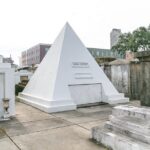
Then there’s the Tomb of the Unknown Slave, which adds a different emotional weight. It’s a reminder that the story of New Orleans includes forced labor and people denied recognition. This is where the tour’s tone can feel more sober, and where the guide’s ability to explain respectfully really matters.
A heads-up on pacing
One review flagged that the first part of a tour felt park-heavy, with less movement into Treme streets than expected. So if you’re the type who wants lots of sidewalk walking early, plan mentally for the first segment to feel like learning landmarks and context before the route settles into neighborhood blocks.
Congo Square: where community gatherings shaped the music
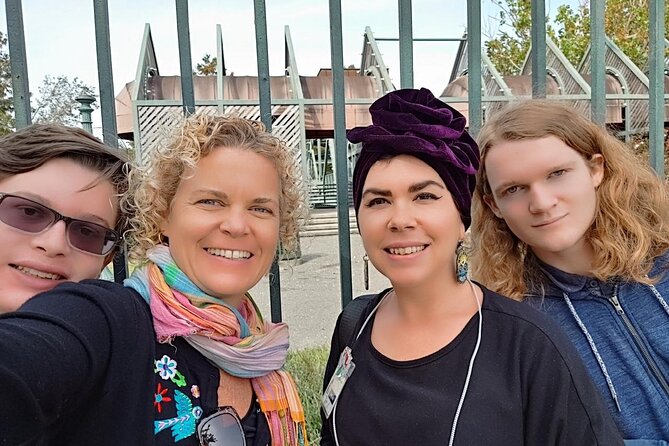
Next up is Congo Square, with time set aside for a closer look—about 15 minutes. Here, the tour centers on how enslaved and free people of color gathered through the 19th century for meetings, open markets, and African dance and drumming celebrations.
This stop is one of the most powerful because it explains influence through action, not just influence through fame. Drumming, dancing, and social gatherings weren’t a side story. They played a substantial role in the development of jazz.
The other practical win: Congo Square admission is included. So you’re not stuck deciding whether a quick entry fee is worth it while you’re already mid-walk. You can focus on the experience.
The Lost Sock @ Rampart: laundry history and early recording legend
The final stops take you into the story of how music became recorded and packaged—without losing the neighborhood thread.
You’ll visit The Lost Sock @ Rampart, described as a laundry and museum area and even linked as a rock n roll hall of fame location. The key connection is that it sits on the former home of Cosimo’s J&M Recording Studio, where famous artists like Fats Domino, Little Richard, and Professor Longhair recorded some of their early music.
This is a smart ending. The tour started with jazz origins and community spaces, then it closes with the infrastructure that helped move music from streets and gatherings to records and broader audiences.
If you’re a music nerd, you’ll probably enjoy this part more than you expect. It ties famous names to a place with a very local, very specific past.
How the guides make the tour click (and why music matters)
The tour’s success often comes down to the guide. Across the shared experiences, several names show up with a consistent theme: they’re not just listing facts. They bring it to life with storytelling, music selections, and a clear sense of what each location meant to the people who lived it.
Guides such as Kweyou, Kwaku, Claire, Erin, Eva, Nika, and Pepe are specifically praised for mixing the neighborhood story with music. Some guides also play music to set the mood for different parts of the walk, and several are described as funny, empathetic, and willing to answer questions.
That matters because Treme’s history isn’t only about what happened—it’s also about how it felt, how it sounded, and how people kept culture alive. A guide who uses music as a thread helps you connect the dots instead of just collecting dates.
Comfort, camera rules, and what to plan for on the day
Here’s what you should plan around so the walk stays enjoyable:
- Wear comfortable shoes. This is a walking tour, and the time adds up.
- Expect rain or shine. Bring a light layer and something to protect your phone/camera.
- Bring your camera if you want photos, but remember no videotaping.
- Alcohol drinks are available to purchase, but not included. Plan on skipping it if you want a clear, focused experience, or budget a drink if you’re stopping after.
- There’s no food included, so if you’re touring in the morning and you get snacky later, eat before you go.
Also, the tour is designed so most people can participate. If you have mobility limits, it’s smart to consider your comfort on uneven sidewalks and standing during explanations.
Who should book this Treme walking tour
This tour fits best if you want New Orleans beyond the usual postcard route.
It’s especially good for:
- People who love music history and want the neighborhood context behind it.
- Couples and small groups who prefer walking with a guide instead of scrolling through exhibits.
- Anyone curious about Black history in New Orleans and how culture developed through community spaces like Congo Square.
- Visitors who want a small-group experience with time for questions.
If you only want the most famous buildings and quick photos, this might feel slower or heavier than you expect. But if you enjoy learning why a place matters, it’s an excellent match.
Should you book? My take for deciding
I’d book this tour if you’re aiming to understand Treme as a living story—jazz connections, community gatherings, and landmarks that carry real meaning. The price is modest, the group size stays small, and you get a mix of music history and honest context that’s hard to recreate on your own.
I’d be cautious if your top priority is covering the maximum number of streets as fast as possible. There’s a chance the early part can feel more park-and-context focused than you wanted, so go in knowing you’re here for the story thread, not just for nonstop blocks.
If you want one guided walk that helps you read New Orleans with better eyes, this is a strong choice.
FAQ
What time does the New Orleans Treme’ Walking Tour start?
It starts at 10:30am.
How long is the tour?
It’s about 1 hour 45 minutes.
How much does the tour cost?
The price is $20.50 per person.
How big is the group?
The tour has a maximum of 14 travelers.
Where do I meet the guide?
Meet at Voodoo Lounge, 718 N Rampart St, New Orleans, LA 70116.
Where does the tour end?
It ends back at the meeting point.
Is Congo Square admission included?
Yes. Congo Square includes an admission ticket.
Is the tour offered in English?
Yes, it’s offered in English.
Can I bring a camera?
Yes, you may bring your camera, but videotaping is not allowed.
What if it rains?
The tour runs rain or shine.
Is cancellation free?
Yes, you can cancel for a full refund up to 24 hours before the experience start time.
More Tours in New Orleans


More Tour Reviews in New Orleans
Treme & the Marigny, Keep Going



Just added to The New Orleans Traveler


Treme & Marigny Tours, compared.
 ★ 4.5Frenchmen Street VIP Live Music Pub Crawl in New OrleansFrom $52613 reviews
 ★ 4.9Tremé African American & Creole History TourFrom $22208 reviews
 ★ 5.060-minute Tremé Walking Tour & Photo ExperienceFrom $1572 reviews
 ★ 4.5Voodoo, Storyville, Treme, Walking TourFrom $2958 reviews
 ★ 5.0Creole Architecture of the Marigny TourFrom $4046 reviews
 ★ 5.0Private French Quarter and Treme Walking TourFrom $60029 reviews
 ★ 4.5Walking the Tremé: A Self-guided Audio Tour of New OrleansFrom $924 reviews
 ★ 4.5Private VIP Frenchmen Street Live Music Pub Crawl New OrleansFrom $23517 reviews
Browse the lists this tour appears in