
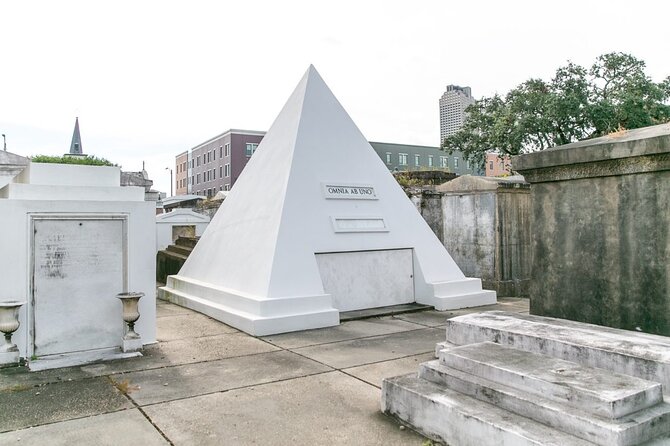
Reviewed · CEMETERY TOURS
St. Louis Cemetery No. 1 Official Walking Tour
New Orleans has a spooky side you can only see by tour. I like how this official guided access turns St. Louis Cemetery No. 1 into a story you can follow, not just tombs to photograph. I also love that you get specific, famous names like Marie Laveau and Delphine LaLaurie, explained in real, human terms. The catch: it’s still a guided walk, so you won’t wander freely or move at your own pace.
One thing to plan for is that it’s outdoors and the ground can be uneven. If you hate walking, or if you need extra space because of hearing or smells, this may feel harder than you expect. Also, like any group tour, the pace and guide style can vary.
In This Review
- Key things to know before you go
- St. Louis Cemetery No. 1, and Why It’s Tour-Only
- Starting at Basin St. Station: Where the Tour Gets Its Bearings
- The Walk Through the City of the Dead: Timing That Works
- Strolling Through the Gate: What Makes This Cemetery So Special
- Marie Laveau’s Tomb: A Key Moment on the Route
- Delphine LaLaurie: Learning the Darker Side Without Making It Sensational
- Official Rules Inside: Photos Allowed, Touching Not
- Guide Style Matters: How to Read the Tour So You Don’t Miss Things
- Who Should Book This Tour (and Who Might Want a Different Plan)
- Practical Notes for a Smooth Visit: Shoes, Weather, and Comfort
- Price and Value: Is $25 for St. Louis Cemetery No. 1 Fair?
- Should You Book This St. Louis Cemetery No. 1 Official Walking Tour?
- FAQ
- Where does the St. Louis Cemetery No. 1 Official Walking Tour start?
- How early should I arrive?
- How long is the tour?
- Is the cemetery open without a tour?
- Can I take photographs during the tour?
- Are there rules about touching tombs or markers?
- Is food allowed inside the cemetery?
- What should I wear?
- Are pets allowed?
- Is the tour wheelchair accessible?
- What happens if it rains?
Key things to know before you go
- Official access only keeps this from feeling like a free-for-all photo stop
- Marie Laveau’s final resting place is a centerpiece of the tour
- Delphine LaLaurie’s notoriety is part of the cemetery’s story
- Max 20 people keeps the group size manageable
- Basin St. Station check-in gets you oriented fast before you cross the street
- Photography is allowed but no touching or leaning is enforced
More walks among the above-ground tombs
- Cemetery and Ghost BYOB Bus Tour in New Orleans★ 4.5 · 2,685 reviews
- New Orleans City Tour: French Quarter, Garden District & Cemetery★ 4.5 · 2,209 reviews
- New Orleans Dead of Night Ghosts and Cemetery Bus Tour★ 4.5 · 2,068 reviews
- New Orleans City and Cemetery 2-Hour Bus Tour★ 4.5 · 1,967 reviews
St. Louis Cemetery No. 1, and Why It’s Tour-Only
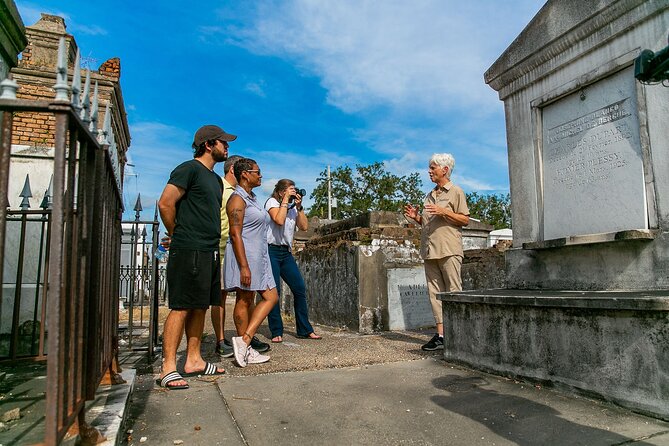
St. Louis Cemetery No. 1 is one of those New Orleans places that sounds like it should be open and walk-in. It isn’t. The cemetery is only accessible through authorized tours, with limited visitors allowed each day. That matters because the experience feels controlled and respectful, not random.
This setup also changes how you should think about the visit. You’re not signing up for quiet self-exploration. You’re signing up for guided storytelling, with rules that protect the grounds and keep the schedule running. For me, that’s a positive. You get the context that makes names on markers mean something, instead of just being a jumble of dates.
And yes, the cemetery is famous for “being spooky.” But the best moments aren’t jump-scare moments. They’re the explanations: how the cemetery works, why it looks the way it does, and why certain people became part of New Orleans lore.
Starting at Basin St. Station: Where the Tour Gets Its Bearings

Your tour begins inside Basin St. Station at 501 Basin St. You’ll check in at the Cemetery Tour Desk and get tickets and tour stickers. Arrive about 10–15 minutes early (15 minutes is a safe target) so you’re ready to leave on time.
Before you cross the street, Basin St. Station is a useful little buffer zone. It’s not just a place to wait. You’ll find exhibits and an interactive map about Hurricane Katrina floodwaters, plus a cafe, gift shop, and clean restrooms. If you’re coming straight from the French Quarter, this is a good moment to get your legs under you and mentally shift from street-level New Orleans to the city’s above-ground burial world.
Practical tip: use this time to regroup with your group, double-check shoes, and grab water if you need it. Once you’re in the cemetery, the rules are strict about eating and how you behave around tombs.
The Walk Through the City of the Dead: Timing That Works
The cemetery portion runs about 45 minutes, and the full experience clocks in around 55 minutes. That’s a sweet spot. Long enough for real stories, short enough that you’re not standing in the same spot wishing the tour would hurry up.
You’ll start with a short walk across the street up to the cemetery gates. Then you’re inside for the guided portion. The tour ends back at the meeting point, Basin St. Station.
What I like about the timing is that it respects the setting. This isn’t a museum where you can drift and re-read labels forever. It’s an active historical site with limited access. A guided route also helps you notice details you’d miss alone, especially the tomb structures and marker styles that tell you when and how burial practices evolved.
The main drawback is also tied to the timing: you won’t have time to meander and take unlimited photos wherever you want. The guide keeps the group moving, and that’s part of how the tour stays within the regulated visiting window.
Strolling Through the Gate: What Makes This Cemetery So Special
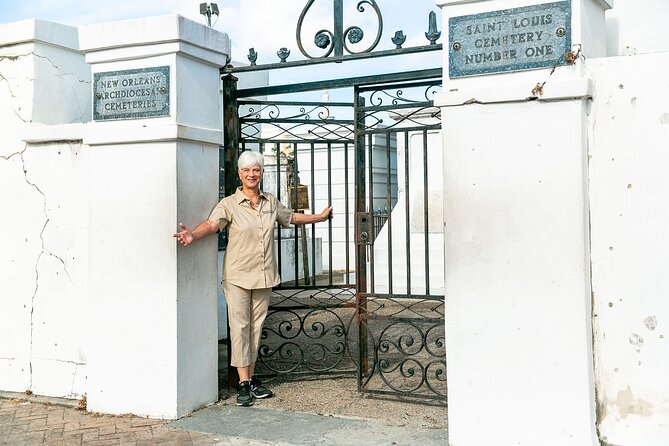
St. Louis Cemetery No. 1 opened in 1789 and is often described as the city’s oldest Catholic cemetery. Even if you don’t know much about New Orleans burial practices, the place quickly teaches you how to look.
Because this is an outdoor, above-ground tomb cemetery, you’re used to seeing stonework that’s part architecture, part memorial. The official guide helps connect what you see to what it means. That connection is the difference between a photo you’ll scroll past later and a story that sticks.
One more thing: the tour is built around access and order. You’re expected to stay with your guide at all times while in the cemetery. You can still take photographs, and the unique angles are absolutely a big part of why people book this. But the experience is structured, not free roaming.
If you’re the type who loves reading at your own speed, you may feel slightly compressed here. If you’re happy to walk and listen for about an hour, the structure is a feature, not a bug.
More of New Orleans on foot





Marie Laveau’s Tomb: A Key Moment on the Route
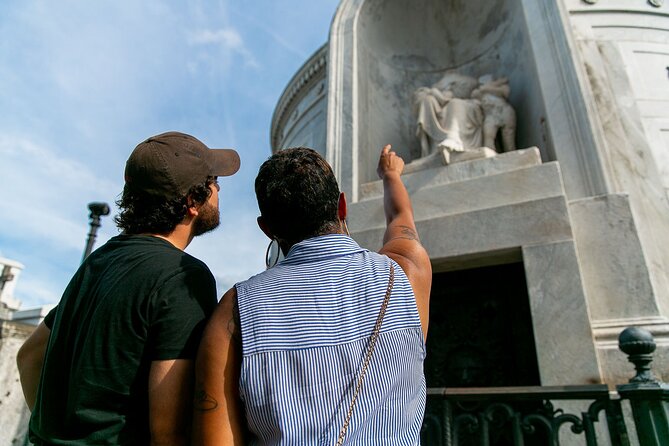
One of the tour’s headline stops is Marie Laveau’s final resting place. This is why many people book in the first place. Even if you only know her from popular culture, the guided framing gives you the local context—why she mattered in New Orleans, and how her story connects to the broader cemetery world.
What I appreciate is that the tour doesn’t treat the name like a trivia card. It uses the cemetery setting to explain why certain figures are remembered long after they’re gone. Seeing a famous name in a place where people really memorialize loved ones gives the story a different weight.
If you want the best experience here, bring a simple attitude: be ready to listen closely during this part of the walk. It’s the most recognizable anchor on the route, and the guide’s explanation is what turns it from sightseeing into understanding.
Delphine LaLaurie: Learning the Darker Side Without Making It Sensational
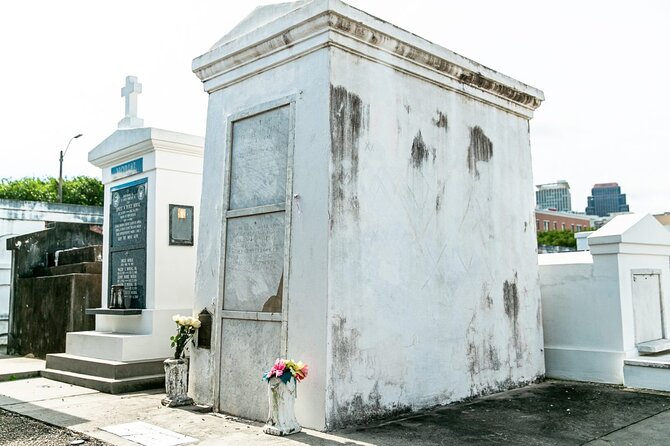
Another stop brings you to the final resting place of Delphine LaLaurie, one of New Orleans’ most notorious residents. Her name comes with a darker reputation, and the tour handles it through explanation rather than theatrics.
This matters because it keeps the story human and historical instead of turning it into gossip. The cemetery becomes a lens for broader New Orleans themes—how wealth and influence can coexist with cruelty, and how reputations can echo through generations.
In my view, this is where an official guide earns their paycheck. Without context, the tombs are just stone and dates. With context, you start seeing why certain people remain part of the city’s ongoing conversation.
The “consideration” here: if you want the mood light all the way through, this portion may feel heavy. The good news is the tour is still well-paced and focused, not chaotic.
Official Rules Inside: Photos Allowed, Touching Not
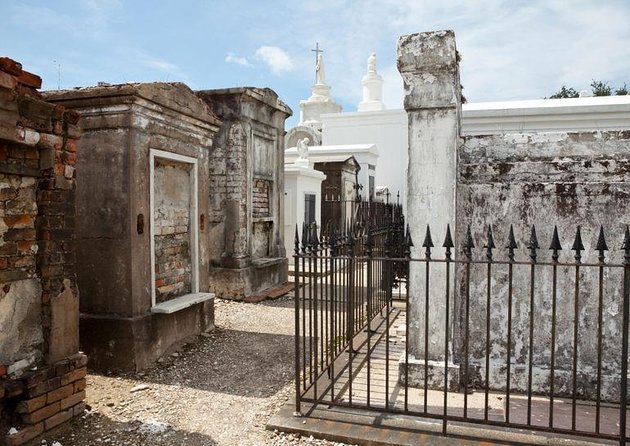
You can take photographs, and that’s explicitly encouraged. So yes, you can go for those classic cemetery angles and up-close stone details.
But the rules are clear, and your guide will enforce them:
- No touching, sitting, or leaning on tombs, fences, or other structures
- No marking or rubbing on tombs
- No vandalism or theft
- No depositing items like candles, coins, shells, rocks, figures, pictures, or anything placed on or in the cemetery
- No eating inside the cemetery
This is exactly the kind of structure that keeps a sacred historical place intact. It also helps you know what to expect so you can focus on the walk and the stories.
If you plan to take photos, a practical tip is to wear shoes that let you move safely. Uneven surfaces are part of the charm and part of the risk. You’ll get better pictures when you’re not constantly balancing.
Guide Style Matters: How to Read the Tour So You Don’t Miss Things
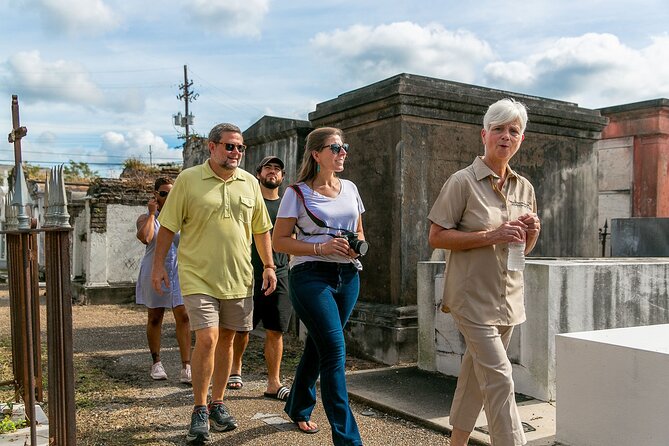
The biggest “value driver” here is the guide. The experience hinges on how the tour is told and how clearly it’s heard. Some tours are remembered for humor and storytelling. Others are remembered for clarity and questions.
You’ll see names in the guide lineup from past tours, including Spooky Rob, Alan, Richie, Emi, Denise, Jimmy, Buddy, Rahsaan, and Zelda. Even with different personalities, the goal is the same: locally licensed cemetery hosts offer accurate tours on behalf of New Orleans Catholic Cemeteries.
There are a couple things to watch for based on common issues people flag:
- Some guides speak quickly, which can make details harder to catch
- If your group is close to the guide, good audio matters more
- The smell complaint from one tour is rare, but it’s a reminder to be sensitive to personal comfort and distance
My advice: position yourself where you can hear clearly at the start. If you can’t hear well, don’t wait until halfway through to adjust.
Who Should Book This Tour (and Who Might Want a Different Plan)

This is a great match for people who want guided access to a famous New Orleans site and don’t mind a brisk walk with rules. It’s also a good fit if you like stories that connect famous names to place, not just architecture to admire.
From the practical side:
- Most people can participate
- Strollers are allowed
- Wheelchairs and scooters are allowed, and paths are expected to be manageable
That said, it’s not ideal for everyone. If you rely on very smooth ground for mobility, the uneven surfaces may be an issue. If you’re traveling with very young children who need more freedom to stop and wander, you might find the guided structure limiting. And if you’re hoping for long photo time in your exact favorite spots, you’ll need to accept the schedule.
In other words: book it when you want the official experience. If you want freedom above all else, you may feel a bit boxed in.
Practical Notes for a Smooth Visit: Shoes, Weather, and Comfort
Plan for walking. Comfortable shoes are the big one. The cemetery is historic, outdoors, and the ground can be uneven. Wear something stable, not your “cute but slippery” pair.
Weather is another reality check. There’s no protection from rain inside the cemetery, and tours typically continue in rain or shine. Tours can be canceled only in unsafe weather conditions, with rebooking or a refund offered by the operator.
Bring a water bottle with a lid. Eating isn’t allowed in the cemetery, so plan snacks outside before or after.
If you have mobility needs, you can ask yourself one simple question: can you handle a structured outdoor walk for about an hour on uneven ground? If yes, you’ll likely have a very satisfying visit.
And if you care about comfort: arrive early, use restrooms at Basin St. Station, and keep an eye on where you stand so you can hear the guide.
Price and Value: Is $25 for St. Louis Cemetery No. 1 Fair?
At $25 per person, this tour isn’t cheap in a city full of free walking options. But it is also not overpriced when you factor what you’re buying.
You’re paying for:
- Official access to a cemetery that’s not open for general public wandering
- A guided route with limited time but structured storytelling
- A small group cap of 20 people, which makes the experience easier to manage
Think of it like this: without a guide, you don’t really get the cemetery’s meaning. With a guide, the tombs turn into a readable New Orleans story. And because the tour includes the cemetery portion (not just a pass-by), you’re getting your money’s worth in time and structure.
If you’re in New Orleans for a short stay and only want to do one cemetery visit, this is a strong value play. It’s also a good “first cemetery” choice because it hits the key names most people come for.
Should You Book This St. Louis Cemetery No. 1 Official Walking Tour?
I’d book it if you want the official, story-led version of New Orleans’ most famous cemetery and you’re okay with a guided route. The combination of limited access, famous burial names like Marie Laveau and Delphine LaLaurie, and a manageable group size makes this one of the more efficient ways to understand the place.
Skip it or swap it for a different plan if you hate guided pace, need lots of independent wandering, or are very sensitive to uneven outdoor walking. Also, if you’re someone who struggles to hear in group settings, position yourself for the best audio early.
If you’re on the fence, do this: bring good shoes, bring patience for a controlled schedule, and expect a guided walk that explains why these names still matter.
FAQ
Where does the St. Louis Cemetery No. 1 Official Walking Tour start?
The tour starts at Basin St. Station, 501 Basin St, New Orleans, LA 70112, USA. The guide meets you at the Cemetery Tour Desk inside the station.
How early should I arrive?
Plan to arrive at least 15 minutes before your scheduled departure time so you can check in and be ready to depart on time.
How long is the tour?
The walking tour normally lasts about 45 minutes, and the full experience is listed around 55 minutes approximately, depending on conditions.
Is the cemetery open without a tour?
No. The cemetery is not open to the public and can only be accessed by authorized tours. Private family visitation can be arranged through the Archdiocese of New Orleans for eligible family members.
Can I take photographs during the tour?
Yes. Photography is allowed and encouraged during the tour.
Are there rules about touching tombs or markers?
Yes. You must not touch tombs or markers, and you also cannot sit or lean on tombs, fences, or other structures. Marking, rubbing, vandalism, and theft are prohibited.
Is food allowed inside the cemetery?
No eating is allowed in the cemetery. Water bottles with lids are encouraged.
What should I wear?
Wear comfortable shoes, because there are many uneven surfaces. Light clothing is best in hot weather, and hats and jackets can help in cooler months.
Are pets allowed?
No pets are allowed in the cemetery, except certified service animals.
Is the tour wheelchair accessible?
Wheelchairs and scooters are allowed, and the pathway is expected to be easy to maneuver.
What happens if it rains?
There is no protection from rain inside the cemetery, but tours continue as scheduled rain or shine. If unsafe weather conditions occur, departures may be canceled and rescheduled.
More Tours in New Orleans




More Tour Reviews in New Orleans

More of the Cities of the Dead





Just added to The New Orleans Traveler






Cemetery Tours, compared.
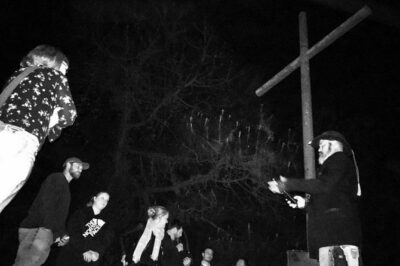 ★ 4.5Cemetery and Ghost BYOB Bus Tour in New OrleansFrom $302,685 reviews
 ★ 4.5City Tour: French Quarter, Garden District & CemeteryFrom $402,209 reviews
 ★ 4.5Dead of Night Ghosts and Cemetery Bus TourFrom $552,068 reviews
 ★ 4.5City and Cemetery 2-Hour Bus TourFrom $541,967 reviews
 ★ 4.5Cemetery Bus Tour with Exclusive Cemetery AccessFrom $401,694 reviews
 ★ 4.6Cemetery Bus Tour At Dark with Exclusive AccessFrom $361,654 reviews
 ★ 4.6Walking Tour Inside St. Louis Cemetery No. 1From $251,519 reviews
 ★ 5.0Cemetery Walking TourFrom $30901 reviews
Browse the lists this tour appears in