
Reviewed · TREME & MARIGNY TOURS
New Orleans Voodoo, Storyville, Treme, Walking Tour
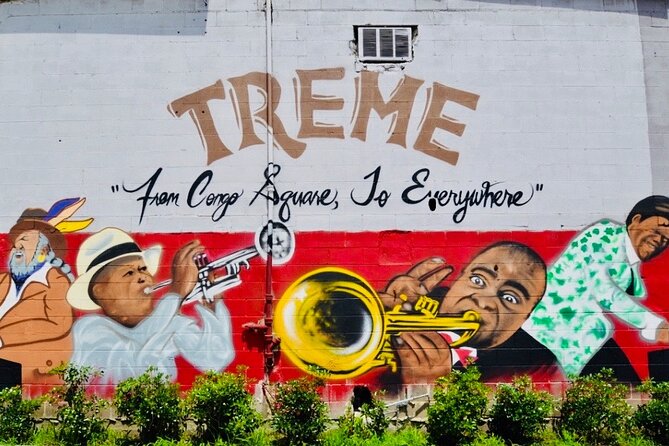
Storyville to Tremé in one walk can change how you see New Orleans. This New Orleans Voodoo, Storyville, Treme Walking Tour strings together the city’s hardest-to-summarize stories—jazz beginnings, African-rooted culture, and memorial places you’ll remember long after the tour ends.
I especially like how it goes beyond quick photo stops with a guide who brings local context and real details. I also like the mix of stops: Storyville, Congo Square, multiple churches, and the Tomb of the Unknown Slave, so you get both culture and consequence in the same 2 hours 15 minutes.
One heads-up: the tour title points to voodoo, but the experience can lean more toward music and neighborhood history depending on the guide and the day. If voodoo rituals are your main goal, go in expecting a broader cultural story, not a single-theme lecture.
In This Review
- Key things to know before you go
- Where This Walk Fits in Your New Orleans Plan
- Meet Your Guide at Backatown Coffee Parlour (Then Start Walking)
- Stop 1: Storyville District and the Jazz Born in Contradictions
- Stop 2: Our Lady of Guadalupe Church, Old Walls and Living Memory
- Stop 3: Congo Square, a Gathering Place Tied to Resistance
- Stop 4: Louis Armstrong Park and Why a Name Matters
- Stop 5: St. Augustine Church, Community Faith and a Specific Kind of First
- Stop 6: Tomb of the Unknown Slave by St. Augustine (Only One of Its Kind)
- Voodoo Expectations: What the Title vs. the Reality Can Mean
- How Guides Bring the Neighborhood to Life (and Why It Shows)
- Price and Time: Is $29 Actually Worth It?
- What to Bring and How to Make It Comfortable
- Who This Walking Tour Is Best For
- Should You Book This New Orleans Voodoo, Storyville, Treme Tour?
- FAQ
- How long is the tour?
- What is the meeting point for the tour?
- Where does the tour end?
- How much does the tour cost?
- Is the tour offered in English?
- Is the ticket mobile?
- Is a guide included?
- What size is the group?
- Is the tour good for people with limited mobility?
- Is the tour accessible by public transportation, and can I bring a service animal?
Key things to know before you go
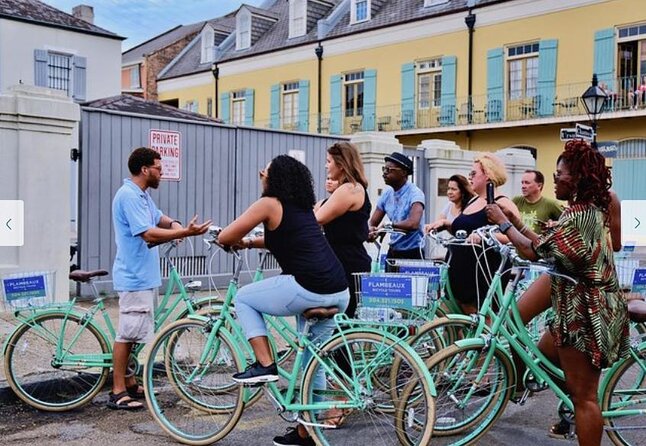
- A licensed local guide who talks like a storyteller, not a museum placard
- Storyville’s surviving buildings tied to early jazz roots
- Congo Square as a key gathering place connected to resistance and cultural survival
- Real religious landmarks including Our Lady of Guadalupe and St. Augustine Church
- Tomb of the Unknown Slave—a rare, specific memorial you won’t find elsewhere
- Small groups (up to 20) that make questions feel welcome
Still up for a haunt? More voodoo and ghost walks
- New Orleans Premier Ghost, Voodoo and Vampire Walking Tour★ 4.5 · 12,856 reviews
- Adults-Only New Orleans Ghost, Crime, Voodoo, and Vampire Tour★ 5.0 · 6,545 reviews
- New Orleans Adults-Only Ghost, Voodoo and Vampire Tour★ 5.0 · 3,291 reviews
- New Orleans French Quarter, Voodoo and Culture Walking Tour★ 4.5 · 2,961 reviews
Where This Walk Fits in Your New Orleans Plan
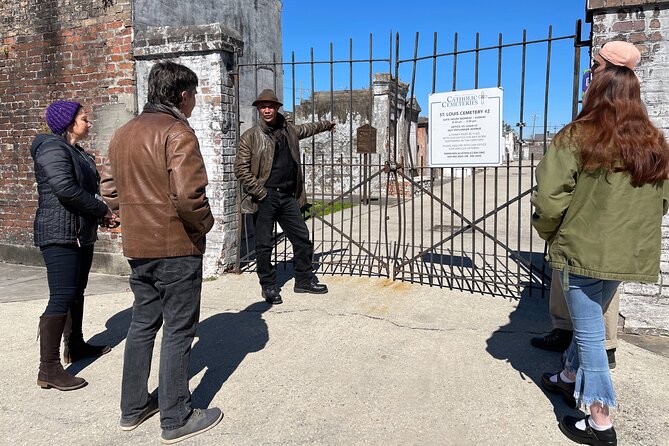
This is a short, focused walking tour built for people who want more than the usual highlights. You’re out for about 2 hours 15 minutes, and the route threads through central neighborhood history in a way that makes the city feel connected, not chopped up into separate attractions.
At $29 per person, the value is in the guided storytelling and the fact that each stop listed is marked free admission. So you’re paying mainly for the guide time—six stops, multiple perspectives, and context you won’t easily pull from walking around on your own.
It also helps that the tour is in English, and you get a mobile ticket. Confirmation comes at booking, and the group max is 20 travelers, which usually means you can actually hear the guide and keep up.
Meet Your Guide at Backatown Coffee Parlour (Then Start Walking)
The tour starts at Backatown Coffee Parlour, 301 Basin St #1. It’s an easy, central meet point, and from there the route flows through the places the city itself remembers: entertainment districts, gathering grounds, and places of worship and memorial.
What I like about this style of tour is the tone. In this neighborhood, you need someone who can switch gears—jazz origin stories to spiritual and community history, then to respectful remembrance of slavery’s impact. Guides named in past tours include Mr. Higgins (often mentioned as very nice and lively) and New Orleans Nate (credited with charisma and clear volume), and multiple guests have described the guides as enthusiastic and fun while still treating painful topics with respect.
If you’re the type who likes facts you can follow, pay attention to how the guide supports claims. Several guides were praised for using strong details—what one guest described as receipts to back up stories—so you leave with something more solid than vibes.
Stop 1: Storyville District and the Jazz Born in Contradictions
The tour begins in the Storyville District, stopping at the three remaining buildings from the city’s notorious red-light district. Even if you’ve heard of Storyville before, it lands differently when you see what’s still standing—and when you connect it to how early jazz developed here.
This stop matters because it challenges the simple version of New Orleans culture. Jazz didn’t come from one clean, polished source. It grew in a place shaped by exploitation, commerce, and the complicated social reality of the time. The guide’s job is to show that connection without turning it into shock value.
Practical note: this is a brief stop (about 10 minutes). Treat it like orientation. You’re learning how to read what you see next—church fronts, park names, memorials—because the same neighborhood layers keep showing up in different forms.
Stop 2: Our Lady of Guadalupe Church, Old Walls and Living Memory
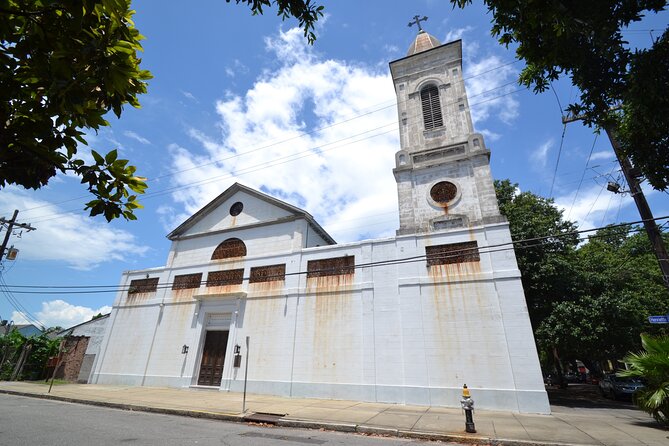
Next is Our Lady of Guadalupe Church, described as the oldest surviving church in New Orleans. Expect a talk that doesn’t just say when a building was built, but what its survival means in a city where so much has changed.
This stop gives you a different pace. Storyville can feel like a past you look at. A church stop feels like a place that still functions as a community anchor. That contrast is the point.
You’ll have about 20 minutes here, so the guide can connect the architecture and founding context to the broader neighborhood story—how faith communities shaped life, how institutions outlasted districts, and how public space can shift roles across generations.
Across Esplanade into Treme and the Marigny
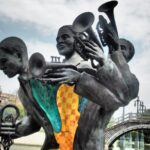
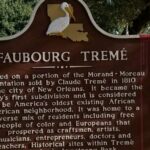
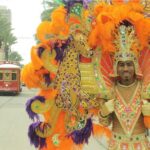
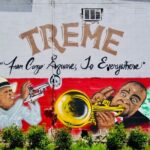

Stop 3: Congo Square, a Gathering Place Tied to Resistance
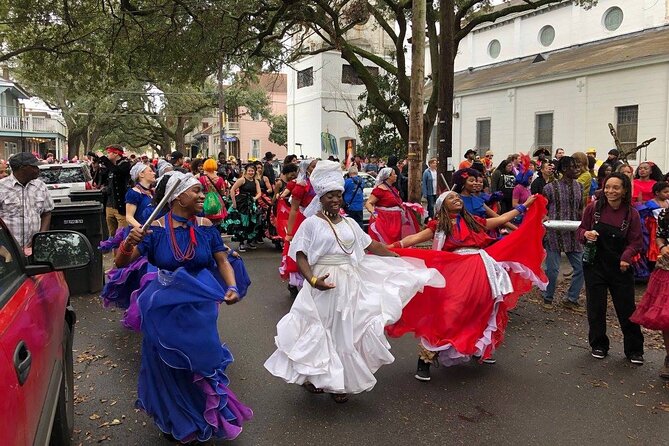
Then you reach Congo Square, where the tour centers on the historic gathering place of African slaves and the cultural birth of New Orleans traditions.
This stop is the cultural pivot of the route. The guide’s focus—based on how this tour is presented—includes resistance, music, and voodoo as part of how people maintained identity under brutal conditions. You may also hear the kind of language and storytelling that reflects lived Creole influence; past guests specifically mentioned guides using Creole French phrases, which can add texture to the way stories are told.
Time here is around 15 minutes. That’s short, but it’s enough to leave with a clearer mental picture: Congo Square isn’t just a historic site. It’s a reminder that culture can be survival.
Stop 4: Louis Armstrong Park and Why a Name Matters
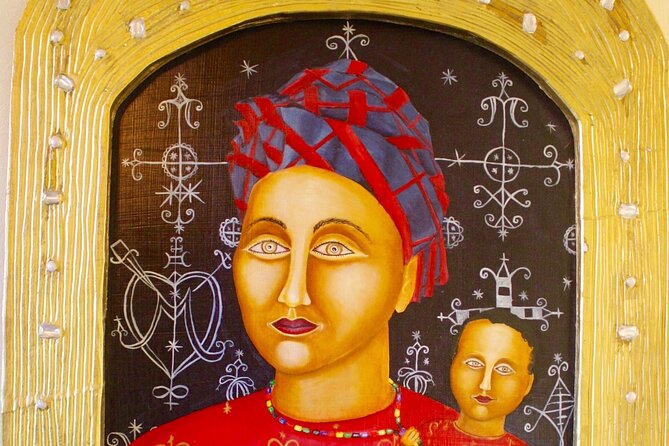
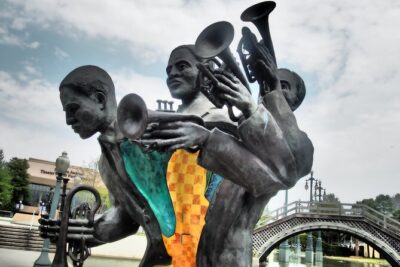
At Louis Armstrong Park, you’ll visit the park named for New Orleans’ most famous musical son. This stop is about continuity: how the city honors one of its biggest exports while still grounding that fame in the neighborhood that made it possible.
This is also where you’ll start noticing how the guide links music to place. Several guides were praised for tying stories back to the streets, the community, and the people—not just listing musicians like a playlist.
Expect about 15 minutes. Use that time to look around. Parks can feel like background scenery, but on this route, they function like a bridge between older social life and modern New Orleans identity.
Stop 5: St. Augustine Church, Community Faith and a Specific Kind of First
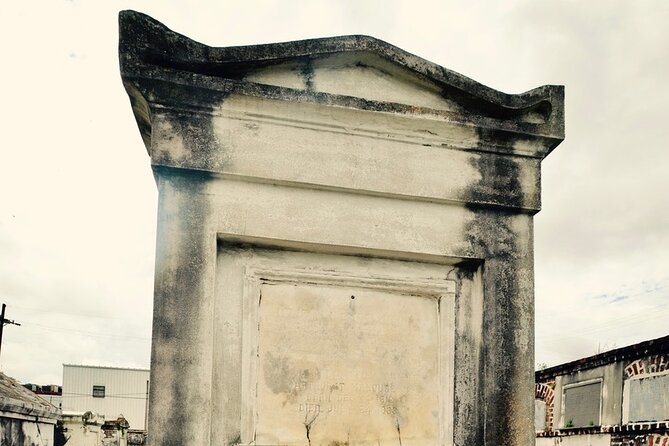
Next is St. Augustine Church, called the oldest predominantly Black Catholic parish in the country. This stop adds depth you don’t always get on “music history” tours.
It’s also the kind of place where respectful tone matters. Past guests specifically praised the way the guide handled painful parts of US history with respect. You’ll feel that here: the story isn’t just about architecture or dates, but about community endurance and how faith was practiced and defended.
Time is about 20 minutes, which is long enough for a proper explanation rather than a quick exterior photo moment. If you’re someone who likes hearing why a landmark matters to real people (not just famous narratives), this is one of the best stops.
Stop 6: Tomb of the Unknown Slave by St. Augustine (Only One of Its Kind)
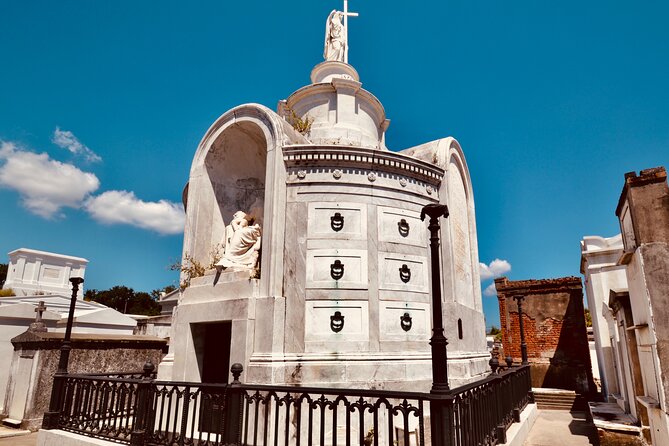
The last stop focuses on the Tomb of the Unknown Slave, located on the side of St. Augustine Catholic Church. The tour also notes the Backstreet Cultural Museum across the street (and that it’s closed now), but the key point is the tomb itself.
This memorial is described as the only memorial of its kind in America. That’s a strong claim, and the presence of the guide helps you understand why it matters: it pushes slavery’s story out of vague abstraction and into an actual point on the map that demands acknowledgement.
Time here is about 20 minutes. If your group likes to rush to the next thing, slow down here. This is a place where the right pace helps the meaning land.
Voodoo Expectations: What the Title vs. the Reality Can Mean
The tour name signals voodoo, and it’s part of the Congo Square narrative. But one important reality check showed up in past experiences: a substitute guide was assigned during one tour, and the person running the walk reportedly talked more about music and musicians rather than voodoo itself.
So here’s the practical way to handle it: treat voodoo as part of a wider cultural conversation—African roots, resistance, and how traditions moved through the city. If what you want is a voodoo-focused ritual explanation only, you might want to set expectations for a more blended tour.
That said, guides like New Orleans Nate were praised for being talkative, clear, and full of local stories, and even when the balance shifts, the route still has strong, memorable stops.
How Guides Bring the Neighborhood to Life (and Why It Shows)
This is one of those tours where the guide can make or break the experience, and your odds look good based on the reported style of past guides.
Common praise includes:
- Charismatic, lively storytelling (including from Mr. Higgins and David Higgins)
- Clarity and volume so everyone can hear (New Orleans Nate was singled out for this)
- Patience with pictures rather than rushing people out of moments
- Personal touch and local grounding, including family stories and lived experiences
- A sense of humor that doesn’t erase the hard parts
One small but telling anecdote: a guide helped someone retrieve a phone left in the coffee shop before the tour. That kind of attentiveness isn’t a guarantee, but it fits the broader pattern—these guides take the walk seriously.
Also, multiple guests mentioned tours that feel paced to your interests, not just a scripted march. That matters if you’re the kind of person who likes to ask questions instead of watching from the back.
Price and Time: Is $29 Actually Worth It?
Let’s talk value in plain terms.
You’re paying $29 for:
- about 2 hours 15 minutes of guided walking
- a small group (max 20)
- expert licensed guides
- multiple free-admission stops across Storyville, Congo Square, major churches, and a major memorial
If you were to do this on your own, you’d spend time figuring out what to look at and why each place matters. The guide’s job is to connect the dots—jazz origins with neighborhood history, faith institutions with community survival, and Congo Square’s cultural legacy with the city’s identity today.
The only “cost” you should factor in is time: this is a walking tour, so you’ll want shoes that work well on sidewalks and a bit of stamina for a moderate fitness level.
What to Bring and How to Make It Comfortable
You’ll be outdoors and moving for most of 2h 15m, so pack for street-level New Orleans. The tour is marked as requiring good weather, so plan around that.
Bring:
- comfortable walking shoes
- water, especially if it’s warm
- a phone with enough battery if you’re using the mobile ticket
- a light layer if weather shifts in the evening
Also, if you’re sensitive to hard history, give yourself permission to take a moment at the Tomb of the Unknown Slave. The tone here is meant to be respectful, but it’s still emotional.
Who This Walking Tour Is Best For
This tour is a good fit if you:
- want authentic neighborhood context, not just a checklist of landmarks
- care about how jazz connects to real social history
- like stories that include faith, African roots, and memorials
- enjoy guided walking tours where questions are welcome
It’s also a strong choice for first-timers who want a coherent picture of Tremé and adjacent neighborhoods without spending all day commuting.
If you only want light entertainment or you only want one narrow theme (like strictly voodoo rituals), you may find the mix less targeted. But if your goal is to understand how New Orleans culture was built—under pressure—you’ll likely find a lot to appreciate.
Should You Book This New Orleans Voodoo, Storyville, Treme Tour?
If your idea of a great New Orleans day includes Storyville’s contradictions, Congo Square’s cultural survival, and a guided walk that ends at a memorial with real weight, then yes, this is worth booking.
Book it especially if you’re drawn to the way a strong local guide can link landmarks into a bigger story. The pricing is reasonable for a licensed-guided route with several meaningful stops, and the group size should help you stay connected rather than lost in the crowd.
Just go in with one expectation set: voodoo is part of the story, but the walk may emphasize music and neighborhood history depending on the guide. If you’re okay with a broader cultural mix, you’ll come away with a New Orleans you can actually explain to friends.
FAQ
How long is the tour?
It runs about 2 hours 15 minutes.
What is the meeting point for the tour?
The tour starts at Backatown Coffee Parlour, 301 Basin St #1, New Orleans, LA 70112.
Where does the tour end?
It ends at Saint Augustine Catholic Church, 1210 Governor Nicholls St, New Orleans, LA 70116, near the Tomb of the Unknown Slave on the side of the church.
How much does the tour cost?
The price is $29.00 per person.
Is the tour offered in English?
Yes, it is offered in English.
Is the ticket mobile?
Yes, the tour uses a mobile ticket.
Is a guide included?
Yes. Expert licensed guides are included.
What size is the group?
The tour has a maximum of 20 travelers.
Is the tour good for people with limited mobility?
It’s listed as requiring moderate physical fitness, so it’s best if you’re comfortable walking for the duration.
Is the tour accessible by public transportation, and can I bring a service animal?
It is near public transportation, and service animals are allowed.
More Tour Reviews in New Orleans


Treme & the Marigny, Keep Going
More Ghosts, Voodoo & Vampires


Just added to The New Orleans Traveler


Treme & Marigny Tours, compared.
 ★ 4.5Frenchmen Street VIP Live Music Pub Crawl in New OrleansFrom $52613 reviews
 ★ 5.0Treme’ Walking TourFrom $20240 reviews
 ★ 4.9Tremé African American & Creole History TourFrom $22208 reviews
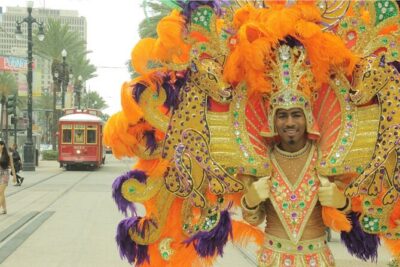 ★ 5.060-minute Tremé Walking Tour & Photo ExperienceFrom $1572 reviews
 ★ 5.0Creole Architecture of the Marigny TourFrom $4046 reviews
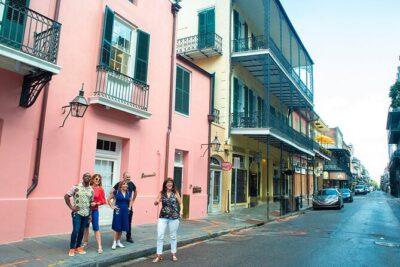 ★ 5.0Private French Quarter and Treme Walking TourFrom $60029 reviews
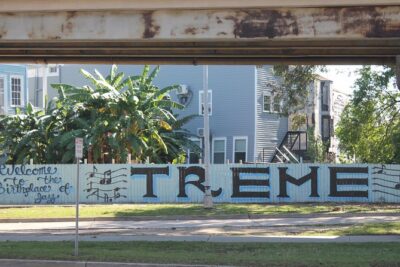 ★ 4.5Walking the Tremé: A Self-guided Audio Tour of New OrleansFrom $924 reviews
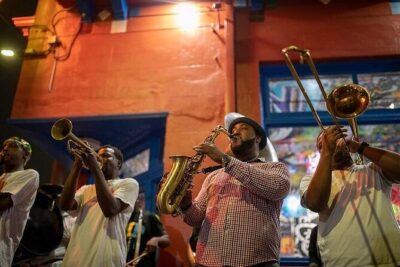 ★ 4.5Private VIP Frenchmen Street Live Music Pub Crawl New OrleansFrom $23517 reviews
Browse the lists this tour appears in