
Reviewed · FRENCH QUARTER TOURS
New Orleans French Quarter, Voodoo and Culture Walking Tour
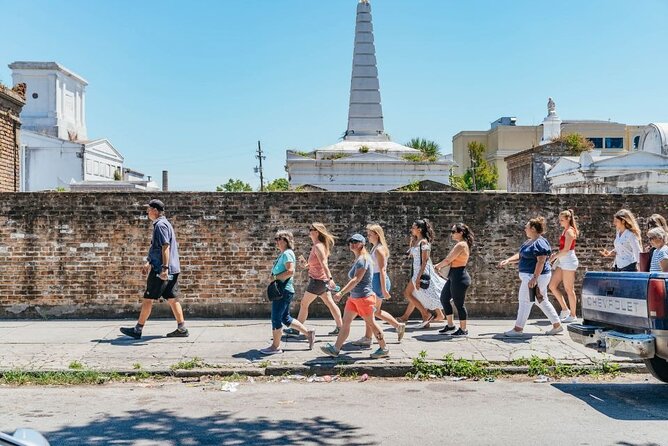
Voodoo in the Quarter feels close to real life. This walking tour pairs French Quarter architecture with clearly explained voodoo history, and you get a practical route that keeps things easy to follow. I especially like that the tone stays not-too-scary while still covering the real people and traditions behind the myths. One consideration: it is a short walk (about one mile total) and it does not go into cemeteries, so it is more education than a long, supernatural experience.
If you want a morning or afternoon option, you will start at Witches Brew Gallery & Haunted Sanctuary and end at Jackson Square in the heart of the French Quarter. The price is $27.99 for around two hours, which is solid for a guided walk that also includes a quick stop at a local shop for ritual-material context. Guides are licensed by the City of New Orleans, and you’ll stay in a manageable group size of up to 28.
In This Review
- Quick hits
- Where the tour starts: Witches Brew Gallery and an easy landing in the Quarter
- What makes the voodoo part feel respectful instead of sensational
- The French Quarter walk: shotgun homes, Creole townhouses, and courtyards with jobs
- Jackson Square and St. Louis Cathedral: quick stops with big context
- Voodoo Authentica and Marie Laveau: understanding the person behind the legend
- Louis Armstrong Park and Congo Square: where Sundays shaped culture
- Storyville District: a fast look at the old Red Light legacy
- How much walking is involved, and what to wear
- Price and value: $27.99 for two hours that actually connect the dots
- Who should book this French Quarter voodoo and culture walk
- Should you book this tour?
- FAQ
- How long is the New Orleans French Quarter, Voodoo and Culture Walking Tour?
- Where does the tour start?
- Where does the tour end?
- Do I need reservations in advance?
- How much walking should I expect?
- Does the tour enter any cemeteries?
- Is the tour offered in English?
- What should I bring?
- What happens if weather is bad?
Quick hits
- Not-too-scary tone that focuses on meaning and context
- Licensed city guides (5-star, City-approved)
- One-mile route with a leisurely pace and lots of stopping for stories
- Congo Square at Louis Armstrong Park and the Sunday gatherings that shaped music and culture
- Marie Laveau in the storyline, tied to how traditions were practiced and misunderstood
- Short, efficient stops like Jackson Square and St. Louis Cathedral without the time sink
Still up for a haunt? More voodoo and ghost walks
- New Orleans Premier Ghost, Voodoo and Vampire Walking Tour★ 4.5 · 12,856 reviews
- Adults-Only New Orleans Ghost, Crime, Voodoo, and Vampire Tour★ 5.0 · 6,545 reviews
- New Orleans Adults-Only Ghost, Voodoo and Vampire Tour★ 5.0 · 3,291 reviews
- New Orleans French Quarter, Voodoo and Culture Walking Tour★ 4.5 · 2,961 reviews
Where the tour starts: Witches Brew Gallery and an easy landing in the Quarter
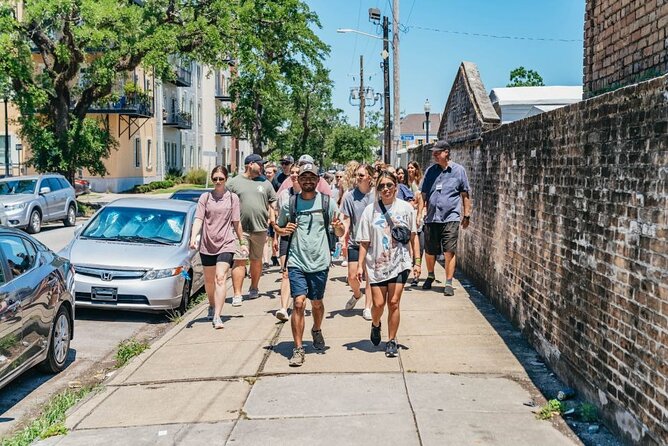
The tour meets at 311 Exchange Pl, at the Witches Brew Gallery & Haunted Sanctuary, directly across from Pelican Club Restaurant. That location is handy because you are already in the dense center of the French Quarter area, so you are not spending your limited time hunting down a meeting point.
Check-in begins 30 minutes before departure, and the tour leaves on time. Late arrivals do not get pulled into the group mid-walk, so I recommend arriving early enough to grab water and settle your bearings. You’ll finish at Jackson Square, which is the kind of end point that helps you keep exploring right after—cafés, walking paths, and photo spots are all close.
What makes the voodoo part feel respectful instead of sensational
The best part of this tour is how the voodoo stories are framed. You are not just getting movie-style scares—you are getting history, tradition, and explanations of why people misunderstand voodoo in the first place. This is the kind of tour that works well if you want to learn without feeling pushed into an overly intense or graphic vibe.
A local guide also matters here. In past runs, guides such as William, Logan, Jimmy, James, and Bill have been singled out for storytelling and making the Quarter feel alive. Even if your guide is different, look for that same skill: clear, humane explanations of how traditions persisted in a city shaped by slavery, resistance, and music.
You’ll also see a practical side of the tradition through a quick peek into a small shop called Voodoo Authentica. The focus is on what people use—things like herbs, oils, and amulets—and the meaning behind them. That stops the whole topic from staying abstract.
The French Quarter walk: shotgun homes, Creole townhouses, and courtyards with jobs
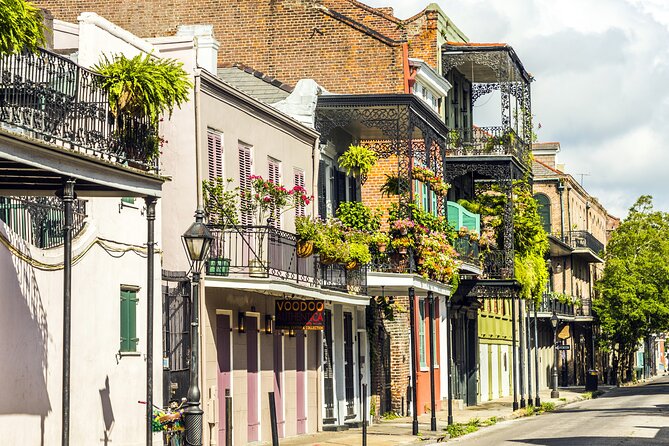
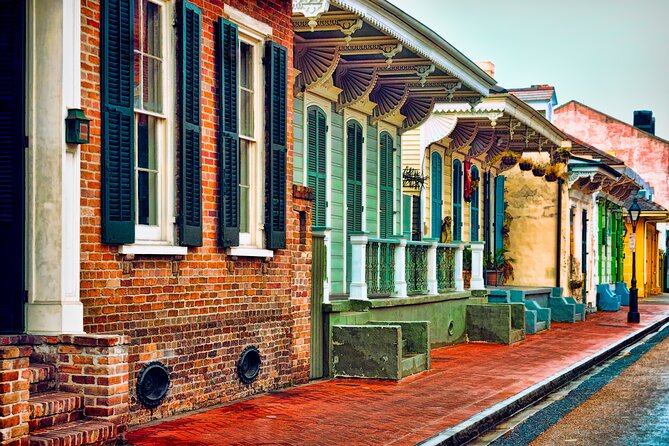
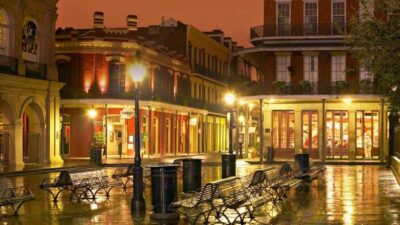
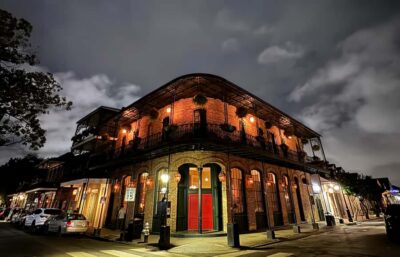
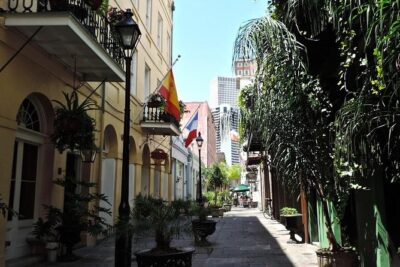
You start with about an hour of strolling through the French Quarter at a leisurely pace. The architecture stops feel intentional, not random. You’ll pass French and Spanish-inspired buildings, Creole townhouses, and different home styles that explain how people lived in tight historic space.
One highlight is the conversation around home layouts. You will walk by shotgun homes and hear how that early 1860s style became so common. You’ll also hear about entresol houses, which adds another layer to how the Quarter’s buildings worked for daily life. And there’s time to notice a cloistered courtyard, including the utilitarian function it served—one of those details you would never spot on your own.
Even if you are not an architecture nerd, this part is useful. It helps you understand why the Quarter looks the way it does today and why stories stick to certain corners.
Jackson Square and St. Louis Cathedral: quick stops with big context
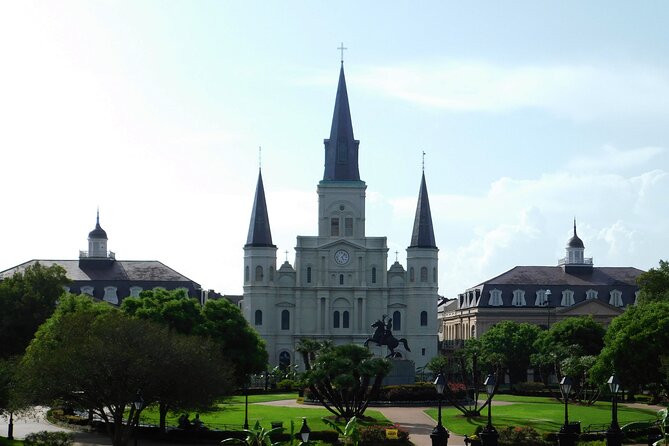
After the main Quarter stroll, you move to Jackson Square for about 15 minutes. This stop is short, but it gives you a real frame for what you are seeing. You’ll learn about the first settlements in New Orleans and what the early apartment-building idea looked like in the United States. This is a good place to connect the city’s beginnings to the streets you already walked.
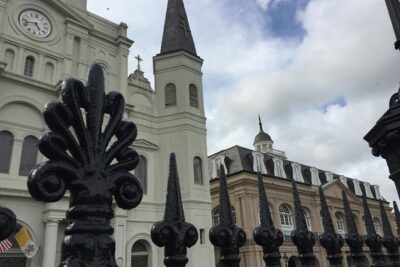
Then you’ll spend around 10 minutes at St. Louis Cathedral. The visit includes a key part of the city’s story: the fire that burned down most of the area. That matters because so many New Orleans landmarks exist because the city rebuilt, adjusted, and carried on.
Drawback to keep in mind: this is not a long cathedral tour. If you want deep time inside the building, you’ll likely need to return later on your own.
More ways to wander the Vieux Carre


Voodoo Authentica and Marie Laveau: understanding the person behind the legend
One of the tour’s most targeted stops is Voodoo Authentica for about 10 minutes. This is where the voodoo topic gets grounded. You’ll learn about New Orleans Voodoo through history and traditions, and the guide ties it to Marie Laveau, often referred to as a major figure in local lore.
I like this stop because it signals what the tour is trying to do: give you the human and cultural thread behind the sensational headlines. The shop component also prevents the information from turning into pure mythology. You get to see that people still treat these practices as meaningful, not just theatrical.
If you are hoping for an extended shopping experience or a long look at tools and items, plan for the time you are given: it is a brief stop. Use it like a context primer, then if you want more, you can follow up afterward.
Louis Armstrong Park and Congo Square: where Sundays shaped culture
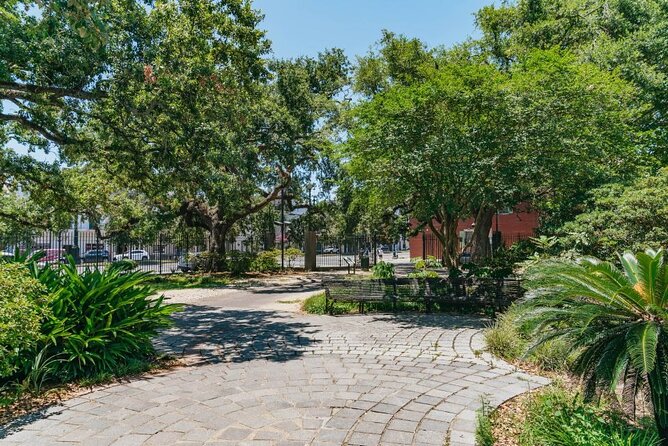
This part is where the tour’s cultural focus really clicks. You’ll walk through Louis Armstrong Park and reach Congo Square, a historical site connected to gatherings in the 1800s. The story is not just about voodoo as a theme—it’s about community and shared life.
Your guide shares what happened on Sundays: slaves and free people met openly to trade, socialize, play music, dance, and practice voodoo rituals. And that is tied to the larger arc of New Orleans culture, including the development of jazz.
Why this stop is valuable: it turns voodoo from a standalone legend into a lived part of a broader social world. It also gives you a tangible place to remember what you just learned in the streets. When you walk back into the Quarter afterward, you will see the area differently.
Storyville District: a fast look at the old Red Light legacy
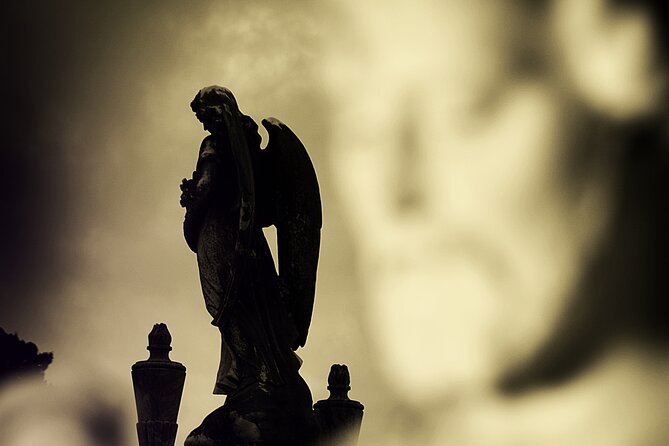
Near the end, you’ll visit the Storyville District, described as the former Red Light District just outside the French Quarter. It’s a shorter stop (about 10 minutes), but it adds a hard-edged layer to the city’s past.
I like that the tour does not keep everything at the postcard level. Storyville helps show how the French Quarter’s surrounding neighborhoods contributed to New Orleans identity—even when that history is uncomfortable.
Consideration: this is not a deep dive into moral history or economic detail. It gives you enough to recognize the name and connect it to what you are seeing around the area.
How much walking is involved, and what to wear
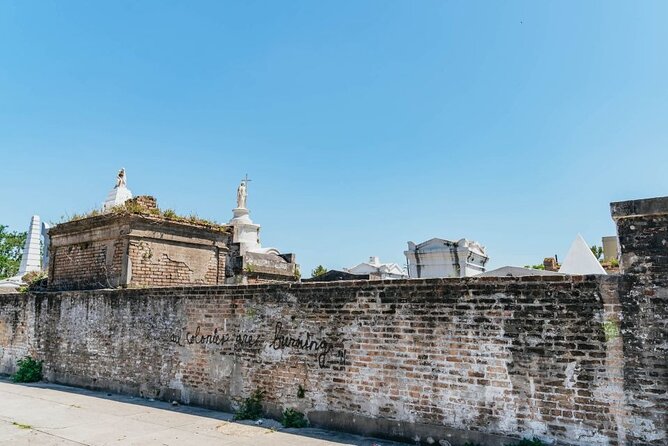
You are covering about one mile (1.6 kilometers) total during the roughly 2-hour experience, and the pace is described as leisurely. Still, the French Quarter terrain can be uneven, and the tour operator notes that the historic streets can be challenging for mobility.
My practical advice: wear comfortable shoes you trust for stone and curb edges, and bring water. The tour specifically recommends bottled water, and that is especially smart in summer heat. If you are the type who gets thirsty fast, plan your bottle before you arrive at check-in.
Price and value: $27.99 for two hours that actually connect the dots
At $27.99 per person, this tour is priced like a solid guided experience rather than a budget walk-through. For the cost, you get:
- A licensed guide with a city-regulated role
- A route that covers the core story beats of the French Quarter
- Context around voodoo that explains misunderstandings, not just myths
- Multiple landmark stops (including Jackson Square, St. Louis Cathedral, and Congo Square)
Is it expensive compared to doing it on your own? Yes. But it is usually worth it when you want correct context quickly. The advantage of a guide here is that you leave with a clearer mental map of the Quarter—who lived where, what buildings meant, and why certain traditions show up in particular places.
Who should book this French Quarter voodoo and culture walk
This tour is a good match if:
- You want voodoo explained in a respectful, non-gory way
- You care about how New Orleans culture connects to slavery, resistance, and music
- You like walking tours that mix storytelling with real landmarks
- You want a short, manageable outing instead of a half-day
It might not be your best choice if:
- You are chasing a full-on spooky or intense ghost-tour vibe
- You want cemetery stops (this one does not enter cemeteries)
- You want a long, multi-hour museum-style deep learning session
Should you book this tour?
I think you should book it if your goal is to understand the French Quarter beyond the surface—especially if you want Congo Square and Marie Laveau woven into the city’s story without turning it into a gimmick. The route is efficient, the guide component is the real value, and the not-too-scary tone makes it easier to enjoy even if voodoo is new to you.
If you are looking for a longer, heavier experience with cemetery stops or a totally different style of touring, you may want to compare options before committing. But for $27.99 and about two hours on foot, this is a strong way to get your bearings and your questions answered.
FAQ
How long is the New Orleans French Quarter, Voodoo and Culture Walking Tour?
The tour lasts about 2 hours.
Where does the tour start?
The tour starts at Witches Brew Gallery & Haunted Sanctuary, 311 Exchange Pl, New Orleans, LA 70130.
Where does the tour end?
The tour ends at Jackson Square in the French Quarter.
Do I need reservations in advance?
Yes. You need to reserve in advance since the city regulates tour guides and limits the number of guests per guide.
How much walking should I expect?
The tour covers about 1 mile (1.6 kilometers) at a leisurely pace.
Does the tour enter any cemeteries?
No. This tour does not enter any cemeteries.
Is the tour offered in English?
Yes, it is offered in English.
What should I bring?
Bring bottled water. Comfortable walking shoes are also recommended.
What happens if weather is bad?
The tour operates in all weather conditions, but it can be canceled for specific severe weather issues affecting the French Quarter, such as flooding, tropical storms, hurricanes, fires, or cloud-to-ground lightning. If canceled, you’ll be offered a different date or a full refund.
More Tour Reviews in New Orleans

More of the French Quarter
More Ghosts, Voodoo & Vampires

Just added to The New Orleans Traveler


French Quarter Tours, compared.
 ★ 5.0Food Walking Tour of the French Quarter with Small-Group OptionFrom $756,118 reviews
 ★ 5.0French Quarter Historical Sights and Stories Walking TourFrom $352,724 reviews
 ★ 4.5Ghost and Vampire Walking Tour Of The French QuarterFrom $212,406 reviews
 ★ 4.5City Tour: French Quarter, Garden District & CemeteryFrom $402,209 reviews
 ★ 5.0French Quarter Food Tour: Cajun, Creole and CultureFrom $811,246 reviews
 ★ 5.0French Quarter and More Carriage RideFrom $651,141 reviews
 ★ 5.0French Quarter walking Food Tour Famous Flavors of New OrleansFrom $751,115 reviews
 ★ 4.5French Quarter Ghost Tour with Interior VisitFrom $241,024 reviews
Browse the lists this tour appears in