
Reviewed · FRENCH QUARTER TOURS
New Orleans French Quarter and More Carriage Ride
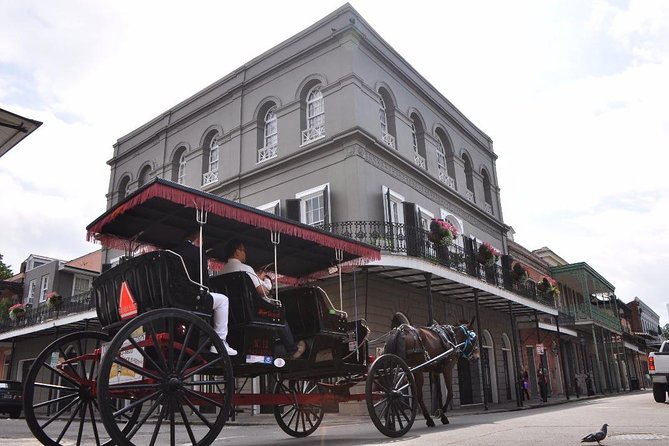
The French Quarter gets a slower, sweeter look. This 1-hour small-group carriage ride covers both the French Quarter and nearby Marigny, using guide storytelling to make landmarks like St. Louis Cathedral and the Spanish Cabildo feel personal instead of just postcard-flat. I love the way the guide mixes big events (Great Fire of 1788, Battle of New Orleans) with neighborhood details you can actually picture. I also like the local-value extras: you get practical recommendations for what to eat, drink, and explore once you’re back on foot. One thing to consider: the seats can feel tight or less comfy after a while, and if your carriage is full, the narration may feel a touch shorter than you want.
Meeting up is simple—Decatur Street is the anchor—and the ride itself stays comfortable thanks to a covered top that helps with sun or other weather. The group limit matters here: you’re capped at eight, so you’re not stuck in a noisy herd. Guides you may hear names of in the rotation include Sarah, Nate, Marty, Tony, and Mike, and the common thread is clear, friendly narration with quick historical and spooky-footnote energy that fits the streets.
If you want a deep, museum-style lecture, you might leave wanting more time for every stop—but for most first-timers, this hits a sweet spot. It’s also easy to overplan after, because the tour ends back where you started and the rest of your day is yours.
In This Review
- Key highlights worth planning around
- Why this carriage loop is one of the best French Quarter starters
- Group size and seats: the comfort math for an hour ride
- Meeting on Decatur Street: easy access, easy start
- The French Quarter segment: major stops and what each one teaches you
- St. Louis Cathedral: the oldest active anchor of the Quarter
- French Market: the Mississippi views and the city’s trade energy
- Spanish Cabildo: Napoleon-era connections and the death mask museum
- Pontalba Buildings and Place D’Armes: architecture that explains class and style
- Napoleon House: the “oldest apartment building” fact you’ll remember
- The extra texture: Creole Esplanade, patois, and ironwork balconies
- Big events and why they’re connected to the city’s shape
- Marigny: why riding beyond the Quarter makes your trip feel fuller
- What you get beyond the sights: food, jazz, museums, and smart direction
- Price and value: is $65 worth a one-hour intro?
- Weather and real-world expectations
- Who this tour suits best (and who might want a different option)
- Should you book this French Quarter and Marigny carriage ride?
- FAQ
- FAQ
- How long is the carriage ride tour?
- How many people are in the group?
- Where do you meet for the tour?
- What language is the tour offered in?
- What landmarks will I see during the ride?
- Does the tour include snacks?
- Is gratuity included in the price?
- What happens if the weather isn’t good?
- Can I cancel for a full refund?
Key highlights worth planning around
- Max 8 people for a calmer ride and easier hearing than big-group tours
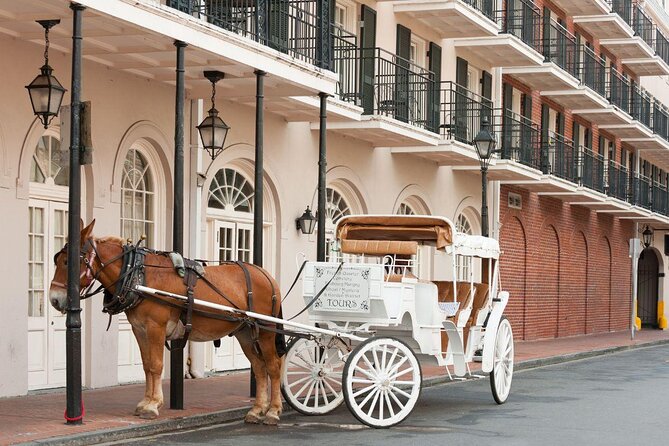
- Covered carriage keeps the hour more comfortable if weather shifts
- French Quarter landmarks close together (St. Louis Cathedral, French Market, Spanish Cabildo, Napoleon House)
- Neighborhood-to-night suggestions for food, jazz, museums, and more
- Practical guide storytelling around architecture, fires, floods, and legends
More ways to wander the Vieux Carre
- New Orleans Food Walking Tour of the French Quarter with Small-Group Option★ 5.0 · 6,118 reviews
- New Orleans French Quarter, Voodoo and Culture Walking Tour★ 4.5 · 2,961 reviews
- French Quarter Historical Sights and Stories Walking Tour★ 5.0 · 2,724 reviews
- Ghost and Vampire Walking Tour Of The French Quarter★ 4.5 · 2,406 reviews
Why this carriage loop is one of the best French Quarter starters
The French Quarter is gorgeous, but it can also be a lot at once. Hot sidewalks, crowds, and a million signs vying for your attention. This tour helps you get organized fast. Instead of walking immediately with your brain full of street names, you get an easy orientation from a covered mule-drawn carriage—so you can later return on foot to the places that actually grab you.
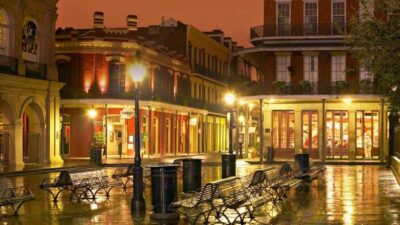
What makes it work is that it doesn’t treat the Quarter like a single block. You’re shown major sights and also given context for why they look the way they do—Creole Esplanade details, ironwork balconies, Spanish patios, and the kinds of places people gathered for coffee. That structure is useful. It turns your second visit into something you can navigate with confidence.
The other reason I like this format is pace. The ride is about 1 hour, which keeps it from becoming a sit-and-suffer situation. It’s long enough for real storytelling and short enough that you’re still fresh for dinner, jazz, or a wander through the areas your guide points out.
Group size and seats: the comfort math for an hour ride
This is capped at eight travelers, which is a big deal for both comfort and clarity. When there are fewer people, it’s easier for your driver-guide to manage stops and keep narration flowing. You also get a slightly more personal vibe—less like watching a show and more like riding with someone who cares about the neighborhood.
That said, comfort is still real life. Some riders noted seats can get uncomfortable after a while. Another practical point: if you’re concerned about hearing, pick where you can. One tip that comes up clearly is that the front can be easier for listening than sitting farther back in the carriage.
So here’s how to think about it:
- If you want to relax and you’re okay with sitting, this is a very comfortable way to see a lot.
- If you’re sensitive to tight seating, go in expecting an hour of “fine, not perfect,” then plan to stretch right after.
Meeting on Decatur Street: easy access, easy start
The tour starts at 700 Decatur St, New Orleans, LA 70116 and ends back at the same meeting spot. That matters because it prevents the all-day travel penalty. You can treat this like your official French Quarter orientation and then build the rest of your day around what you liked.
The meeting area is also described as near public transportation, which is helpful if you’re not staying within easy walking distance. And because the ride returns to the start, you’re not stuck solving a logistics puzzle when you’re hungry or ready to head to jazz.
Practical note: bring what you need for an hour outside, but don’t worry about being totally exposed. The carriage has a covered top designed to block sun or other weather elements.
The French Quarter segment: major stops and what each one teaches you
The tour’s core story happens as you ride through the French Quarter highlights, with a focus on history, architecture, and legends. This is where you’ll recognize the places you’ve seen in photos—but with the “why it matters” explained.
More slow rolls by mule and carriage
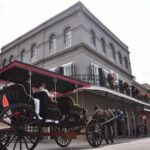
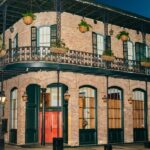
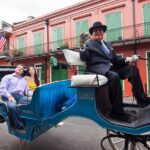
St. Louis Cathedral: the oldest active anchor of the Quarter
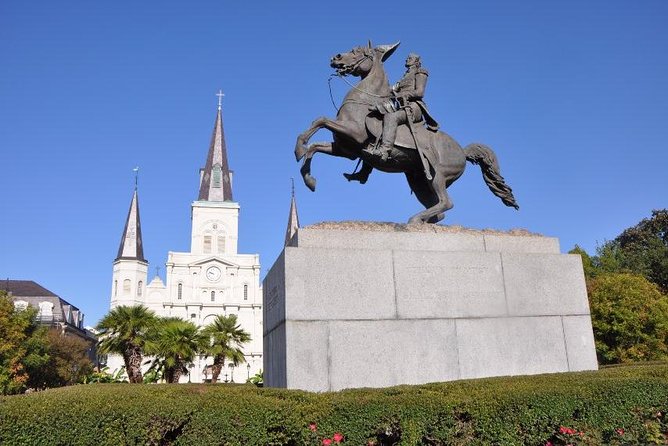
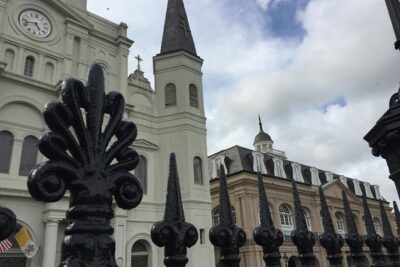
You’ll see St. Louis Cathedral, and the tour highlights that it’s the oldest continuously active cathedral in the U.S. That fact is more than trivia. It gives you a sense of time depth while you’re in a neighborhood people often treat like one era only.
When you spot it from the carriage, you can also imagine the long rhythm of the area around it—church bells, parades, and major city moments. It’s the kind of landmark that helps everything else make sense.
French Market: the Mississippi views and the city’s trade energy
Next up is the market area, positioned to overlook the Mississippi. Even without getting deep into vendors, the location tells you something important about New Orleans: this city’s identity is tied to movement—goods, people, and news coming in from the river.
For a first-timer, French Market is a strong visual stop. It’s also the kind of place you’ll want to revisit after the carriage ride if you enjoy browsing and sampling, because you’ll know you’re standing at the edge of the Quarter’s “real city” energy.
Spanish Cabildo: Napoleon-era connections and the death mask museum
One of the most distinctive stops is the Spanish Cabildo building. The tour points out that it was built using a mold crafted by Dr. Francesco Antommarchi, who was one of Napoleon Bonaparte’s physicians at the time of Napoleon’s death. The museum inside is noted as being home to Napoleon’s death mask.
That detail gives you a different angle on the Quarter. It’s not just Creole and French influences—it’s also the bigger European historical echoes that somehow landed here. If you like history with a story hook, this is a stop that keeps your attention.
Pontalba Buildings and Place D’Armes: architecture that explains class and style
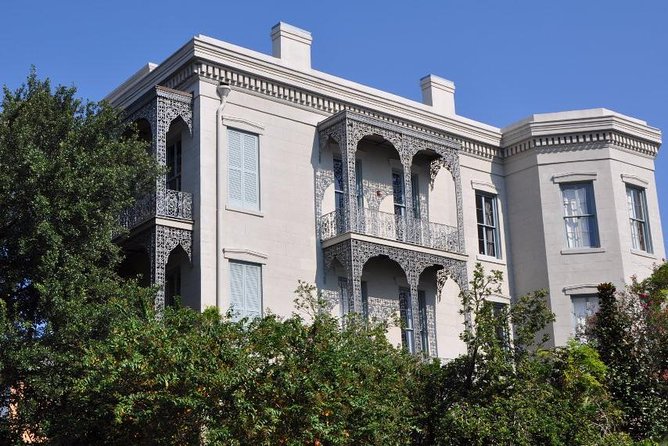
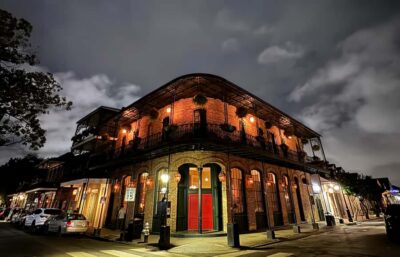
You’ll also pass key architectural landmarks like the Pontalba Buildings and Place D’Armes. These stops matter because they teach you how to read the streets. Ironwork balconies and the mix of Spanish and Creole design cues aren’t random decoration. They reflect building traditions, neighborhood layout, and how people lived and gathered.
If you’ve ever looked at French Quarter architecture and felt like you were guessing, these are the places that help you stop guessing. You start seeing patterns.
Napoleon House: the “oldest apartment building” fact you’ll remember
The Napoleon House earns its own spot in the tour highlights. The tour description calls it the oldest apartment building in the U.S. Even if you don’t go inside, that single fact changes your perception of what you’re seeing. You’re not just passing scenic facades—you’re moving through places that were built for long-term city living.
The extra texture: Creole Esplanade, patois, and ironwork balconies
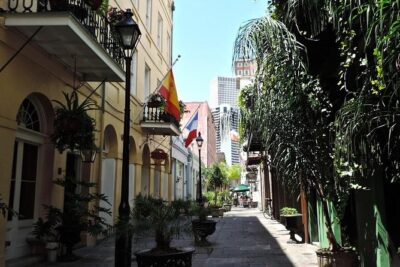
Beyond the big-name landmarks, the route description includes details like Creole Esplanade, Old Slave Quarters, French coffee house references, Spanish patios, and ironwork balconies. The goal isn’t to give you an academic lecture on every term. It’s to give you language for what you’re seeing while you’re walking later.
This is where the best guide narration shines. When the stories are paced well, these details turn into quick mental bookmarks.
Big events and why they’re connected to the city’s shape
The tour also references major events such as the Great Fire of 1788 and the Battle of New Orleans. It helps you connect the past to the present look of the Quarter—especially how rebuilding and survival shaped what endures and what gets replaced.
And if you’re into legends or ghost stories, the tour positions itself as a mix of history and mystery. That blend is part of the appeal.
Marigny: why riding beyond the Quarter makes your trip feel fuller
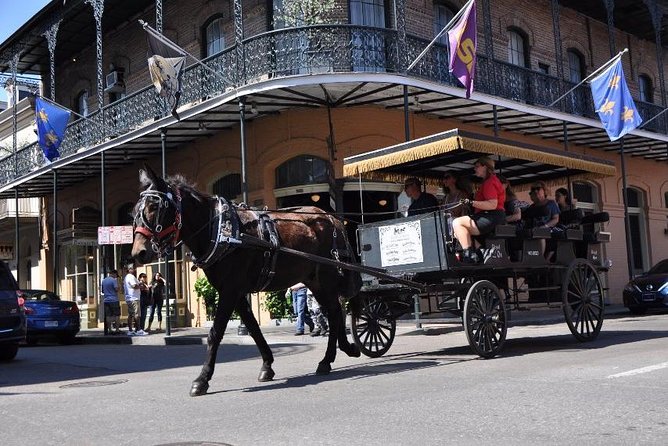
This tour doesn’t stop at the most famous postcard blocks. It also includes the nearby Marigny area. That matters because Marigny gives you a contrast—more residential streets and a different neighborhood energy than the core French Quarter scene.
Even if you’re not chasing a checklist, Marigny helps you understand New Orleans as a living city rather than a single attraction. After your hour ride, you’ll likely have clearer instincts for where you want to wander next.
What you get beyond the sights: food, jazz, museums, and smart direction
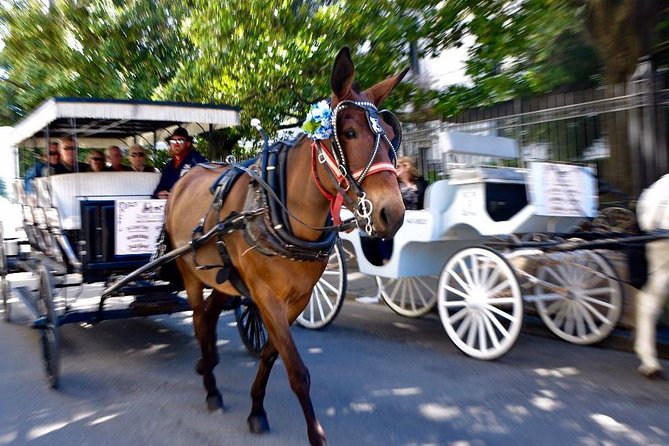
A major value point here is that the guide doesn’t just point and narrate. You also receive recommendations for nightclubs, jazz, museums, and other must-sees.
That can be surprisingly useful. New Orleans has so much to do that the hard part isn’t finding options—it’s picking the ones that match your mood and your schedule. A good guide steers you toward practical choices for the same day and keeps you from wasting time on places that won’t fit.
In the guide feedback, names come up like Sarah and Nate, and the consistent theme is friendly, local storytelling plus advice you can actually use right after the ride. If you’re planning a first visit, this kind of “then what” guidance is a real part of the experience.
Price and value: is $65 worth a one-hour intro?
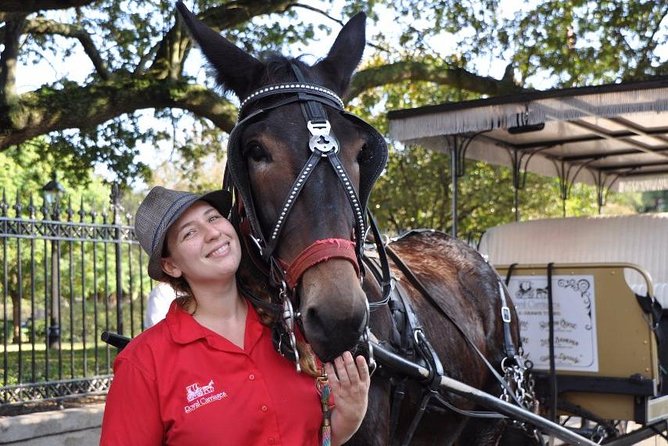
At $65 per person for about 1 hour, the price is in the “I want quality and orientation” range. This is not a budget-only walking tour, and you’re paying for three things at once:
- You get a carriage ride instead of just a guided walk
- You get top French Quarter landmarks in one loop
- You get local recommendations that can improve the rest of your trip
If your plan is to see the French Quarter for the first time and then decide where to go next, this can be good value. You’re buying time and context, which helps you spend later hours more intentionally.
If you already know you want a very long sightseeing plan on foot, then this might feel short. But for most people, the hour is the right length. It gets your bearings and gives you enough story fuel to make your next walk more fun.
Weather and real-world expectations
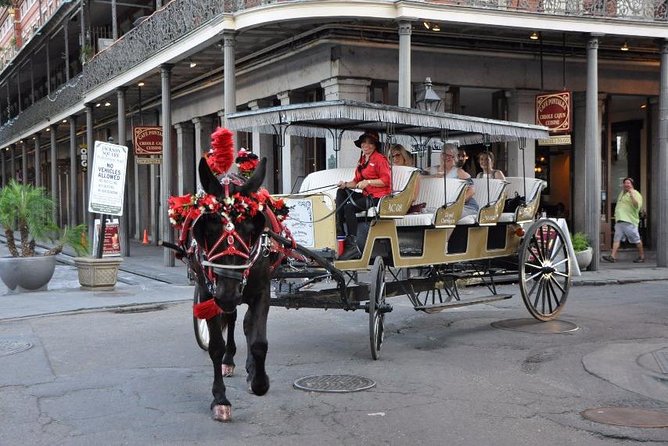
This experience requires good weather. If weather cancels it, you’ll be offered a different date or a full refund. That matters in New Orleans, where conditions can change quickly.
The covered carriage helps with comfort during the ride, but it doesn’t remove all weather risk. If you’re traveling in a season with frequent rain, keep your schedule flexible when possible.
Who this tour suits best (and who might want a different option)
This is ideal if:
- You’re seeing New Orleans for the first time
- You want major landmarks plus neighborhood context without walking nonstop
- You enjoy a mix of history, architecture, and story
- You appreciate practical guidance for what to do next
It may be less ideal if:
- You want lots of stops and lots of time at each one
- You need very flexible movement to get on and off repeatedly
- You’re extremely sensitive to sitting comfort for an hour
One more quick reality check from the route feel: a couple of people wished it were longer or saw more. So if you’re the type who wants maximum content per hour, you’ll want to treat this as your opener, not your whole French Quarter plan.
Should you book this French Quarter and Marigny carriage ride?
I think you should book it if you want a smooth, story-driven introduction and you’d like your later walking to make more sense. The max 8-person size, the covered comfort, and the guide-led focus on recognizable landmarks like St. Louis Cathedral and Napoleon House make it a smart first stop. Add in the guide recommendations for jazz and meals, and it stops being just a ride and becomes trip planning in motion.
Skip it only if you already plan to do your Quarter intro on foot with a detailed self-guided map, or if you know you’re very picky about seating comfort. For most visitors, though, this is a friendly, efficient way to get oriented—and then go enjoy New Orleans on your own terms.
FAQ
FAQ
How long is the carriage ride tour?
The tour runs for about 1 hour.
How many people are in the group?
This experience is limited to a maximum of 8 travelers.
Where do you meet for the tour?
Meet at 700 Decatur St, New Orleans, LA 70116, USA.
What language is the tour offered in?
The tour is offered in English.
What landmarks will I see during the ride?
You’ll see highlights including St. Louis Cathedral, French Market, Spanish Cabildo, Pontalba Buildings, Place D’Armes, and Napoleon House.
Does the tour include snacks?
No, snacks are not included.
Is gratuity included in the price?
No, gratuity is not included.
What happens if the weather isn’t good?
This experience requires good weather. If canceled due to poor weather, you’ll be offered a different date or a full refund.
Can I cancel for a full refund?
Yes. You can cancel up to 24 hours in advance for a full refund. If you cancel less than 24 hours before the start time, the amount paid is not refunded.
More Tour Reviews in New Orleans


More Mule & Carriage Rides

More of the French Quarter


Just added to The New Orleans Traveler


French Quarter Tours, compared.
 ★ 5.0Food Walking Tour of the French Quarter with Small-Group OptionFrom $756,118 reviews
 ★ 4.5French Quarter, Voodoo and Culture Walking TourFrom $272,961 reviews
 ★ 5.0French Quarter Historical Sights and Stories Walking TourFrom $352,724 reviews
 ★ 4.5Ghost and Vampire Walking Tour Of The French QuarterFrom $212,406 reviews
 ★ 4.5City Tour: French Quarter, Garden District & CemeteryFrom $402,209 reviews
 ★ 5.0French Quarter Food Tour: Cajun, Creole and CultureFrom $811,246 reviews
 ★ 5.0French Quarter walking Food Tour Famous Flavors of New OrleansFrom $751,115 reviews
 ★ 4.5French Quarter Ghost Tour with Interior VisitFrom $241,024 reviews
Browse the lists this tour appears in