
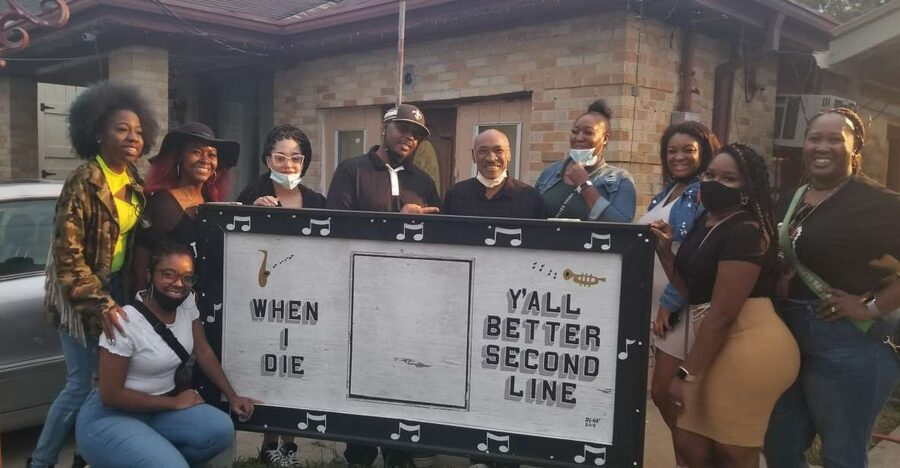
Reviewed · AFRICAN AMERICAN HERITAGE TOURS
Soul of New Orleans City Tour:Enslavement to modern culture
New Orleans has scars, and this tour reads them. In 150 minutes, the Soul of New Orleans City Tour connects big national moments to real neighborhoods, art, and memorial sites—so you don’t just see New Orleans, you understand why it looks the way it does. You’ll travel by bus through key areas and get clear context on Creole history, Plessy vs. Ferguson, and Solomon Northrup.
Two things I especially like: first, how the guide keeps the story grounded in specific places, from Congo Square to the Lower Ninth Ward. Second, the emotional payoff is real—like when you visit the school and museum connected to Dr. Leona Tate, and you leave with a stronger sense of what survival and community-building look like.
One drawback to plan for: this is not a light, buffet-style sightseeing loop. Expect heavy topics tied to enslavement, broken promises, and civil rights struggles, plus it runs rain or shine—and food isn’t included, so you’ll want to eat before you go.
In This Review
- Key things I found most useful
- A guided history walk on wheels: what the 150-minute route feels like
- Enslavement to modern culture: the story arc that ties stops together
- Congo Square and the birthplace of jazz: why this stop matters
- Treme and Musicians Village: art, neighborhoods, and identity
- Antebellum Slave Quarters: learning with context, not just signage
- Historic cemeteries: memory you can actually see
- The Lower Ninth Ward and the Civil Rights Trail: after Katrina, before the future
- Markets, museums, architecture, and murals: how the stops add up
- Price, comfort, and what you should bring
- Who this tour is best for
- Should you book Soul of New Orleans City Tour?
- FAQ
- How long is the Soul of New Orleans City Tour?
- How much does the tour cost?
- Where is the meeting point?
- Is the tour offered rain or shine?
- Is food or drinks included?
- What is included in the ticket price?
- What language is the tour guide?
- Can I cancel and get a refund?
- Can I reserve now and pay later?
Key things I found most useful
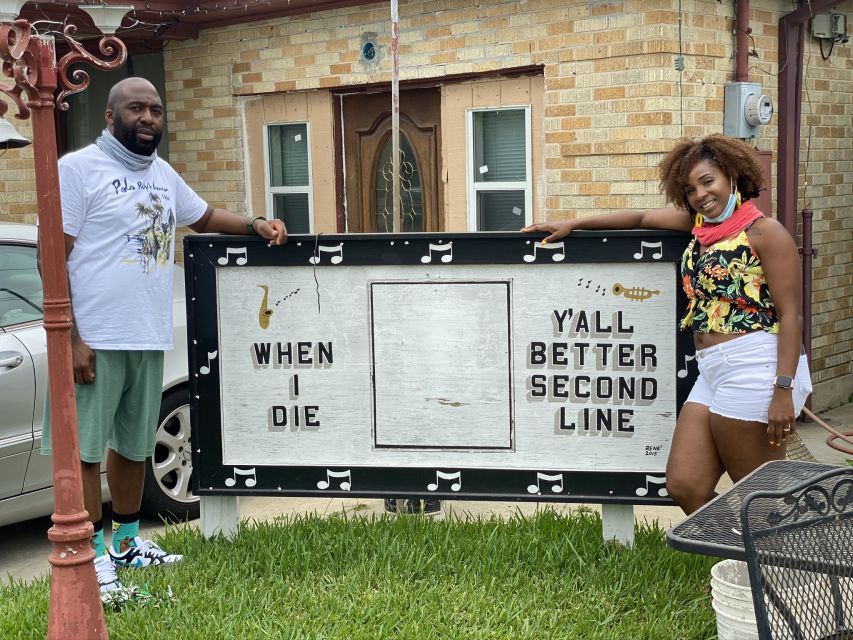
- A focused theme, not a random grab bag: enslavement to modern culture, tied to specific sites you can point at.
- Art on the move: murals and public artwork aren’t decoration here; they’re part of the story.
- Stops that name names and events: Plessy vs. Ferguson, Solomon Northrup, and other key figures are explained in context.
- Jazz isn’t just music here: you’ll connect Congo Square to the birth of jazz and the cultural engine behind it.
- The Lower Ninth Ward gets time: you’ll see areas related to Hurricane Katrina’s aftermath and the Civil Rights Trail.
- Local guides with range: people have highlighted guides like Jay (Jeremy) and Dennis for mixing humor with seriousness.
More ways to take in the whole city
- New Orleans City Sightseeing Hop-On Hop-Off Bus Tour★ 4.5 · 4,943 reviews
- New Orleans Sightseeing City Tour★ 5.0 · 3,038 reviews
- City Tour of New Orleans with Pickup★ 4.5 · 2,407 reviews
- New Orleans City Tour: French Quarter, Garden District & Cemetery★ 4.5 · 2,209 reviews
A guided history walk on wheels: what the 150-minute route feels like
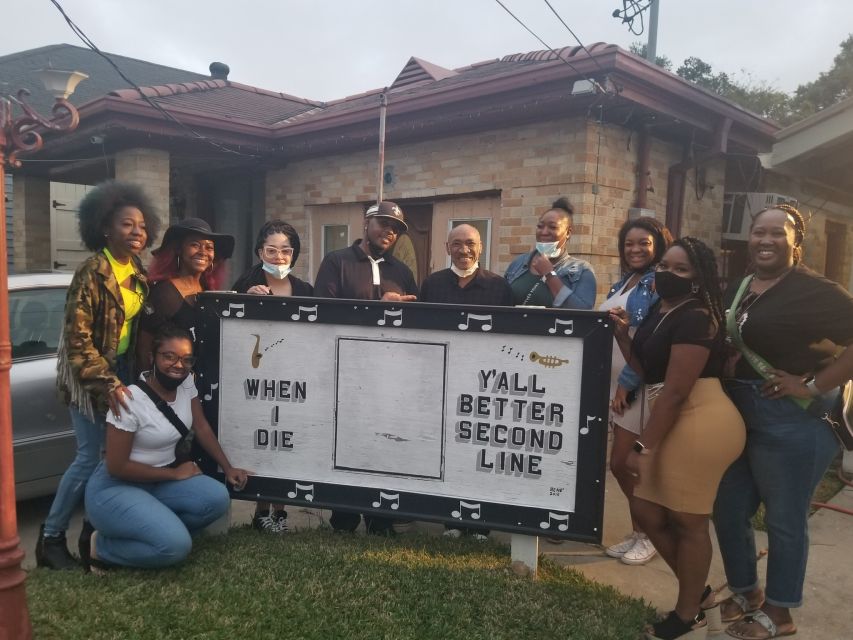
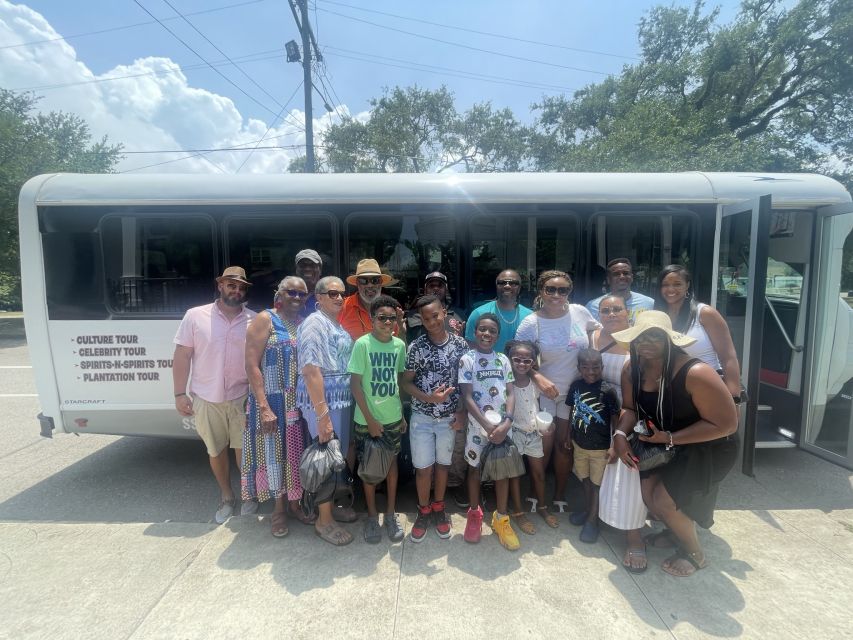
This tour is built for people who want structure. You meet at 414 Canal St at the parking lot by the Jazz Gumbo Landmark, about a block from Caesars Casino. The guide waits near the bus, so you can get settled quickly and focus on the ride.
Once you’re moving, the whole point is timing. At 150 minutes, you’re not trying to cover the city on foot. You’re getting a guided line through neighborhoods and landmarks you might otherwise skip—or not fully understand. That matters in New Orleans. Blocks can look like decoration until someone shows you what happened there.
Also, the transport gets strong marks. You’re not squeezed into something uncomfortable. People have specifically called out that the bus is comfortable, which helps when you’re listening to serious history and want your body to cooperate.
Enslavement to modern culture: the story arc that ties stops together
What makes this tour different is the theme. It’s not just “here’s a famous street” or “here’s a cemetery.” It’s a chain: you see how the past keeps shaping daily life and culture in the present.
You’ll cover big cultural and legal history threads like Creole history and Plessy vs. Ferguson, plus you’ll hear about people whose lives became symbols—such as Solomon Northrup. The tour also points you toward historic cemeteries, which in New Orleans aren’t just burial grounds. They’re places where community memory is kept in plain sight.
The guide weaves these topics across areas tied to African American history: Treme, Musicians Village, Congo Square, and the Lower Ninth Ward. And the emphasis stays on the relationship between harm and creativity—how music, art, faith, and community life grew alongside the fight for freedom.
Expect a mix of narration styles too. Some guides have a playful streak and then turn fully serious when the moment demands it. That tone shift is part of the value. You can laugh for a second, then you’re back to thinking.
Congo Square and the birthplace of jazz: why this stop matters
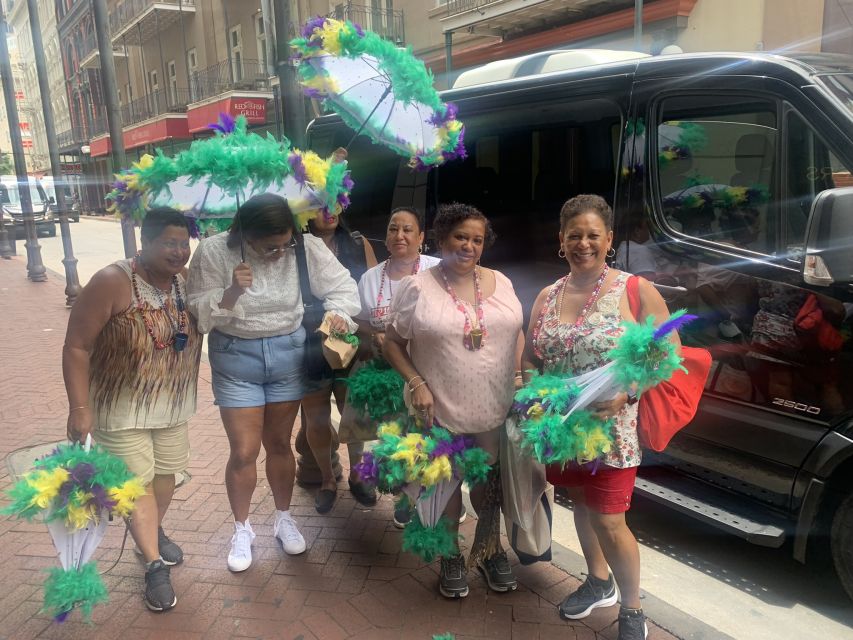
One of the most meaningful parts of the route is Congo Square—described as the birthplace of jazz. This isn’t just a music trivia moment. The guide connects the cultural conditions that allowed African-descended people to build community spaces and musical traditions even under brutal pressure.
From street level, Congo Square is easy to walk past without noticing what it represents. With a guide, you get the through-line: how rhythm traveled, how culture survived, and how public gathering became a form of power.
If you love New Orleans for its sound, you’ll enjoy how the tour links the beat to history rather than treating it like fun background.
Treme and Musicians Village: art, neighborhoods, and identity
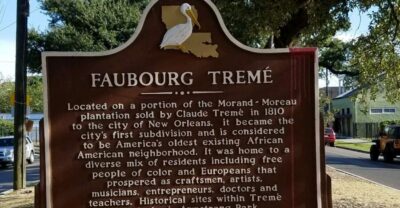
The tour doesn’t keep you stuck in one postcard pocket. You’ll head through Treme, noted as the oldest African-American neighborhood, and you’ll also visit related areas like Musicians Village.
These stops matter because they answer a basic question: why do people keep calling New Orleans a cultural center? It’s not only French Quarter architecture and second-line parades. It’s also neighborhoods where music, craft, and community identity weren’t just hobbies. They were ways of holding on and moving forward.
The guide also weaves in what you can see from the street—murals and artwork across the city. In other tours, art is a photo stop. Here, it’s part of the history lesson. You’ll start noticing how themes of survival, pride, and grief show up in color and design.
More of the city's Black history and heritage
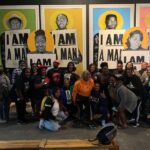
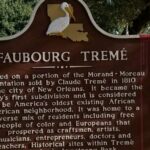


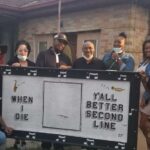
Antebellum Slave Quarters: learning with context, not just signage
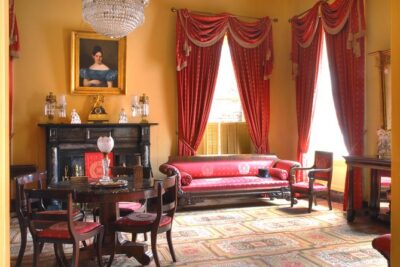
You’ll also see sites connected to the antebellum slave quarters. This is where the tour becomes very real, very fast.
There’s no way to frame this lightly. The value is in how the guide handles it: you’re not just reading plaques. You’re getting context for how forced labor and displacement shaped Southern society—and how the legacies show up in neighborhoods and records that still matter.
If you’re the type who likes to understand the “why” behind what you’re looking at, this section will land. If you prefer entertainment-heavy sightseeing only, this portion might feel emotionally heavy.
Plan for that, and you’ll be in a better place to absorb what the guide is explaining.
Historic cemeteries: memory you can actually see
New Orleans cemeteries can feel like open-air history books. On this tour, historic cemeteries are included for a reason: memorial culture tells you what a community chooses to remember and how it keeps those memories visible.
This is another spot where listening matters. Without context, you might just see monuments and old stone. With the guide’s explanation, you’ll understand how the physical layout and local customs connect to identity and heritage.
If you’ve ever wished a tour would stop treating cemeteries like background scenery, you’ll like the way this one makes them part of the narrative.
The Lower Ninth Ward and the Civil Rights Trail: after Katrina, before the future
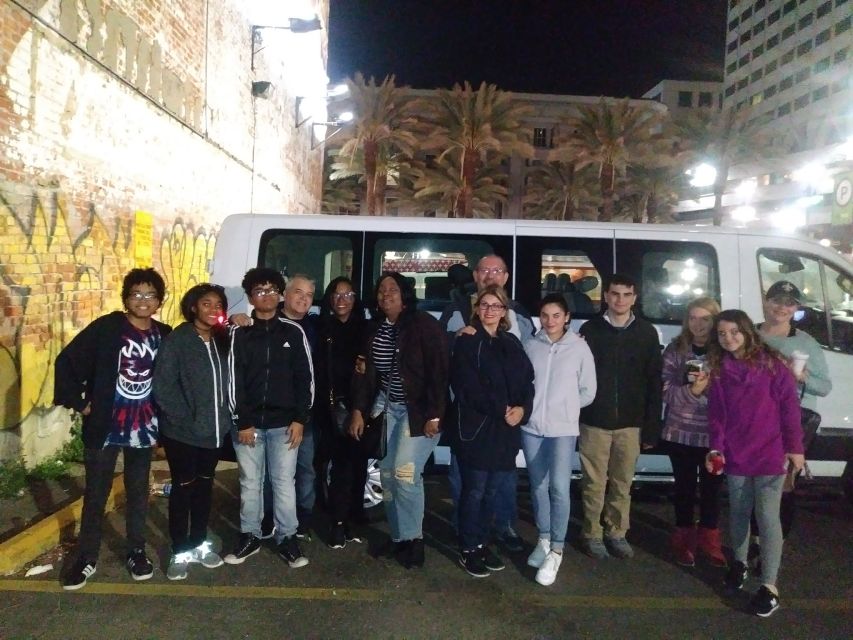
The route also reaches the Lower Ninth Ward, including areas tied to Hurricane Katrina’s aftermath and the Civil Rights Trail.
This is where the tour’s theme tightens. You’re not only learning about the past—you’re seeing how decisions, neglect, and broken promises can stretch across decades. The guide’s job here is crucial: to connect the dots between historical struggles and what people have lived through more recently.
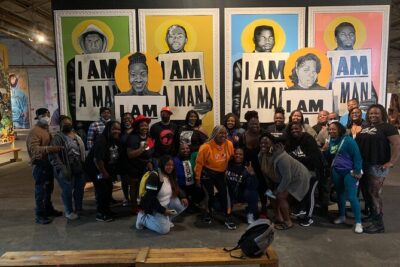
One of the most praised experiences on this tour is the visit connected to Dr. Leona Tate, including her school and museum. People have highlighted the emotional impact of meeting her and then walking into a space built to teach and preserve memory—like the mention of a Studio B Exhibit.
If you want to understand modern culture in New Orleans, you can’t skip this part. Culture isn’t just festivals. It’s education, documentation, and the ongoing work of community survival.
Markets, museums, architecture, and murals: how the stops add up

Even with a heavy core theme, the tour doesn’t feel all lesson and no life. You’ll also see markets, museums, architecture, and other sights while moving through neighborhoods.
That variety is smart. It keeps you from zoning out. It also helps you remember the “human scale” of history—how culture shows up in everyday spaces, not only in formal landmarks.
And because the stops include entrance fees, you’re not getting yanked into extra purchases or waiting while you figure out what costs what. For a $55 tour, that’s a real value point. You’re paying for the guided ride plus admission to the relevant places.
Price, comfort, and what you should bring
At $55 per person for 150 minutes, this tour sits in the affordable-to-mid range for a guided city experience. The value is in the combination of: guided interpretation, multiple neighborhood stops, and entrance fees included. That’s a better deal than paying for a pile of separate attractions after you arrive.
What’s not included is food and drinks. So eat before you go. Keep water with you if you’re easily thirsty, especially since it runs rain or shine.
A few practical tips:
- Wear shoes suited for short walks at stops, even though most of the time you’re on the bus.
- Bring a light layer. New Orleans weather can change fast.
- If you have questions, this is the time to ask. Guides like Jay (Jeremy) and Dennis have been singled out for professional service and for blending humor with serious facts.
Who this tour is best for
This works best if you want more than a French Quarter loop. If you’re curious about African American history, jazz origins, civil rights, and how neighborhoods connect to national events, you’ll appreciate the structure.
It’s also a solid choice for mixed groups—families included—because the guide can keep a range of ages engaged while still taking the subject seriously.
If you’re hoping for mostly casual sightseeing, focus on architecture photos, and minimal emotional weight, you might feel this tour is too intense for your mood. In that case, you may prefer a lighter city highlights tour.
Should you book Soul of New Orleans City Tour?
If you want New Orleans explained with names, places, and context, yes—book it. This tour is built for understanding: how jazz grows from community space, how neighborhoods reflect identity, and how the Lower Ninth Ward and civil rights story shape the city you see today.
I’d pass only if you’re looking for a low-stress, purely fun afternoon. The topics are real. But if you can handle that—and you want to leave feeling like the city finally made sense—this one delivers.
FAQ
How long is the Soul of New Orleans City Tour?
The tour lasts 150 minutes.
How much does the tour cost?
The price is $55 per person.
Where is the meeting point?
You meet at the parking lot, 414 Canal St, New Orleans, LA 70130, near the Jazz Gumbo Landmark, a block down from Caesars Casino. The guide waits near the tour bus in that parking lot area.
Is the tour offered rain or shine?
Yes. The tour takes place rain or shine.
Is food or drinks included?
No. Food and drinks are not included.
What is included in the ticket price?
Entrance fees and a guide are included.
What language is the tour guide?
The live tour guide is in English.
Can I cancel and get a refund?
Yes. You can cancel up to 24 hours in advance for a full refund.
Can I reserve now and pay later?
Yes. You can reserve now & pay later, keeping your travel plans flexible.
More Tour Reviews in New Orleans



More Black History & Heritage

The Whole City, More Ways




Just added to The New Orleans Traveler



African American Heritage Tours, compared.
 ★ 5.0Soul of New Orleans City Tour: Enslavement to Modern Day CultureFrom $55393 reviews
 ★ 4.9Tremé African American & Creole History TourFrom $22208 reviews
 ★ 5.0Urban Enslavement Tour at Hermann Grima HouseFrom $17171 reviews
 ★ 5.0Creole History and Culture RideFrom $5550 reviews
 ★ 5.0African American Heritage Walking TourFrom $2920 reviews
 ★ 5.0Whitney Plantation and Soul of New Orleans City Tour ComboFrom $12913 reviews
 ★ 5.0Whitney Plantation + Soul of New Orleans TourFrom $1204 reviews
 ★ 5.0The Soul of New Orleans: Jazz History Private TourFrom $1114 reviews
Browse the lists this tour appears in