Reviewed · PLANTATION TOURS
New Orleans: Whitney Plantation + Soul of New Orleans Tour
A powerful history day deserves a smart plan. This combo tour pairs the Whitney Plantation audio museum (built around the voices of the enslaved) with a guided city walk that connects slavery, jazz, Black artistry, and the aftermath of Hurricane Katrina. I love that the Whitney part is self-guided with clear headsets, so you can move at your own pace where you need reflection. I also like that the second half is a real city tour, not just roadside stops, and you get the story behind places tied to Congo Square, Tremé, and the 9th Ward.
The guide matters here, and the experience shines when your bus and walking route are explained by someone like Dennis, who shows care and follow-through. One standout moment from this tour is the chance to meet Dr. Tate at the TEP Center and learn about desegregation in New Orleans. A possible drawback: the topics are heavy, and you will spend a lot of the day on your feet and in vehicles, so plan for slower moments and take your breaks seriously.
If you want New Orleans without smoothing off the edges, this 8-hour combo tour is one of the better ways to do it.
In This Review
- Key things I’d circle on your itinerary
- A hard-hitting day with a clear storyline
- Whitney Plantation: hearing enslaved voices where they lived
- What you’ll learn, and why it matters
- A practical note for your body
- The River Road bus ride: the in-between moments count
- Lunch break: reset before the city portion turns to street history
- The Soul of New Orleans city tour: urban slavery and the making of culture
- Why this city chapter is worth your time
- Key stops you’ll connect to the story
- Birthplace of Jazz and the music-making story
- Musicians Village and cultural continuity
- Congo Square and Tremé: community spaces with meaning
- The Oldest African-American Neighborhood: where continuity shows up
- Hurricane Katrina aftermath and the 9th Ward legacy
- Movie scenes and Studio B: media as a storytelling tool
- Meeting Dr. Tate at the TEP Center: desegregation in plain language
- Price and logistics: what you really get for $120
- Comfort and pacing to expect
- Who this tour suits best
- Should you book Whitney Plantation + Soul of New Orleans?
- FAQ
- FAQ
- How long is the Whitney Plantation + Soul of New Orleans combo tour?
- What time does pickup start?
- Do I get hotel pickup and drop-off?
- Is the Whitney Plantation tour guided by a live guide?
- Do I get headsets for the audio tour?
- What’s included in the city tour portion?
- Is the tour guide live?
- Are tickets to Whitney Plantation included?
- What is the tour price?
- Is there free cancellation?
Key things I’d circle on your itinerary
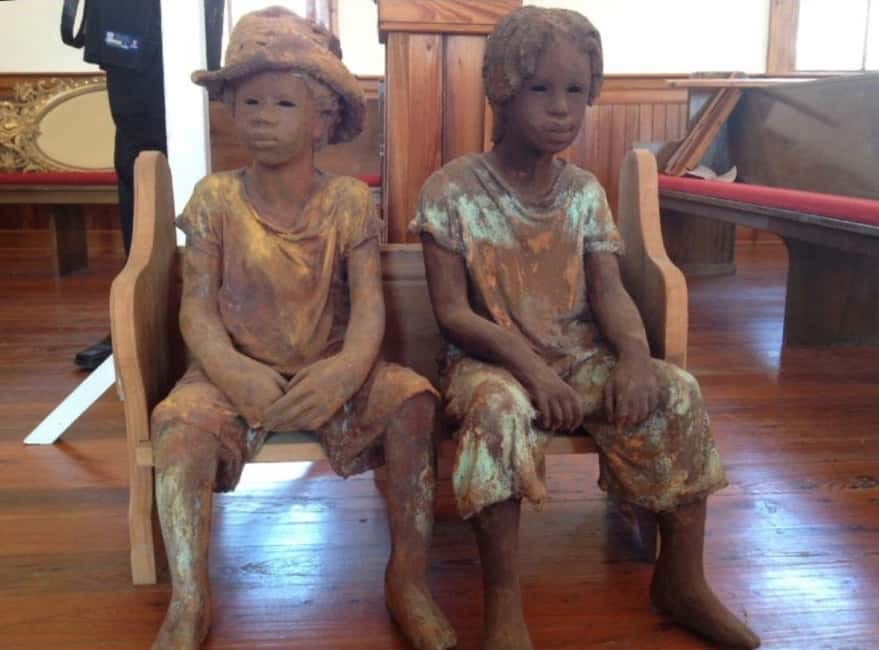
- Whitney Plantation audio tour built around firsthand voices, preserved cabins, and memorials
- Hotel pickup + drop-off plus a River Road bus portion, so you are not juggling transport
- A guided “Soul of New Orleans” city route connecting jazz, Black masking culture, Mardi Gras Indians, and Creole identity
- Concrete context for urban slavery, including how enslaved Africans shaped New Orleans infrastructure
- Katrina and 9th Ward legacy stops, so the history keeps its timeline, not just its captions
Other River Road plantation visits
- Swamp Boat Ride and Oak Alley Plantation Tour from New Orleans★ 5.0 · 3,303 reviews
- Oak Alley Plantation Tour with Transportation from New Orleans★ 4.5 · 1,747 reviews
- Whitney Plantation Tour with Transportation from New Orleans★ 4.5 · 1,351 reviews
- Laura Creole Plantation Guided Tour★ 5.0 · 1,279 reviews
A hard-hitting day with a clear storyline
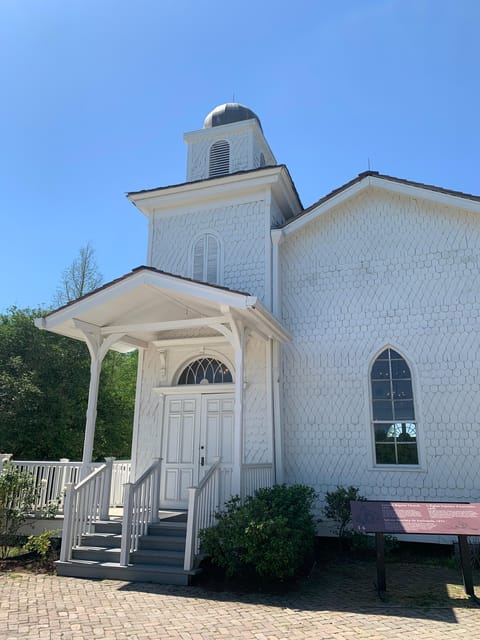
This is not a check-the-box tour. It’s structured like a story with two chapters: slavery on the plantation landscape, then slavery and exploitation in the city that grew around it. The best part is that the tour does not treat Black history like a museum exhibit that you can lock away and forget.
On the Whitney side, the day asks you to slow down and listen. On the city side, it pushes you to see how creativity, faith, and community building rose in the same streets where oppression also left its mark. That “past to present” connection is the tour’s real value.
You’ll also be out for a full day, with a lunch break in the middle. That rhythm helps: the museum section is emotionally intense, then you reset before heading back into the streets.
Whitney Plantation: hearing enslaved voices where they lived
Whitney Plantation is the anchor of this day. It’s the only Louisiana museum designed specifically to interpret the lives of the enslaved through their own voices and perspectives. For you, that changes the whole tone of what you see on the grounds.
Instead of being guided by a script that moves you along on someone else’s schedule, you’ll use an audio self-guided tour. You get headsets, which matters because the grounds can be quiet, and you do not want to miss the narration. I like self-guided museums like this because you can linger when something hits.
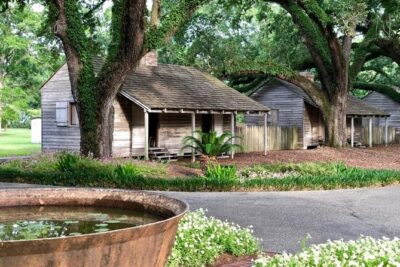
You’ll walk through preserved areas that help make the history physical: preserved slave cabins and memorials are part of what you’ll encounter. The experience is built for truth and reflection, not shock for shock’s sake.
What you’ll learn, and why it matters
The tour’s core promise is straightforward: you learn what life was like for enslaved people, and you see their resilience alongside the cruelty. When a museum centers voices rather than vague generalities, you feel the specificity. That’s what makes Whitney such an important stop on this combo.
You should also expect the story to be direct. This is not history treated like a distant battlefield. The museum keeps the human scale in focus, and that can be heavy.
A practical note for your body
Because Whitney is meaningful and not rushed, you will likely take more time than you expect at first. Wear shoes you trust and bring water. If you start thinking you need to “power through,” slow down anyway. The whole point is that you can stop and absorb.
More of the city's Black history and heritage

The River Road bus ride: the in-between moments count
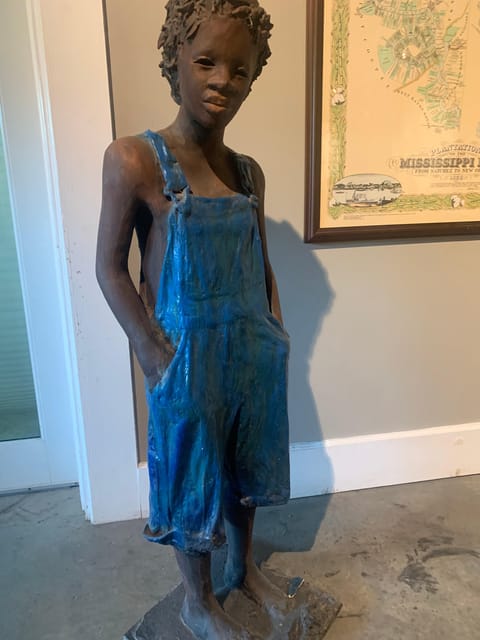
Between Whitney and the city portion, you’ll ride the bus along River Road. You’ll pass antebellum plantations, which gives you a moving frame for what you just learned. The contrast works best if you pay attention to how scenery can be used to romanticize the past—then compare that to what you’ve been hearing all morning.
This section is also useful logistics-wise. A bus route keeps the day from turning into a transit puzzle, and hotel pickup and drop-off means you can stay focused on the experience instead of schedules.
One more small but important detail: the pickup day structure starts early. Pickups begin at 8:00 AM, and the driver makes multiple stops. You get a 30-minute grace period, so if you are not ready when the clock hits 8:00, you should plan to get there fast. That buffer helps, but it should not become your strategy.
Lunch break: reset before the city portion turns to street history
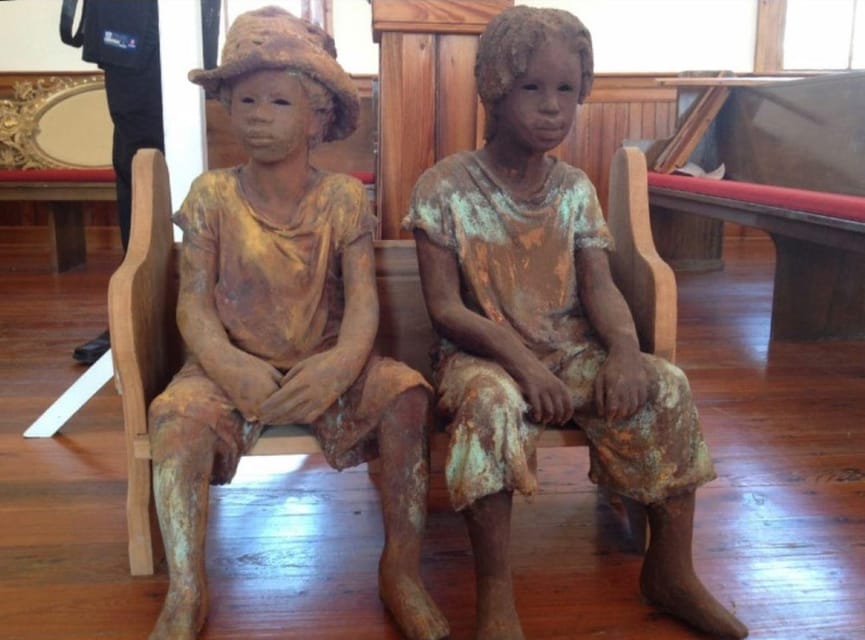
After the Whitney portion, you’ll have a lunch break. This matters because the morning is emotionally intense, and you will get more out of the city tour if you take five to ten minutes to regroup.
Use the break to do simple things that keep the whole day from wearing you down: eat something you can handle, hydrate, and use the restroom before you board again. You’ll feel the difference when you are listening closely during the walking route.
I also recommend using lunch time to make a quick mental list: what images from Whitney do you want to remember as you move into the city story? That way, the second half does not feel like a separate tour. It feels like the next chapter.
The Soul of New Orleans city tour: urban slavery and the making of culture
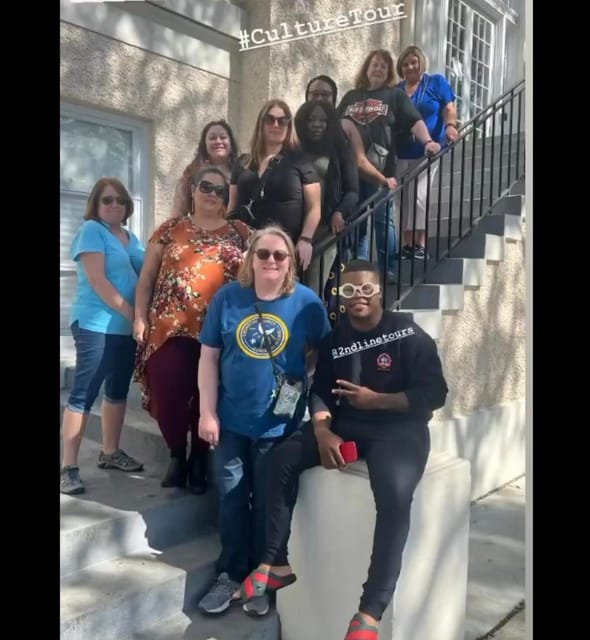
The second half shifts from plantation grounds to New Orleans streets. Here the focus is the “unique system of urban slavery” that shaped the city in a different way than plantations did. This is where you start seeing how power, forced labor, and segregation helped build the city’s infrastructure and social patterns.
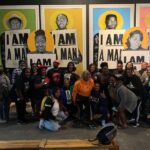
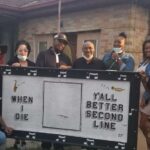
The guided part connects that story to cultural outcomes that still define New Orleans today. You’ll learn how enslaved Africans contributed to the foundation of New Orleans traditions, including the origins of jazz. The tour also covers Black masking culture, Mardi Gras Indians, and Creole identity—explaining how faith, art, and creativity turned pain into community power.
Why this city chapter is worth your time
You could see a parade parade-like version of New Orleans and stop there. This tour does not let you do that. Instead, it draws a clear, honest line between plantation slavery and the cultural revolution that rose from it in the streets.
That kind of historical linking is what makes this combo tour feel more complete than two separate “museum and walking tour” bookings. You leave with a timeline you can hold in your head.
Key stops you’ll connect to the story
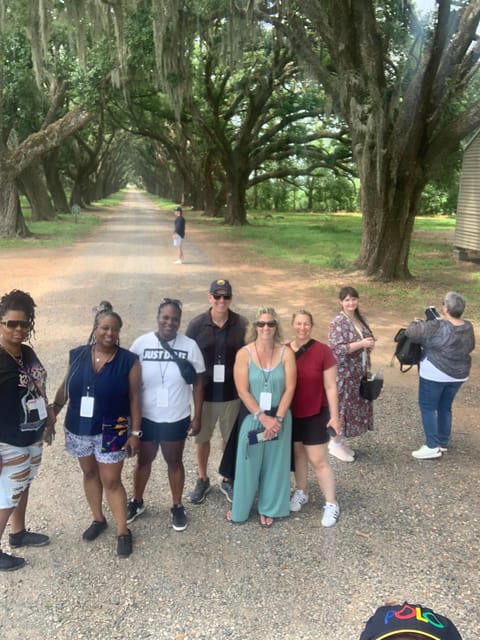
The included city portion covers multiple named places and themes, and each one adds another layer to the day. Based on what’s included in the experience, you’ll see stops tied to music culture, community identity, and disaster aftermath.
Here are the themes you should look for as you move through the route:
Birthplace of Jazz and the music-making story
The tour includes Birthplace of Jazz. When you hear the background on how music grew out of community life, not just entertainment, the sound of New Orleans makes more sense. You stop viewing jazz as a “cool fact” and start seeing it as a response to real conditions.
Musicians Village and cultural continuity
Musicians Village is part of the included experience. It helps you understand how neighborhood identity and music culture have stayed connected over time. Even if you do not know the neighborhood history already, the tour gives you enough context to connect present-day streets with past lives.
Congo Square and Tremé: community spaces with meaning
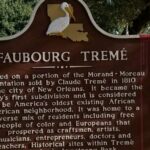
Congo Square and Tremé are called out in the route. Those names matter because they are associated with gatherings, culture building, and community survival. When your guide ties those places to forced labor and later cultural expression, you get a fuller picture than a simple sight-seeing stop.
The Oldest African-American Neighborhood: where continuity shows up
The tour includes the Oldest African-American Neighborhood. This is the kind of stop that can feel less dramatic than a major attraction, but it’s often where you understand how community roots persist. Look for how the guide frames continuity and adaptation over time.
Hurricane Katrina aftermath and the 9th Ward legacy
Hurricane Katrina aftermath is included, and the day also connects to the legacy of the 9th Ward. This is not just disaster tourism. It’s part of a longer story about inequality, resilience, and how communities rebuild.
One of the most useful takeaways is that the tour keeps the timeline moving forward. You learn how present-day New Orleans carries the weight of past policies and lived experience.
Movie scenes and Studio B: media as a storytelling tool
The included materials also mention Scenes from movies and Studio B. That tells you the city tour likely uses storytelling shortcuts to connect what you see on the street to how music and culture have been represented. If you are someone who learns well through narrative, these parts help you remember the route.
Meeting Dr. Tate at the TEP Center: desegregation in plain language
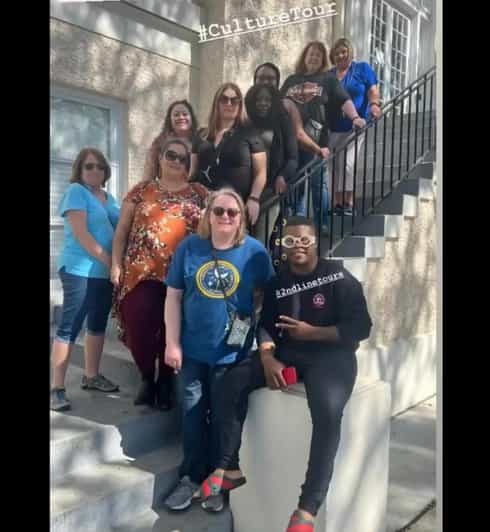
A standout add-on you might experience on this tour is a meeting with Dr. Tate at the TEP Center. The goal is to learn about desegregation in New Orleans, and the effect is personal rather than academic.
This is one of those moments that makes a tour feel less like geography and more like history with names attached. Even if you already know the broad outline, hearing it framed through local leadership can change what sticks in your head.
Price and logistics: what you really get for $120
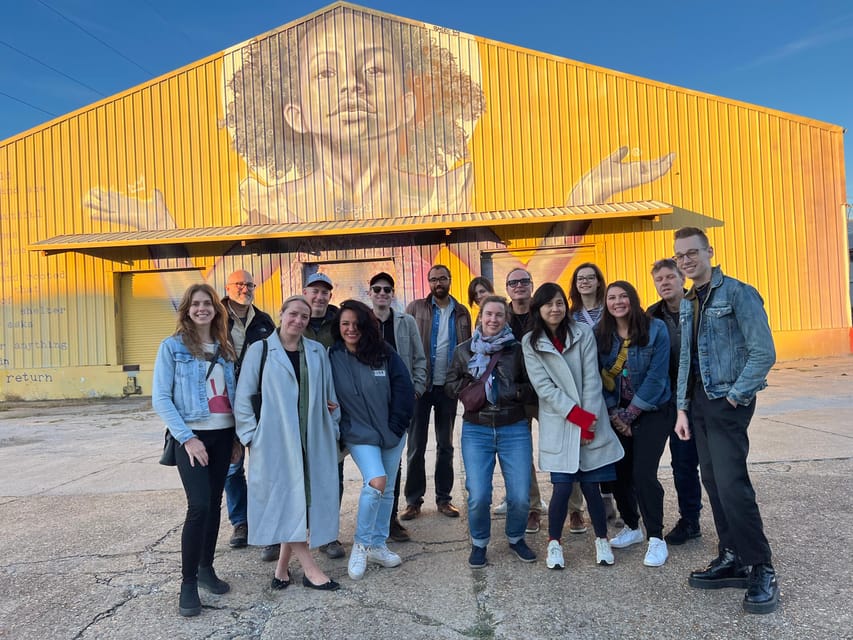
At $120 per person for about 8 hours, you are paying for a combo that includes a lot: hotel pickup and drop-off, a guide, River Road bus tour time, entry tickets to Whitney Plantation, headsets for the audio experience, and the guided city portion with included sites and themes.
For value, the key question is whether this replaces two separate bookings. It usually does, because you are getting both the Whitney museum entry and the city tour in one day with transport handled. If you were to plan a similar day on your own, you’d spend time coordinating and paying separately for museum access and guides.
Also, the structure is efficient. You do not waste half a day figuring out where to go next. You also do not lose half the day to transit because pickup and drop-off are included.
Comfort and pacing to expect
You’ll spend a day split between a museum you can navigate at your own pace and a guided city route where you’ll be listening and walking. Plan for uneven pacing. The emotional weight of Whitney is real, and the city portion brings it forward without letting you forget it.
If you prefer light, funny, picture-first sightseeing, this tour might feel too serious for you. If you want honest history with context for why New Orleans looks and sounds the way it does, it’s a strong fit.
Who this tour suits best
I’d recommend this combo tour if you:
- want Black history presented with directness and context, not just surface stops
- care about how slavery connects to jazz, Mardi Gras Indian traditions, and Creole identity
- like guided explanations plus time to reflect independently at the museum
Should you book Whitney Plantation + Soul of New Orleans?
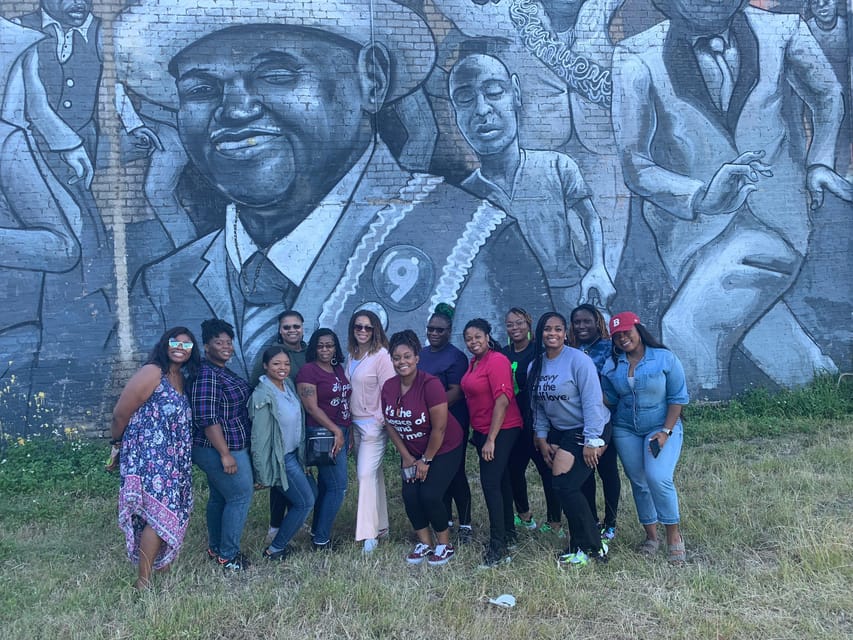
Yes, if you want one day in New Orleans that actually explains the city’s roots. The Whitney Plantation audio tour gives you a powerful way to listen and reflect, and the Soul of New Orleans city tour turns what you learned into a story you can see on streets and in neighborhoods.
Skip this if you want a relaxed, purely entertainment-focused day or if you know you are not okay with the realities presented at Whitney Plantation. But if you can handle hard history and you value real cultural context, this is the kind of tour you will remember long after you’re back home.
FAQ
FAQ
How long is the Whitney Plantation + Soul of New Orleans combo tour?
The total duration is 8 hours.
What time does pickup start?
Pickups begin at 8:00 AM. You should be ready at your location at that time.
Do I get hotel pickup and drop-off?
Yes. Pickup and drop-off are included, and they pick you up in front of your hotel.
Is the Whitney Plantation tour guided by a live guide?
The Whitney Plantation portion is a self-guided audio tour.
Do I get headsets for the audio tour?
Yes. You’ll receive headsets so you can hear the self-guided tour clearly.
What’s included in the city tour portion?
The included highlights cover places and themes such as Studio B, Birthplace of Jazz, Musicians Village, the Oldest African-American Neighborhood, Congo Square to Tremé, and the Hurricane Katrina aftermath.
Is the tour guide live?
Yes, there is a live tour guide, and the tour is in English.
Are tickets to Whitney Plantation included?
Yes. Entry tickets to the Whitney Plantation tour are included.
What is the tour price?
The price is $120 per person.
Is there free cancellation?
Free cancellation is available up to 24 hours in advance for a full refund.
More Tour Reviews in New Orleans


More Black History & Heritage
More River Road Plantations





Just added to The New Orleans Traveler


Plantation Tours, compared.
 ★ 5.0Swamp Boat Ride and Oak Alley Plantation Tour from New OrleansFrom $1313,303 reviews
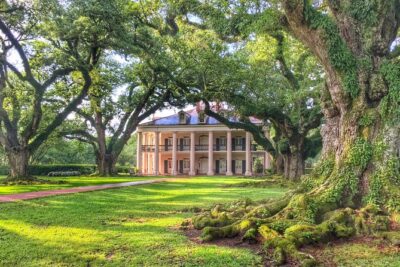 ★ 4.5Oak Alley Plantation Tour with Transportation from New OrleansFrom $891,747 reviews
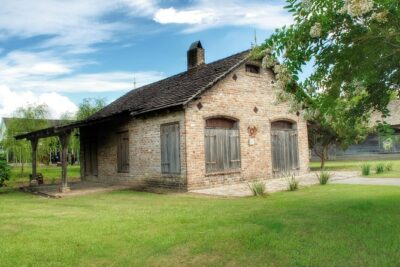 ★ 4.5Whitney Plantation Tour with Transportation from New OrleansFrom $891,351 reviews
 ★ 5.0Laura Creole Plantation Guided TourFrom $321,279 reviews
 ★ 4.7Bayou Swamp Tour and Oak Alley Plantation TourFrom $1251,147 reviews
 ★ 4.7Oak Alley Plantation & Airboat Swamp Combo TourFrom $160906 reviews
 ★ 4.5Oak Alley Plantation and Large Airboat Swamp Tour from New OrleansFrom $160712 reviews
 ★ 4.5Houmas House Estate and Gardens Guided TourFrom $38632 reviews
Browse the lists this tour appears in