
Reviewed · PLANTATION TOURS
Laura Creole Plantation Guided Tour
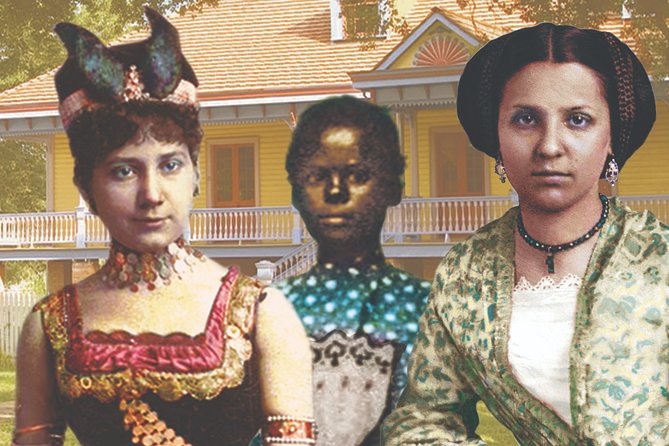
Four generations of Creole life, in one tour. Laura Plantation uses surviving family records and a guided walkthrough to show both the family side and the hard truth of slavery at a French-descended sugar estate. You’ll see the furnished Maison Principale and the original slave cabins, plus gardens tied to how the plantation really worked.
I love how the tour leans on documents rather than guessing, so the Creole culture feels specific, not generic. I also like the human focus: you hear about both free family members and enslaved people as distinct lives, not just background facts.
One drawback to plan for: the tour includes a serious slavery component and only runs about an hour plus, so you might want a little extra time after to look around on your own at your pace.
In This Review
- Key Things to Know Before You Go
- Why Laura Plantation Feels Different Than a Typical Plantation Stop
- Getting There From New Orleans: The Great River Road Reality Check
- The Maison Principale: Furnished Rooms and the Power of “Recorded” History
- Slave Cabins and the Tough Parts of the Tour That You Shouldn’t Skip
- Gardens and Sugar Fields: Outdoor Time That Adds Meaning
- Creole Culture Across 200+ Years: The Story Behind the Style
- Guides Make the Difference: Amelia, Lee, Pam, Cameron, Joseph, Caroline, and Lindie
- Price and Time: Does $32.06 Feel Like Value?
- Practical Tips That Help You Get More Out of the Visit
- Should You Book Laura Plantation?
Key Things to Know Before You Go
- Small group size (max 28): easier to ask questions and keep the tour from feeling rushed
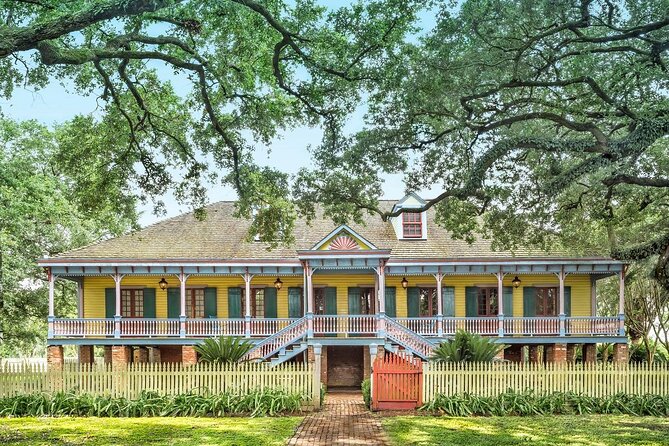
- House + 1840s slave cabins + gardens: you get more than one kind of setting in a single visit
- French and English tours: useful if you want options for your group
- Outdoor time: bring good walking shoes because part of it is outside
- ADA access is limited: only the ground floor of the main house is accessible
Other River Road plantation visits
- Swamp Boat Ride and Oak Alley Plantation Tour from New Orleans★ 5.0 · 3,303 reviews
- Oak Alley Plantation Tour with Transportation from New Orleans★ 4.5 · 1,747 reviews
- Whitney Plantation Tour with Transportation from New Orleans★ 4.5 · 1,351 reviews
- Laura Creole Plantation Guided Tour★ 5.0 · 1,279 reviews
Why Laura Plantation Feels Different Than a Typical Plantation Stop
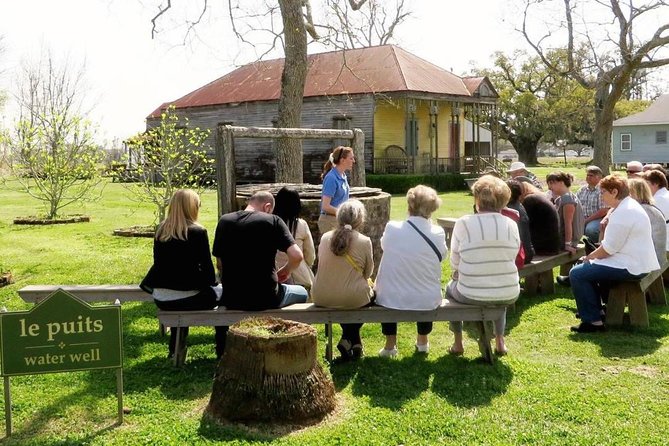
Most plantation tours in this region feel either like a pretty photo stop or like a lecture you survive. Laura Plantation tries to do something rarer: it tells a story you can walk through. The estate sits about an hour from New Orleans along the Great River Road, so you get that quick change of pace from city life without losing a full day to logistics.
What makes this tour stand out is the way it’s organized around a long family timeline. The Duparc family founded the plantation in 1804, and the tour connects four generations of Louisiana Creole life using detailed surviving records. That continuity matters, because it helps you see how culture, power, and daily routines shifted over time rather than staying stuck at one moment.
And yes, it also faces the hard part. The guided visit addresses slavery as it existed in French colonial and American Louisiana through the end of the 19th century. That honesty is part of why the tour scores so high, and why so many people say it leaves them thinking long after they leave the grounds.
Getting There From New Orleans: The Great River Road Reality Check
You’re looking at roughly a one-hour drive from New Orleans to 2247 LA-18, Vacherie, LA. The easiest plan is self-drive, following the Mississippi along the Great River Road. That road is simple and scenic in a straightforward way: you’re not fighting a maze of turns, and you can treat the drive as part of the day.
If you don’t want to rent a car, there’s no hotel pickup included with this tour. Instead, Laura Plantation partners with operators that provide transportation if you need it. Prices for those rides can vary by operator, which is worth keeping in mind if you’re comparing options against the ticket price.
Timing-wise, plan to arrive early enough to settle in. The tour is about 1 hour 10 minutes, and you’ll be walking through multiple areas. If you’re cutting it close, you’ll feel it—especially outdoors.
The Maison Principale: Furnished Rooms and the Power of “Recorded” History
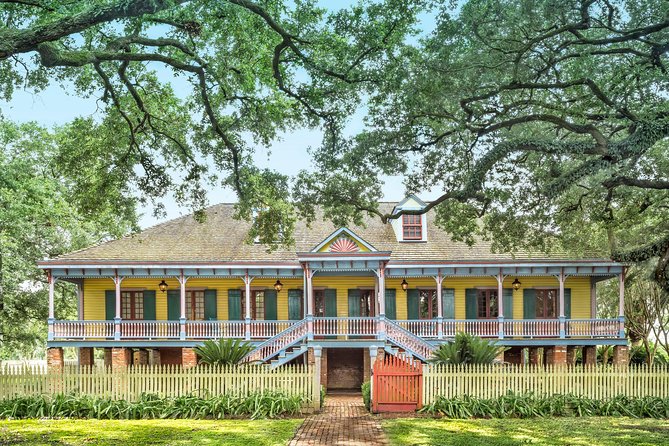
The main house experience is the heart of the visit. Your guide brings you through the Maison Principale, which is about 24,000 square feet. That’s big enough that you can get a real sense of how life looked inside, but small enough that the tour still feels personal.
The house is furnished, which changes everything. Empty rooms can turn history into a guessing game. Furnishings give you cues: how people moved, what mattered in daily routines, and how a home could signal status. Even if you’re not the type to read every placard, you’ll likely find the guide’s explanations anchored to what’s in front of you.
There’s also a specific historical angle that helps: the tour draws from family testimony and records, including the memoir of Laura Locoul, a fourth-generation family member. Records found in the French National Archives also support what’s shared. That “document-first” approach tends to make the story feel grounded.
If you care about architecture, the setting is also a win. People consistently remark that they learned more than they expected, including the way the house fits its place in Louisiana’s Creole world.
Slave Cabins and the Tough Parts of the Tour That You Shouldn’t Skip
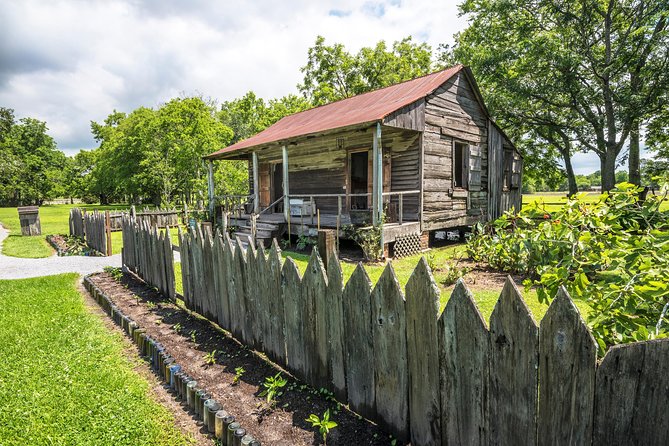
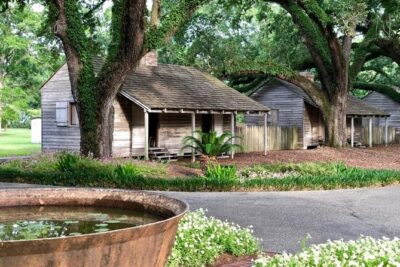
This is not a sugar-coating tour. You’ll visit the original 1840s slave cabins and hear stories about the enslaved people who lived and worked at the plantation. The guide explains the difficult history of slavery in French colonial and American Louisiana through the end of the 19th century.
So what should you expect during this part? Think less about a single “day in the life” moment and more about a guided, grounded picture of how a plantation functioned—and how the owners’ choices depended on enslaved labor. Some visitors hope for even more detail about everyday life, and that’s a fair desire. Still, the tour consistently frames enslaved and free people together, which matters because it avoids turning slavery into a side note.
One practical tip: don’t treat the cabins as a quick photo stop. Slow down and let the guide’s context land. If you rush, you’ll miss the connections they’re making between family life, plantation operations, and human lives.
There’s also an emotional aspect. This tour includes real tragedy, so if you’re sensitive to that, plan your day accordingly. Don’t schedule it back-to-back with something that requires you to switch gears instantly.
More guided New Orleans outings





Gardens and Sugar Fields: Outdoor Time That Adds Meaning
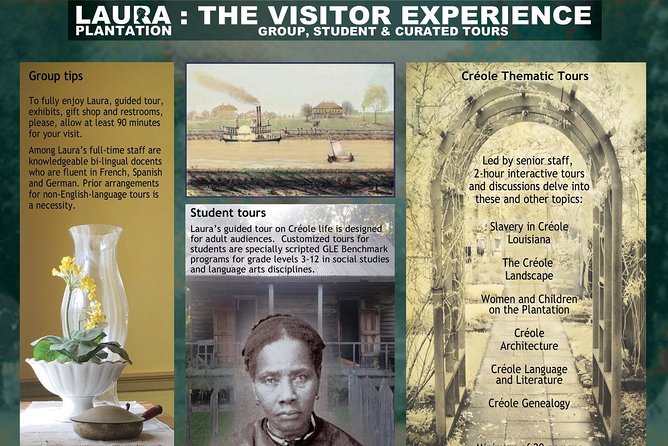
You’ll spend time in the grounds, including gardens and the plantation’s sugar fields. It’s easy to think gardens are just a pretty break between house and cabins. Here, the outdoors has a purpose: it helps you understand the plantation as a working system, not only a residence.
Because part of the tour takes place outdoors, you’ll want good walking shoes and weather-appropriate clothing. The tour operates in all weather conditions, so you can’t count on it being magically moved indoors.
If the weather is hot or buggy, wear something breathable and practical. You’ll move between areas, and the grounds are part of what the guide uses to explain how the plantation’s routine connected to the land.
Also, a small but real warning: once the tour ends, you don’t get to hop back into the same spots with a guided redo. People advise using your time on the tour to look closely, because you may not return to get a closer look later.
Creole Culture Across 200+ Years: The Story Behind the Style
The word Creole can mean a few different things in Louisiana, and the tour does a useful job of putting it into a historical frame. You’ll learn about Creole culture that thrived in Louisiana for more than 200 years, and how that culture shaped the family, the home, and the plantation’s social world.
What I like about this part is that it’s not just cultural trivia. You see how Creole life connects to identity, language, and power structures. The tour shares how the French-descended Duparc family founded the plantation, then follows how the family’s story played out through changing eras.
The point isn’t to make the plantation sound romantic. It’s to show how culture functioned inside a system that included exploitation and forced labor. When a tour can hold that tension—pride in heritage and accountability for slavery—that’s when it feels honest.
Guides Make the Difference: Amelia, Lee, Pam, Cameron, Joseph, Caroline, and Lindie
Even at a great site, the guide can make or break your experience. Laura Plantation has clearly trained guides who know how to speak in a way that keeps the story moving.
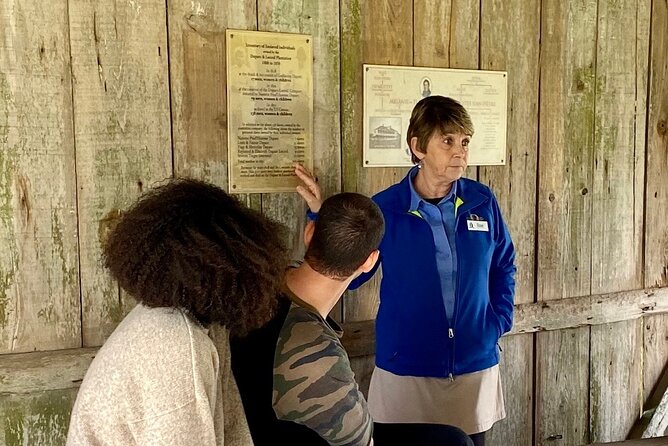
From the names people share, it’s clear there’s a range of personalities, but the best moments tend to be when the guide connects details to human stories. Amelia stood out for taking the time to explain the period when the plantation was built and the following era. Lee also gets praise for explaining how the plantation workings connected to the people behind it.
Some guides are remembered for warmth and pacing. Pam, for example, is sometimes described as amazing and informative, which suggests she’s able to bring facts without turning the tour into a sprint. Cameron, Joseph, and Caroline are noted for making the plantation feel like a real place rather than a list of dates. Lindie also gets standout mentions for helping visitors process the history in a way that lands.
That’s why the question you should ask yourself is simple: do you want a tour you can follow minute to minute, with room for questions? This one is set up for that kind of engagement.
Price and Time: Does $32.06 Feel Like Value?
At about $32.06 per person for roughly 1 hour 10 minutes, the cost can feel low or high depending on what you compare it to. If you’re used to paying more for transportation-heavy tours, this ticket is a bargain because you’re paying for the guided access to the house, gardens, and slave cabins.
The big value comes from the structure. You’re not just buying a walk-through of one building. You’re getting a guided, multi-area story that includes difficult slavery history and Creole context, plus access to a well-kept estate that’s preserved and presented with care.
The trade-off is time. This isn’t a long museum-style day. If you like to linger, you’ll likely want to add extra time after the tour for your own pacing.
Also, if you need transportation from New Orleans, factor in that transportation may cost extra since there’s no hotel pickup included. Some people were surprised by transportation pricing, and that can affect the overall value. If you self-drive, the ticket price stays the main cost.
Practical Tips That Help You Get More Out of the Visit
A guided tour works best when you show up ready to pay attention. Here are the things that matter most for Laura Plantation:
- Bring good walking shoes. Some of it is outdoors, and you’ll be moving between areas.
- Dress for weather. The tour runs in all weather conditions, so plan for heat, sun, rain, or wind.
- Wear something comfortable for a serious history topic. If you need emotional space, build it into your day.
- Expect only partial ADA access: only the ground floor of the main house is ADA accessible.
- If you want snacks or drinks, plan on purchasing them on site. Snacks and drinks aren’t included.
- Use the guided time for close looking. People mention that you don’t get unlimited re-visits to the same spots after the tour.
One more smart move: come prepared with questions. The tour is built for asking. If something feels unclear—language, Creole identity, how records shape the story—your guide can usually explain it in plain terms.
Should You Book Laura Plantation?
You should book if you want a guided plantation visit that treats Creole culture as more than decoration and slavery history as more than a quick mention. The site is strongly rated, with many visitors recommending it, and the experience has enough structure to feel both educational and human.
You might pause if you know you dislike tours that cover slavery directly. Also consider time: with an hour-ish tour, you’ll need a follow-up plan if you want to linger.
If you’re going from New Orleans, this is a great way to see beyond the city’s big landmarks. You get a focused story in a preserved setting, with enough variety—house, cabins, gardens—to make the drive feel worth it.
More Tours in New Orleans




More Tour Reviews in New Orleans

More River Road Plantations





Just added to The New Orleans Traveler




Plantation Tours, compared.
 ★ 5.0Swamp Boat Ride and Oak Alley Plantation Tour from New OrleansFrom $1313,303 reviews
 ★ 4.5Oak Alley Plantation Tour with Transportation from New OrleansFrom $891,747 reviews
 ★ 4.5Whitney Plantation Tour with Transportation from New OrleansFrom $891,351 reviews
 ★ 4.7Bayou Swamp Tour and Oak Alley Plantation TourFrom $1251,147 reviews
 ★ 4.7Oak Alley Plantation & Airboat Swamp Combo TourFrom $160906 reviews
 ★ 4.5Oak Alley Plantation and Large Airboat Swamp Tour from New OrleansFrom $160712 reviews
 ★ 4.5Houmas House Estate and Gardens Guided TourFrom $38632 reviews
 ★ 4.7Whitney Plantation Tour with TransportationFrom $89619 reviews
Browse the lists this tour appears in