
Reviewed · PLANTATION TOURS
New Orleans: Whitney Plantation Tour with Transportation
A plantation tour is heavy stuff here. Whitney Plantation uses a self-paced audio tour to tell slavery from the people who lived it, not the folks who profited from it. On top of that, you get round-trip transportation plus an option to add a 90-minute swamp boat cruise.
What I love is how the experience stays rooted in memory and detail, with memorial artwork, restored buildings, and historic outbuildings that show how a Louisiana working plantation actually functioned. I also like the added context from the drive: you pass major plantations along the Mississippi River corridor, so you get geography and local framing without feeling locked inside a lecture.
One drawback to consider: the main tour is self-guided, so if you want a live guide walking you through the emotions and the facts, you’ll need to lean on the app (or the provided audio device) and go at your own pace.
In This Review
- Key points you’ll care about before you go
- Whitney Plantation isn’t like other plantations on the river
- Getting to Whitney: the meeting point and the ride plan
- The main event: a self-guided audio tour with first-person narratives
- What you’ll see at Whitney: big house, Creole architecture, and working-plantation outbuildings
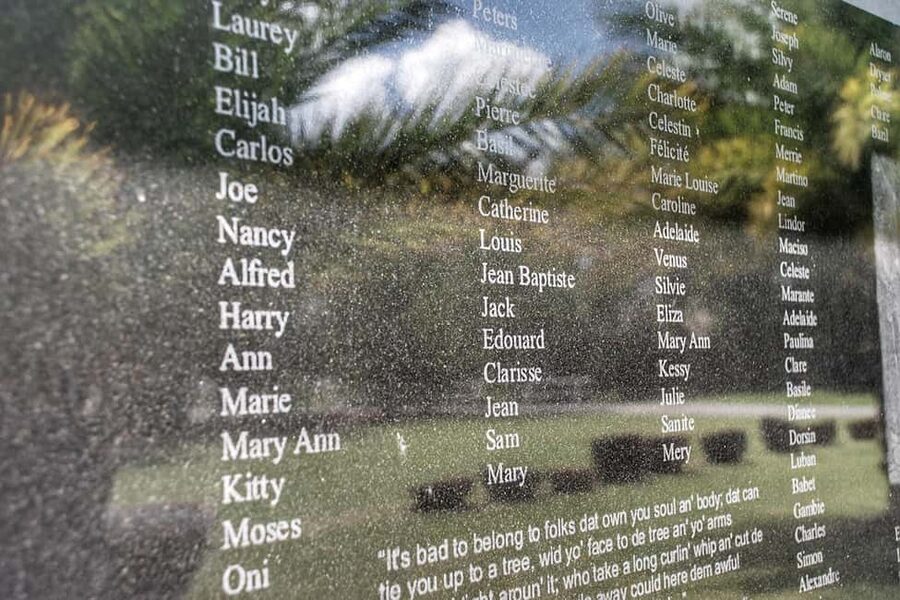
- Museum exhibits and memorial artwork: where the site asks you to slow down
- The route along the Mississippi: passing other plantation names
- The optional Manchac Swamp upgrade: 90 minutes on a covered pontoon
- Transportation value: why the $89 price can make sense
- Comfort and pacing: what to expect from the bus day
- Who this tour fits best (and who should think twice)
- Tips so you get the most from the audio route
- Should you book Whitney Plantation with transportation?
- FAQ
- Where is the meeting point for the tour?
- Is the Whitney Plantation tour self-guided?
- Do you get time to explore the plantation on foot?
- What does the swamp tour upgrade include?
- Is food included?
- Is the tour good for wheelchair users?
- Can I cancel and get a refund?
Key points you’ll care about before you go
Self-guided audio is the core of Whitney
You’ll focus on enslaved people, not plantation owners
There’s real time on the grounds, with multiple audio stops
The drive includes views of other famous river plantations
Optional 90-minute Manchac Swamp pontoon cruise adds wildlife time
Bus ride experience varies by comfort and pacing, but the route is easy
Other River Road plantation visits
- Swamp Boat Ride and Oak Alley Plantation Tour from New Orleans★ 5.0 · 3,303 reviews
- Oak Alley Plantation Tour with Transportation from New Orleans★ 4.5 · 1,747 reviews
- Whitney Plantation Tour with Transportation from New Orleans★ 4.5 · 1,351 reviews
- Laura Creole Plantation Guided Tour★ 5.0 · 1,279 reviews
Whitney Plantation isn’t like other plantations on the river
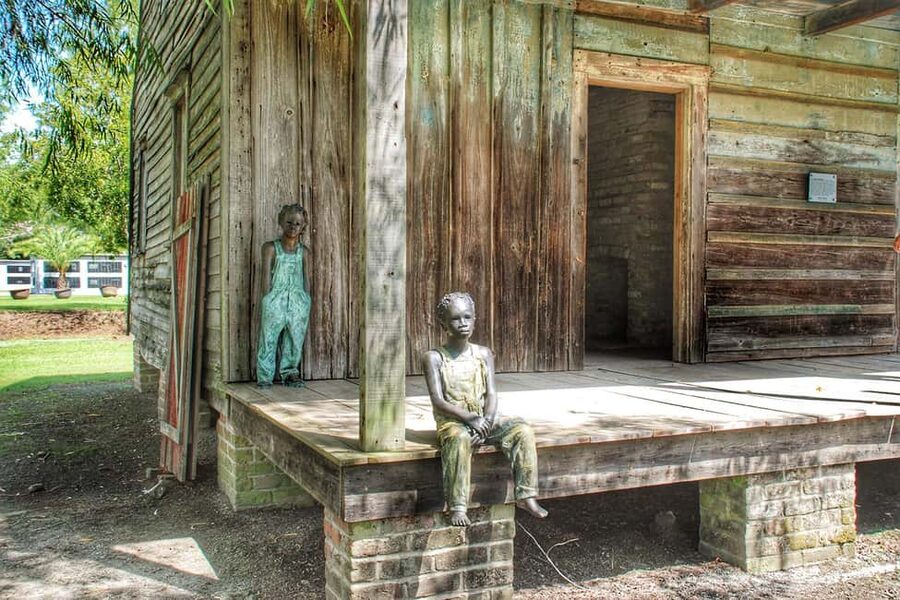
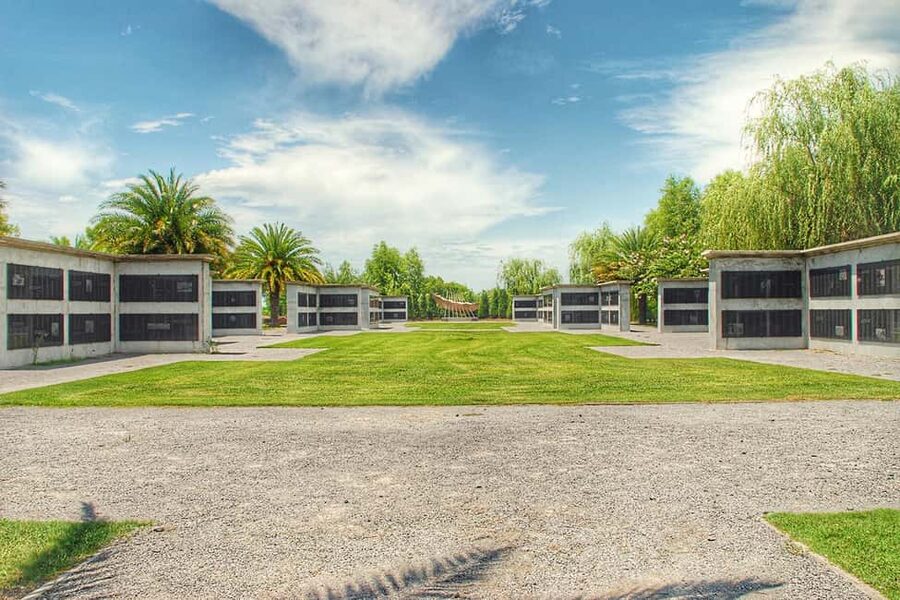
If you’ve seen the classic plantation tours in Louisiana, you know the pattern: big houses, polished history, and a lot of attention on architecture. Whitney Plantation goes the other way. It’s designed as a site of remembrance, with the emphasis on the enslaved people who lived and worked here—through memorial artwork, restored structures, and hundreds of first-person narratives.
That shift matters, because you’re not just looking at old buildings. You’re listening to the human reality behind them. The experience also uses the whole site—not just the main house—so your visit feels grounded in how plantation life worked day to day.
Getting to Whitney: the meeting point and the ride plan
Your day starts at the Lighthouse Ticket Office at Toulouse Street and the Mississippi River, at the Steamboat Natchez dock directly behind JAX Brewery. The tours depart from 400 Toulouse Street, New Orleans.
The total time on the schedule is about 5 hours. In practice, that’s enough for a comfortable bus ride out to the plantation, time to work through the audio route on site, and the trip back to town. Many people like this format because you don’t have to rent a car or figure out timing on your own—New Orleans traffic and parking can be a time-waster.
The bus ride is also where you learn a bit of Louisiana context. Multiple drivers in the experience are described as personable and informative, with people crediting them for adding local knowledge on the way out and back.
The main event: a self-guided audio tour with first-person narratives

Whitney is built for an audio experience. You’ll need to download the Whitney Plantation app on your phone, tablet, or iPad so you can listen as you walk. In some cases, you may also be handed audio equipment when you arrive, which makes it easier if you don’t want to manage your phone while you’re walking.
The tour is self-paced and structured around stops. One recent visit described 14 audio stops, with seating at each stop so you can listen and reflect without standing the whole time. That small detail can make the experience feel more respectful and less like a rush.
The heart of the audio tour is the focus on slavery through first-person narratives. You’ll encounter museum exhibits and memorial artwork, then move into restored buildings and the historic outbuilding area. Expect a lot of listening, and plan for the fact that this subject isn’t light. Several people describe the visit as emotional, sobering, and hard to forget.
Practical note: if you struggle with audio clarity, bring earbuds you trust. A couple of people mentioned difficulty understanding fast or accented speech during the bus portion. Since Whitney itself is audio-based, you can lean on that to keep your footing.
What you’ll see at Whitney: big house, Creole architecture, and working-plantation outbuildings
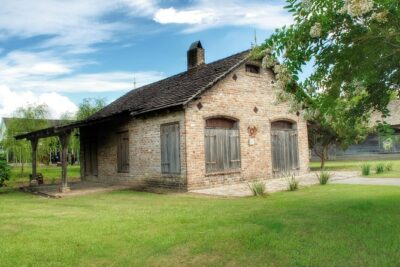
It’s not all one-room museum energy. Whitney includes restored buildings and outbuildings that were part of a working Louisiana plantation. That matters because plantation history isn’t only about the big house. It’s also about the labor system, the daily routines, and the spaces built for control and survival.
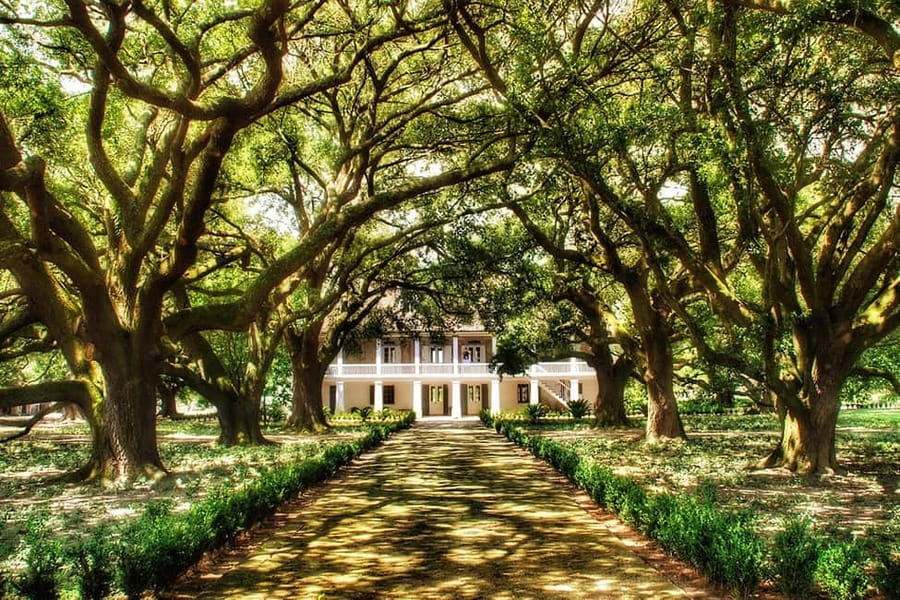
You’ll learn about the Big House, which is described as one of the finest surviving examples of Spanish Creole architecture in the area and among the earliest raised Creole cottages in Louisiana. But Whitney’s tone keeps the spotlight from drifting into pure architecture admiration. The buildings are present, yet the point is the people and the lived reality around them.
One thing people consistently appreciate is the outbuildings. They give you a more complete picture of how the plantation evolved over time and how a Louisiana working plantation changed from crop to crop, including indigo early on and then sugar in the early 1800s.





Museum exhibits and memorial artwork: where the site asks you to slow down
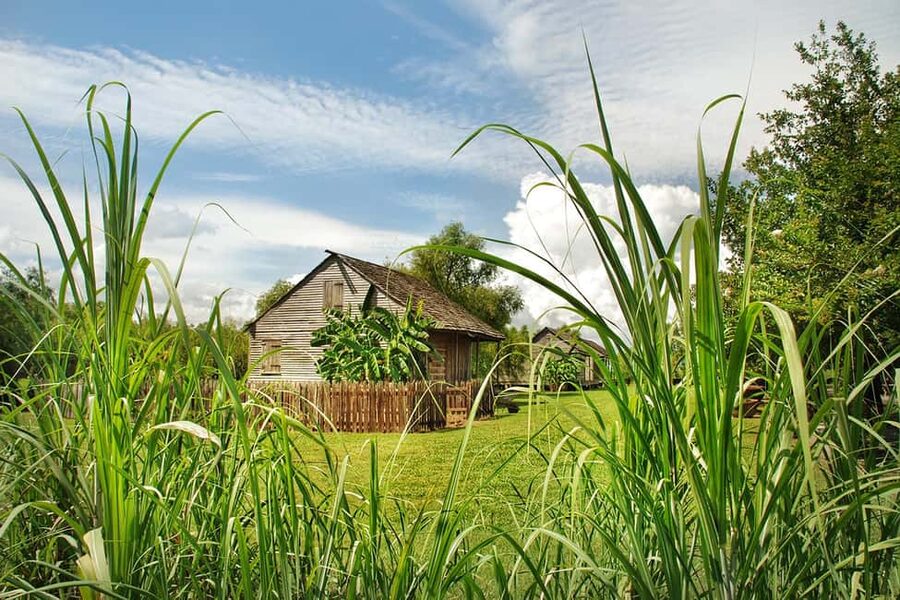
Whitney opened to the public for the first time in 2014 after a long period of being private. It’s also described as the only plantation museum in Louisiana dedicated completely to the history of slavery. The site is built with a clear intention: it’s a place of memory and consciousness meant to honor enslaved people here and those whose lives were shaped by slavery beyond Louisiana.
As you move through the exhibits and memorial installations, you’ll notice that the experience is designed to make you pause. People often describe leaving with a mix of anger, sadness, and clarity. You don’t need to force yourself into a certain mood, but you should plan your day so you’re not trying to fit in too many other activities afterward.
The route along the Mississippi: passing other plantation names
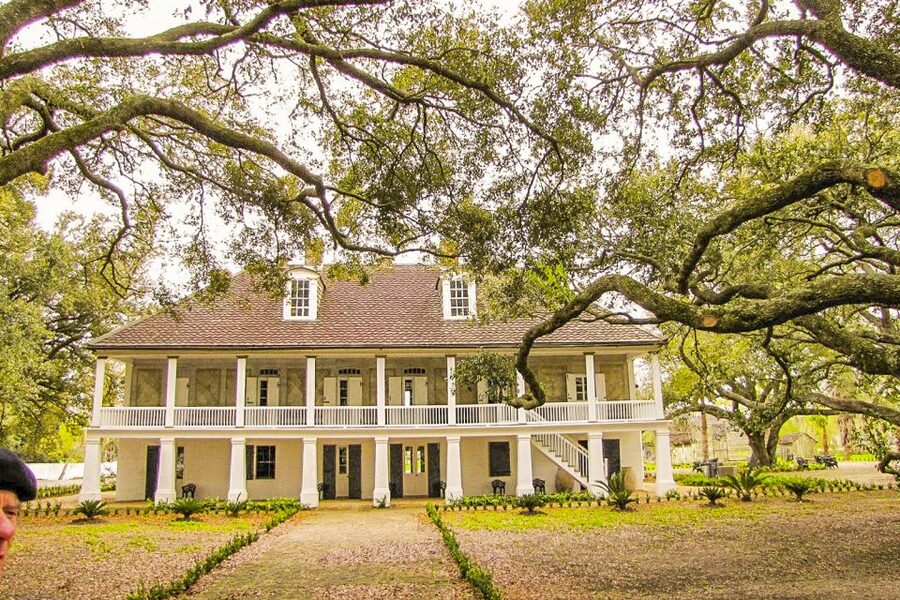
On the way to and from Whitney, your bus passes several well-known plantations along the Mississippi River: Laura, Oak Alley, Evergreen, Felicity, and St. Joseph.
This is helpful even if you’re not stopping at those sites. It gives you geographic context. You can start to see how close these properties sit to the river and how that shaped transport, trade, and the economics of the system.
Some trips also include short roadside photo moments outside other plantation areas. One person specifically called out a photo stop tied to a filming location for Django Unchained, but that kind of timing depends on the day’s pace—so treat it as a possible bonus, not a promise.
The optional Manchac Swamp upgrade: 90 minutes on a covered pontoon
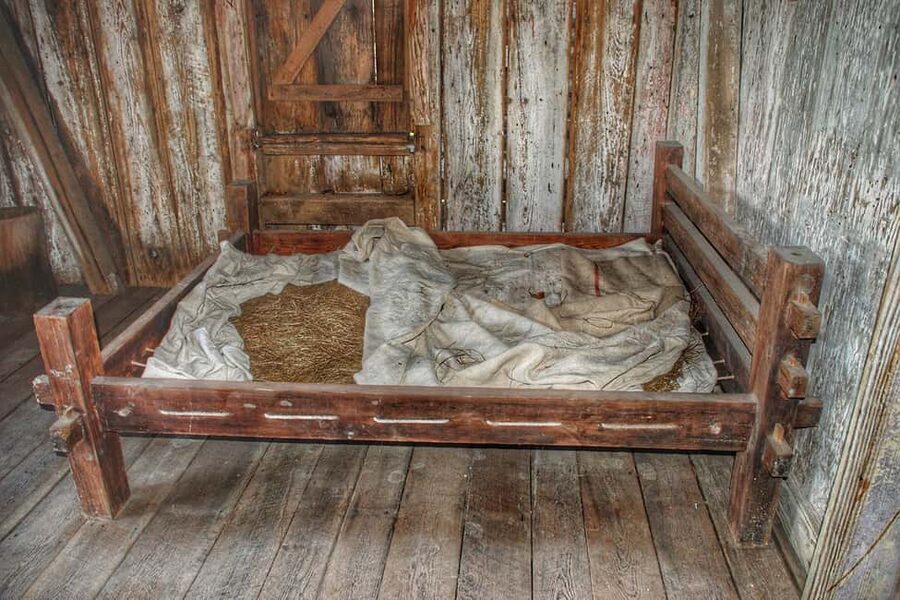
If you choose the upgrade, you’ll add a 90-minute swamp tour at Manchac Swamp. The cruise runs through a privately-owned wildlife refuge on a comfortable, covered pontoon boat, driven by a local captain.
This part of the day changes the pace in a good way. At Whitney, you’re inside history and memory. At the swamp, you’re in the working landscape—wildlife, water, and the local Cajun culture of fishing, hunting, and trapping.
And yes, keep your eyes peeled for alligators. The tour is described as having the kind of moments where alligators leap up for snacks.
People who add the swamp upgrade often like the timing because it gives you a chance to process what you just learned before jumping into bus ride fatigue and city plans.
Transportation value: why the $89 price can make sense
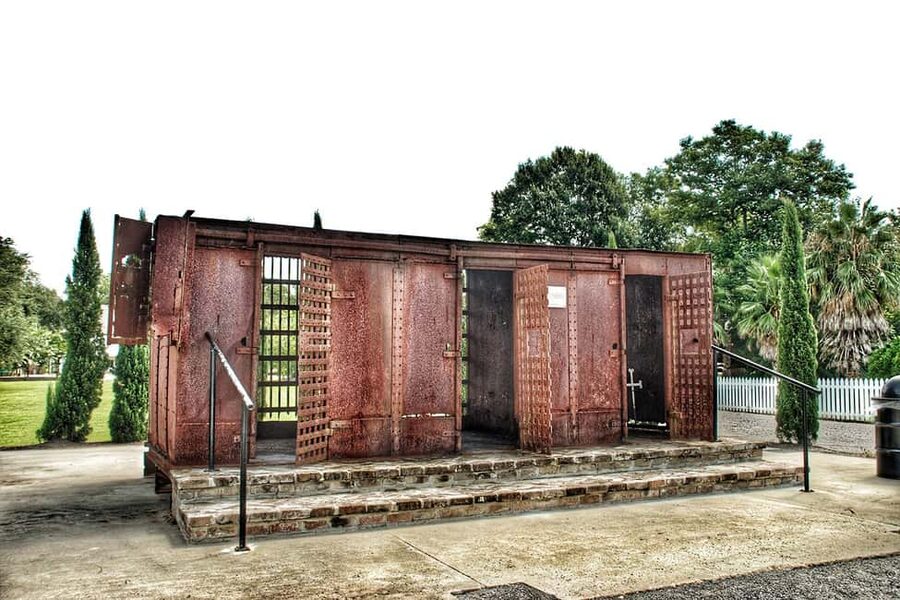
At $89 per person for the Whitney Plantation tour with transportation, you’re paying for three things at once: a coordinated drive from New Orleans, the transfer time you don’t have to manage, and the structured Whitney visit with audio at a major historic site.
It can feel like a lot on paper. But if you compare the real-world hassle—rental car costs, gas, parking, and the stress of timing—you can see where the value lives. Plus, the experience is timed so you’re not stuck waiting around in an unfamiliar area.
One review mentioned disappointment about how much the organizing company may keep versus what’s needed for the admission and transportation. That’s a fair question to keep in mind when you’re spending money on historical sites. Still, for a visitor who wants a smooth day without logistics headaches, transportation-inclusive access is often what makes the visit actually happen.
Comfort and pacing: what to expect from the bus day
Most of the praise centers on the transport experience. The overall rating for transport is strong, with many people pointing to clean, comfortable buses and friendly drivers.
That said, a couple of practical notes show up in the feedback: air-conditioning performance can vary, and one person mentioned bus windows shaking on bumps. Another mentioned the main site felt a bit rushed at the end and wanted more silence and absorb-time.
So here’s my advice: treat Whitney as the anchor of your day. Don’t schedule a big dinner plan right after if you can avoid it. Give yourself time to decompress.
Who this tour fits best (and who should think twice)
This is a great fit if:
- You want a plantation visit that focuses on slavery and the enslaved people first.
- You prefer self-paced walking so you can pause and listen without a group herding you.
- You like using audio as your guide, not as background noise.
You might want to think twice if:
- You strongly want a live, on-your-feet guide answering questions as you go through exhibits and memorials.
- You’re sensitive to heavy content and need a gentler format. Whitney is respectful, but it is not casual.
The swamp upgrade is ideal if you want your day to include an outdoor, nature-and-culture change of scenery after Whitney.
Tips so you get the most from the audio route
A few small choices can make a big difference:
- Bring charged headphones and a fully charged phone (even if you’re given audio equipment, backup battery helps).
- Start the outdoor portion of the site first if you arrive with enough energy; it can make the flow feel more meaningful before you step into indoor exhibits.
- Wear shoes for walking on uneven gravel paths. The grounds are accessible, but not every path is smooth.
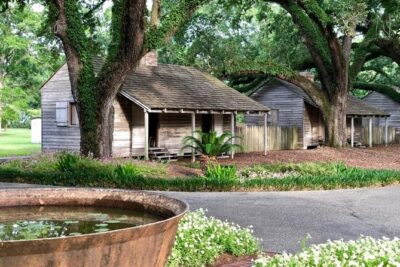
- If you’re using mobility equipment, plan around access limits. Wheelchair visitors are said to have access to the gift shop, restrooms, and museum. The grounds are accessible, but paths are uneven gravel, and guests can view the slave quarters without being able to enter them.
Should you book Whitney Plantation with transportation?
If you’re visiting New Orleans and you want the most direct, emotionally honest plantation experience available in the area, I think this is an easy yes. The self-guided audio format works well here because it lets the site do the talking without distractions. The transportation also removes friction, which helps you focus on the visit instead of the logistics.
Book it if you can handle heavy history with respect and you’re okay reading, listening, and walking at your own pace. If you’re short on time or you dislike audio tours, you may feel like you’re driving the experience alone. But if you choose the option with the Manchac Swamp upgrade, you’ll also leave with a fuller day—memory in one place, Louisiana nature and culture in another.
FAQ
Where is the meeting point for the tour?
You’ll meet at the Lighthouse Ticket Office at Toulouse Street and the Mississippi River, at the Steamboat Natchez dock directly behind JAX Brewery. Tours depart from 400 Toulouse Street, New Orleans, LA 70130.
Is the Whitney Plantation tour self-guided?
Yes. The Whitney Plantation part is self-guided using an audio tour. The site recommends downloading the Whitney Plantation app on your phone, tablet, or iPad to listen as you go.
Do you get time to explore the plantation on foot?
Yes. The experience includes time to walk the grounds and follow the audio tour stops at your pace, with seating at audio stops mentioned in recent visits.
What does the swamp tour upgrade include?
The upgrade adds a 90-minute pontoon boat cruise on Manchac Swamp. It’s on a covered boat with a local captain, through a privately-owned wildlife refuge, with local history tied to Frenier and Cajun fishing, hunting, and trapping. Alligators may appear and are described as leaping up for snacks.
Is food included?
No. Food and beverages are not included.
Is the tour good for wheelchair users?
Wheelchair visitors have access to the gift shop, restrooms, and museum. The plantation grounds are accessible, but there are uneven gravel paths. Visitors can view the slave quarters but would not have access to enter.
Can I cancel and get a refund?
Yes. Free cancellation is available up to 24 hours in advance for a full refund.
More Tours in New Orleans


More Tour Reviews in New Orleans
More River Road Plantations





Just added to The New Orleans Traveler



Plantation Tours, compared.
 ★ 5.0Swamp Boat Ride and Oak Alley Plantation Tour from New OrleansFrom $1313,303 reviews
 ★ 4.5Oak Alley Plantation Tour with Transportation from New OrleansFrom $891,747 reviews
 ★ 4.5Whitney Plantation Tour with Transportation from New OrleansFrom $891,351 reviews
 ★ 5.0Laura Creole Plantation Guided TourFrom $321,279 reviews
 ★ 4.7Bayou Swamp Tour and Oak Alley Plantation TourFrom $1251,147 reviews
 ★ 4.7Oak Alley Plantation & Airboat Swamp Combo TourFrom $160906 reviews
 ★ 4.5Oak Alley Plantation and Large Airboat Swamp Tour from New OrleansFrom $160712 reviews
 ★ 4.5Houmas House Estate and Gardens Guided TourFrom $38632 reviews
Browse the lists this tour appears in