
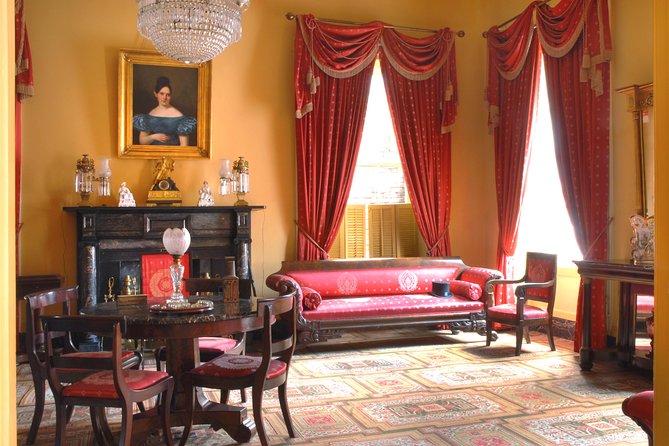
Reviewed · AFRICAN AMERICAN HERITAGE TOURS
Urban Enslavement Tour at Hermann Grima House
A real home tells a hard story. This Hermann-Grima House tour uses the layout of a restored 1831 home to explain how people were enslaved in the city, and how that experience differed from plantation slavery. I especially like how the tour centers the lived reality of enslaved people, not just the wealthy owners.
Two standouts make this worth your time: you see period rooms and details like the original open-hearth kitchen, and you get clear guide-led explanations from people like Robert (and Kelsy on some departures) who answer questions and keep the story moving. One consideration: the depth can vary by guide and what’s available in the historical record, and you may find the narrative sometimes pulls attention toward the household’s owners more than you want.
In This Review
- Key highlights before you go
- A $17 tour that teaches urban slavery inside a real New Orleans home
- Your main stop: Hermann-Grima House and the architecture of everyday control
- Why urban enslavement feels different: the city’s tighter system
- The guides make or break it: Robert, Kelsy, and question-friendly storytelling
- What you should expect inside the home (and what you may wish you’d seen)
- The carriage house connection: The Exchange Shop and women-led community work
- How long should you plan for in your day?
- Value check: is $17 really enough?
- Who should book this tour
- Should you book the Urban Enslavement Tour at Hermann Grima House?
- FAQ
- How long is the Urban Enslavement Tour at Hermann-Grima House?
- What does the $17 ticket include?
- What language is the tour offered in?
- Do I need a paper ticket?
- When will I receive confirmation after booking?
- Can I bring a service animal?
- Is it easy to reach using public transportation?
- What happens if the weather is bad?
Key highlights before you go
- A focused, hour-long tour priced at $17 with admission included
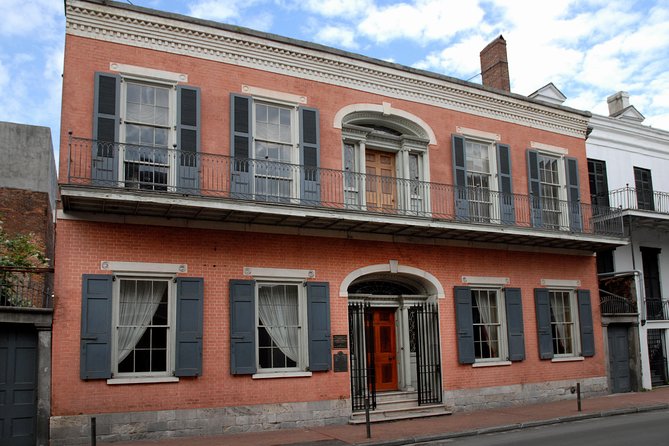
- Hermann-Grima House details like the Federalist façade and original kitchen setup
- Urban slavery explained through house zones, including areas tied to enslaved life
- Guides who handle tough questions (Robert and Kelsy are named in standout accounts)
- Courtyard and outbuildings context, including a carriage house used by The Exchange Shop
- A strong educational framing that links New Orleans’ enslaved labor to later impacts in African-descended communities
More of the city's Black history and heritage
- Soul of New Orleans City Tour: Enslavement to Modern Day Culture★ 5.0 · 393 reviews
- New Orleans: Tremé African American & Creole History Tour★ 4.9 · 208 reviews
- New Orleans Creole History and Culture Ride★ 5.0 · 50 reviews
- Soul of New Orleans City Tour:Enslavement to modern culture★ 4.7 · 29 reviews
A $17 tour that teaches urban slavery inside a real New Orleans home
New Orleans is packed with big, beautiful buildings. This one adds a different lesson: how a city household ran on human bondage. At Hermann-Grima House, the story isn’t abstract. It’s built into the structure itself—where people were placed, where work happened, and how power shaped everyday movement.
The price is surprisingly easy to swallow for what you get. At $17 for about an hour, and with admission ticket included, you’re not paying extra just to access the site. You’re paying for interpretation—someone helping you read the house like a document. For many visitors, that’s exactly the value sweet spot: short enough to fit your day, structured enough that you won’t miss the important parts.
Time matters here. Expect around one hour, and plan to arrive with a little patience. Tours like this work best when you’re not sprinting from stop to stop. If you’re the type who likes to absorb, this schedule is friendly.
Your main stop: Hermann-Grima House and the architecture of everyday control
The tour’s heart is Hermann-Grima House, a French Quarter home built in 1831. It’s not only a pretty façade. The building shows how a wealthy urban family presented itself on the street while organizing labor and separation inside.
From the outside, you’ll notice the mix of styles—there’s a Federalist architectural façade, which helps explain how New Orleans borrowed from broader American design while still operating on its own social rules. Inside, the experience leans into what the house was designed to do: manage people, not just host guests.
A few elements that anchor the tour:
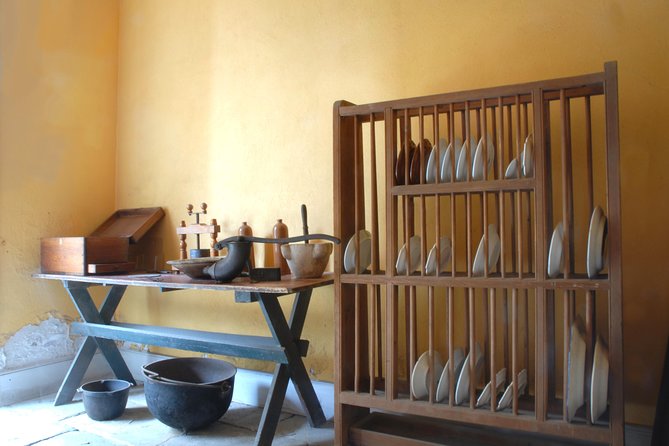
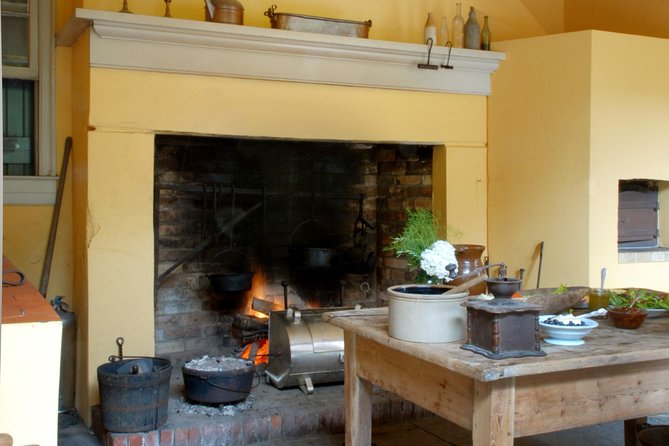
- The original operating open-hearth kitchen, which turns cooking into a visible timeline of work and time pressure.
- Urban slave quarters, tying the enslaved experience to the rhythms of the city rather than isolated plantation life.
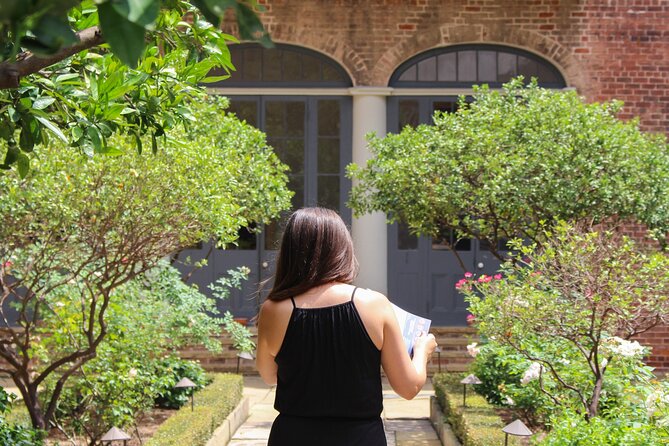
- Expansive courtyard space, useful for understanding movement, labor routines, and the “shared” areas that didn’t mean shared freedom.
One of the most practical things you’ll get is orientation. The guide helps you see the house as zones with different rules. That’s where the tour becomes more than facts. You start to grasp how control worked through daily geography—porches, interior thresholds, and where certain spaces were effectively off-limits.
Why urban enslavement feels different: the city’s tighter system
This tour’s core theme is urban enslavement—how bondage in a city household played out differently than slavery on rural plantations. In a city, people weren’t only working fields and living on a large plantation “camp.” They were integrated into household operations, skilled labor, and the constant pace of a working neighborhood.
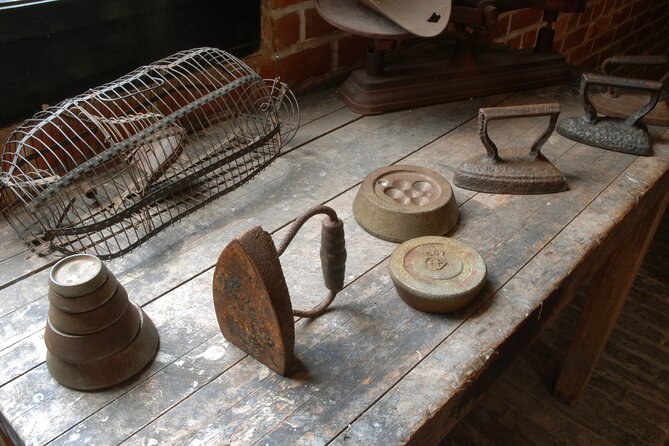
That means you’ll hear specifics about the kinds of work that were demanded day after day. The story can include detailed domestic labor such as ironing, resewing sleeves, and long cooking hours. You’ll also learn how enslaved families were affected by the age-based logic of sale and the brutal arithmetic of what owners needed financially.
This is also where the tour’s interpretation becomes emotionally sharp. Instead of treating slavery as a distant system, it translates it into chores, schedules, and separation. If you’re trying to understand the full picture of slavery in Louisiana, urban slavery is a key piece that too many visitors miss.
The guides make or break it: Robert, Kelsy, and question-friendly storytelling
The strongest moments in the accounts come from guides who can do two things at once: deliver hard history clearly and handle questions without getting vague. Names you’ll see called out include Robert and Kelsy, and the pattern is consistent—guides who bring detail, stay organized, and explain what you’re looking at rather than reciting dates only.
I like this approach for one simple reason. When you’re walking through rooms, your brain wants handles. A good guide gives you handles:
- what this room tells you about labor,
- how the house’s layout shaped human relationships,
- and how to connect enslaved work to the later cultural footprint of African-descended New Orleans.
Some guides even bring personal connection into the closing framing. That doesn’t replace the historical story—it acts like a human bridge that helps the facts land. If you’re someone who worries that museum tours can feel cold, this one often doesn’t.




What you should expect inside the home (and what you may wish you’d seen)
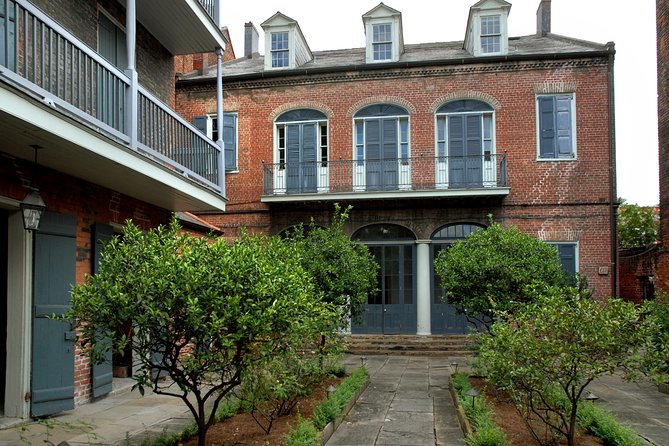
You can plan for a guided walk through meaningful rooms and key exterior areas connected to the home. The tour emphasizes original features, including the operating open-hearth kitchen, and it uses the property’s layout to describe enslaved life in the city. You’ll also see enough of the grounds and courtyard that you can picture how the household functioned day to day.
Still, one consideration is important. A few visitors wanted more focus on enslaved people as full human beings, not just as labor that increased the household’s wealth. Others also expressed a wish to see additional enslaved-related spaces more directly.
The honest way to frame this for your planning: this is a historic home with limits. Some spaces may be restricted, and the interpretation may depend on archival documentation and the guide’s style. If you want the most emotionally direct focus possible, treat this as a strong start, not the only stop on your slavery-history day.
The carriage house connection: The Exchange Shop and women-led community work
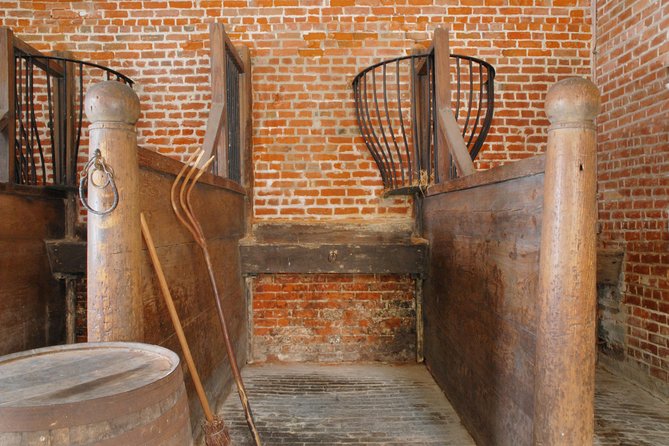
Even though the tour’s main focus is the house and its story of urban enslavement, the property also gives you a second thread worth catching: the 19th-century carriage house and The Exchange Shop.
This women-led nonprofit has roots reaching back to 1881, originally tied to The Woman’s Exchange. That connection matters because it shows how African-descended communities and women-led organizing helped shape New Orleans long after emancipation—turning survival and enterprise into community power.
If you like tours that don’t stop at tragedy, you may appreciate this “after” story embedded in the same property. It’s not a distraction. It’s a reminder that history kept moving, people kept creating, and communities kept building institutions.
How long should you plan for in your day?
At about one hour, this is a manageable chunk of time. It’s also structured enough that you don’t need a half-day plan to make it fit. If you’re doing a few New Orleans sights in one go, try not to schedule anything immediately afterward that requires full focus. This tour asks your brain to process a lot—work details, forced separation, and the architecture of control.
A practical tip: if you’re pairing this with other slavery-related sites, treat this stop as the “urban household lens.” Then let your next stop expand to plantation life or memorial interpretation, depending on what you choose.
Value check: is $17 really enough?
For a site visit that includes interpretation, the $17 price with admission included feels like a strong deal—especially compared with paid tours that charge extra just for entry. The real value here isn’t only the building. It’s the explanation that helps you connect the physical space to the social system that ran inside it.
It’s also a value for pacing. One hour means you get concentrated learning without turning it into a long slog. For many people, that’s ideal on a travel day in New Orleans, where walking and heat can pile up quickly.
If you’re trying to maximize learning per hour, this tour fits that plan nicely.
Who should book this tour
This is a good match if you:
- want a slavery-history tour that focuses specifically on urban enslavement
- like learning through physical details—rooms, kitchen setups, and how a house is organized
- enjoy guides who can answer questions and explain what you’re seeing
It may be a mixed match if you:
- want the deepest possible focus only on enslaved people’s humanity with minimal emphasis on owners
- prefer a tour where every second is dedicated to the enslaved experience, no matter what sources say
If you’re flexible and open to guided interpretation through a single historic property, you’ll likely leave with a clearer understanding of how New Orleans slavery operated inside city households.
Should you book the Urban Enslavement Tour at Hermann Grima House?
Yes, I think you should book it—especially if you’re building a slavery-history day and want the urban angle. The combination of a restored 1831 home, interpretation tied to real spaces, and a price point that doesn’t wreck your budget makes this an easy “worth it” choice.
Book it with realistic expectations. This isn’t a dramatic reenactment. It’s an organized, educational walk that uses the house to explain forced labor and human constraint. If you want the story to be emotionally centered on enslaved people, pick it up as a core piece, and pair it with other stops for broader coverage.
Finally, if you care about getting a guide who can handle questions and keep the tone human, this is where you’ll see those strengths most clearly in the tour experience.
FAQ
How long is the Urban Enslavement Tour at Hermann-Grima House?
The tour is about 1 hour (approx.).
What does the $17 ticket include?
The admission ticket is included with your purchase.
What language is the tour offered in?
The tour is offered in English.
Do I need a paper ticket?
No. You get a mobile ticket.
When will I receive confirmation after booking?
Confirmation will be received at time of booking.
Can I bring a service animal?
Yes. Service animals are allowed.
Is it easy to reach using public transportation?
The site is near public transportation.
What happens if the weather is bad?
This experience requires good weather. If it’s canceled due to poor weather, you’ll be offered a different date or a full refund.
More Tours in New Orleans

More Tour Reviews in New Orleans
More Black History & Heritage




Just added to The New Orleans Traveler




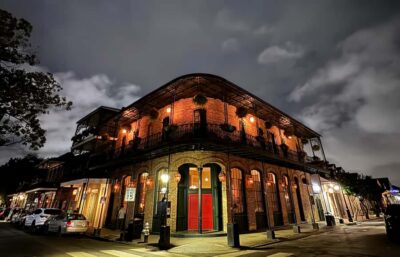
African American Heritage Tours, compared.
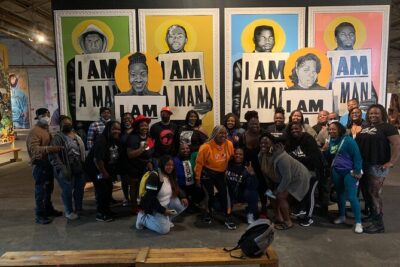 ★ 5.0Soul of New Orleans City Tour: Enslavement to Modern Day CultureFrom $55393 reviews
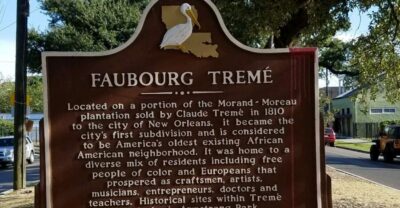 ★ 4.9Tremé African American & Creole History TourFrom $22208 reviews
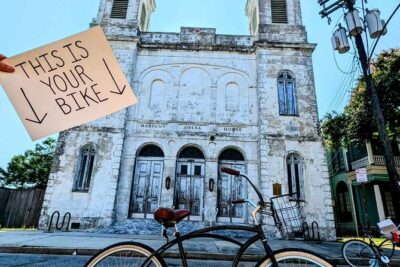 ★ 5.0Creole History and Culture RideFrom $5550 reviews
 ★ 4.7Soul of New Orleans City Tour:Enslavement to modern cultureFrom $5529 reviews
 ★ 5.0African American Heritage Walking TourFrom $2920 reviews
 ★ 5.0Whitney Plantation and Soul of New Orleans City Tour ComboFrom $12913 reviews
 ★ 5.0Whitney Plantation + Soul of New Orleans TourFrom $1204 reviews
 ★ 5.0The Soul of New Orleans: Jazz History Private TourFrom $1114 reviews
Browse the lists this tour appears in