
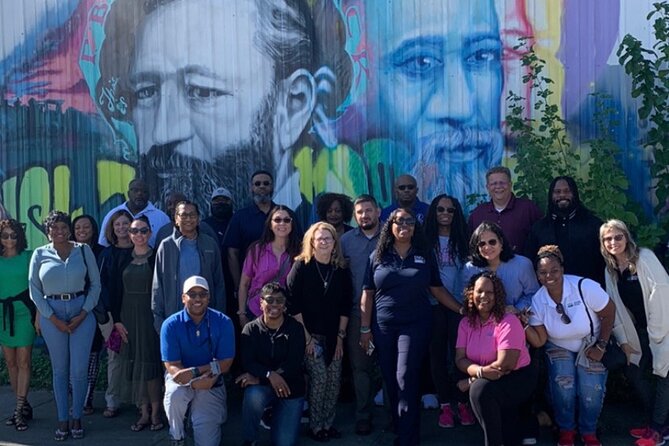
Reviewed · PLANTATION TOURS
Whitney Plantation and Soul of New Orleans City Tour Combo
A hard day in two parts.
This combo pairs Whitney Plantation’s respectful self-guided audio with a New Orleans city tour that connects slavery to what you can still see today. I like that it doesn’t hand-wave history. You get memorial-focused exhibits with names and personal stories, then you move to city places where that past shows up in real neighborhoods. One thing to consider: the Whitney portion is self-guided by audio, so if you want a live back-and-forth guide the whole time, you’ll feel the difference.
You’re also not doing this solo on your own transportation. Pickup is offered from most downtown hotels, the ride is by air-conditioned vehicle, and the group stays small (max 24). It’s priced at $129, which matters because Whitney admission is included—so you’re not stacking extra ticket costs on top of the tour.
In This Review
- Key highlights and what to watch for
- A combo that links slavery, streets, and memory
- Getting on the bus: pickup, timing, and the small comfort wins
- Whitney Plantation: respectful exhibits with audio you’ll actually need
- The one drawback: you’re listening more than talking
- New Orleans city tour: hearing the city from the inside
- Katrina aftermath stops that don’t feel like a history slideshow
- Your guide matters here (and the feedback shows it)
- Studio BE: a quick creative pause with real local energy
- Congo Square: where African heritage fed the sounds of jazz
- Price and value: why $129 can feel fair here
- What to bring (and how to make the day easier)
- Who this tour fits best
- Should you book this Whitney + Soul of New Orleans combo?
- FAQ
- How long is the Whitney Plantation and Soul of New Orleans city tour combo?
- What is the price per person?
- Is hotel pickup included?
- Is there a restroom on the vehicle?
- Is Whitney Plantation admission included?
- What language is the tour offered in?
- Can I cancel for a full refund?
Key highlights and what to watch for
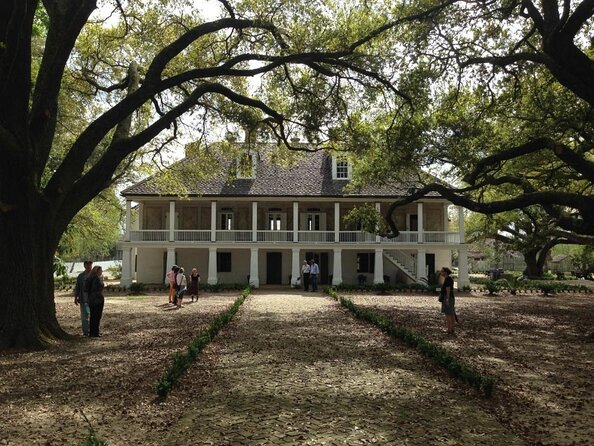
- Whitney Plantation memorial details: Wall of Honor lists 350+ names, and Field of Angels represents an estimated 2,200 enslaved children who died in St. John the Baptist Parish.
- Self-guided audio at Whitney: powerful, but it’s not a live conversation—plan for headphone time.
- Katrina aftermath in the city loop: expect stops tied to devastation and recovery, including areas connected to the Ninth Ward and levee damage.
- Studio BE stop (short but meaningful): a quick look at local creativity and community space.
- Congo Square and jazz origins: a historic gathering place linked to African heritage, music, dance, and storytelling.
- Small-group pace: max 24 travelers helps you hear your guide and move without feeling rushed.
Other River Road plantation visits
- Swamp Boat Ride and Oak Alley Plantation Tour from New Orleans★ 5.0 · 3,303 reviews
- Oak Alley Plantation Tour with Transportation from New Orleans★ 4.5 · 1,747 reviews
- Whitney Plantation Tour with Transportation from New Orleans★ 4.5 · 1,351 reviews
- Laura Creole Plantation Guided Tour★ 5.0 · 1,279 reviews
A combo that links slavery, streets, and memory
This is the kind of tour that tries to do one thing well: connect the dots between what happened on plantations and what shaped life in the city afterward. Whitney Plantation is emotionally heavy. The city portion can be heavy too. But the combo is built so you don’t just “see” history—you understand how it echoes.
I also like the practical rhythm. You’re not hopping between random points with separate tickets. You get round-trip transportation in an air-conditioned vehicle, plus the Whitney admission is already covered. That turns a complicated day into something you can actually manage.
And because this is a small group, the day feels more controlled. You’re not lost in a crowd. You’re part of a group that has time to listen and absorb.
Getting on the bus: pickup, timing, and the small comfort wins
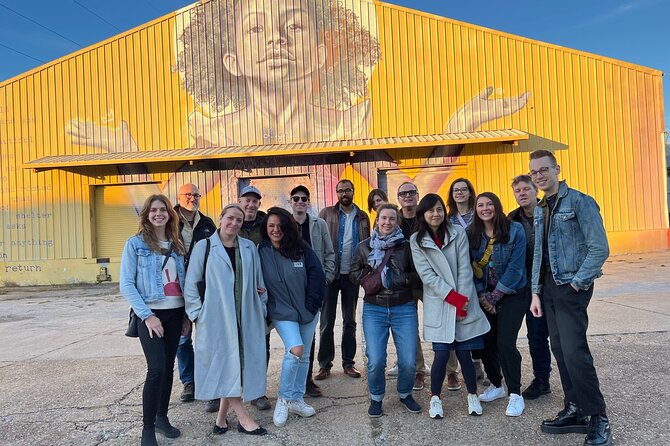
The day starts early. Pickup happens between 8:00 AM and 8:30 AM, and they ask you to be outside your hotel by 8:00 AM. Since there can be multiple hotel stops, they also tell you to allow up to 30 minutes for the bus to arrive.
A few practical notes that make your life easier:
- Bring something light for your morning wait. The bus can arrive later if your stop is farther down the route.
- Look for a white bus with the logo. If you’re using a central meeting point instead of hotel pickup, the parking lot is at 414 Canal Street.
- Have your mobile ticket ready on your phone. The tour uses a mobile ticket.
One more practical detail: there’s no restroom on board. That’s not a dealbreaker, but it changes how you should plan your day. If you’re sensitive to long rides, keep water in mind and use restroom breaks when you get them on land.
Whitney Plantation: respectful exhibits with audio you’ll actually need
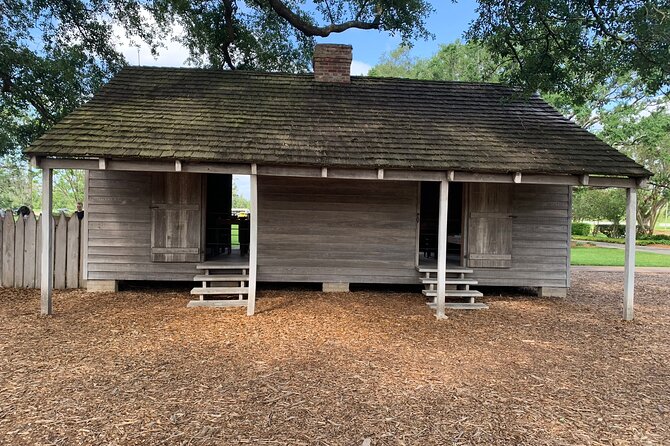
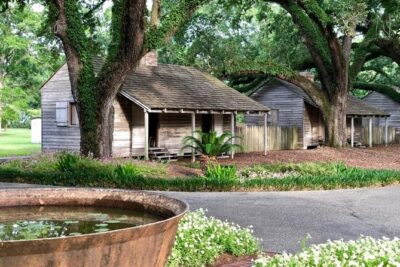
Whitney Plantation is not about pretty photos. It’s about memory, and it does that through specific, grounded displays: original buildings, slave cabins, memorials, and artwork meant to show the harsh realities enslaved people endured.
The layout is self-guided, and that’s a big part of the experience. You’ll be using a self-guided audio tour for about two hours. In a way, that can be an advantage. You can slow down when a name matters or when something feels hard to process. You’re not being rushed by a group timeline.
Here are a few standout elements to look for as you move through:
- The Wall of Honor, which displays the names of more than 350 enslaved individuals linked to the plantation.
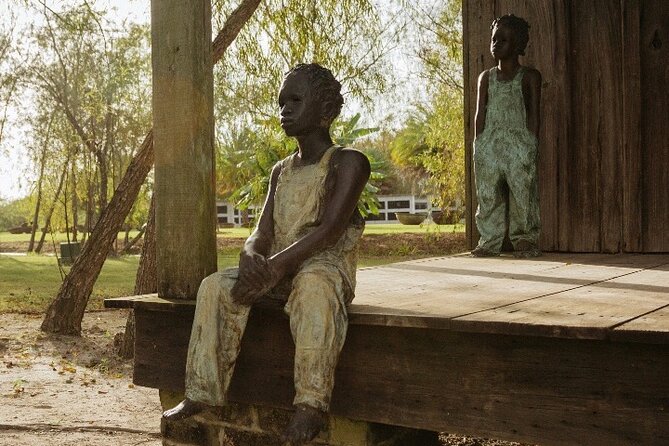
- Memorial artwork like Field of Angels, representing an estimated 2,200 enslaved children who died in St. John the Baptist Parish.
- The way the museum connects the plantation’s physical structures (buildings and cabins) to the people forced to live and work there.
This is where the combo’s “why” becomes clear. You’re learning the difference between plantation slavery and what happened in urban life—because the city portion later gives you places, neighborhoods, and stories that show the aftermath.
The one drawback: you’re listening more than talking
One caution I’d flag: a few people wish Whitney had a live guide option rather than only an audio recorder. If you’re the type who likes to ask questions and steer your learning with a human, you might feel that gap.
That said, if you can handle quiet listening and you want something that lets you pause and think, Whitney’s audio format can be a strong fit.
More ways to take in the whole city





New Orleans city tour: hearing the city from the inside
After (or before, depending on timing on your departure) Whitney, the day shifts into city mode. This part is where the tour aims to help you see New Orleans through a more local lens—history as something tied to neighborhoods, not just dates on a plaque.
You’ll travel by vehicle with your guide leading the group, and the city stops are designed to connect themes: slavery’s long shadow, and what happened after major disruptions.
Katrina aftermath stops that don’t feel like a history slideshow
The combo includes time focused on the impact of Hurricane Katrina on neighborhoods. One of the strongest takeaways from the way this is run is the focus on what the storm changed in real places.
You may see references and viewing points connected to:
- the Ninth Ward and the location where the levee wall broke, and
- areas tied to learning about desegregation, including McDonogh No. 19, where the desegregation story involved three girls.
If you’re the kind of traveler who hates vague narration, this section can be the opposite. Guides in this combo have emphasized local details and context so you walk away with a mental map of how the city was altered.
Your guide matters here (and the feedback shows it)
The quality of the narration can really shape the whole day. In past departures, guides such as Jay and Jeremy earned standout praise for how they explained New Orleans history and urban culture—and for answering questions in a way that keeps the group engaged.
If you care about hearing the city through a New Orleans voice, this is a big plus of the combo. The payoff is that you start noticing how the city’s layout and landmarks connect to stories you already learned at Whitney.
Studio BE: a quick creative pause with real local energy
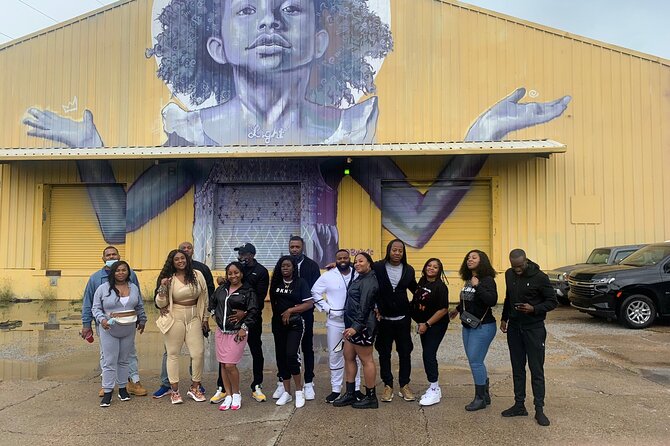
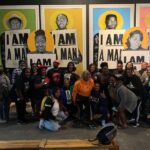
Between heavier stops, you get a brief intermission at Studio BE. It’s described as a landmark and cultural destination—an artist space built from community and making.
This stop is only about 15 minutes, so treat it as a short reset, not a long museum visit. You’ll likely get the sense that New Orleans isn’t only about what was done to people in the past. It’s also about how communities keep shaping culture now.
This matters because without it, the day can feel like nonstop grief. Studio BE gives you a small breath and a reminder: the city’s story continues.
Congo Square: where African heritage fed the sounds of jazz
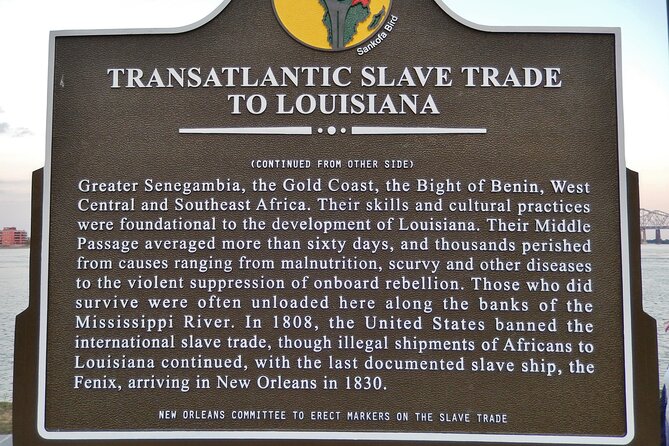
Congo Square is where the tour turns toward music and origins. You’ll spend time at this historic gathering place tied to the birthplace of jazz.
Here’s what makes it more than a name on a map:
- Enslaved Africans gathered there to celebrate and maintain heritage.
- The space is linked to music, dance, and storytelling.
- Those traditions helped form the rhythmic foundation that traveled outward and influenced jazz globally.
This is a smart pairing with Whitney Plantation. Whitney deals with slavery through memorial exhibits. Congo Square shows how culture survived and how that survival shaped what the world now calls “jazz.”
I like that the tour frames it as community and continuity, not just entertainment. You get to connect the emotional weight of memorials to the creative power of shared traditions.
Price and value: why $129 can feel fair here
At $129 per person for a full 8 to 9 hours, this price only feels good if the inclusions line up—and they do.
What you get that saves you money and effort:
- Hotel pickup from most downtown hotels (so you’re not paying for taxis or rideshares all day).
- Air-conditioned vehicle with the round-trip structure.
- All fees and taxes included.
- Whitney Plantation admission included (the museum portion is the big paid ticket in the day).
So you’re mainly paying for a full-day plan with transportation plus the hardest-to-organize ticket piece. If you were trying to do Whitney and the city sites on your own, it’s easy for costs and logistics to multiply.
One thing to keep in mind: this is priced for a guided combo, so if you only care about one side (either only plantation or only city sightseeing), you may feel like you’re paying for time you won’t fully use. But if you want the connection between plantation slavery and what you can still see in New Orleans streets, the combo format is the point.
What to bring (and how to make the day easier)
Because this is a long day and there’s no restroom on board, small choices matter.
Bring:
- Comfortable walking shoes. You’ll be on grounds and around outdoor stops.
- Headphones or earbuds aren’t required if the audio system is provided, but if the audio experience relies on personal listening, you may want a backup pair.
- A layer. Morning air and vehicle AC can swing from cool to cold.
Your best strategy:
- Pace yourself at Whitney. The audio tour format works when you stop trying to “finish” and start trying to understand.
- After Whitney, expect a different pace. The city portion mixes narration with movement, so keep your energy for listening during the drives.
Who this tour fits best
This combo is a good match if:
- you’re a first-time visitor to New Orleans who wants context, not just landmarks,
- you want the city explained by a local guide style (with real stories and place-based details),
- you care about respectful, memory-centered learning at Whitney Plantation.
It might be less ideal if:
- you strongly prefer a live guide at every stop (Whitney here is self-guided by audio),
- you hate long days without frequent restroom access,
- you want a lighter, purely sightseeing route.
Should you book this Whitney + Soul of New Orleans combo?
Yes—if you’re ready for a day that’s more serious than typical sightseeing, and you want New Orleans history told in a way that ties plantation-era realities to the city you walk through afterward.
Book it if you like structure: pickup, transport, included Whitney admission, and a planned route that goes to Congo Square and a short Studio BE cultural stop. Skip it only if audio-only learning at Whitney would frustrate you or if a long day with no restroom on board doesn’t work with your comfort level.
If you do book, I’d aim to place it earlier in your trip when possible. It helps everything else you see in New Orleans make more sense—street names, neighborhoods, and the cultural roots behind what you’ll hear in the city.
FAQ
How long is the Whitney Plantation and Soul of New Orleans city tour combo?
It runs about 8 to 9 hours.
What is the price per person?
The tour costs $129.00 per person.
Is hotel pickup included?
Yes. Pickup is available from most downtown New Orleans hotels. Pickup happens between 8:00 AM and 8:30 AM.
Is there a restroom on the vehicle?
No. A restroom on board is not included.
Is Whitney Plantation admission included?
Yes. Admission for Whitney Plantation is included.
What language is the tour offered in?
The tour is offered in English.
Can I cancel for a full refund?
Yes, you can cancel for free up to 24 hours before the start time for a full refund.
More Black History & Heritage


The Whole City, More Ways

More River Road Plantations





Just added to The New Orleans Traveler


Plantation Tours, compared.
 ★ 5.0Swamp Boat Ride and Oak Alley Plantation Tour from New OrleansFrom $1313,303 reviews
 ★ 4.5Oak Alley Plantation Tour with Transportation from New OrleansFrom $891,747 reviews
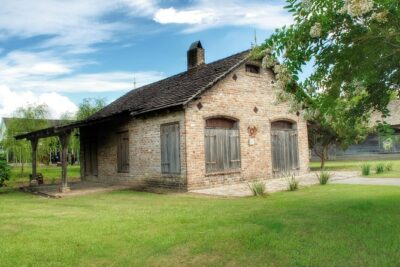 ★ 4.5Whitney Plantation Tour with Transportation from New OrleansFrom $891,351 reviews
 ★ 5.0Laura Creole Plantation Guided TourFrom $321,279 reviews
 ★ 4.7Bayou Swamp Tour and Oak Alley Plantation TourFrom $1251,147 reviews
 ★ 4.7Oak Alley Plantation & Airboat Swamp Combo TourFrom $160906 reviews
 ★ 4.5Oak Alley Plantation and Large Airboat Swamp Tour from New OrleansFrom $160712 reviews
 ★ 4.5Houmas House Estate and Gardens Guided TourFrom $38632 reviews
Browse the lists this tour appears in