
Reviewed · HISTORICAL TOURS
New Orleans African American Heritage Walking Tour
A history walk with real stakes. This New Orleans African American Heritage tour follows the forced journeys that shaped the city, then points to what survived in music, food, religion, and everyday life. You’ll spend your time where African culture was practiced, traded, and celebrated—right on the edge of the French Quarter.
I love the way this tour connects big history to specific places, from Square Congo (at Armstrong Park) to nearby French Quarter streets. I also love the guide energy—names like Keynin, Mika, and Keenan come up for their mix of storytelling, humor, and respect for the subject. One possible drawback: it’s a 2-hour walk, and while most people can participate, you’ll still want comfortable shoes.
In This Review
- Key Highlights to Know Before You Go
- Entering the Story at 401 Decatur St (and Why 4:00 pm Matters)
- Congo Square at Armstrong Park: Where Culture Kept Moving
- What to watch for at this stop
- The French Quarter Walk: Voodoo, Jazz, Creole Food, and Architecture
- A balanced way to handle the mood
- Guides, Mobile Tickets, and a 2-Hour Pace That Works
- Price and Value: What $29 Buys You Here
- Who Should Book This Walk (and Who Might Not)
- Should You Book This New Orleans African American Heritage Walking Tour?
- FAQ
- FAQ
- How much does the New Orleans African American Heritage Walking Tour cost?
- How long is the tour?
- Where is the meeting point?
- What time does the tour start?
- What stops are included?
- Is admission included for the stops?
- What is included in the tour price?
- Are food and drink included?
- Are service animals allowed?
- What is the maximum group size?
- What is the cancellation policy?
Key Highlights to Know Before You Go
- Square Congo at Armstrong Park: the heart of communal life where music, dance, and trading shaped culture
- A tight 2-hour route: two focused stops, with real context and time to ask questions
- African roots across the Quarter: connections to food, jazz, voodoo traditions, religion, and Creole architecture
- Small-group feel (up to 30): easier questions and less “herding”
- Guide quality is a big deal: multiple guides are praised for passion and clear explanations
- Pay attention to how you handle tips: one negative account mentions pressure, so go with your own comfort level
More of the city's Black history and heritage
- Soul of New Orleans City Tour: Enslavement to Modern Day Culture★ 5.0 · 393 reviews
- New Orleans: Tremé African American & Creole History Tour★ 4.9 · 208 reviews
- New Orleans Creole History and Culture Ride★ 5.0 · 50 reviews
- Soul of New Orleans City Tour:Enslavement to modern culture★ 4.7 · 29 reviews
Entering the Story at 401 Decatur St (and Why 4:00 pm Matters)
This tour starts at 401 Decatur St in New Orleans, with a 4:00 pm start time. It ends back at the meeting point, which makes it simpler for you to plan dinner after you’re done.
The late-afternoon timing helps. You’ll be walking when streets feel less like a rush and more like a neighborhood. That matters here, because this isn’t a “quick photo and move on” experience. You’re there to understand people, movement, and survival—and you need enough calm to actually take it in.
The group size is capped at 30 travelers, and that’s a sweet spot for a walking tour. Too small can mean less energy; too big turns questions into a lottery. This one lands in the zone where your guide can keep the story moving without losing the human scale.
Congo Square at Armstrong Park: Where Culture Kept Moving
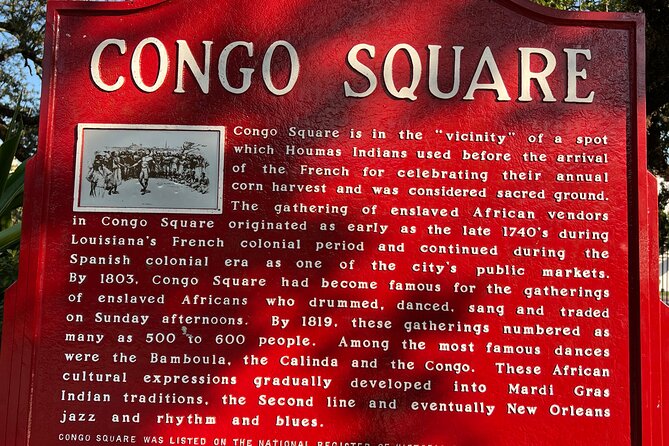
Your first stop is Congo Square, now part of Armstrong Park on the edge of the French Quarter in Faubourg Treme. The timing at this stop is about 45 minutes, and the admission ticket is listed as free.
This is the place to slow down. The tour frames Congo Square not as a museum exhibit, but as an active gathering point—hundreds of African slaves and laborers coming together to trade goods, play music, dance, and socialize. Even though the city was built on forced labor, the people in this community found ways to keep culture alive in public.
The context the tour provides is the backbone of why this stop matters: people of African ancestry arrived in New Orleans in 1719, within a year of the city’s founding, after being forcibly removed from the Senegambia region of West Africa. During the 1720s, about five thousand Africans survived the Middle Passage to French Louisiana. Then in the 1780s, the Spanish brought a similarly sized group from the Benin and Congo regions.
You’ll also hear how enslaved Africans of the colonial era cleared forests, raised crops, and built the city infrastructure. That’s a blunt sentence, but it’s the truth. And it sets up Congo Square in the most important way: as proof that culture didn’t vanish just because a system tried to erase people.
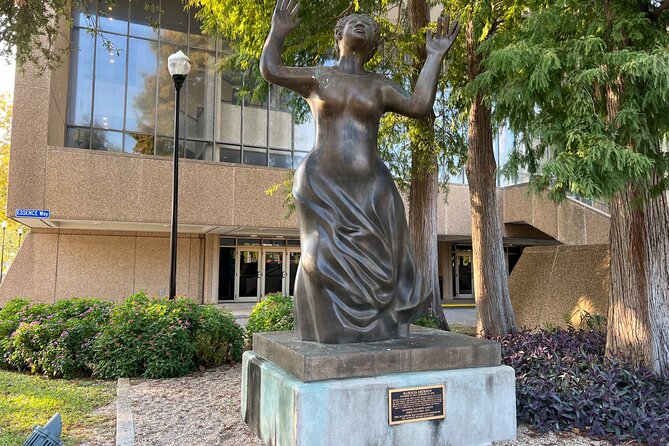
One extra note for your expectations: since this is Armstrong Park, you may see physical details connected to offerings and local practice—things that can connect past and present in a way a sign alone can’t do. If that’s the kind of visual cue that pulls you in, you’ll likely appreciate spending the full time here.
What to watch for at this stop
- How the guide ties daily life to larger historical forces
- The way Congo Square is presented as community, not only suffering
- Any visible traces of lived tradition you might notice on-site
The French Quarter Walk: Voodoo, Jazz, Creole Food, and Architecture
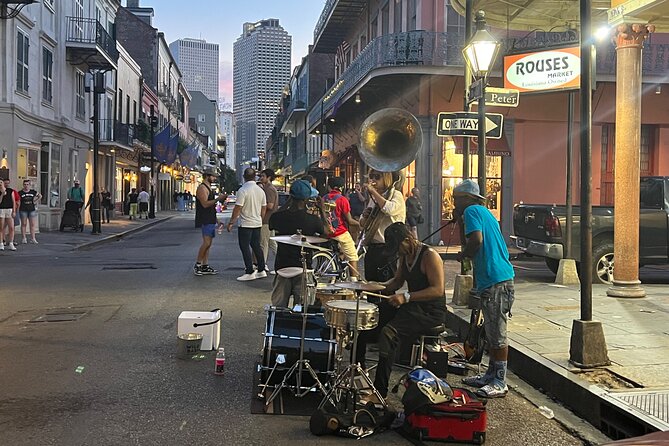
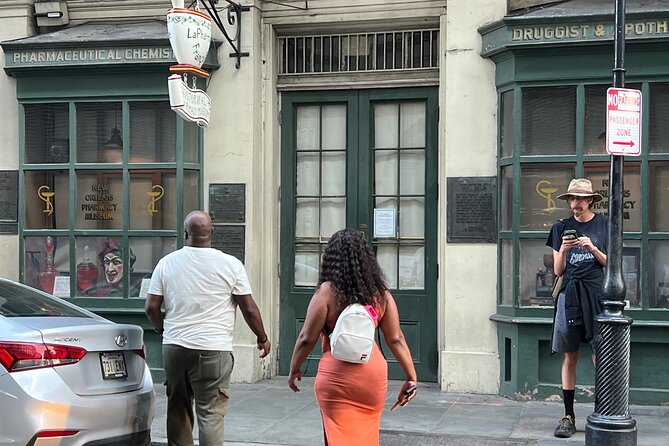
After Congo Square, the tour shifts to a French Quarter theme that centers on African American culture and history. This segment is about 1 hour 15 minutes, and the admission ticket is again listed as free.
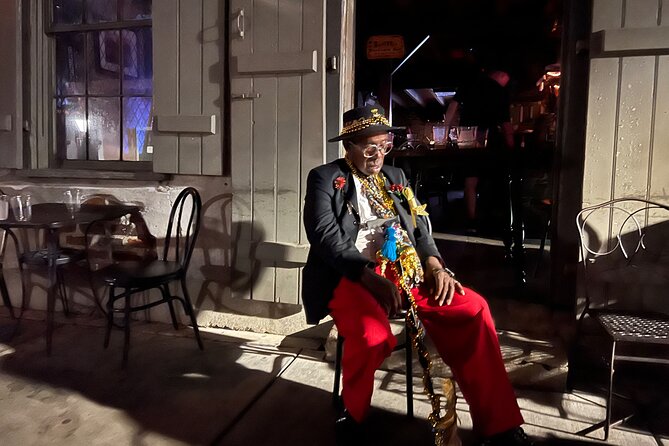
This is where you connect the dots. The tour’s framing is that African culture persisted in New Orleans and influenced everything from food to music to religion to architecture. You’ll hear how traditions connected to voodoo, dance, and jazz music became part of the city’s identity. You’ll also get references to Creole food and the built environment around you.
Walking the French Quarter with this lens changes what you see. Instead of treating the Quarter like scenery, you start reading it like a map of borrowed forms, adapted traditions, and lived creativity. Even when you think you know the basics—music, courtyards, street corners—your focus shifts when the guide explains what African cultural persistence looked like in daily life.
You also get something practical out of this format. The French Quarter can be overwhelming if you’re just wandering. A guide gives you a thread. It’s not about collecting random facts. It’s about understanding why certain traditions are where they are, and why they take the forms they take in New Orleans.
More of New Orleans on foot

A balanced way to handle the mood
The subject matter here includes forced removal and slavery. Some guides keep it serious and factual without turning it into nonstop heaviness. Based on the guide strengths people report, the best versions of this tour mix complexity with conversation, which helps you stay engaged instead of shutting down.
If you prefer a lighter tone, you should still go into this expecting real history. This walk is meant to give you context, not a break from reality.
Guides, Mobile Tickets, and a 2-Hour Pace That Works
The tour is guided and uses a mobile ticket, which is handy. You’re not juggling paper vouchers. If you’re traveling on a phone-first setup, you’ll appreciate that.
It also helps that the tour is just about 2 hours total. That’s long enough for depth at two stops, but short enough that you can keep the rest of your day flexible. In a city where you can lose hours just finding your next turn, this is a practical length.
Most travelers can participate, and service animals are allowed. The route is a walking tour, so you’ll want shoes made for uneven streets. If you’re someone who needs wheelchair support, the tour data doesn’t spell out wheelchair access details—but if you’re planning for that, you’ll want to think ahead on your own logistics so you’re not figuring it out at the start time.
And here’s the most “real life” tip: start hydrating earlier. A 4:00 pm departure means you might still be catching late-day heat and humidity depending on the season. You’re out for 2 hours, and you’ll be listening closely, so comfort matters.
Price and Value: What $29 Buys You Here
The price is $29.00 per person. For many visitors, the value question is simple: “Is this cheaper than a museum ticket, or is it worth it?” Here, the value is tied to focus.
You’re paying for:
- A live guide (included)
- A 2-hour route with two meaningful stops
- A guided explanation connecting forced arrival history (1719 onward) to visible cultural traces in the French Quarter area
Food and drink are not included. Tips are also not included. So you’ll likely want to budget for a meal after the tour. But that can actually work in your favor. You won’t arrive hungry, and you’ll eat with better context in your head.
One more value factor: the small group limit (30) and the repeated praise for specific guides suggest the experience can feel more personal than a mass walking program. The negative feedback included a complaint about tip pressure—so if that kind of thing makes you uncomfortable, go in clear about your own boundaries.
Who Should Book This Walk (and Who Might Not)
Book this if you want a meaningful New Orleans introduction that goes beyond the usual postcard version. This is especially good for you if you care about how African culture shaped the city—through music, religion, dance, food, and architecture—and you want that explained in context as you walk.
It’s also a strong fit for:
- First-timers to the French Quarter who want a more grounded story
- People who like local guides who can connect history to what you’re seeing
- Anyone who’s curious about Congo Square beyond the basic headline
Skip it if you’re looking for a relaxed sightseeing stroll with minimal historical weight. This tour doesn’t avoid hard truths. If you need purely light entertainment, you might find it too serious.
Should You Book This New Orleans African American Heritage Walking Tour?
Yes—if you want a clear, guided route that connects the forced history of African arrival to the living cultural lines still visible in New Orleans. The two-stop plan keeps you focused: Congo Square at Armstrong Park first, then the French Quarter through food, music, voodoo traditions, religion, and Creole architecture.
If you’re booking, do two practical things:
- Wear comfortable shoes and plan to hydrate before you start.
- Decide your own tip comfort level in advance, since tips aren’t included and one account claims a guide tried to pressure more.
FAQ
FAQ
How much does the New Orleans African American Heritage Walking Tour cost?
It costs $29.00 per person.
How long is the tour?
The tour is approximately 2 hours.
Where is the meeting point?
The meeting point is 401 Decatur St, New Orleans, LA 70130, USA.
What time does the tour start?
The start time is 4:00 pm.
What stops are included?
There are two stops: Congo Square (at Armstrong Park) and the French Quarter.
Is admission included for the stops?
Admission ticket is listed as free for both Congo Square and the French Quarter portion.
What is included in the tour price?
A tour guide is included.
Are food and drink included?
No, food and drink are not included.
Are service animals allowed?
Yes, service animals are allowed.
What is the maximum group size?
The tour has a maximum of 30 travelers.
What is the cancellation policy?
You can cancel for free up to 24 hours in advance of the experience for a full refund.
More Tours in New Orleans


More Tour Reviews in New Orleans
More Black History & Heritage

Just added to The New Orleans Traveler


Historical Tours, compared.
 ★ 5.0Garden District History Walking TourFrom $352,879 reviews
 ★ 5.0French Quarter Historical Sights and Stories Walking TourFrom $352,724 reviews
 ★ 4.5Small-Group Haunted History Carriage TourFrom $652,289 reviews
 ★ 4.5Haunted History Ghost TourFrom $302,084 reviews
 ★ 4.5Paddlewheeler Creole Queen Historic Mississippi River CruiseFrom $471,948 reviews
 ★ 5.0Food and History Walking TourFrom $851,544 reviews
 ★ 4.3Creole Queen History Cruise with Optional LunchFrom $471,112 reviews
 ★ 5.0Cocktail and Food History TourFrom $160819 reviews
Browse the lists this tour appears in