
Reviewed · TREME & MARIGNY TOURS
Historical Treme Walking Tour
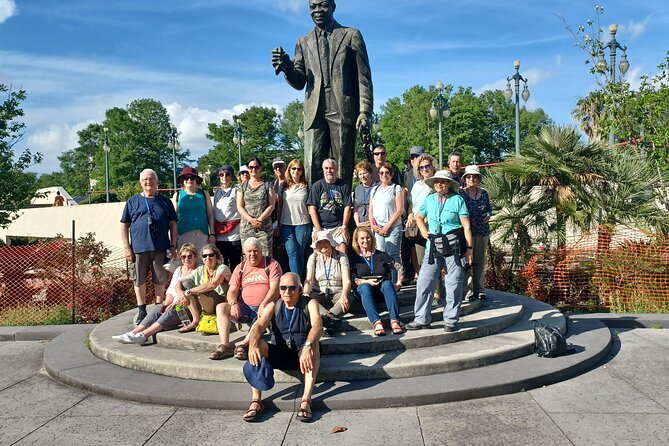
Treme has a way of making history feel personal. On this 2-hour walking tour, you focus on the African American story in Treme, including the traditions of the Black Mardi Gras Indians and a stop at the sacred grounds of Congo Square. I like that the guide is a New Orleans cultural ambassador, and the storytelling stays grounded and human. I also like the smart pacing: you get context without feeling like you’re trapped in a lecture. A small consideration: the museum stop costs extra, so you’ll want to decide in advance if you want to add it.
This is also a tour where the guide can really shape the experience. I’ve seen how guides like Robin and Harris can turn a short walk into something you’ll remember days later, because they explain what you’re seeing and why it matters. The route is fairly short, but it does involve standing for stretches, so plan for that.
In This Review
- Key points to know before you go
- Why This Treme Walk Feels Different Than a Usual New Orleans Tour
- Start Point at Louis Armstrong Park: A Practical Place to Meet
- The Backstreet Cultural Museum Stop: Optional, Extra Cost, Worth the Choice
- Congo Square in 15 Minutes: Short Stop, Serious Meaning
- The Treme Neighborhood Stroll: Creole Cottages, Townhouses, and an Old Mansion
- 2 Hours on Foot: How the Pace Really Works
- Price and Value: Is $35 Worth It?
- Who This Tour Fits Best (and Who Might Want Something Else)
- The Guide Experience: Cultural Ambassador Storytelling and Real-World Energy
- Should You Book This Historical Treme Walking Tour?
- FAQ
- What does the Historical Treme Walking Tour cost?
- How long is the tour?
- Where does the tour start?
- What’s included in the $35 price?
- What’s not included?
- Is Congo Square admission included?
- What language is the tour offered in?
- What fitness level do I need?
Key points to know before you go
- Black Mardi Gras Indian traditions are front and center, not an afterthought
- You step onto Congo Square, where Sunday gatherings shaped community life
- The walk includes Creole cottages, townhouses, and the oldest Creole mansion still standing in the city
- The Backstreet Cultural Museum is optional and costs extra, so budget accordingly
- Tour runs about 2 hours and keeps the group to a reasonable size (up to 28)
Across Esplanade into Treme and the Marigny
- Frenchmen Street VIP Live Music Pub Crawl in New Orleans★ 4.5 · 613 reviews
- New Orleans: Tremé African American & Creole History Tour★ 4.9 · 208 reviews
- 60-minute Tremé Walking Tour & Photo Experience★ 5.0 · 72 reviews
- New Orleans Voodoo, Storyville, Treme, Walking Tour★ 4.5 · 58 reviews
Why This Treme Walk Feels Different Than a Usual New Orleans Tour
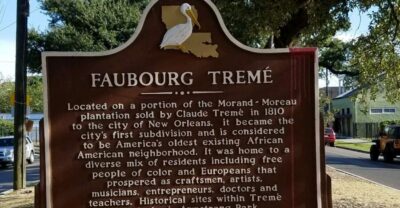
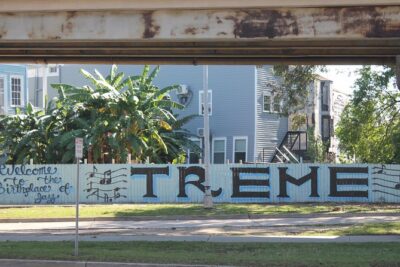
Most New Orleans tours race through big landmarks. This one does the opposite. It slows down on Treme, one of the city’s most culturally important neighborhoods, and it treats what happened here as more than trivia. You come away with a clearer sense of how African American life, community rituals, and neighborhood pride shaped the city you came to see.
If you’re the type of traveler who likes stories you can picture—music, markets, neighbors making meaning—this tour fits. You’re not just looking at streets. You’re learning what those places were for.
The best part is that the guide doesn’t just point and move on. You’re guided to pay attention to the cultural threads: how Mardi traditions connect to community history, how Congo Square functioned as a gathering place, and how architecture in Treme carries memory.
Start Point at Louis Armstrong Park: A Practical Place to Meet
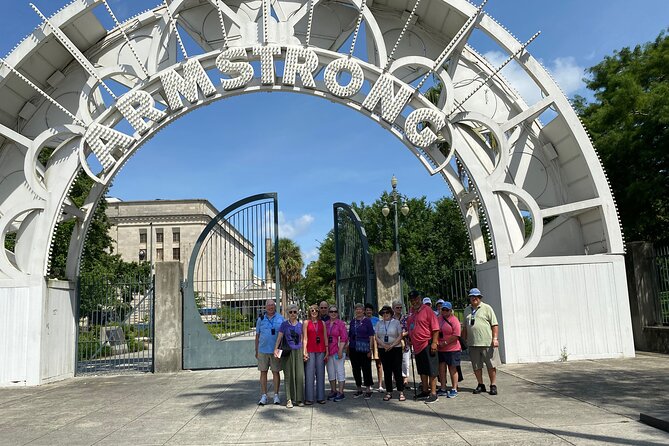
The tour starts at Louis Armstrong Park, right on 701 N Rampart St. That matters more than you might think. This is a recognizable, easy-to-find area in the neighborhood, and it puts you in the right mood fast—this is New Orleans, not a far-off suburb where you’re stuck waiting for transportation.
Plan to arrive a few minutes early so you can get oriented. This is a walking tour, and you’ll get more out of it if you’re calm and ready to pay attention when the group starts moving.
The Backstreet Cultural Museum Stop: Optional, Extra Cost, Worth the Choice
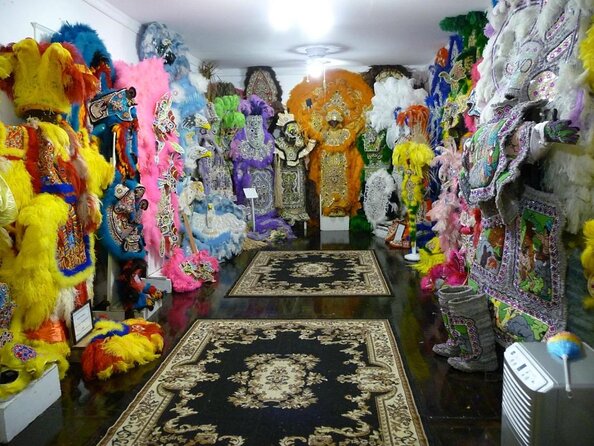
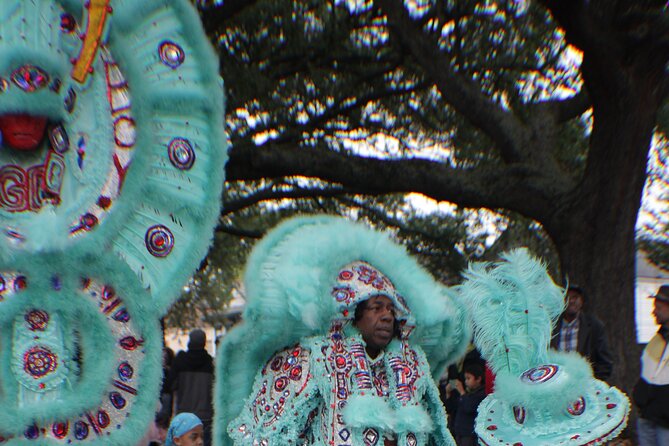
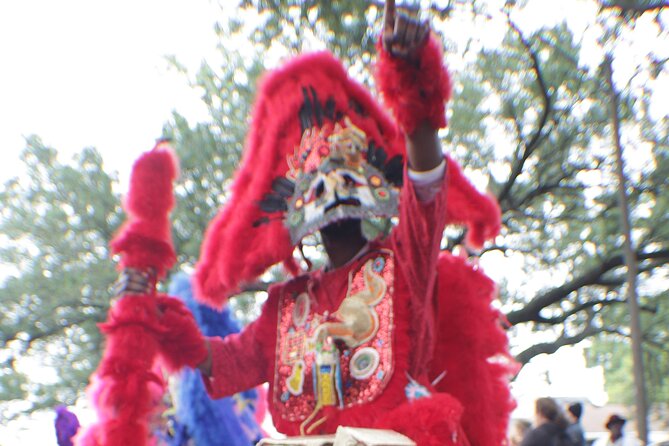
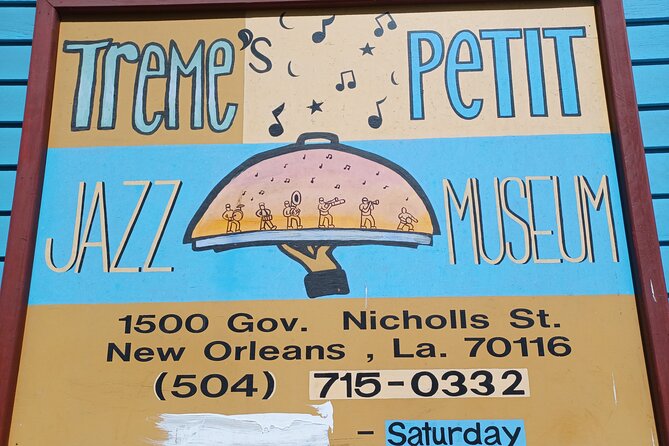
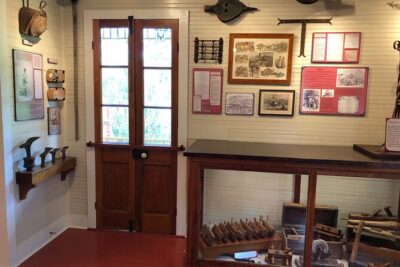
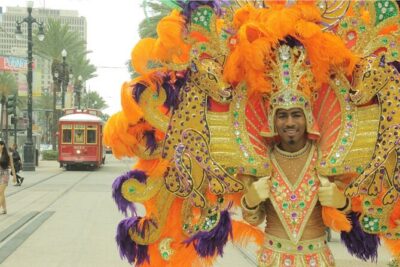
One stop begins at a Treme cultural museum connected to New Orleans Black Mardi traditions. You’ll learn about the heritage and stories of the Black Mardi Gras Indians. The key detail: this is optional, and the ticket is $25 per booking (and it may vary for senior citizens).
Should you add it? Here’s how I’d think about it:
- If you want more detail on Mardi Indian traditions and the cultural context behind the street energy, the museum can give you that extra layer.
- If you’re on a tighter schedule or budget, you can skip it and still get the core tour experience—Congo Square and the Treme neighborhood walk.
Either way, you still get a focused walking tour. The museum is the “choose your depth” option, not a required detour.
Congo Square in 15 Minutes: Short Stop, Serious Meaning
Then you head to Congo Square, and this is where the tour hits you with significance fast. The time you spend here is brief (about 15 minutes), but the stop is designed to give you the idea of what the space meant.
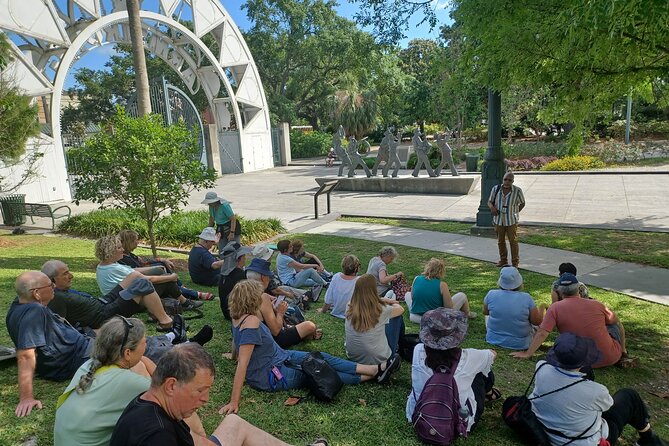
Congo Square is described as sacred grounds where indigenous, enslaved, and free people of color gathered on Sundays. The market wasn’t just shopping; it included drumming, dancing, singing, and selling goods. That mix is the takeaway: culture as community life, not just entertainment.
If you’re the kind of person who needs a moment to look around and absorb, don’t fight it. Take a breath, listen to what’s happening around you, and connect it to what you just learned. Even with a short visit, that mindset makes the stop stick.
More of New Orleans on foot

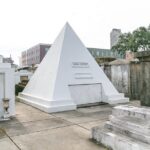
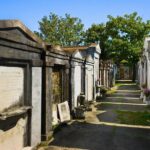


The Treme Neighborhood Stroll: Creole Cottages, Townhouses, and an Old Mansion
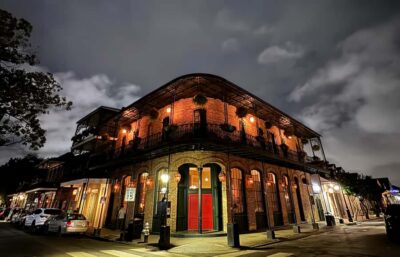
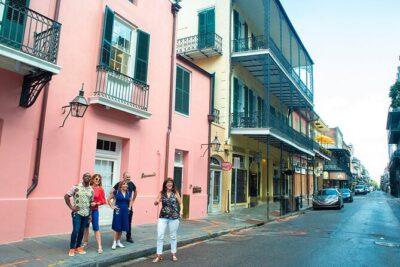
Next comes the heart of the neighborhood walk: Creole and Sicilian neighborhoods, with time to see Creole cottages and Creole townhouses.
Here’s what I’d highlight for value: you’re not just sightseeing. You’re learning how to read the neighborhood. When you understand that the architecture is part of the story, streets stop looking random.
You’ll also see the oldest Creole Mansion still standing in New Orleans, located in the Treme neighborhood. That’s the kind of fact that turns into real appreciation once you’re close enough to notice details. For architecture lovers, this is one of the most satisfying parts of the tour because it’s visual and specific.
This segment lasts about 45 minutes and is mostly free of entry-ticket hassle, which helps the tour feel smooth. You can focus on your walking and listening rather than budgeting time for additional admissions.
2 Hours on Foot: How the Pace Really Works
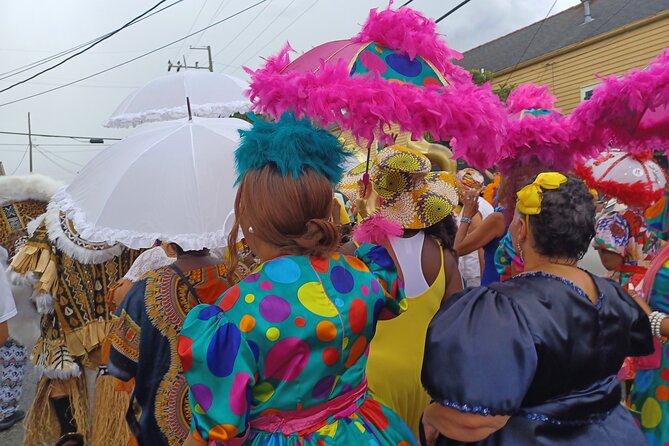
This tour is about 2 hours, give or take. That duration is a sweet spot: long enough to feel like you learned something substantial, short enough that you don’t dread the end.
Still, there’s a practical reality. You need moderate physical fitness and you should be able to stand for long periods of time. This isn’t a hop-on, hop-off bus tour. You’re walking and listening, and the story depends on being present where the guide is leading you.
Also, the tour operates with a minimum of 2 guests, so if you’re traveling solo, you may need to look for a departure date with other people or contact the provider about private options.
Weather matters too. The experience requires good weather, and if it’s canceled due to poor conditions, you’ll be offered a different date or a full refund. In New Orleans, that’s not a small detail—it’s the difference between enjoying a walk and getting drenched.
Price and Value: Is $35 Worth It?
At $35 per person, this walking tour is positioned as a value-friendly way to get meaningful context without paying museum-level ticket prices for everything. The core tour includes the guide, the guided format, and a small extra courtesy called lagniappe (meaning something extra in French).
Here’s the honest breakdown:
- Included: licensed guide, guided walking experience, and that lagniappe touch
- Not included: Backstreet Cultural Museum admission ($25) if you choose to add it
So your true cost can be either $35 (if you skip the museum) or $60 (if you add it). That still can be good value because you’re getting a structured neighborhood walk plus a cultural deepening option. You’re not forced into extra spending, but you do have a clear pathway if you want more.
The other value lever is the guide quality. Reviews consistently point to guides like Robin and Harris delivering history in a way that feels accessible and sticks with you. When a tour hits like that, you’re not just paying for a route—you’re paying for someone who can explain what you’re seeing while keeping it moving.
Who This Tour Fits Best (and Who Might Want Something Else)
This tour is a strong match if:
- You want New Orleans African American history framed through real neighborhood places
- You like cultural storytelling connected to festivals like Black Mardi Gras traditions
- You’re comfortable walking and standing for a couple of hours
- You want a tour that’s more about understanding than taking photos for the sake of it
It may be less ideal if:
- You’re looking for a high-energy sprint between famous landmarks with lots of stops for photos
- You prefer attractions where you can sit often
- You don’t want any extra costs at all, since the museum stop is optional but priced
The Guide Experience: Cultural Ambassador Storytelling and Real-World Energy
What I’d expect from this tour’s best moments is the way the guide connects the dots. A cultural ambassador from New Orleans brings a local tone that makes the places feel anchored rather than abstract.
And in practice, that shows up in how the tour is described: guides like Robin and Harris come across as strongly prepared, with a storytelling style that makes a lot of information feel manageable in a short walk. That’s hard to do. Many tours throw facts at you until the last block.
On this one, the information is tied to stops: you hear about Congo Square and the Sunday gatherings while you’re there. You learn about Black Mardi Indian heritage while you’re near the museum option. You see Creole cottages and townhouses while the guide frames what makes them meaningful.
That approach is why people leave feeling like they got something more than a quick overview.
Should You Book This Historical Treme Walking Tour?
I think it’s a solid booking decision if you want a serious cultural focus with a route you can actually walk through in one go.
Book it if:
- You’re curious about Treme’s role in African American cultural life
- You care about the story behind Mardi traditions, especially the Black Mardi Gras Indians
- You want a guide-driven experience that’s built for learning on foot
Consider skipping the museum (or add it only if you want depth) if:
- You’re trying to keep costs tight
- You’d rather spend your money and time elsewhere in the city
One last practical note: wear shoes you trust. New Orleans sidewalks are a mix—some smooth, some not. If you show up comfortable, you’ll get the most from those short, meaningful stops—especially Congo Square and the Treme architecture segment.
FAQ
What does the Historical Treme Walking Tour cost?
The tour is $35.00 per person.
How long is the tour?
It runs for about 2 hours.
Where does the tour start?
The meeting point is Louis Armstrong Park, 701 N Rampart St, New Orleans, LA 70116. The tour ends back at the meeting point.
What’s included in the $35 price?
The price includes a licensed tour guide (a New Orleans cultural ambassador native to the area), a guided tour, and lagniappe (something extra). No food is included.
What’s not included?
Snacks and lunch/dinner are not included. Admission to the Backstreet Cultural Museum is not included, and it costs $25.00 per booking (price may vary for senior citizens).
Is Congo Square admission included?
Yes. Congo Square admission is listed as free.
What language is the tour offered in?
The tour is offered in English.
What fitness level do I need?
You should have a moderate physical fitness level and be able to stand for long periods of time. The tour also requires good weather to operate.
More Tours in New Orleans



More Tour Reviews in New Orleans

Treme & the Marigny, Keep Going


Just added to The New Orleans Traveler



Treme & Marigny Tours, compared.
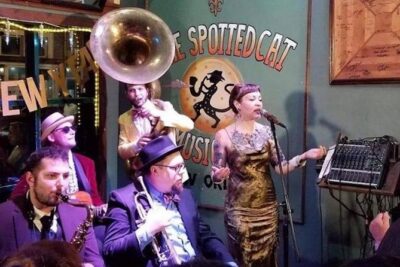 ★ 4.5Frenchmen Street VIP Live Music Pub Crawl in New OrleansFrom $52613 reviews
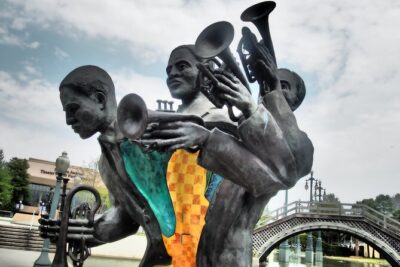 ★ 5.0Treme’ Walking TourFrom $20240 reviews
 ★ 4.9Tremé African American & Creole History TourFrom $22208 reviews
 ★ 5.060-minute Tremé Walking Tour & Photo ExperienceFrom $1572 reviews
 ★ 4.5Voodoo, Storyville, Treme, Walking TourFrom $2958 reviews
 ★ 5.0Creole Architecture of the Marigny TourFrom $4046 reviews
 ★ 5.0Private French Quarter and Treme Walking TourFrom $60029 reviews
 ★ 4.5Walking the Tremé: A Self-guided Audio Tour of New OrleansFrom $924 reviews
Browse the lists this tour appears in