
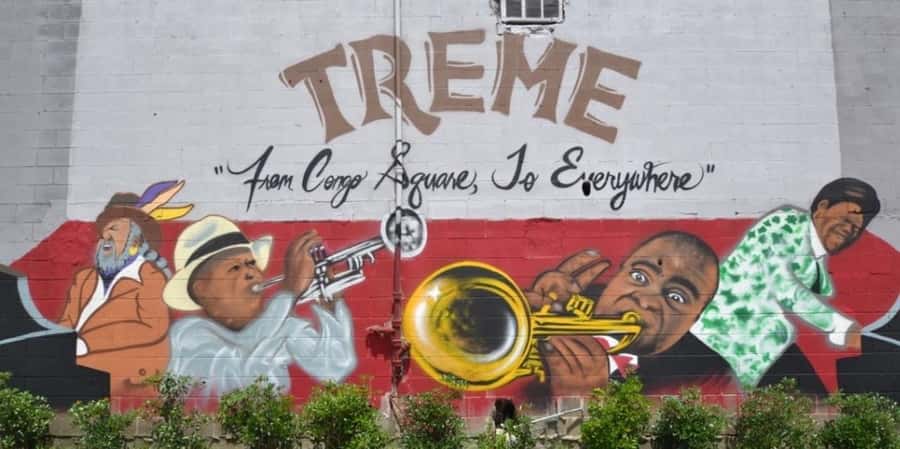
Reviewed · TREME & MARIGNY TOURS
New Orleans: Voodoo, Storyville, and Treme Walking Tour
Storyville before dawn can still feel loud. This walking tour strings together Storyville, Voodoo, and Treme in a way that makes New Orleans feel logical, not just spooky and dramatic. I especially like how the route is anchored in places you can still stand on, not vague legends floating in the air. Still, it’s a lot of walking in one go, so plan for your legs and shoes.
I also like the way the guide treats Voodoo as both belief and history. You’ll hear about its West African roots and how it crossed paths with Roman Catholicism in slave-holding colonies, then you’ll talk about Marie Laveau with help separating what’s fact from what’s myth. One possible drawback: a small number of people have reported issues with guides not showing up, so it’s smart to confirm details close to departure.
You’ll cover major landmarks in about two hours: Basin Street Station, Louis Armstrong Park, Congo Square, Perseverance Hall, and the Rabassa-de Pouilly House. Then the tour turns toward St. Augustine’s Catholic Church and the story behind the “War of the Pews,” before looping back through neighborhood context in Treme.
In This Review
- Key highlights worth planning for
- Why this Storyville–Voodoo–Treme loop works in just 2 hours
- Backatown Coffee to Basin Street: the tour starts where Storyville lived
- Bienville Basin Apartments: how the city replaced Storyville and what remains
- Voodoo in plain language: West African roots, Catholic crossover, and myths with limits
- Congo Square, Louis Armstrong Park, and the “Second Line” energy around you
- St. Augustine’s Church area and the War of the Pews
- Optional Backstreet Cultural Museum and a lagniappe you can request
- Value: is $30 for a 2-hour walking tour fair?
- What to wear and how to show up at the right kind of places
- Who should book this tour, and who should skip it
- Should you book this tour?
- FAQ
- How long is the New Orleans Voodoo, Storyville, and Treme walking tour?
- Where does the tour start?
- What stops are included?
- Is admission to the Backstreet Cultural Museum included?
- What should I bring or wear for this tour?
- Does the tour cover both Marie Laveau and the War of the Pews?
Key highlights worth planning for
- Storyville on foot, starting at Backatown Coffee on the former red light district’s ground
- Surviving Storyville buildings and what modern “New Urbanism” changed in the area
- Voodoo + Roman Catholic crossover, with Marie Laveau’s story handled as history, not just horror-movie folklore
- Congo Square and Louis Armstrong Park stops that connect Creole and African-American culture
- St. Augustine’s and the War of the Pews, including the 1891 Parish Prison vendetta thread
- A bonus lagniappe moment via a quick St. Louis Cemetery description if you ask
Still up for a haunt? More voodoo and ghost walks
- New Orleans Premier Ghost, Voodoo and Vampire Walking Tour★ 4.5 · 12,856 reviews
- Adults-Only New Orleans Ghost, Crime, Voodoo, and Vampire Tour★ 5.0 · 6,545 reviews
- New Orleans Adults-Only Ghost, Voodoo and Vampire Tour★ 5.0 · 3,291 reviews
- New Orleans French Quarter, Voodoo and Culture Walking Tour★ 4.5 · 2,961 reviews
Why this Storyville–Voodoo–Treme loop works in just 2 hours
New Orleans can be overwhelming because everything feels important and everything is layered. This tour is designed to prevent that chaos. In two hours, I like that you get a clear set of themes: commerce and law in Storyville, religion and identity in Voodoo, then community and music culture in Treme.
The route also gives you a mental map. You start in the old Storyville footprint, then move from the story of marginalized people (sex workers, enslaved people, free people of color) to the institutions that still cast shadows today, like churches and public squares. If you’ve seen HBO’s Treme, you’ll also pick up extra recognition since the tour includes sites tied to the show.
The walking pace matters. This isn’t a sit-and-sip museum tour. You’ll be moving between stops like Basin Street Station and Louis Armstrong Park/Congo Square, then on to St. Augustine’s Catholic Church area, plus a few neighborhood turns.
Backatown Coffee to Basin Street: the tour starts where Storyville lived
The tour begins at Backatown Coffee, right on the site of the infamous Storyville red light district. That’s a smart opening. You’re not just hearing about History with a capital H. You’re beginning at ground level, where the city’s mix of commerce, policing, and survival played out.
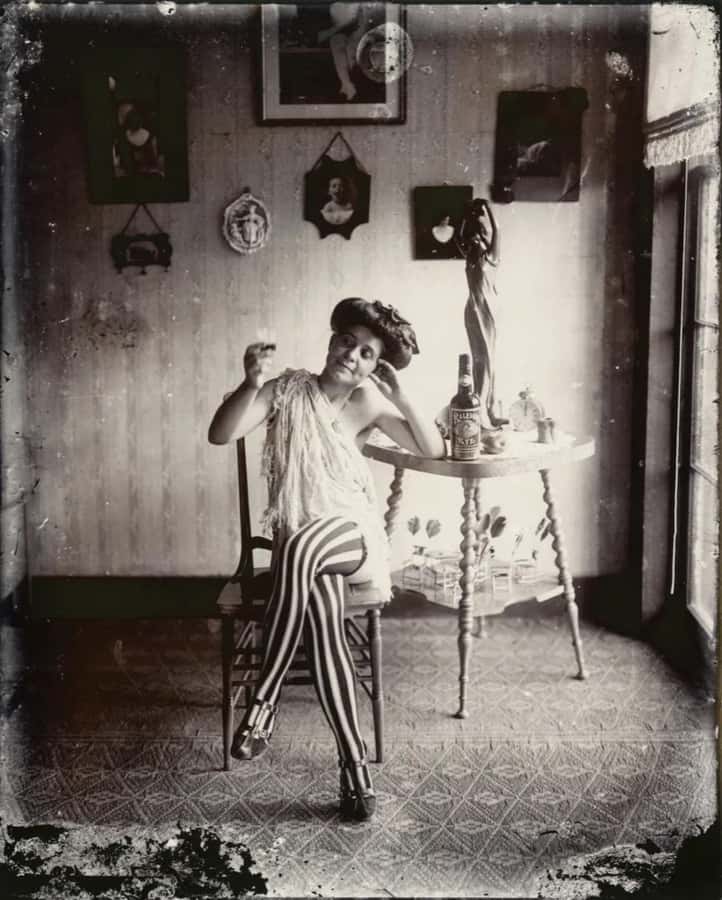
Storyville ran for about 20 years as a decriminalized prostitution district. The guide connects it to the early development of jazz, with references to performers such as Jelly Roll Morton, King Oliver, and Sidney Bechet. I like that the tour doesn’t treat “jazz origin stories” as trivia. It frames the music as something people built while living inside a complicated social system.
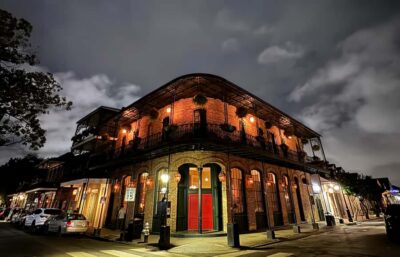
From there, the energy shifts from the street-level story to a more architectural one. You’ll move toward areas where the original district isn’t fully intact, but pieces of the past still show up in real buildings and street lines.
Practical note: because you’re starting in the Storyville area, this tour works best if you’re awake and ready to walk soon after arrival. If you’re arriving late or distracted, you’ll feel it quickly.
Bienville Basin Apartments: how the city replaced Storyville and what remains
A major stop is the former Iberville Housing Project, now the Bienville Basin Apartments. The guide uses this as a way to talk about what happens to neighborhoods when cities rebuild. There’s a particular kind of truth you get from standing in a place that has been changed more than once.
This stop matters for two reasons. First, you learn the history of Storyville and you’ll see the district’s surviving buildings. Second, you’ll hear about the modern “New Urbanism” trend in architecture. The point isn’t to pick a side like pro-Old New Orleans versus pro-New Orleans. It’s to help you notice how city design can erase, preserve, or reshape everyday life.
If you like walking tours that explain how neighborhoods evolve, this is the best part of the whole arc. You’ll stop thinking of Storyville as a sealed-off chapter and start seeing it as a living reference point for today’s New Orleans.
Voodoo in plain language: West African roots, Catholic crossover, and myths with limits
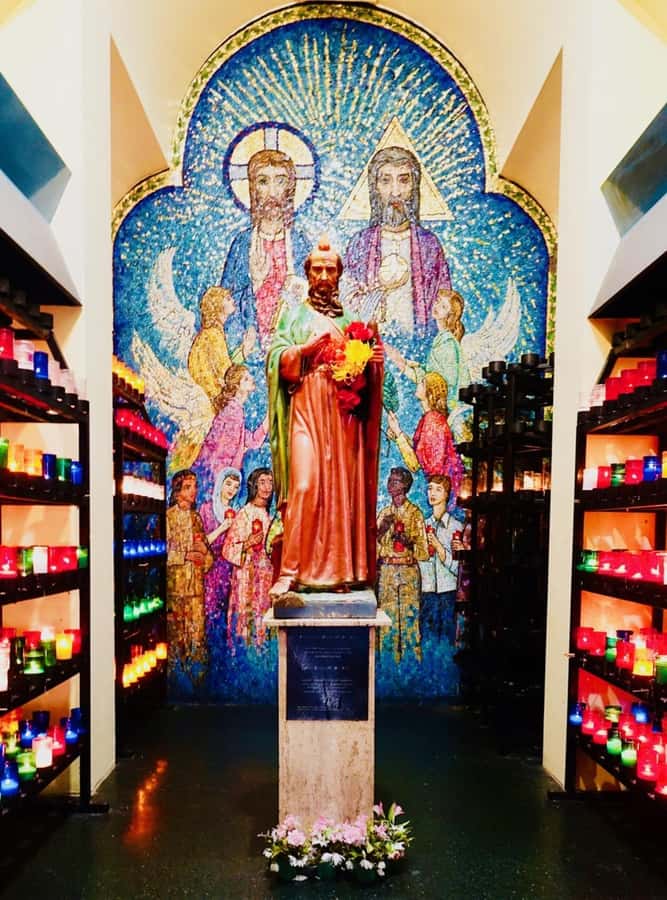
Next comes Voodoo, and the tour is careful about tone. You’ll explore the realities and myths, with an emphasis on its ancient West African religious basis. The guide also connects Voodoo to Roman Catholicism, explaining how crossovers happened in slave-holding colonies.
I like the balance here. Voodoo is often treated either as a set of scary Halloween props or as a single-note stereotype. This tour tries to place it inside the cultural survival math enslaved Africans and their descendants had to solve: preserving belief while navigating the religious systems forced onto them.
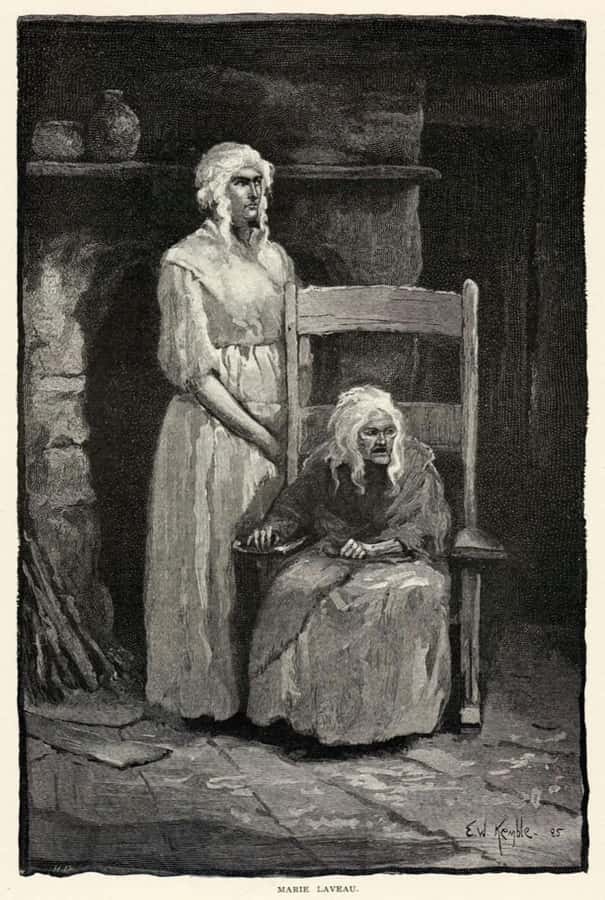
Marie Laveau is the centerpiece. You’ll learn her biography and meet the story of the Voodoo Queen in a way that tries to separate fact from myth. That approach helps you enjoy the legend without surrendering your brain to it. You get to be curious, not credulous.
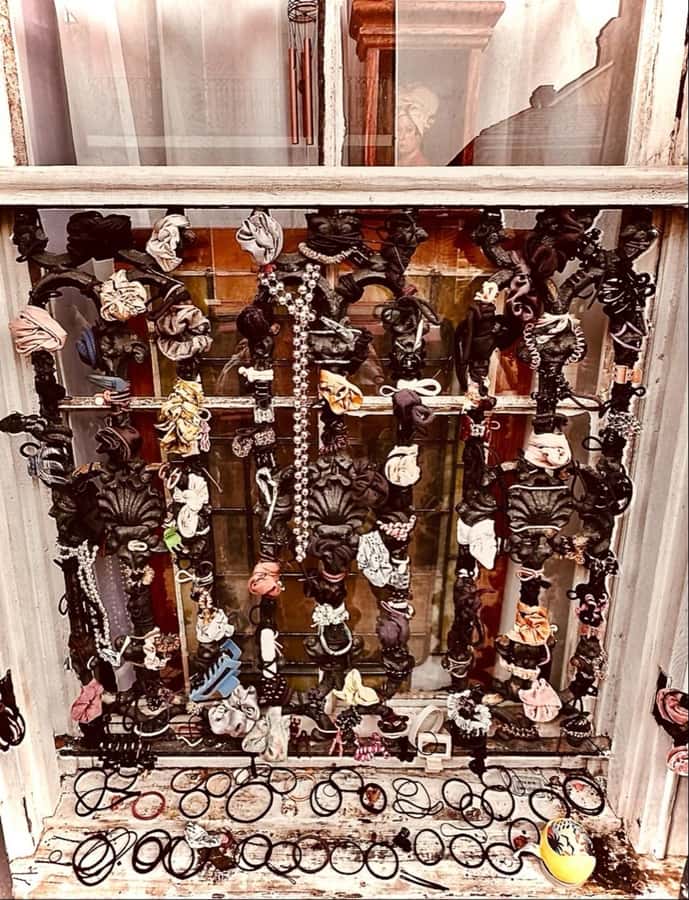
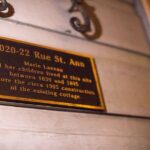
Also, it’s not only abstract. The tour includes the site of Marie Laveau’s home, so the Voodoo portion isn’t just a lecture. You’ll stand in the city’s physical memory of her.
Across Esplanade into Treme and the Marigny
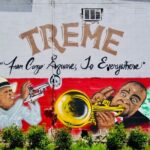

Congo Square, Louis Armstrong Park, and the “Second Line” energy around you
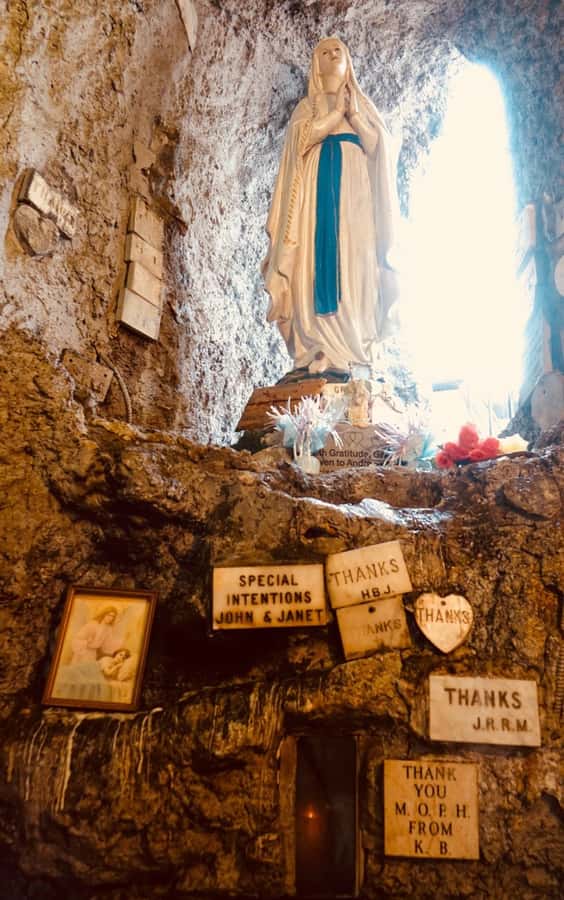
After the Voodoo stop, the tour shifts from religion and legend into public space and culture. You’ll visit Basin Street Station, then head to Louis Armstrong Park and Congo Square. These stops connect music, community, and performance in a way you can feel even without a soundtrack.
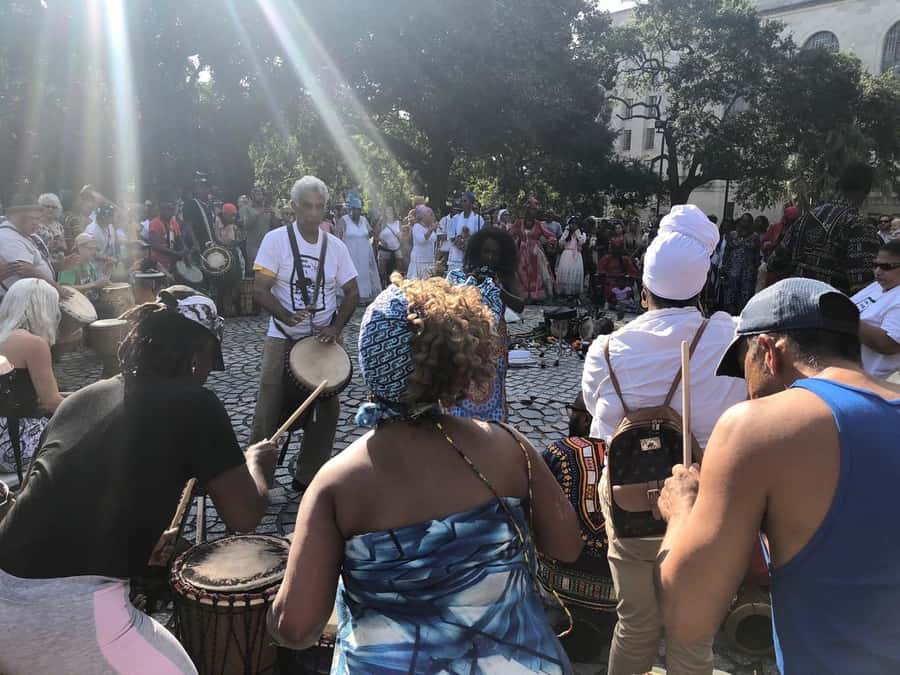
Congo Square is famous for being a gathering place where cultural traditions could live and mingle. In practical terms, that means when you’re there, you’re seeing where history comes together in public—people showing up, celebrating, and building community.
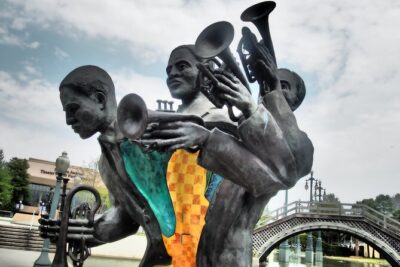
Louis Armstrong Park adds a different angle: it’s a named landmark tied to jazz and the people who shaped it. I like that the tour uses this to keep the jazz thread alive from the Storyville beginning. You’re not just jumping randomly from topic to topic.
The tour also includes Perseverance Hall and the Rabassa-de Pouilly House. Those names may not mean much at first, but within the context of Creole and African-American culture they help anchor the story in real institutions and real buildings. This is where the tour stops feeling like a dark-history hit list and starts feeling like a neighborhood history walk.
If you want a quick mental check: Storyville starts with survival and vice legalized by the city. Congo Square and Louis Armstrong Park move toward community and music expressed in public. Treme carries that forward.
St. Augustine’s Church area and the War of the Pews
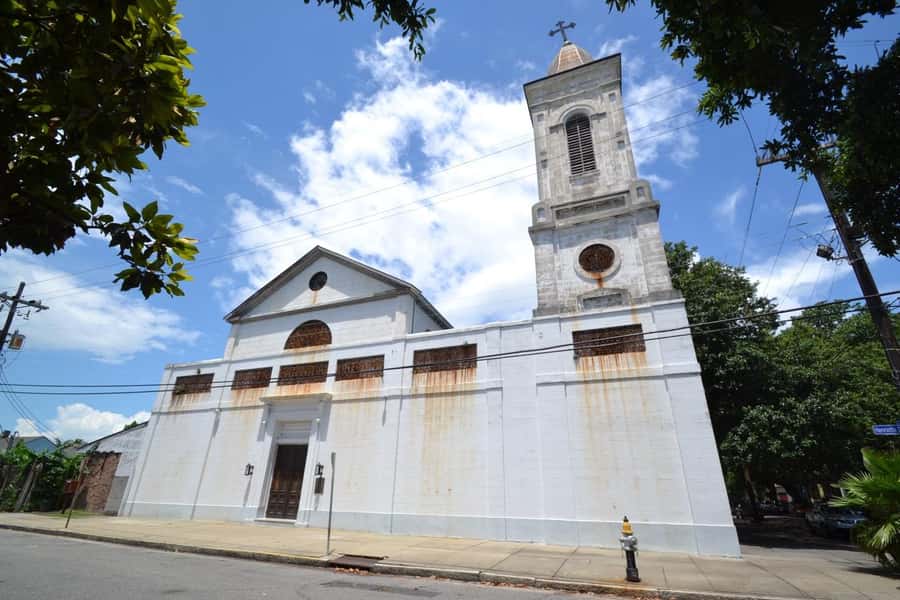
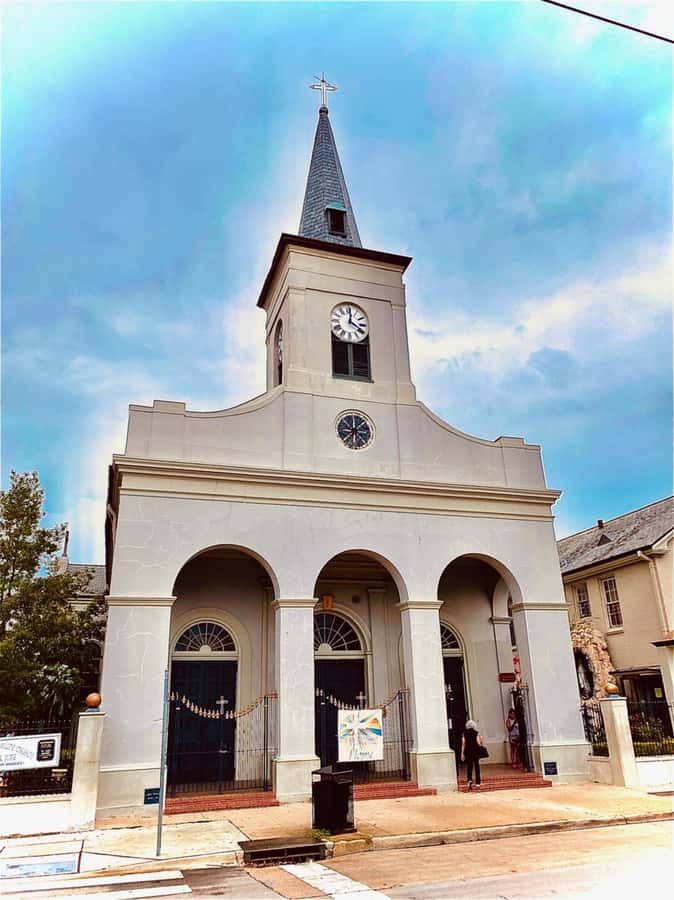
Then you hit the spiritual and civic clash: St. Augustine’s Catholic Church and the Tomb of the Unknown Slave. This is a heavy stop in tone, so the guide’s job is to frame it respectfully and clearly.
You’ll learn about the “War of the Pews.” The tour ties it to the 1891 Parish Prison vendetta that involved Sicilian convicts accused of murdering Police Chief Hennessy. That detail is important because it shows the conflict wasn’t only about religion. It was also about power, enforcement, and the way violence moved through institutions.
I like this part because it adds texture. New Orleans isn’t only about street characters and music. It’s also about courts, prisons, and the harsh machinery that decides who gets punished and how quickly. Once you understand that, the church sites and cemetery context feel less like stops on a list and more like real anchors to how people lived and suffered.
You should dress and behave thoughtfully here. Even on a short walking tour, you’ll be moving through spaces people treat as meaningful.
Optional Backstreet Cultural Museum and a lagniappe you can request
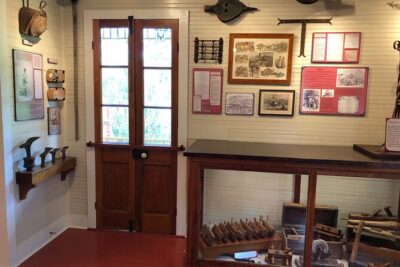
There’s one optional add-on: the Backstreet Cultural Museum, dedicated to preserving Mardi Gras Indian and Second Line culture. Admission isn’t included, so whether it’s worth it comes down to your interests. If you care about parade culture as lived tradition (not just costumes), it’s a good time sink. If you’d rather keep it lighter and stick to the scheduled walk, you can skip it and still get plenty.
This tour also has a fun little “ask and you’ll get it” moment. Near the end, the guide will define lagniappe—a bonus or extra gift—if you request it, via a brief description connected to St. Louis Cemetery. I like tours that reward curiosity, and this one literally does that in a small way.
Value: is $30 for a 2-hour walking tour fair?
At $30 per person for a 2-hour walking tour, you’re paying for two things: a live guide and a tight route that hits multiple major cultural and historical stops. You’re also getting site visits that are otherwise hard to stitch together on your own without turning your day into a map puzzle.
The value gets even better because several stops are the kind that are easy to pass without context. Basin Street Station, Congo Square, and St. Augustine’s area are all places where the “why it matters” can be the difference between seeing buildings and understanding a city.
The tradeoff is time and pace. Because this is a short tour, you won’t have long museum-style dwell time at every stop. You’ll get interpretive info and move on. If you want deep reading and slow wandering, you may feel rushed.
And one more practical value point: food and drinks aren’t included. New Orleans days can run long. Plan a snack or water before you start, especially since this walk involves significant walking.
What to wear and how to show up at the right kind of places
You can’t do this route in flip-flops and hope for the best. Wear comfortable walking shoes. Check the weather and dress appropriately, since you’ll be outside for much of the time.
Some sites may require respectful behavior and attire. That’s not just “be polite.” It’s also about letting sacred spaces stay sacred. If your outfit is borderline, consider swapping one piece before you go.
Finally, keep your expectations grounded. This is a history-and-culture walking tour that includes Voodoo and religion-related content. It’s taught as part of New Orleans heritage, not as a theme park. Go in with curiosity, and keep an open but critical mind.
Who should book this tour, and who should skip it
Book it if you want a fast, structured way to connect three big strands of New Orleans: Storyville’s place in jazz origins, Voodoo’s cultural and historical roots (including Catholic crossover), and Treme’s community story.
It’s also a strong choice if you like walking tours that include specific named stops—like the site of Marie Laveau’s home, Perseverance Hall, and St. Augustine’s area—because it gives you a real itinerary brain you can carry into the rest of your trip.
Skip it if you need long stops, quiet pacing, or lots of time to sit and process. Also skip if you’re very sensitive to topics involving violence and religious conflict. This tour doesn’t sensationalize, but it does cover the War of the Pews and the 1891 Parish Prison vendetta thread.
One operational consideration: there’s at least one report of a guide not turning up, which can ruin your day. If that would stress you out, confirm the meeting details shortly before departure and give yourself some buffer time in your schedule.
Should you book this tour?
I’d book it if you’re the type of traveler who enjoys stories with real locations attached. The price-to-time ratio is solid at $30 for two hours, and the route is built around places that carry meaning: Congo Square, Louis Armstrong Park, the site tied to Marie Laveau, and St. Augustine’s area with the War of the Pews.
If you want just one “connect the dots” experience to help you understand New Orleans past the postcard version, this is a good bet. Just be ready to walk, wear real shoes, and show respect at sacred stops. And if your schedule is tight, check your meeting time details carefully so you’re not left waiting.
FAQ
How long is the New Orleans Voodoo, Storyville, and Treme walking tour?
The tour lasts about 2 hours.
Where does the tour start?
The walk begins at Backatown Coffee, on the site of the former Storyville red light district.
What stops are included?
You’ll visit the former Iberville Housing Project (now Bienville Basin Apartments), Congo Square and Louis Armstrong Park, the site of Marie Laveau’s home, and St. Augustine’s Catholic Church area, including the Tomb of the Unknown Slave. The tour also includes stops such as Basin Street Station, Perseverance Hall, and the Rabassa-de Pouilly House.
Is admission to the Backstreet Cultural Museum included?
No. The museum is optional, and admission is not included.
What should I bring or wear for this tour?
Wear comfortable walking shoes, and dress for the weather. The tour involves a significant amount of walking, and some sites may require respectful behavior and attire.
Does the tour cover both Marie Laveau and the War of the Pews?
Yes. You’ll learn about Marie Laveau, including her story as the Voodoo Queen, and you’ll also learn about the War of the Pews at the St. Augustine’s Catholic Church area.
More Tour Reviews in New Orleans


Treme & the Marigny, Keep Going
More Ghosts, Voodoo & Vampires


Just added to The New Orleans Traveler


Treme & Marigny Tours, compared.
 ★ 4.5Frenchmen Street VIP Live Music Pub Crawl in New OrleansFrom $52613 reviews
 ★ 5.0Treme’ Walking TourFrom $20240 reviews
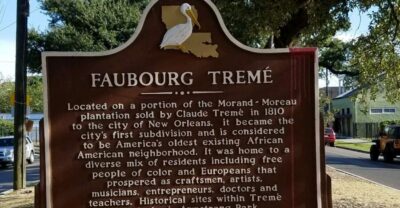 ★ 4.9Tremé African American & Creole History TourFrom $22208 reviews
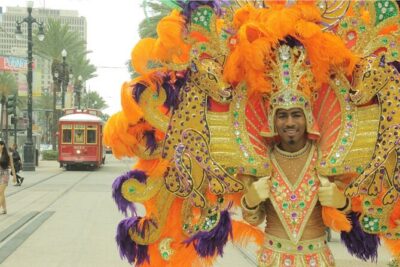 ★ 5.060-minute Tremé Walking Tour & Photo ExperienceFrom $1572 reviews
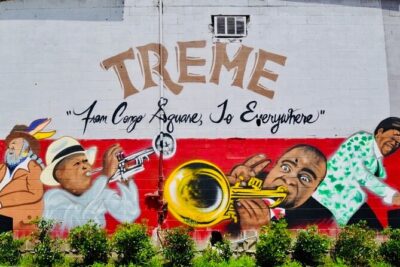 ★ 4.5Voodoo, Storyville, Treme, Walking TourFrom $2958 reviews
 ★ 5.0Creole Architecture of the Marigny TourFrom $4046 reviews
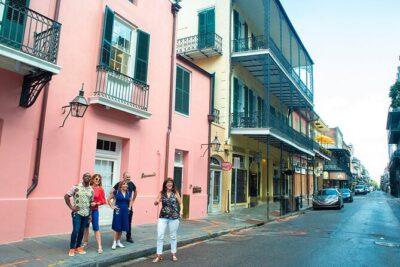 ★ 5.0Private French Quarter and Treme Walking TourFrom $60029 reviews
 ★ 4.5Walking the Tremé: A Self-guided Audio Tour of New OrleansFrom $924 reviews
Browse the lists this tour appears in