
Reviewed · CAJUN & CREOLE COOKING CLASSES
New Orleans: Cajun and Creole Cooking Class
A pot of gumbo plus a story hour? Yes. This New Orleans Cajun and Creole cooking experience mixes a chef-led demo with the food, folklore, and lunch you actually get to eat.
Two things I love about it: you get a proper meal included (not just snacks), and you leave with recipe copies plus a store coupon so you can recreate the flavors at home. One thing to consider: it’s not hands-on. More than one guest notes it’s a cooking demonstration—fun, but you won’t be chopping your own onions.
In This Review
- Key things to know before you go
- Why this Cajun and Creole cooking demo fits New Orleans
- Inside the early-1800s molasses warehouse and the Joe’s Stuff shop
- What you’ll eat: menus change by day and time
- 10:00 AM class
- 2:00 PM class
- The chef’s demo: what you learn besides recipes
- Expect lots of question time
- Chefs you may see mentioned
- Lunch included: drinks, coffee, and meal strategy
- Plan your day like this is your main meal
- Dietary notes: ask, and they may work with you
- About drinks you bring
- The take-home value: recipes, coupon, and seasoning shopping
- Price and logistics: what $40 buys you in real terms
- Who should book this Cajun and Creole cooking experience
- Should you book it or skip it?
- FAQ
- Is this a hands-on cooking class?
- How long is the experience?
- Where do I meet for the class?
- What dishes might I eat?
- What’s included with the meal?
- Do I get anything to take home?
Key things to know before you go
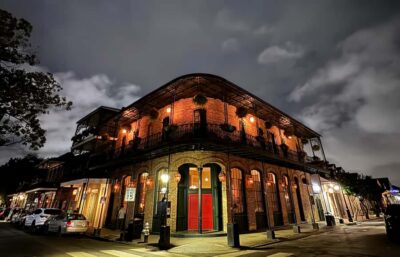
- French Quarter setting: The class takes place in a renovated molasses warehouse from the early 1800s.
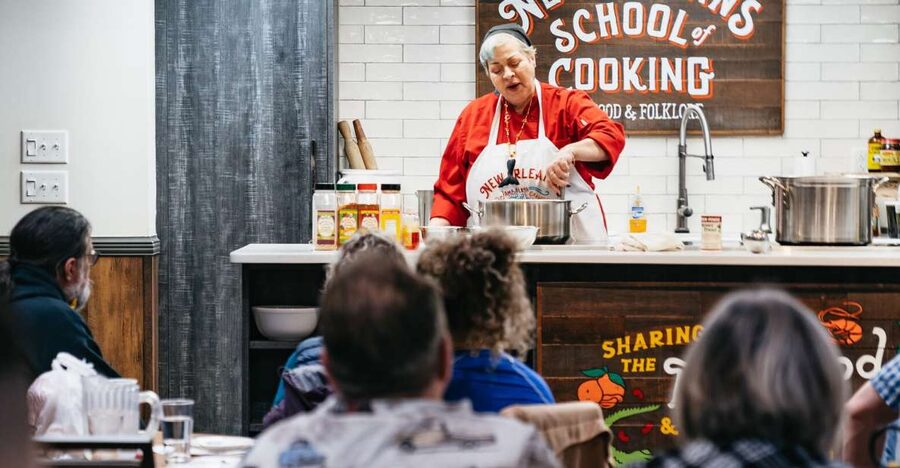
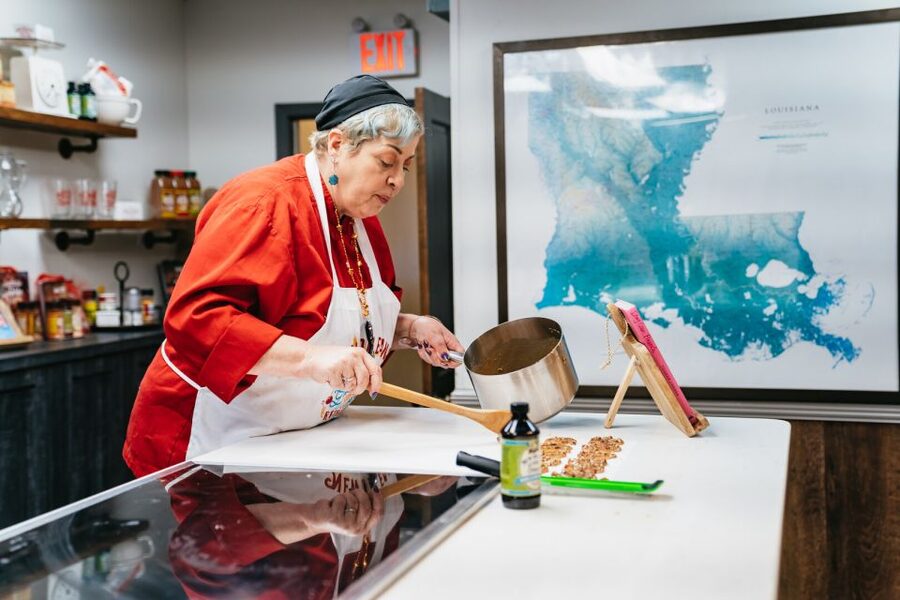
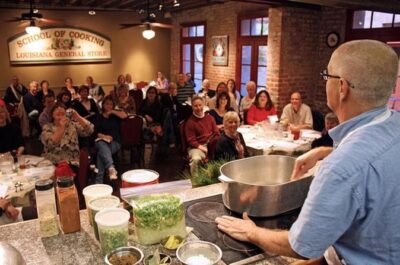
- Demo format: You sit back and watch the chef cook while learning the why behind the dishes.
- Recipe handouts + coupon: You’ll get recipe copies and a coupon for the general store.
- Day-to-day menu choices: What you eat depends on whether you book the 10:00 AM or 2:00 PM session and which day it is.
- Lots of big, satisfying portions: People often leave full and skip dinner.
- Chefs with real personality: From Austin to Eric to Dianne, the best part can be the storytelling.
Back to the stove for more Creole cooking
- New Orleans French Quarter Food Tour: Cajun, Creole and Culture★ 5.0 · 1,246 reviews
- New Orleans Hands-On Cooking Class with Meal★ 5.0 · 1,183 reviews
- New Orleans: Cajun and Creole Cooking Class★ 4.9 · 730 reviews
- Hands-on Cajun Roux Cooking Class in New Orleans★ 5.0 · 356 reviews
Why this Cajun and Creole cooking demo fits New Orleans
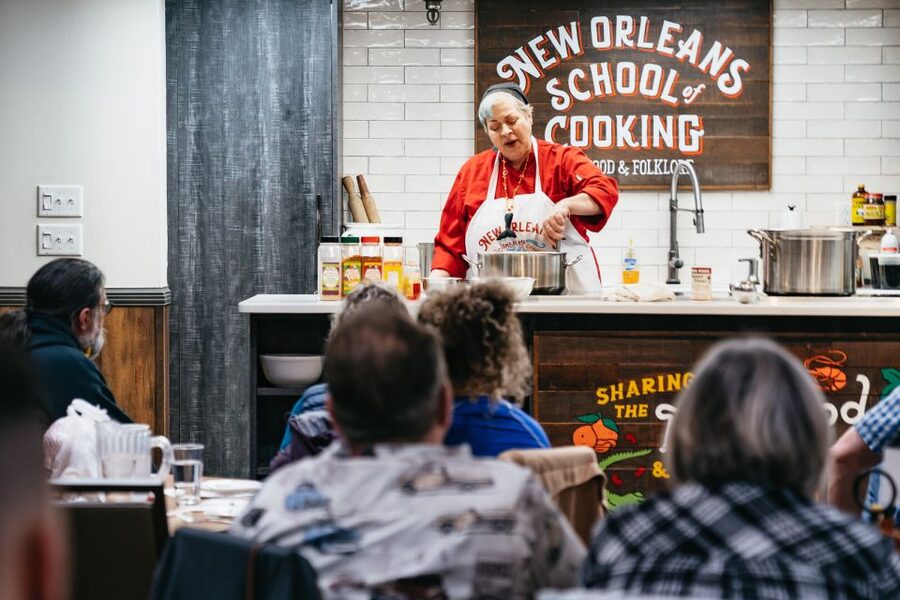
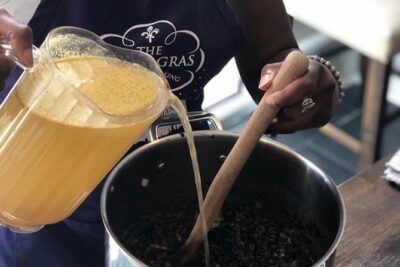
New Orleans is a “taste-and-know” city. That’s why this format works so well. You don’t show up to bake your own bread pudding from scratch. Instead, you watch the chef build the dishes step by step and explain what makes Cajun and Creole food tick in everyday Louisiana life.
If you want a hands-on cooking class where you stir and sample as you go, this may feel slightly misleading. You’ll hear a lot of cooking, questions, and history, but your main role is learning and tasting. The upside is that you get a polished demo meal without standing at a stove for hours.
I also like that it’s laid-back. It’s easy to fit into a day of walking, museums, and music. And since lunch is included, you can plan your day around this one solid stop rather than hunting for food afterward.
Inside the early-1800s molasses warehouse and the Joe’s Stuff shop
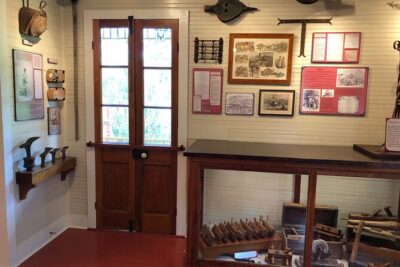
Meeting here sets the tone. You check in at the register at the New Orleans School of Cooking general store. Then you settle in inside a renovated molasses warehouse built in the early 1800s—an old-world shell that feels right for Louisiana cooking.
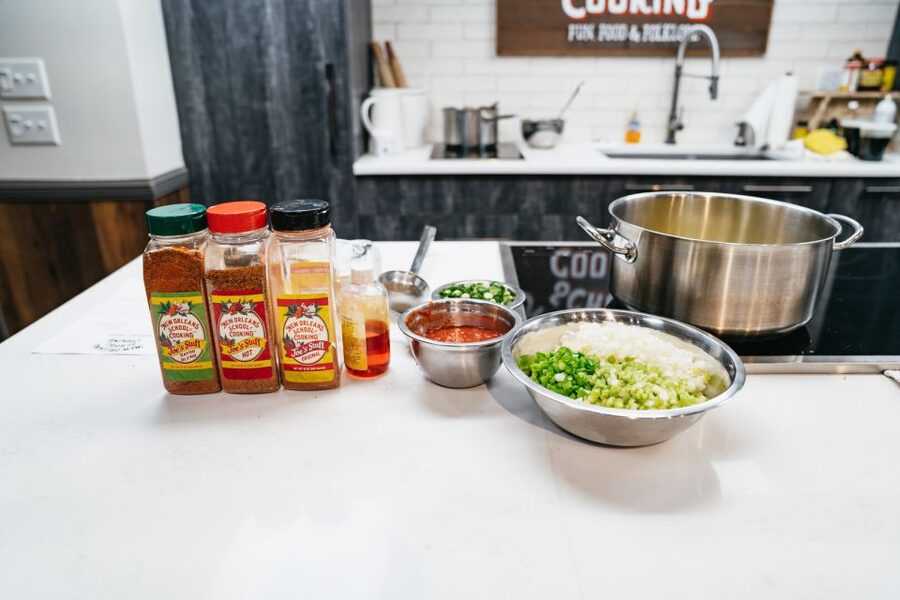
Next to the classroom vibe is the store area, where you can browse locally sourced products. One big draw is Joe’s Stuff Creole Seasoning, which the experience ties closely to local chefs and visiting food lovers. If you’re the type who thinks, Okay, I’ll buy spices when I get home, this is the moment to do it—while you’re still thinking about the dishes you just ate.
Practical note: you’ll want some room in your suitcase. People do come away with seasoning and related items, especially as gifts.
What you’ll eat: menus change by day and time
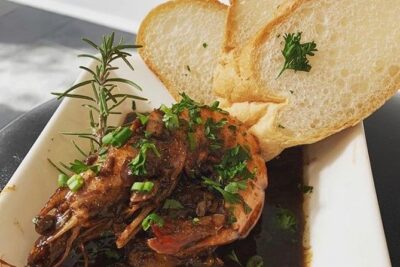
This is the part that matters most for planning. The menu depends on the time slot and the weekday. Across sessions, you’ll repeatedly see standouts like gumbo, jambalaya, pralines, and seafood or poultry main dishes. The meal is described as a 3- or 4-course Cajun and Creole lunch, so you’re not leaving hungry.
Here’s how the food shakes out:
10:00 AM class
- Saturday, Sunday, Wednesday: Gumbo, Jambalaya, Bread Pudding, and Pralines
- Monday: Gumbo, Red Beans and Rice, Pecan Pie, and Pralines
- Tuesday: Gumbo, Jambalaya, Bananas Foster, and Pralines
- Thursday: Corn & Crab Bisque, Shrimp Creole, Bananas Foster, and Pralines
- Friday: Crawfish Etouffee, Shrimp and Artichoke Soup, Bread Pudding, and Pralines
More New Orleans tours and experiences to compare




2:00 PM class
- Saturday: Crawfish Etouffee, Shrimp and Artichoke Soup, and Pralines
- Sunday, Tuesday: Corn & Crab Bisque, Chicken Etouffee, and Pralines
- Monday, Thursday, Friday: Gumbo, Jambalaya, and Pralines
- Wednesday: Gumbo, Chicken Creole, and Pralines
My practical tip: if you’re a “must-have gumbo” person, several days at both times include it. If you’re dessert-focused, pralines show up across many menus, and Bananas Foster or bread pudding can appear depending on the day.
Also pay attention to your timing. More than one guest mentions that the portions are generous, enough that they don’t need a full dinner that night.
The chef’s demo: what you learn besides recipes
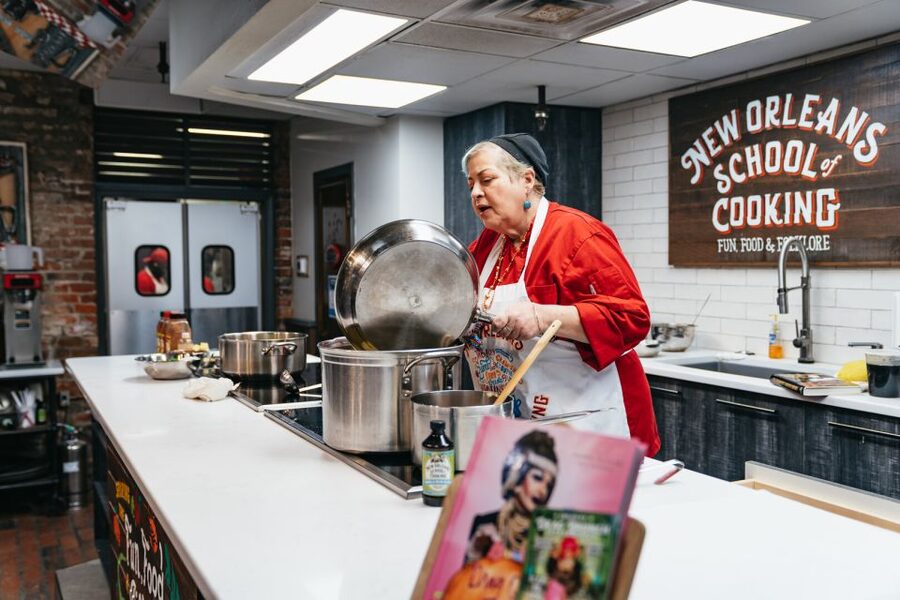
The experience centers on the chef instructor preparing the dishes while sharing history, culture, and culinary folklore. That storytelling is not fluff. It helps you understand why certain flavors and ingredients matter in Louisiana—especially in a city where cultures have blended over centuries.
You’ll likely talk about both Cajun and Creole culinary traditions, and you’ll hear context that connects food to the people who made it. One of the strongest themes from the reviews is that the history component lands well. Guests repeatedly praise the way the chef explains not just what’s going into the pot, but why these recipes belong to New Orleans.
Expect lots of question time
Many people specifically liked that the instructor answers questions, even when the question goes beyond the dish being prepared. That’s a good sign for you if you want to leave with more than “I ate gumbo.” You’ll get a sense of the “rules” and the flavor logic you can apply at home.
Chefs you may see mentioned
The reviews include instructors such as Austin, Eric, Lynn, Michael, Dianne, Harriet, and others. Different personalities change the vibe. But the common thread is that the chefs bring energy, humor, and clear explanations while cooking.
One real-world consideration: audio can matter. At least one review notes it can be hard to hear everything if you’re not positioned well, and one fix would be a microphone. If you’re sensitive to sound, try to get a good seat when you arrive.
Lunch included: drinks, coffee, and meal strategy
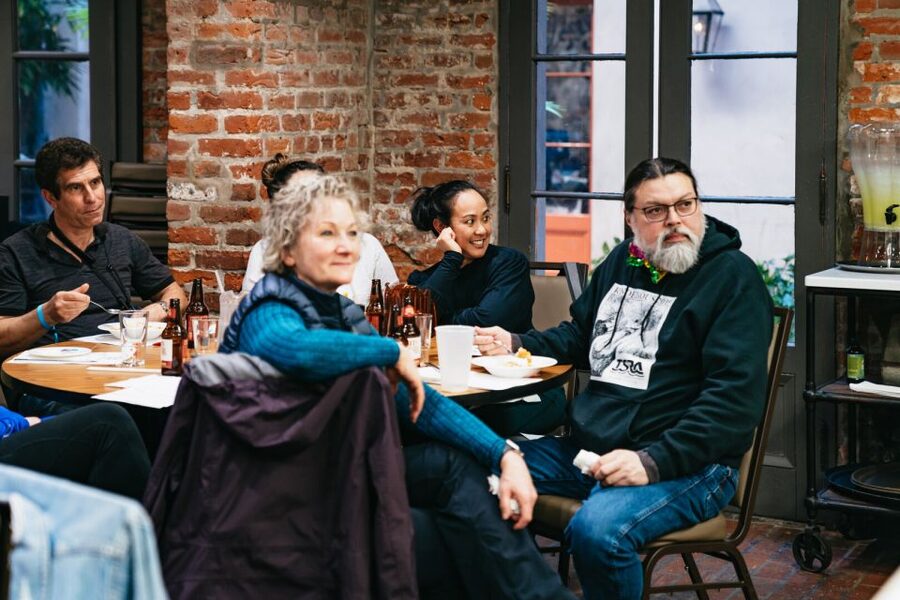
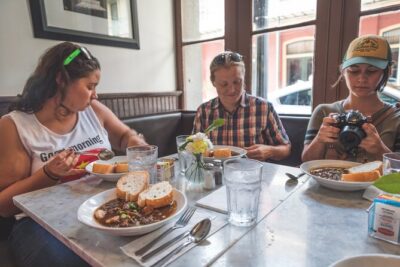
You don’t just watch. You eat what the chef makes. The included meal comes as part of a 3- or 4-course spread, and you’ll also receive local drinks such as Dixie beer, iced tea, and lemonade.
There’s also hot coffee for the 10:00 AM class. If you’re choosing between morning and afternoon sessions, that small detail can help: morning gets coffee built in.
Plan your day like this is your main meal
Because portions can be large, I’d treat this as your anchor lunch. If you snack lightly beforehand, you’ll enjoy the meal more instead of feeling stuffed by the time dessert arrives.
Dietary notes: ask, and they may work with you
While the experience details don’t spell out a full dietary policy, reviews mention that at least some adjustments were possible—like a veggie alternative and accommodation for a shellfish allergy. If food restrictions matter for you, it’s smart to mention them when you book so you’re not guessing.
About drinks you bring
The only “not allowed” note listed is drinks, which suggests the event is designed around the beverages they provide. So plan on the included iced tea/lemonade/beer, not bringing your own.
The take-home value: recipes, coupon, and seasoning shopping
Here’s where the $40 price starts to make real sense. You get:
- Recipe copies so you can recreate the dishes
- A coupon for the general store so you can buy items to take home
- A full chef-led meal with included drinks
That means you’re paying for an experience plus a ready-made Louisiana pantry list. Instead of buying a souvenir magnet, you can bring home the seasoning and cookbook-style guidance to cook for friends.
And because Joe’s Stuff Creole Seasoning is tied so closely to the store, it’s an easy “I liked the flavors, so I want the tool” purchase. People also describe shopping as a natural part of the stop—after wandering the store, you head to the demo and then return to buy what you want.
Pro move: if you care about cooking at home, bring a small notepad. The recipes are provided, but writing down what you loved—gumbo base flavor, spice level, dessert preferences—helps you match results later.
Price and logistics: what $40 buys you in real terms
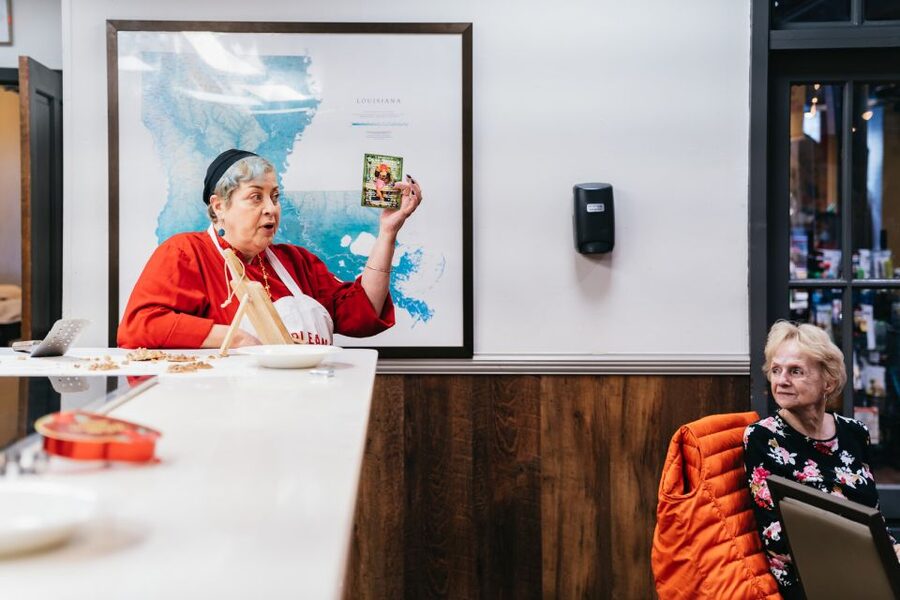
At about $40 per person for around 2 hours to 150 minutes, this is positioned as an all-in food experience. The value depends on what you compare it to.
If you compare it to paying for a New Orleans meal out plus a separate cooking activity, the included lunch and drinks reduce the sting. And compared to many “food tours” that offer small tastes, here you actually get served multiple courses.
Logistics are simple:
- No hotel pickup or drop-off is included, so you’ll want to be able to get yourself to the French Quarter area.
- The class is in English.
- It’s wheelchair accessible.
If you’re trying to pack in a day with minimal stress, this is a good fit. You show up, check in, get seated, and eat what you came for.
Who should book this Cajun and Creole cooking experience
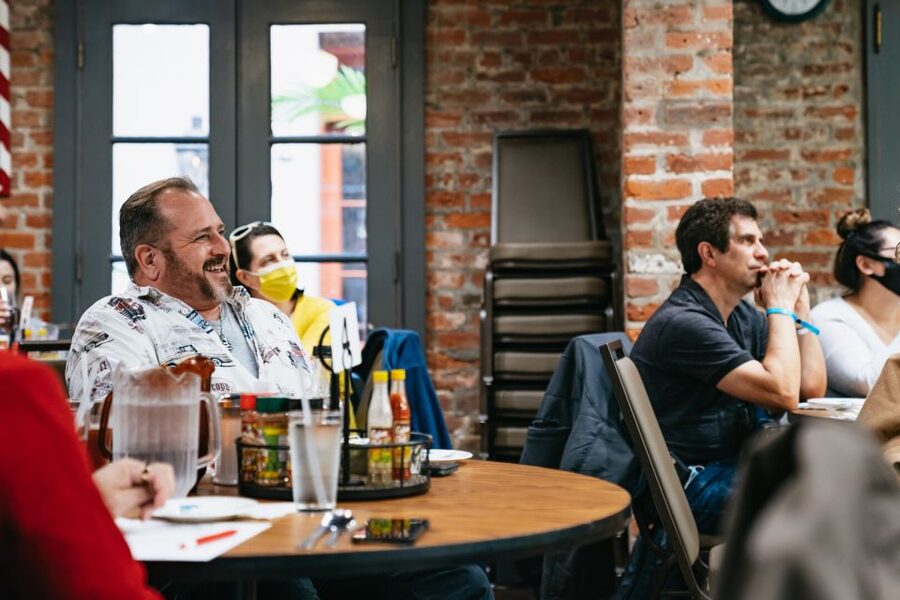
This works best for you if:
- You want authentic Louisiana food with a clear cultural story attached
- You prefer learning through watching, not cooking hands-on
- You want a meal you don’t have to plan
- You like the idea of leaving with recipes and seasoning to use later
It might be less ideal if:
- You strongly want a hands-on class where you cook the whole time
- You’re sensitive to sitting and listening for long stretches
- You expect a quiet, low-energy museum-style experience (the better chefs are animated)
Also, it’s a nice “first New Orleans food experience.” Several reviews mention using it early in the trip because it gives a grounding in the city’s flavors, then makes everything else you eat make more sense.
Should you book it or skip it?
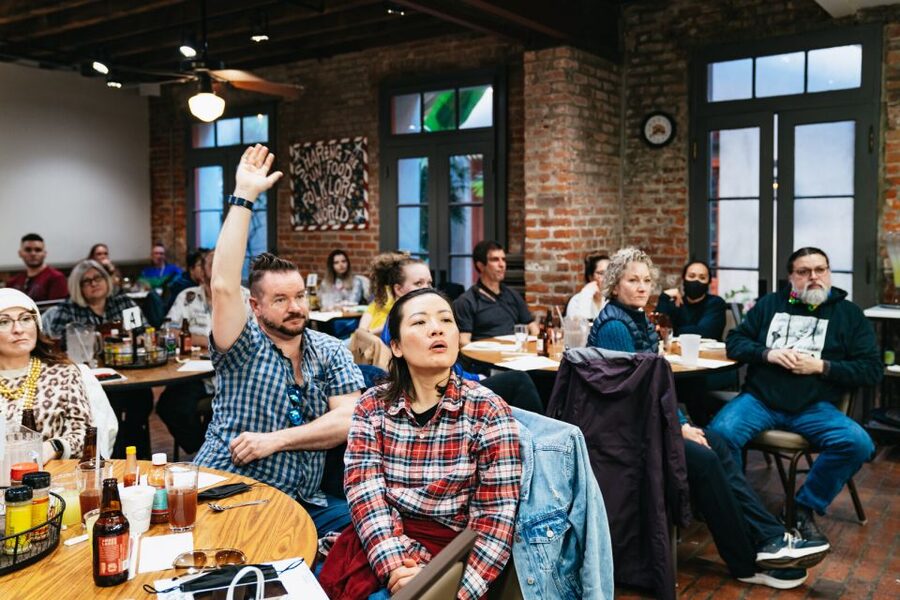
Book it if you want an easy, tasty way to learn the difference between Cajun and Creole traditions through real dishes, delivered in a setting that feels truly New Orleans. The combination of a chef-led demo, a big included lunch, and recipe copies + store coupon is strong value for the time.
Skip it if you need a hands-on class where you’re the one cooking. The name can sound like you’ll be cooking nonstop, but the experience is clearly built around watching and tasting—plus asking questions—while the chef does the work.
If you’re flexible and you like the idea of gumbo, jambalaya, etouffee, pralines, and classic Louisiana desserts, this is one of the easiest “yes” decisions you can make in the French Quarter.
FAQ
Is this a hands-on cooking class?
It’s set up as a cooking demonstration. You watch the chef prepare the dishes and learn from the explanations while you enjoy the finished meal.
How long is the experience?
It runs about 2 hours, with the duration listed as 150 minutes.
Where do I meet for the class?
Enter the New Orleans School of Cooking General Store and check in at the register.
What dishes might I eat?
The menu changes by day and whether you book the 10:00 AM or 2:00 PM session. You may see gumbo, jambalaya, red beans and rice, crawfish etouffee, shrimp creole, corn and crab bisque, chicken creole or etouffee, plus pralines and desserts like bread pudding, pecan pie, bananas foster.
What’s included with the meal?
You’ll get a 3- or 4-course Cajun and Creole meal, plus Dixie beer, iced tea, and lemonade (and hot coffee only for the 10:00 AM class).
Do I get anything to take home?
Yes. You’ll receive recipe copies, and you’ll also get a coupon to use in the general store.
More Cooking Classes in New Orleans

More Tour Reviews in New Orleans




More Cajun & Creole Cooking
Just added to The New Orleans Traveler



Cajun & Creole Cooking Classes, compared.
 ★ 5.0Demonstration Cooking Class with MealFrom $433,000 reviews
 ★ 5.0French Quarter Food Tour: Cajun, Creole and CultureFrom $811,246 reviews
 ★ 5.0Hands-On Cooking Class with MealFrom $1621,183 reviews
 ★ 5.0Hands-on Cajun Roux Cooking Class in New OrleansFrom $163356 reviews
 ★ 5.0Hands-on Cajun Traditions Cooking ClassFrom $163132 reviews
 ★ 4.5Cooking Class and Cocktail Walking TourFrom $105109 reviews
 ★ 5.0Small-Group Food Walking Tour and Cooking ClassFrom $10847 reviews
 ★ 5.0Taste of Gumbo Food Walking TourFrom $8122 reviews
Browse the lists this tour appears in