
Reviewed · CAJUN & CREOLE COOKING CLASSES
Hands-on Cajun Roux Cooking Class in New Orleans
Roux is the secret sauce here, for real. This hands-on Cajun Roux Cooking Class in New Orleans teaches you why the gumbo and étouffée start the same way, then shows you how to build flavor step-by-step, ending with a dessert that tastes like a celebration.
What I like most is that you’re not just watching. You’ll chop, stir, and plate, including making dark roux for gumbo and light roux for shrimp étouffée. Another big win is that you sit down afterward to eat what you cooked, plus you get a included glass of wine (or soda pop) during the class.
One thing to consider: if you want a quick tasting without any real kitchen work, this probably won’t match your style. Roux takes time and attention, and the whole point is hands-on technique.
In This Review
- Key things that make this class worth your time
- Why Roux and the Cajun Holy Trinity Run the Show
- Meeting at 519 Wilkinson St and the Small-Class Setup That Helps
- From Chopping to Cajun Holy Trinity Secrets
- Dark Roux Gumbo: What You’re Really Learning
- Shrimp Étouffée and Light Roux: Different Goal, Same Skill
- Bananas Foster: The Dessert That Makes People Ask for Seconds
- What the Meal Includes and Why Eating It Matters
- Instructors and the Feel of the Kitchen
- Price and Value: Is $163.85 Fair for 3 Hours?
- Who This Is Best For in New Orleans
- Should You Book This Cajun Roux Class?
- FAQ
- What dishes will I cook in the class?
- How long does the Cajun Roux cooking class last?
- Where is the meeting point?
- Is wine included?
- How big is the group?
- Is the class offered in English?
- Can I cancel and get a full refund?
Key things that make this class worth your time
- You cook the core dishes: chicken and andouille sausage gumbo, shrimp étouffée, and bananas foster
- Two roux styles, taught clearly: dark roux for gumbo and light roux for étouffée
- Cajun Holy Trinity prep: you start by learning the classic trio and chopping it right
- A class-meal payoff: you dine afterward at the table, not just taste scraps
- Small group energy: up to 10 people, so you get real guidance
- Instructor personalities add local flavor: multiple chefs are experienced and tell stories as they teach
Back to the stove for more Creole cooking
- New Orleans French Quarter Food Tour: Cajun, Creole and Culture★ 5.0 · 1,246 reviews
- New Orleans Hands-On Cooking Class with Meal★ 5.0 · 1,183 reviews
- New Orleans: Cajun and Creole Cooking Class★ 4.9 · 730 reviews
- Hands-on Cajun Roux Cooking Class in New Orleans★ 5.0 · 356 reviews
Why Roux and the Cajun Holy Trinity Run the Show
If you’ve only had Cajun food in restaurants, this class helps you see what’s going on underneath the deliciousness. In New Orleans cooking, a few building blocks do most of the heavy lifting. That starts with the Cajun Holy Trinity—the classic combo of chopped aromatics—and then the roux, which is part cooking process, part flavor engineering.
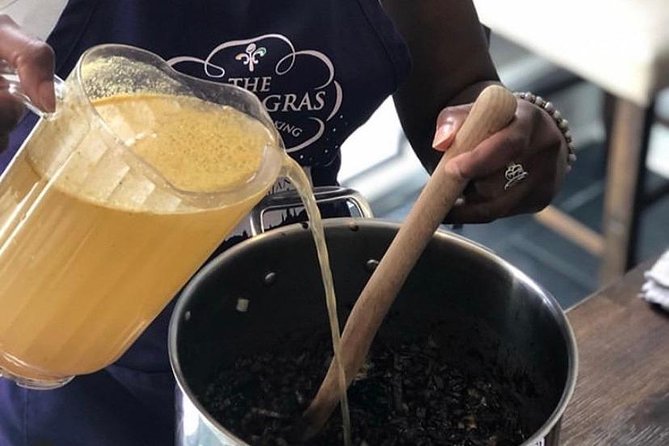
Here’s the practical takeaway you’ll want at home: roux isn’t just about thickening. It’s about flavor depth and color. In this class, you’ll make two different styles on purpose. The gumbo route uses dark roux, which is built longer for a deeper, nuttier taste. The shrimp étouffée route uses light roux, so you get a different balance of flavor and body.
That contrast matters because it’s how Cajun cooks get two dishes that taste like they belong together but don’t taste the same. You’re learning technique, not just recipes.
Meeting at 519 Wilkinson St and the Small-Class Setup That Helps
The class starts at 519 Wilkinson St, New Orleans, LA 70130, and you finish back at the same meeting point. It runs for about 3 hours, and it’s offered in English. You also get a mobile ticket, and the location is near public transportation—useful when you don’t want to wrestle with parking.
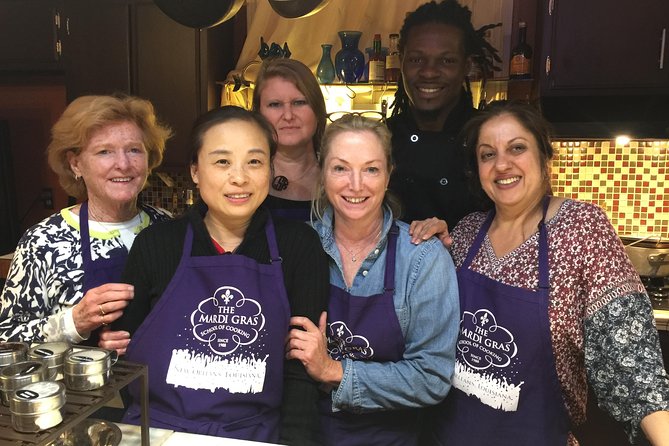
The other detail that matters is the group size: a maximum of 10. That changes the whole experience. With a small group, you’re more likely to get hands-on time at the station you’re working from, and questions don’t get lost in the shuffle. You’ll notice it especially when you’re learning roux, because you don’t want to be stuck waiting while everyone else stirs.
Scheduling-wise, the class is often booked about 26 days in advance on average. So if your trip dates are firm, I’d plan to lock it in sooner rather than later.
From Chopping to Cajun Holy Trinity Secrets
The session begins with the part that makes everything else easier: you prep with intention. You’ll learn the importance of the Cajun Holy Trinity, then you’ll start cutting and prepping ingredients the way you’d do it in a real New Orleans kitchen.
This isn’t “knife class” for the sake of it. The way you chop aromatics affects how quickly they cook and how evenly they melt into the base. The class keeps things moving, so you’ll get your hands on it while you’re still fresh.
Then you take a short break. That’s when you’ll get your first included glass of wine—or soda pop if you prefer a non-alcohol option. It’s a nice rhythm: work hard, reset, then get back to the stove.
Dark Roux Gumbo: What You’re Really Learning
Once the Holy Trinity is chopped, the gumbo part starts with mise en place—everything in its place. That means you’re not just adding random ingredients and hoping. You’re building in the order that makes sense for cooking and timing.
Then comes the gumbo centerpiece: dark roux.
If you’ve never made roux, the big surprise is that it’s less about speed and more about control. In this class, you’ll learn how to keep the roux in the right zone and how to move through the process without getting flustered. You’ll also see why “dark” doesn’t mean burnt. It’s about color and flavor depth you’re aiming for.
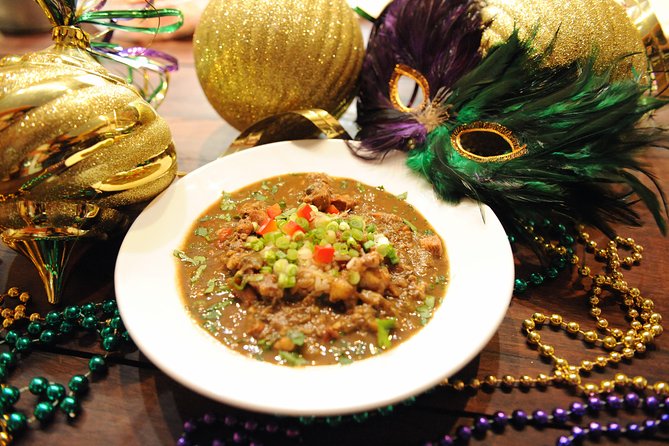
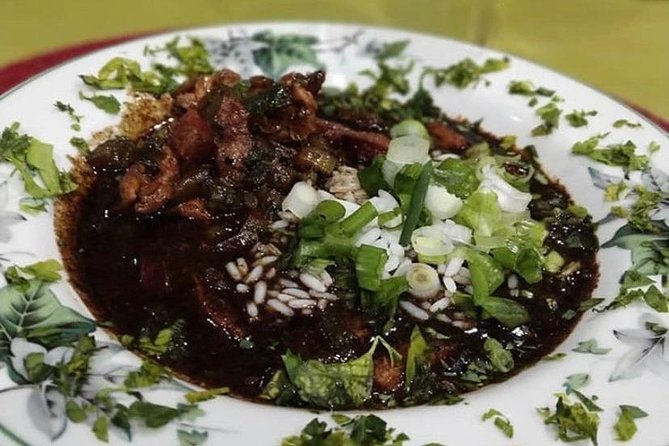
Your sample menu for gumbo is chicken and andouille sausage gumbo. That combination is classic for a reason: it gives you real savoriness and spice, and it sets up the rest of the meal perfectly.
More New Orleans tours and experiences to compare




Shrimp Étouffée and Light Roux: Different Goal, Same Skill
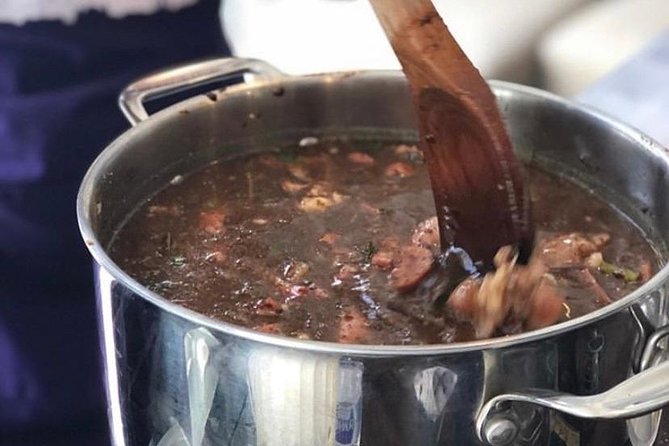
After you finish the gumbo course in the class flow, you shift gears to shrimp étouffée. The method changes, but the foundation stays. You’ll make a light roux for this dish, which changes the taste profile in a meaningful way.
Light roux generally gives a cleaner, lighter flavor and a different thickness. In other words: you’re practicing range. You’re proving to yourself that roux technique isn’t a one-size setting.
This is where the small-group format helps again. If you need a quick check on how you’re handling the roux stage, you’re more likely to get that attention here instead of later.
And shrimp étouffée is a dish that benefits from good timing. You don’t want to rush, but you also don’t want to sit around with ingredients that are already cooking faster than you expect. The class keeps you on track so you learn what to watch for.
Bananas Foster: The Dessert That Makes People Ask for Seconds
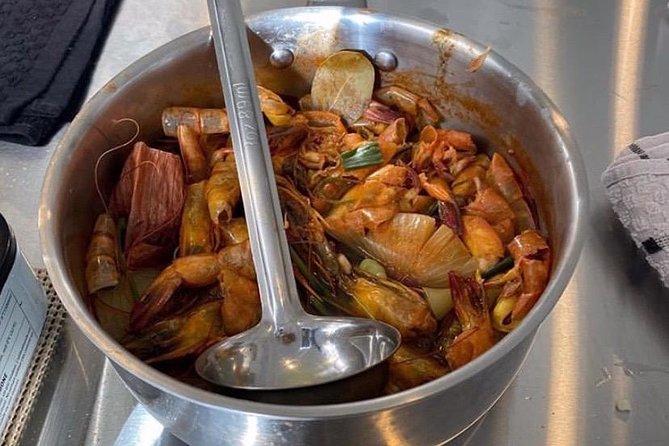
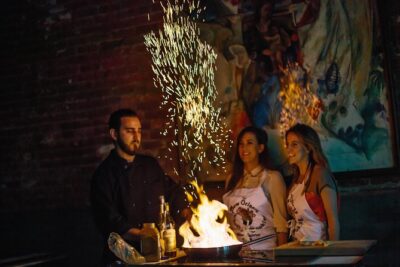
If you’re the type who always wants dessert, you’re going to like the final section. The last part of the class is bananas foster, and the teaching style is meant to make it feel doable, not intimidating.
The goal is a dessert that looks impressive and tastes like New Orleans hospitality. You’ll learn a fool-proof approach—then you get to watch the dish come together and (eventually) eat it.
Bananas foster works for two reasons in a cooking class:
- It gives you a sweet-and-spiced finish after savory dishes.
- It teaches you a different kind of cooking skill than gumbo and étouffée—more sauce-and-sugar handling than long-building simmering.
By the time you reach this portion, you’ll have already used your hands for chopping and cooking at the stove. Dessert is the fun payoff. Plus, it’s the part you’re most likely to remember when you’re cooking at home later.
What the Meal Includes and Why Eating It Matters
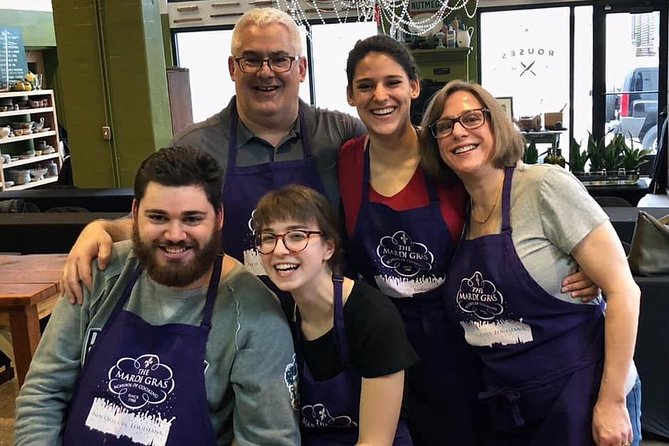
This class isn’t just about the “cook.” It’s about the full loop: you make the food, you sit down, and you eat it.
Your sample menu is:
- Starter: Chicken and andouille sausage gumbo
- Main: Shrimp étouffée
- Dessert: Bananas foster
And yes, there’s an included drink during the class. You’ll get a glass of wine, or you can choose soda pop instead. That pause after the Holy Trinity prep helps you reset your attention before the roux work.
Eating what you cooked matters for two practical reasons. First, you get immediate feedback on your technique—taste makes the lessons stick. Second, it helps you understand what the finished texture should be. Roux-based dishes can be hard to judge from smell alone. Tasting locks the learning in.
Instructors and the Feel of the Kitchen
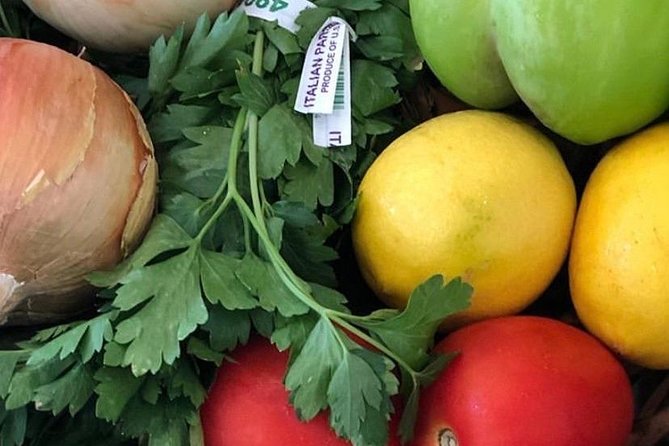
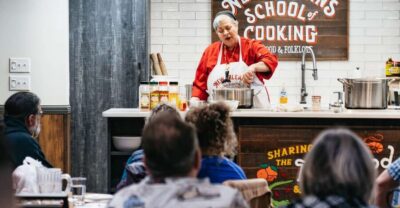
One of the reasons this class performs so well is that the teaching style tends to feel personal. Different instructors lead different sessions, and you might end up with one of the chefs named in past classes, such as Chef Connor, Chef Raymond, Chef Mark, Chef Jason, Chef Cam, or Chef Erika.
The pattern is consistent: instructors break down the steps, keep the energy light, and help you get comfortable at the stove. You’ll hear local stories as you cook, which makes the class feel like New Orleans and not just generic Southern food.
If you’re going with family, this kind of teaching style is a big deal. More than once, parents and kids have enjoyed the class when the chef keeps instructions clear and participation active.
Price and Value: Is $163.85 Fair for 3 Hours?
At $163.85 per person for about 3 hours, you’re paying for three things at once:
- Instruction and hands-on cooking time
- A full meal you eat afterward (gumbo, shrimp étouffée, bananas foster)
- An included drink (wine or soda pop)
If you’ve ever priced culinary classes, that combo is usually the make-or-break part. You’re not paying just for a demo, and you’re not paying for a meal somewhere else. You’re paying for technique and the finished result, which is the most practical souvenir you can take home: skills you can repeat.
The small group size also supports the value. When there are fewer people, the class time is more likely to be spent actively cooking rather than waiting for your turn. That matters in a roux-focused class where attention and timing are everything.
There can also be group discounts, which helps if you’re coming with friends and want to split the total cost while keeping the class intimate.
Who This Is Best For in New Orleans
This is a strong pick for:
- Families who want a structured, fun activity that doesn’t require advanced cooking skills
- Friends who enjoy shared projects and want to sit down together afterward
- Home cooks who already like Cajun flavors and want real technique, especially around roux
- Couples who want something more memorable than a typical dinner out
It’s less ideal if you want a low-effort food experience. This is hands-on. You’ll chop and cook. Roux takes attention, and you’ll be most happy if you enjoy that kind of focused kitchen time.
The class also fits well if you’re trying to balance a vacation schedule. At about 3 hours, it’s long enough to teach and feed you, but short enough that it won’t eat the whole day.
Should You Book This Cajun Roux Class?
Yes—if you want a real New Orleans cooking skill, not just a meal. If you’re interested in how gumbo and étouffée get their character, you’ll leave understanding roux, the Holy Trinity, and how the dishes connect.
Book it especially if:
- you’re traveling with family or a group and want everyone involved
- you like the idea of making the whole menu (starter, main, dessert)
- you want a hands-on experience with a small class size
Skip it if:
- you dislike cooking or want mostly tasting with minimal participation
- you’re allergic or intolerant and need dietary details beyond what’s provided here
If your goal is to go beyond eating New Orleans and actually bring part of the kitchen home, this class is a solid bet.
FAQ
What dishes will I cook in the class?
You’ll make chicken and andouille sausage gumbo, shrimp étouffée, and bananas foster.
How long does the Cajun Roux cooking class last?
It runs for about 3 hours.
Where is the meeting point?
The class meets at 519 Wilkinson St, New Orleans, LA 70130, and returns there at the end.
Is wine included?
Yes. You’ll get a glass of wine during the class, or you can choose soda pop instead.
How big is the group?
The class has a maximum of 10 travelers.
Is the class offered in English?
Yes, it’s offered in English.
Can I cancel and get a full refund?
You can cancel for a full refund up to 24 hours in advance of the experience start time.
More Cooking Classes in New Orleans

More Tour Reviews in New Orleans




More Cajun & Creole Cooking

Just added to The New Orleans Traveler




Cajun & Creole Cooking Classes, compared.
 ★ 5.0Demonstration Cooking Class with MealFrom $433,000 reviews
 ★ 5.0French Quarter Food Tour: Cajun, Creole and CultureFrom $811,246 reviews
 ★ 5.0Hands-On Cooking Class with MealFrom $1621,183 reviews
 ★ 4.9Cajun and Creole Cooking ClassFrom $40730 reviews
 ★ 5.0Hands-on Cajun Traditions Cooking ClassFrom $163132 reviews
 ★ 4.5Cooking Class and Cocktail Walking TourFrom $105109 reviews
 ★ 5.0Small-Group Food Walking Tour and Cooking ClassFrom $10847 reviews
 ★ 5.0Taste of Gumbo Food Walking TourFrom $8122 reviews
Browse the lists this tour appears in