
Reviewed · CAJUN & CREOLE COOKING CLASSES
New Orleans Cooking Class and Cocktail Walking Tour
Spice, sass, and a Sazerac walk. This New Orleans combo tour pairs a chef-led cooking demonstration at the French Quarter’s New Orleans School of Cooking with a guided bar crawl through the oldest streets and stories.
I really like two parts here: the chef’s gumbo and jambalaya demo with real Cajun/Creole spice context, and the three classic cocktails served with history instead of just a sip-and-run vibe.
One thing to think about first: the cooking room can feel crowded, and this is a demo-only setup, so you’ll be watching and tasting—not cooking.
In This Review
- Quick hits before you go
- How this tour really feels: food lessons plus drink history on foot
- The New Orleans School of Cooking: what you’re actually learning
- Demo-only also means you get better tasting time
- Seating comfort: it can be tight
- The tasting meal: gumbo, jambalaya, pralines, and the flavors to copy
- Cocktails in the French Quarter: three classics with real stop-and-tell history
- Sazerac is the anchor
- Keep expectations realistic on “tasting”
- Stop-by-stop: the French Quarter route that links food, people, and places
- Stop 1: New Orleans School of Cooking
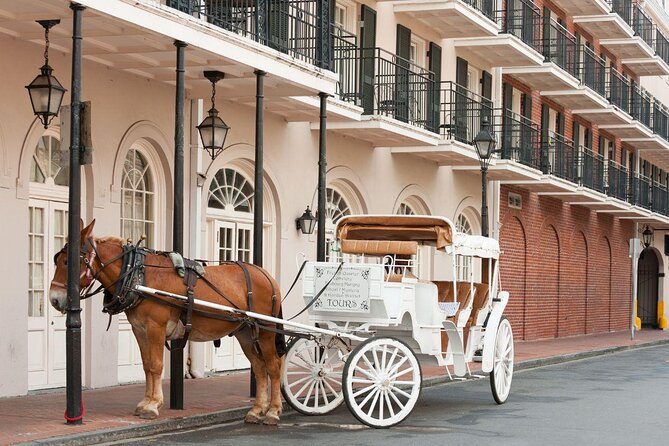
- Stop 2: Court of Two Sisters Carriageway Bar
- Stop 3: Peychaud’s
- Stop 4: St. Louis Cathedral area
- Stop 5: Fritzel’s European Jazz Bar
- Who this tour fits best (and who should tweak expectations)
- Guides can make or break it—this tour clearly leans on them
- Value check: is $105.50 a smart use of your time?
- Small planning tips to get the best afternoon
- Should you book this New Orleans Cooking Class and Cocktail Walking Tour?
- FAQ
- How long is the New Orleans cooking and cocktail tour?
- Where does the tour start, and what time?
- Is the cooking class hands-on?
- What food and drinks are included?
- Where does the cocktail walking tour go?
- What is the minimum age to join?
Quick hits before you go
- Chef storytelling at the New Orleans School of Cooking: you learn what’s in the pot and why it matters in New Orleans food
- Generous samples, plus coffee, iced tea, and beer after the demo
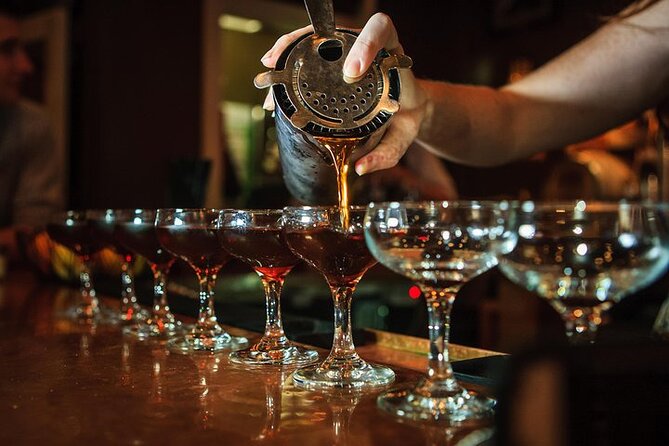
- Three cocktails on a guided French Quarter walk, including a Sazerac
- Historic stops that connect food, drinks, and buildings—not just bar hopping
- Take-home value: recipes, a custom spice packet, and a store discount
- Group size stays small (max 18), which helps you ask questions when you want
One more round of Sazeracs and speakeasies
- New Orleans Cocktail and Food History Tour★ 5.0 · 819 reviews
- New Orleans Cocktail History Walking Tour in the French Quarter★ 5.0 · 604 reviews
- French Quarter Small-Group Cocktail and Foodie Crawl★ 5.0 · 519 reviews
- New Orleans: Combo Cocktail and Food History Tour★ 4.9 · 180 reviews
How this tour really feels: food lessons plus drink history on foot
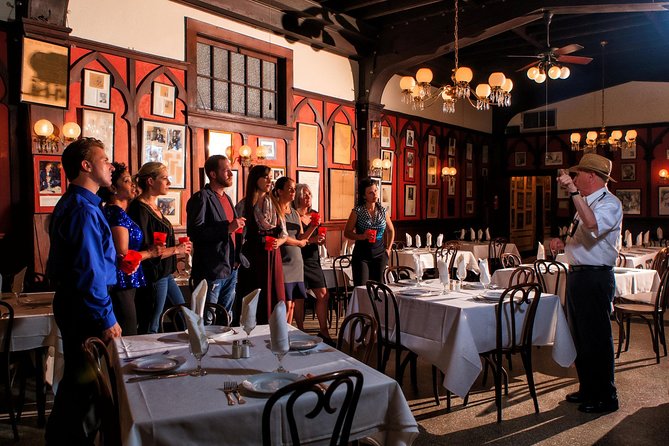
This is built for an afternoon in New Orleans when you want more than a meal and a photo. You start indoors, watch a chef work, then shift outside to a guided cocktail crawl through the French Quarter’s tight, old-world streets.
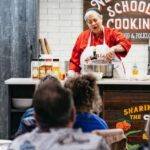
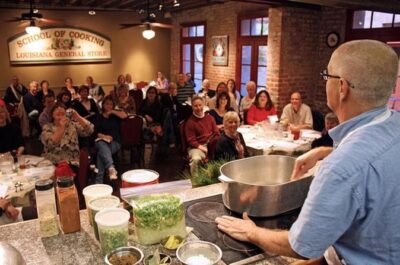
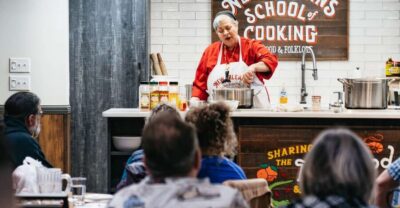
The cooking portion is a demonstration format, not a hands-on class. That turns it into something closer to a very interactive TV cooking show: you can smell what’s happening, taste what comes out, and get the story behind the ingredients while the chef keeps moving.
Then the tour turns into a walk with a purpose. You’re not just collecting drinks—you’re learning how New Orleans flavors and cocktail culture connect to named people, specific bars, and long-running traditions.
The New Orleans School of Cooking: what you’re actually learning
Your start point is the New Orleans School of Cooking at 524 St Louis St, right in the French Quarter. The schedule puts you in the room for about two hours of cooking demonstration, followed by tasting.
The chef talks you through classic dishes that define the region’s food identity—think gumbo, jambalaya, and other staples like pralines. You’re also given history around the food and why certain spices and techniques show up again and again in Cajun and Creole kitchens.
A big practical upside: you don’t have to be the type who can cook on vacation. This works even if you’re tired, short on time, or traveling with friends who’d rather watch than chop.
Demo-only also means you get better tasting time
Because you’re not cooking, the pace can stay focused on quality. After the demo, you get generous samples of what was prepared, plus coffee, iced tea, and beer. You’ll leave fed, not just “lightly sampled.”
Seating comfort: it can be tight
The one drawback that comes up is comfort and sightlines. The room can be packed, and some seats feel obstructed by pillars or limited table spacing. If you’re sensitive to tight quarters, arrive a little early, be ready to stand when needed, and don’t assume everyone will have a perfect view.
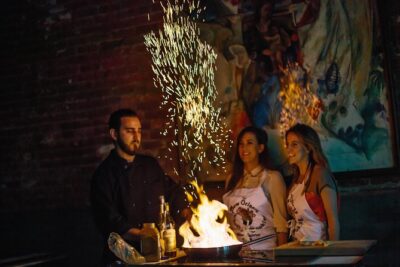
Back to the stove for more Creole cooking
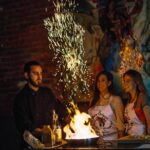
The tasting meal: gumbo, jambalaya, pralines, and the flavors to copy
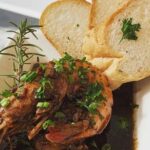
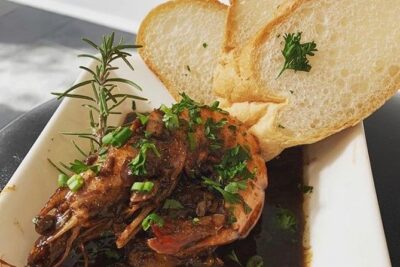
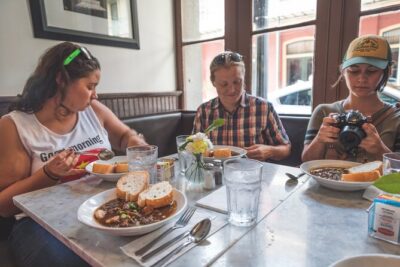
The menu isn’t small bites and a shrug. You’re served portions meant to be satisfying—more like a late lunch or afternoon meal.
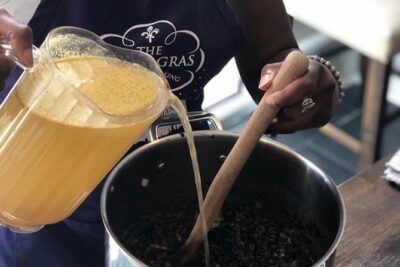
Gumbo and jambalaya are the headline pair here. What you’re really tasting is spice balance: the warmth in Creole/Cajun style seasoning, the savory depth from the base, and how the dish feels after it’s had time to come together.
Pralines add a sweet contrast. You get to see how New Orleans does dessert as a regional specialty, not as a generic sugar stop.
And yes, you’ll leave with help for recreating it at home: a recipe booklet and a custom spice packet. That matters because the goal isn’t just to taste—it’s to take one or two actionable things home.
Cocktails in the French Quarter: three classics with real stop-and-tell history
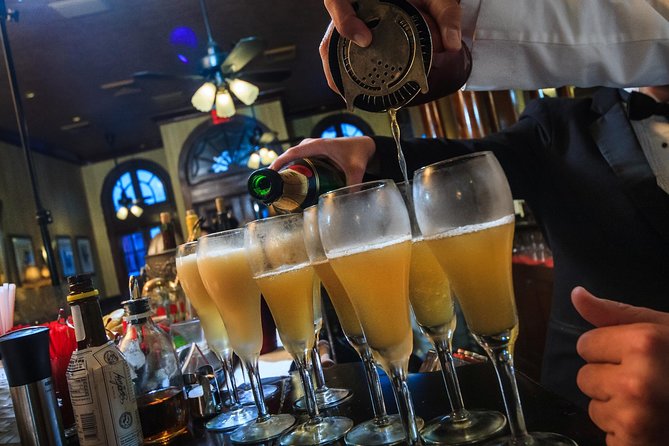
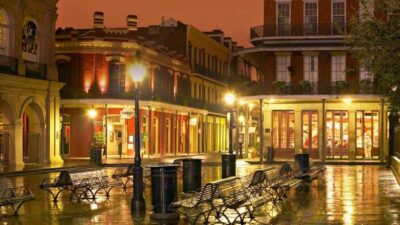
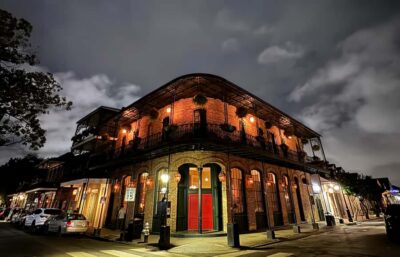
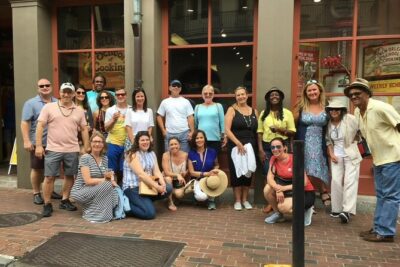
After the cooking portion, you meet your cocktail guide outside the school before the walking part begins. From there, you’re walking through the Vieux Carré—Old Square—and learning what happened in these spaces long before Bourbon Street became the loud magnet it is today.
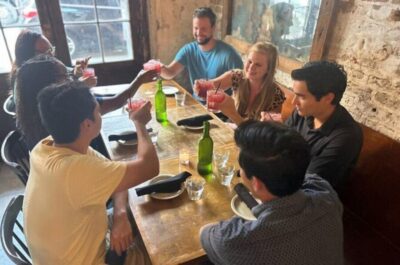
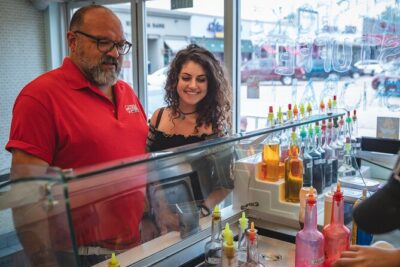
You’ll stop at several historic bars and venues and sample three classic New Orleans cocktails. The tour includes taxes and service gratuities for those drinks, so you’re not doing constant mental math mid-sip.
Sazerac is the anchor
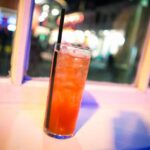
One drink you’ll get is a Sazerac. You also hear the backstory—how it connects to Peychaud’s bitters and to the deeper timeline of New Orleans cocktail culture.
Even when you’re familiar with cocktails, this is the part where the tour helps you see New Orleans as a food-and-drink city with named ingredients and named people behind them.
Keep expectations realistic on “tasting”
A note for your planning: some people feel the cocktail servings are full enough that it doesn’t always feel like a tiny flight. If your goal is sampling lots of tiny variations, this may feel a bit more like three full cocktails than a flight of micro-sips.
That said, if you enjoy the classics and want the history to go with them, the format works.
Stop-by-stop: the French Quarter route that links food, people, and places
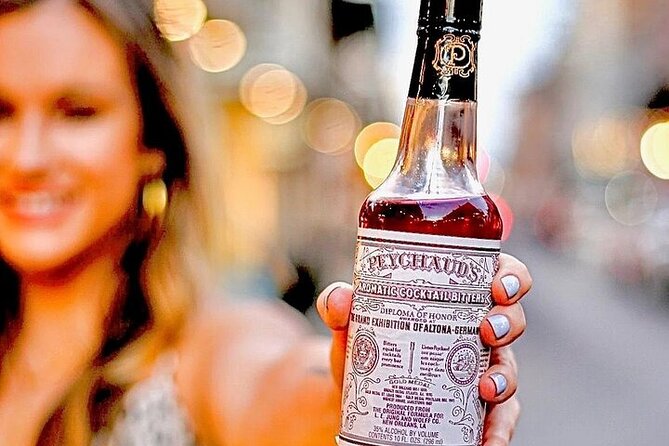
This walking portion is where the tour earns its “combo” identity. Every stop is tied to something you just learned—spices, ingredients, and the personalities that helped shape New Orleans taste.
Stop 1: New Orleans School of Cooking
You start here with the two-hour demo and tasting. The chef prepares specialties while you watch, then you eat from generous samples.
This is the part that sets your palate up for the rest of the afternoon. When you later hear stories about bitters, cocktails, and old recipes, you’ll have something real in your head: the way flavor in New Orleans isn’t random—it’s built.
Stop 2: Court of Two Sisters Carriageway Bar
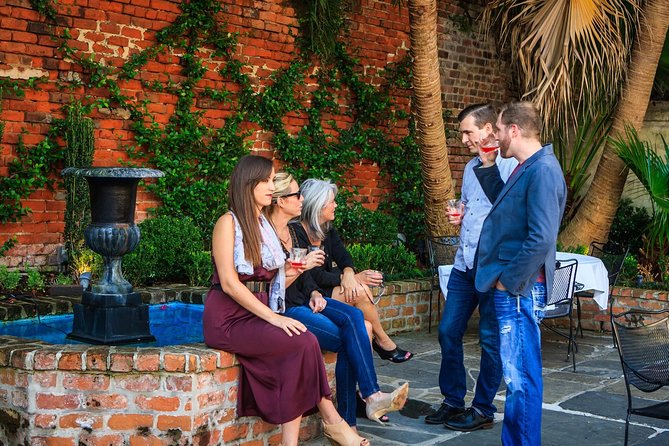
You enter the Court of Two Sisters through charming gates said to be wrought in Spain and blessed by Queen Isabella. The venue is known for its courtyard and its long-lived energy since the area dates back to the early 1700s.
This stop matters because it changes the tone from “lecture” to “place.” You see how New Orleans keeps history in active use: buildings aren’t museums here; they’re still part of daily life.
Stop 3: Peychaud’s
At Peychaud’s, you’re in the former residence of Antoine Peychaud, the Creole apothecary linked to the herbal Peychaud’s bitters. Those bitters later become a key ingredient tied to the Sazerac story.
If you like knowing where a flavor comes from, this is one of the most satisfying stops. It turns a “taste” into a specific ingredient with a named origin.
Stop 4: St. Louis Cathedral area
You’re in the shadow of the St. Louis Cathedral, near cobblestone alleys tied to old legends. The tour references the “green fairy” idea connected with absinthe—an herbal elixir associated with creative people across the arts.
Even if you don’t drink absinthe today, the story helps explain why New Orleans has always treated drinks as culture, not just alcohol.
Stop 5: Fritzel’s European Jazz Bar
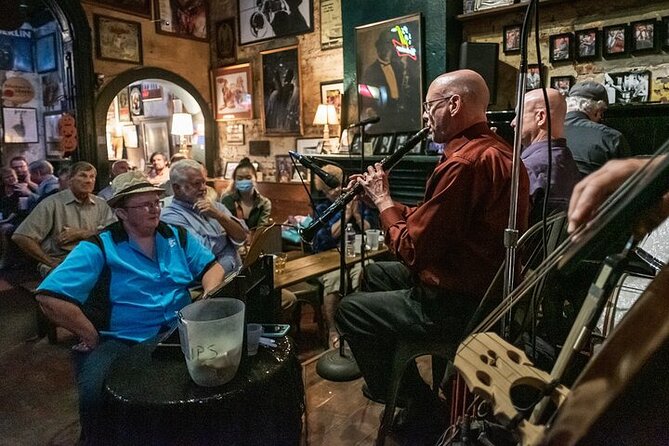
Your last stop is Fritzel’s European Jazz Bar. The concept is simple: jazz raises the volume on your afternoon, and you get a lively finish without racing back to catch dinner.
If you want, you can stay for a show, then walk to dinner at one of the nearby French Quarter spots.
Who this tour fits best (and who should tweak expectations)
I think this combo is great for a few specific traveler types.
If you’re a food lover who wants hands-on flavor lessons but doesn’t need to cook yourself, the demo format is a smart fit. It’s also good if you’re traveling with people who enjoy history but don’t want a museum day.
It’s also a strong match for cocktail fans who want context. The guide narrative is a big part of what you pay for—learning why certain drinks exist where they exist.
If you’re expecting a hands-on cooking class, adjust your expectations. The tour is explicit about being a demonstration, and that’s how the time stays tight and the tasting stays generous.
If you’re very sensitive to crowds, plan to be flexible at the cooking school. The packed room factor is real, and your seating view may vary.
Guides can make or break it—this tour clearly leans on them
One reason this experience earns strong feedback is the talent of the people doing the explaining. Chefs like Eric and Dianne are described as funny, engaging, and ready with both cooking details and New Orleans context.
On the cocktail side, guides such as Robert, Romi, Robi, Tim, Viky, Kimberly, Sandi, and Val show up in the mix, often praised for connecting stories to what you’re drinking while keeping the group entertained.
That’s important: when a tour walks through history, you need someone who can talk without turning it into a textbook. Here, the guiding style seems to keep it lively.
Value check: is $105.50 a smart use of your time?
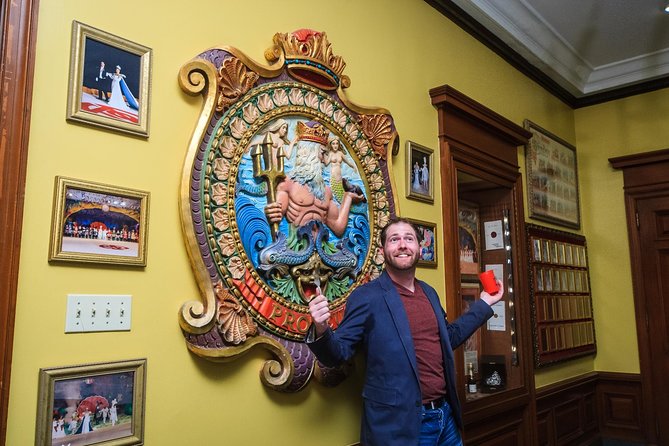
At $105.50 per person for about four hours, you’re paying for three things at once: a chef demonstration with tasting, a guided French Quarter walk, and drinks included.
You get tangible take-home value: a recipe booklet, a custom spice packet, and a discount at the general store. You also get the drink portion covered for three classic cocktails, including taxes and service gratuities.
If you compare this to paying separately for a cooking class, then later booking a guided bar crawl and buying cocktails on your own, the combo adds up. The walk also saves you time. You’re not piecing together three experiences across the afternoon while figuring out where to go next.
The main value risk is the format mismatch: if you really wanted to cook, or you want ultra-small cocktail tastes, you might feel the structure doesn’t match your preferences. But for most food-and-drink travelers, it hits the sweet spot.
Small planning tips to get the best afternoon
A few practical moves will make your day smoother.
Don’t schedule a heavy lunch right before the cooking demo. The tour serves hearty samples and drinks, so you’ll likely want that space in your stomach.
Wear comfortable shoes. You’re walking through the French Quarter, and the tour itself is designed with pedestrian flow in mind—helping avoid vehicle friction in the area.
If you have dietary needs, you’ll want to check ahead. The tour data here doesn’t list specific substitutions, so treat this as something to confirm before you lock in.
And if you want the best use of your time, show up with curiosity. The history and spice explanations are part of the product.
Should you book this New Orleans Cooking Class and Cocktail Walking Tour?
I’d book it if you want a single afternoon that covers New Orleans food flavors and cocktail culture with a guide who ties both to place and people. It’s also a good choice if you like eating and drinking in a structured way instead of wandering and guessing.
Skip it if you’re specifically hunting for a hands-on cooking experience or if you prefer cocktails in tiny tasting portions rather than full servings. Also, consider the cooking room crowding if you’re not comfortable in packed indoor spaces.
FAQ
How long is the New Orleans cooking and cocktail tour?
It runs about 4 hours total, with a 2-hour cooking demonstration followed by the French Quarter cocktail walking portion.
Where does the tour start, and what time?
The meeting point is New Orleans School of Cooking, 524 St Louis St, New Orleans, LA 70130, starting at 2:00 pm.
Is the cooking class hands-on?
No. It’s a demonstration only, and participants do not cook during the session.
What food and drinks are included?
You’ll get generous samples from the cooking demonstration, plus coffee, iced tea, and beer. The cocktail part includes three classic cocktails, including taxes and service gratuities.
Where does the cocktail walking tour go?
The tour includes stops in the French Quarter such as Court of Two Sisters, Peychaud’s, the area by St. Louis Cathedral, and ends at Fritzel’s European Jazz Bar.
What is the minimum age to join?
The minimum age is 21.
More Tour Reviews in New Orleans

More Cajun & Creole Cooking
More Cocktails & Speakeasies
Just added to The New Orleans Traveler
Cajun & Creole Cooking Classes, compared.
 ★ 5.0Demonstration Cooking Class with MealFrom $433,000 reviews
 ★ 5.0French Quarter Food Tour: Cajun, Creole and CultureFrom $811,246 reviews
 ★ 5.0Hands-On Cooking Class with MealFrom $1621,183 reviews
 ★ 4.9Cajun and Creole Cooking ClassFrom $40730 reviews
 ★ 5.0Hands-on Cajun Roux Cooking Class in New OrleansFrom $163356 reviews
 ★ 5.0Hands-on Cajun Traditions Cooking ClassFrom $163132 reviews
 ★ 5.0Small-Group Food Walking Tour and Cooking ClassFrom $10847 reviews
 ★ 5.0Taste of Gumbo Food Walking TourFrom $8122 reviews
Browse the lists this tour appears in