
Reviewed · CAJUN & CREOLE COOKING CLASSES
New Orleans Demonstration Cooking Class with Meal
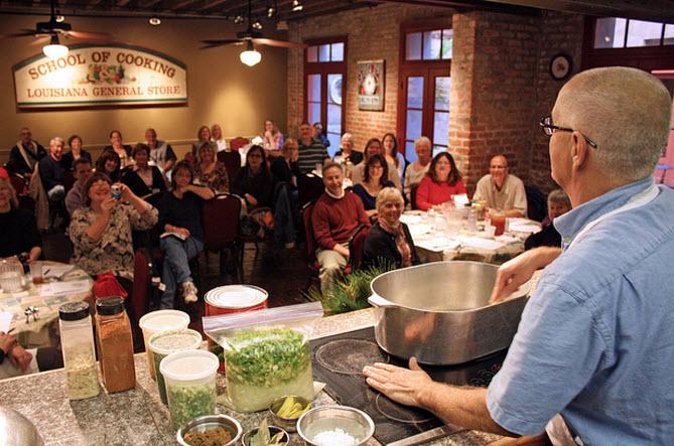
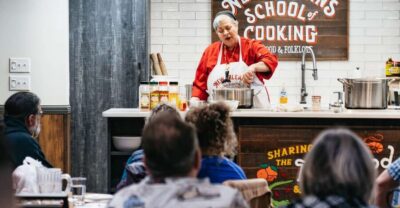
Creole classics taste better when you see the method first. This cooking demonstration at the New Orleans School of Cooking turns a converted 19th-century molasses warehouse into a front-row seat for roux, spices, and Louisiana technique—and then you get to eat what’s made. I especially like how the chef’s talk blends food and place, so dishes like gumbo and jambalaya feel connected to the city, not just recipes.
The other big win is the generous full meal sampling, paired with coffee, iced tea, water, and one local beer. One consideration: this is a larger classroom setup (up to 68 people), so if you’re sensitive to noise or need perfect audio, you may want to pick your seat early.
In This Review
- Key takeaways before you go
- A Converted Warehouse for Creole Comfort
- What the Two-Hour Class Actually Covers
- Watching and Eating Gumbo, Jambalaya, and More
- Starter: Corn and crab bisque
- Mains: Gumbo, jambalaya, and an etouffee-style course
- Another Creole main: shrimp or chicken creole
- Dessert: bread pudding, bananas foster, pralines, pecan pie
- Drinks that keep the pace friendly
- Chef Stories, the Roux Secret, and Why the Lesson Lands
- French Quarter Context Without the Full Tour Package
- Recipes and a Diploma for Cooking at Home
- Price and Value: What $43 Gets You
- Dietary Restrictions: Substitutions Exist, But Read This Carefully
- Group Size, Hearing, and Seating: A Practical Consideration
- Logistical Notes That Actually Matter
- Who Should Book This Class?
- Should you bring a group?
- Should You Book This New Orleans Cooking Demo?
- FAQ
- Is this class hands-on?
- How long does the cooking class last?
- What food and drinks are included?
- What dishes might be on the menu?
- Can you accommodate dietary restrictions?
- Do I get recipes to take home?
- What is the cancellation policy?
Key takeaways before you go
- Converted 19th-century molasses warehouse setting that makes the whole “cooking show” feel more authentic than a generic classroom
- Step-by-step Creole/Cajun fundamentals like building flavor through roux and seasoning
- A real sit-down meal from starter through dessert, with drinks included
- Recipes to take home so you can repeat the dishes later, not just watch them once
- Dietary substitutions exist, but they’re limited to specific courses and not always demonstrated
Back to the stove for more Creole cooking
- New Orleans French Quarter Food Tour: Cajun, Creole and Culture★ 5.0 · 1,246 reviews
- New Orleans Hands-On Cooking Class with Meal★ 5.0 · 1,183 reviews
- New Orleans: Cajun and Creole Cooking Class★ 4.9 · 730 reviews
- Hands-on Cajun Roux Cooking Class in New Orleans★ 5.0 · 356 reviews
A Converted Warehouse for Creole Comfort
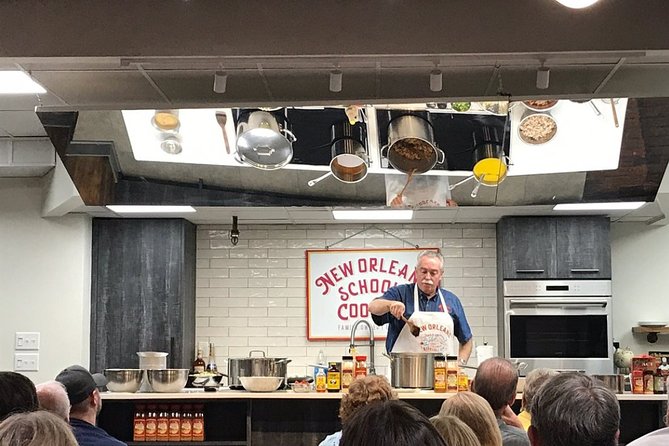
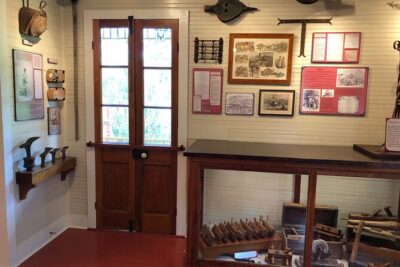
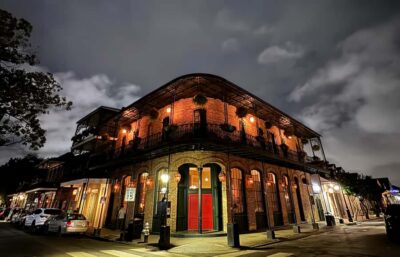
The experience starts at the New Orleans School of Cooking at 524 St Louis St—right in the zone where you can feel the French Quarter’s pull without having to build your night around long travel. The venue is a converted 19th-century molasses warehouse, which matters more than you’d think. It gives the cooking talk a character-filled backdrop, and it turns “instruction” into a small local event.
You’ll sit with other food lovers in a space built for getting comfortable and staying put for about two hours. That time window is tight enough to keep things moving, but long enough that the chef can explain the logic behind the dish: what gets cooked first, how flavors build, and why Louisiana cuisine developed the way it did. And yes, you’ll get a lot of food during the session—this is not one of those tours where you sample two bites and call it a meal.
What the Two-Hour Class Actually Covers
This is a demonstration class, not a hands-on cooking workshop. You watch a chef prepare classic dishes live, with commentary along the way, then you eat generous samples made from the demonstrations.
In practice, expect the chef to focus on a few central skills that show up again and again in Louisiana cooking:
- Roux and thickening: why it matters, how it changes flavor as it cooks, and how it affects texture
- Spice structure: not just heat, but the layering of flavors that makes the final dish taste “right”
- Creole vs Cajun context: you’ll hear the history and the cultural mix that explains why the dishes are related but not identical
You’ll also get a chance to ask questions. That’s one of the easiest ways to make the class feel tailored to you—whether you’re curious about the roux stage, ingredient choices, or how to recreate the dishes at home.
Watching and Eating Gumbo, Jambalaya, and More
The meal you receive follows the classic Louisiana arc: starter, multiple mains, and then desserts that could satisfy a sweet tooth on the spot. Menu items can vary, but the core lineup you can expect includes Creole/Cajun favorites like gumbo and jambalaya, plus options such as crawfish etouffee and shrimp or chicken creole.
Here’s what that means for your plate during the session:
Starter: Corn and crab bisque
This is a great warm-up. Bisque-style dishes help set expectations for the creamy, layered comfort side of Louisiana cooking, before you move into the deeper, thicker comfort of gumbo and etouffee.
More New Orleans tours and experiences to compare

Mains: Gumbo, jambalaya, and an etouffee-style course
Gumbo and jambalaya are the headline pair for many people—and for a reason. Gumbo teaches thickening and seasoning balance, while jambalaya shows how rice can absorb the whole flavor system of the dish.
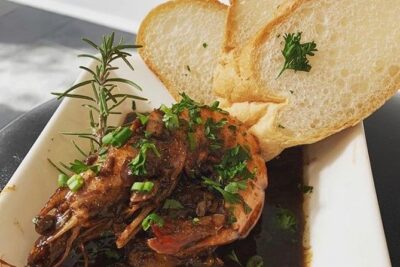
Crawfish etouffee (or a similar Louisiana classic on the menu) brings another texture and flavor angle: sauce-like richness, warm spice, and a method that’s easier to replicate at home once you understand what the chef is aiming for.
Another Creole main: shrimp or chicken creole
This one rounds out the meal and helps show the broader Creole approach—how you can build flavor around a protein and still keep the dish distinctly Louisiana.
Dessert: bread pudding, bananas foster, pralines, pecan pie
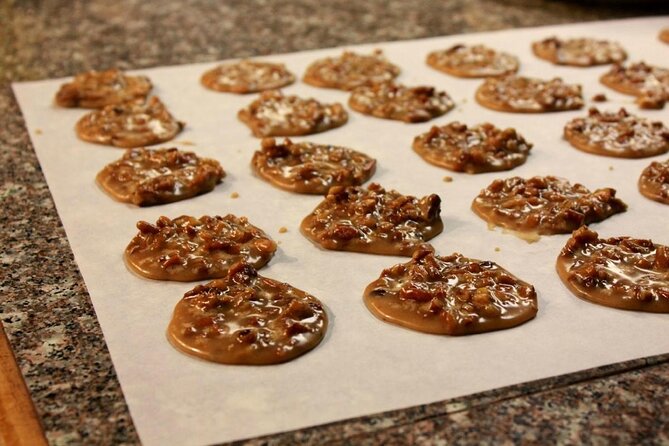
This is where the class leans hard into local sweet traditions. You may see several desserts on the day (the class menu commonly includes bread pudding, bananas foster, pralines, and pecan pie). It’s a lot of dessert, but in a way that matches the rest of the experience: watch a dish concept develop, then taste it while the explanation is still fresh.
Drinks that keep the pace friendly
Coffee, iced tea, water, and one local beer are included. That drink pairing is practical. You’ll be tasting rich dishes, so the iced tea and coffee help reset your palate, and the beer keeps the vibe relaxed without turning it into a long bar stop.
Chef Stories, the Roux Secret, and Why the Lesson Lands

The best part of this class isn’t only the food—it’s the explanation style. The chefs tend to walk through what they’re doing and why, and they share food history along the way. Names you might hear from instructors in different sessions include Lynn, Eric, Dianne, Viviane, Austin, Rene, and Terri. You’re not guaranteed a specific chef, but the format stays consistent: clear steps, room for questions, and plenty of Louisiana context.
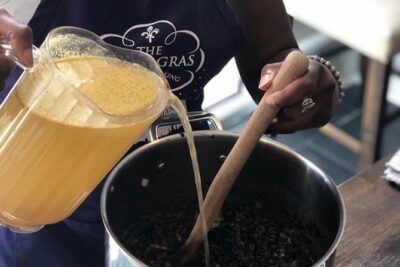
One highlight from this experience is how often people leave talking about roux and seasonings. That’s important for you because roux is one of those cooking steps where guesswork leads to disappointment. If you’ve ever tried gumbo or thickened sauces at home and wondered why they didn’t come out right, the chef’s explanation can help you understand the goal—color, aroma, and thickness—and then you can adjust more confidently later.
Also, the talk usually includes the cultural story behind Cajun and Creole cuisine. Even if your interest is mostly about eating, that context helps the flavors make sense. It turns your questions from random curiosity into real cooking insight: you’ll understand how ingredients and techniques became part of the region’s identity.
French Quarter Context Without the Full Tour Package
The itinerary includes a French Quarter stop, but what you take from it is more about context than a sightseeing checklist. Expect the class to keep pointing you back to the city’s culinary roots—how neighborhood life, culture, and ingredient traditions shaped what ends up on the table.
If you’re hoping for a big street-by-street walking tour, this isn’t built that way. Instead, it gives you a quick tie-in to place and then returns you to the main action: live cooking and eating.
Recipes and a Diploma for Cooking at Home
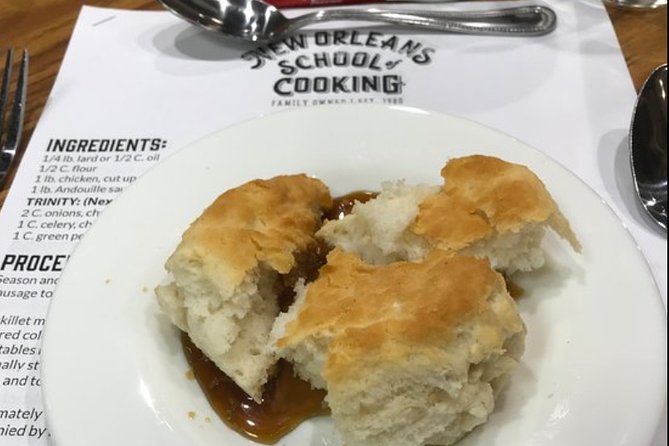
You’ll leave with a copy of the class recipes. That matters because a demo is only fun if you can recreate it. When you get the recipes with the instructions you heard during the session, you’re far more likely to actually make the dishes after your trip ends.
There’s also a fun incentive: you can receive a diploma by submitting photos from cooking the recipes at home. It’s a small touch, but it nudges you from tourist mode into repeat-cook mode, which is where the value really shows up.
Price and Value: What $43 Gets You
At $43 per person for about two hours, this class is priced in the “worth it if you eat” category—and that’s exactly what it is. What you’re buying isn’t just observation time. You’re getting:
- A full meal sampling that covers starter, multiple mains, and several desserts
- Coffee, iced tea, water, plus one local beer
- Recipes to take home
If you price out the food alone in New Orleans, this starts to look like a bargain—especially because the meal is served alongside the cooking instruction. You’re not choosing between learning and eating. You get both at the same time.
The main reason the value works is pacing. Two hours keeps it from dragging, and the menu coverage keeps you from feeling like you paid to watch one dish only. And because the class teaches technique (like roux), the $43 feels less like entertainment and more like a usable cooking lesson.
Dietary Restrictions: Substitutions Exist, But Read This Carefully
The class can accommodate dietary restrictions, but there are limits you should plan around. For a $5 upcharge payable at check-in, you can receive substitutions: gumbo z’herbes (soup) and creole z’herbes (entree). The substitutions are described as vegan, gluten-free, and nut-free.
However, an important detail: these substitution meals are not the ones being demonstrated. The demo recipes themselves can’t always be swapped, so depending on your restrictions, you may be offered the soup and not every demonstrated course.
What I recommend: after booking, contact the reservations line to flag your dietary needs. Then, on arrival, inform the stewards. That way you avoid the stressful last-minute scramble and get exactly what you’re eligible for.
Group Size, Hearing, and Seating: A Practical Consideration
This class has a maximum of 68 travelers. That size is normal for a popular cooking school demo, but it can affect your experience.
If you’re far back or if people are talking while the chef is working, it can be harder to hear the explanation. The content is still there in the recipes and food, but you’ll get more out of it if you can follow the chef’s step-by-step notes. If you want the most out of the learning portion, arrive a touch early and choose a seat that gives you clear sightlines.
Also, this is a lively setting. That’s part of the charm. It’s not a quiet, library-like lecture.
Logistical Notes That Actually Matter
You’ll get a mobile ticket, which helps you move quickly once you arrive. The location is near public transportation, so you don’t need a car to make it happen.
Gratuities aren’t included, and 15–20% is recommended. One small practical tip from the vibe of the experience: people often plan to have cash on hand for tips so it’s quick and easy.
Who Should Book This Class?
This is a great fit if you want a fun, structured introduction to Louisiana food culture in a short time. It’s also a strong choice if you like learning while you eat, because you’re tasting as the chef is teaching.
It’s less ideal if you want hands-on cooking. Since it’s strictly a demonstration, you won’t chop, stir, or cook during the class. Also, if you need a super-quiet experience or a very small group, the class size can feel bigger than expected.
Should you bring a group?
Yes, but with realistic expectations. You’ll all enjoy the food and the stories, and you’ll still have a shared “watch and taste” moment. Just keep in mind the room can get active.
Should You Book This New Orleans Cooking Demo?
Book it if you want a high-value meal plus real cooking context in about two hours. The included food coverage, the drinks, and the take-home recipes make it practical—especially if you like the idea of bringing Louisiana flavors home instead of just tasting them once.
Skip or reconsider if you strongly prefer hands-on cooking, need a small quiet class, or rely on hearing every word to learn. In that case, choose your seat carefully and go in with the mindset of a food show plus a recipe handoff.
If your goal is simple—eat your way through gumbo, jambalaya, etouffee-style comfort, and classic desserts while learning the why behind the technique—this is one of the smartest ways to spend an evening in New Orleans.
FAQ
Is this class hands-on?
No. It is a demonstration class only, so you watch the chef prepare the dishes and then enjoy the samples. There is no hands-on cooking training.
How long does the cooking class last?
The class runs about 2 hours (approx.).
What food and drinks are included?
You get a full meal with generous sampling of items prepared, plus coffee, iced tea, water, and one local beer.
What dishes might be on the menu?
The menu can include items such as corn and crab bisque, gumbo, jambalaya, shrimp or chicken creole, crawfish etouffee, bread pudding, bananas foster, pralines, and pecan pie. The exact lineup can vary.
Can you accommodate dietary restrictions?
Yes. Dietary restrictions can be accommodated, but you must contact reservations after booking. For a $5 upcharge at check-in, you can receive vegan, gluten-free, nut-free substitutions (gumbo z’herbes and creole z’herbes). Substitutions are discussed and provided, but they are not necessarily the recipes demonstrated during the class.
Do I get recipes to take home?
Yes. You receive a copy of the class recipes.
What is the cancellation policy?
You can cancel for a full refund up to 24 hours in advance. If the experience is canceled due to poor weather, you’ll be offered a different date or a full refund.
More Cooking Classes in New Orleans

More Tour Reviews in New Orleans


More Cajun & Creole Cooking
Just added to The New Orleans Traveler



Cajun & Creole Cooking Classes, compared.
 ★ 5.0French Quarter Food Tour: Cajun, Creole and CultureFrom $811,246 reviews
 ★ 5.0Hands-On Cooking Class with MealFrom $1621,183 reviews
 ★ 4.9Cajun and Creole Cooking ClassFrom $40730 reviews
 ★ 5.0Hands-on Cajun Roux Cooking Class in New OrleansFrom $163356 reviews
 ★ 5.0Hands-on Cajun Traditions Cooking ClassFrom $163132 reviews
 ★ 4.5Cooking Class and Cocktail Walking TourFrom $105109 reviews
 ★ 5.0Small-Group Food Walking Tour and Cooking ClassFrom $10847 reviews
 ★ 5.0Taste of Gumbo Food Walking TourFrom $8122 reviews
Browse the lists this tour appears in