
Reviewed · FOOD TOURS
New Orleans Small-Group Food Walking Tour and Cooking Class
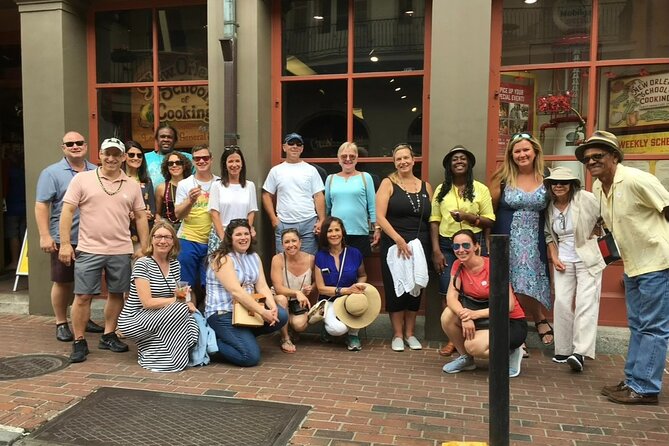
New Orleans food walks come with real stories; this tour pairs a French Quarter stroll with a cooking demonstration at the New Orleans School of Cooking. You’ll be on the move for about 5.5 hours, and the big win is that your ticket includes all bites and drinks so you’re not doing the math every stop.
I like how the experience ties food to the place you’re walking through, not just handing you a plate and sending you on your way. The demo part also feels laid-back, with enough food for lunch once class is done.
My favorite part is the classic lineup of Louisiana comfort food: you’ll get to try dishes you might not think to order on your own, and you’ll hear the stories behind them as you walk. I also like the clear structure of the sample menu—biscuit with molasses, gumbo, jambalaya, bread pudding, and pralines—so you’re not wondering what you’re paying for. The main drawback to know up front: this tour focuses on set tastings, so there are no substitutions, and many traditional dishes include pork (so flag true allergies before you go).
In This Review
- Key Things to Know Before You Go
- French Quarter Food, With a Cooking Lesson Attached
- The French Quarter Stops: Eat, Walk, and Get Context
- What You’ll Sample: The Menu That Sets Expectations
- Starter: Biscuit with molasses
- Main: Gumbo
- Main: Jambalaya
- Dessert: Bread pudding
- Dessert: Pralines
- Cooking Demonstration at the New Orleans School of Cooking
- Is it hands-on?
- What might you learn?
- Drinks and alcohol rules during lunch
- Timing, Pace, and How to Plan Your Day
- Price Check: Getting Value From $108.60
- Who This Tour Fits Best (and Who Might Want Another Option)
- Should You Book This New Orleans Food Walk and Cooking Class?
- FAQ
- What time does the tour start?
- How long is the experience?
- What food and drinks are included?
- Is alcohol included?
- Is the cooking class hands-on?
- Can I cancel for a refund?
- Are substitutions available for allergies?
Key Things to Know Before You Go
- All-in tastings: About 6–7 food and beverage stops are included in the ticket price.
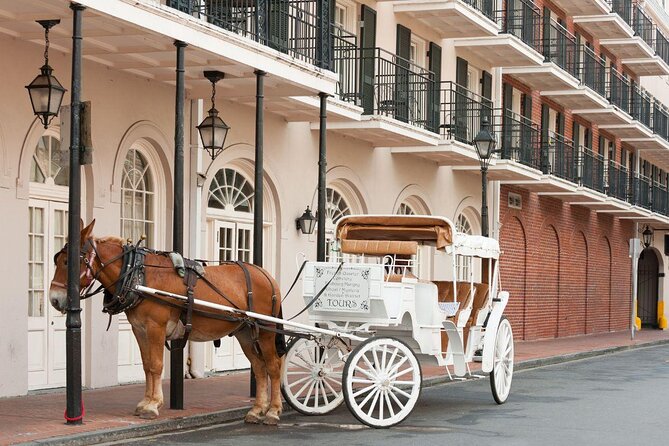
- French Quarter walking route: You’ll move through the area hitting places tied to local favorites and cookbooks.
- Cooking demonstration included: You’ll attend a class at the New Orleans School of Cooking, with enough food for lunch.
- Sample menu hits the classics: biscuit with molasses, gumbo, jambalaya, bread pudding, and pralines.
- Alcohol rules are real: You must be 21+ for alcoholic drinks, and ID may be checked.
- Plan for set menu limits: The tour doesn’t offer substitutions, and pork shows up in many dishes.
Still hungry? More gumbo, po'boys and beignets
- New Orleans Food Walking Tour of the French Quarter with Small-Group Option★ 5.0 · 6,118 reviews
- New Orleans Food and History Walking Tour★ 5.0 · 1,544 reviews
- New Orleans French Quarter Food Tour: Cajun, Creole and Culture★ 5.0 · 1,246 reviews
- French Quarter walking Food Tour Famous Flavors of New Orleans★ 5.0 · 1,115 reviews
French Quarter Food, With a Cooking Lesson Attached
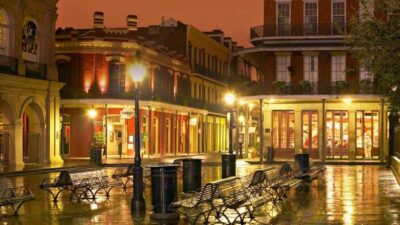
If you like New Orleans best when it’s a mix of history and food, this is a strong match. The tour’s setup is simple: you start with a small-group walking route through the French Quarter food scene, then you finish at a cooking school for a demonstration.
What makes this format work for your time is that you don’t just learn about dishes in theory. You taste first, then you see how the pieces come together in the kitchen. And because your ticket covers most of the eating for the day—bites, drinks, and a lunch-size amount at the class—you’ll feel like you actually got value instead of spending the rest of the afternoon calculating what you still have to pay for.
The French Quarter Stops: Eat, Walk, and Get Context
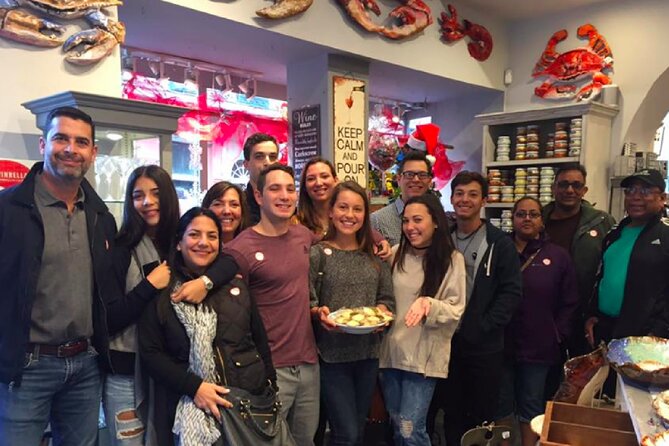
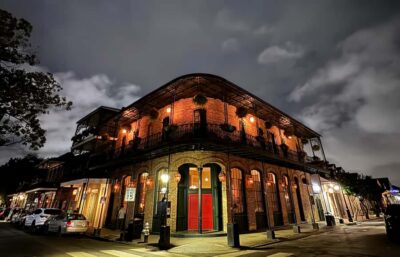
This tour starts at 600 Royal St at 10:30 am, and it stays centered in the French Quarter area. The walk is built around a handful of food and drink tastings—about 6–7—at spots recommended in cookbooks, plus some places that aren’t just a restaurant with a menu board.
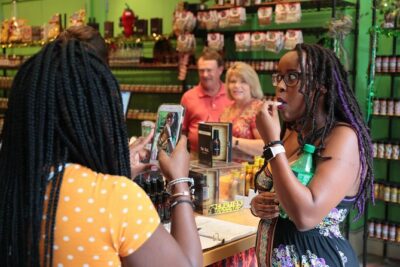
Here’s what that means in practice: you’ll be sampling a range of Louisiana flavors, not only the loudest tourist hits. The guide’s job is to connect each taste to the city—how ingredients, traditions, and local culture shaped what people eat today. That context matters, because New Orleans food can feel like a buffet of stories once you start hearing why each dish exists.
Two practical tips:
- Come hungry but pace yourself. Multiple tastings add up fast, and you’ll likely want to save room for the bigger comfort-food dishes later.
- Wear comfortable shoes. This is a walk-first experience, and you’ll cover enough ground that sore feet would ruin the whole point.
As for the guide experience, you may hear a lot of lively, history-and-culture storytelling styles—people have credited guides such as Milton, Jack, Kristi, Laurent, Susan, Russell, Jake, and others with keeping the group moving on schedule while mixing humor with clear explanations. If you’re the type who remembers cities by the stories you heard while walking, that’s your kind of tour.
What You’ll Sample: The Menu That Sets Expectations
The exact stops and items can change, because menu items and stops are interchangeable. But the sample menu gives you a strong idea of the core “Louisiana comfort food” path the tour follows.
Starter: Biscuit with molasses
You’ll start with a biscuit with molasses. It’s served with nonalcoholic drinks like water, iced tea, and lemonade, plus Abita beer as an option. Think of this as your sweet-and-warm opening act—simple, Southern, and a great warm-up for what’s coming.
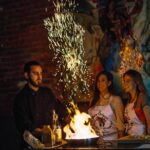
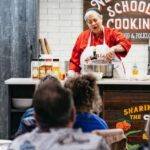
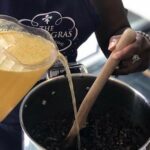
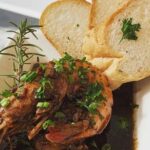
Back to the stove for more Creole cooking
Main: Gumbo
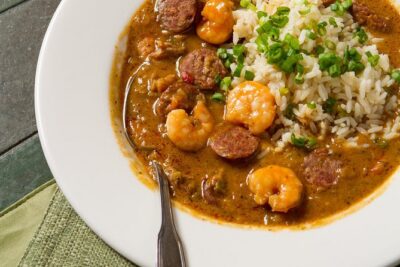
Gumbo is the next anchor dish. It’s served with water, iced tea, lemonade, plus coffee in a morning class, and it may include Abita beer as well. The key here isn’t just that it tastes great; it’s that gumbo is one of those dishes that teaches you how New Orleans blends ingredients and influences into one bowl.
Main: Jambalaya
Then comes jambalaya, again paired with water, iced tea, lemonade, coffee (morning class), and possibly Abita beer. Jambalaya is often the dish people end up loving once they understand it’s not one flavor—it’s a mix of seasonings and technique. It’s satisfying, hearty, and built for a day when you’ll be walking.
Dessert: Bread pudding
After savory comes bread pudding. It’s served with water, iced tea, lemonade, and coffee (morning class) plus Abita beer as an option. This is a smart dessert choice for a walking day because it’s comforting, filling, and not overly complicated to enjoy on the move.
Dessert: Pralines
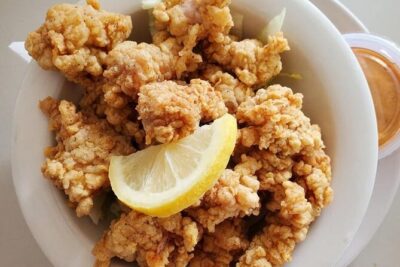
Finally, you’ll get pralines. These are sweet, nutty, and very New Orleans in spirit. They’re also the kind of taste that sticks with you when you get home, because they’re one of the city’s most recognizable dessert flavors.
One more thing to keep in mind: the tour notes that many authentic Louisiana dishes include pork. If you don’t eat pork or you have a real allergy, you’ll need to notify the operator before the tour, because set tastings don’t allow swapping.
Cooking Demonstration at the New Orleans School of Cooking
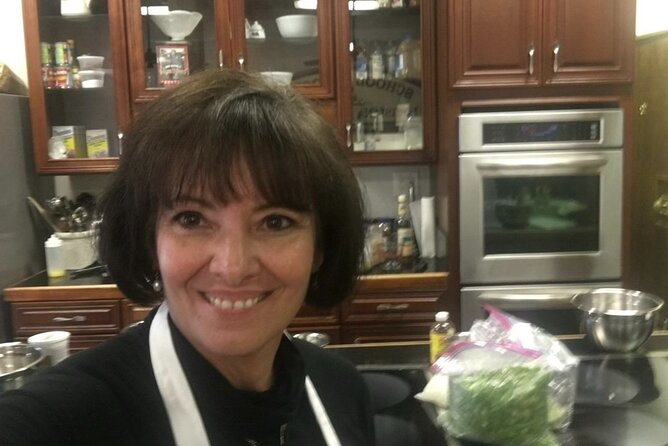
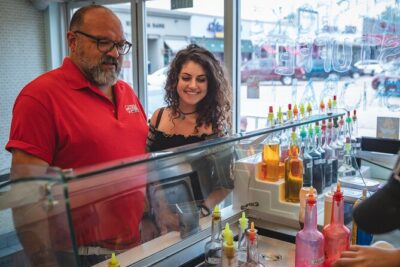
After your French Quarter walking portion, you’ll head to the New Orleans School of Cooking for the demonstration. This is the “two-in-one” part that makes the ticket feel more than a normal food walk.
The vibe is described as fun and relaxed, and the class includes enough food for lunch. That’s important. A lot of cooking classes feel like show-and-taste, where you get a few bites and then you’re done. Here, you’re eating enough that it can genuinely take care of your midday meal.
Is it hands-on?
Based on past experience shared about the class, the cooking lesson is not strictly hands-on for everyone. It’s more of a demonstration with teaching and storytelling. You’ll still learn technique and context, but don’t plan your day like you’re signing up to chop, stir, and plate as the lead chef.
What might you learn?
You should expect historical context for the food you’re eating. People have also mentioned lessons around Cajun vs Creole cooking differences, so if that’s your interest, this demo is likely to touch that topic at least in spirit. Exact content can vary by day, but the focus stays on how classic Louisiana dishes work in real kitchens.
Drinks and alcohol rules during lunch
In the sample menu for the class portion, dishes are served with water, iced tea, lemonade, and often coffee (morning class). Abita beer appears on the sample list as well. Just remember: if you’re not 21+, you won’t be served alcoholic drinks, and you may be asked for ID.
Timing, Pace, and How to Plan Your Day
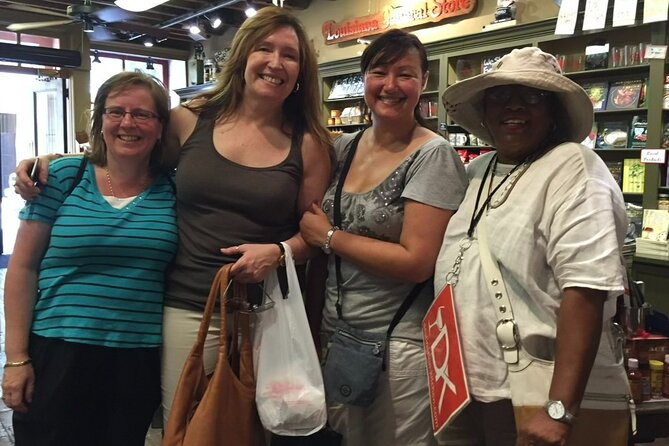
The tour starts at 10:30 am and runs about 5 hours 30 minutes on average, and it ends back at the meeting point on 600 Royal St. The group size is limited to a maximum of 18 people, which helps keep the pace from turning into a long line shuffle.
A practical scheduling note: even though the tour duration is listed at around 5.5 hours, some people have found the cooking part can feel like additional time at the end—sometimes with a short wait before class starts. That doesn’t mean the experience is bad; it just means you should avoid booking a tight dinner reservation right after, or anything that leaves no buffer.
To keep it easy:
- Plan a casual afternoon after the tour.
- Eat lightly beforehand if you’re prone to feeling overfull from lots of tastings.
- Bring patience for the demo start time, especially if the class has a set schedule.
Price Check: Getting Value From $108.60
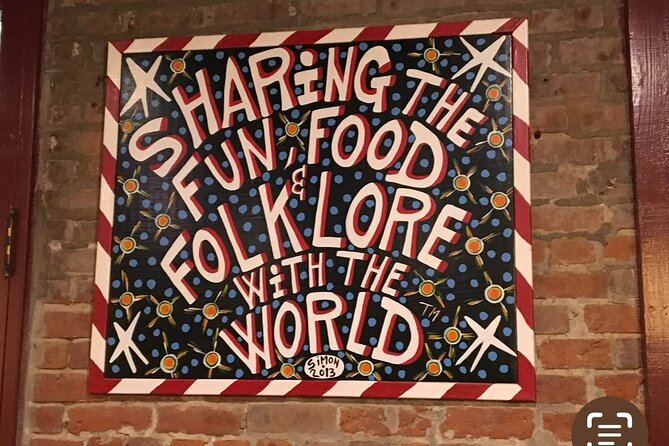
At $108.60 per person, this isn’t the cheapest way to eat in New Orleans. But it can be good value for three reasons.
First, your ticket includes the tasting portion: about 6–7 food and beverage stops, with drinks included in the tour cost. That alone matters in New Orleans, where a day of ordering one thing at a time can add up quickly.
Second, the cooking demonstration is folded into the experience, and the class portion provides enough food for lunch. If the demo included only small bites, you might feel the cost more. But a lunch-size portion makes the price easier to justify.
Third, you’re paying for guided context. The guide isn’t only moving you between places; they’re linking the dishes to the city and its food traditions. That makes the tastings more memorable and useful, especially if you want to eat the city beyond the tour.
My bottom line: if you want both a guided food walk and a real cooking-school stop in one day—without having to plan meals around the city—this price can feel fair.
Who This Tour Fits Best (and Who Might Want Another Option)
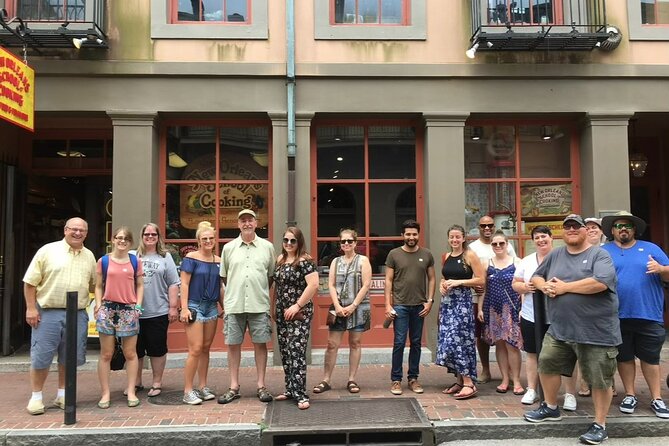
This is best for you if:
- you want an organized way to sample classic Louisiana foods in a single morning and early afternoon,
- you like your food tours with history and culture woven into the tasting,
- you’re interested in learning cooking ideas you can use later, even if the class is more demonstration than hands-on.
You might think twice if:
- you need strict dietary substitutions. This tour focuses on set tastings and doesn’t offer substitutions,
- you have a pork restriction or a serious allergy. Many Louisiana dishes include pork, and you must advise the operator ahead of time,
- you dislike schedules with any waiting time before the demo starts. Some people report a gap between the walk and the class start.
Should You Book This New Orleans Food Walk and Cooking Class?
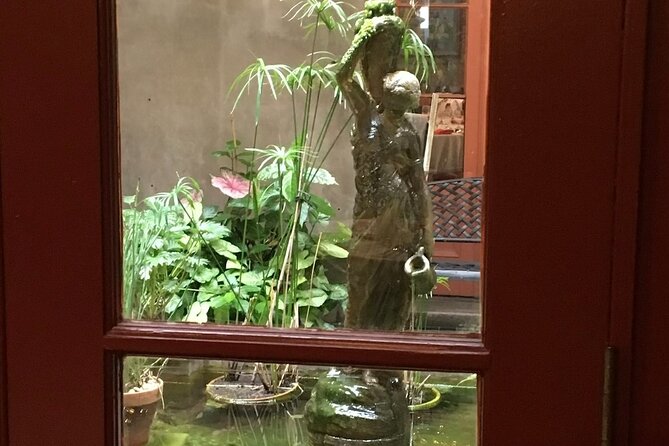
My call: yes, if your goal is a full New Orleans food day without guessing. The combination of French Quarter tastings plus a cooking-school demonstration is a solid deal when you want both eating and learning.
Book it sooner than later—on average it’s booked about 25 days in advance—so if your dates are fixed, secure your spot and set your expectations. Wear good shoes, bring your appetite, and flag allergies early. If you do those things, you’ll leave with the city’s flavors in your head and a few cooking ideas you can actually try later.
FAQ
What time does the tour start?
The start time is 10:30 am. The activity ends back at the meeting point on 600 Royal St.
How long is the experience?
It runs about 5 hours 30 minutes on average.
What food and drinks are included?
The tour includes approximately 6–7 food and beverage tastings. The cooking demonstration also includes food for lunch. A sample menu includes biscuit with molasses, gumbo, jambalaya, bread pudding, and pralines, with drinks such as water, iced tea, lemonade, and possibly coffee and Abita beer depending on the dish and class timing.
Is alcohol included?
Alcohol such as Abita beer is included on the sample menu, but only for participants over 21. You may be asked to show valid identification.
Is the cooking class hands-on?
The cooking lesson is a demonstration rather than described as a hands-on workshop for everyone.
Can I cancel for a refund?
You can cancel for a full refund if you cancel at least 24 hours before the experience starts. If you cancel less than 24 hours before, the amount paid is not refunded. If the experience is canceled due to poor weather, you’ll be offered another date or a full refund.
Are substitutions available for allergies?
The tour highlights set tastings and does not offer substitutions. You should advise the operator of any true food allergies in advance, and note that many authentic Louisiana dishes include pork.
More Tour Reviews in New Orleans

More Cajun & Creole Cooking
More Ways to Eat New Orleans


Just added to The New Orleans Traveler
Food Tours, compared.
 ★ 5.0Food Walking Tour of the French Quarter with Small-Group OptionFrom $756,118 reviews
 ★ 5.0Food and History Walking TourFrom $851,544 reviews
 ★ 5.0French Quarter Food Tour: Cajun, Creole and CultureFrom $811,246 reviews
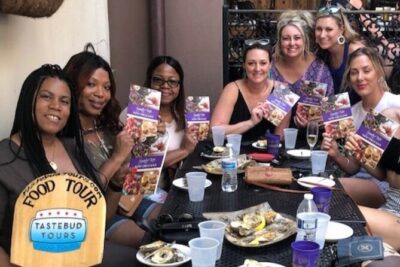 ★ 5.0French Quarter walking Food Tour Famous Flavors of New OrleansFrom $751,115 reviews
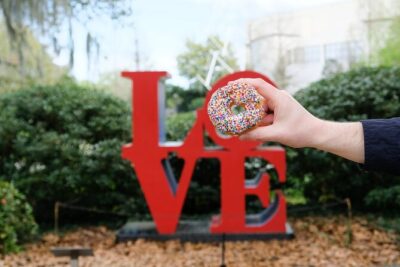 ★ 5.0Delicious Donuts & Beignets: A Sweet Walking TourFrom $70928 reviews
 ★ 5.0Cocktail and Food History TourFrom $160819 reviews
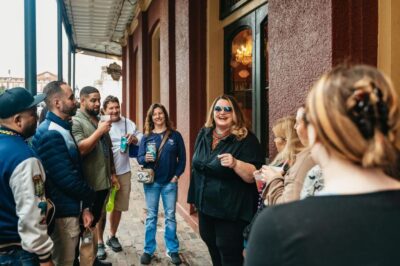 ★ 4.9French Quarter Food History Walking TourFrom $85713 reviews
 ★ 4.5French Quarter walking Food Tour: Signature Tastes of New OrleansFrom $85592 reviews
Browse the lists this tour appears in