
Reviewed · FRENCH QUARTER TOURS
New Orleans: French Quarter Food History Walking Tour
New Orleans can be learned with food. This French Quarter tour strings together classic bites and short history lessons as you walk between old-school restaurants and specialty shops. I like the variety here, from savory street food to Creole sweets. I also like that the format gives you context for why each dish exists, not just a list of what to eat.
You’ll start in the heart of the Quarter at 3rd Block Depot for a Cajun-style gumbo with warm potato salad, then keep rolling through hot sauce samples, pralines, two of New Orleans’ best sandwiches, and a final dessert stop. One consideration: this is mostly set tastings, and the tour does not offer gluten-free, dairy-free, or vegan options.
In This Review
- Key things that make this tour worth your time
- A 3-hour French Quarter plan that actually makes sense
- 3rd Block Depot gumbo: the Cajun anchor at the start
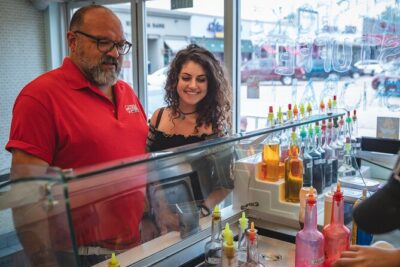
- Hot sauce bar stop: your heat level, on your terms
- Leah’s Pralines: Creole candy culture and a sweet detour
- Catfish po-boy and the seafood story behind it
- Muffuletta plus boudin balls: two New Orleans signatures
- Creole Cookery and red beans and rice: comfort with purpose
- Bananas foster bread pudding: the sweet finish that earns its place
- Vegetarian option that doesn’t feel like a consolation prize
- Price and value: what $85 buys you in real terms
- Guide matters: when your guide turns bites into stories
- Should you book it? My take
- FAQ
- How long is the New Orleans French Quarter Food History Walking Tour?
- Where do I meet the guide?
- How many food samples do I get?
- Is there a vegetarian option?
- Does the tour offer vegan or gluten-free options?
- Is alcohol included?
- What is the cancellation policy?
- Is the tour wheelchair accessible?
Key things that make this tour worth your time

- Gumbo + potato salad at 3rd Block Depot sets the Cajun baseline fast, then you build from there.
- A dedicated hot sauce bar stop lets you sample fiery varieties and figure out your heat level.
- You get both icons: po-boy and Muffuletta, plus extras like boudin balls.
- Stops mix Creole restaurants, candy shops, and hole-in-the-wall-style spots, so it feels local.
- The sweet finish is bananas foster bread pudding, timed to keep you full but not miserable.
- A Vegetarian Option exists (request at checkout), with black-eyed pea soup, veggie jambalaya, and Portobello po-boys.
More ways to wander the Vieux Carre
- New Orleans Food Walking Tour of the French Quarter with Small-Group Option★ 5.0 · 6,118 reviews
- New Orleans French Quarter, Voodoo and Culture Walking Tour★ 4.5 · 2,961 reviews
- French Quarter Historical Sights and Stories Walking Tour★ 5.0 · 2,724 reviews
- Ghost and Vampire Walking Tour Of The French Quarter★ 4.5 · 2,406 reviews
A 3-hour French Quarter plan that actually makes sense
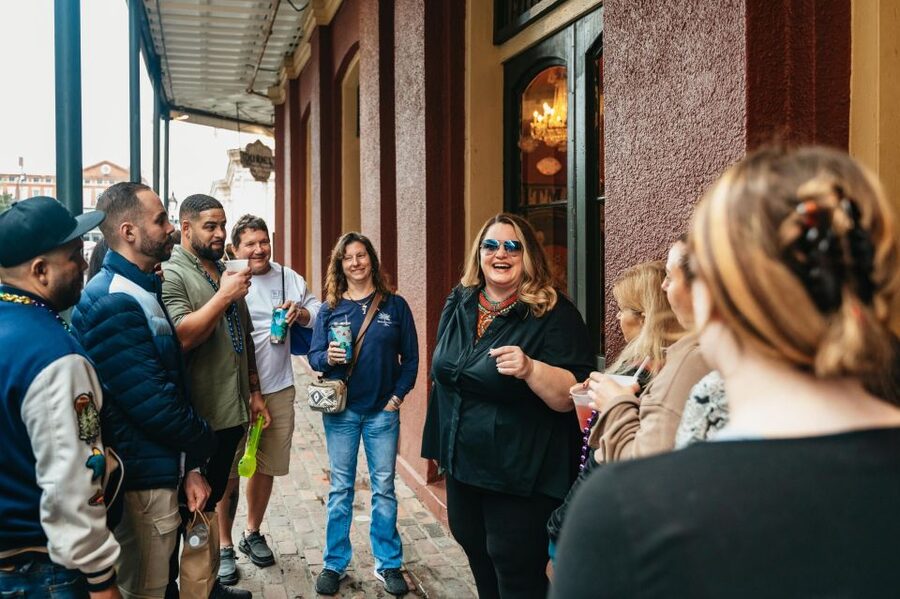
If you only do one thing food-wise the first day you arrive, I get it. The Quarter can feel like sensory overload. This tour helps you slow it down. It’s built around a simple idea: eat a bunch of Louisiana staples, then learn how the city’s Creole and Cajun influences shaped them.
For $85, you’re not just paying for “a few snacks.” You’re paying for:
- A guided walking route through the French Quarter
- Up to 8 food samples (described as up to 9 tastings)
- Water
- Tips to servers/waitstaff
- A guide who connects the dots between what’s on your plate and how New Orleans became New Orleans
You’ll also be moving at a steady walking pace, with short stretches between stops. It’s rain or shine, so plan on staying flexible. And because most stops have fully stocked bars, you can buy a cold drink if you want one. Alcohol and soft drinks aren’t included in the price.
3rd Block Depot gumbo: the Cajun anchor at the start
You meet at 316 Chartres St, inside 3rd Block Depot. The tour begins there for a reason. Gumbo is the kind of dish that works as a starting point because it brings together multiple influences—seasoning, technique, and the idea of a hearty bowl that can feed a crowd.
At this first stop, you’ll get rustic, Cajun-style gumbo served with warm potato salad. That pairing matters. Potato salad isn’t always what you expect with gumbo, so it immediately tells you you’re not in chain-restaurant territory. This is the “get grounded” bite before the tour starts branching into sandwiches, sweets, and spicy stuff.
A practical note: gumbo is filling, so if you show up even slightly hungry, you’ll be glad. The tour keeps your energy up later, but it’s smart to start ready.
Hot sauce bar stop: your heat level, on your terms
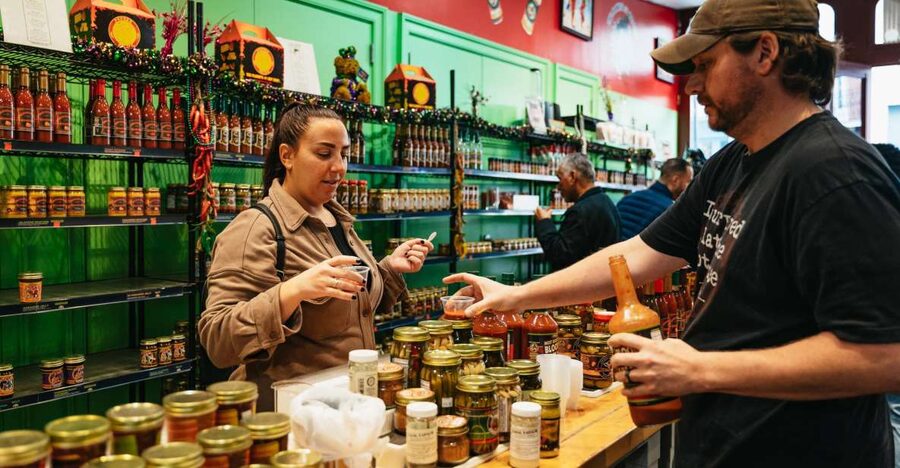
Next you’ll hit a hot sauce bar where you can sample dozens of varieties. This is one of the best parts for two reasons.
First, it turns New Orleans flavor into a hands-on experience. You can taste the range: bright vinegar tang, smoky notes, and different chili profiles. Second, it gives you a practical takeaway. After this stop, you’ll know what to order when you see sauces later—whether you want gentle warmth or full fire.
One caution: the tour leans toward spicy. You don’t need to make yourself miserable, but you should expect that some samples pack real heat. If you’re sensitive, taste slowly and ask the guide how the sauces differ.
Leah’s Pralines: Creole candy culture and a sweet detour
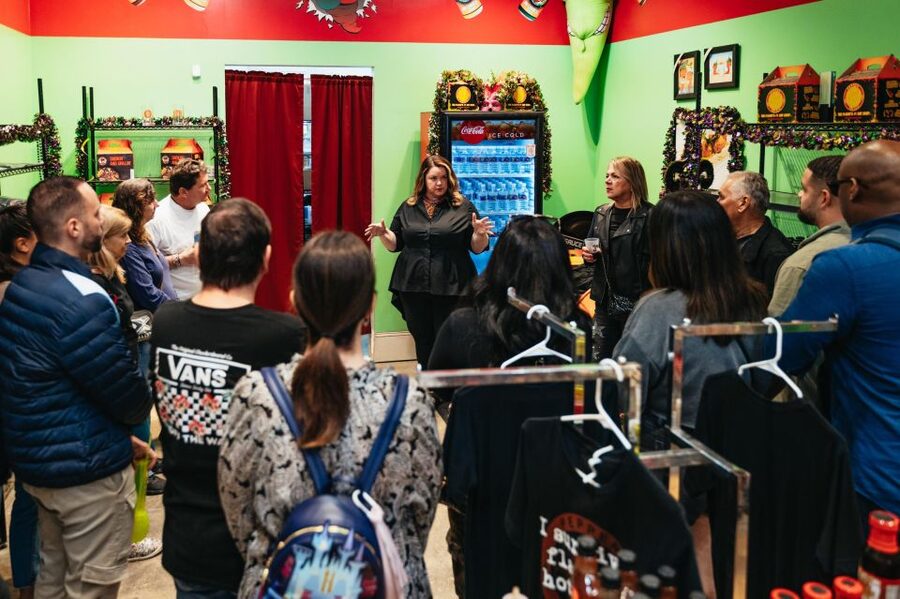
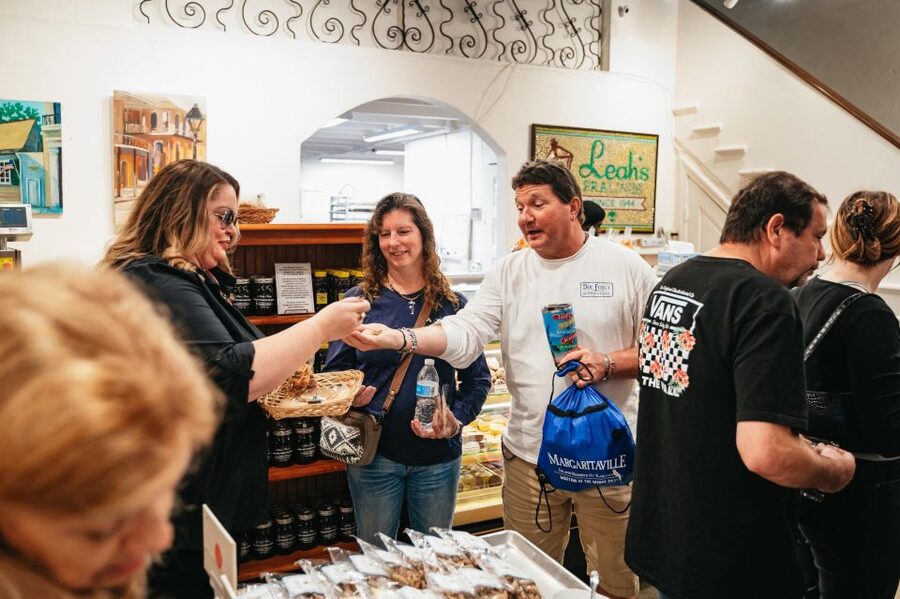
Then you’re off to Leah’s Pralines. This is where the tour shifts gears from savory to sweet, and it’s a smart rhythm change. Pralines aren’t just dessert—they’re part of the Quarter’s identity.
You’ll sample a typical Creole classic (the kind of treat you’ll see referenced all over the city), and you may also try something newer, like bacon pecan brittle. That combo sounds odd if you’re expecting only sugar. In practice, it’s a good example of how this city treats flavors as mix-and-match rather than strict rules.
If you’re planning to shop afterward, this stop helps you understand what to look for: nutty, caramel-ish sweetness; crunchy brittle textures; and the local habit of blending sweet with salty.
Still hungry? More gumbo, po'boys and beignets



Catfish po-boy and the seafood story behind it
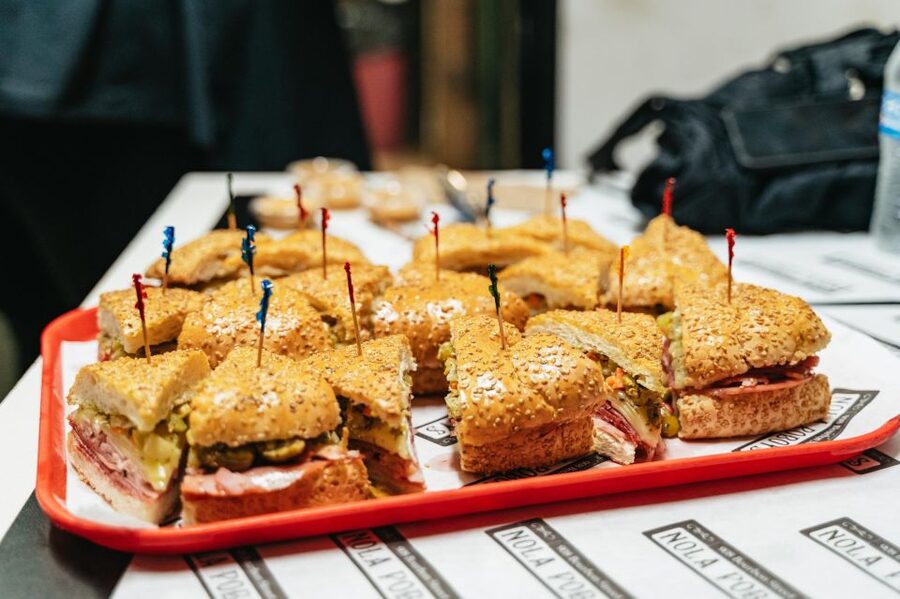
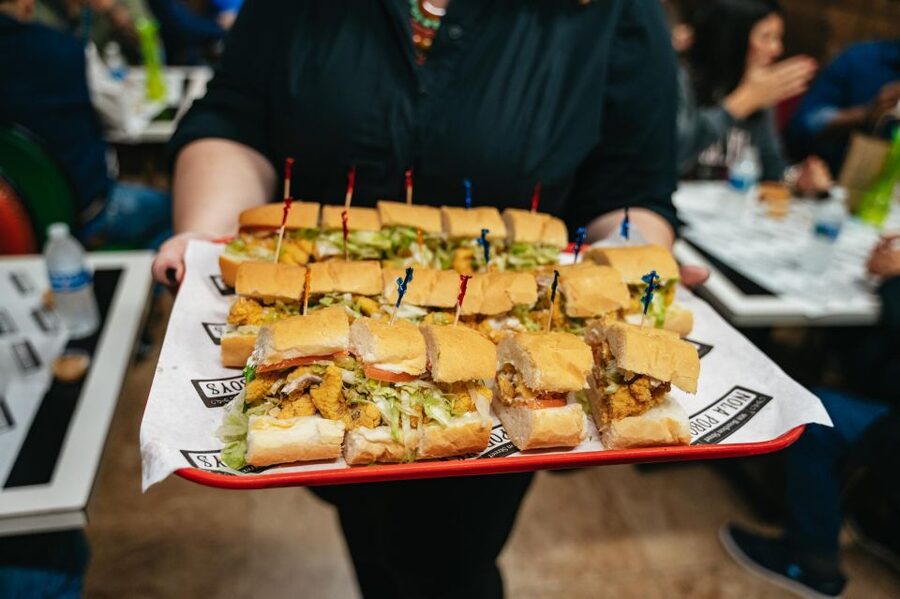
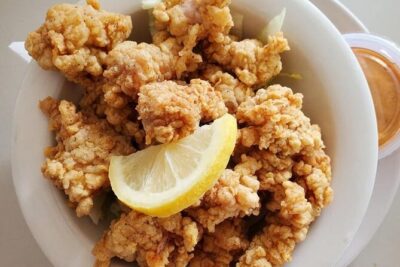
Now you step into two of Louisiana’s most loved sandwiches. You’ll visit NOLA Poboys and get the local context around seafood traditions before you bite into a freshly fried catfish po-boy.
Po-boy culture is all about contrast: crunchy exterior, hot filling, and usually a sauce situation that keeps everything from drying out. The best version doesn’t feel delicate. It’s meant to be eaten with confidence.
A po-boy is also a great “street food literacy” lesson. Once you’ve had one on this tour, you’ll walk through the Quarter later and recognize what’s being promised when places advertise fried seafood, dressed bread, and house sauces.
Muffuletta plus boudin balls: two New Orleans signatures
After the catfish stop, the tour hits another signature: the Muffuletta. This sandwich has its own personality—meaty, layered, and built for flavor that hangs around in the best way.
Right around this moment, you’ll also try boudin balls. If you haven’t encountered boudin before, this is a practical introduction. It’s the kind of sausage-and-rice tradition that New Orleans carries like a family recipe—adapted, popular, and distinctly local.
This portion of the tour is where you’ll feel the “big flavors” stacking up. That’s good, as long as you pace yourself. You won’t want to rush or you’ll miss the differences between bread, fillings, and spices.
Creole Cookery and red beans and rice: comfort with purpose
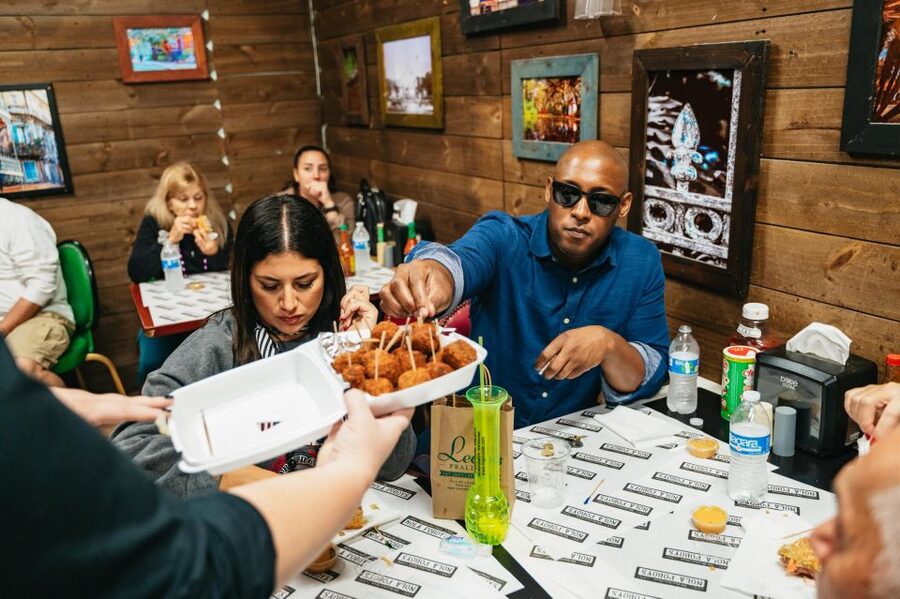
Next up is Creole Cookery, where you’ll tuck into red beans and rice. This dish is famous for good reason. It’s not fancy in the plating sense, but the flavor is built through time and seasoning. It’s the kind of meal that feels like it belongs in a real neighborhood routine, not a tourist menu.
This is also a great pause in the tour’s rhythm. After sandwich and snack intensity, red beans gives you a more steady, grounding bite. If you’re taking pictures, this is one stop where I’d focus less on the photo and more on the spice level, because that’s where the personality lives.
Bananas foster bread pudding: the sweet finish that earns its place
The tour ends on dessert with bananas foster bread pudding. This is a smart final choice because it’s sweet, but it also has warm, comforting notes that match the Quarters’ overall food vibe. Plus, dessert is the easiest way to measure whether the tour has nailed its pacing. If you’re still excited to eat by the end, the schedule did its job.
I’d treat this as your sign to slow down and savor. Take a couple of bites, notice the banana flavor and the bread pudding texture, then stand up and walk afterward without rushing.
Vegetarian option that doesn’t feel like a consolation prize
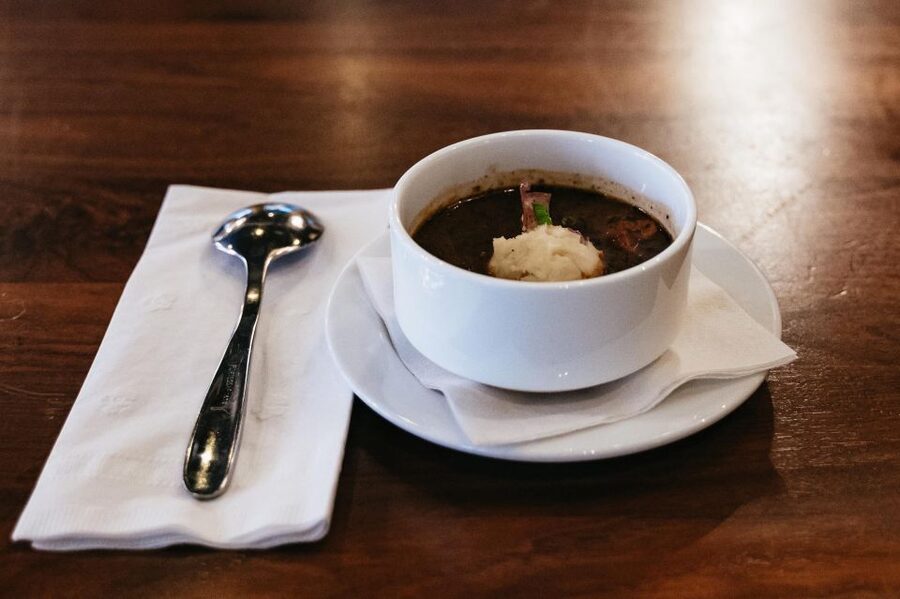
If you’re vegetarian, this tour has a Vegetarian Option you can request at checkout. It includes black-eyed pea soup, veggie jambalaya, Portobello po-boys, and other riff-style Southern classics.
This matters because many “food history” tours either skip vegetarian food or give you something bland that doesn’t match the theme. Here, the vegetarian menu still draws from recognizable Louisiana staples—legumes, jambalaya-style seasoning, and hearty sandwich structure.
Two practical cautions from the tour’s info:
- There’s no gluten-free, dairy-free, or vegan option.
- If you have food allergies, notify the activity provider when booking.
If you’re vegetarian but also avoiding specific ingredients, you’ll want to double-check what’s possible before you assume anything.
Price and value: what $85 buys you in real terms
Let’s talk value like adults. For $85 per person, you get a 3-hour guided walk and a set of tastings that cover multiple food categories:
- Gumbo and comfort food
- Hot sauce sampling
- Pralines and candy-style sweets
- Two major sandwich styles (po-boy and Muffuletta)
- Rice-and-beans comfort again
- Dessert
That mix is the point. You’re not trying to cram 10 different meals into one day. You’re sampling a curated set of flavors that explain the city’s food logic. And you’re paying for time: planning, route management, guides leading you to the right stops, plus water during the walk.
You’re also not paying extra for the included tasting portion. Alcohol and soft drinks are your call, since bars show up at many stops—but the tour itself doesn’t require you to buy a drink to enjoy it.
Guide matters: when your guide turns bites into stories
One pattern shows up across guide names like Beth, Gary, Dylan, Meg, John, and Mike. The common thread is storytelling that connects the food to the neighborhood. People specifically praised guides for connecting history to dishes and keeping the group engaged.
Even better: the pacing gets called out as steady. You’re not usually sprinting from place to place. The walk feels manageable, and the stops give you enough time to actually eat and listen.
Still, plan around the fact that it’s a walking group experience. If you’re someone who gets overwhelmed by noise, very crowded interiors, or chaotic service, choose your posture. Focus on the guide’s explanations and ask for help if you need accommodations in seating at a stop.
Should you book it? My take
Book this tour if:
- You want a fast, organized way to eat major French Quarter staples
- You like food with context, not just food on a plate
- You’re excited by hot sauce sampling and don’t mind getting a bit spicy
- You’re vegetarian and want a real option (black-eyed pea soup, veggie jambalaya, Portobello po-boys)
Skip it or double-check details if:
- You need gluten-free, dairy-free, or vegan options (the tour doesn’t offer these)
- You have strong mobility limits, because it’s a walking format with multiple on-foot segments
- You require strict dietary swaps, since the tour is built around set tastings
FAQ
How long is the New Orleans French Quarter Food History Walking Tour?
It’s a 3-hour guided walking tour.
Where do I meet the guide?
Meet inside 3rd Block Depot restaurant at 316 Chartres St.
How many food samples do I get?
The tour includes up to 8 food samples, and it’s described as offering up to 9 tastings.
Is there a vegetarian option?
Yes. You can request the Vegetarian Option at checkout. It includes items like black-eyed pea soup, veggie jambalaya, and Portobello po-boys.
Does the tour offer vegan or gluten-free options?
No. The tour data says it does not have gluten-free, dairy-free, or vegan options, and it is listed as not suitable for people with gluten intolerance.
Is alcohol included?
No. Alcoholic beverages or soft drinks are not included, though many stops have bars where you can purchase drinks.
What is the cancellation policy?
You can cancel up to 24 hours in advance for a full refund.
Is the tour wheelchair accessible?
It’s listed as wheelchair accessible, but it’s also listed as not suitable for people with mobility impairments. If mobility is a concern, check with the provider before booking.
More Tour Reviews in New Orleans


More Ways to Eat New Orleans
More of the French Quarter



Just added to The New Orleans Traveler


French Quarter Tours, compared.
 ★ 5.0Food Walking Tour of the French Quarter with Small-Group OptionFrom $756,118 reviews
 ★ 4.5French Quarter, Voodoo and Culture Walking TourFrom $272,961 reviews
 ★ 5.0French Quarter Historical Sights and Stories Walking TourFrom $352,724 reviews
 ★ 4.5Ghost and Vampire Walking Tour Of The French QuarterFrom $212,406 reviews
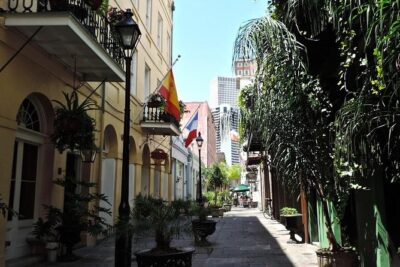 ★ 4.5City Tour: French Quarter, Garden District & CemeteryFrom $402,209 reviews
 ★ 5.0French Quarter Food Tour: Cajun, Creole and CultureFrom $811,246 reviews
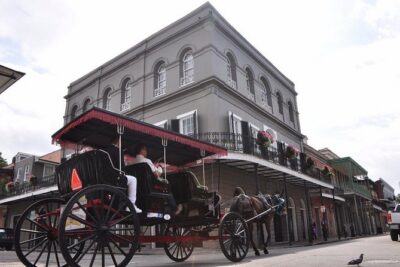 ★ 5.0French Quarter and More Carriage RideFrom $651,141 reviews
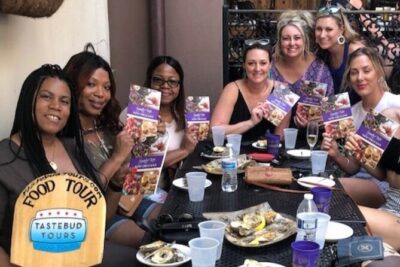 ★ 5.0French Quarter walking Food Tour Famous Flavors of New OrleansFrom $751,115 reviews
Browse the lists this tour appears in