
Reviewed · CAJUN & CREOLE COOKING CLASSES
New Orleans: Cooking Class & Cocktail Walking Tour
Some cities you taste. New Orleans you learn.
This combo tour pairs a hands-on Louisiana cooking demonstration with a French Quarter cocktail walk, where the drinks come with the stories. I like that it’s not just eating and drinking. You’re taught how the flavors connect to the city’s culture, then you follow that thread through old bars and classic recipes.
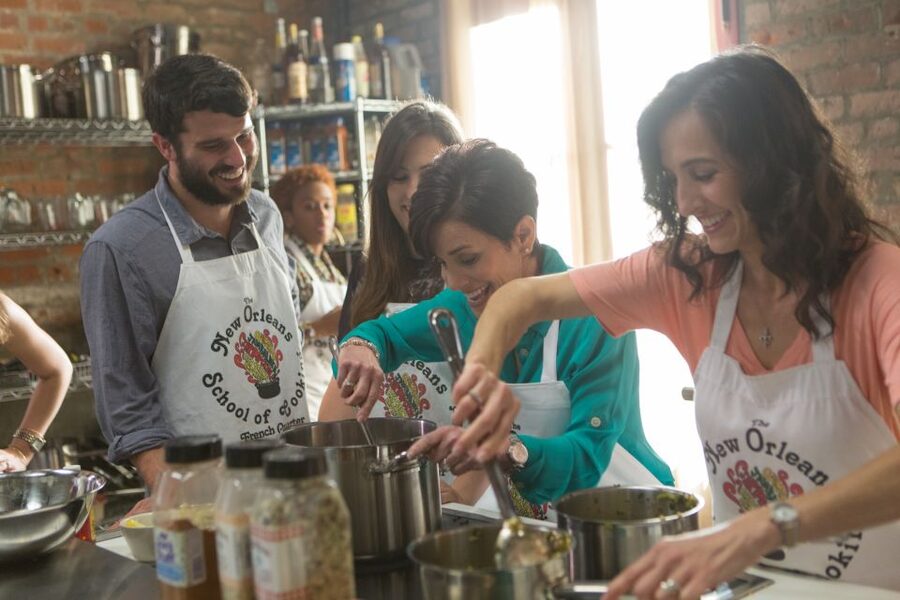
At the New Orleans School of Cooking, you get a true chef-led demo—on my visit, the guide Harriet was funny and quick with answers, and the class felt like a friendly lesson rather than a show. I also love the take-home side: you leave with recipes, plus a custom spice packet so you can recreate the dishes later.
One heads-up: the cocktail portion includes two full New Orleans cocktails, but the exact count of stops and pours can feel uneven depending on the group flow. For example, I’ve seen one case where a guest expected three cocktails but got only two.
In This Review
- Quick Takeaways
- From St Louis Street to the Cooking School: Why This Starts Off Strong
- What You Learn at the Demo Kitchen (And What You Actually Eat)
- Drinks During the Class
- Recipes, Spice Packet, and the Take-Home Value People Miss
- The Cocktail Walk: Classic Drinks, Real Places, and Stories You Can Use
- Iconic Cocktail Focus: The Sazerac Connection
- How the Stops Work (What to Expect)
- Fritzel’s European Jazz Pub: Ending With Jazz Instead of a Hard Stop
- Price and Value: Is $105 Worth It?
- Who This Tour Suits Best (And Who Might Skip It)
- Practical Tips: How to Have a Smoother, Better Day
- Should You Book This New Orleans Cooking Class and Cocktail Walk?
- FAQ
- What is the duration of the tour?
- Where do I meet for the cooking class?
- Is the tour only for adults?
- What’s included in the ticket price?
- Do I get recipes to take home?
- Are there any restrictions on bringing a beverage or leftover drinks?
- What should I bring?
Quick Takeaways
- Chef-led cooking demo at the New Orleans School of Cooking, with generous sampling and recipes to take home
- Classic New Orleans dishes in the mix, including jambalaya, gumbo, and pralines
- French Quarter cocktail walk with 3–4 stops, plus history behind iconic drinks like the Sazerac
- Two full cocktails included and taxes/service gratuities for drinks covered
- Finish at Fritzel’s European Jazz Pub for jazz instead of the usual wrap-up bar
- To-go option if you can’t finish your drink—just ask for a to go cup
One more round of Sazeracs and speakeasies
- New Orleans Cocktail and Food History Tour★ 5.0 · 819 reviews
- New Orleans Cocktail History Walking Tour in the French Quarter★ 5.0 · 604 reviews
- French Quarter Small-Group Cocktail and Foodie Crawl★ 5.0 · 519 reviews
- New Orleans: Combo Cocktail and Food History Tour★ 4.9 · 180 reviews
From St Louis Street to the Cooking School: Why This Starts Off Strong
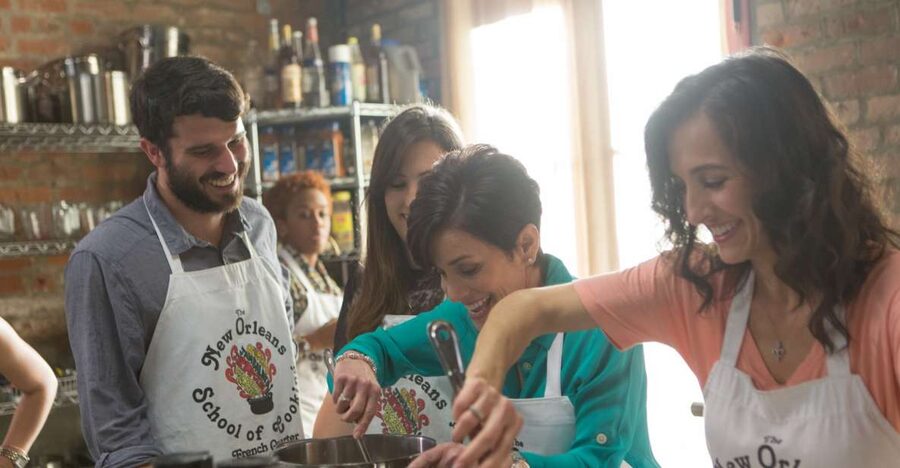
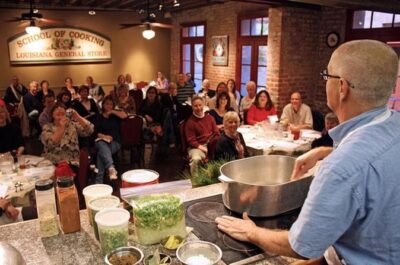
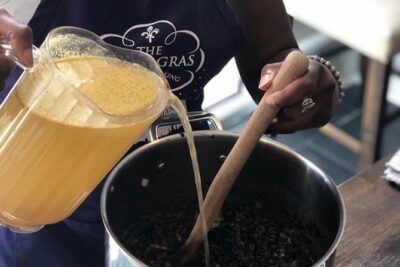
The tour meeting point is the New Orleans School of Cooking, 524 St Louis St. Expect a schedule that starts with the food first, because that’s the best way to understand what you’re tasting later on the streets. The chef focuses on basics of Louisiana cuisine and keeps it interactive, with plenty of chances to ask questions.
This is also where you get a simple, practical advantage over self-guided food wandering: you learn what you’re eating while you’re eating it. That matters in New Orleans, where dishes and ingredients overlap, and the context turns a good meal into a memory with meaning.
What You Learn at the Demo Kitchen (And What You Actually Eat)
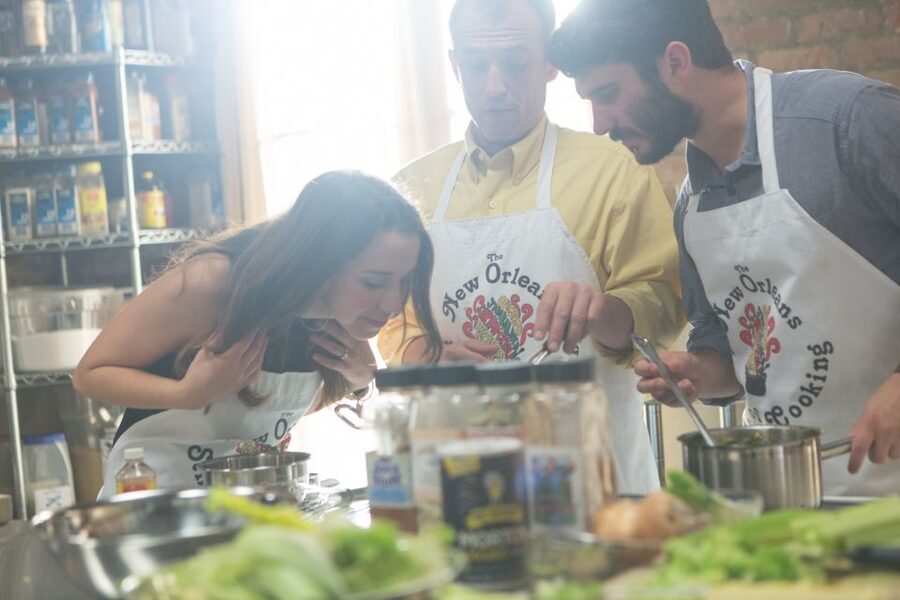
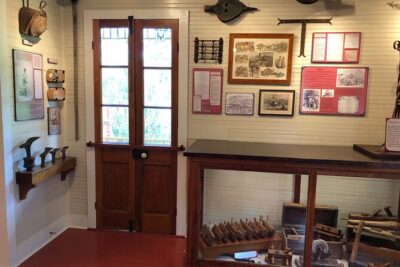
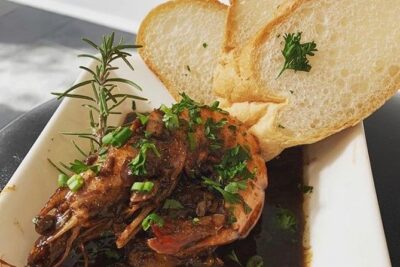
You’ll watch a professional chef demonstrate Louisiana cooking, then sample from what’s prepared. In the experience I based this on, the chef demonstrated two dishes—one soup and one entree—while you stayed seated and asked questions as it went. That format is ideal if you want education without having to chop, stir, or improvise.
The menu hits classic New Orleans favorites, including jambalaya, gumbo, and pralines. Even if you’ve had these before, you’ll likely pick up small but useful details about how they’re built—spice, texture, and the balance between hearty and comforting.
Drinks During the Class
Food comes with drinks at the cooking school too. You’ll get coffee, iced tea, and a local Abita beer as part of the class. If you’re someone who wants to arrive ready to enjoy, this helps you settle in without needing to search for a drink right away.
Recipes, Spice Packet, and the Take-Home Value People Miss
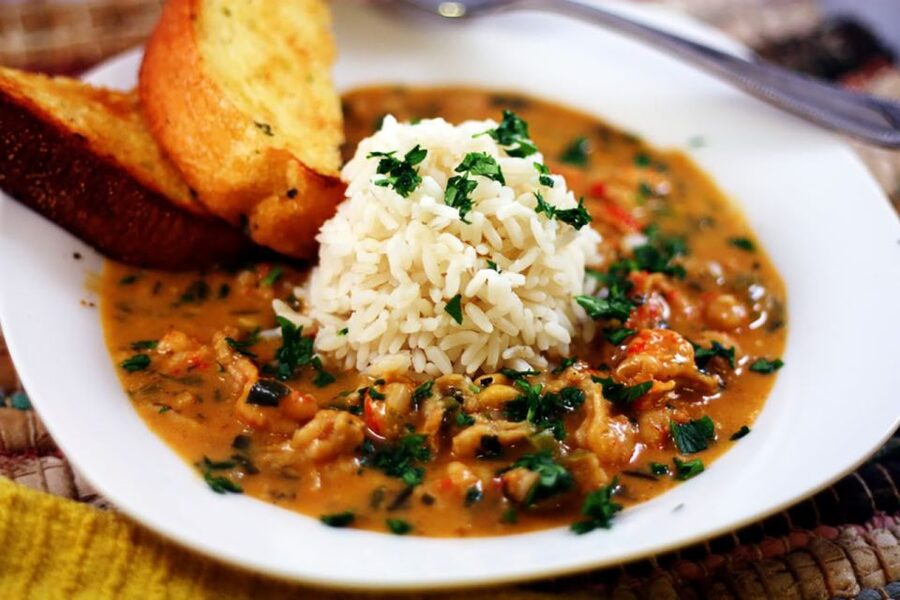
The best part of many food tours is the food itself. The best part of this one is that you can carry the flavor home. You receive recipes from the Cooking School, plus a custom spice packet. That means you’re not relying on vague memories like it tasted great and I’m not sure why.
If you’ve ever tried to recreate a restaurant dish at home and ended up with something only vaguely similar, you’ll understand why this matters. The spice packet gives you a concrete starting point. And the recipes help you avoid the common problem: too many cooks’ tips, not enough measured guidance.
There’s also a discount at the General Store built into the flow. After the cooking portion ends, you’ll have a few minutes to shop before the cocktail guide picks you up. It’s not a long shopping detour, which is good—quick access without turning the day into errands.
Back to the stove for more Creole cooking
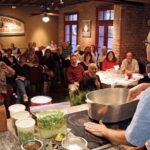
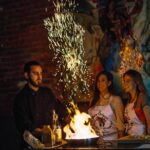
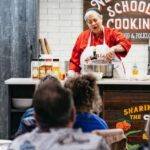
The Cocktail Walk: Classic Drinks, Real Places, and Stories You Can Use
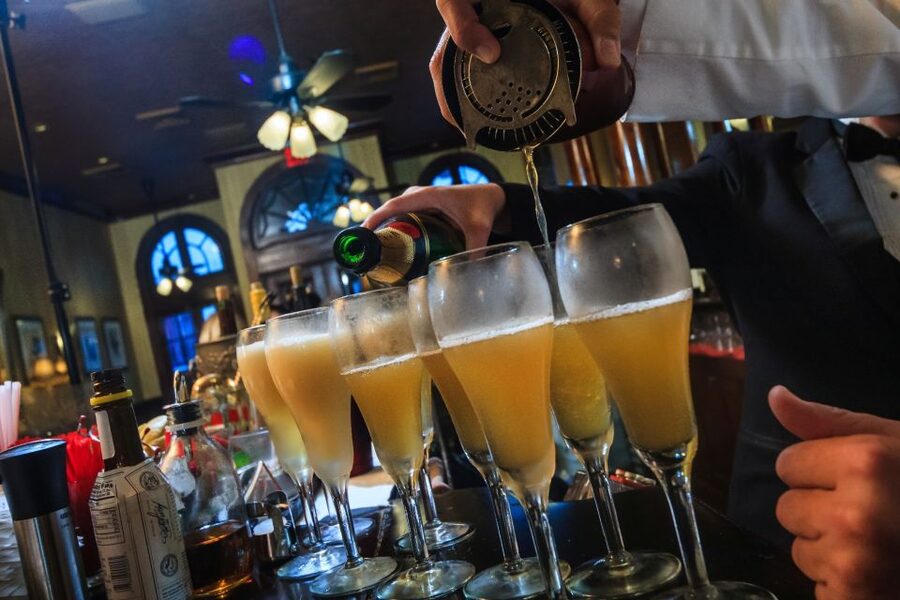
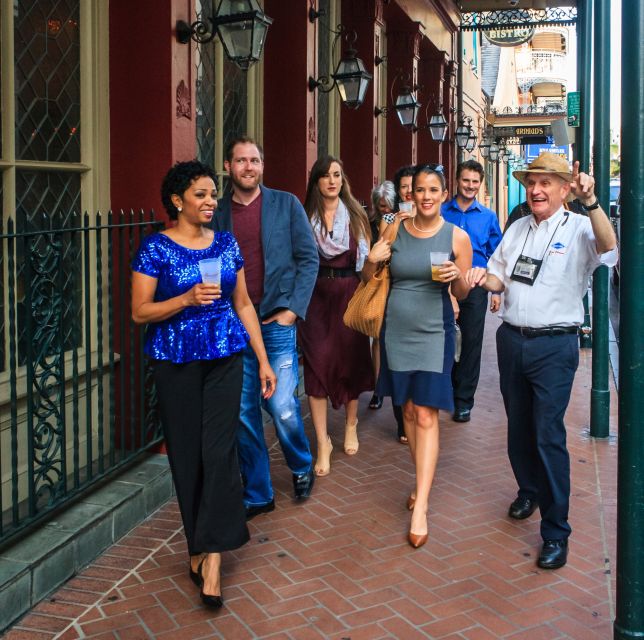
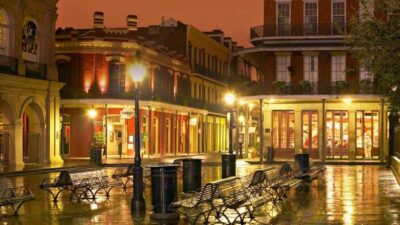
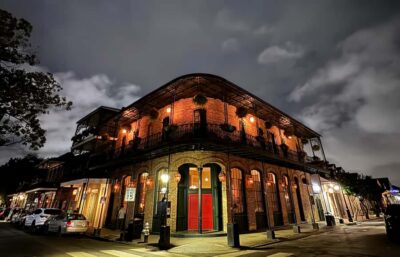
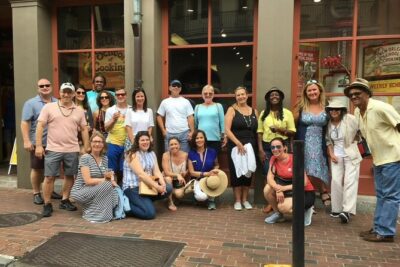
Once the chef part wraps up, the walking portion kicks in. This is where New Orleans shows you its personality through bars and menus. You’ll visit some historic establishments—think behind-the-scenes access rather than just standing outside and snapping photos.
The guide I experienced had a knack for making it make sense. In one case, the cocktail guide Bob didn’t just rattle off trivia; he explained the logic behind the drinks and why certain ingredients became signatures here. That approach makes the walk feel like you’re learning how New Orleans tastes, not just where it drinks.
Iconic Cocktail Focus: The Sazerac Connection
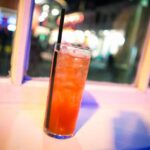
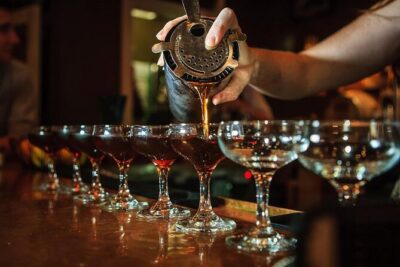
Classic cocktails are the center of gravity. You’ll hear stories tied to iconic drinks, including the Sazerac, described as America’s first cocktail and born in New Orleans in 1838. Even if you don’t order that exact drink, understanding its origin changes how you read the bar culture around it.
How the Stops Work (What to Expect)
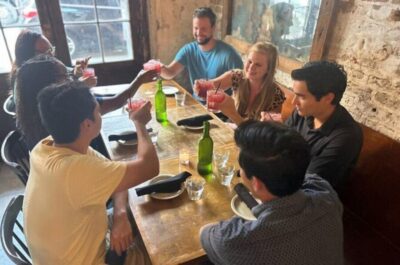
You’ll have 3–4 stops at local establishments. Two full cocktails are included in your ticket price, and you can buy more drinks during the tour if you want. The final stop is Fritzel’s European Jazz Pub, which is a great finish because it gives the evening a different rhythm than another quick bar hop.
Also, if you don’t finish your drink, it’s easy to request a to-go cup. That’s a small detail that really helps on a walking schedule—especially if you’re trying to pace yourself or you’ve got dinner plans later.
Fritzel’s European Jazz Pub: Ending With Jazz Instead of a Hard Stop
A cocktail tour that ends with music just feels more New Orleans. When you reach Fritzel’s European Jazz Pub, you get that “okay, now I get it” payoff—history plus atmosphere, with jazz doing what it does best: making time slow down.
If you like your tours to end with a sensory moment (sound, mood, and place), this final stop is a strong reason to book. It also helps you avoid that awkward transition where you’re left wondering where to go next.
Price and Value: Is $105 Worth It?
At $105 per person for about 4 hours, the value comes from the mix: you’re paying for a guided cooking session plus a guided cocktail walk, with two full cocktails included and the tasting portions covered.
Here’s the practical math mindset:
- You’re getting a chef-led demo with generous sampling and recipes + spice packet
- You’re getting a guided walking tour with multiple stops and included drinks
- Taxes and service gratuities for drinks are handled in the ticket price
If you were to recreate this day on your own, you’d still pay for classes, drinks, and guided time. This tour saves you the coordination effort—less guesswork about what to try and more help understanding what you’re ordering.
So, for food-first travelers who also like bar culture, this price is easier to justify than a pure bar crawl. For people who want lots of alcohol variety or multiple pours beyond two, you may want to plan on purchasing extras.
Who This Tour Suits Best (And Who Might Skip It)
This tour is a great fit if you:
- enjoy guided food education and want recipes to take home
- like cocktail history and want it explained in plain language
- want a French Quarter experience that finishes with music, not just a final drink and goodbye
It may be less ideal if you’re mainly chasing:
- a heavy, long bar crawl with lots of included pours
- an all-day schedule (this one is focused and about four hours)
- zero walking (it’s a walking tour on uneven sidewalks and streets, so comfortable shoes matter)
Practical Tips: How to Have a Smoother, Better Day
You’re required to be 21+. Bring your driver’s license since age checks can happen. Since you’re walking, wear comfortable shoes—you’ll be on uneven streets, and New Orleans sidewalks don’t always forgive fashion choices.
In warmer months, plan for heat and sun. Light-colored clothing helps, and bringing a cap/hat and an umbrella can make the day more comfortable.
Also, don’t overbook the rest of your day right after the tour. You’ll likely leave full from tasting and with that just-right buzz from two included cocktails.
Should You Book This New Orleans Cooking Class and Cocktail Walk?
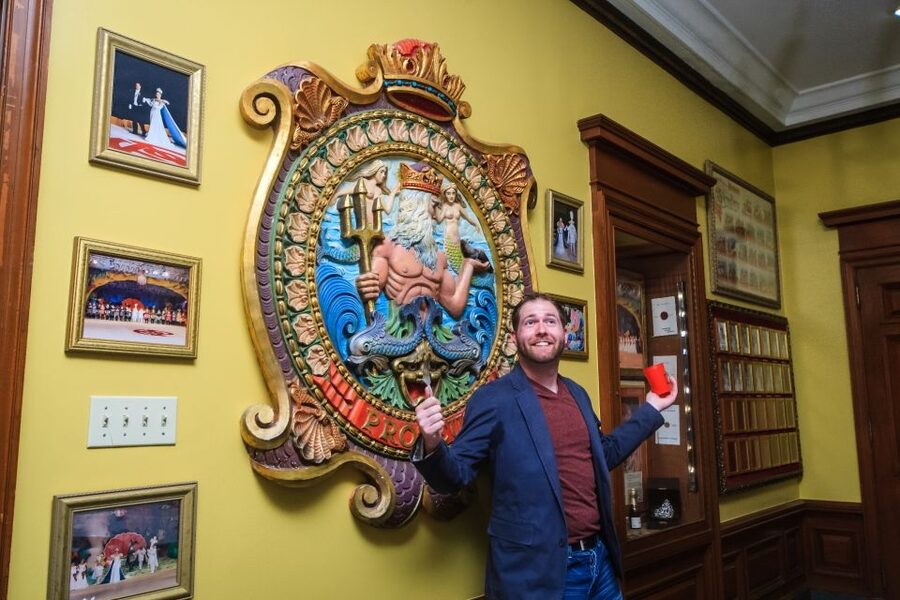
If you want a New Orleans day that connects food and drink through real stories, I’d book it. The cooking class is the anchor: you get a chef-led demo, classic samples like jambalaya and gumbo, and you take home recipes and a spice packet. Then the cocktail walk adds context instead of just motion, and ending at Fritzel’s European Jazz Pub gives the experience a satisfying payoff.
I’d consider booking with realistic expectations around drinks: you’re guaranteed two full cocktails, and the pace depends on the flow of stops. If you’re a heavy drinker looking for maximum included alcohol, you’ll want to plan for extra purchases.
FAQ
What is the duration of the tour?
The tour lasts about 4 hours.
Where do I meet for the cooking class?
You meet at the New Orleans School of Cooking, 524 St Louis St, New Orleans, LA 70130.
Is the tour only for adults?
Yes. You must be 21+ to take the tour.
What’s included in the ticket price?
It includes the cooking demonstration class with generous sampling, coffee/iced tea/local Abita beer at the cooking school, recipes, a custom spice packet, a discount at the General Store, and a guided cocktail walking tour with two full New Orleans cocktails. It also includes 3–4 stops and a stop at Fritzel’s European Jazz Pub.
Do I get recipes to take home?
Yes. Recipes are provided at the cooking school.
Are there any restrictions on bringing a beverage or leftover drinks?
If you don’t finish your drink, you can ask for a to go cup.
What should I bring?
Bring your driver’s license, and wear comfortable shoes since the walking portion is on uneven sidewalks and streets.
If you tell me your travel month and whether you’re more food-focused or cocktail-focused, I can help you decide if this timing fits your day (and what to order so you get the most out of the included tastes).
More Tour Reviews in New Orleans

More Cajun & Creole Cooking
More Cocktails & Speakeasies
Just added to The New Orleans Traveler

Cajun & Creole Cooking Classes, compared.
 ★ 5.0Demonstration Cooking Class with MealFrom $433,000 reviews
 ★ 5.0French Quarter Food Tour: Cajun, Creole and CultureFrom $811,246 reviews
 ★ 5.0Hands-On Cooking Class with MealFrom $1621,183 reviews
 ★ 4.9Cajun and Creole Cooking ClassFrom $40730 reviews
 ★ 5.0Hands-on Cajun Roux Cooking Class in New OrleansFrom $163356 reviews
 ★ 5.0Hands-on Cajun Traditions Cooking ClassFrom $163132 reviews
 ★ 4.5Cooking Class and Cocktail Walking TourFrom $105109 reviews
 ★ 5.0Small-Group Food Walking Tour and Cooking ClassFrom $10847 reviews
Browse the lists this tour appears in