
Reviewed · FRENCH QUARTER TOURS
Private French Quarter Walking and City Surrounding Neighborhoods Driving Tour
A slow walk in the French Quarter feels like a movie scene. This private combo tour pairs a guided 3-hour stroll with an afternoon driving loop through neighborhoods that most first-timers never reach on their own. You get the famous cards of New Orleans, plus the context that makes them make sense fast.
I especially like two things: first, the small group size (up to 4) keeps questions flowing and the pace easy. Second, you’ll move beyond the postcard highlights, with stops around places like Bayou St. John, Audubon Park, St. Charles Avenue, and the Garden District, plus a clear look at how Katrina still shapes the city. One thing to consider: it’s a long day, so comfortable shoes matter, and the afternoon drive still means you’ll spend time on the road after the walking portion.
In This Review
- Key Points at a Glance
- Why This Tour Works: French Quarter First, Then Real Neighborhoods
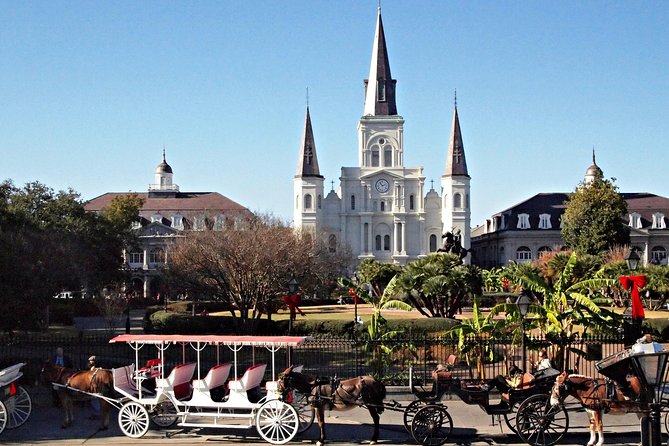
- Starting at Jackson Square: The Story Behind the Postcards
- St. Louis Cathedral: Optional Inside Time
- Cabildo and the Louisiana Purchase Context
- Pontalba Buildings and the Mississippi Riverfront
- The Afternoon by Car: Neighborhoods You Can’t Easily DIY
- Audubon Park and a Sugar-Story Detour
- Faubourg Marigny: First Suburb and the Placage Connection
- Tulane and Loyola Universities: Education as City-Creation
- St. Charles Avenue and the Garden District: A Different Style of Wealth
- Bayou St. John, 17th Street Canal, and Katrina’s Afterlife
- What You’ll Spend (and Why It Can Be Good Value)
- Lunch Break: Optional Reset, On Your Own Time
- Pace, Timing, and Comfort: What to Plan For
- Masks and Venue Rules: One Small Head-Up
- Should You Book This Private French Quarter and Neighborhood Tour?
- FAQ
- How many people are in each private tour group?
- Where does the tour start, and what time is it?
- What parts of the tour are walking versus driving?
- Is lunch included?
- Are admission tickets included for major stops?
- Does the tour include hotel pickup and drop-off?
Key Points at a Glance
- Up to 4 people means this doesn’t feel like a cattle-call tour; it’s built for conversation.
- Hotel pickup and return saves time and hassle, especially if you’re juggling multiple stops in the French Quarter.
- A 1.5-mile walking route covers the big-ticket landmarks without turning it into a speed march.
- About 50 miles by car takes you into real residential areas, not just tourist streets.
- A local licensed guide brings both the early story and the modern-day rebuilding picture, including Katrina’s legacy.
- Optional lunch is on your own after the walk, so budget a meal if you want that reset.
More ways to wander the Vieux Carre
- New Orleans Food Walking Tour of the French Quarter with Small-Group Option★ 5.0 · 6,118 reviews
- New Orleans French Quarter, Voodoo and Culture Walking Tour★ 4.5 · 2,961 reviews
- French Quarter Historical Sights and Stories Walking Tour★ 5.0 · 2,724 reviews
- Ghost and Vampire Walking Tour Of The French Quarter★ 4.5 · 2,406 reviews
Why This Tour Works: French Quarter First, Then Real Neighborhoods
The best thing about this format is the order. You start with a French Quarter walking tour at Jackson Square, where the city’s origin story and landmark cluster are right there in front of you. After that, the drive shifts you out of the tourist zone and into the areas that explain how New Orleans actually functions day to day.
The private setup is the difference-maker. With a group capped at four, your guide can adjust to your interests, slow down when something needs explaining, and answer the questions that pop up as you look at buildings and streets. Past guests specifically praised guides like Dominic Musso for being organized and for connecting early and recent history with personal, born-and-raised context.
Is it long? Yes. But it’s also a smart use of time for first-timers who want both the icons and the “okay, I get it now” feeling.
Starting at Jackson Square: The Story Behind the Postcards
You meet at 619 St Peter, New Orleans, LA 70116, with the tour beginning at 9:00 am. From there, the morning kicks off in the French Quarter with a relaxed walk that covers about 1.5 miles (2.4 km) over roughly three hours on foot.
Jackson Square is where the guide turns the lights on. You’ll get a basic history of the city’s founding and the forces that shaped it. This matters because New Orleans isn’t just one culture stacked on another; it’s a meeting point where influences overlapped, mixed, and stayed.
St. Louis Cathedral: Optional Inside Time
You’ll pass St. Louis Cathedral, with time for anyone who wants to go inside. Not every stop includes admission, so this is one of those moments where you can choose your preference: view from the outside and keep moving, or step in if you want the interior experience.
Cabildo and the Louisiana Purchase Context
Next comes the Cabildo. The guide explains why the Louisiana Purchase took place inside that building. Even if you’ve heard the phrase before, this kind of location-based explanation helps it click, because you’re tying events to the rooms and the architecture.
More of New Orleans on foot


Pontalba Buildings and the Mississippi Riverfront
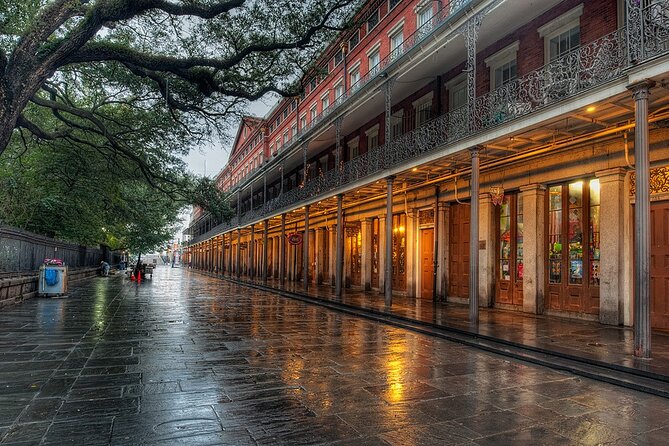
As you work through the Quarter, you’ll also see landmarks that help frame the city’s unique look—especially the architecture around the Pontalba buildings and the Mississippi riverfront area. The guide connects those visuals to how the Quarter developed, including the confluence of cultures that shaped what people eat, speak, and build here.
The Afternoon by Car: Neighborhoods You Can’t Easily DIY
After the walking portion, you shift into private transportation for the driving segment. This part is about three hours and covers around 50 miles (80 km), with stops and viewpoint time along the way.
The key value here is that the drive is structured to push you beyond the same few blocks. You’ll pass through areas that feel more like how residents move through the city than how a tour bus moves through it.
Also, don’t ignore the practical reason this works: New Orleans streets and neighborhoods are easier to understand when you’re not trying to map every turn while reading history at the same time.
Audubon Park and a Sugar-Story Detour
One early afternoon stop is Audubon Park. You’ll learn about a specific detail connected to the process of granulating sugar and how that ties into local history. It’s the kind of sidebar that makes a city feel more human—less like a list, more like a network of cause and effect.
This is also a good time to reset your feet. The day has momentum, but the drive gives you breathing room between locations.
Faubourg Marigny: First Suburb and the Placage Connection

You then head to Faubourg Marigny, described as the city’s first suburb. The guide also talks about its major role in the Placage system of matchmaking and slavery.
This is where the tour gets real in a useful way. Instead of treating New Orleans history like a spooky ghost story, you get the social structure behind the neighborhoods—how relationships and power worked, and how that history is braided into the city’s layout and legacy.
If you prefer tours that stay strictly “fun facts,” this may feel heavier. But for many first-timers, it’s also the moment you understand why New Orleans has both charm and complexity at the same time.
Tulane and Loyola Universities: Education as City-Creation
Next up are Tulane University and Loyola University. The guide outlines the role education plays in shaping New Orleans and mentions that there are eight universities in town and how they contribute to the city’s development.
This stop helps balance the day. Up to now, you’ve been focused on the Quarter’s landmarks and the historical neighborhood story. Bringing universities into the mix shows you the continuing engine of the city, not just the past.
St. Charles Avenue and the Garden District: A Different Style of Wealth
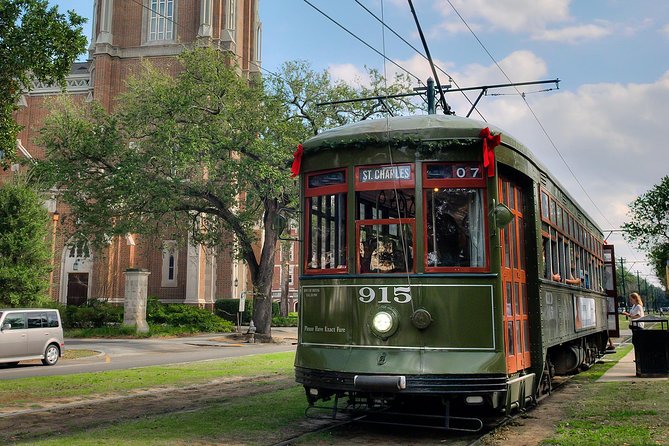
As the drive continues along St. Charles Avenue, you’ll get time for the Garden District before the tour wraps back in the broader downtown area. This pairing works because it sets up a contrast with the French Quarter: different architecture, different vibe, different kind of history.
Even without stepping off for long walks, these streets and blocks help you read New Orleans like a city with multiple identities—not just one iconic pocket.
Bayou St. John, 17th Street Canal, and Katrina’s Afterlife
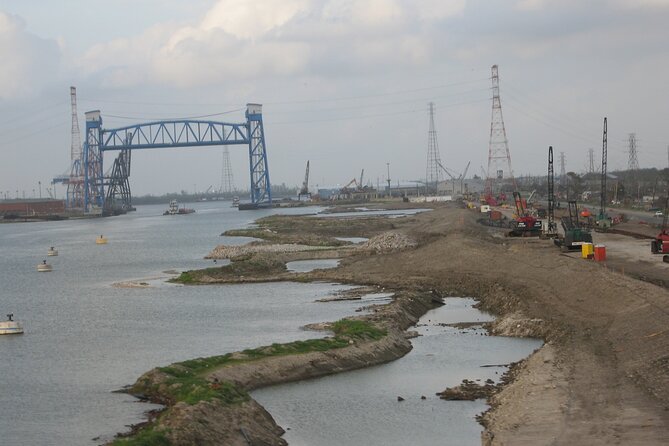
The driving route also includes stops and viewpoints around Bayou St. John and the 17th Street Canal. The guide connects these places to the lasting legacy of Hurricane Katrina and the rebuilding efforts that are still shaping modern-day New Orleans.
This is important context because it explains why the city looks and feels the way it does now. It also keeps the tour grounded in present reality, not only in romantic storytelling.
If you want a New Orleans tour that acknowledges both beauty and the hard parts that come with living by the water, this segment is one of the reasons the tour earns its reputation.
What You’ll Spend (and Why It Can Be Good Value)
The price is $695 per group, up to four people, for about seven hours. That’s not cheap at first glance, but it’s basically paying for two things: a private guide on foot and a private vehicle for the afternoon.
The value equation improves if:
- you’re traveling as a couple, small family, or group of friends that can fill the four-person limit
- you want the “no rush” feel of a private day instead of timing your photos to a larger schedule
- you care about interpretation (history, context, how Katrina affects the city) more than just ticking off landmarks
If you’re a solo traveler, this can still be worth it when you compare it to the cost of multiple people on group tours plus the tradeoff in flexibility. But the strongest value is when your group can actually use the private capacity.
Lunch Break: Optional Reset, On Your Own Time
After the walking portion, you can add an optional lunch, but it’s own expense. The guide can recommend places based on classic Creole or Cajun fare or modern Southern-style cooking, and also on any dietary restrictions you mention.
That’s a nice feature because French Quarter restaurant choices can be overwhelming when you’re hungry and moving. A local suggestion helps you avoid bad timing, long waits, and spots that don’t match what you actually want.
Pace, Timing, and Comfort: What to Plan For
This day has two gears. The morning is walking (about 1.5 miles) and the afternoon is mostly driving with stops. If you’re the type who likes to linger in churches, courtyards, and viewpoints, the private setup helps. If you need frequent breaks, you’ll still have room to ask.
You’ll also be outside for significant parts of the day. I’d plan for heat and sun, especially if you’re visiting when the weather is sticky. Bring water and wear shoes you trust.
Masks and Venue Rules: One Small Head-Up
As of March 2022, masks are no longer required by the city, but some venues may still require masks and/or proof of vaccination. Before you go, check with the tour operator or the venues you plan to enter.
This matters mostly for the inside-stop options like St. Louis Cathedral. Even if you choose not to go inside, you’ll still see everything from outside.
Should You Book This Private French Quarter and Neighborhood Tour?
Book it if you want a first-timer-friendly New Orleans orientation that hits the essentials and also answers the bigger questions about how the city works. The private size, the hotel pickup, and the structured combination of walking plus a neighborhood drive make it a strong “one good day” plan.
Skip it or consider alternatives if:
- you’re on a tight budget and want only low-cost sightseeing
- you dislike walking in heat or prefer very short days
- you want zero history in favor of pure nightlife and food stops
If you like your travel with both charm and context, this is a solid choice.
FAQ
How many people are in each private tour group?
The tour is limited to a maximum of 4 people per booking, and it’s private, so only your group participates.
Where does the tour start, and what time is it?
The meeting point is 619 St Peter, New Orleans, LA 70116, and the start time is 9:00 am. It ends back at the meeting point.
What parts of the tour are walking versus driving?
You’ll do a 3-hour private walking tour in the French Quarter, followed by a 3-hour private driving tour that covers nearby neighborhoods.
Is lunch included?
Lunch is not included. After the walking portion, you can choose an optional lunch at your own expense, and your guide can recommend places.
Are admission tickets included for major stops?
Some stops are free, but admission is not included for places like Jackson Square, St. Louis Cathedral (if you choose to go inside), and the Cabildo. Other stops listed as free include portions of the tour like walking and certain park/neighborhood stops.
Does the tour include hotel pickup and drop-off?
Yes. The tour includes hotel pickup and return, along with private transportation for the driving portion.
More Tours in New Orleans


More Tour Reviews in New Orleans
More of the French Quarter


Just added to The New Orleans Traveler


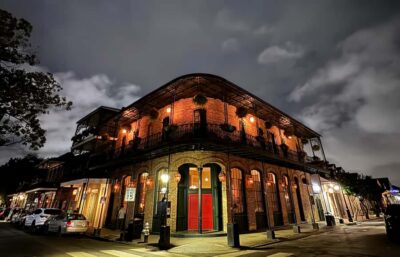
French Quarter Tours, compared.
 ★ 5.0Food Walking Tour of the French Quarter with Small-Group OptionFrom $756,118 reviews
 ★ 4.5French Quarter, Voodoo and Culture Walking TourFrom $272,961 reviews
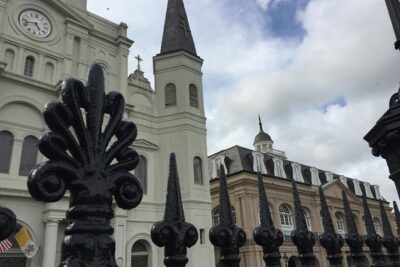 ★ 5.0French Quarter Historical Sights and Stories Walking TourFrom $352,724 reviews
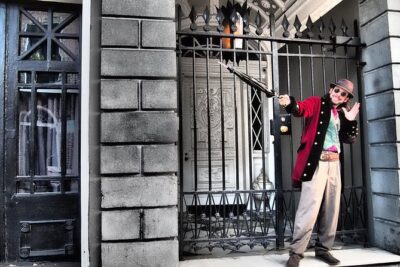 ★ 4.5Ghost and Vampire Walking Tour Of The French QuarterFrom $212,406 reviews
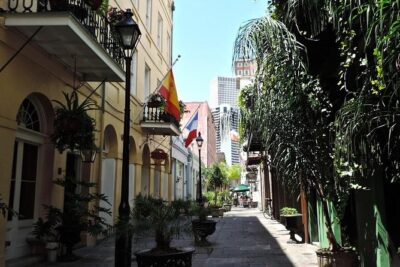 ★ 4.5City Tour: French Quarter, Garden District & CemeteryFrom $402,209 reviews
 ★ 5.0French Quarter Food Tour: Cajun, Creole and CultureFrom $811,246 reviews
 ★ 5.0French Quarter and More Carriage RideFrom $651,141 reviews
 ★ 5.0French Quarter walking Food Tour Famous Flavors of New OrleansFrom $751,115 reviews
Browse the lists this tour appears in