
Reviewed · CAJUN & CREOLE COOKING CLASSES
New Orleans: Traditions Cooking Class
Food lessons should feel like a dinner party, not a lecture. This New Orleans Traditions Cooking Class turns Cajun and Creole cooking into a guided, hands-on experience, with professional technique and the story behind what’s on your plate. I like that you get a small group setup (up to 10), and I like that the menu is classic and specific, not vague “Louisiana-inspired” fare.
One thing to consider: it’s a tight, 3-hour block, so if you want extra roaming or long social time after you eat, you’ll likely need to plan that elsewhere.
In This Review
- Key things to know before you go
- A Three-Hour Cajun and Creole Cooking Class in New Orleans
- Meeting Suite 101 and Getting Set Up Fast
- What You Actually Cook: Barbecue Shrimp, Jambalaya, Bread Pudding
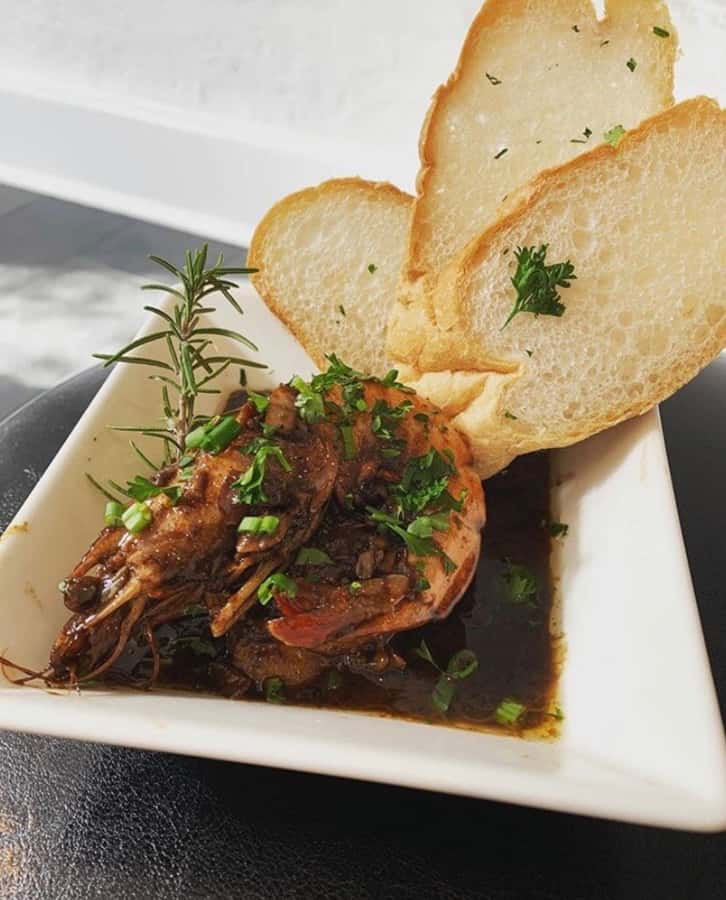
- Barbecue Shrimp (New Orleans style)
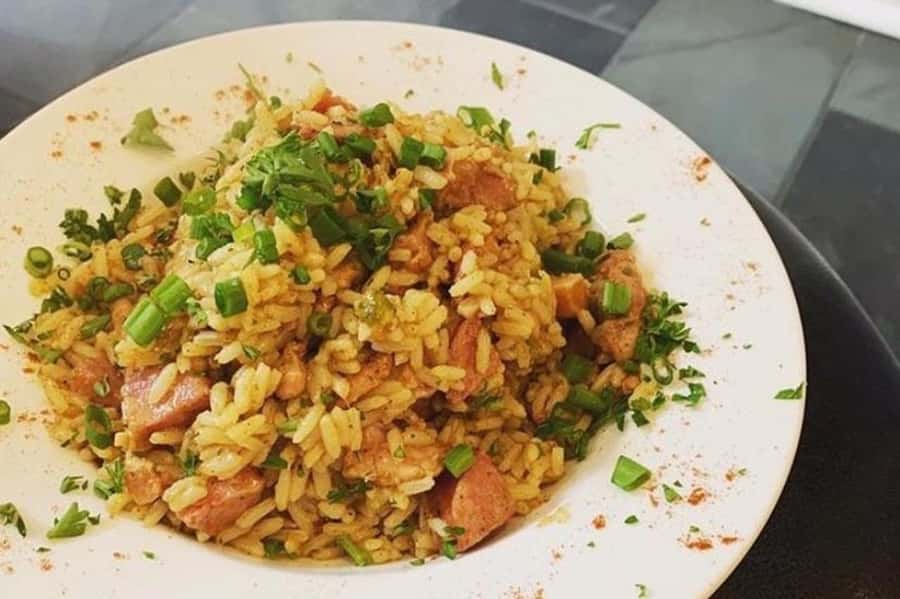
- Chicken and Andouille Sausage Jambalaya
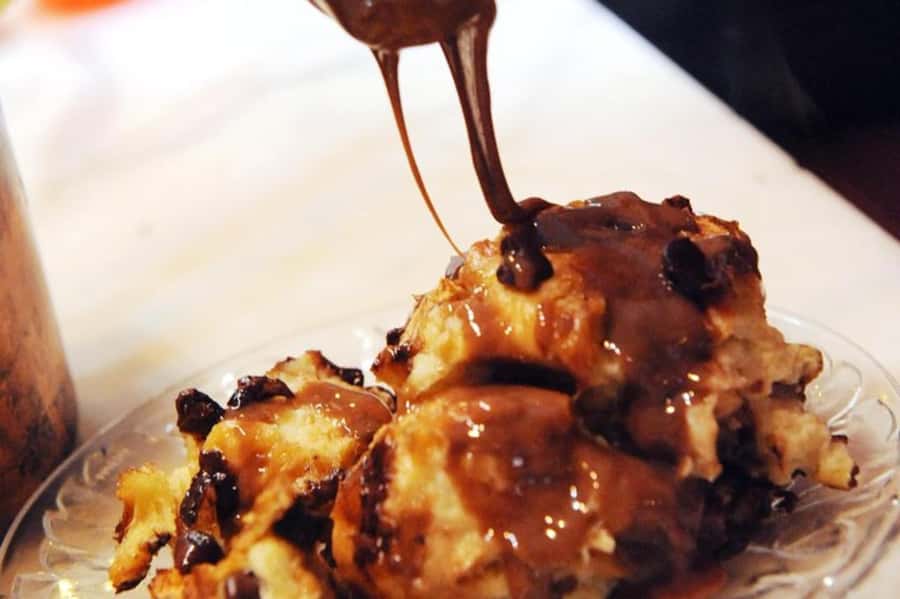
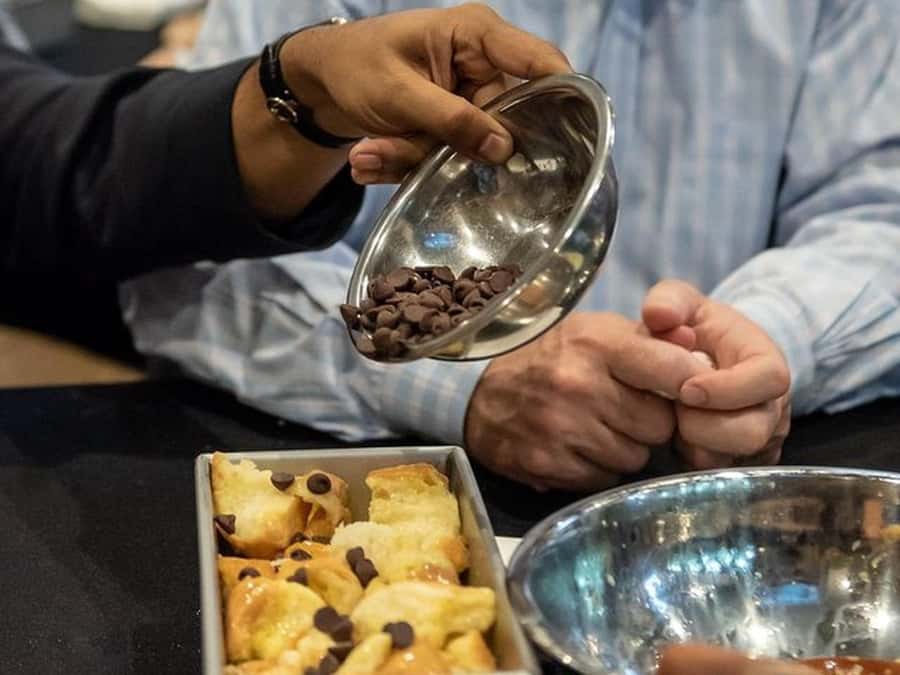
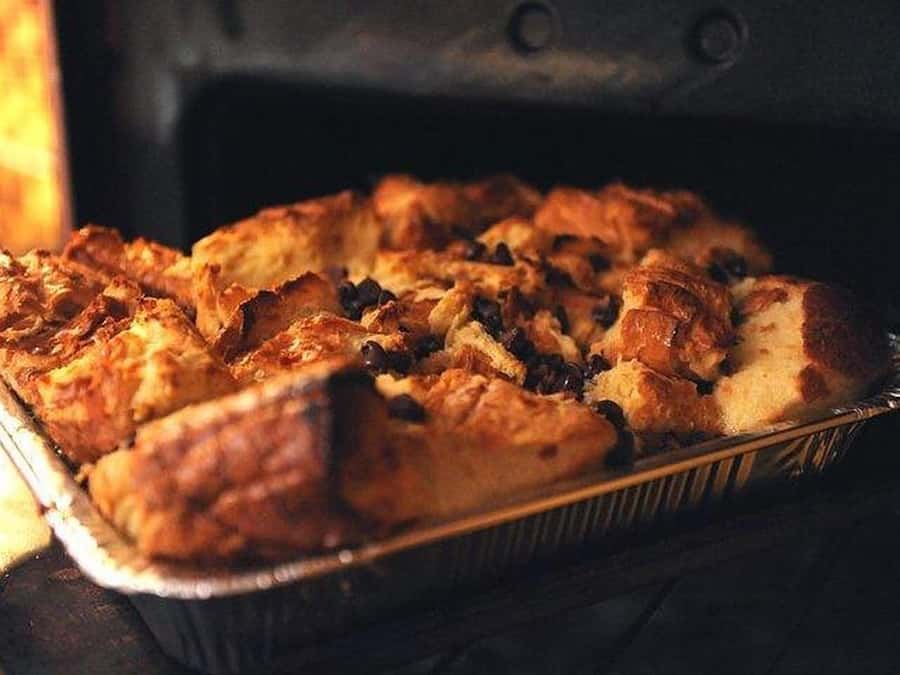
- Chocolate Bread Pudding with Brandy Mocha sauce
- How the Chefs Teach: Techniques, Seasoning Tips, and Real-World Fixes
- Lunch, Drinks, and the Best Part of Eating What You Made
- Price and Value: Is $157 Worth It?
- Who This Cooking Experience Fits Best (and Who It Doesn’t)
- Quick Practical Tips Before You Book
- Should You Book This New Orleans Traditions Class?
- FAQ
- How long is the cooking class?
- Where do I meet for the New Orleans Traditions Cooking Class?
- What is included in the price?
- Are drinks included, or do I have to buy them separately?
- Is the class wheelchair accessible?
- Is there a group size limit?
- What language is the class taught in?
- Is the class suitable for children?
- What is the cancellation policy?
Key things to know before you go
- Small group (max 10): more hands-on time and easier questions
- Chef-led technique: pro methods for seasonings and cooking the staples right
- Signature Louisiana menu: Barbecue Shrimp, Jambalaya, and Bread Pudding
- Included drinks with your meal: wine, beer, sodas, and water
- 3 hours total: a focused class with enough time to cook, eat, and leave happy
Back to the stove for more Creole cooking
- New Orleans French Quarter Food Tour: Cajun, Creole and Culture★ 5.0 · 1,246 reviews
- New Orleans Hands-On Cooking Class with Meal★ 5.0 · 1,183 reviews
- New Orleans: Cajun and Creole Cooking Class★ 4.9 · 730 reviews
- Hands-on Cajun Roux Cooking Class in New Orleans★ 5.0 · 356 reviews
A Three-Hour Cajun and Creole Cooking Class in New Orleans
This is the kind of New Orleans activity that makes the city feel personal fast. You’re not just tasting food. You’re learning how Cajun and Creole cooking works in real time, with a chef guiding your hands and your questions.
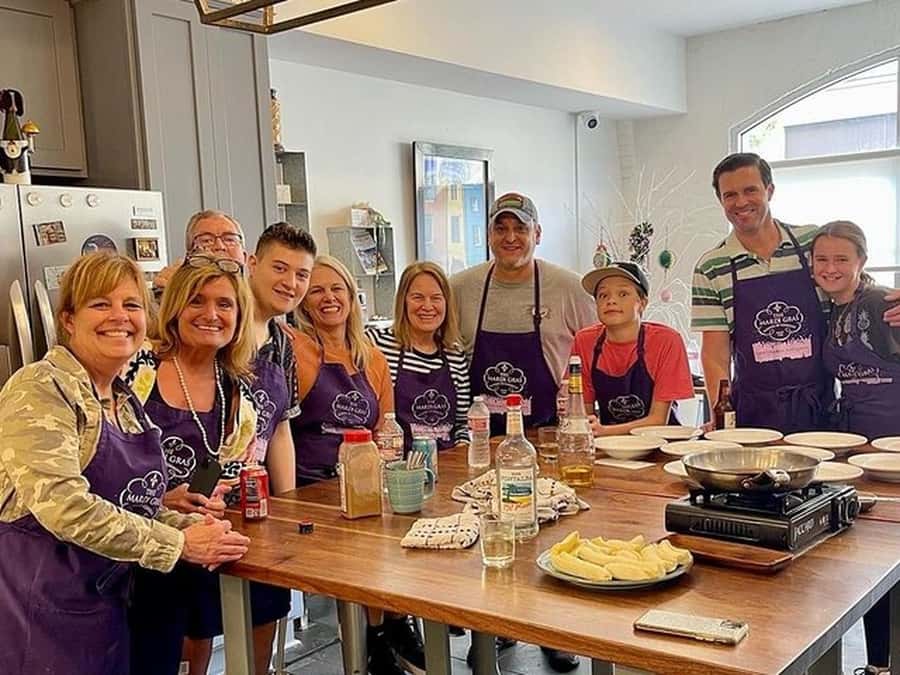
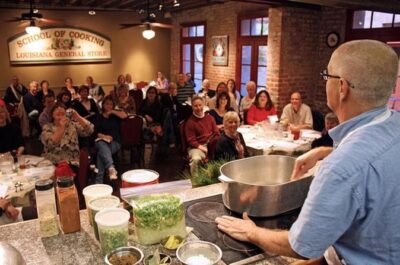
The class is built around a small group limited to 10 participants. That matters. In a big group, cooking classes can feel like watching. Here, it’s much easier to get the kind of coaching that helps you improve, not just finish a plate. You’ll also be in English, which keeps the instruction clear and practical.
The structure is straightforward: you arrive, settle in, put on aprons, and start cooking. You’ll spend your time on selected Cajun and Creole recipes, plus the background that helps the dishes make sense.
Meeting Suite 101 and Getting Set Up Fast
Your meeting point is Suite 101 on the ground level. That’s one less mystery in a city where people sometimes send you on a quick scavenger hunt. Plan to arrive a few minutes early so you’re not rushing through the setup.
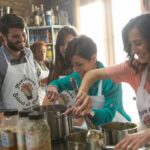
The vibe starts relaxed. You’ll get acquainted with your classmates, then the chefs take over with step-by-step guidance once you’re in apron mode. Since the class lasts 3 hours, the pacing is purposeful. You won’t be stuck waiting while someone else “starts cooking.” You’ll be doing the work at the times that matter.
This experience is also wheelchair accessible. If you use a mobility device, you’ll want to check in at the start so the staff can guide you to the smoothest route inside the space.
What You Actually Cook: Barbecue Shrimp, Jambalaya, Bread Pudding
The menu is the heart of the class, and it’s specific enough to set expectations. You’ll make all the classics featured in the Traditions class, including the signature dishes that New Orleans is known for.
Barbecue Shrimp (New Orleans style)
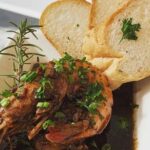
This dish is a great choice for a cooking class because it teaches more than one thing at once: how to build flavor, how to handle shrimp, and how to balance richness with punchy seasoning. If barbecue shrimp is new to you, you’ll probably find the New Orleans style feels both familiar and surprising in the way the flavors come together.
More New Orleans tours and experiences to compare


Chicken and Andouille Sausage Jambalaya
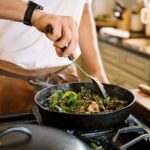
Jambalaya is where Cajun and Creole traditions overlap, but also where technique matters. The class focuses on the seasoning secrets and methods that help you avoid the common problems people run into at home, like bland flavor or a pot that doesn’t cook the way you expected.
Andouille sausage is part of the whole point. It’s not an optional garnish here. It’s one of the flavor engines that makes the jambalaya taste like itself.
Chocolate Bread Pudding with Brandy Mocha sauce
Bread pudding is comfort food, but the sauce is what turns it into a dessert you’d actually order again. This is also a good “skills check.” In classes, sweets sometimes get treated as an afterthought. Here, the dessert is part of the plan, and you leave with a complete idea for how it should taste when it’s done right.
How the Chefs Teach: Techniques, Seasoning Tips, and Real-World Fixes
The biggest reason people love this class is the teaching style. The chefs aren’t just reciting recipes. They’re explaining why a step matters and how to get the result you want.
In past sessions, instructors like Chef Raymond have been described as warm and very hands-on, guiding step by step while sharing years of expertise. Another instructor, Erika, focused on the history behind Cajun and Creole cooking styles and was especially good at answering questions. A teacher known as Coach was described as funny, personable, and able to make it feel like you were cooking in his kitchen at a dinner party.
Even if your instructor’s style is different, the approach is the same: you’re learning professional techniques, not just following instructions. You’re taught the art of preparing selected recipes, along with seasoning secrets that help you recreate the flavors later.
Here’s what that means for you in practical terms:
- You’ll get clearer on how to season as you cook, instead of dumping seasoning at the end.
- You’ll learn timing and handling that keep seafood and meats from turning out wrong.
- You’ll hear advice that helps you fix mistakes. That’s one of the most valuable “take-home” parts of any cooking class, because it makes your next attempt easier.
Lunch, Drinks, and the Best Part of Eating What You Made
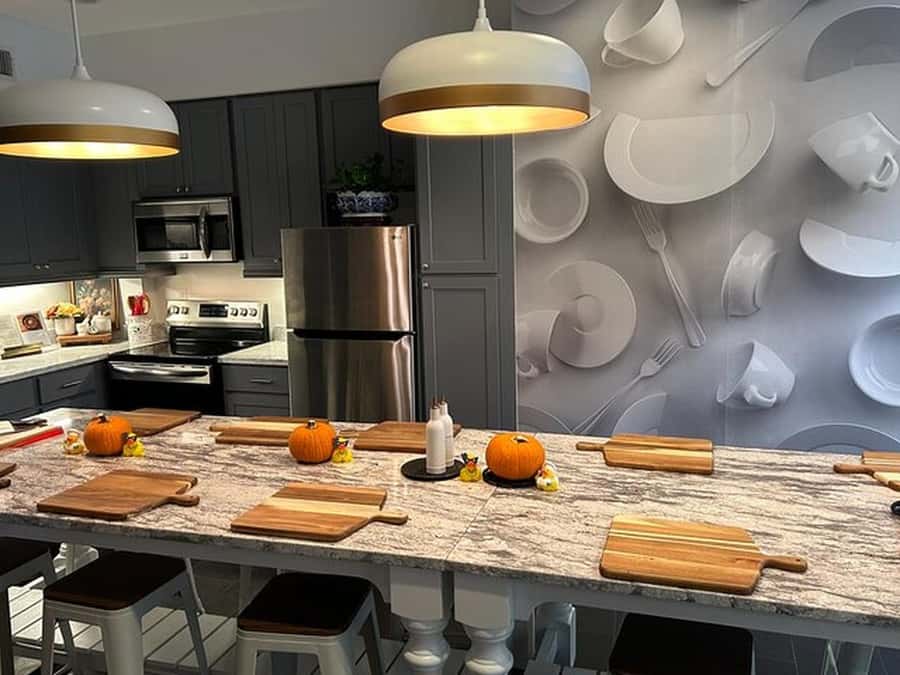
After the cooking portion, you’ll enjoy the meal you created. The class includes lunch/dinner, which makes the value easier to judge: you’re paying for both the instruction and the finished food.
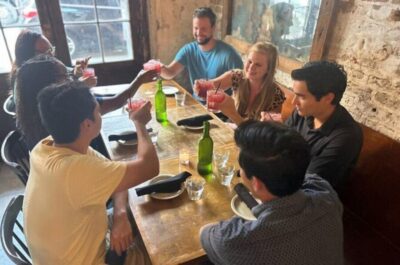
You’ll also get beverages included: wine, beer, sodas, and water. If you like pairing a drink with what you’re eating, this is a comfortable setup. It also helps keep the mood social, since everyone is sitting down around the same time they finish their food.
This is where the “small group” advantage shows up again. When you eat together after cooking, you can compare notes with people who are also learning. It’s a simple way to turn a class into an experience you’ll remember.
One more practical point: because the meal is included, you don’t need a separate food plan nearby. You can treat this as your main food moment for the day.
Price and Value: Is $157 Worth It?
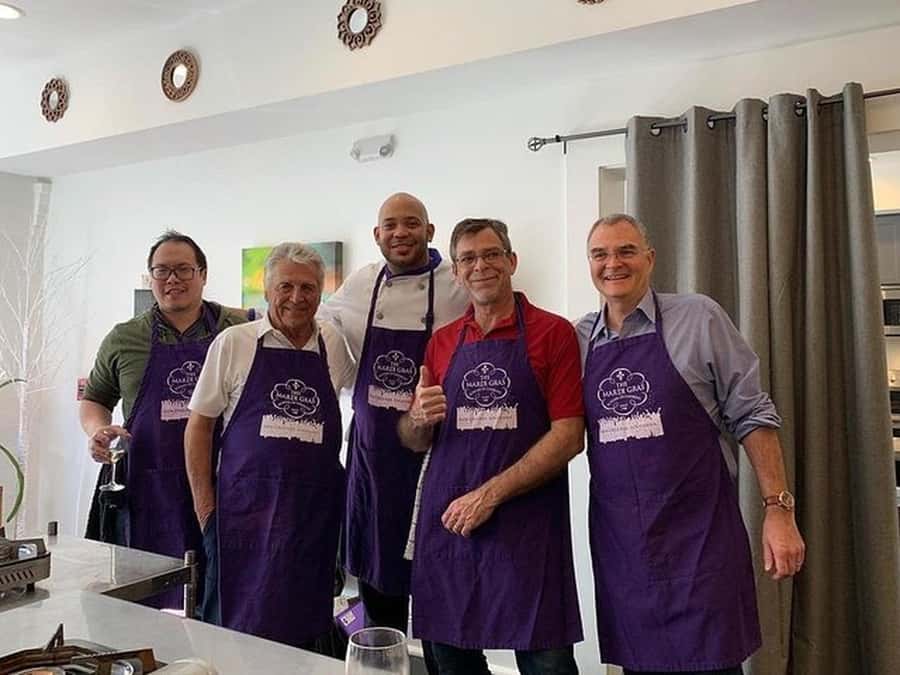
At $157 per person for a 3-hour class, the price isn’t cheap. But it also isn’t random. You’re paying for a chef-led cooking session, a small group limit of 10, and an included meal plus drinks.
Think about the alternatives:
- If you book a general tasting tour, you often pay for food access without real cooking skills.
- If you book a generic cooking class somewhere larger or less guided, you may get less direct coaching, and you’ll still be responsible for your own food afterward.
- Here, the menu is built around recognizable Louisiana dishes, and the class focuses on technique and seasoning rather than a basic demo.
So for food lovers, the math starts to make sense. You’re buying time with instruction plus a full, satisfying meal. The best “value” is the take-home part: you leave knowing how to recreate key steps, not just what the dish tastes like.
If you’re on a tight schedule, this also saves time. Three hours is long enough to learn, short enough to fit into a travel day without wrecking your plans.
Who This Cooking Experience Fits Best (and Who It Doesn’t)
This class is a strong fit for:
- Food-focused travelers who want hands-on instruction in New Orleans
- People who like learning the “why” behind Cajun and Creole cooking, not just the recipe
- Small groups who prefer a more personal setting than a large group activity
- Anyone who wants a clear menu with recognizable dishes: shrimp, jambalaya, and dessert
It’s not a great fit for:
- Families with kids under 10, since the class is not suitable for children under 10
- Travelers who want a super flexible pace. The schedule is compact, and you’re cooking within that 3-hour window
Also, it’s English-led, so it’s best for visitors comfortable with English instruction.
Quick Practical Tips Before You Book
To get the most out of it, think about your goal. If you want to learn real technique, come ready to pay attention when the chef explains seasoning and timing. If you’re mostly there to socialize, you’ll still have fun, but leaning into the cooking part is what turns the experience into a lasting skill.
Wear something comfortable. You’ll be standing and working. And since drinks are included, you may want to keep your day plan reasonable after class.
Should You Book This New Orleans Traditions Class?
If you’re choosing between another food tour and a cooking class, I’d lean toward this one when you care about skills. The menu is classic, the class is small group, and the chefs teach technique and seasoning in a way that makes the dishes make sense.
Book it if:
- You want a memorable New Orleans meal you helped create
- You like step-by-step coaching and asking questions
- You want Cajun and Creole staples taught in a focused 3-hour format
Skip it if:
- You’re looking for a lot of sightseeing time in the city during your activity
- You need something designed for children under 10
FAQ
How long is the cooking class?
The class lasts 3 hours.
Where do I meet for the New Orleans Traditions Cooking Class?
You meet at Suite 101 on the ground level.
What is included in the price?
The price includes the cooking class and alcoholic beverages plus lunch/dinner.
Are drinks included, or do I have to buy them separately?
Drinks are included. Wine, beer, sodas, and water are provided with your class and meal.
Is the class wheelchair accessible?
Yes, the activity is wheelchair accessible.
Is there a group size limit?
Yes. It’s a small group limited to 10 participants.
What language is the class taught in?
The instruction is in English.
Is the class suitable for children?
It is not suitable for children under 10.
What is the cancellation policy?
You can cancel up to 24 hours in advance for a full refund.
More Cooking Classes in New Orleans

More Tour Reviews in New Orleans




More Cajun & Creole Cooking
Just added to The New Orleans Traveler




Cajun & Creole Cooking Classes, compared.
 ★ 5.0Demonstration Cooking Class with MealFrom $433,000 reviews
 ★ 5.0French Quarter Food Tour: Cajun, Creole and CultureFrom $811,246 reviews
 ★ 5.0Hands-On Cooking Class with MealFrom $1621,183 reviews
 ★ 4.9Cajun and Creole Cooking ClassFrom $40730 reviews
 ★ 5.0Hands-on Cajun Roux Cooking Class in New OrleansFrom $163356 reviews
 ★ 5.0Hands-on Cajun Traditions Cooking ClassFrom $163132 reviews
 ★ 4.5Cooking Class and Cocktail Walking TourFrom $105109 reviews
 ★ 5.0Small-Group Food Walking Tour and Cooking ClassFrom $10847 reviews
Browse the lists this tour appears in