
Reviewed · HISTORICAL TOURS
New Orleans History and Sightseeing Small-Group Bike Tour
Sore feet take a back seat here. This small-group New Orleans bike tour is a quick way to soak up the city’s street life while your guide connects the dots between landmarks and neighborhoods. You can choose a morning or afternoon departure, then cruise with a tight group that keeps things personal.
I love how the tour is built for momentum: you get comfortable bikes with a basket and a steady pace, so you cover real ground without turning the whole day into walking. I also like the way it moves beyond the usual French Quarter postcard stops, adding Treme, Faubourg Marigny, and City Park live oaks to give you a bigger New Orleans picture.
One thing to consider: the bikes can feel a bit heavy, and the brakes may take a minute to get used to—especially if you’re not a confident rider on city streets.
In This Review
- Key Highlights You’ll Actually Feel
- Pedaling the French Quarter Like You Mean It
- Faubourg Marigny: Music Territory Right Next Door
- St. Louis Cemetery No. 3: Above-Ground and Surprisingly Beautiful
- City Park’s Live Oaks: Shade, Scale, and Time Travel
- Treme: Free People of Color and the Real Neighborhood Story
- Louis Armstrong Park: Jazz, Music Culture, and a Peaceful Pause
- The Ride Itself: Easy Pace, Small Group, and City-Street Reality
- What’s Included (and What That Means for Your Day)
- Price and Value: Why $55 Works for This Route
- Timing: Morning vs. Afternoon for Real Comfort
- What to Wear and Bring (So the Tour Feels Effortless)
- Should You Book Buzz Nola’s History and Sightseeing Bike Tour?
- FAQ
- How long is the bike tour?
- How much does it cost per person?
- How big is the group?
- Where does the tour start and end?
- What stops are included on the route?
- Are bikes and water included?
- What is the minimum age?
- What language is the tour offered in?
- What if the weather is poor or I need to cancel?
Key Highlights You’ll Actually Feel
- Up to 10 people keeps the ride calm, with room to ask questions without shouting over traffic
- Two departure times (morning or afternoon) helps you dodge the worst heat
- A neighborhood mix that goes past the French Quarter into Treme, Faubourg Marigny, and Bayou St. John
- City Park’s ancient live oaks (trees estimated at 400–850 years old) offer real shade and drama
- Above-ground cemetery viewing at St. Louis Cemetery No. 3, a must-see in New Orleans
- Local guide + bottled water plus a comfortable bike means you’re not piecing together logistics mid-ride
More of New Orleans on two wheels
- New Orleans French Quarter and Garden District Bike Tour★ 5.0 · 410 reviews
- New Orleans Creole Odyssey Small-Group Bike Tour★ 5.0 · 268 reviews
- Creole New Orleans Electric Bike Tour (ages 16 & up)★ 5.0 · 230 reviews
- New Orleans History and Sightseeing Small-Group Bike Tour★ 5.0 · 215 reviews
Pedaling the French Quarter Like You Mean It
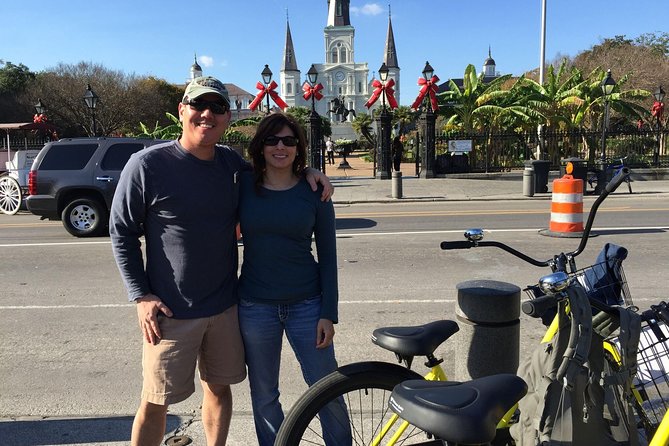
The French Quarter can be overwhelming on foot. It’s loud, crowded in spots, and full of tiny turns that make you second-guess your direction. On this bike tour, you get a cleaner, faster orientation—then you can slow down later on the streets that catch your eye.
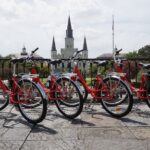
You start by riding into the heart of it, including Jackson Square and the Mississippi Riverfront area where Creole history traces back to the city’s earliest foundations. The stop is short, but the value is big: you’re not just looking at famous scenery. You’re learning what these places represent, then you roll on before the crowd crush starts to drag you down.
Practical tip: if you want photos at Jackson Square, bring patience. That square can fill up fast. The bike format helps because you can grab a shot, listen for the key details, and not lose the whole afternoon waiting around.
Faubourg Marigny: Music Territory Right Next Door
Right after the Quarter, you head toward Faubourg Marigny, one of those neighborhoods that feels like it’s always mid-song. This area sits just outside the big tourist core, and it’s known for having one of the city’s biggest live music scenes.
What you’ll feel here is the shift in mood. The streets still have old New Orleans character, but the vibe is more lived-in and less staged. The stop time is brief, yet it’s enough to reset your brain after the Quarter and understand why Marigny matters in the city’s cultural map.
If you’re the kind of traveler who likes to go beyond the main checklist, this stop is a smart use of your time. It puts you in the right frame for later evenings when you’re hunting for music spots.
St. Louis Cemetery No. 3: Above-Ground and Surprisingly Beautiful
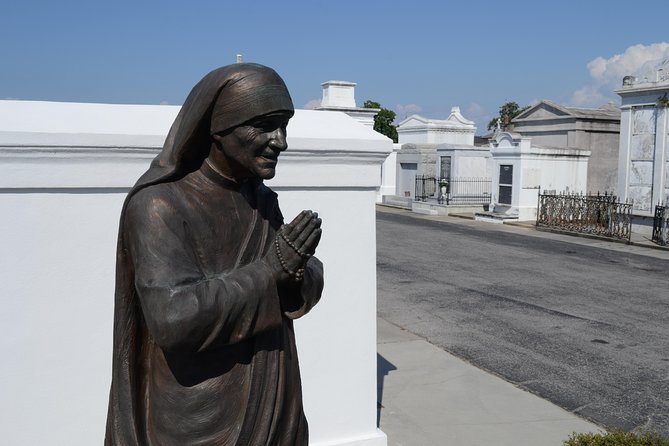
Cemeteries in New Orleans aren’t like cemeteries anywhere else. St. Louis Cemetery No. 3 is an above-ground cemetery, and the architecture is part of the show. You’ll spend time here in the Bayou St. John area, looking at the structures and hearing how the city’s funerary traditions shaped what you see today.
This stop is a great example of why bike tours work so well in New Orleans. On foot, a cemetery stop can feel like a separate errand. Here, it’s woven into a route that already has cultural context—from Creole beginnings to the neighborhoods of free people of color.
Timing note: it’s not a “wander for hours” stop. Plan to look, listen, and take photos if allowed, then move on. If you’re sensitive to spooky themes, this is still handled respectfully and practically.
City Park’s Live Oaks: Shade, Scale, and Time Travel
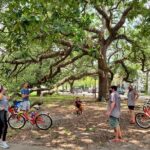
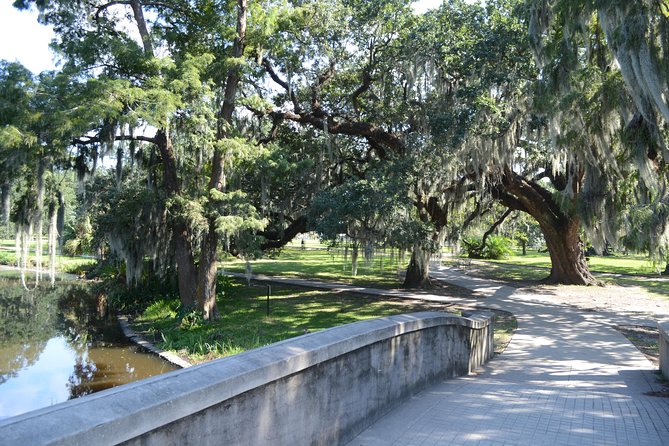
Then comes the kind of stop you’ll remember later when you’re trying to describe New Orleans to someone who only knows it from photos. New Orleans City Park is famous for its mature trees, and this tour points you toward the largest collection of mature live oaks in the state, with some trees estimated between 400 and 850 years old.
Even if you don’t care about plant history, the effect is obvious. Those trees change the air. They make the park feel cooler and bigger than you expect. This is where the tour earns its break from street-level crowds.
What I like about including City Park is that it gives your legs a change of pace. The ride continues, but the mental mood shifts: you’re not just doing landmarks, you’re getting a sense of how New Orleans breathes through its green spaces.
More rides through the neighborhoods



Treme: Free People of Color and the Real Neighborhood Story
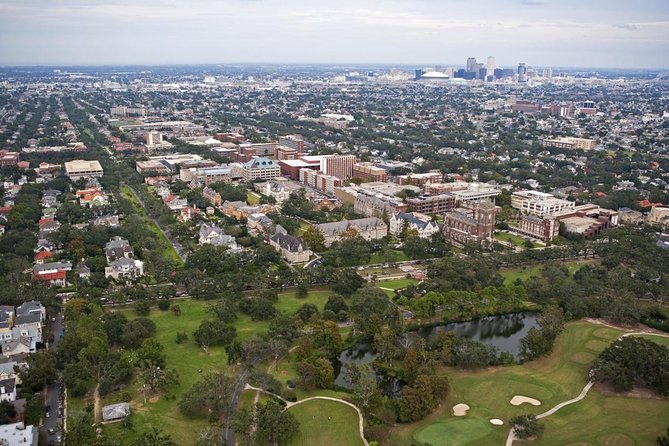
Next up is Treme, known as the original neighborhood of free people of color. That fact matters. It’s not trivia you forget after the tour ends—it helps you read the city with better context.
On this route, Treme isn’t treated like a drive-by. You get time to arrive at the neighborhood with an explanation for why it’s historically important, and then you keep moving. That rhythm helps. You’re learning in small chunks, not trying to cram a book into a single stop.
If you want the New Orleans you feel in the food, the music, and the block-by-block character, this is one of the most useful additions to the itinerary.
Louis Armstrong Park: Jazz, Music Culture, and a Peaceful Pause
You’ll also visit Louis Armstrong Park, described as the place where jazz began. Even if you approach that claim with a casual ear, the park still does a great job of connecting music to place.
What makes this stop work on a bike tour is that it slows you down for a moment without letting the day stall. It’s still part of a route, but the environment gives you breathing room to absorb the meaning behind the name.
If you’re the type who loves music trivia, this stop will click. If you’re not, it still lands because the park setting gives you a quick reset before you roll back toward the French Quarter streets.
The Ride Itself: Easy Pace, Small Group, and City-Street Reality
A lot of New Orleans sightseeing is either too much walking or too much time trapped on a bus. This format hits a sweet spot. The ride is generally flat and easy, and the route is designed with safety in mind. People have mentioned bike lanes and quiet stretches, plus riding along the river area.
That’s big for your comfort level. When streets are manageable and you’re not constantly braking and swerving, you can actually listen to the guide instead of white-knuckling your handlebars.
Still, here’s the honest note from real-world bike experience: the bikes can feel heavy, and the braking system can take a bit of practice. If you haven’t ridden a bike in a while, give yourself a few minutes to get comfortable before you expect perfect smooth control.
Group size matters here. With a cap of 10 travelers, it’s easier for the guide to manage spacing and adjust pace. You’re less likely to feel like a numbered seat in a moving line.
What’s Included (and What That Means for Your Day)
You’re not paying for a pile of extras. The tour includes:
- A local guide
- A comfortable bike with a basket
- Bottled water
That basket sounds small until you’re using it. It’s handy for holding sunglasses, a small jacket, or a tote that you don’t want to carry the whole day. Water matters, too, because New Orleans weather can change how fast you tire, even on an easy route.
You’ll also get a mobile ticket and confirmation after booking. That cuts down on the typical “Where do I stand?” start-of-tour stress.
If you’re planning your day tightly, this setup is useful. You can do the bike tour early, then spend the rest of your time eating, wandering, or grabbing a longer look at the stops that really grabbed you.
Price and Value: Why $55 Works for This Route
At $55 per person for about 3 hours, the value is mostly about time. This is a lot of geography for a short window: French Quarter, Marigny, cemetery territory, City Park oaks, Treme, Louis Armstrong Park, then back through the Quarter on the ride.
You’re also buying context. The stops are brief, but they’re chosen so the guide can explain what you’re seeing and why it matters. For a first visit, that can save you time later. Instead of piecing history together from scattered museum visits and random street signs, you’re getting a connected tour of neighborhoods.
And with a maximum group size of 10, you’re not paying the same price as a big-crowd ride where you can’t ask questions.
Timing: Morning vs. Afternoon for Real Comfort
You get to choose morning or afternoon departures, and that’s not a small detail in New Orleans. Morning often feels better for getting comfortable on the bike and handling heat early. Afternoon can still be great, but you’ll want to dress for sun and humidity.
A helpful strategy: if you’re the type who gets tired fast, pick the time that matches your energy. The ride is easier than walking the city, but you’re still pedaling and stopping.
If weather turns rough, the tour notes a weather requirement. If it can’t run due to poor conditions, you’ll either be offered a different date or a full refund.
What to Wear and Bring (So the Tour Feels Effortless)
The tour advises comfortable, weather-appropriate footwear for riding. That’s key. Bike tours punish bad shoes quickly.
I’d also plan to wear breathable clothes, because even “easy pace” can feel like work in humid heat. Bring your sunscreen and consider light layers if the day cools down.
Since bottled water is included, you don’t have to solve that problem. But you’ll still enjoy the ride more if you’re proactive about hydration—especially if you’re stopping at parks and spending time outside.
Should You Book Buzz Nola’s History and Sightseeing Bike Tour?
Book it if you want a smart first pass at New Orleans that doesn’t trap you in the French Quarter only. This ride helps you map the city fast, understand neighborhood identities like Treme and Faubourg Marigny, and see major sights such as St. Louis Cemetery No. 3 and City Park’s live oaks without burning half your day walking.
Skip it (or choose a different style of tour) if you’re not comfortable riding on city streets, or if the idea of bike control and braking practice makes you nervous. In that case, you’ll likely prefer a walking tour or a tour with more dedicated off-street paths.
If you’re visiting for a short time, this is a practical way to get oriented. Just remember to dress for the weather, arrive ready to ride, and use the stops as learning moments—then go back on your own later to linger where you feel the pull.
FAQ
How long is the bike tour?
It lasts about 3 hours.
How much does it cost per person?
The price is $55 per person.
How big is the group?
The tour has a maximum of 10 travelers.
Where does the tour start and end?
It starts at 223 Dauphine St, New Orleans, LA 70112, USA, and ends back at the same meeting point.
What stops are included on the route?
You’ll visit the French Quarter (Jackson Square and the Mississippi Riverfront), Faubourg Marigny, St. Louis Cemetery No. 3, New Orleans City Park, Treme, Louis Armstrong Park, and then ride back through the French Quarter.
Are bikes and water included?
Yes. You get a comfortable bike with a basket and bottled water.
What is the minimum age?
The minimum age is 12 years.
What language is the tour offered in?
The tour is offered in English.
What if the weather is poor or I need to cancel?
The tour requires good weather. If it’s canceled due to poor weather, you’ll be offered a different date or a full refund. You can cancel for a full refund up to 24 hours before the experience starts.
More Tours in New Orleans


More Tour Reviews in New Orleans
More Two-Wheel New Orleans


Just added to The New Orleans Traveler


Historical Tours, compared.
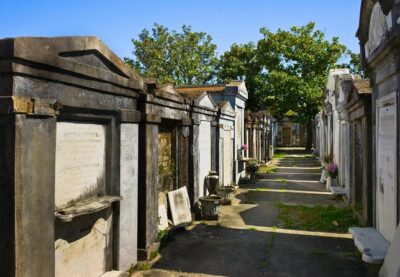 ★ 5.0Garden District History Walking TourFrom $352,879 reviews
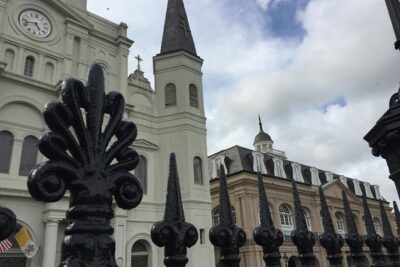 ★ 5.0French Quarter Historical Sights and Stories Walking TourFrom $352,724 reviews
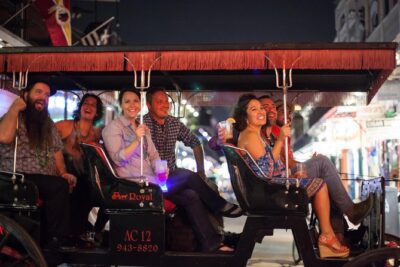 ★ 4.5Small-Group Haunted History Carriage TourFrom $652,289 reviews
 ★ 4.5Haunted History Ghost TourFrom $302,084 reviews
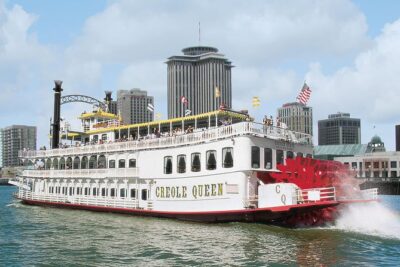 ★ 4.5Paddlewheeler Creole Queen Historic Mississippi River CruiseFrom $471,948 reviews
 ★ 5.0Food and History Walking TourFrom $851,544 reviews
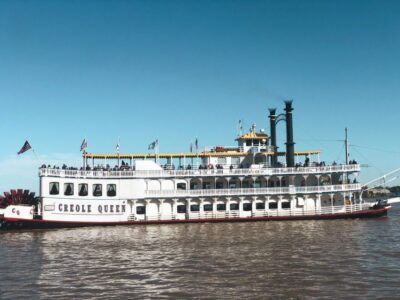 ★ 4.3Creole Queen History Cruise with Optional LunchFrom $471,112 reviews
 ★ 5.0Cocktail and Food History TourFrom $160819 reviews
Browse the lists this tour appears in