
Reviewed · BIKE & SEGWAY TOURS
New Orleans Heart of the City Bicycle Tour
A short bike ride can change how you see New Orleans. This 3-hour small-group tour takes you beyond the postcard loop, pedaling into neighborhoods like Faubourg Marigny and Bywater while you learn how Creole culture evolved across the city. I also like that the stops are practical and photo-friendly, from the Mississippi River to St. Roch Cemetery.
Two things make this feel especially worth the time: you get a local guide who turns streets into stories, and you ride with the comfort of a rental bike, helmet, and bottled water included. One thing to consider: it’s still biking through city blocks in real weather, so you’ll want good shoes and a solid comfort level on a bike.
In This Review
- Key Things to Know Before You Roll Out
- A 3-Hour Ride Beyond the Usual French Quarter Loop
- Meet at Flambeaux on N Rampart: Bikes, Safety, and an Easy Start
- Mississippi River Views: First Stop, Quick Orientation
- Jackson Square and the City Center Story
- Faubourg Marigny: Creole Culture in the Oldest Fringe
- Bywater and VooDoo Culture on Two Wheels
- St. Roch Cemetery: Above-Ground Tombs and Burial Traditions
- Treme: The First Free Black Neighborhood in the U.S.
- Cost and Value: Why $55 Can Make Sense
- What to Wear and Bring for a Comfortable Ride
- How Fit Do You Need to Be?
- Guides, Humor, and Storytelling That Makes It Stick
- Who This Tour Suits Best (And Who Might Skip It)
- Should You Book This New Orleans Bike Tour?
- FAQ
- How much does the New Orleans Heart of the City Bicycle Tour cost?
- How long is the tour?
- What is included in the price?
- Where does the tour start and what time does it begin?
- How big are the groups?
- What should I wear for the ride?
- Is there a minimum age or height requirement?
- Does the tour include food?
- What if it’s canceled due to weather?
- Can I get a full refund if my plans change?
Key Things to Know Before You Roll Out
- Max 10 people means you’re not lost in a crowd, and questions actually get answered
- Rental bike + helmet + bottled water remove the annoying prep chores
- St. Roch Cemetery stop adds a rare look at above-ground burial practices
- Route reaches Marigny, Bywater, Treme so you see New Orleans beyond the French Quarter
- Meet at 626 N Rampart St and plan your morning with shade and hydration in mind
- Close-toed footwear only (no flip-flops) to keep the ride safe and comfortable
More of New Orleans on two wheels
- New Orleans French Quarter and Garden District Bike Tour★ 5.0 · 410 reviews
- New Orleans Creole Odyssey Small-Group Bike Tour★ 5.0 · 268 reviews
- Creole New Orleans Electric Bike Tour (ages 16 & up)★ 5.0 · 230 reviews
- New Orleans History and Sightseeing Small-Group Bike Tour★ 5.0 · 215 reviews
A 3-Hour Ride Beyond the Usual French Quarter Loop
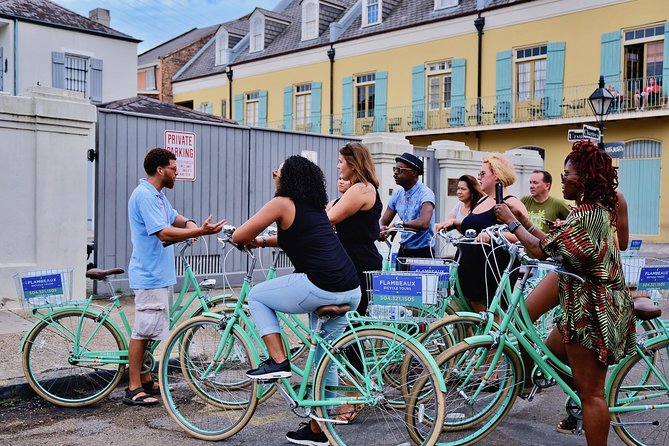
This tour is built for people who love New Orleans but feel stuck when every day starts and ends in the same few streets. The format is simple: you meet, get fitted on your bike, get your safety basics, and then you ride a steady loop that hits landmark areas plus neighborhoods most visitors miss.
It’s also a smart length. About 3 hours is long enough to feel like you covered ground, but short enough that you’re still fresh for beignets, music, and a second day of wandering afterward.
You’ll get a mix of big-picture context and street-level detail. The city’s multicultural roots and the evolution of Creole culture are woven into what you see. And if you’re hoping for the kinds of stories that make a city feel human—not just historic—that’s exactly the vibe here.
Meet at Flambeaux on N Rampart: Bikes, Safety, and an Easy Start
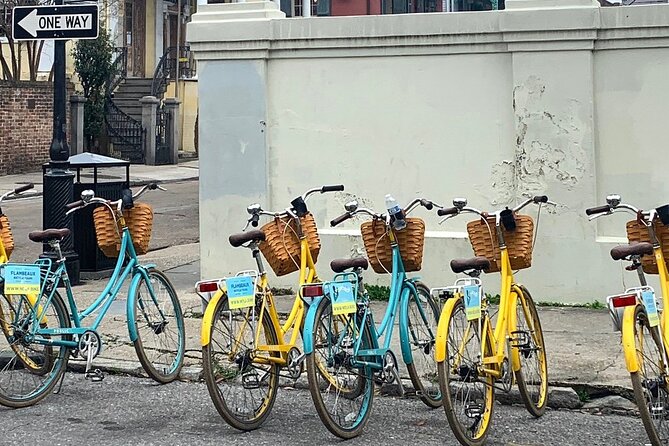
You start at Flambeaux Bicycle Tours & Bike Rentals, 626 N Rampart St. The setup is straightforward: you show up, get fitted on a bike, put on your helmet, and go over the safety procedures before you head out.
That early organization matters more than you might think. When everyone knows what to do and where to ride, the whole trip feels calmer. The group size is kept to 10 people or fewer, so you’re not getting squeezed into a too-tight formation.
Practical tip: if you want coffee before you ride, there’s Twelfth Night Coffee right next door. It’s the kind of small convenience that makes an early start feel less painful.
Mississippi River Views: First Stop, Quick Orientation
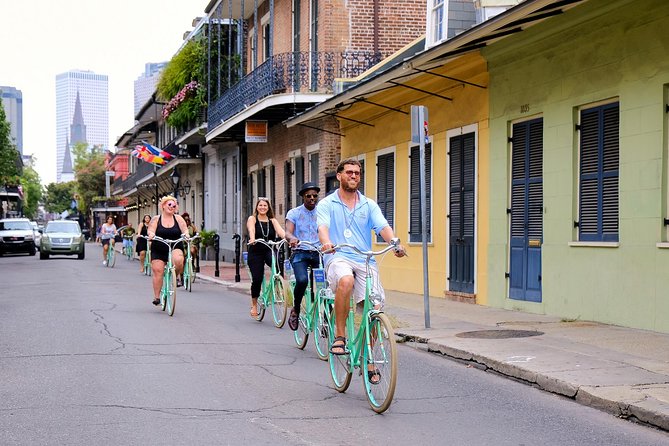
The first ride takes you to the Mississippi River. This is a great move early in the tour because it gives you a mental map right away. You’re not just cycling between stops—you’re learning how the city relates to its biggest geographic feature.
Plan for this stop to be more about orientation than a long hangout. Expect a short window, a few photos, and then you’re rolling again.
If you’re the type who likes to understand a city’s layout before you get lost, this beginning helps. And if you’re more of a “show me where to look” person, the river view does the job fast.
Jackson Square and the City Center Story
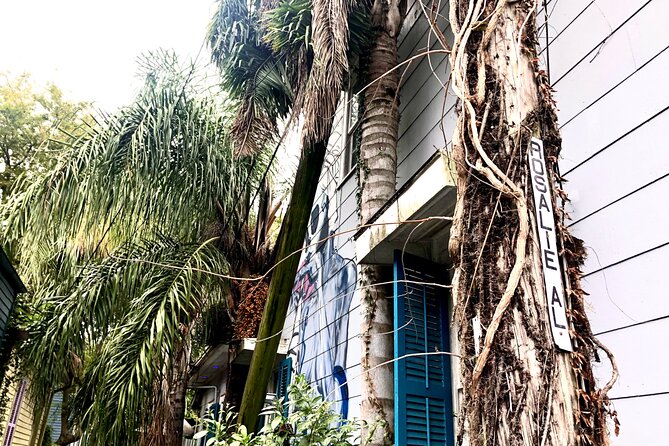
Next up is Jackson Square, one of the classic landmarks—but you’re not only there to snap photos. You also get a quick explanation of how this area helped establish la ville de la Nouvelle-Orléans.
That’s the difference between seeing a place and understanding it. You’ll likely spend more time looking at details because you know what to connect them to: the central role this spot played, and why it became the kind of anchor the city still revolves around.
This stop is also a good break. Even if the timeline is short, it’s a chance to reset—water, stretch your legs, and take in the square from the angle your guide recommends.
More ways to see the city in a day



Faubourg Marigny: Creole Culture in the Oldest Fringe
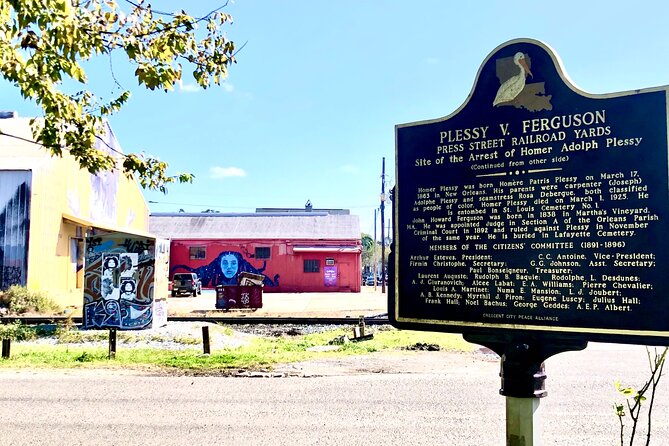
After the center, the tour shifts toward the Marigny, described as the oldest faubourg in the city. That word matters. A faubourg is basically a neighborhood that grew at the edges and then became part of the city’s identity.
Here’s what I think works best for you: the guide doesn’t treat Marigny like a set of random streets. You learn what the neighborhood carries culturally, and you get recommendations for music clubs—useful if you want to plan your night with locals, not just a generic list.
Timing-wise, this is a longer stop than some others, so you have a bit more room to wander within the area the guide is focused on. You’ll also likely get photo opportunities that feel less like tourist proof shots and more like “this is how people live here” pictures.
Possible drawback: if you’re expecting a quiet, museum-style pace, you might find Marigny more alive and street-facing. That’s part of the point. It’s New Orleans in motion.
Bywater and VooDoo Culture on Two Wheels
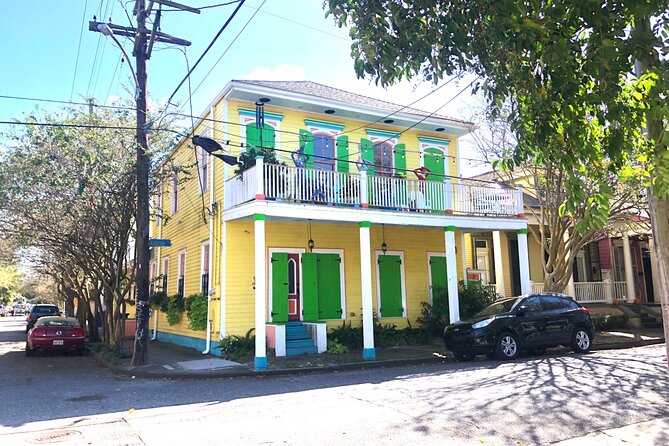
Then comes Bywater District in the 9th Ward area. This is where the tour turns more explicitly into cultural storytelling—specifically VooDoo culture.
If you’re curious about the spiritual and cultural layers of New Orleans, this stop tends to land well because it’s discussed in context of the neighborhood you’re riding through. You’re not stuck with a vague history lecture. You’re connecting culture to place.
This portion also feels different from the French Quarter. It has that “other New Orleans” quality—more local rhythm, more neighborhood texture. You’ll likely notice more everyday street life and get a better sense of where the city’s creativity shows up outside the usual tourist conveyor belt.
A practical consideration: Bywater can be lively. So keep your expectations tuned to a city neighborhood experience. The goal isn’t a quiet scenic cruise—it’s learning how the city’s stories live right in the streets.
St. Roch Cemetery: Above-Ground Tombs and Burial Traditions
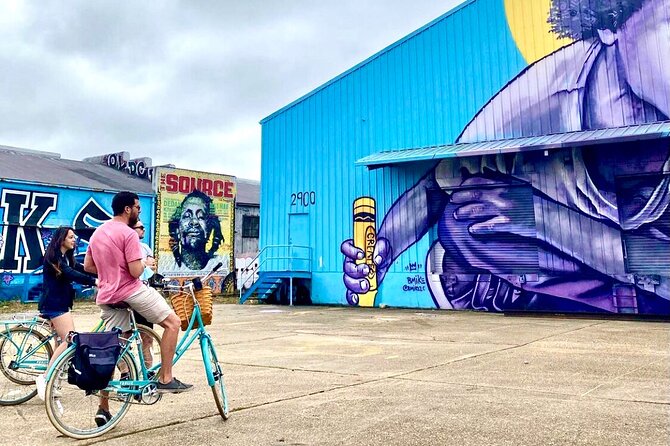
One of the most memorable stops is St. Roch Cemetery and the Campo Santo. This is where the tour goes beyond typical walking tour fare and gives you a rare education point: how burial practices work here, including the famous above-ground tombs.
You’ll hear the story behind those tombs and what they mean in the context of the city. This is also why the bike format is helpful. St. Roch isn’t always an easy add-on for people who are trying to cover a lot on foot.
What to keep in mind: cemetery stops can feel emotionally heavy, and some people may want fewer “serious” pauses in their itinerary. But if you like learning how a place’s traditions shaped everyday reality, this part usually turns into one of your highlights.
Also, it helps to wear comfortable clothing and shoes you can stand in briefly. You’re not spending hours there, but it’s still time on your feet.
Treme: The First Free Black Neighborhood in the U.S.
The final neighborhood stop is Treme, described as the first free black neighborhood in the United States. That’s a huge detail, and it changes how you interpret the streets around you.
This stop gives you historical weight without turning it into a textbook moment. You learn why Treme matters and how it helped shape New Orleans’ identity.
From a value standpoint, this is one of the best reasons to book a guided bike tour like this. If you go only to the French Quarter, you miss a lot of the city’s deeper social history. Treme pulls that story forward in a way you can actually feel through the route.
If you like neighborhoods that helped define the cultural backbone of a place, you’ll appreciate this. And since you’re riding there, you’re getting a sense of geography—not only history.
Cost and Value: Why $55 Can Make Sense
At $55 per person, this tour isn’t the cheapest activity in New Orleans. But it’s also not trying to be. It’s a guided, small-group experience that includes the big practical things most alternatives charge extra for—or force you to figure out yourself.
Here’s the value math that matters:
- You get a rental bike and helmet included.
- You get bottled water, so you’re not budgeting in the middle of your ride.
- You get a professional guide for the full 3-hour window.
- You ride a route that covers multiple areas, including neighborhoods you’d be less likely to find on your own.
For many visitors, the biggest savings comes from time and confidence. Instead of trying to piece together what to see and how to get there, you get a structured route that keeps you moving and learning.
And the small group limit of 10 people is a quality boost. Bigger groups often turn “guided” into “herded.” Here, the experience stays personal.
What to Wear and Bring for a Comfortable Ride
This is one of those tours where your clothing choices really do affect your comfort. You’ll want weather-appropriate layers and close-toed shoes. The rules also explicitly say no flip-flops. If you wear sandals, choose ones with a heel strap.
If you tend to start your day in shorts and sandals, plan a quick swap. Bike safety is non-negotiable here, and the shoe rule is there for a reason.
Also, since it can get hot, pack the basics you’d use for any outdoor morning: sunscreen and water-conscious habits. Bottled water is provided, but you’ll still feel better if you come prepared.
How Fit Do You Need to Be?
The tour asks for strong physical fitness level, with a minimum rider height of 4’11” and a minimum age of 13. That tells you it’s not a casual stroller-level stroll.
At the same time, the ride is described as an easy, manageable day in the way it’s paced, with frequent stop-and-learn moments. So it’s more about comfort than athletic endurance.
If you can ride a bike for a few hours in a city setting—handling turns, stops, and busy streets—you’re likely a good match. If you’re brand new to biking or you avoid any sustained pedal time, this might feel like more work than you want.
Guides, Humor, and Storytelling That Makes It Stick
A recurring highlight is the guide style. The trips are led by a local historian type—someone who can connect the city’s past to what you’re seeing now and keep the ride entertaining.
Eric, a native of New Orleans, is specifically praised for mixing history with humor, and for navigating safely around the city. That matters because it changes the tone. You’re not just hearing facts; you’re hearing them in a way that sticks.
If you’re the kind of traveler who likes to learn while moving, this tour fits. The whole structure—short stops, quick explanations, and then back on the bike—keeps it from turning into a long lecture.
Who This Tour Suits Best (And Who Might Skip It)
This tour is a great match if:
- you want to see Marigny, Bywater, St. Roch, and Treme in one morning
- you like guided history told through neighborhoods, not just museum walls
- you prefer a small group and a steady pace over a big bus crowd
You might skip it if:
- you hate biking or you don’t feel comfortable on a bicycle for about 3 hours
- you want food included (this tour does not include meals)
- you’re mainly looking for downtime rather than scheduled stops
Should You Book This New Orleans Bike Tour?
I’d book it if you’re aiming for a morning that gives you both fun and context. For $55, you get bikes, helmets, water, and a route that pushes you into areas you’re unlikely to hit well on your own.
The biggest “green light” is this: it’s not just riding past landmarks. It’s built around stories tied to real neighborhoods—Creole culture, VooDoo culture, and the importance of Treme—plus a standout stop at St. Roch Cemetery.
If your only plan is to do the French Quarter again, this tour is the upgrade. If you already know you love biking and you want a guided path through the city’s cultural layers, you’re going to have a good time.
FAQ
How much does the New Orleans Heart of the City Bicycle Tour cost?
It costs $55.00 per person.
How long is the tour?
The tour runs about 3 hours.
What is included in the price?
The tour includes a professional guide, use of a bicycle and helmet, small-group bike tour support, and bottled water.
Where does the tour start and what time does it begin?
It starts at 626 N Rampart St, New Orleans, LA 70116, and the start time is 9:30 am.
How big are the groups?
The maximum group size is 10 people per booking.
What should I wear for the ride?
Dress according to the weather, and wear close-toed shoes. Flip-flops are not allowed. Sandals with a heel strap are acceptable.
Is there a minimum age or height requirement?
Minimum age is 13 years, and all participants must be over 4’11”.
Does the tour include food?
Food and drinks (other than bottled water) are not included.
What if it’s canceled due to weather?
The experience requires good weather. If it’s canceled due to poor weather, you’ll be offered a different date or a full refund.
Can I get a full refund if my plans change?
Yes—free cancellation is allowed up to 24 hours in advance for a full refund.
More Tours in New Orleans



More Tour Reviews in New Orleans
More Two-Wheel New Orleans


Just added to The New Orleans Traveler


Bike & Segway Tours, compared.
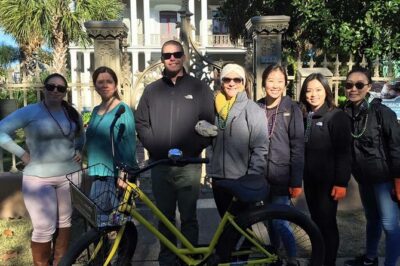 ★ 5.0French Quarter and Garden District Bike TourFrom $55410 reviews
 ★ 5.0Creole Odyssey Small-Group Bike TourFrom $55268 reviews
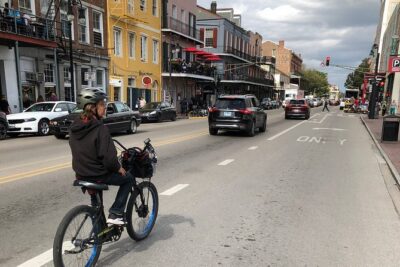 ★ 5.0Creole New Orleans Electric Bike Tour (ages 16 & up)From $89230 reviews
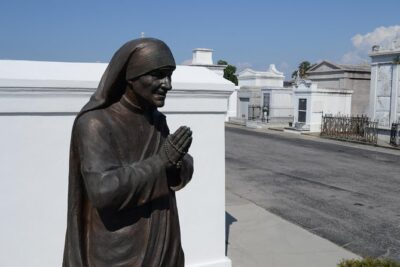 ★ 5.0History and Sightseeing Small-Group Bike TourFrom $55215 reviews
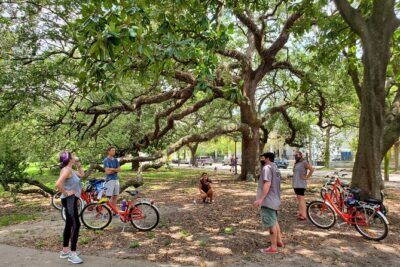 ★ 5.0Garden District and Cemetery Bike TourFrom $55187 reviews
 ★ 5.0French Quarter Historical Segway TourFrom $81178 reviews
 ★ 5.0City Bike TourFrom $60162 reviews
 ★ 5.0The Original ‘Creole and Crescent’ Bike TourFrom $5567 reviews
Browse the lists this tour appears in