
Reviewed · FRENCH QUARTER TOURS
French Quarter Historical Segway Tour
New Orleans moves fast, even when you do not. A 2-hour Segway loop lets you cover the French Quarter and riverfront without wearing out your feet. You get live guide talk while you glide past big landmarks and street-corner history.
I really like how the guides (including AJ and Ren) keep things smooth for riders, especially first-timers. You also get real value from the mix of motion and commentary, so you’re not just taking photos—you’re learning what you’re looking at.
One thing to consider: you’ll be riding on uneven streets, so you need focus. And since there’s no guarantee of perfect audio clarity from every spot, you may find yourself leaning in when the group stops.
In This Review
- Key takeaways before you roll
- French Quarter on a Segway: what you get in two hours
- Meeting at Central Business District and getting rolling
- Segway practice and safety that actually helps
- The core route through Canal Street and Bourbon Street
- St. Louis Cathedral and the architecture you can spot fast
- Historic French Quarter sights without the foot-slogging
- Pausing near the French Market for a real-world break
- Down to the Mississippi River and the Steamboat Natchez angle
- Price and value: is $81 fair for this format?
- Who this tour fits best (and who should skip it)
- The guide makes or breaks it (AJ and Ren set a high bar)
- Practical tips so your ride feels smooth
- Should you book this French Quarter Historical Segway Tour?
- FAQ
- Where does the French Quarter Historical Segway Tour start?
- How long is the tour?
- What is the price?
- Does the tour include a helmet and Segway training?
- What’s the rider weight requirement?
- Do I need to sign a liability waiver?
- How many people are in a tour group?
- Is confirmation provided after booking?
- Is this activity dependent on weather?
- What’s the cancellation policy?
Key takeaways before you roll
- Live guide commentary while you cover more than walking allows
- First-timer friendly instruction and hands-on practice before you ride
- French Quarter + riverfront highlights in one tight 2-hour window
- Helmet included and safety checks that keep the group moving
- Small group size (up to 12) for easier pace control and traffic handling
- New Orleans street bumps are real, so go in ready to stay alert
More ways to wander the Vieux Carre
- New Orleans Food Walking Tour of the French Quarter with Small-Group Option★ 5.0 · 6,118 reviews
- New Orleans French Quarter, Voodoo and Culture Walking Tour★ 4.5 · 2,961 reviews
- French Quarter Historical Sights and Stories Walking Tour★ 5.0 · 2,724 reviews
- Ghost and Vampire Walking Tour Of The French Quarter★ 4.5 · 2,406 reviews
French Quarter on a Segway: what you get in two hours
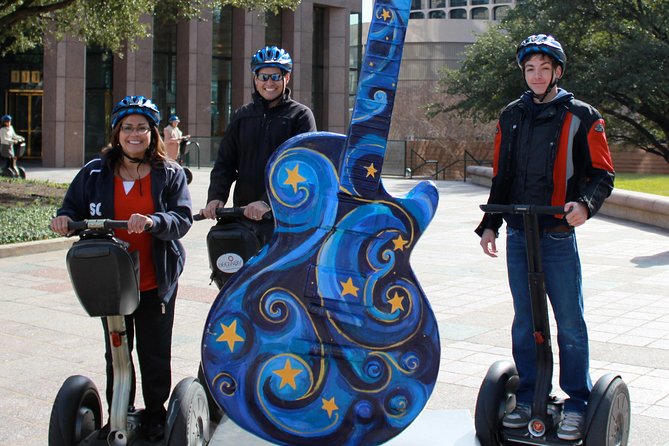
This tour is built for the “I want to see a lot, but I also want to feel like I did it” traveler. In about 2 hours, you’ll move through the French Quarter and beyond, using Segways to cover ground quickly while your guide points out what matters.
The feel is part sightseeing, part street-level orientation. You start with Segway instruction, then you glide past the places that most people come to New Orleans for—plus architecture and context that’s easy to miss when you’re just walking between stops.
If you want an easy win on your first or second day, this is a strong choice. It’s also a smart option if your legs are already tired from jazz bars, long meals, or that one extra loop around Bourbon Street you didn’t plan.
Meeting at Central Business District and getting rolling
Your tour meets in the Central Business District (CBD) area, and it ends back at the same starting point. That round-trip convenience matters in New Orleans, where transit and walking times can swing wildly depending on where you are in the Quarter.
You’ll receive a mobile ticket and confirmation at booking time. In practice, that’s helpful because you’re usually dealing with crowds and moving around with limited time.
Before you set off, plan for a quick rhythm shift: from walking pace to a controlled ride pace. The guides do the heavy lifting—teaching controls, checking rider readiness, and managing group flow—so you’re not left guessing what to do next.
A quick heads-up from how the experience is described: be ready to pay attention. One rider warning that sticks is simple—watch the path and don’t get distracted by side shows or sudden street chaos. That’s good advice anywhere in the French Quarter, but it’s extra important when you’re balancing on a Segway.
Segway practice and safety that actually helps
The tour includes Segway use and a helmet, and you must sign a liability waiver. There are also weight limits: minimum 100 pounds and maximum 275 pounds. You don’t need to be an athlete, but you do need to follow instructions and stay mentally present.
The biggest practical benefit is the instruction. If you’ve never ridden before, this is one of those activities that can still work—because you’re not thrown into traffic instantly. Guides like AJ and Ren are praised for teaching quickly and keeping everyone comfortable, including slower starters.
You’ll also learn the basics that matter most in New Orleans streets: controlled turns, gentle speed changes, and how to handle stop-and-go moments with other riders. Reviews also mention bumps in the streets, so expect the ride to feel more like navigating a city than cruising a smooth bike path.
The core route through Canal Street and Bourbon Street
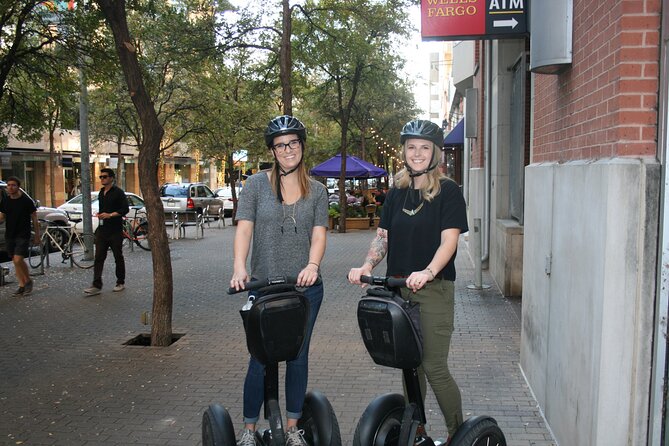
Once you’re up and confident, you’ll glide through the heart of the action areas—starting with a sweep that typically includes Canal Street and then moves into the French Quarter zone, with Bourbon Street on the route.
This is where Segways shine for most people. You get the energy and density of the Quarter without the constant stop-start grind of walking. Your guide can keep talking because you aren’t constantly climbing over curbs or threading through crowds.
Bourbon Street can be loud, busy, and visually overwhelming. Being on a Segway helps you keep moving through it while still hearing what your guide is pointing out. Still, you’ll want to keep your eyes on your path—particularly near street performers and sudden crowd clusters.
More of New Orleans on two wheels





St. Louis Cathedral and the architecture you can spot fast
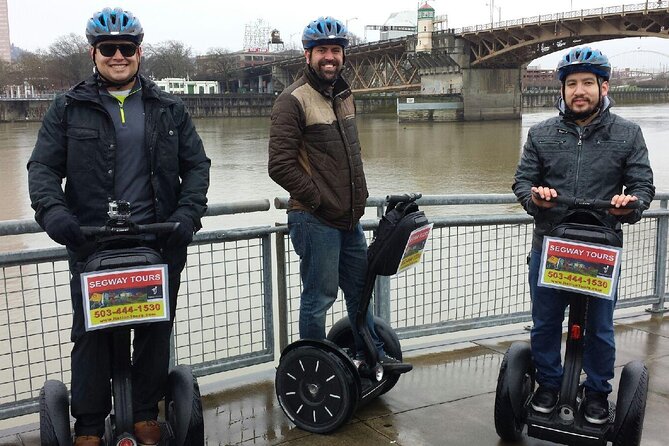
One of the reasons to choose a guided ride over doing this solo is how easily you can miss the important “why.” This tour includes commentary around St Louis Cathedral, and that’s a big deal because the Quarter’s most striking scenes often sit in plain sight.
When you’re on a Segway, you can slow down at the right angles to actually see facades and street layouts. That’s the difference between a quick photo and noticing details like scale, sightlines, and how the neighborhood grew into its current form.
This is also a good stop for anyone who likes history but does not want a lecture. Your guide’s job is to connect buildings to stories you can remember later—how styles and sites relate to the city’s identity and how the Quarter fits into the larger New Orleans picture.
Historic French Quarter sights without the foot-slogging
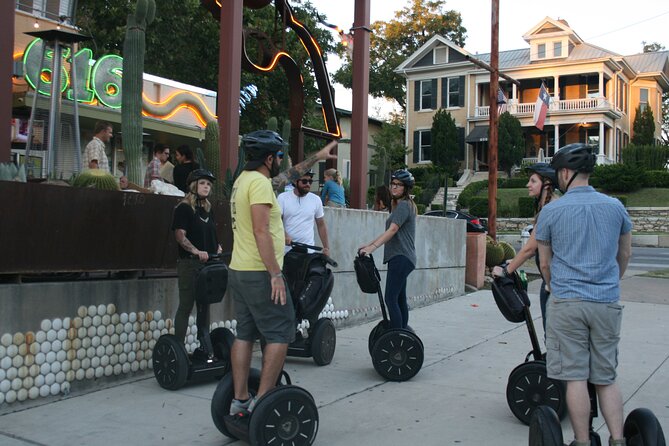
You’ll spend time specifically in the historic French Quarter, and the benefit is simple: you get a broad overview that feels like a map you can return to later. Your guide uses live commentary to point out famous places and, when possible, smaller details that help you understand what you’re seeing.
The Quarter is full of side streets, courtyards, and “wait, what am I looking at” architecture. A walking tour can do this, but it often turns into a long day with lots of standing still. Here, the Segway keeps the movement gentle, so you can take in more stops in less time.
This tour also tends to be a great “feet rest” plan. More than one rider mention a Segway tour as the smart move after spending the night in jazz music spots, when walking feels like punishment.
Pausing near the French Market for a real-world break
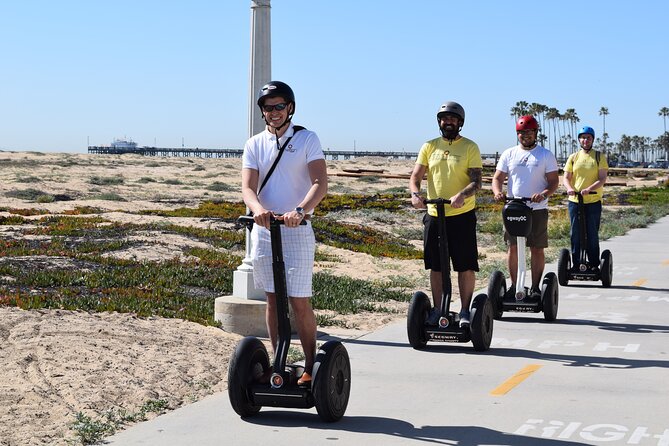
A key moment on this kind of route is a short break in the area around the French Market—at least on routes described by riders. That pause matters because it changes the tour from pure motion into a chance to reset.
It’s also where you can connect your map in your head. After you’ve rolled past iconic streets and architecture, stepping aside for a minute makes the city feel less like a blur and more like a place with rhythm.
If your group is taking pictures, this is typically a helpful moment. One rider appreciated that the guide helped with photos near the end, which is exactly the kind of small service that improves the experience without adding time.
Down to the Mississippi River and the Steamboat Natchez angle
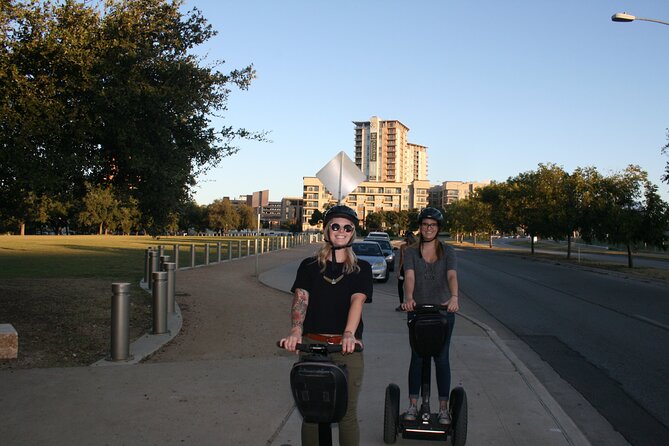
The tour doesn’t stay locked inside the Quarter. You head over toward the Mississippi River, with Steamboat Natchez and other riverfront attractions part of what you’ll see.
That river section is valuable because it helps you understand New Orleans beyond the street scenes. The city’s history is tied to movement—ships, commerce, and people arriving or departing—and the riverfront makes that idea feel real.
Even if you do not plan to board anything, seeing the riverfront context can deepen what you think you already know. It also gives you a practical “where do I go next?” point for your later day plans.
One thing to expect: the ride gets more about transitions—moving between areas—so stay relaxed and let the guide control the pace. You’re not trying to multitask. You’re just trying to absorb.
Price and value: is $81 fair for this format?
At $81 for about 2 hours, you’re paying for several things at once:
- a local guide with live commentary
- Segway instruction and the Segway ride itself
- a helmet
- a small group setup (up to 12)
Compared with the cost of doing multiple paid activities plus a separate walking guide, this can be good value because it bundles transport and education. You’re also buying time. Two hours in New Orleans can either disappear in transit and wandering—or it can be used to build a smart mental map of the city.
The real value shows up if you fall into one of these categories:
- You want an overview fast, ideally early in your trip
- Your feet are tired and you still want the Quarter highlights
- You want guide context for landmarks like St Louis Cathedral
- You’re traveling with people who can’t handle a long walking day
Who this tour fits best (and who should skip it)
This experience is set up so most travelers can participate, but it does have clear rules. You must meet the weight limits and wear a helmet, and you’ll need to sign the waiver.
In terms of riding, the best match is someone who can follow safety instructions and stay aware. Reviews repeatedly highlight that the Segways are easy to learn and that guides manage traffic and obstacles carefully—especially on the kind of New Orleans streets that have bumps and irregular pavement.
If you struggle with balance, or you’re not comfortable with a motorized device, it’s worth reconsidering. Also, if you’re the type who gets distracted by everything happening on the sidewalk, you’ll need extra self-control here. The city is tempting; your job is to keep your eyes on the path.
This is also a good family-friendly idea in the sense that people mention bringing a wider age range, including an older rider who had a great time. Still, you should treat “possible” as “depends on comfort.” Your guide can only do so much if you freeze when it’s time to move.
The guide makes or breaks it (AJ and Ren set a high bar)
A big reason this tour earns such strong scores is the guide style. AJ and Ren show up often in the positive feedback, and the common threads are:
- patience during learning
- clear safety checks before moving into busier streets
- upbeat, local stories
- practical tips on food and drink stops
That matters because Segway tours succeed only when the guide can handle two things at once: rider confidence and city navigation. In New Orleans, traffic flow, crowds, and uneven pavement are part of the scenery. A strong guide keeps those issues from turning into a stressful ride.
If you’re hoping for pure history facts, this still works. But it’s more helpful than a textbook because the commentary connects to street scenes you’re actively passing.
One practical complaint to note: a rider wished the guide could provide a radio transmitter so everyone could hear better during the ride. So if you’re sensitive to audio clarity in outdoor crowds, you might want to bring that expectation with you.
Practical tips so your ride feels smooth
New Orleans street conditions are part of the experience. You’ll see the Quarter’s architecture and energy, but you’ll also encounter uneven pavement.
Here’s what helps most:
- Wear closed-toe shoes you can feel confident in
- Keep distractions low during movement; focus on your line
- Listen for guide cues at stops, especially when you’re navigating around obstacles
- If you need a break, ask early; don’t wait until you’re already tired
Also, think about timing. This tour requires good weather. If conditions are poor, the operator will offer a different date or a full refund—so plan something flexible on your schedule.
Should you book this French Quarter Historical Segway Tour?
I’d book it if you want a guided overview that saves your legs and gives you context. The price makes sense when you remember you’re paying for instruction, helmeted riding, and live storytelling through major Quarter landmarks and down toward the river.
I’d hesitate if you’re very noise-sensitive, uncomfortable with motorized devices, or you’re not confident keeping your focus while passing crowds. In that case, you might prefer a traditional walking tour with slower pacing.
If you’re trying to hit the French Quarter, learn what you’re looking at, and still keep your day from turning into a long slog, this Segway format is one of the smarter ways to do it.
FAQ
Where does the French Quarter Historical Segway Tour start?
The tour starts in the Central Business District area of New Orleans, LA 70112, and ends back at the same meeting point.
How long is the tour?
The tour lasts about 2 hours.
What is the price?
The price is listed as $81.
Does the tour include a helmet and Segway training?
Yes. The tour includes use of the Segway and a helmet.
What’s the rider weight requirement?
Riders must be at least 100 pounds and not more than 275 pounds.
Do I need to sign a liability waiver?
Yes, you must sign a liability waiver.
How many people are in a tour group?
The tour has a maximum of 12 travelers.
Is confirmation provided after booking?
Yes. Confirmation is received at the time of booking.
Is this activity dependent on weather?
Yes. It requires good weather. If it’s canceled due to poor weather, you’ll be offered a different date or a full refund.
What’s the cancellation policy?
You can cancel for a full refund up to 24 hours in advance. If you cancel less than 24 hours before the start time, the amount paid is not refunded.
More Tour Reviews in New Orleans





More Two-Wheel New Orleans
More of the French Quarter




Just added to The New Orleans Traveler





French Quarter Tours, compared.
 ★ 5.0Food Walking Tour of the French Quarter with Small-Group OptionFrom $756,118 reviews
 ★ 4.5French Quarter, Voodoo and Culture Walking TourFrom $272,961 reviews
 ★ 5.0French Quarter Historical Sights and Stories Walking TourFrom $352,724 reviews
 ★ 4.5Ghost and Vampire Walking Tour Of The French QuarterFrom $212,406 reviews
 ★ 4.5City Tour: French Quarter, Garden District & CemeteryFrom $402,209 reviews
 ★ 5.0French Quarter Food Tour: Cajun, Creole and CultureFrom $811,246 reviews
 ★ 5.0French Quarter and More Carriage RideFrom $651,141 reviews
 ★ 5.0French Quarter walking Food Tour Famous Flavors of New OrleansFrom $751,115 reviews
Browse the lists this tour appears in