
Reviewed · BIKE & SEGWAY TOURS
New Orleans Creole Odyssey Small-Group Bike Tour
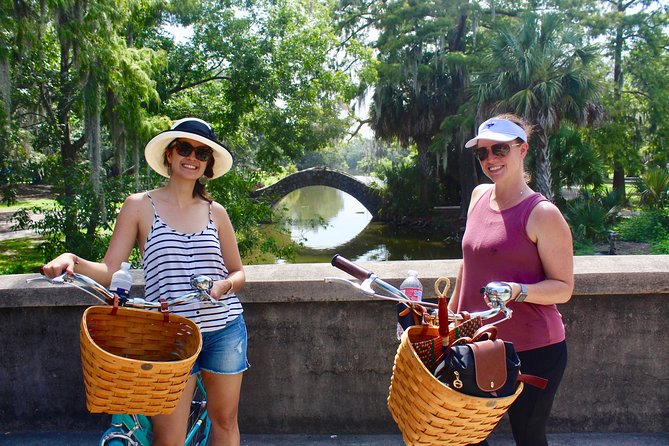
New Orleans on bikes is a quick way to feel the city. This 3-hour small-group Creole history tour takes you past famous sights and also into quieter neighborhoods, from the French Quarter edge to the watery Bayou St. John area. I love that it keeps the pace flat and relaxed for most riders, yet still packs in real stories—from burial practices in a cemetery to the roots of jazz at Congo Square. The included helmet and bike make it easy to show up and ride without extra planning.
One thing to consider: the ride includes about two hours in Mid-City, so you’ll want decent comfort on a bike saddle. Also, the tour is age- and height-specific (minimum age 13, over 4’11”), so it’s not a fit for little kids or very short riders.
For people who want more than a French Quarter loop, this is a smart way to cover ground with context. The maximum group size is 10, which means more chance to ask questions and actually hear the guide over the street noise.
In This Review
- Key points before you go
- Getting Started at 626 N Rampart: Bikes, Helmets, and Where to Stand
- A quick safety note that’s worth taking seriously
- French Quarter to Faubourg Marigny: Creole Stories You Can Ride Along
- What I like about the way they pace these stops
- Possible drawback
- Mid-City Pedals: The Long Stretch That Makes the Tour Feel Like New Orleans
- Tip: think of it as a steady bike ride, not a stop-and-go walking tour
- St. Louis Cemetery No. 3: Architecture, Burial Practices, and Respect
- What to expect
- City Park and the Cafe du Monde Break: Resting Without Losing Momentum
- One practical reality
- Bayou St. John and Congo Square: Waterways and Jazz Origins
- A small-group advantage here
- Price and Value for a 3-Hour Small-Group Ride
- When to book
- Who Should Book (and Who Might Skip It)
- Practical Tips to Make Your Ride Smoother
- What the guides are like
- Should You Book the New Orleans Creole Odyssey Bike Tour?
- FAQ
- How long is the New Orleans Creole Odyssey small-group bike tour?
- How much does the tour cost?
- Where does the tour meet?
- What’s included in the price?
- What should I wear on the bike?
- What are the age and height requirements?
- Is food included?
- Do I need a printed ticket?
- What happens if the weather is bad?
- Can I cancel and get a full refund?
Key points before you go
- Max 10 riders means you get a quieter, more personal experience instead of a herd
- Helmet and bike rental included so you can travel light
- A flat route with a longer section through Mid-City for riders who like steady pacing
- Stops include St. Louis Cemetery No. 3, City Park, Bayou St. John, and Congo Square
- The guide adds personality and clarity, with names like Eric and Gomez showing up frequently in the guide set
More of New Orleans on two wheels
- New Orleans French Quarter and Garden District Bike Tour★ 5.0 · 410 reviews
- New Orleans Creole Odyssey Small-Group Bike Tour★ 5.0 · 268 reviews
- Creole New Orleans Electric Bike Tour (ages 16 & up)★ 5.0 · 230 reviews
- New Orleans History and Sightseeing Small-Group Bike Tour★ 5.0 · 215 reviews
Getting Started at 626 N Rampart: Bikes, Helmets, and Where to Stand
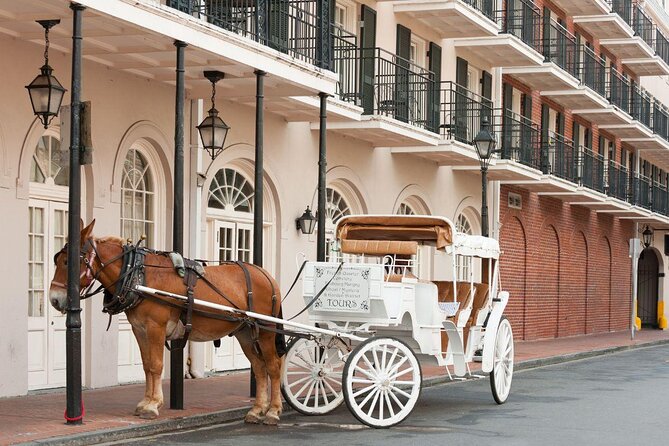
Your tour starts at 626 N Rampart St. Plan to arrive a few minutes early so you can get fitted, meet your guide, and settle before you roll out. This matters more than you’d think because the ride is timed—your stops are spaced so you don’t feel rushed, but you also don’t drift.
Good news: you don’t have to source a bike or helmet. Bike and helmet rental are included, plus bottled water. That’s one less thing to worry about in a city where walking heat can sneak up on you.
If you need coffee first, there’s Twelfth Night Coffee right next door (hot and cold coffee/espresso, plus pastries). Even a quick espresso can keep your energy steady for the first push out of the French Quarter.
A quick safety note that’s worth taking seriously
They prohibit flip-flops/slippers while riding. If you’re bringing sandals, go for heel-strap sandals. Closed-toed shoes are preferable, and this rule is strict enough that you’ll want to follow it from the start rather than hope for flexibility.
French Quarter to Faubourg Marigny: Creole Stories You Can Ride Along
After checking in, you’ll move from the French Quarter area toward Mid-City, with stops that explain what you’re seeing instead of treating it like a drive-by photo tour.
In the French Quarter, one of the first learning moments is a stop to show you the oldest building in the city. Even if you’ve seen a lot of New Orleans photos, hearing what makes a building important—and how old it is—changes how you look at the streets you thought you already knew.
Then you head toward Faubourg Marigny, where the focus shifts to everyday culture. This is the part of town tied to Frenchmen St.—music, history, and the feeling that the neighborhood is doing something on its own schedule. You’ll get a short stop here, but it’s the kind of stop that helps you understand why locals gravitate to certain blocks instead of just following the loudest tourist route.
What I like about the way they pace these stops
You get quick context early, before you hit the longer riding stretch. It means when you start moving through Mid-City, you’re not just passing buildings—you’re tracking ideas: where Creole life grew, how neighborhoods connect, and how the city’s layout tells a story.
More rides through the neighborhoods




Possible drawback
The French Quarter is busy. Even with a small group, you’ll be riding near traffic at points. If you’re the kind of person who dislikes street noise, consider going in with patience and a plan: keep your attention on the guide’s directions and the bike path.
Mid-City Pedals: The Long Stretch That Makes the Tour Feel Like New Orleans
The biggest chunk of time—about two hours—is riding through Mid-City. This is where the tour stops being about “major landmarks” and starts becoming about the city’s lived geography: the leafy blocks, the parks, the changes in architecture, and the sense of different communities moving side by side.
This is also the part that determines whether you’ll enjoy the tour or just tolerate it. The good news is that the route is described as flat and easy, suitable for most fitness levels. The less-good news is that “easy” still includes time in the saddle. If your legs tire quickly or you haven’t ridden in a while, you’ll want to prepare.
Tip: think of it as a steady bike ride, not a stop-and-go walking tour
The structure is built so you keep moving. Stops are short and purposeful. That’s exactly why this feels like a fast way to cover ground—but it does mean you’re responsible for pacing yourself.
St. Louis Cemetery No. 3: Architecture, Burial Practices, and Respect
At St. Louis Cemetery No. 3, the focus isn’t just spooky atmosphere. You learn about district burial practices, which is more informative (and less gimmicky) than the usual cemetery “boo” factor.
Cemeteries in New Orleans aren’t just places people avoid talking about. They’re part of how the city organizes memory and space. When you’re on a bike nearby, it’s easy to treat a cemetery like scenery. This stop helps you slow down just enough to understand why this place is designed the way it is.
What to expect
The stop is about 20 minutes, so it’s long enough to hear the story and absorb the setting without turning it into a class session. Dress appropriately and take your time in the space. Even if your mind goes straight to photos, keep your energy respectful—this is a real cemetery, not a themed set.
City Park and the Cafe du Monde Break: Resting Without Losing Momentum
You’ll ride through City Park, described as the largest urban park in the city. It’s one of those spots where the scale suddenly makes sense: you feel like you’re no longer just moving through streets.
There’s a planned pause at Cafe du Monde’s City Park location for about 10 minutes. This is a practical break built into the ride, not a random detour. You can grab a quick drink, stretch your legs, and regroup before the tour continues toward the water.
One practical reality
The tour doesn’t include food. The cafe break is short, so don’t count on a full meal. If you want something substantial, you’ll need to plan that around the tour timing.
Bayou St. John and Congo Square: Waterways and Jazz Origins
The finale leans into two powerful New Orleans themes: the city’s relationship to water and the cultural sparks that came from specific spaces.
At Bayou St. John, you’ll follow a natural, historic waterway that was traversed by Native Americans and early French settlers. The point of this stop is more than scenery. You start to see how the city’s history is shaped by its waterways—routes for people, trade, and settlement.
Then you reach Congo Square, a sacred location tied to the origins of jazz. This is where the tour connects neighborhood life to broader cultural history. You’re not just seeing a site; you’re being told why it matters.
A small-group advantage here
Because the group is capped at 10, the guide can slow down for explanation without turning the stop into a long wait for everyone else. That matters on days when the streets are crowded and attention spans are tested.
Price and Value for a 3-Hour Small-Group Ride
The price is $55 per person for about 3 hours, including your guide, bicycle, helmet, and bottled water. For New Orleans, that’s a reasonable package because it covers the hard parts: equipment, safety gear, and a structured route that you’d struggle to assemble yourself quickly.
This is also not a giant tour. With up to 10 people, you get more real-time interaction. In a city where “tour facts” can be half-forgotten by the end of a walk, having a guide who can answer questions makes the time feel more efficient.
When to book
On average, people book this about 23 days in advance. That tells me you should plan ahead, especially if you’re visiting during a busy week. Waiting until the last minute can leave you with fewer time slots.
Who Should Book (and Who Might Skip It)
This tour is a great match if:
- you want more than French Quarter photos
- you enjoy learning while moving at an easy pace
- you like seeing neighborhoods like Faubourg Marigny and the park side of City Park
- your group includes teenagers or adults who can handle a 3-hour bike outing (minimum age is 13)
You might want to rethink it if:
- you don’t feel steady on a bike for an extended ride (Mid-City is about two hours)
- you hate street-adjacent riding near traffic
- your group doesn’t meet the 4’11” height rule
- you rely on footwear that isn’t allowed (flip-flops/slippers are prohibited)
Practical Tips to Make Your Ride Smoother
Here’s how to show up and have the best time:
- Wear closed-toed shoes or heel-strap sandals. They actively discourage flip-flops.
- Bring a light layer. Even in warm months, bike rides can feel cooler with wind.
- Drink water before you start. Water is included, but starting hydrated helps your legs.
- Don’t plan a big food mission around the tour. The ride includes short breaks, and food/drinks aren’t included.
- If you need caffeine early, hit Twelfth Night Coffee next door before you check in.
What the guides are like
From the information provided, guides such as Eric and Gomez are known for being engaging and answering questions clearly. That’s a big deal on a tour where you’re hearing history and geography in motion.
Should You Book the New Orleans Creole Odyssey Bike Tour?
If you want a smart, time-efficient way to see New Orleans beyond the usual loop, I’d book this. You get a rare mix: Creole storytelling, neighborhoods that feel different from block to block, a cemetery stop with real context, and then the water-and-music finale with Bayou St. John and Congo Square.
The trade-off is simple: it’s a bike tour, so you need some comfort staying in motion for a couple hours at a steady pace. If that’s within your comfort zone, the included bike and helmet plus the small group size make this a strong value.
Go when you’re rested, wear the right shoes, and come ready to learn what you’re seeing as you ride. That’s when this tour really pays off.
FAQ
How long is the New Orleans Creole Odyssey small-group bike tour?
It lasts about 3 hours.
How much does the tour cost?
The price is $55.00 per person.
Where does the tour meet?
The meeting point is 626 N Rampart St, New Orleans, LA 70116.
What’s included in the price?
Your guide is included, along with bicycle and helmet rental, plus bottled water.
What should I wear on the bike?
Dress according to the weather, and closed-toed shoes are preferable. Flip-flops and slippers are prohibited on the tour, but sandals with heel straps are a good alternative.
What are the age and height requirements?
The minimum age is 13, and all participants must be over 4’11”.
Is food included?
No. Food and drinks are not included, and gratuities are also not included.
Do I need a printed ticket?
No. The tour uses a mobile ticket, and you receive confirmation at the time of booking.
What happens if the weather is bad?
This experience requires good weather. If it’s canceled due to poor weather, you’ll be offered a different date or a full refund.
Can I cancel and get a full refund?
Yes, free cancellation is available. You can cancel up to 24 hours in advance for a full refund. Canceling less than 24 hours before the start time isn’t refunded.
More Tours in New Orleans


More Tour Reviews in New Orleans
More Two-Wheel New Orleans

Just added to The New Orleans Traveler


Bike & Segway Tours, compared.
 ★ 5.0French Quarter and Garden District Bike TourFrom $55410 reviews
 ★ 5.0Creole New Orleans Electric Bike Tour (ages 16 & up)From $89230 reviews
 ★ 5.0History and Sightseeing Small-Group Bike TourFrom $55215 reviews
 ★ 5.0Heart of the City Bicycle TourFrom $55202 reviews
 ★ 5.0Garden District and Cemetery Bike TourFrom $55187 reviews
 ★ 5.0French Quarter Historical Segway TourFrom $81178 reviews
 ★ 5.0City Bike TourFrom $60162 reviews
 ★ 5.0The Original ‘Creole and Crescent’ Bike TourFrom $5567 reviews
Browse the lists this tour appears in