
Reviewed · CAJUN & CREOLE COOKING CLASSES
New Orleans: Hands-on Cajun Roux Cooking Class
A dark roux can feel like magic. In this hands-on Cajun and Creole cooking class, you learn the method behind three New Orleans favorites in just 3 hours.
What I like most is how practical it is: you chop, stir, and plate, not just watch. I also love the energy and teaching style, with chefs like Chef Raymond and Chef Jason bringing both technique and stories about Cajun and Creole cooking.
One thing to consider: it is not a casual stop-and-snack. You’ll be actively cooking the whole time, so it’s best if you truly enjoy getting hands-on in the kitchen.
In This Review
- Key Things That Make This Class Worth Your Time
- Walking Into the French Quarter Kitchen Setup
- The 3 Dishes You’ll Cook (And Why They Matter in New Orleans)
- Mise en Place and the Cajun Holy Trinity: Flavor Starts Before the Stove
- Dark Roux for Gumbo: The Skill Everyone Talks About
- Light Roux for Shrimp Étouffée: Same Method, Different Goal
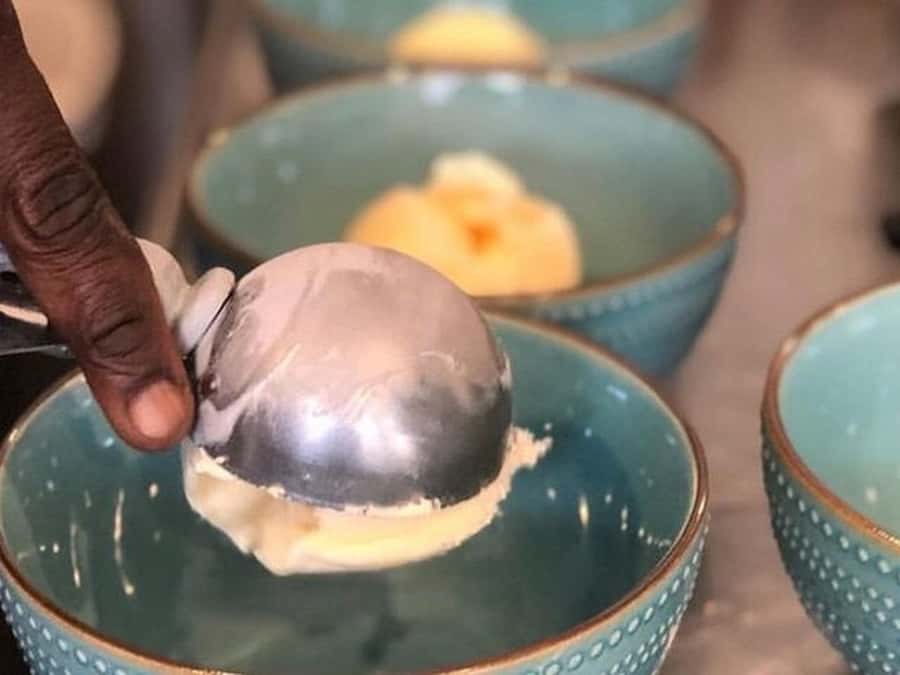
- Bananas Foster: The Dessert Finish That Actually Feels Repeatable
- Drinks and the Included Meal: What You’re Getting for $157
- The Teaching Style: How Chef Raymond, Chef Jason, and Mark Make It Click
- What the Timing Feels Like When You’re Actually Cooking
- Who Should Book This Cajun Roux Class in the Quarter
- Should You Book This Cajun Roux Cooking Class?
- FAQ
- How long is the Cajun Roux cooking class?
- Where do I meet for the class?
- What dishes will I cook?
- Are drinks included?
- What is the group size?
- What is the price?
- What language is the instructor?
- Is this class suitable for children?
- Is the class wheelchair accessible?
- What is included in the experience?
Key Things That Make This Class Worth Your Time
- Real roux lessons: dark roux for gumbo, light roux for shrimp étouffée
- Cajun Holy Trinity prep: you practice the chopping step that drives flavor
- Hands-on cooking, small group: limited to 10 participants so you can stay involved
- Dessert you can repeat: bananas foster taught in a fool-proof way
- Food plus drinks included: wine, beer, sodas, and water during class
Back to the stove for more Creole cooking
- New Orleans French Quarter Food Tour: Cajun, Creole and Culture★ 5.0 · 1,246 reviews
- New Orleans Hands-On Cooking Class with Meal★ 5.0 · 1,183 reviews
- New Orleans: Cajun and Creole Cooking Class★ 4.9 · 730 reviews
- Hands-on Cajun Roux Cooking Class in New Orleans★ 5.0 · 356 reviews
Walking Into the French Quarter Kitchen Setup
You meet in the French Quarter at Suite 101 on the ground level. That location matters because it keeps the whole experience compact: you spend your energy cooking, not commuting.
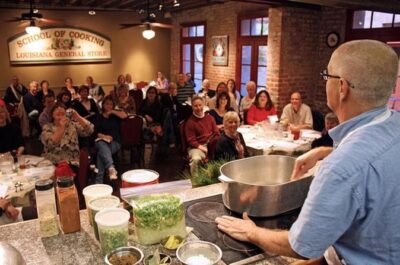
This class is designed for a small group of up to 10 people. In practice, that means you get coaching while you work, plus you’re not stuck waiting for long turns.
I also appreciate that the class is taught in English and is wheelchair accessible. If you’re traveling with someone who needs access, it’s one less thing to worry about.
Finally, set your expectations: this is a cooking class, not a show. You’ll put your hands to work, from prep to plating, and you’ll eat what you cook as part of the lunch/dinner.
The 3 Dishes You’ll Cook (And Why They Matter in New Orleans)
The menu is built around core New Orleans flavors, and each dish teaches a different skill.
You’ll make chicken and andouille sausage gumbo, plus shrimp étouffée, and then finish with bananas foster for dessert. The best part is that the class doesn’t treat them like separate recipes. It teaches the building blocks that make them taste like New Orleans.
Here’s what you’re actually practicing with each dish:
- Gumbo helps you master the dark roux and the rhythm of building a base
- Étouffée teaches how a lighter roux supports a different texture and flavor
- Bananas foster shows you how to handle heat and timing so dessert lands right
If you want to bring home more than a single recipe card, this structure is the point. You’re learning technique that transfers to other Louisiana dishes later.
Mise en Place and the Cajun Holy Trinity: Flavor Starts Before the Stove
You begin by getting acquainted with your classmates and settling into the cooking flow. Then you move straight into the stuff that separates good home cooking from flat, bland food: prep and seasoning technique.
A key theme is mise en place, meaning everything in place before you heat anything up. That’s not just chef talk. When you’re making roux, gumbo, and étouffée in a short window, timing matters.
Then you learn about the Cajun Holy Trinity, the classic trio used as a flavor engine in Cajun and Creole cooking. You’ll cut and prep it yourself, which is the fastest way to understand why the pieces matter and how the cooking stage depends on your prep.
You’ll also get history and context as part of the class. This matters because Cajun and Creole cuisine can feel intimidating until you know what the flavors are trying to do. The class keeps that explanation tied to what you’re doing at the station.
Dark Roux for Gumbo: The Skill Everyone Talks About
Roux is the headline here, and the class gives you a guided way to learn it. After you do the holy trinity prep, you take a break with your first glass of wine, then it’s back to work.
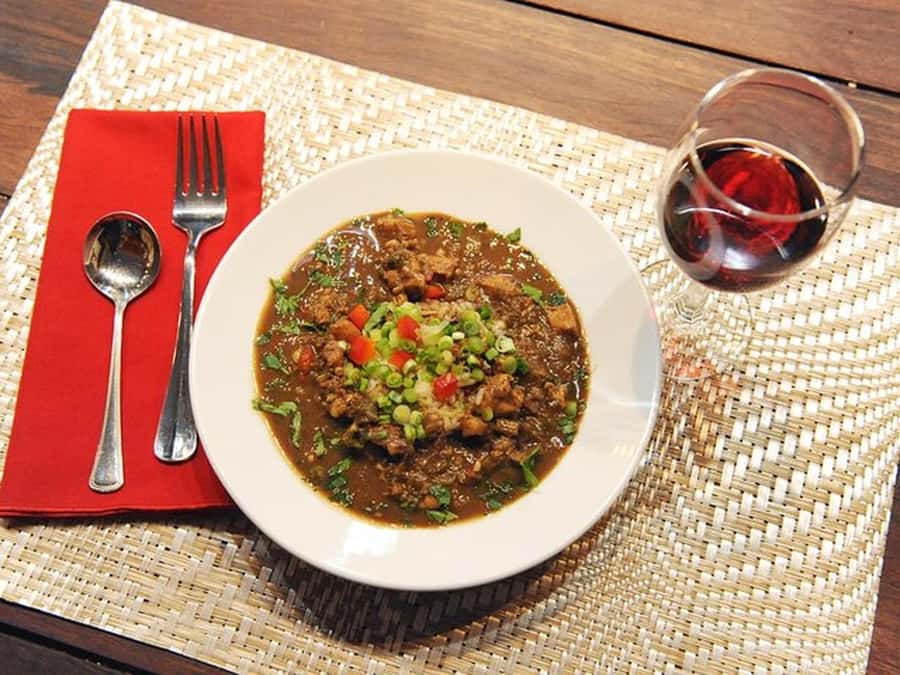
For gumbo, you’ll start the dark roux. That’s the hard part for a lot of people at home. Dark roux isn’t about guessing. It’s about consistent stirring and reading the color stage as it cooks.
The class has you focused on the process, not just the end result. And because it’s hands-on, you learn what the roux looks and smells like as it changes. That makes it far easier to repeat later without relying on luck.
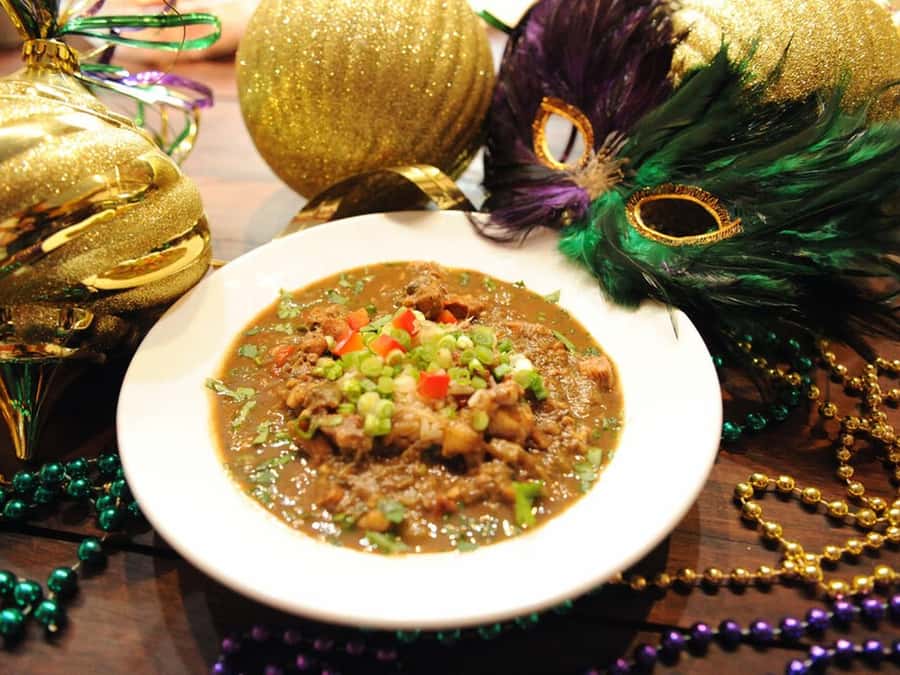
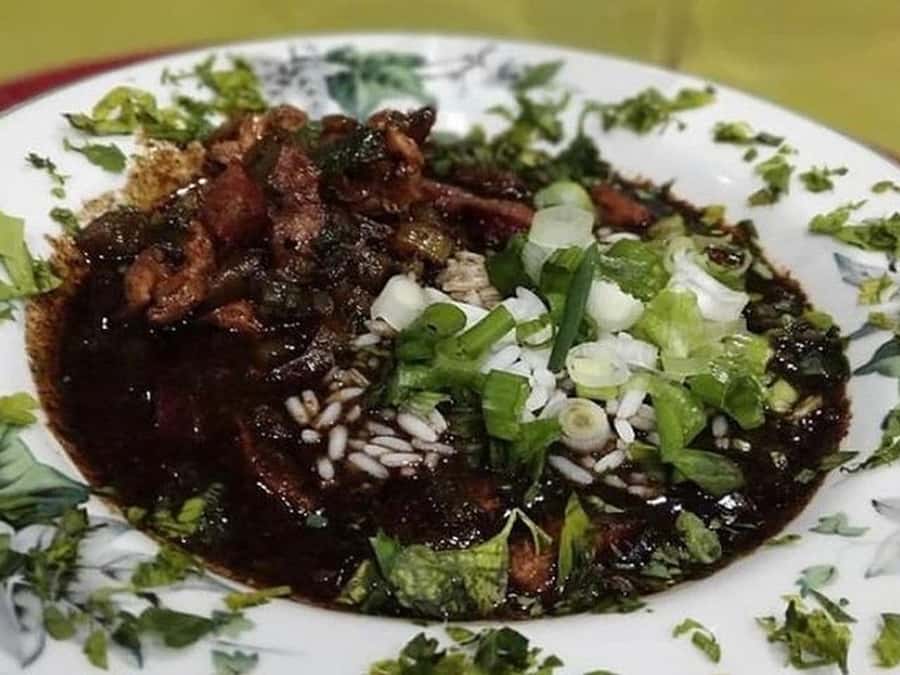
You’re also making gumbo with chicken and andouille sausage, which keeps it authentic to the style taught in the class. You don’t just learn roux in a vacuum. You see how it supports a full dish.
One practical benefit: because you are cooking with others in a small group, you can watch how different people’s roux develops. Then you can compare with what the instructor is coaching in real time.
More New Orleans tours and experiences to compare



Light Roux for Shrimp Étouffée: Same Method, Different Goal
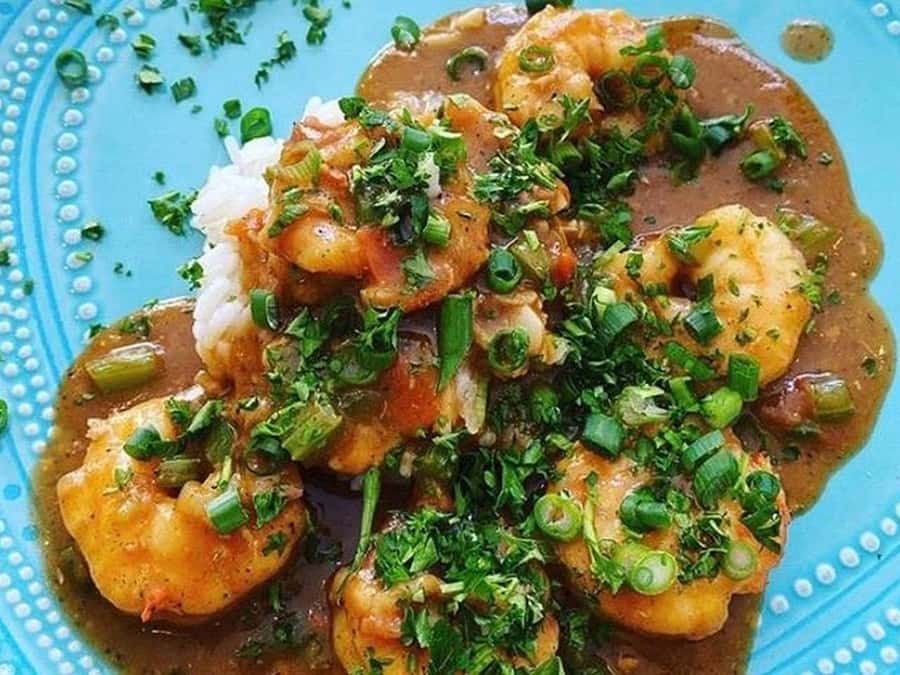
Once the gumbo part is done, you shift gears to shrimp étouffée. This is where the class shows the difference between roux styles.
You’ll make a light roux for the étouffée. The point is that roux isn’t one-size-fits-all. Changing the roux color changes the flavor depth and the texture you’re aiming for.
You also learn the workflow for cooking this dish in the class structure: prep and seasoning, roux development, then the final assembly stages. It’s a great learning moment because you see how the same foundation approach (roux + timing) supports a completely different outcome.
When it’s ready, your meal is plated and you get to eat. That matters because you can connect taste to the technique you just practiced. Roux in a bowl is one thing. Roux inside shrimp étouffée is proof.
Bananas Foster: The Dessert Finish That Actually Feels Repeatable
The final part is bananas foster, and this is often the favorite section. You’re shown a fool-proof way to make the dessert, which is exactly what you want if you’re cooking outside a restaurant kitchen.
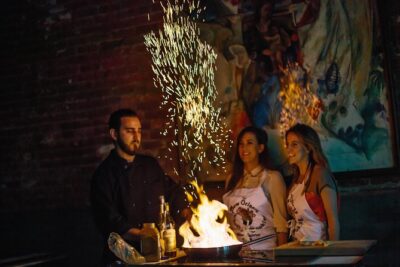
Dessert often trips people up with heat control and timing, especially when alcohol or caramel-like flavors are involved. The class approach helps you by walking you through the steps and teaching you what to watch for as the pan heats up.
You end with a plated dessert that connects back to the earlier cooking skills. You’re still working with heat, timing, and careful execution, just in a sweeter format.
The best kind of souvenir is the one you can re-create. Bananas foster is built for that.
Drinks and the Included Meal: What You’re Getting for $157
Let’s talk value, because $157 per person can sound steep until you look at what’s included.
This class runs 3 hours and includes lunch/dinner plus alcoholic beverages. During the class you get wine, beer, sodas, and bottled water. So you’re not paying only for instruction. You’re paying for ingredients, food, and drinks bundled into a guided session.
In New Orleans, a typical meal in the French Quarter can easily climb past the cost of a simple cooking class once you add drinks and tip. Here, the meal is part of the activity and you get three dishes worth of work and eating, not just a single course.
Also, you’re getting technique education. That’s the part that lasts longer than the food. If you’re the type who wants to cook at home and not just eat on vacation, this format is a strong match.
If you’re traveling with limited time, the small group structure also adds value. Less waiting. More hands-on.
The Teaching Style: How Chef Raymond, Chef Jason, and Mark Make It Click
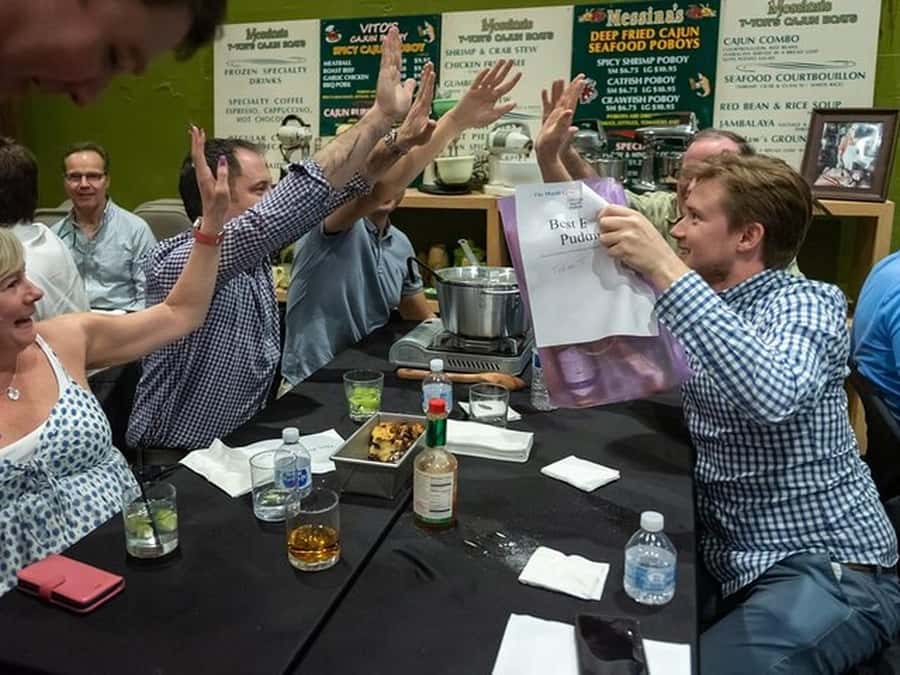
The teaching style is one of the reasons this class scores so high.
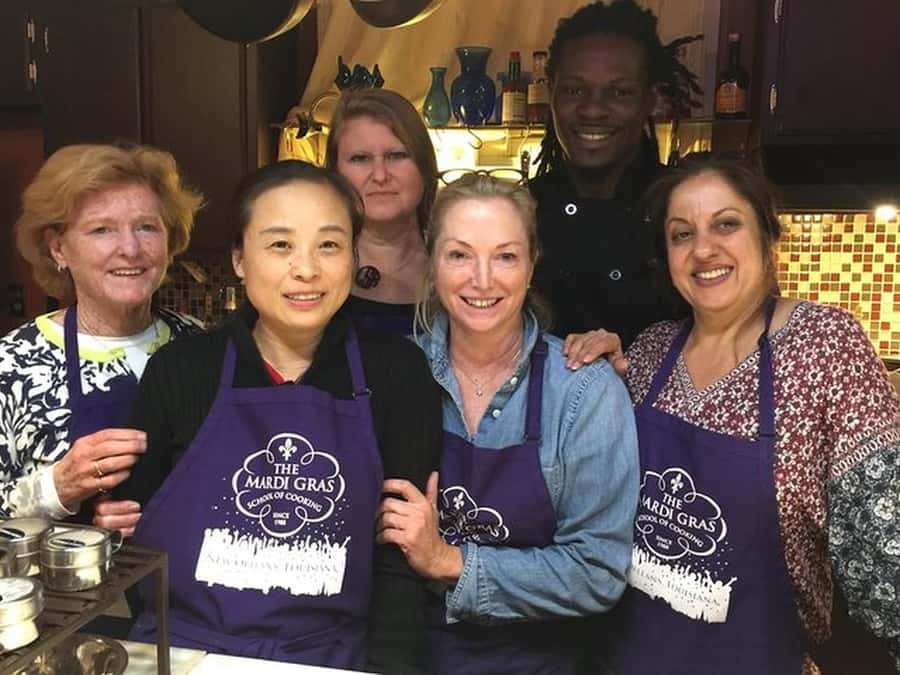
People consistently highlight an enthusiastic approach, including Chef Raymond, who brings a high-energy vibe to the roux work. There’s also mention of music while whipping up roux, which makes the class feel more like hanging with friends than standing in line for a demonstration.
Chef Jason is praised for clear explanations and keeping everyone involved. Another strong theme: the instruction stays both fun and hands-on, plus it includes history lessons about Creole and Cajun cooking tied to what you’re making.
Mark is also mentioned as a fantastic chef who explains carefully and keeps the class enjoyable while still teaching how to make excellent dishes.
That combination matters. Technique-heavy classes can go two ways: stiff and confusing, or lively and vague. From the feedback, this one aims for lively while still giving clear steps.
What the Timing Feels Like When You’re Actually Cooking
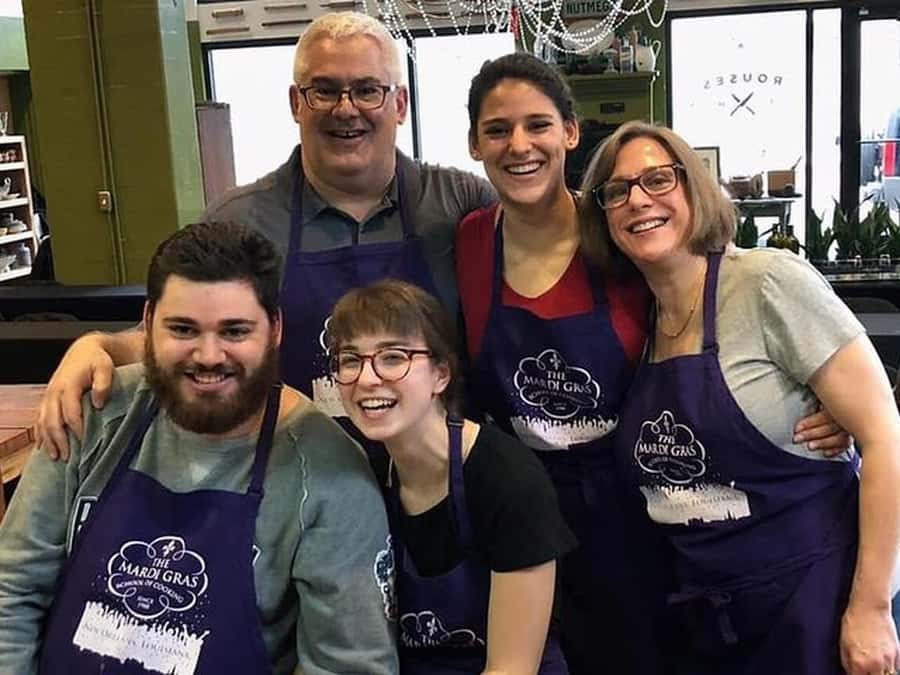
The schedule is tight but not frantic. You start with prep and explanation, you learn roux, you cook gumbo and étouffée, and you finish with dessert. It’s a full meal experience packaged into one sitting.
A practical way to plan your day: eat a lighter breakfast or skip a big lunch beforehand. You’ll be cooking, then eating what you made. Come hungry and you’ll enjoy the whole arc more.
It’s also smart to come ready to participate. The class is built for people who like action at the stove, not passive observers.
Who Should Book This Cajun Roux Class in the Quarter
This is a great pick if you want a hands-on New Orleans experience that actually changes what you can cook afterward. If gumbo, étouffée, and Cajun-style seasoning are on your list, you’ll leave with more than a memory.
It also fits well for couples and small friend groups because you’re all working together in a shared kitchen environment. With a cap of 10, you’re likely to feel included without losing the personal coaching.
Kids note: children over 10 are allowed if they’re willing to participate and love to cook. Children under 10 are not suitable for the class.
If you hate chopping or you’re hoping for a relaxed, mostly observational tour, this might feel like too much cooking time. The class expects participation.
Should You Book This Cajun Roux Cooking Class?
I think you should book this class if you want a memorable French Quarter activity that teaches real Louisiana technique. The dark roux and light roux instruction, plus the holy trinity prep and bananas foster finale, give you a full set of skills you can repeat at home.
It’s also a strong value for the money when you factor in the included meal and drinks during class. For $157, you’re paying for instruction plus three dishes and wine or beer, not just a short demo.
Skip it if you’re looking for a low-energy tour or a passive experience. This one is about your hands on the spoon.
If you’re even a little curious about Cajun and Creole cooking, this is one of the most practical ways to learn it without guessing.
FAQ
How long is the Cajun Roux cooking class?
The class lasts 3 hours.
Where do I meet for the class?
You meet at Suite 101 on the ground level.
What dishes will I cook?
You’ll prepare chicken and andouille sausage gumbo, shrimp etouffee, and bananas foster.
Are drinks included?
Yes. Alcoholic beverages are included, along with soda/pop and bottled water.
What is the group size?
It’s a small group limited to 10 participants.
What is the price?
The price is $157 per person.
What language is the instructor?
The instruction is in English.
Is this class suitable for children?
Children under 10 are not suitable. Children over 10 may book if they’re willing to participate and love to cook.
Is the class wheelchair accessible?
Yes, the activity is wheelchair accessible.
What is included in the experience?
Included items are lunch/dinner, alcoholic beverages, soda/pop, and bottled water. Transportation to the venue is not included.
More Cooking Classes in New Orleans
More Tour Reviews in New Orleans




More Cajun & Creole Cooking

Just added to The New Orleans Traveler




Cajun & Creole Cooking Classes, compared.
 ★ 5.0Demonstration Cooking Class with MealFrom $433,000 reviews
 ★ 5.0French Quarter Food Tour: Cajun, Creole and CultureFrom $811,246 reviews
 ★ 5.0Hands-On Cooking Class with MealFrom $1621,183 reviews
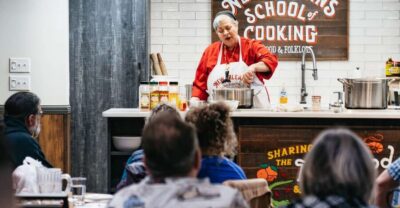 ★ 4.9Cajun and Creole Cooking ClassFrom $40730 reviews
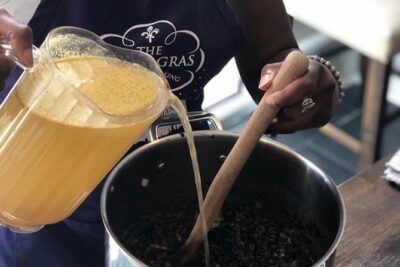 ★ 5.0Hands-on Cajun Roux Cooking Class in New OrleansFrom $163356 reviews
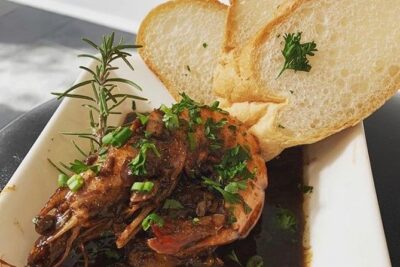 ★ 5.0Hands-on Cajun Traditions Cooking ClassFrom $163132 reviews
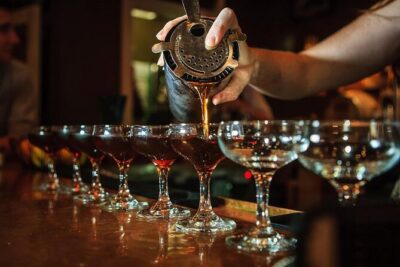 ★ 4.5Cooking Class and Cocktail Walking TourFrom $105109 reviews
 ★ 5.0Small-Group Food Walking Tour and Cooking ClassFrom $10847 reviews
Browse the lists this tour appears in