
Reviewed · FRENCH QUARTER TOURS
New Orleans French Quarter & Cemetery Bike Tour
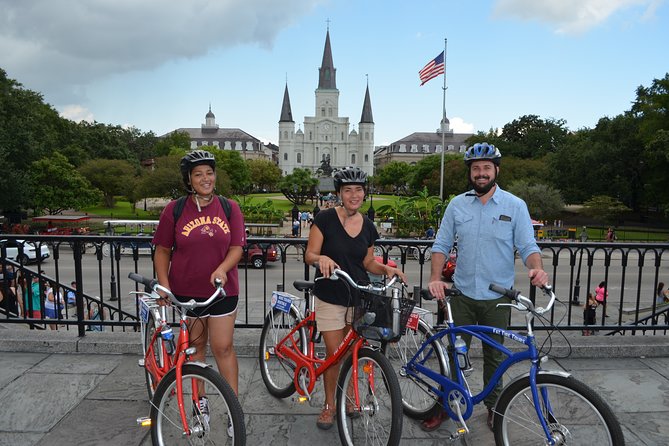
Two wheels beat the foot slog here. This French Quarter and cemetery bike tour is a fast way to get orientation and local detail without burning your calves on steep, uneven streets. You’ll pedal through the old-city layout, stop for key landmarks, and end up in neighborhoods most first-timers only glimpse from afar.
I especially love how the guide-driven pacing works: you get regular stops for photos and short looks inside the story of each place, not just a roll-by. I also like that the stops connect in a sensible route, from the French Quarter core to St Vincent De Paul Cemetery (Louisa Street Cemetery), then on to the music side of Frenchmen Street and the nearby Marigny.
One thing to consider: the ride can feel bumpy in parts, and bike quality can vary a bit (some brakes better than others, though they all work). If you’re the type who hates uneven pavement, you’ll want to take it slow and trust your guide’s safety cues.
In This Review
- Key highlights I think you’ll care about
- Riding the French Quarter in 2–2.5 hours (and why that matters)
- Start point gear: 3027 Chartres and what’s included
- Stop 1: French Quarter streets that teach you the neighborhood layout
- Stops 2 and 3: St. Louis Cathedral and Jackson Square
- Stop 4: St. Vincent De Paul Cemetery (Louisa Street Cemetery) and why it’s more than a spooky stop
- Stop 5: Frenchmen Street, music cues, and planning your night
- Stop 6 and 7: Royal Street and Marigny’s Creole neighborhood feel
- How the ride feels: pace, bumps, and bike fit
- Guides can make or break a bike tour
- Value check: is $55 fair for what you get?
- Practical tips before you book
- Should you book this French Quarter and Cemetery bike tour?
- FAQ
- How long is the bike tour?
- What’s included in the price?
- What should I do about bike sizing for children?
- Does the tour run in bad weather?
- Is the group size limited?
- Is it easy to get to the meeting point?
Key highlights I think you’ll care about
- Small group size (max 10) means more time at stops and easier bike management
- Free admission stops keep the tour moving without surprise ticket costs
- Owner-operated guides bring a personal, neighborhood perspective (and real pacing)
- Helmet, poncho, water, and bike included so you show up light
- Frenchmen Street + Marigny add “what to do tonight” energy beyond the classic postcards
More ways to wander the Vieux Carre
- New Orleans Food Walking Tour of the French Quarter with Small-Group Option★ 5.0 · 6,118 reviews
- New Orleans French Quarter, Voodoo and Culture Walking Tour★ 4.5 · 2,961 reviews
- French Quarter Historical Sights and Stories Walking Tour★ 5.0 · 2,724 reviews
- Ghost and Vampire Walking Tour Of The French Quarter★ 4.5 · 2,406 reviews
Riding the French Quarter in 2–2.5 hours (and why that matters)
New Orleans rewards people who slow down to look. The trick is you can’t slow down much on foot, because the streets are busy, the sidewalks can get crowded, and the distances between big sights add up fast. This tour fixes that by doing the heavy lifting for you: you ride between areas, then stop long enough to actually notice what makes each one different.
For $55, you’re paying for three things: a local guide, transportation (bicycle + helmet), and structure. That last part is huge in the French Quarter. On your own, you can wander for an hour and still feel like you’re circling the same blocks. With this route, you get a clear sense of where you are and why it developed that way.
Timing is also realistic. The tour runs about 2 to 2.5 hours, which is long enough to feel like an experience, but short enough to still enjoy the rest of your day afterward—grab lunch, browse galleries, or line up music for the evening.
Start point gear: 3027 Chartres and what’s included
You meet at 3027 Chartres St. That location is a convenient launching pad because it puts you right where French Quarter exploring starts making sense.
Included with your ticket:
- Bottled water
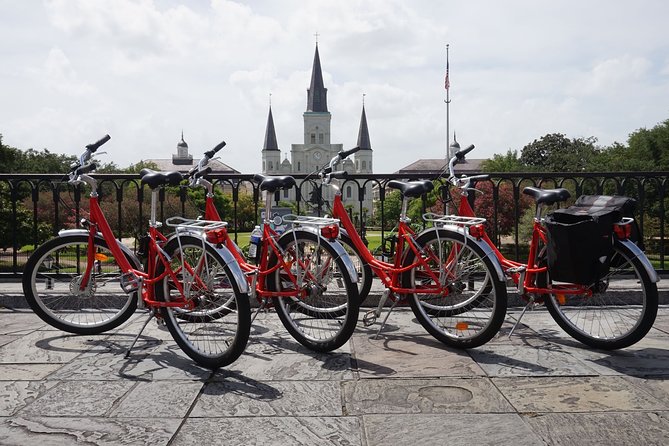
- Bicycle and helmet
- Poncho (handy in New Orleans weather)
- Local guide
You also get a mobile ticket, and the tour runs rain or shine. If the weather turns dangerous, the plan shifts to reschedule or refund—so you’re not left stranded with nothing to do.
Two practical notes you should plan for:
- You need moderate physical fitness. This isn’t an all-day endurance ride, but it’s still cycling for a couple hours.
- If you’re bringing kids, the operator asks for child heights so the bike size is right. That matters more than you’d think—comfort and control affect safety.
And yes, tips aren’t included. Your guide is doing the real work, so it’s worth budgeting gratuity in your plan.
Stop 1: French Quarter streets that teach you the neighborhood layout
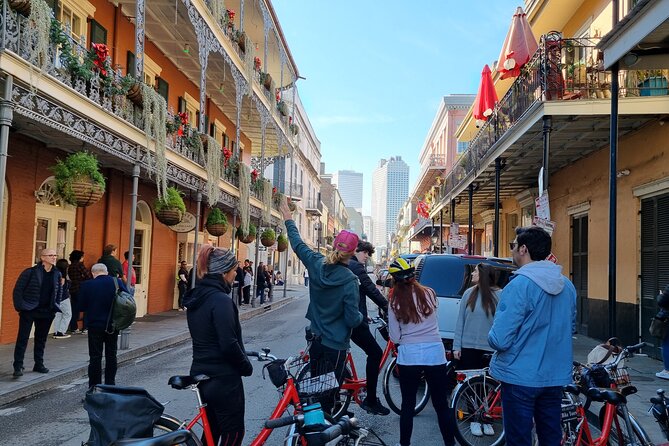
The tour opens with a ride through one of the oldest neighborhoods in the country. That sounds broad, but in practice it means you’re not just moving past pretty buildings—you’re learning how the French Quarter is put together so the sights start clicking into place.
What I’d take from this first segment: you’re given an early “map in your head.” You learn what to look for and how to connect streets, architecture, and history without needing a guidebook open in your lap.
If you like street-level exploration—balconies, wrought-iron details, side streets that feel different even one block away—this start sets you up to enjoy the rest of the ride more.
Stops 2 and 3: St. Louis Cathedral and Jackson Square
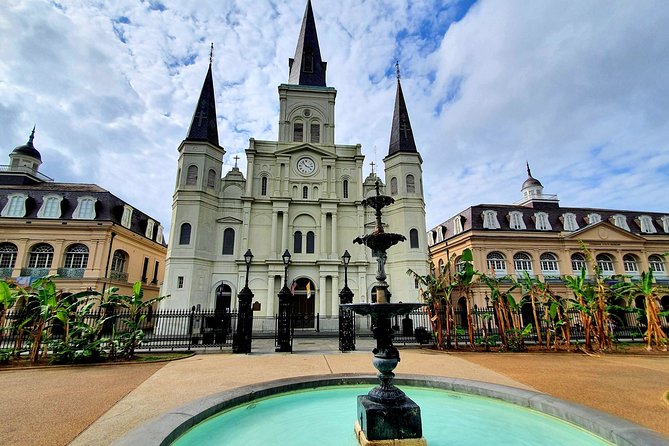
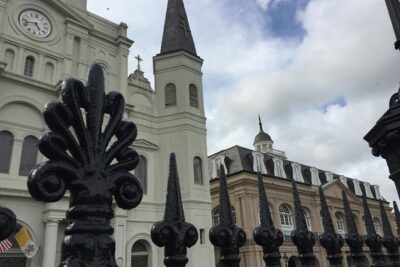
Next you get the kind of landmark that anchors the whole area visually: St. Louis Cathedral, the oldest operating Catholic church in the US. The stop is short, but it’s timed well. You’re close enough to appreciate the architecture, yet not stuck so long that you lose momentum.
Then you roll into Jackson Square, where the vibe shifts from major landmark to public space. This is where street performers and local art show up in real life, not just in photos. The stop here is about 15 minutes, which is enough time to circle, watch what’s happening, and grab a few pictures without feeling rushed.
A small but real advantage of having the bike for this portion: you’re not forced to decide between “look up at the cathedral” or “walk around the square.” You can do both, then hop back on and keep moving.
More walks among the above-ground tombs


Stop 4: St. Vincent De Paul Cemetery (Louisa Street Cemetery) and why it’s more than a spooky stop
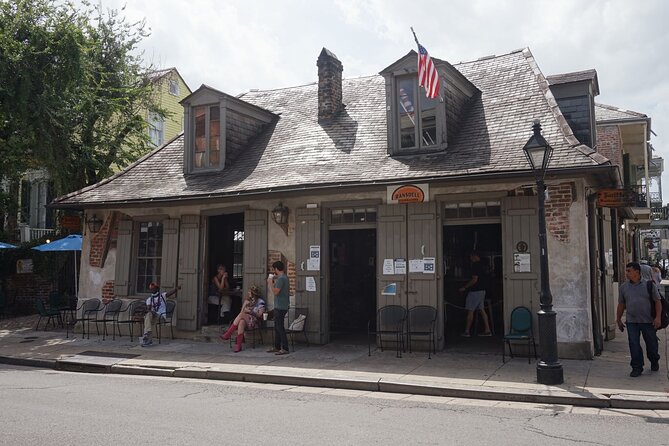
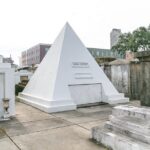
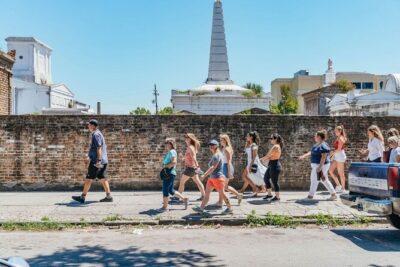
Then comes the tour’s most unusual and most meaningful stop: St Vincent De Paul Cemetery, also known as Louisa Street Cemetery. It was established in 1844, and you’ll get the chance to learn about New Orleans unique funerary practices—why this city looks at death differently than you might expect.
This is one of those stops that changes the way you experience the rest of the French Quarter. Even if the term cemetery makes you think of a quick photo, here the real value is context: how space, remembrance, and history fit together in New Orleans.
The stop length is about 15 minutes, so you’re not stuck in “lecture mode.” It’s more like a focused story stop, then you’re back on the bike to connect it to the bigger picture of the city.
Stop 5: Frenchmen Street, music cues, and planning your night
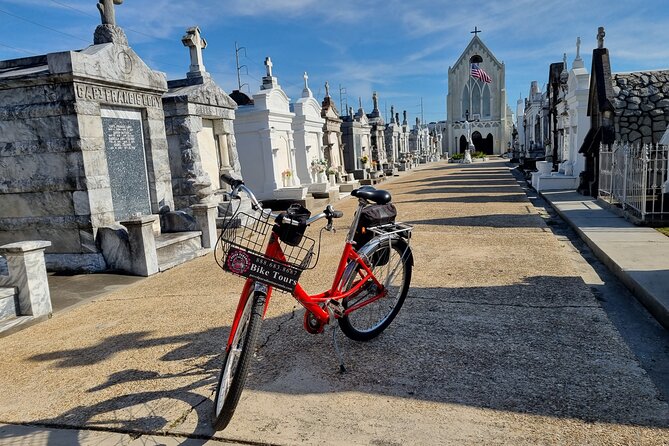
After the quieter (and frankly memorable) cemetery stop, you head to Frenchmen Street—a pedal-friendly preview of the music district energy. Your guide points out where the best bands tend to play that night, which is practical if you don’t want to spend your evening hunting for tickets and venues.
This stop is short—about 10 minutes—but it’s designed to help you make decisions. You’ll get the feel of the street and enough guidance to narrow down where you want to go after the tour.
Stop 6 and 7: Royal Street and Marigny’s Creole neighborhood feel

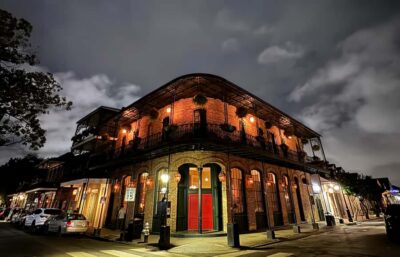
You then cruise along Royal Street, famous for balconies and galleries. Even if you don’t shop, it’s worth watching the architecture and street rhythm from the bike route. A few stops along the way let street performers fill in the background, so you get that living-city feeling without turning it into a long detour.
Finally you head toward Marigny, known as Faubourg Marigny. This is where the tour gives you a more local neighborhood feel. Expect a more residential Creole vibe than the main French Quarter core, with enough time to notice how the city shifts block to block.
The Marigny segment is about 10 minutes, so think of it as a taste. You’ll get the flavor, then you can choose to return on your own if it hooks you.
How the ride feels: pace, bumps, and bike fit
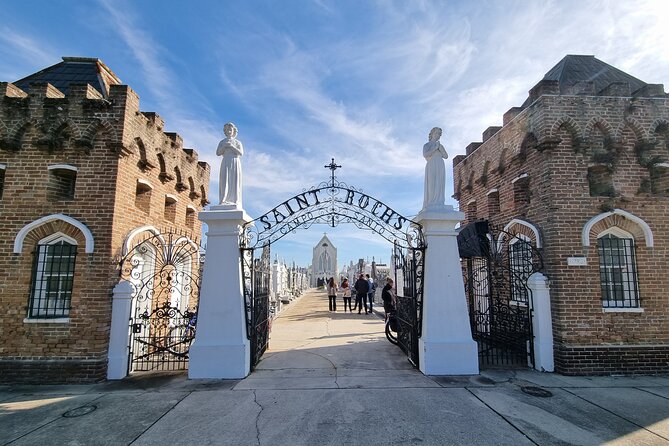
This tour is built around stopping often. Guides give you time to look, take photos, and get your bearings. Some guides also help with safety and navigation through clear hand signals, which matters when you’re riding as a small group through active streets.
The physical side is manageable for most people with moderate fitness. Still, it’s not a casual stroll. You’ll be cycling for stretches, and you may need to handle minor uneven pavement.
What stood out from real experiences: the ride can be a bit bumpy in parts, and bike features can vary. In one experience, the bike’s cushy seat made the difference. In another, there were comments about how brakes varied from bike to bike, though all were functional. If you’re sensitive about control, ask your guide to do a quick check of your brakes before you roll.
Guides can make or break a bike tour
In New Orleans, a guide’s personality isn’t fluff. It changes how safe you feel, how much you notice, and how much you remember later.
This operator has a track record of guides who balance history with a fun, human approach:
- Maevus earned praise for a wealth of city history and a smooth, well-paced route.
- Tonya is noted for being easygoing and informative, with lots of time to get off your bike and a communication style that used hand signals.
- Justin stood out for showing murals and keeping riders feeling safe.
- Brian got called out for being funny, friendly, and confident about safety.
- Corina was praised for pacing the group well even with ages ranging from 10 to 73, plus helping with family photo spots.
If you want a tour where the guide actively points out what to look for—murals, building details, and small cues about the neighborhoods—this is the right kind of experience. The small group size (max 10) helps too, because you’re not just chasing a guide through traffic.
Value check: is $55 fair for what you get?
At $55 per person, this tour sits in the “worth it” zone for many visitors—especially if you’ll be doing other paid activities that take longer to book or require more planning. Here’s why the math works:
- You get guided orientation across multiple areas, not just one block of attractions.
- You receive bike + helmet + water + poncho, which saves you time and money on rentals or last-minute purchases.
- Most of the major stops are framed as free admission time at the sites included on the route.
You’re also buying convenience. A bike tour collapses several half-days of wandering into one structured outing. If you’re arriving with limited time and you want the French Quarter to feel understandable instead of overwhelming, this is a good use of your first or mid-trip day.
Practical tips before you book
A few things I’d do to get the best ride:
- Wear comfortable shoes you can walk in right away, since you’ll hop off for stops.
- Bring sun protection even if you think you’ll be in the shade. The French Quarter can surprise you.
- If you’re traveling with kids, include their heights during booking so the bike size is correct.
- If you hate uncertainty on uneven pavement, plan to move at the tour pace and let the guide set the rhythm.
Should you book this French Quarter and Cemetery bike tour?
I’d book it if you want a smart way to learn the French Quarter layout fast, see big-name sights without doing endless walking, and still get something more thought-provoking with Louisa Street Cemetery. It’s also a great pick if you like having a local guide tell you where the street-life action is—like what’s happening around Frenchmen Street that night.
Skip it only if you’re worried about bumpy pavement, or if cycling for two hours sounds like a hassle. Also, if you’re the type who wants long, slow museum-style time at major sites, the short stops might feel too quick.
If your goal is: get oriented, see key places, and still have energy left for food and music afterward—this is a strong, practical choice.
FAQ
How long is the bike tour?
The tour runs about 2 hours to 2 hours 30 minutes.
What’s included in the price?
The tour includes a bicycle, helmet, poncho, bottled water, and a local guide.
What should I do about bike sizing for children?
You should provide the heights of all children so the operator can determine the correct bike size.
Does the tour run in bad weather?
Tours operate rain or shine. If dangerous weather happens, the operator will work with you to reschedule or refund.
Is the group size limited?
Yes. There is a maximum of 10 travelers.
Is it easy to get to the meeting point?
The meeting point is near public transportation.
More Two-Wheel New Orleans


More of the Cities of the Dead
More of the French Quarter

Just added to The New Orleans Traveler


French Quarter Tours, compared.
 ★ 5.0Food Walking Tour of the French Quarter with Small-Group OptionFrom $756,118 reviews
 ★ 4.5French Quarter, Voodoo and Culture Walking TourFrom $272,961 reviews
 ★ 5.0French Quarter Historical Sights and Stories Walking TourFrom $352,724 reviews
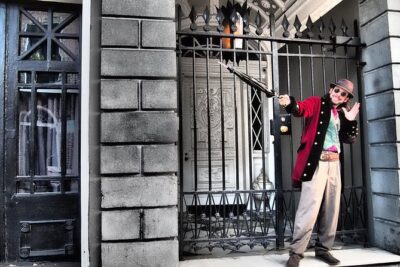 ★ 4.5Ghost and Vampire Walking Tour Of The French QuarterFrom $212,406 reviews
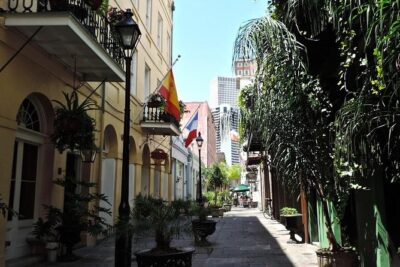 ★ 4.5City Tour: French Quarter, Garden District & CemeteryFrom $402,209 reviews
 ★ 5.0French Quarter Food Tour: Cajun, Creole and CultureFrom $811,246 reviews
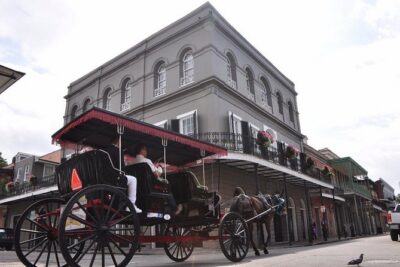 ★ 5.0French Quarter and More Carriage RideFrom $651,141 reviews
 ★ 5.0French Quarter walking Food Tour Famous Flavors of New OrleansFrom $751,115 reviews
Browse the lists this tour appears in