
Reviewed · TREME & MARIGNY TOURS
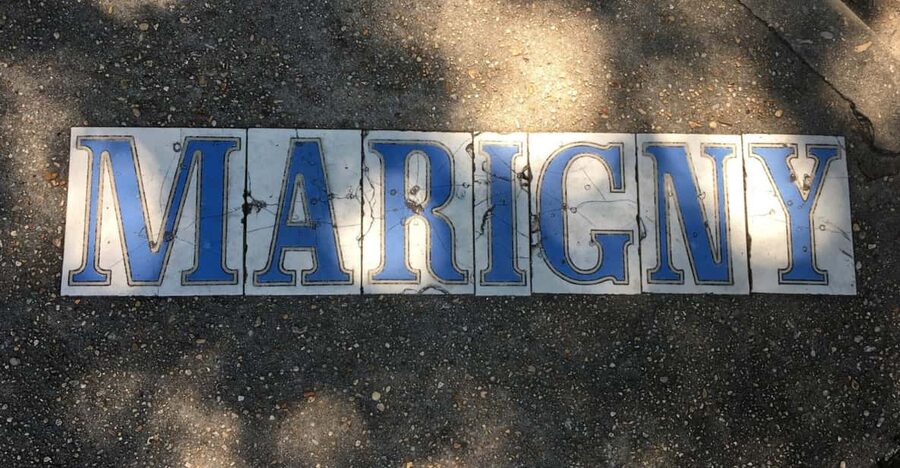
New Orleans: 45 minutes in the Marigny Triangle
The Marigny Triangle packs a lot in 45 minutes. I love how it blends street art and Creole roots with practical “where to go next” advice, and I also like that the guide keeps the walk grounded in real neighborhood details. One drawback: it’s all outdoors, so heat or rain can affect how much you enjoy the pacing.
You’ll meet your guide on Esplanade Avenue where the French Quarter rubs up against the historic Marigny Triangle. This 45-minute walking tour focuses on music, art, architecture, and history, then hands you a simple game plan for dining, drinking, and dancing afterward. Expect a mostly casual feel, but with enough context to make the area click fast.
I’d come for the murals and stay for the sense of place. If you want a long, slow wander, this is shorter than that—but for getting oriented quickly, it’s a smart, high-value add-on.
In This Review
- Key things that make this walk worth your time
- Marigny Triangle in 45 minutes: what you’re really buying
- Meeting at the US Mint Jazz Museum gate: start point and first vibe
- Esplanade Avenue and Frenchmen Street: murals, music, and the neighborhood story
- Washington Square Park: why this stop helps you plan your next hours
- Spotting Creole architecture: cottages and townhouses without the museum lecture
- The pace and what the walk feels like on the ground
- Your guide’s recommendations: how to use them the same day
- Price and logistics: is $22 for 45 minutes actually a good value?
- Who this Marigny Triangle walk is best for
- Final call: should you book this 45-minute Marigny Triangle walk?
Key things that make this walk worth your time
- A tight 45-minute loop that gives you bearings without exhausting you
- Mural stops that help you read what you’re looking at instead of just snapping photos
- Esplanade Avenue and Frenchmen Street context, so the music scene makes sense
- Washington Square Park as a real-world pause point, not a random postcard stop
- Architecture cues for spotting Caribbean-hued cottages and townhouses
- A follow-up email recap with recommendations so your next night is easier
Across Esplanade into Treme and the Marigny
- Frenchmen Street VIP Live Music Pub Crawl in New Orleans★ 4.5 · 613 reviews
- New Orleans: Tremé African American & Creole History Tour★ 4.9 · 208 reviews
- 60-minute Tremé Walking Tour & Photo Experience★ 5.0 · 72 reviews
- New Orleans Voodoo, Storyville, Treme, Walking Tour★ 4.5 · 58 reviews
Marigny Triangle in 45 minutes: what you’re really buying

This is a “get your bearings fast” tour, but not in a skimpy way. You’re paying $22 for a local guide to connect four things that tourists often treat separately: the music scene, street art, neighborhood history, and the look of the homes.
The Marigny was established as a Creole suburb in the early 19th century, and the tour uses that backdrop to explain why today’s music culture and street life feel so natural here. You also get a walk that goes beyond the famous corners, because part of the point is seeing how the area transitions from the French Quarter into a more residential, lived-in space.
The smart value is the time-to-insight ratio. In less than an hour, you’ll know what to look for and where to aim next, so the rest of your New Orleans day isn’t guesswork.
Meeting at the US Mint Jazz Museum gate: start point and first vibe
You’ll meet your guide in front of the gate of the US Mint Jazz Museum. That location matters because it puts you right at the edge of where New Orleans “tour mode” starts bleeding into neighborhood mode.
Early on, the guide shows you how Esplanade Avenue sits at the border between the French Quarter and the Marigny Triangle. That helps you understand why people talk about this area as a bridge: you can get the energy nearby, but the feel changes as you move a few streets over.
Practical note: since this is completely outdoors, your first 5 minutes set the tone. If it’s hot, take water seriously. If it’s drizzly, pack rain gear so you don’t end up rushing through just to stay comfortable.
Esplanade Avenue and Frenchmen Street: murals, music, and the neighborhood story
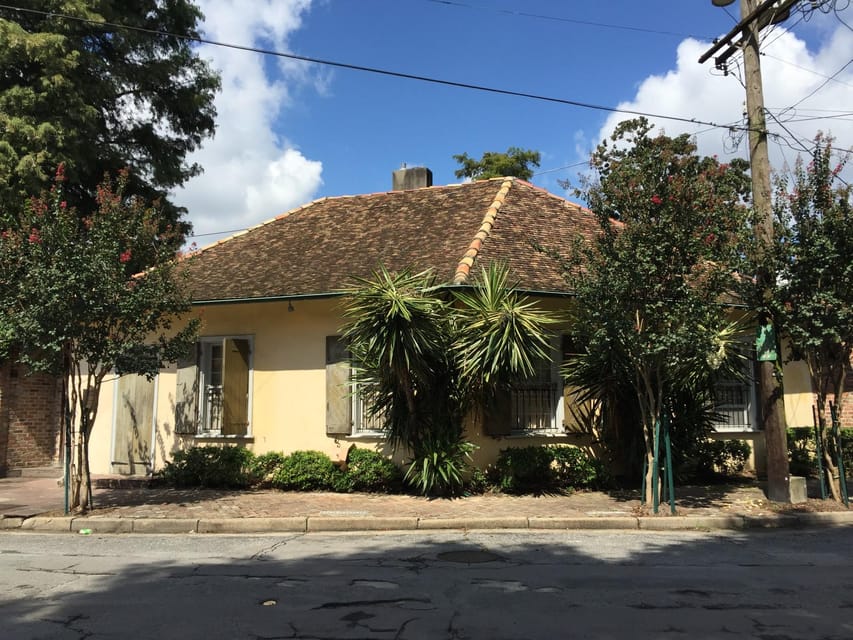
The core of the tour runs along Esplanade Avenue and then toward Frenchmen Street. This is where the walking experience does something useful: it explains the relationship between place and sound.
Frenchmen Street is described as part of New Orleans’ most authentic music scene, and the guide doesn’t treat it like a checklist of venues. Instead, you get the neighborhood context that makes the music feel rooted rather than random. You’ll also see great street art and murals, and the guide’s job is to help you connect the artwork to the community that lives with it.
Look for details like painted textures, oversized figures, and message-based murals. Even if you don’t know artists’ names, you’ll start recognizing recurring themes and how the art frames the street the way signage does in other cities.
One more thing I appreciate: this portion moves you from “I’ve heard of this street” to “I understand why it works.” That matters if you’re trying to plan a night with live music—because you’ll know what kind of vibe to seek.
Washington Square Park: why this stop helps you plan your next hours
The tour also includes time around Washington Square Park. This is a useful pause because it breaks the walking rhythm and gives you a reference point—like a small compass reading for the area.
In practice, a park stop on a short tour does two jobs. First, it gives you a chance to take in the surrounding streetscape without feeling like you’re constantly moving. Second, it’s where the guide can connect the dots between the commercial energy of nearby streets and the slower rhythm of nearby residential blocks.
If you’re aiming to dine and then catch music later, this is the moment where you can mentally map the distances. You’ll come away knowing which direction feels easiest to return to when you’re tired, and that’s the kind of planning that keeps your evening from turning into a scavenger hunt.





Spotting Creole architecture: cottages and townhouses without the museum lecture
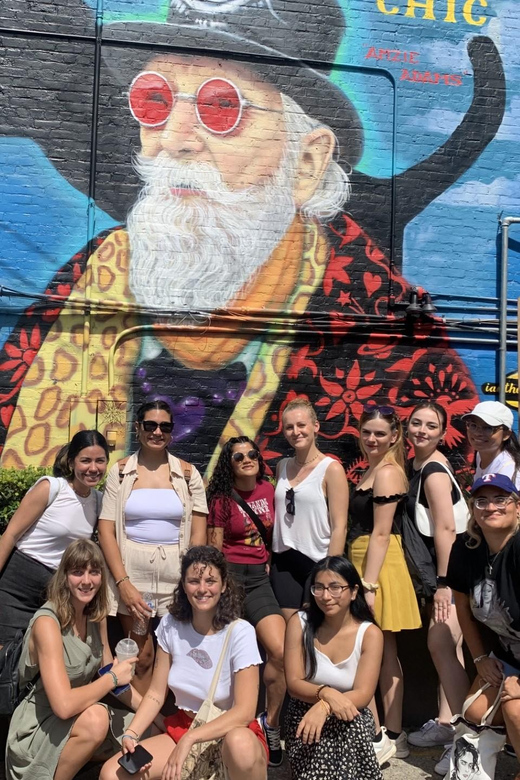
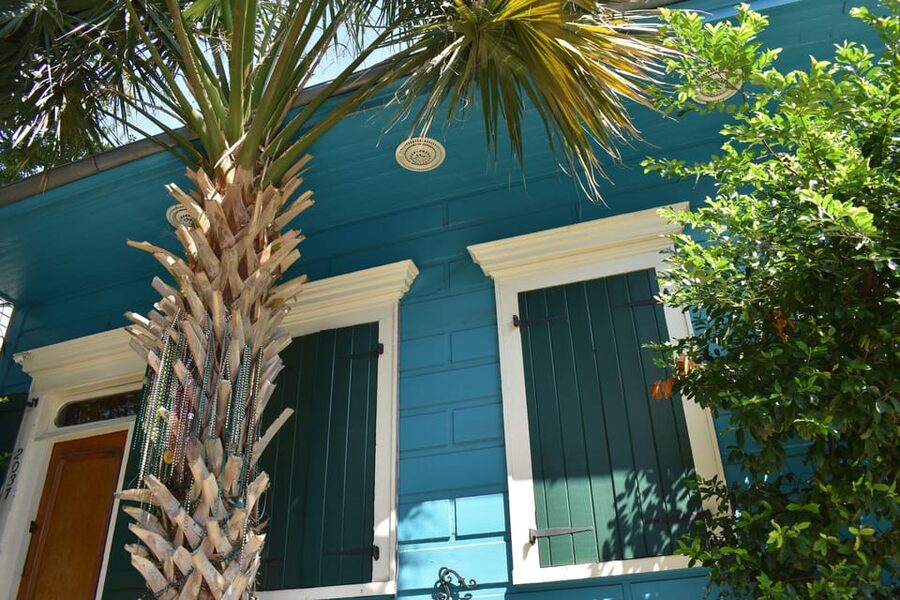
A highlight of this walk is seeing examples of Caribbean-hued cottages and townhouses. The guide doesn’t turn it into a stiff lecture, but you still learn enough to notice details on your own after you leave.
Here’s what I find valuable: architecture is a fast language for understanding a neighborhood’s past. When you know what to look for—shape, color, and overall form—you start seeing continuity instead of random houses. That makes the Marigny feel personal rather than like a set.
As you move through the residential blocks for a few minutes, pay attention to how the buildings sit along the street and how the neighborhood transitions from the French Quarter edge. Even within a short walk, you can feel the shift in scale and everyday life.
And if you’re into photos, this stop helps. You’ll photograph better because you’ll understand what the guide pointed out: you’re not just taking pictures of pretty facades—you’re documenting a place with a story.
The pace and what the walk feels like on the ground
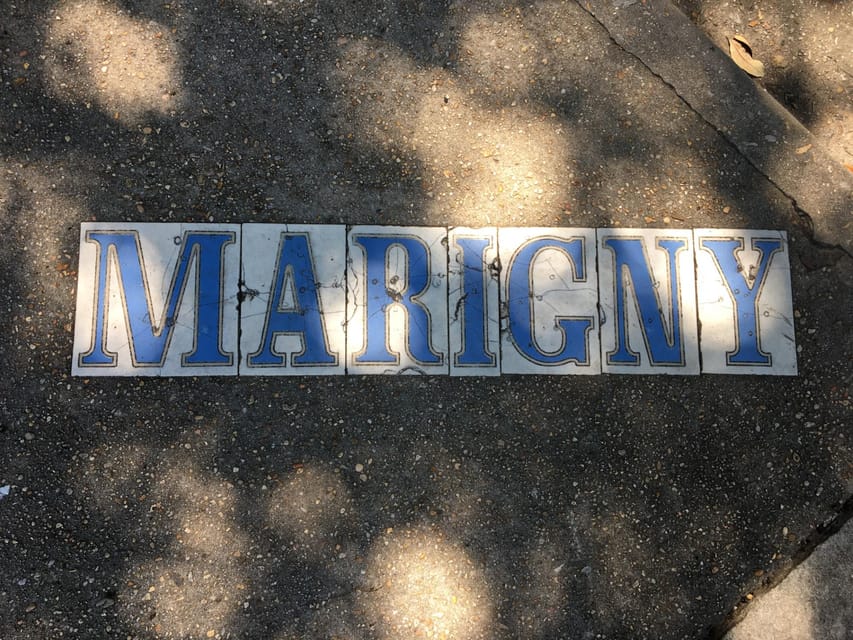
This is a 45-minute walking tour, suited for everyone, and it stays completely outdoors. That means you should expect a real street experience: sidewalks, noise, and the normal movement of neighborhood life.
A detail that shows up in how people describe the experience is that it feels informative and casual. Translation: you’ll get facts and context, but you won’t be treated like you’re on a rigid school assignment. The walking plan is short enough to keep it light, and the guide’s explanations help you feel like you’re absorbing rather than rushing.
The biggest consideration is weather. Wear comfortable shoes, dress for the forecast, and bring a bottle of water—especially on hot days. If rain starts, having rain gear keeps the tour enjoyable instead of miserable.
Your guide’s recommendations: how to use them the same day
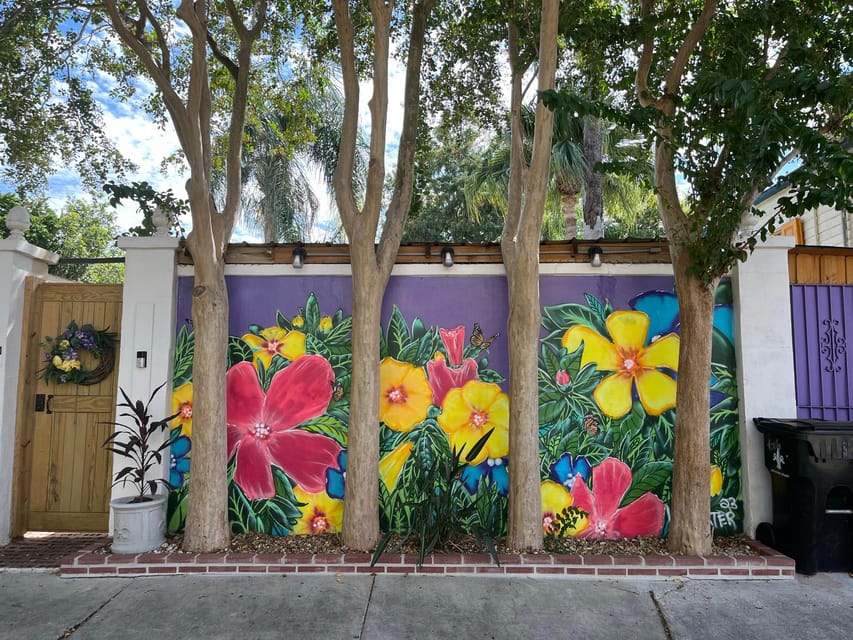
After the tour, your guide will email you a recap of your jaunt through the Marigny Triangle, along with dining, music, and attraction recommendations. This is where the tour can pay off big, because you’re not just getting information—you’re getting next-step choices tailored to what you just saw.
To make those recommendations work, I suggest you do this right after your walk:
- Pick one dinner option and one music option while the neighborhood is still fresh in your mind.
- If you’re unsure, use the email to choose based on mood—food first or music first—and build around that.
- Save the ideas for later, especially if you’re trying to catch a specific kind of live music.
Guides can be the difference between wandering and planning. Libby is one guide name that comes up for being very informative about history and architecture, along with giving solid tips for live music in the area. Even if you don’t get the same guide, it’s a hint at the kind of guidance this tour is aiming to deliver: practical, not theoretical.
Price and logistics: is $22 for 45 minutes actually a good value?
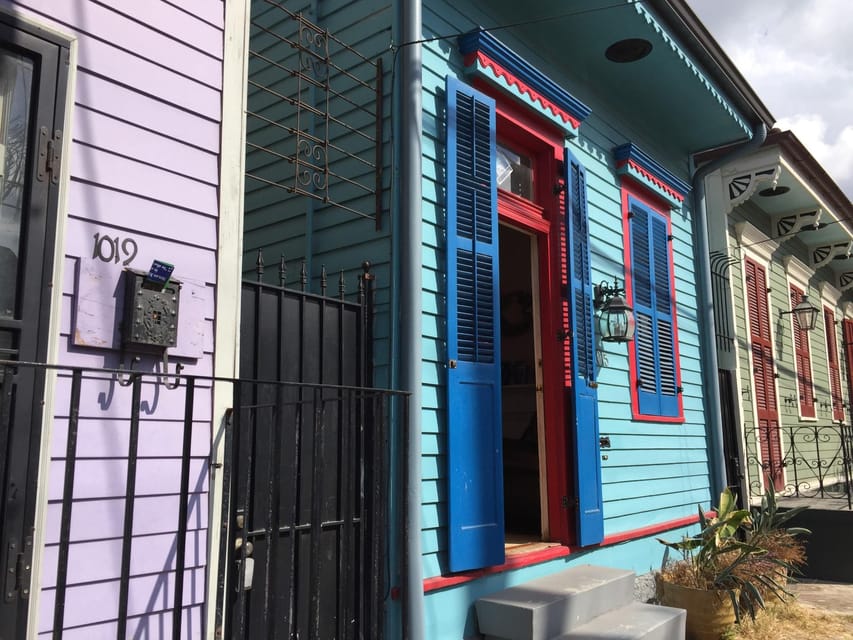
At $22 per person for a 45-minute outdoor walk, the value comes from what you get for the price: interpretation, direction, and time-saving advice.
You’re not paying for a long itinerary or transportation. You’re paying for a local guide to:
- point out murals and street art in a way that makes them meaningful,
- explain the Marigny’s Creole suburb roots and how that shaped the neighborhood,
- walk you through key areas like Esplanade Avenue, Frenchmen Street, and Washington Square Park,
- and then follow up with a recap so you can act on what you learned.
If you’re the type who likes to explore with a plan—especially when you only have a day or two in New Orleans—this is a strong use of time. It’s also a good “anchor” activity. Once you’ve done it, the rest of your neighborhood time gets easier to navigate and more rewarding to experience.
Who this Marigny Triangle walk is best for

I think this tour fits best if you want context without committing to a full-day program. It’s a great choice when you’re:
- first-time visiting and want the neighborhood to make sense quickly,
- interested in street art but want help reading what you see,
- planning a live-music evening and need guidance that goes beyond venue names,
- or traveling with people who want something light and not too intense.
It also works well for solo travelers because the group format and short duration keep it social but not draining. And since it’s wheelchair accessible, it’s easier for people with mobility needs than longer, more complicated options.
If you already know the area deeply and want a long, detail-heavy route, you might find the 45 minutes short. For everyone else, it’s a solid “starter dose” of the Marigny.
Final call: should you book this 45-minute Marigny Triangle walk?
If you want to understand the Marigny Triangle in one compact session—and get practical recommendations you can use right away—this is a smart booking. The price makes sense when you factor in the guide’s interpretation plus the emailed recap that helps you plan dinner and live music.
Book it if you’re excited to see street art, learn why this area has a real music heartbeat, and walk away feeling like you can choose your next stop with confidence. Skip it only if you’re looking for a long, slow, in-depth architectural or cultural program that takes hours, not minutes.
More Tour Reviews in New Orleans

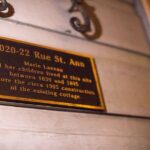
Treme & the Marigny, Keep Going



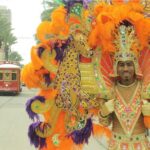

Just added to The New Orleans Traveler

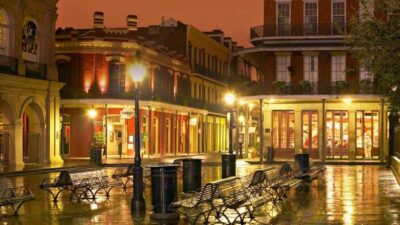


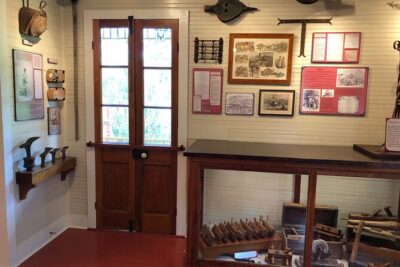
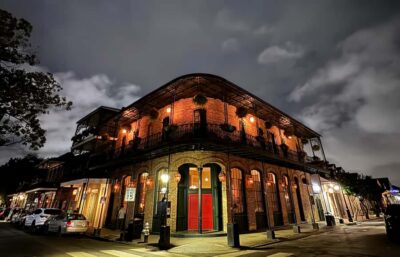
Treme & Marigny Tours, compared.
 ★ 4.5Frenchmen Street VIP Live Music Pub Crawl in New OrleansFrom $52613 reviews
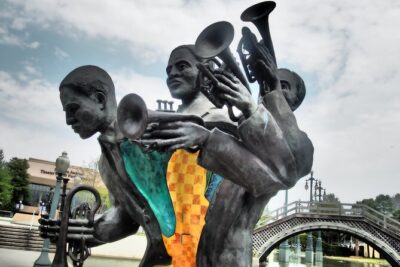 ★ 5.0Treme’ Walking TourFrom $20240 reviews
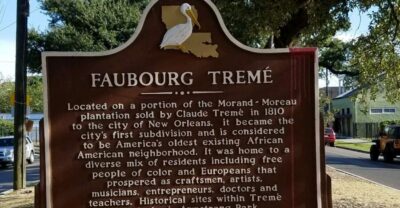 ★ 4.9Tremé African American & Creole History TourFrom $22208 reviews
 ★ 5.060-minute Tremé Walking Tour & Photo ExperienceFrom $1572 reviews
 ★ 4.5Voodoo, Storyville, Treme, Walking TourFrom $2958 reviews
 ★ 5.0Creole Architecture of the Marigny TourFrom $4046 reviews
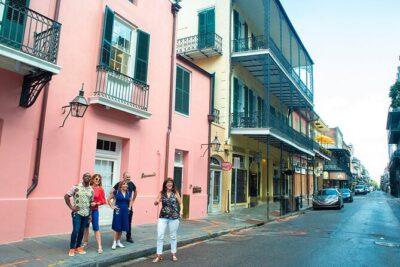 ★ 5.0Private French Quarter and Treme Walking TourFrom $60029 reviews
 ★ 4.5Walking the Tremé: A Self-guided Audio Tour of New OrleansFrom $924 reviews
Browse the lists this tour appears in