
Reviewed · MUSEUMS
The National WWII Museum Campus Pass plus 4-D Film
WWII feels close-up on this New Orleans campus. You get prebooked timed entry and a 4D film experience (Tom Hanks narration) that uses motion and effects to make the history hit harder.
What I love most is the way this pass lets you plan your day. With the mobile ticket and multiple time slots for Beyond All Boundaries, you can pick a screening time that works and still enter the museum earlier to start exploring right away.
One caution: the 4D show uses loud sound, flashing lights, fog effects, and sudden chair movement, and it is not closed captioned. If sensory effects are an issue, read the options closely before you pick your seat.
In This Review
- Key highlights at a glance
- A 6-acre WWII Museum campus with timed 4D at Solomon Victory Theater
- Price and logistics: what you’re really paying for
- Beyond All Boundaries 4D: Tom Hanks narration with vibrating seats and effects
- What to expect during the show
- Seating help if you need a calmer experience
- A practical tip
- Touring the museum before your movie time: how to pace the campus
- A note on navigation
- Five-pavilion tributes: what you’ll actually connect with
- How much walking and time to plan for a one-day visit
- Small but important details
- Who should book this WWII Museum pass with 4D, and who should tweak expectations
- Should you book this experience?
- FAQ
- What is included in the National WWII Museum Campus Pass plus 4-D Film?
- Can I choose the screening time for the 4D film?
- How early can I enter the museum before my 4D film?
- What happens in the Beyond All Boundaries 4D film experience?
- Is the 4D film closed captioned?
- Are there options if the 4D effects are a concern?
- Are service animals allowed?
- Where is the museum located and how do I get there?
- What if the experience is canceled due to weather?
Key highlights at a glance
- Timed-entry 4D Beyond All Boundaries with Tom Hanks narration, plus mobile ticket convenience
- Enter the museum before your movie time so you can pace your day instead of rushing
- Vibrating seats and atmospheric effects in Solomon Victory Theater
- Pay tribute across five separate pavilions on a sprawling downtown campus
- Plenty of time slots help you build a full, realistic day
More time at the National WWII Museum
- New Orleans: The National WWII Museum Ticket★ 4.8 · 704 reviews
- The National WWII Museum Campus Pass plus 4-D Film★ 5.0 · 672 reviews
A 6-acre WWII Museum campus with timed 4D at Solomon Victory Theater
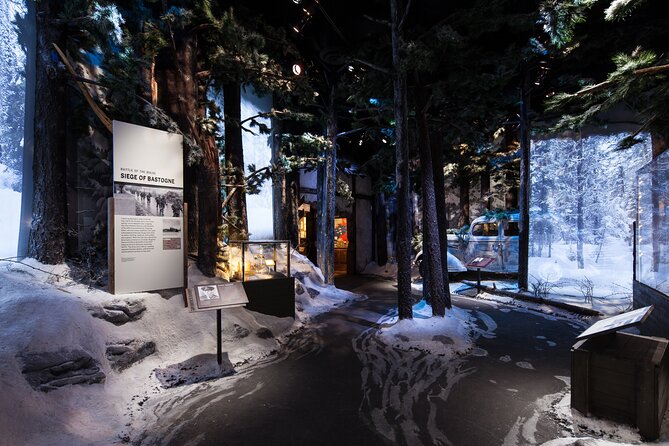
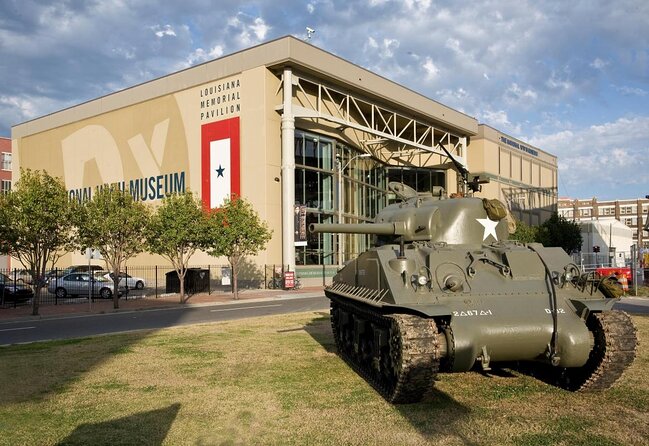
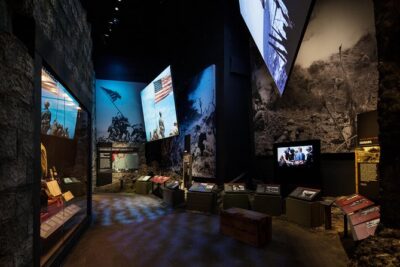
This isn’t a tiny museum you zip through between beignets. The National World War II Museum sits on a six-acre campus in downtown New Orleans, with multiple buildings spread out like a mini “history town.” That layout matters because it changes how you should tour: you’ll want comfortable shoes, a rhythm for walking, and breaks for reading and listening.
Your package is built around one anchor: the 4D film Beyond All Boundaries. You don’t just show up and hope for the best. You pick a screening time in advance, which means you’re less likely to lose precious vacation time waiting in ticket lines before you can settle in.
And because the museum is open from 9 a.m. to 5 p.m. daily, you can structure the day so you get sunlight out front, a calm start, and then a more intense mid-to-late block for the theater experience.
Price and logistics: what you’re really paying for
At $49.35 per person for a 1-day campus pass plus the 4D film, you’re paying for two things that often cost extra when done separately: timed access to a high-demand show and full museum admission tied to that same day.
Here’s why that feels like good value. If you try to wing it at the museum without a timed entry plan, the day can get messy fast. Prebooking means you’re buying back time and lowering stress. You know when you’ll be seated, and you can build the rest of the campus visit around that window.
Also, you don’t have to arrive right at showtime. You can enter the museum any time before your movie time, which is a smart way to avoid the common tourist problem of spending the first hour of your day sprinting for tickets. Instead, you can start walking, then shift gears toward the theater when it’s time.
A final logistics win: the ticket is mobile, and the museum is near public transportation. That makes it easier to fit into a broader New Orleans itinerary without building your whole day around parking.
Beyond All Boundaries 4D: Tom Hanks narration with vibrating seats and effects
This is the part people remember. Beyond All Boundaries is narrated by Tom Hanks, and it’s staged in Solomon Victory Theater with a full 4D toolkit: vibrating seats, atmospheric effects, moving props and scenery, and layered projection with lighting and sound.
Expect this to be emotional. The whole point of a 4D presentation is to make you feel like you’re part of the story, not just watching it. Even if you think you’re “ready,” the film can still land hard—especially if you’ve never watched Holocaust-related material in a theater setting.
What to expect during the show
The sensory effects aren’t subtle. Based on the experience details, they can include:
- loud noises
- flashing lights
- fog effects
- sudden chair movements
That’s why the museum includes guidance about medical conditions that could be aggravated by these elements. If you have migraines, motion sensitivity, hearing sensitivity, or respiratory concerns, take that seriously rather than hoping for the best.
More museums worth an afternoon



Seating help if you need a calmer experience
Good news: the theater offers stationary seating. If moving chairs are a problem, you can ask about the available option at the Visitor Services desk inside Solomon Victory Theater.
Hearing support is also available. The theater provides assisted listening devices for the show (ask at the theater desk). One more important detail: the film is not closed captioned, so if you rely on captions, plan accordingly.
A practical tip
Because the show is loud and intense, bringing ear protection can be a smart comfort move. The effects are part of the design, so if you’re noise-sensitive, consider preparing rather than toughing it out.
Touring the museum before your movie time: how to pace the campus
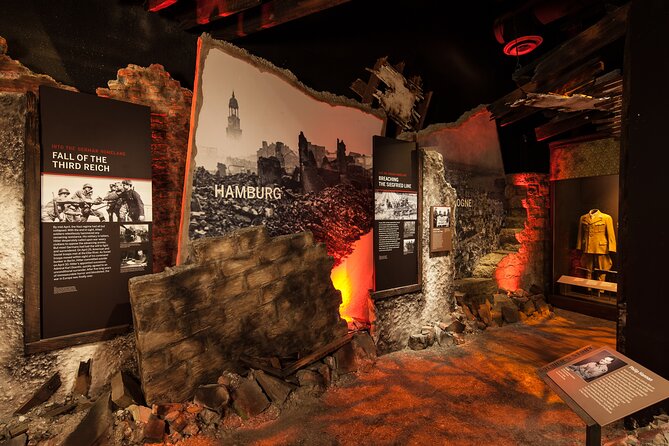
You choose your screening time, then you start museum touring first. That flow is key, because it keeps your day from turning into a sprint.
Here’s how I’d do it:
- Start with the museum buildings first while you still have energy for reading and exhibits.
- Treat the theater as your “big emotional set piece.”
- Plan to re-enter walking mode after, only if you still have time and stamina.
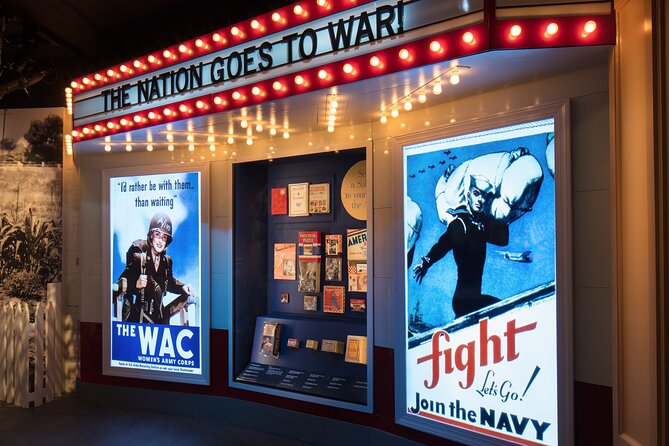
The museum is huge by design, and it includes a lot of text, audio/visual elements, and different perspectives on World War II. Some people end up focusing on a few buildings deeply, while others try to hit most of the campus. Either approach can work, as long as you don’t pretend you’ll read everything quickly.
You’ll also see “campus-scale” exhibits, including major special experiences. One standout mentioned in visitor notes is a submarine experience, which is exactly the kind of hands-on-feeling stop that can make a history museum feel less like school.
A note on navigation
The campus covers a lot of ground. Some guests find it a little confusing to figure out where to go next, especially when you’re bouncing between buildings and displays. My suggestion: pick up a map when you enter, then commit to a simple route for the first half of the day so you’re not constantly backtracking.
Five-pavilion tributes: what you’ll actually connect with
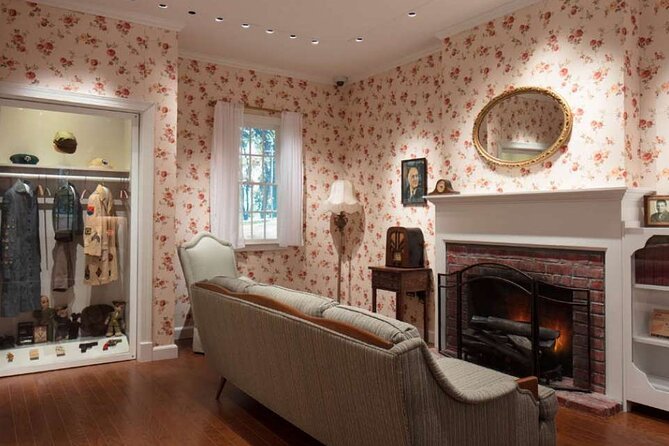
The pass includes the chance to pay tribute to WWII heroes across five separate pavilions. That’s not just a design detail. It shapes the emotional tone of your visit, because each pavilion becomes a stop where the museum slows down long enough for you to connect names, roles, and stories to the wider war narrative.
The museum also weaves in multiple viewpoints. You’ll run into storytelling that doesn’t stick to one narrow lens, with perspectives that cover roles and experiences from different groups and countries. That variety is one reason people come back and feel like they’re learning new things a second time.
This is also a museum where the reading matters. If you’re the kind of traveler who likes scanning labels, you can still have a meaningful visit. If you’re the kind who wants to actually read and absorb, you’ll need time. A common pattern is spending half a day and then realizing you only saw part of the story.
How much walking and time to plan for a one-day visit
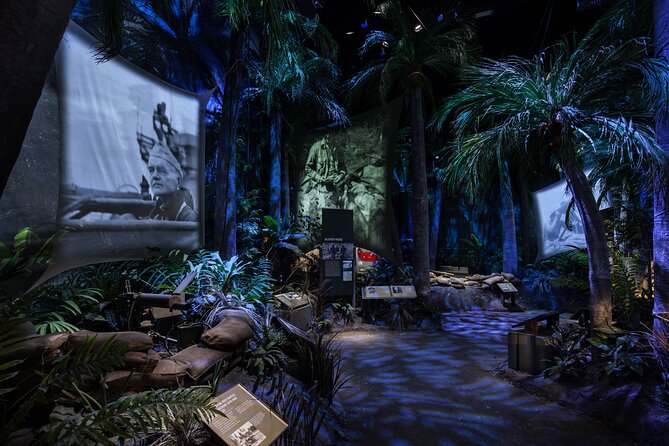
Plan for a full day, or at least a long, slow half day. The museum is described as large, and visitors consistently emphasize that there’s a lot to see and read, plus the extra time commitment for the 4D show.
If you want the most comfortable pace, I’d treat this as:
- time for multiple museum buildings
- time for a lunch break on site
- time for the 4D theater window
- buffer time for finding your next stop
Also keep in mind this isn’t built like a playground. It’s a history museum with exhibits and media, not a “hands-on for kids” center. One caution worth taking seriously: if you’re traveling with young children, you might find the tone and reading load less engaging than you hoped. Teenagers and older kids tend to do better with the film and the text-heavy displays.
Small but important details
Bring your glasses if you need them. The museum has a lot of information you’ll likely want to read, and that can sneak up on you if you’re used to quick photo stops.
Who should book this WWII Museum pass with 4D, and who should tweak expectations
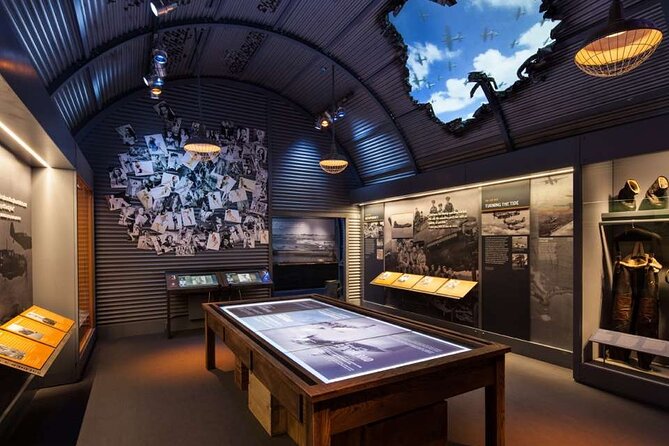
Book this if you want:
- a single-day plan that includes both museum access and a major film experience
- a history visit that uses theater tech to make the stories feel present
- timed entry that helps you avoid ticket-line stress
This is especially strong for couples, solo travelers, and families with older kids who can handle emotional subject matter and aren’t looking for constant play-activity.
Consider a different approach if:
- bright flashes, loud audio, fog, or chair movement could be a problem for you
- you need closed captions for the film (the show is not captioned)
- you’re looking for a light, casual museum outing without much walking or reading
One more reality check: the 4D film is powerful, but the museum itself is where the broader, longer-form context lives. If you want a full sense of the war’s many fronts and aftermath, make time for more than just the theater.
Should you book this experience?
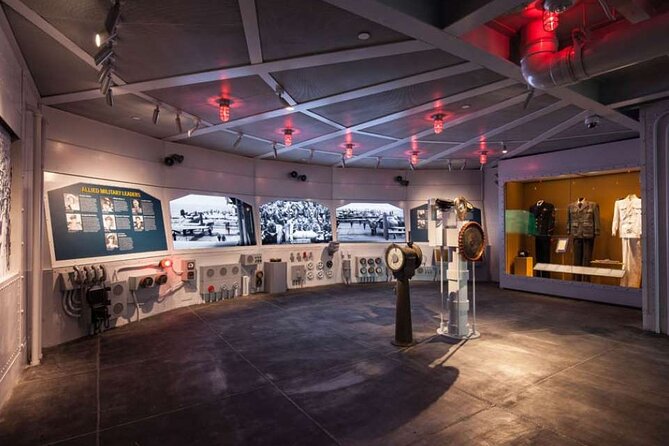
Yes, I’d book it if your New Orleans trip includes a WWII-focused day and you want to guarantee the most important show element with timed entry. The combination is good value because you’re not just buying admission—you’re buying a structured theater slot that turns the day from uncertain into planned.
Here’s the decision shortcut:
- If you’re okay with loud, intense, and sensory 4D effects, this is a standout must-do.
- If sensory effects are tricky, check the stationary seating and assisted listening options ahead of time and plan your comfort first.
- If you’re short on time, still aim for at least a half day, but do not assume you can see everything and also keep your energy. This museum is meant for time.
If you have flexible timing, you can also roll with the day depending on how you feel, because the museum day runs 9 a.m. to 5 p.m., and you enter before your movie time.
FAQ
What is included in the National WWII Museum Campus Pass plus 4-D Film?
The package includes admission to the National WWII Museum on the same day plus a timed entry ticket to the 4D film Beyond All Boundaries.
Can I choose the screening time for the 4D film?
Yes. You pick your desired screening time when booking, and you should arrive beforehand for the theater experience.
How early can I enter the museum before my 4D film?
You can enter the museum any time before your movie time, so you can start touring the campus first.
What happens in the Beyond All Boundaries 4D film experience?
It is narrated by Tom Hanks and uses vibrating seats and multiple show effects such as atmospheric effects, moving props or scenery, lighting, and sound, along with layered projection.
Is the 4D film closed captioned?
No. The 4D film is not closed captioned.
Are there options if the 4D effects are a concern?
Elements of the show may aggravate certain medical conditions, including loud noises, flashing lights, fog effects, and sudden chair movements. Stationary seating is available, and assisted listening devices are available for hearing-impaired guests. Please ask at the Visitor Services desk in the Solomon Victory Theater.
Are service animals allowed?
Yes, service animals are allowed.
Where is the museum located and how do I get there?
The museum is in downtown New Orleans and is near public transportation.
What if the experience is canceled due to weather?
If it’s canceled due to poor weather, you’ll be offered a different date or a full refund.
More Museums Worth an Afternoon

More Tour Reviews in New Orleans



More at the WWII Museum
Just added to The New Orleans Traveler


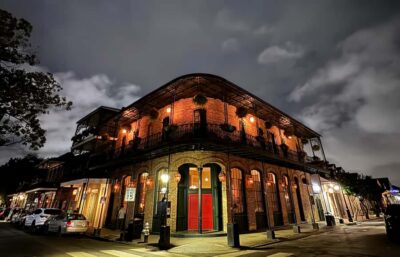
Museums, compared.
 ★ 5.0The National WWII Museum Admission Ticket New OrleansFrom $372,202 reviews
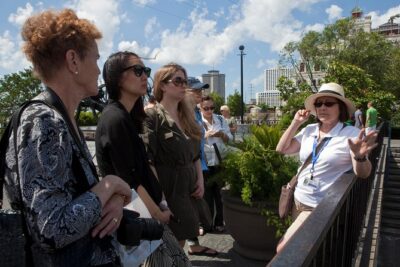 ★ 5.0French Quarter Walking Tour With Comp 1850 House Museum AdmissionFrom $30781 reviews
 ★ 4.8The National WWII Museum TicketFrom $37704 reviews
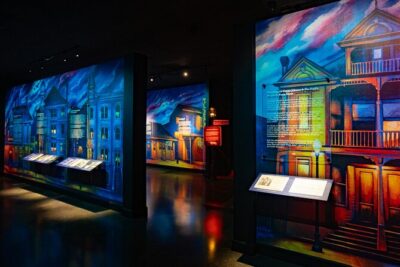 ★ 5.0Storyville Museum All Access TicketFrom $2773 reviews
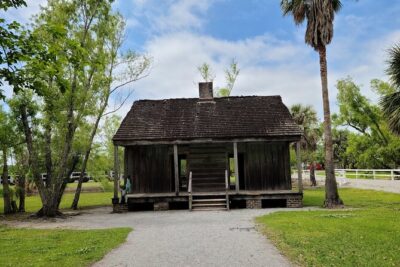 ★ 4.5Whitney Plantation and Museum Tour from New OrleansFrom $7569 reviews
 ★ 4.8Whitney Plantation & Museum TourFrom $7959 reviews
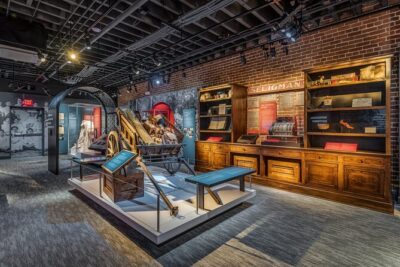 ★ 5.0Museum of the Southern Jewish Experience in New OrleansFrom $1547 reviews
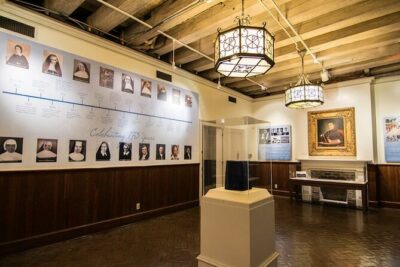 ★ 5.0Old Ursuline Convent Museum Ticket: New Pope Leo XIV ExhibitFrom $105 reviews
Browse the lists this tour appears in