
Reviewed · PLANTATION TOURS
Whitney Plantation and Museum Tour from New Orleans
A former sugar plantation can be a quiet place, then suddenly not. This Whitney Plantation and Museum trip from New Orleans pairs a smooth coach ride with a visit that tells slavery through the people who lived it. You’ll also pass along the Great River Road and get a taste of what the region looks like when it’s not just a postcard.
I like that the tour builds in hotel pickup so you don’t waste the morning figuring out transport. I also like how the museum visit is handled in a self-guided, audio-supported style, which lets you slow down when the material asks for it.
The main thing to consider: this is a time-boxed day. If you’re the type who wants to linger for a long, reading-heavy visit, plan your pace carefully so you don’t feel rushed.
In This Review
- Key things to know before you go
- Hotel pickup, a white-bus start, and the River Road drive
- Whitney Plantation: learning the plantation story from enslaved people
- Self-guided museum time: how to pace it so it doesn’t feel rushed
- Great River Road and Evergreen: scenery plus a pop-culture waypoint
- Timing, comfort, and group size that won’t slow you down
- Price and value: what $75 gets you beyond the ticket
- Named drivers and the kind of help you’re likely to get
- Should you book this Whitney Plantation tour?
- FAQ
- What time does the Whitney Plantation tour start?
- How do hotel pickups work?
- Where do I meet if my hotel isn’t included?
- What is the duration of the tour?
- Is admission to Whitney Plantation included in the price?
- What is the price per person?
- How many people are on the tour?
- Is the tour offered in English?
- Can I cancel and get a full refund?
- What if the weather is bad?
Key things to know before you go
- Hotel pickup between 8:00 and 8:30 AM means you start with less hassle and more day left for reflection.
- Admission is included, so your money goes to the one place that truly matters here: Whitney Plantation and Museum.
- Max group size of 24 keeps the coach ride from feeling like a cattle car.
- Self-guided museum time helps you move at your pace instead of being marched through exhibits.
- Great River Road + Evergreen stop adds context and scenery beyond the plantation gate.
- Early start helps you beat crowds, but you should still expect the day to run on a tight schedule.
Other River Road plantation visits
- Swamp Boat Ride and Oak Alley Plantation Tour from New Orleans★ 5.0 · 3,303 reviews
- Oak Alley Plantation Tour with Transportation from New Orleans★ 4.5 · 1,747 reviews
- Whitney Plantation Tour with Transportation from New Orleans★ 4.5 · 1,351 reviews
- Laura Creole Plantation Guided Tour★ 5.0 · 1,279 reviews
Hotel pickup, a white-bus start, and the River Road drive
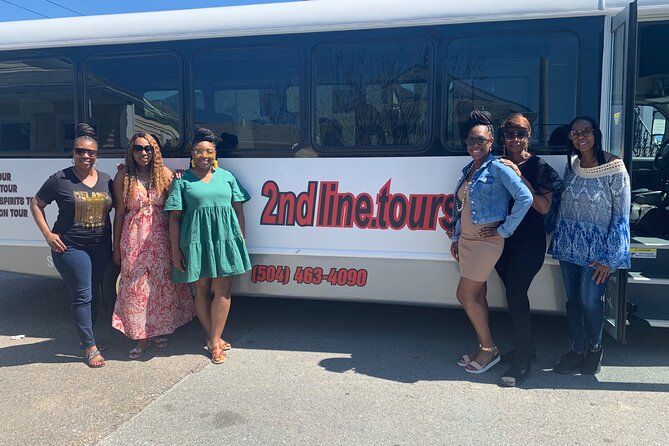
The day starts early—8:00 AM departure, with pickup happening between 8:00 and 8:30 AM. You’ll want to be outside your hotel by 8:00 AM, because the bus may make multiple stops. The vehicle you’re looking for is a white bus with the tour logo, and it can take up to about 30 minutes to arrive, depending on the route.
A lot of the value of this tour is that it respects your time. You trade a stressful DIY morning for an air-conditioned ride and someone else handling the schedule. The drive down the River Road is usually straightforward, and it gives you something small but useful: a sense of how plantation country sits along the Mississippi River system, not just in your imagination.
If your hotel pickup isn’t available, you meet at the parking lot at 414 Canal Street, New Orleans. When searching for the meeting point, use the word parking lot so you land on the right spot. If you’re running late, this is one of those tours where being a few minutes behind can throw off your whole morning, so set expectations with yourself (and your group).
Whitney Plantation: learning the plantation story from enslaved people
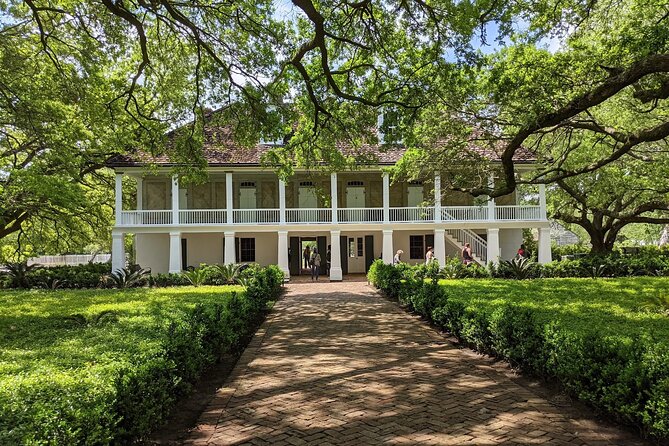
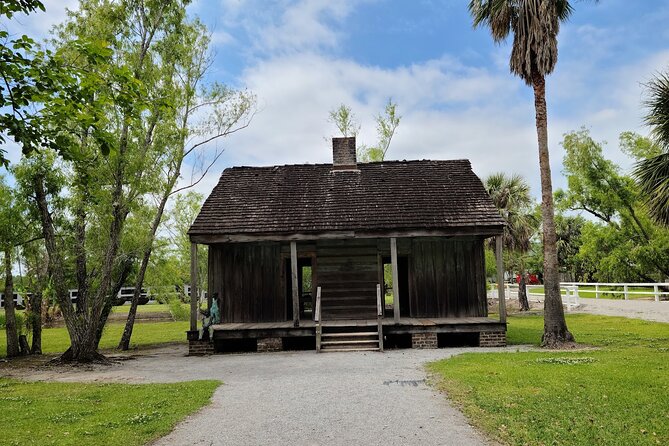
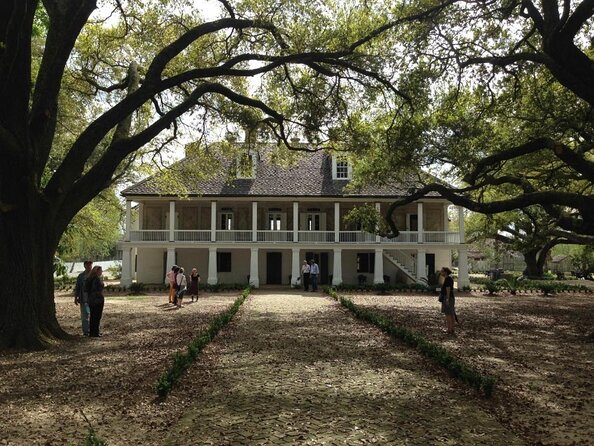
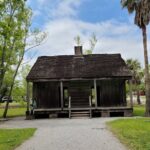
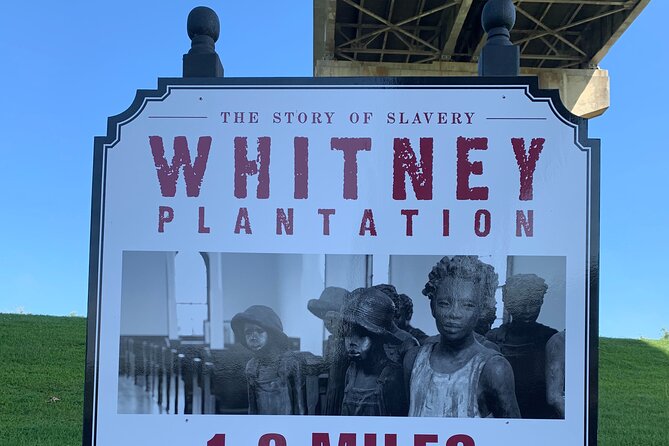
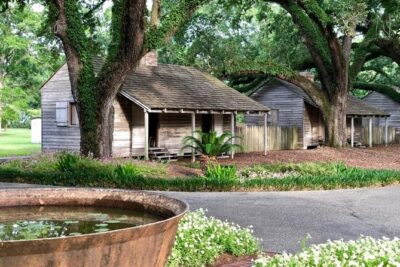
Whitney Plantation is the heart of this day. The museum is built on the site of a former sugar cane plantation, and it doesn’t treat slavery like a sidebar. Expect the narrative to focus on the lived reality of enslaved people—their humanity, their suffering, and the brutal system they were forced into.
One of the standout historical points tied to the broader Louisiana story is the mention of the largest slave rebellion in the United States, which helps you understand that enslaved people resisted in organized, dangerous ways—not as background tragedy, but as action with consequences. The museum also frames how slavery fueled Louisiana’s sugar economy. You’ll hear about how “Sugar changed the world” over roughly five decades, and how Louisiana planters were producing about a quarter of the world’s cane sugar supply at the time.
That sugar wealth context matters. It explains why plantation life wasn’t only about a wealthy landowner’s lifestyle—it was a global engine powered by forced labor. It also helps connect dots for you when you’re in New Orleans, because you’ll see that the city’s history doesn’t float above the system. It connects to it.
The museum approach is sobering by design. The grounds may look calm, but the message is not. If you’re coming in expecting pretty plantation portraits, adjust your mindset before you arrive. This visit is meant to dismantle romantic ideas and replace them with what actually happened.
Self-guided museum time: how to pace it so it doesn’t feel rushed
Once you arrive, you’ll do the experience through a self-paced visit. That’s a big plus for how Whitney presents information. You can stop, read, listen, and absorb at your speed instead of being pressured to “keep moving.”
The museum materials are set up so you can follow the story in layers—inside exhibits, on-site displays, and on the grounds. Many visitors recommend giving yourself enough time to read the internal signage and take breaks for reflection. If you skip that step and just treat it like a checklist, you’ll miss what makes Whitney hit hard.
How long you get can vary by day and by how the schedule plays out. Some people describe feeling that the time on-site can be tight, so here’s my practical advice: arrive ready to choose. Pick a few exhibit areas or themes you want most, then let the rest be extra credit. That way, you don’t leave thinking you failed to see everything—you leave feeling you absorbed what you came for.
Small practical notes that can make a difference:
- Bring mosquito repellent. The grounds can be buggy.
- Pack a little tissue or handkerchief. The story can land emotionally.
- Wear shoes you can stand in for a while. Even on a guided day, this is still a walking and reading experience.
- If you have a sensitive back, be aware that the coach may use bucket-style seats with limited padding on some rides.
Great River Road and Evergreen: scenery plus a pop-culture waypoint
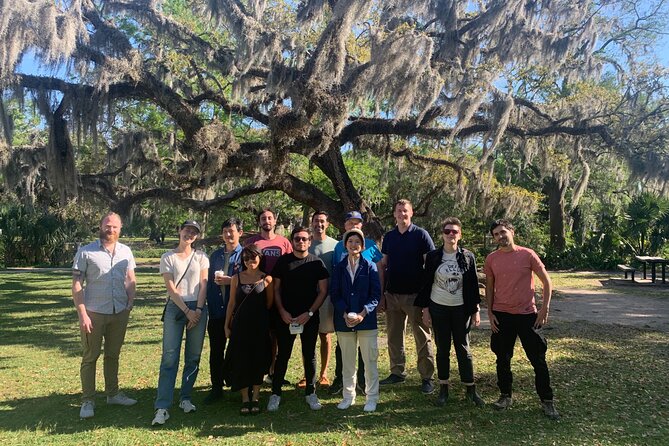
Leaving Whitney, the day shifts from museum focus to regional context. You’ll travel on the Great River Road, a scenic drive known for plantation country, towns you can actually recognize on a map, and the kind of river views that make you understand why people built fortunes here—right next to the water and the routes it controlled.
This part of the tour isn’t about a long stop-and-shop. It’s about helping you connect the plantation story to the geography you’re seeing. You get hints of Cajun culture and glimpses of the communities along the river, which is useful if your only New Orleans plan is food, jazz, Bourbon Street, and Mardi Gras. This adds texture.
You’ll also visit Evergreen Plantation, known for its on-screen presence, including appearances in Django Unchained and Queen Sugar. This isn’t the main historical lesson of the day, but it adds an extra layer of interest—especially if you’ve watched those titles and noticed how Louisiana settings get used in film and TV.
Even if you’re not a movie fan, the Evergreen stop can still help you “see” what plantation architecture and river-road travel looked like to outsiders. Just keep your expectations in the right lane: Whitney is the heavy work here; the rest of the drive is the connective tissue.
More museums worth an afternoon




Timing, comfort, and group size that won’t slow you down
The tour runs about 4 to 5 hours total. That time includes the ride down, the museum visit, and the return. With hotel pickup, you’re effectively starting your day right after checkout time for people staying in the French Quarter and downtown.
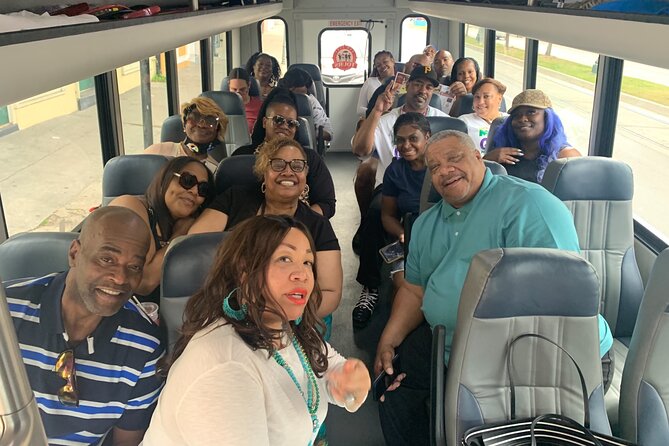
Group size is capped at 24 travelers, which keeps the logistics manageable. It also means you’re less likely to feel like you’re stuck in a giant crowd whenever the bus brakes for a moment or schedules shuffle.
Most travelers can participate, and service animals are allowed. The tour is also listed as being offered in English, with a mobile ticket you’ll use on the day.
One comfort note that matters for many people: the ride is in an air-conditioned vehicle, which helps in warmer months. But the seating style can affect your comfort. If you’re traveling with back pain, bring some cushioning if you can, or plan stretching breaks at stops where possible.
Price and value: what $75 gets you beyond the ticket

At $75 per person, you’re paying for more than just entry somewhere. What you get, in real terms, is:
- Round-trip transportation from New Orleans, handled by the tour company
- Hotel pickup from most downtown hotels (or a central meeting point if yours isn’t listed)
- A museum admission ticket included
- A small-group format and an organized schedule
So the value question becomes: do you hate the idea of figuring out the drive, parking, and timing yourself? If yes, this price makes sense because you buy convenience without paying a “private driver” price.
The other value piece is pacing. A lot of plantation visits become miserable when you can’t move when you need to. Here, the self-guided component helps you shift gears. You can spend time where your attention lands and move past what’s less relevant to you. That flexibility is part of why people come away feeling it was more than just a photo stop.
Still, there’s one trade-off: because the tour must fit into a half-day window, your time at Whitney may feel limited if you love reading every single label and exhibit. If you want a slow, book-like visit, I’d treat this tour as a strong introduction—then plan to return later on your own time if you really want to go deeper.
Named drivers and the kind of help you’re likely to get
This is a detail worth paying attention to, because the ride sets the tone for the museum visit. Some departures are hosted by drivers who are praised for being friendly and informative, with local context on points of interest along the way.
You may encounter a driver like Jay, described as excellent and knowledgeable on the route. Others include Dennis and Chris, who were noted as professional, on-time, and helpful with timing so you don’t wait longer than needed. Even when you’re focused on the museum, that kind of clear guidance helps you stay calm and present.
Also, if you’re picking up as one of the later stops, it’s smart to expect slight timing shifts. People have reported that a driver may call shortly before pickup to confirm when you’ll be picked up. Plan to stay reachable in the morning window so you don’t miss that call.
Should you book this Whitney Plantation tour?
Book it if you want a guided ride with hotel pickup plus a museum visit that stays focused on slavery through the enslaved people’s perspective. The combination of River Road geography, a structured day, and included admission makes this one of the easier ways to do Whitney without the stress of DIY planning.
You might skip it if you know you’ll be upset by strict time windows. If your ideal tour is “wander for hours and read every panel,” you may feel constrained by the half-day schedule. In that case, consider pairing Whitney with a longer standalone visit plan later—use this tour for getting there efficiently and absorbing the core exhibits.
Finally, come prepared for emotion. This isn’t a light outing, and it doesn’t pretend to be. If you’re ready to learn and sit with what you’ll see, this trip is a powerful use of time in New Orleans—one that leaves you with more than memories of streets and music.
FAQ
What time does the Whitney Plantation tour start?
The start time is 8:00 AM, with hotel pickup occurring between 8:00 AM and 8:30 AM.
How do hotel pickups work?
Pickup is available from most downtown New Orleans hotels. If your hotel isn’t listed, you should choose a nearby option from the pickup list.
Where do I meet if my hotel isn’t included?
Use the central meeting point at the parking lot, 414 Canal Street, New Orleans, LA 70130.
What is the duration of the tour?
The tour runs about 4 to 5 hours.
Is admission to Whitney Plantation included in the price?
Yes. Admission Ticket is included.
What is the price per person?
The price is $75.00 per person.
How many people are on the tour?
The maximum group size is 24 travelers.
Is the tour offered in English?
Yes, it’s offered in English.
Can I cancel and get a full refund?
Free cancellation is available. You can cancel up to 24 hours in advance for a full refund. After that window, refunds are not available.
What if the weather is bad?
This experience requires good weather. If it’s canceled due to poor weather, you’ll be offered a different date or a full refund.
More Tours in New Orleans




More Tour Reviews in New Orleans

More River Road Plantations





Just added to The New Orleans Traveler




Plantation Tours, compared.
 ★ 5.0Swamp Boat Ride and Oak Alley Plantation Tour from New OrleansFrom $1313,303 reviews
 ★ 4.5Oak Alley Plantation Tour with Transportation from New OrleansFrom $891,747 reviews
 ★ 4.5Whitney Plantation Tour with Transportation from New OrleansFrom $891,351 reviews
 ★ 5.0Laura Creole Plantation Guided TourFrom $321,279 reviews
 ★ 4.7Bayou Swamp Tour and Oak Alley Plantation TourFrom $1251,147 reviews
 ★ 4.7Oak Alley Plantation & Airboat Swamp Combo TourFrom $160906 reviews
 ★ 4.5Oak Alley Plantation and Large Airboat Swamp Tour from New OrleansFrom $160712 reviews
 ★ 4.5Houmas House Estate and Gardens Guided TourFrom $38632 reviews
Browse the lists this tour appears in