

Reviewed · PLANTATION TOURS
New Orleans: Whitney Plantation & Museum Tour
You’ll leave with a new map of New Orleans. This River Road journey leads you toward one of the most important places in Louisiana to understand slavery’s real human cost, then ends at the Whitney Plantation Museum, a memorial built to honor enslaved people—not glorify plantations. I like that the route connects past and present so clearly, and I also like that you get a hands-on, on-the-ground museum visit at a pace you control.
The biggest thing to know up front is the format: the Whitney part is self-guided with headsets, so it’s not the same as a fully narrated walkthrough with a person leading every step. If you want a speaker constantly explaining every detail, plan for this to feel more like guided audio plus independent exploring.
In This Review
- Key points before you go
- River Road coach ride: antebellum scenery with serious context
- Hotel pickup and timing: how to avoid a stressful start
- Whitney Plantation Museum: memorial grounds you walk yourself
- What you’ll learn: sugar plantation labor, endurance, and survival
- Self-guided audio and respectful pacing: what the format feels like
- Comfort, scenes from movies, and photo opportunities on the route
- Price and value: why $79 can be fair (and when it might not be)
- Who should book Whitney and River Road (and who should consider alternatives)
- Should you book this tour?
- FAQ
- How long is the New Orleans Whitney Plantation & Museum tour?
- Is the Whitney Plantation part self-guided?
- What’s included in the price?
- Is food included?
- Where does pickup happen in New Orleans?
- What language is the tour in?
Key points before you go
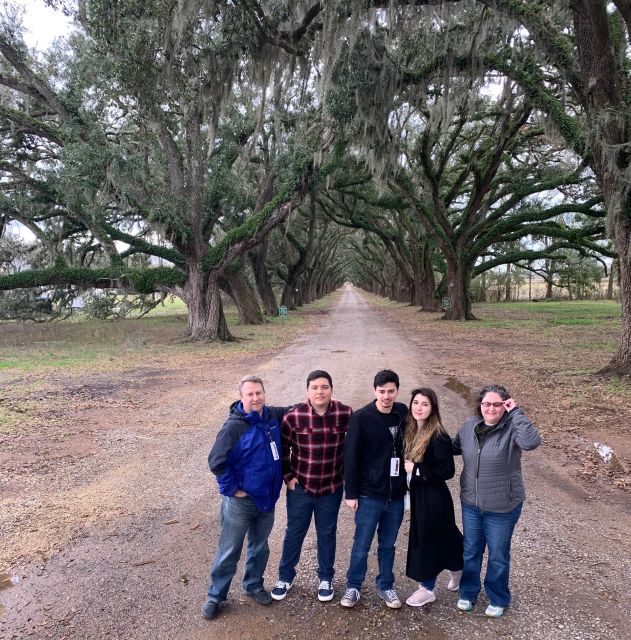
- River Road history in motion: You ride along the corridor tied to the largest slave rebellion in U.S. history.
- Comfort matters: Air-conditioned coach transport plus headsets so you can hear the narration clearly.
- Whitney is about people: The museum focuses on enslaved Africans, with original structures and memorials.
- Explore at your pace: You walk the grounds on your own, not on a tight line.
- Film locations along the way: You’ll pass scenes tied to movies, plus photo stops.
Other River Road plantation visits
- Swamp Boat Ride and Oak Alley Plantation Tour from New Orleans★ 5.0 · 3,303 reviews
- Oak Alley Plantation Tour with Transportation from New Orleans★ 4.5 · 1,747 reviews
- Whitney Plantation Tour with Transportation from New Orleans★ 4.5 · 1,351 reviews
- Laura Creole Plantation Guided Tour★ 5.0 · 1,279 reviews
River Road coach ride: antebellum scenery with serious context
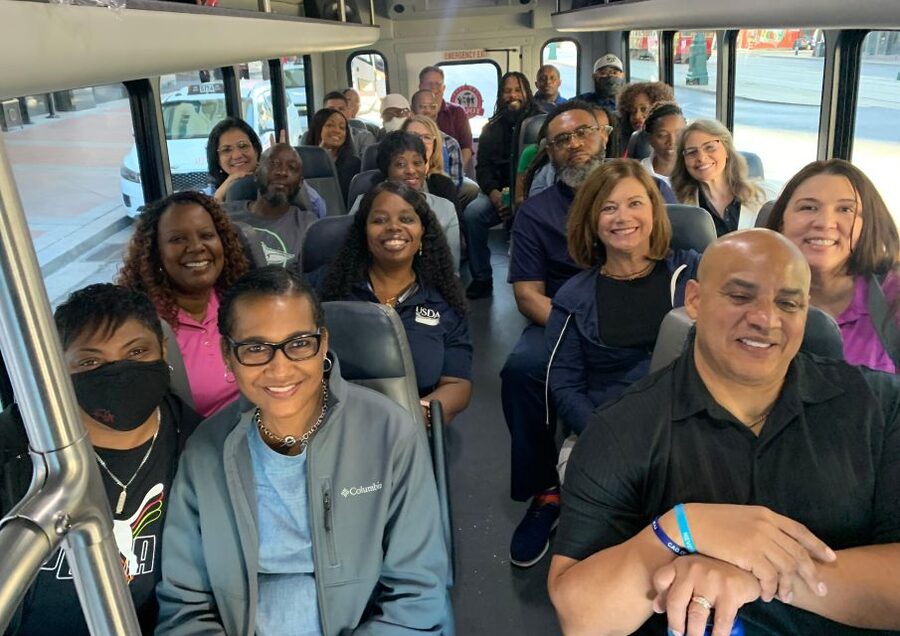
The day starts with the drive along Louisiana’s River Road, and that’s not just a scenic route. This corridor is tied to one of the darkest chapters of U.S. history: the largest slave rebellion in American history. As you’re traveling, you’re not watching slavery as an abstract idea—you’re seeing the landscape that supported the sugar economy and the plantations built on enslaved labor.
Along the way, you’ll also pass antebellum plantations. That visual contrast matters. Plantation houses can look calm and elegant from the road, but the tour frames what you’re seeing in terms of forced labor, family separation, resistance, and survival. It’s a reminder that beauty in architecture didn’t mean humane living conditions. It meant wealth built on people who were not treated as people.
You’ll be on an air-conditioned coach, so you’re not wrestling heat for hours. And the bus ride isn’t just transportation—it’s part of the learning. The tour includes headsets so the self-guided-style audio is clear, and it helps turn the drive into a moving classroom instead of a long transfer.
Hotel pickup and timing: how to avoid a stressful start
This is a 5-hour tour, and the schedule begins early. Hotel pickup starts between 8:00am and 8:30am, with a stated 30-minute grace period for the driver. Translation: be ready at your location by 8:00am, because the bus makes multiple stops. If you’re late, you can miss your pickup even if the company is within its window.
Pickup is available for many hotels within a 1–2 mile radius of 414 Canal St. If your hotel is farther out, you’ll go to the main pickup/drop-off point: 414 Canal St, marked by Jazz Gumbo on Canal St, between Tchoupitoulas & Magazine St, about a block from Caesars Casino.
Practical tip: if you’re staying in the French Quarter, this pickup model usually fits well, but still plan for traffic and walking time to your exact meeting spot. Wear comfortable clothes, because you’ll be doing walking at Whitney after the drive.
Whitney Plantation Museum: memorial grounds you walk yourself
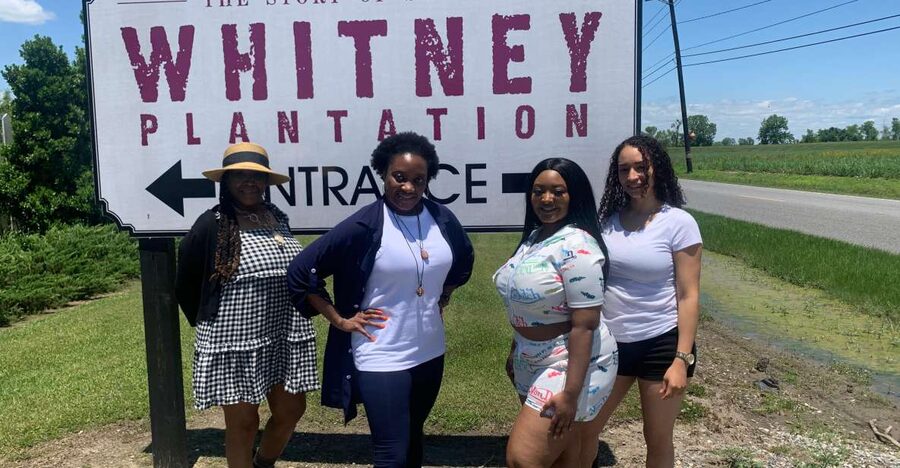
Once you reach Whitney Plantation, the tone changes immediately. This is not a plantation “theme” stop. It’s a museum and memorial meant to honor enslaved people, and you’ll experience it through the grounds at your own pace.
You can walk the grounds without being rushed, which is helpful here. With subject matter this heavy, rushing often turns learning into something you barely register. Instead, you decide how long to spend in key areas, and you can pause when something hits you.
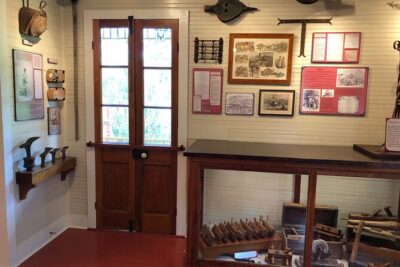
The museum visit includes original slave cabins on the grounds. Seeing those structures in person is one of the most powerful parts of the day, because it makes the distance between “history on a page” and “life in a place” feel shorter. You also encounter moving memorials designed to tell stories of people who lived and labored there.
Even if you’ve read about slavery before, this layout and focus can change how you remember it. The emphasis is on enslaved Africans and the reality of their lives, not on owners and entertainment. That difference is a big part of why this tour earns such high marks.
What you’ll learn: sugar plantation labor, endurance, and survival
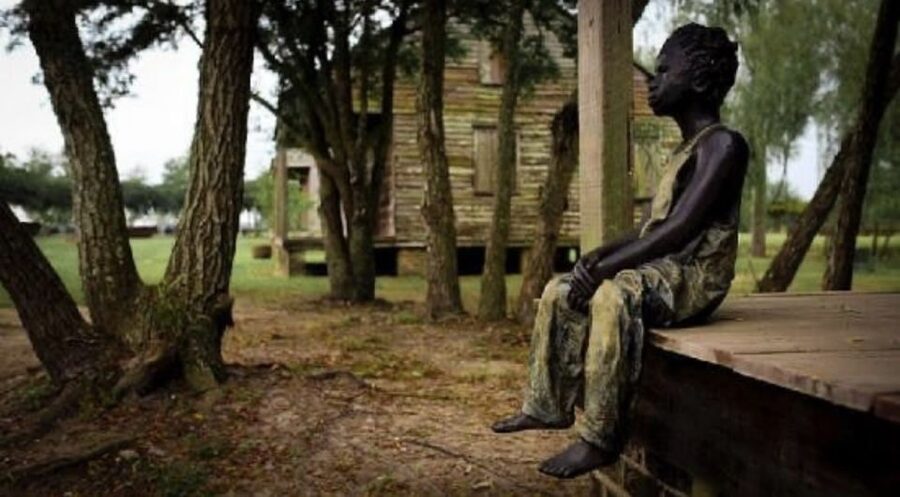
The core learning on this tour is straightforward: slavery shaped Louisiana’s culture, economy, and people, and the system depended on forced labor. Along the River Road, that context is built through travel and visual reminders. At Whitney, the learning becomes personal and grounded.
You’ll learn what life was like for enslaved Africans on a sugar plantation. That matters because many visitors come in knowing the broad facts but not the daily structure: work patterns, survival strategies, family pressures, and the constant threat of violence and control. The Whitney focus helps connect those dots in a way that feels more human than textbook.
The tour also highlights the largest slave rebellion in U.S. history. You’ll hear how the landscape of plantation life was tied to acts of resistance and the refusal to accept domination as normal. That theme of endurance and survival runs through the whole day, and it shapes the way you interpret everything you pass later.
This kind of learning can be emotionally draining. I recommend planning the rest of your day carefully. Don’t stack this right before a big dinner celebration or a late-night party plan. Let your brain absorb what it just saw.
More museums worth an afternoon





Self-guided audio and respectful pacing: what the format feels like
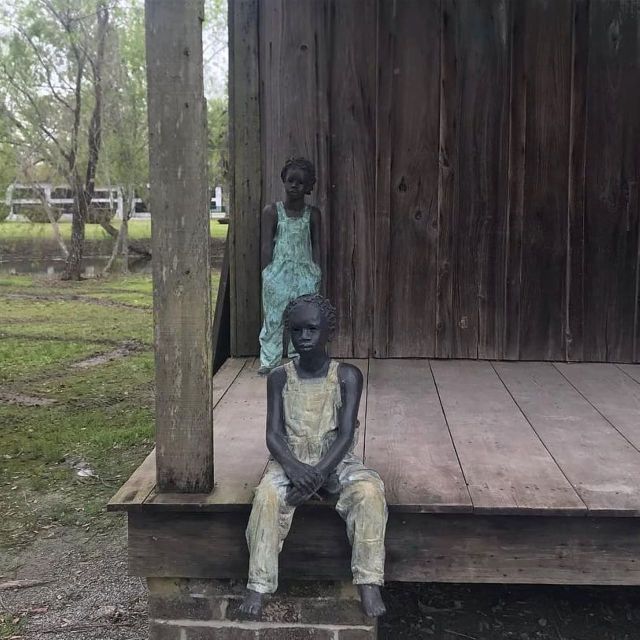
Here’s where this tour is both a strength and a potential mismatch: it’s a self-guided tour at Whitney, supported by headsets. That means you have narration you can hear clearly, but you’re not necessarily following a person line-by-line through every exhibit.
One review experience stood out for how well the audio can work during the trip: the bus driver Jay was praised for knowledge along the drive, and the overall organization was described as tight. Another review mentioned a guide/driver named Plantation contributing to an informative experience on the bus. Those examples suggest that the live components on the ride can be excellent.
Still, there’s a caution from the format itself: if you expect a guided walkthrough inside Whitney from a guide right beside you, you may be surprised. The tour design is built around you moving through the museum grounds with audio support. That can be ideal if you like to go at your own speed. It can feel less ideal if you want someone constantly interpreting every corner.
My advice: treat Whitney as the main event and give yourself mental space. Bring comfortable clothes, keep your headset on, and plan to slow down where the grounds and memorials ask you to. If you prefer a more hands-on docent experience, you may want to compare with other plantation tour styles before booking.
Comfort, scenes from movies, and photo opportunities on the route
This tour includes scenes from movies, which might sound like a small add-on until you’re actually driving past locations you’ve seen on screen. It’s a smart way to help you pay attention out the window while still staying grounded in the history.
Also, the route is long enough that the coach ride can get boring on other tours. Here, the bus experience is structured to keep you oriented. Reviews mention that drivers sometimes make the journey enjoyable and even stop at filming locations so you can take pictures without feeling rushed.
Practical photo tip: you’ll be on a moving vehicle, so plan for quick shots and don’t get so locked into photography that you miss narration cues. If your goal is learning first and photos second, this tour delivers.
Price and value: why $79 can be fair (and when it might not be)
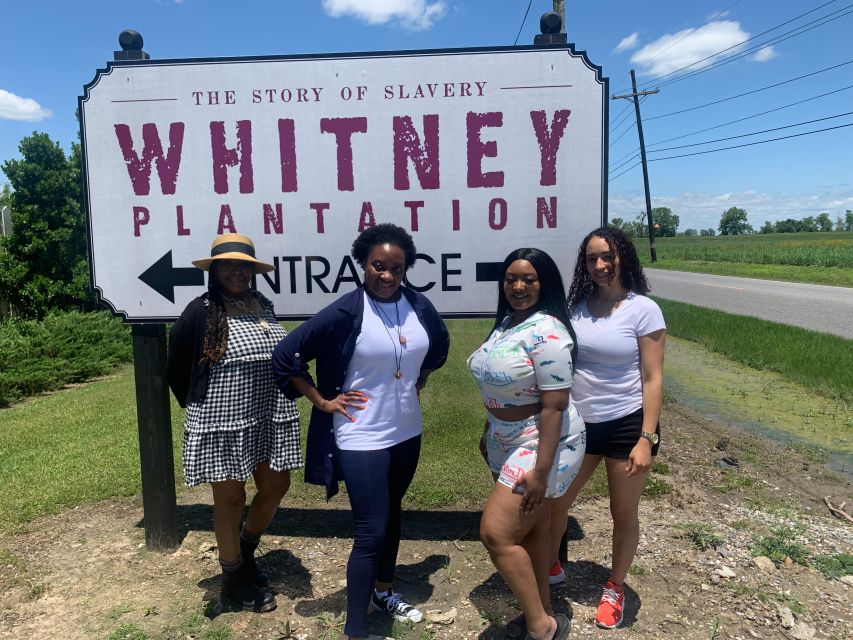
At $79 per person for a 5-hour experience, the value depends on what you want from a plantation visit.
You’re paying for:
- Hotel pickup and drop-off
- Coach transportation along the River Road
- Headsets to hear the tour clearly
- A Whitney Plantation guided-by-audio visit
- A River Road bus tour and included roadside history elements
- Scenes from movies
What you’re not paying for is food and drinks. Plan to eat before or after, because budgeting matters. If you show up hungry, you’ll lose focus on what the museum is trying to do.
Is it expensive? It’s not cheap, but it’s also not inflated for what’s included: transport with pickup convenience plus the core museum access. The biggest “value factor” is time. You’re only committing to one half-day, which makes it easier to fit into a New Orleans itinerary without spending the whole day in travel mode.
If you’re cost-sensitive, compare this against options that include other plantation stops. But if you want a focused experience at Whitney rather than a speed-run across several sites, this price feels like it’s aimed at doing the main stop justice.
Who should book Whitney and River Road (and who should consider alternatives)
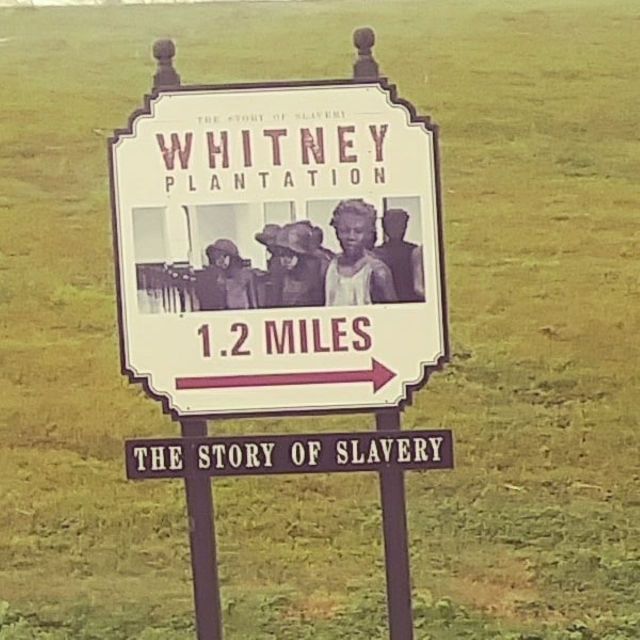
This is a strong fit if you:
- Want to understand slavery’s impact on Louisiana’s economy and culture through real places
- Prefer museum-ground learning with audio support rather than constant live narration
- Like the idea of combining a historically framed drive with a memorial-focused site
It may be a weaker fit if you:
- Need a fully guided, inside-every-room style tour where a person explains everything
- Don’t handle emotionally heavy historical content well and prefer lighter subject matter
If you’re visiting with kids, you’ll want to consider their age and emotional readiness. The tour deals directly with slavery, original slave cabins, and memorial storytelling, so it’s not a casual outing.
Also, plan your day like an adult. This isn’t the kind of tour you want to “power through” and then immediately celebrate. Give yourself a quiet landing afterward.
Should you book this tour?
Yes, I’d book it if you’re prioritizing truthful place-based learning over a checklist of pretty buildings. The River Road drive gives you context, and Whitney gives you the human focus that context can’t provide on its own.
Before you decide, make sure your expectations match the format: it’s self-guided at Whitney with headsets, not a nonstop guided walkthrough. If that works for your learning style, this 5-hour plan is a practical way to face Louisiana’s slavery history in a respectful, structured setting.
FAQ
How long is the New Orleans Whitney Plantation & Museum tour?
The tour runs for 5 hours.
Is the Whitney Plantation part self-guided?
Yes. Whitney Plantation is self-guided, with headsets provided so you can hear the self-guided tour clearly.
What’s included in the price?
The package includes hotel pickup and drop-off, a River Road bus tour, a Whitney Plantation tour, guide support, headsets for the audio, and scenes from movies.
Is food included?
No. Food and drinks are not included.
Where does pickup happen in New Orleans?
If you’re within 1–2 miles of 414 Canal St, pickup is available at most nearby hotels. If not, your pickup location is 414 Canal St at Jazz Gumbo on Canal St, between Tchoupitoulas & Magazine St.
What language is the tour in?
The tour information is provided in English.
More Tours in New Orleans





More Tour Reviews in New Orleans

More River Road Plantations





Just added to The New Orleans Traveler




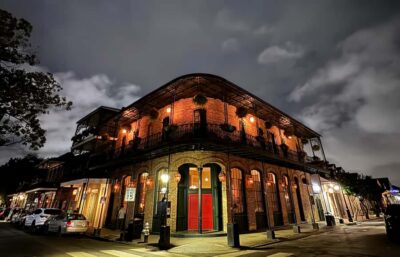
Plantation Tours, compared.
 ★ 5.0Swamp Boat Ride and Oak Alley Plantation Tour from New OrleansFrom $1313,303 reviews
 ★ 4.5Oak Alley Plantation Tour with Transportation from New OrleansFrom $891,747 reviews
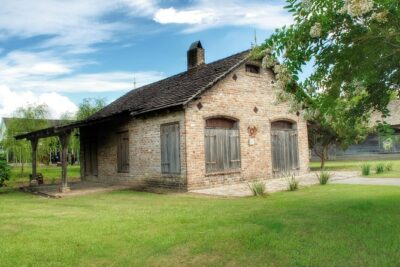 ★ 4.5Whitney Plantation Tour with Transportation from New OrleansFrom $891,351 reviews
 ★ 5.0Laura Creole Plantation Guided TourFrom $321,279 reviews
 ★ 4.7Bayou Swamp Tour and Oak Alley Plantation TourFrom $1251,147 reviews
 ★ 4.7Oak Alley Plantation & Airboat Swamp Combo TourFrom $160906 reviews
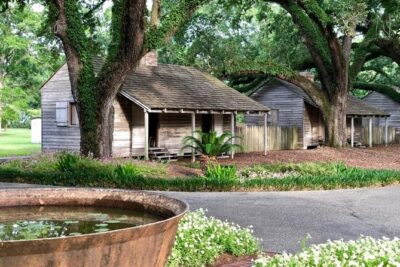 ★ 4.5Oak Alley Plantation and Large Airboat Swamp Tour from New OrleansFrom $160712 reviews
 ★ 4.5Houmas House Estate and Gardens Guided TourFrom $38632 reviews
Browse the lists this tour appears in