
Reviewed · MUSEUMS
New Orleans: The National WWII Museum Ticket
World War II hits close to home. The National WWII Museum in downtown New Orleans turns history into something you can see, hear, and walk through, with restored planes and sky-high catwalks that make the war feel real fast.
What I like most is the pairing of big-picture storytelling with details you can actually spot—like the D-Day crafts story tied to New Orleans, and the 4-D movie option, Beyond All Boundaries, narrated by Tom Hanks. The one drawback: the museum is big and can feel crowded in key spots, so you’ll want to plan for time, not a quick stop.
In This Review
- Key things to know before you go
- Tickets, timed entry, and where the museum starts
- What you actually get for about $37 and why it can feel like a bargain
- Louisiana Memorial Pavilion: D-Day, the Home Front, and why New Orleans matters
- Campaigns of Courage: Road to Tokyo and Road to Berlin (the guided option is a smart add)
- U.S. Freedom Pavilion: restored aircraft, tanks and trucks, plus catwalks that feel daring
- Liberation Pavilion and the closing chapters of the war
- Solomon Victory Theatre: Beyond All Boundaries (the 4-D upgrade people don’t forget)
- A realistic time budget for a museum this large
- Food, breaks, and the little things that make the day easier
- Is a guided tour worth it?
- Who this WWII museum ticket suits best
- Should you book this ticket?
- FAQ
- Is the 4-D film time the same as museum entry time
- How do I get into the museum
- What’s included with the guided tour options
- What are the museum’s main exhibit areas
- Where can I park
- When is the American Sector Restaurant & Bar open
Key things to know before you go

- D-Day made in New Orleans: You’ll learn about the landing crafts built in the city and why that mattered for Normandy.
- 4-D film is optional but worth the upgrade: Beyond All Boundaries is in the Solomon Victory Theatre and uses timed entry.
- Airplane viewing from a new angle: The U.S. Freedom Pavilion includes restored aircraft you can get close to via dramatic catwalks.
- Pacific to Europe story arc: The exhibits move across the war from the Road to Tokyo to the Road to Berlin.
- Docent tours can save time (and clear up confusion): You can add guided options like Campaigns of Courage and Arsenal of Democracy.
- You’ll need real time to do it right: Many people plan half a day and end up wishing they had scheduled longer.
More time at the National WWII Museum
- New Orleans: The National WWII Museum Ticket★ 4.8 · 704 reviews
- The National WWII Museum Campus Pass plus 4-D Film★ 5.0 · 672 reviews
Tickets, timed entry, and where the museum starts
This experience is set up for one-day visitors, but it runs on timing in two different ways.
First, your main museum admission is tied to your ticket option. If you pick a version with a timed 4-D movie or a guided tour, that timed slot applies to the 4-D film or the tour—not to when you can enter the museum. In plain terms: you can use your museum admission anytime during your visit window, while the movie or tour time is fixed.
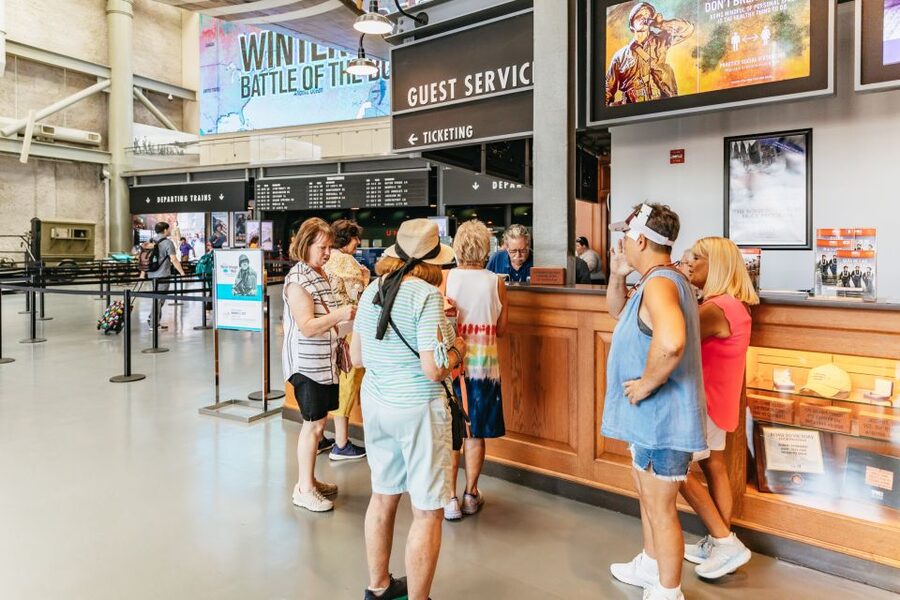
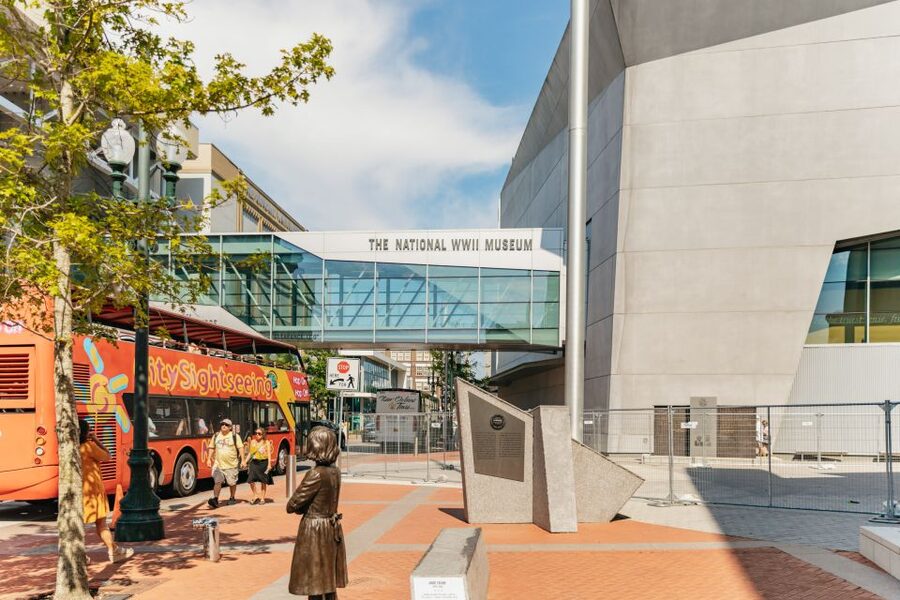
Second, your barcode scan is the key moment. You enter through the main museum entrance on the north side of Andrew Higgins Blvd, show your barcoded ticket, and staff will direct you to the right scanning point for any additional barcodes and to pick up your visitor guide. If you want a smooth start, arrive with enough slack to find your scan location without sprinting.
On the logistics side, the museum offers a paid parking garage at 1024 Magazine Street. And if you’re traveling with mobility needs, the museum is wheelchair accessible, though the number of wheelchairs available for use is limited and works on a first-come, first-served basis.
Quick practical note: the rules are simple but strict—no flash photography or video. That matters if you’re the type who documents every artifact.
What you actually get for about $37 and why it can feel like a bargain
At around $37 per person, you’re paying for a lot more than “a few exhibits.” You’re buying access to a museum built around multiple pavilions, plus the option to add a timed cinematic experience in the Solomon Victory Theatre.
If you take the 4-D upgrade, the value jumps because the movie isn’t just a screen—you’re in a theater designed to create physical, sensory realism. That’s the part many people call out as emotional and hard to forget. Even if you skip the upgrade, the museum’s core structure still gives you a guided path through the war’s story across continents.
And if you add a guided tour like Campaigns of Courage (a docent-led option covering the Road to Tokyo and Road to Berlin exhibits), you’re not just reading labels. You’re getting help interpreting what you’re seeing—especially useful in the parts that include battle settings, recreated villages, and the kind of details that are easy to miss if you’re rushing.
One more value point: the museum layout encourages breaks. That sounds small, but when you’re walking through lots of rooms and reading lots of text, having food and rest options inside the flow keeps the day from turning into a headache.
Louisiana Memorial Pavilion: D-Day, the Home Front, and why New Orleans matters
Your day makes sense when you start with the Louisiana Memorial Pavilion. This is where you get grounded in the D-Day story and the wider American experience of the war.
Here, you’ll find the exhibit focused on the D-Day Invasion of Normandy, with the added detail that landing crafts were designed and built in New Orleans. That local connection is a smart way to start, because it shifts WWII from a distant headline into a story with real geography.
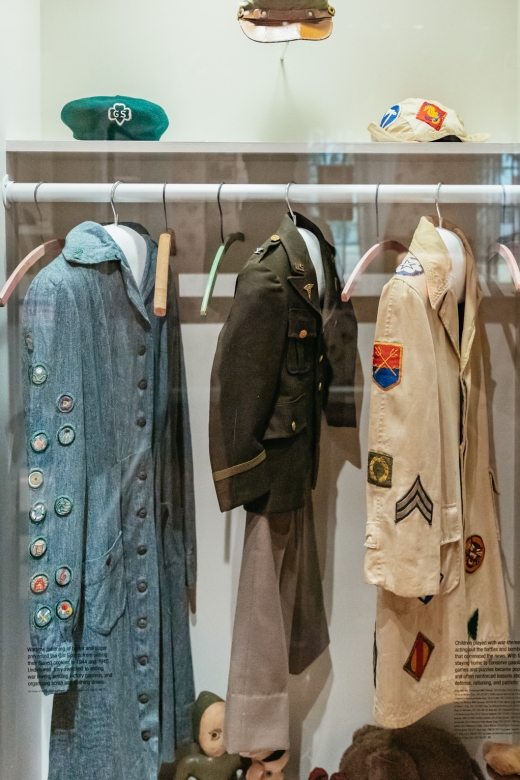
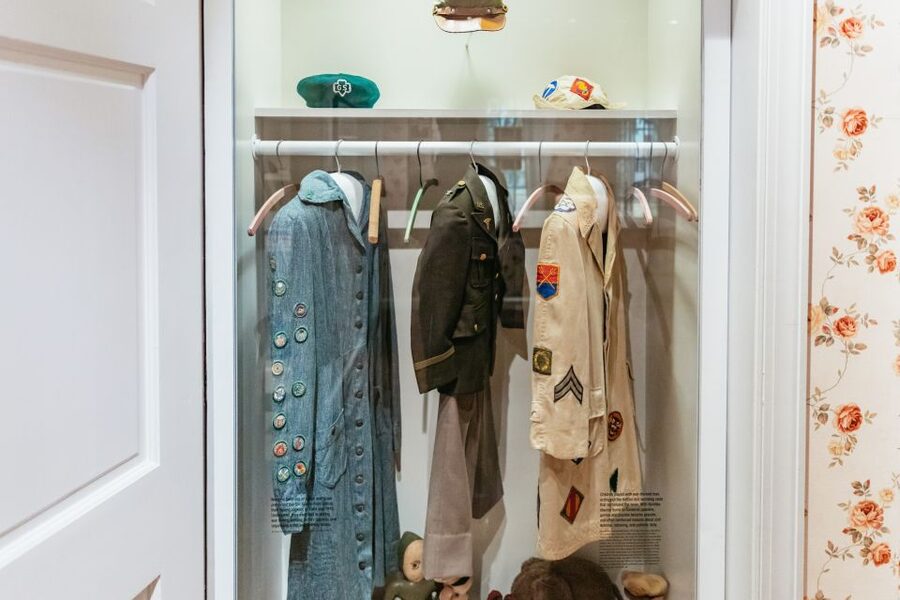
This pavilion also includes a Home Front exhibit—how the war was experienced back home. It’s a useful counterweight to the battlefield focus. You see that the war wasn’t only fought by soldiers overseas; it was also shaped by what happened on the home soil, from production to daily life pressures.
A practical tip: take a slow walk through this first pavilion. If you rush here, the later exhibits can feel like separate “cool rooms.” If you give yourself a little time upfront, the whole route across the museum clicks together.
Campaigns of Courage: Road to Tokyo and Road to Berlin (the guided option is a smart add)
If you want the war story to feel chronological and clear, this is where the museum does a great job. The Campaigns of Courage area includes two big exhibit threads:
- Road to Tokyo, which retraces the harsh route from Pearl Harbor to Tokyo.
- Road to Berlin, which recreates battle settings and villages as America campaigned against the Axis powers.
This pair of exhibits helps you understand the war’s momentum—how one campaign leads into another, and how strategy and geography shape what people endure. You can do it at your own pace, but there’s also a docent-led guided tour option in this area.
That guided option is a big help if you like context. A docent can point out patterns you might not notice: why certain artifacts were selected, what details matter in battle recreation, and what the exhibit designers want you to take away from the storyline. It’s especially useful if you’re traveling with kids or anyone who tends to skip label-reading.
If you’re short on time, you don’t have to do everything perfectly—just do this section with intention. It’s one of the most structured ways to make sure you’re getting the “why” behind the “what.”
More New Orleans tours and experiences to compare





U.S. Freedom Pavilion: restored aircraft, tanks and trucks, plus catwalks that feel daring
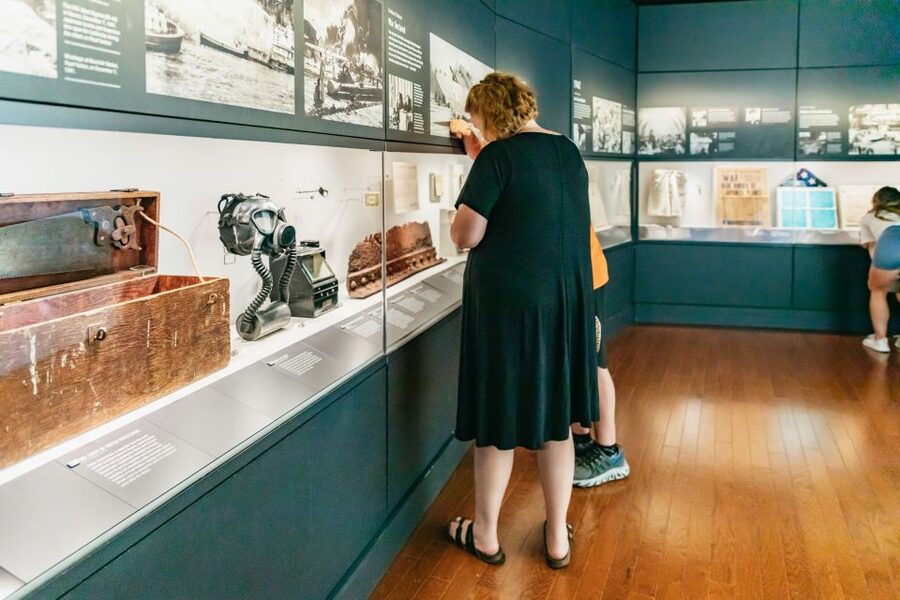
Then comes the part that many people remember first: the U.S. Freedom Pavilion.
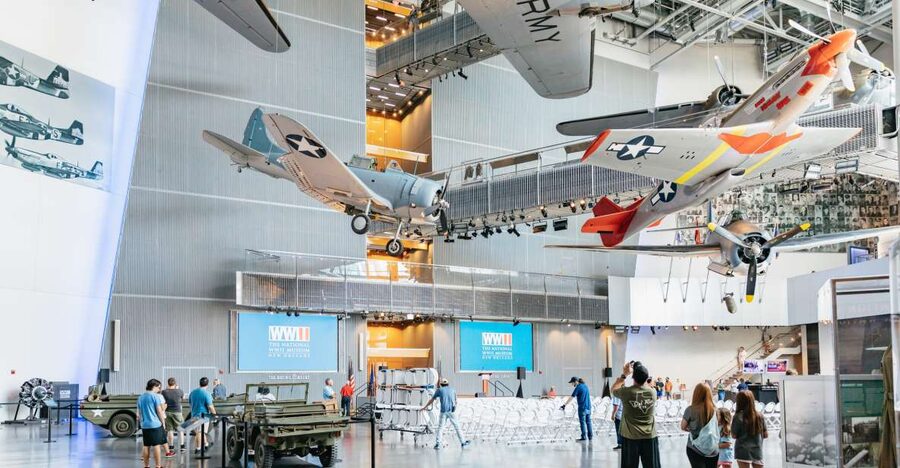
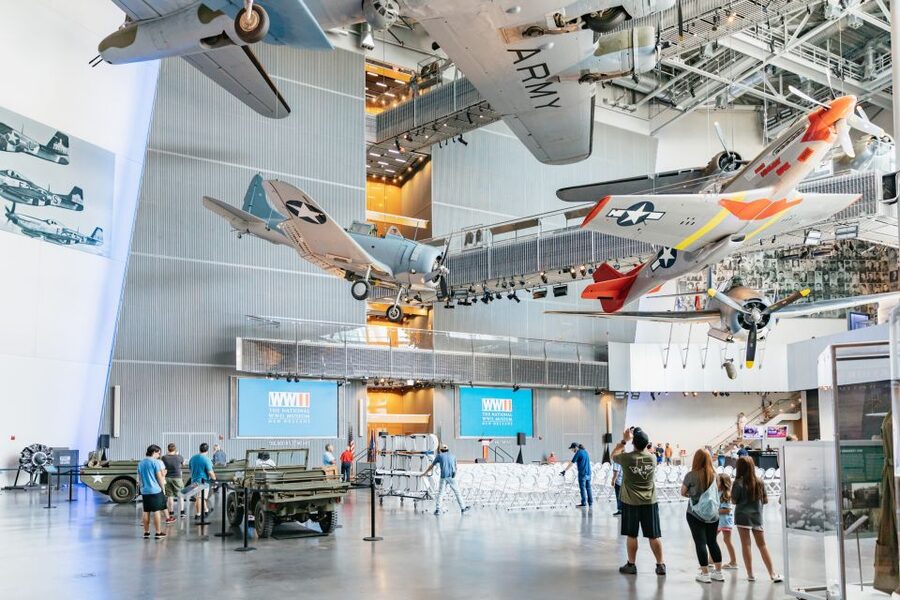
This building houses restored WWII airplanes presented in wartime glory, including the B-17E Flying Fortress. And it’s not a passive “look from behind glass” setup. The museum gives you sky-high catwalks so you can view aircraft up close from above and from different angles.
That catwalk approach changes your perspective. Instead of seeing a plane like a static symbol, you get to see it as an engineered machine with scale. You also get a better feel for how airpower looked in real life—size, layout, and the sheer physical presence of the aircraft.
Along with the planes, you’ll see wartime tanks and trucks. That mix matters because it keeps WWII from becoming only “airplane history.” You get a broader picture of how the war was waged on multiple fronts and through multiple types of machines.
One small caution: catwalk areas can become crowded. If you’re the type who hates bottlenecks, plan to spend time moving slowly through the plane sections rather than lingering in the most packed viewing spots.
Liberation Pavilion and the closing chapters of the war
The museum’s story doesn’t stop with victory headlines.
The Liberation Pavilion, which has opened as part of the museum’s development, focuses on the closing months of the war and the immediate postwar years. It ends with an explanation of how WWII connects to life today.
Even without a guided tour, this is a valuable shift in tone. It moves you beyond battle scenes into what happens after the fighting stops—how war changes nations, communities, and the future.
If you tend to like exhibits that connect past to present, don’t skip this. It’s also a good place to slow down if you’ve spent a lot of the day in intense scenes.
Solomon Victory Theatre: Beyond All Boundaries (the 4-D upgrade people don’t forget)
This is the optional “must-add” for many visitors.
Beyond All Boundaries is shown in the Solomon Victory Theatre, and it’s a 4-D experience—meaning effects in the theater are designed to make the story feel physically present. It’s narrated by Tom Hanks, which adds a steady, human tone to a story that could easily become too technical or too distant.
The important practical detail: you need the option that includes the 4-D film, and the time printed on your ticket is your reserved time for the show. After that, your museum admission attached to that ticket remains usable for anytime entry.
If you want the emotional impact people talk about, book a show time that doesn’t force you to rush through other pavilions beforehand. A film slot works best when you’ve already seen enough context to understand why the story matters—and when you won’t be late to the next thing.
And yes, it can be the emotional high point of the day. If you’re traveling with teens or older kids, it’s often the part that makes the story feel personal without needing background knowledge.
A realistic time budget for a museum this large
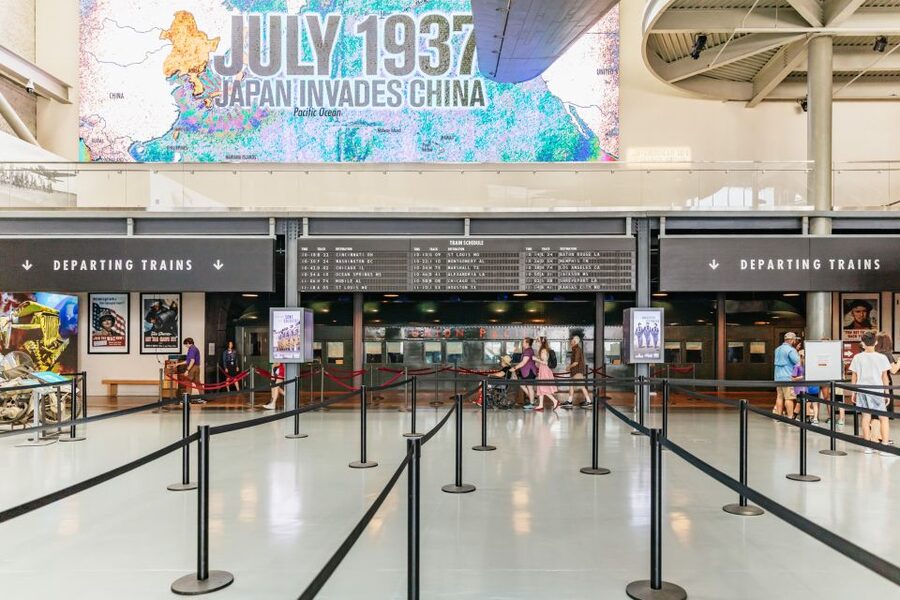
This is not a “one exhibit and out” place.
Even when you’re motivated and fast, the museum’s layout across multiple buildings and levels takes time. The exhibits also mix lots of reading with short film elements and hands-on viewing opportunities like the catwalks.
Here’s the practical advice I’d give you: plan for a full block of time. If you schedule only a half day, you’ll likely end up skipping at least one pavilion or feeling too rushed to actually absorb what you’re seeing.
A good strategy is to pick your non-negotiables:
- If you love aircraft: prioritize the U.S. Freedom Pavilion catwalk time.
- If you want the story thread: prioritize Campaigns of Courage.
- If you want the emotional punch: upgrade for Beyond All Boundaries.
Then fill in the rest as your energy allows.
Food, breaks, and the little things that make the day easier
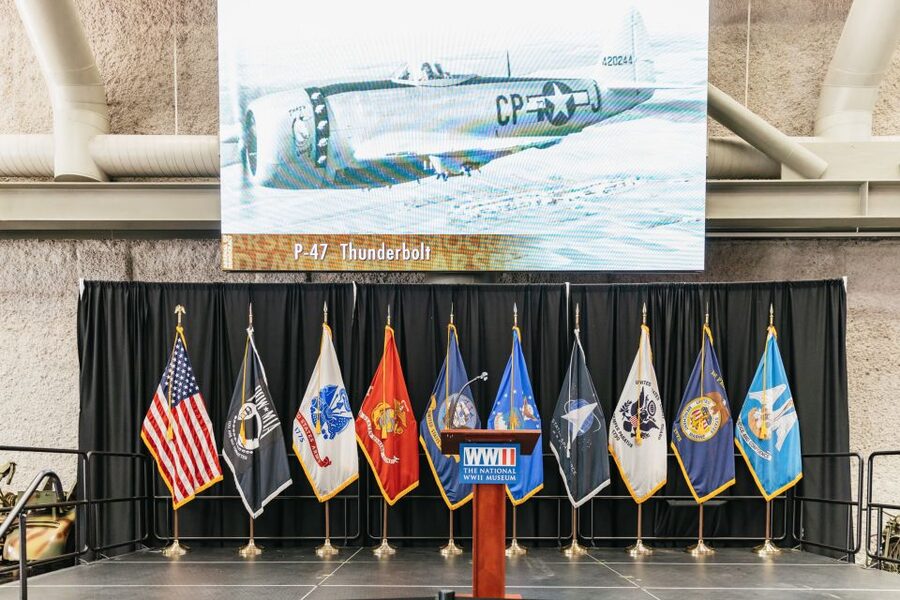
The museum is built to keep you moving, but you still need breaks. The key is that food is inside your day, not a separate chore.
You’ll find American Sector Restaurant & Bar, open Sunday to Friday from 11:00 AM to 2:00 PM, and Saturdays from 11:00 AM to 3:00 PM. If your 4-D film time lands near midday, it’s smart to plan your meal either before the theater slot or after you’ve done a pavilion block.
There are also gift shops, restrooms, and enough checkpoints to help you orient yourself—especially useful because the museum covers a lot of ground.
One fun food note from real day experiences: some people love pairing a meal at American Sector with a stop for a sweet treat afterward, like a chocolate shake at Jerri’s. If you’re making a day of it, those small end-of-day wins help you feel like you truly got your money’s worth.
Is a guided tour worth it?
If you like history facts plus context, the guided options make sense.
The Campaigns of Courage guided tour is docent-led and focuses on the Road to Tokyo and Road to Berlin exhibits. That can help you connect exhibits to each other and make sense of battle recreations that might otherwise feel like “cool scenes.”
The Arsenal of Democracy guided tour is also available as an option, though the specific scope isn’t spelled out in the ticket summary you’re using. Still, the pattern is clear: guided tours are for people who want help seeing the meaning, not just the objects.
If you’re the self-guided type, you can still do well without a live guide. But if you’re traveling with kids, or you want the story to click faster, I’d strongly consider one docent-led option.
Who this WWII museum ticket suits best
This is a strong choice if you:
- Want a full WWII story arc from the Pacific to Europe in one day.
- Like museums with physical presence—airplanes, vehicles, and viewing angles you don’t get elsewhere.
- Want an option for a high-impact theater experience with Beyond All Boundaries.
It’s also ideal for families and mixed-age groups because the exhibits are structured and the museum is clean and easy to navigate (with staff assistance at checkpoints). If you’re sensitive to crowds, plan your day to avoid sitting too long in the busiest viewing areas.
And if you’re a first-time WWII museum visitor, it’s a very efficient starting point because the story is laid out with clear exhibit segments rather than dumping everything at once.
Should you book this ticket?
Book this if you want your New Orleans day to include more than street corners and music—and you’re okay spending serious time inside. For the price, you’re paying for multiple pavilions, the chance to see restored aircraft from catwalks, and the option to add a 4-D movie that many people remember as a standout.
Don’t book this if you’re looking for a quick, casual 60–90 minute stop. The museum’s strength is its scale and its reading/viewing pace. Go in with enough time to slow down.
If you’re making just one “big ticket” museum choice in New Orleans, this is one of the best places to put it.
FAQ
Is the 4-D film time the same as museum entry time
No. If you choose an option with a timed 4-D film (or a guided tour), the time on your ticket is your reserved time for that 4-D film or tour. Your museum admission is valid for anytime entry during your visit.
How do I get into the museum
Enter the main museum entrance on the north side of Andrew Higgins Blvd. Show your barcoded ticket, and staff will direct you where to go to have your barcode(s) scanned and to pick up your visitor guide.
What’s included with the guided tour options
If you select the guided tour options, the ticket includes the relevant guided tour (Campaigns of Courage or Arsenal of Democracy). A live guide is not included unless you choose a guided tour option.
What are the museum’s main exhibit areas
The museum is organized across five pavilions, including the Louisiana Memorial Pavilion (D-Day and Home Front), Campaigns of Courage (Road to Tokyo and Road to Berlin), U.S. Freedom Pavilion (restored planes and vehicles), and the Liberation Pavilion, plus the Solomon Victory Theatre for the 4-D film.
Where can I park
The museum’s paid parking garage is at 1024 Magazine Street.
When is the American Sector Restaurant & Bar open
American Sector Restaurant & Bar is open Sunday through Friday from 11:00 AM to 2:00 PM, and Saturdays from 11:00 AM to 3:00 PM.
More Tickets in New Orleans

More Tour Reviews in New Orleans



More at the WWII Museum

Just added to The New Orleans Traveler



Museums, compared.
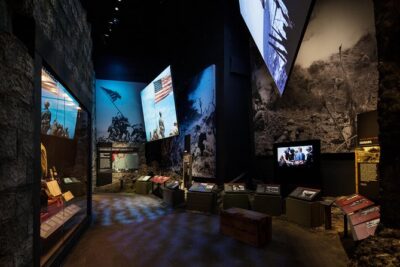 ★ 5.0The National WWII Museum Admission Ticket New OrleansFrom $372,202 reviews
 ★ 5.0French Quarter Walking Tour With Comp 1850 House Museum AdmissionFrom $30781 reviews
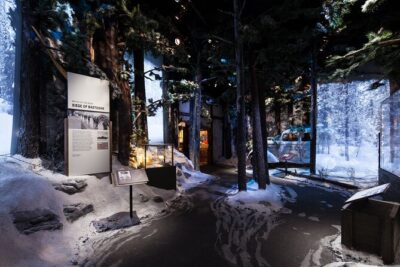 ★ 5.0The National WWII Museum Campus Pass plus 4-D FilmFrom $49672 reviews
 ★ 5.0Storyville Museum All Access TicketFrom $2773 reviews
 ★ 4.5Whitney Plantation and Museum Tour from New OrleansFrom $7569 reviews
 ★ 4.8Whitney Plantation & Museum TourFrom $7959 reviews
 ★ 5.0Museum of the Southern Jewish Experience in New OrleansFrom $1547 reviews
 ★ 5.0Old Ursuline Convent Museum Ticket: New Pope Leo XIV ExhibitFrom $105 reviews
Browse the lists this tour appears in