
Reviewed · FRENCH QUARTER TOURS
New Orleans: French Quarter Walking Tour
New Orleans can change fast. This French Quarter walk connects food, disasters, and music in one steady route. I particularly love the Cafe du Monde beignet-making stop, and I also like how the guide ties street corners to real events like Katrina and the Great Fire of 1788. One thing to consider: it’s a lot of heavy context in a short time, so you’ll want to be ready for topics like slavery and the aftermath of disaster.
This is the kind of tour where you walk away with names, dates, and a better sense of why the Quarter looks the way it does. I think it’s a smart choice if you want history that’s told at sidewalk speed. If your idea of a vacation is mostly light and scenic, you might find some stops emotionally intense.
In This Review
- Key highlights worth your attention
- Where the tour starts: 529 St. Ann Street and Jackson Square orientation
- The French Quarter route: Jackson Square to the Ursuline Convent
- Jazz you can picture: Danny Barker’s influence and the houses behind the sound
- Sicilian immigrants and the macaroni factories you might otherwise miss
- Hurricanes, Katrina, and how the city thinks about risk
- The Great Fire of 1788: tracing disaster to Chartres Street
- Slavery-era stops: former slave markets and the St. Louis Hotel and Exchange
- Preservation Hall and why a short stop matters
- Madame de Pontalba: ending back at Jackson Square with a building-focused story
- Cafe du Monde beignets: watching the magic happen
- Pricing and value: is $50 worth it for a 2-hour walk?
- Who should book this French Quarter walking tour
- Practical tips so the tour feels easy
- Should you book?
- FAQ
- How long is the French Quarter walking tour?
- How much does the tour cost?
- Where does the tour start?
- Is food included?
- What languages are available?
- Does the tour run in bad weather?
- Can I cancel for a full refund?
Key highlights worth your attention
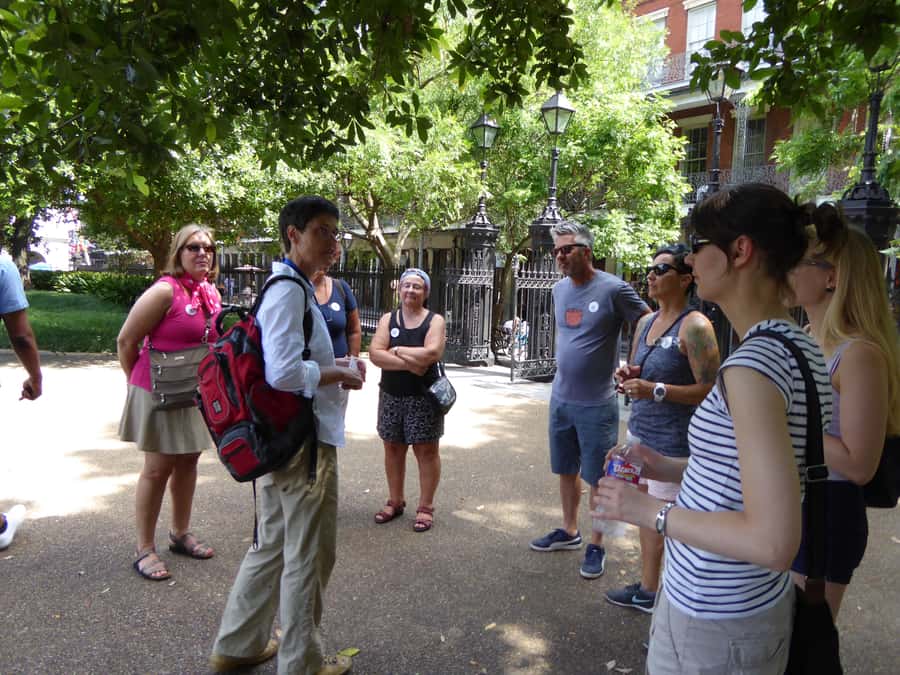
- Beignet-making at Cafe du Monde: Watch pastries being made, not just sold.
- Hurricanes and Katrina explained on the ground: Learn how the city plans around risk.
- Great Fire of 1788 linked to a specific address: One careless act mapped to huge impact.
- Slavery-era sites and the St. Louis Hotel and Exchange: See where human lives were traded.
- Traditional jazz with Danny Barker’s legacy: Understand how older sounds survived through players and places.
- Preservation Hall as a music anchor: A short pause that helps you hear the Quarter differently.
More ways to wander the Vieux Carre
- New Orleans Food Walking Tour of the French Quarter with Small-Group Option★ 5.0 · 6,118 reviews
- New Orleans French Quarter, Voodoo and Culture Walking Tour★ 4.5 · 2,961 reviews
- French Quarter Historical Sights and Stories Walking Tour★ 5.0 · 2,724 reviews
- Ghost and Vampire Walking Tour Of The French Quarter★ 4.5 · 2,406 reviews
Where the tour starts: 529 St. Ann Street and Jackson Square orientation
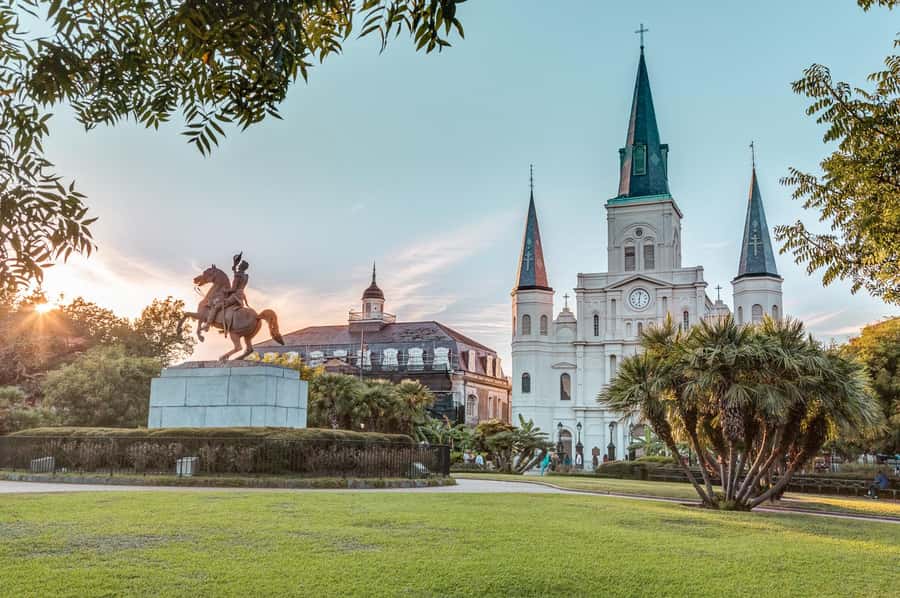
The tour begins at 529 St. Ann Street, in front of what’s now Fives Bar (the former Louisiana Welcome Center storefront). It’s mid-block to the left of Jackson Square as you face the river, and it’s about half a block from the Chartres Street corner at St. Ann. If you’re trying to get your bearings fast, this is a great starting point because Jackson Square is right there, but you’re not stuck standing in it for the first five minutes.
St. Ann is a pedestrian zone in this area, which makes the walk feel smoother and easier on foot. The tour runs rain or shine, so solid shoes matter. I’d also come with a light plan for the rest of your day, because the guide’s end-of-tour recommendations can help you fill the gap between history stops and dinner.
Also, it’s built for practical visitors: the tour is wheelchair accessible, and it’s 2 hours, which means you can fit it without blowing up your whole itinerary.
The French Quarter route: Jackson Square to the Ursuline Convent
Once you’re oriented near Jackson Square, you head downriver along the old French Market toward the Ursuline Convent. The convent is described as the oldest building in the Mississippi Delta from Colonial times, and the story focuses on the early 1700s when the Ursuline nuns arrived and lived with a level of courage that surprises most first-time visitors.
This part of the walk works well because it stops you from treating the Quarter like a theme park. You’re seeing how the area developed over time, not just taking photos of architecture. If you like learning through place-based storytelling, this is where it clicks—you feel like you’re reading the city with your feet.
You’ll also get a sense of how religion, commerce, and daily life were layered into the same streets. And because the tour keeps moving, you don’t get stuck in one long stop where the info loses momentum.
Jazz you can picture: Danny Barker’s influence and the houses behind the sound
As you continue, the tour highlights Danny Barker, a banjo player who matters in the story of New Orleans jazz. The big idea here is simple: jazz didn’t survive by accident. People preserved it—through musicians, communities, and the culture around where they played and worked.
The tour passes a house tied to Barker, and that kind of detail changes how you experience the Quarter’s music. Instead of hearing jazz as a vague souvenir sound, you can connect it to real people who helped keep traditional styles alive. If you’re a music fan, even a casual one, this is the portion that makes the Quarter feel personal rather than generic.
If you’re traveling with someone who thinks history is boring, jazz-themed stops can win them over quickly—especially because you can immediately link the story to what you’ll likely hear later that day.
Sicilian immigrants and the macaroni factories you might otherwise miss
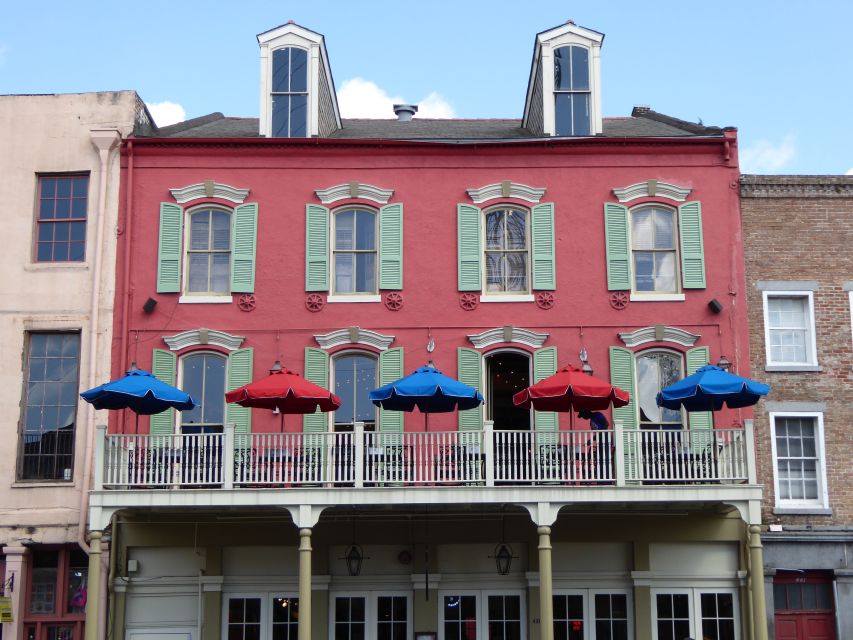
Not everything in the Quarter is about the most famous French or Spanish names. One stop points out former macaroni factories from the lower French Quarter, which is a clue to the role Sicilian immigrants played in shaping everyday food and work here.
This is a smart choice for a walking tour because it teaches you to notice the in-between clues. Even if you don’t see a giant sign saying Sicilian heritage, the buildings and local business history give you a trail to follow. You start looking at the Quarter as a chain of immigrant contributions rather than a single cultural story.
And since this tour doesn’t include food, these kinds of culinary-history connections help you decide what to eat after you finish walking. You’ll know what kind of local background to ask about when you reach for dinner.
More of New Orleans on foot


Hurricanes, Katrina, and how the city thinks about risk
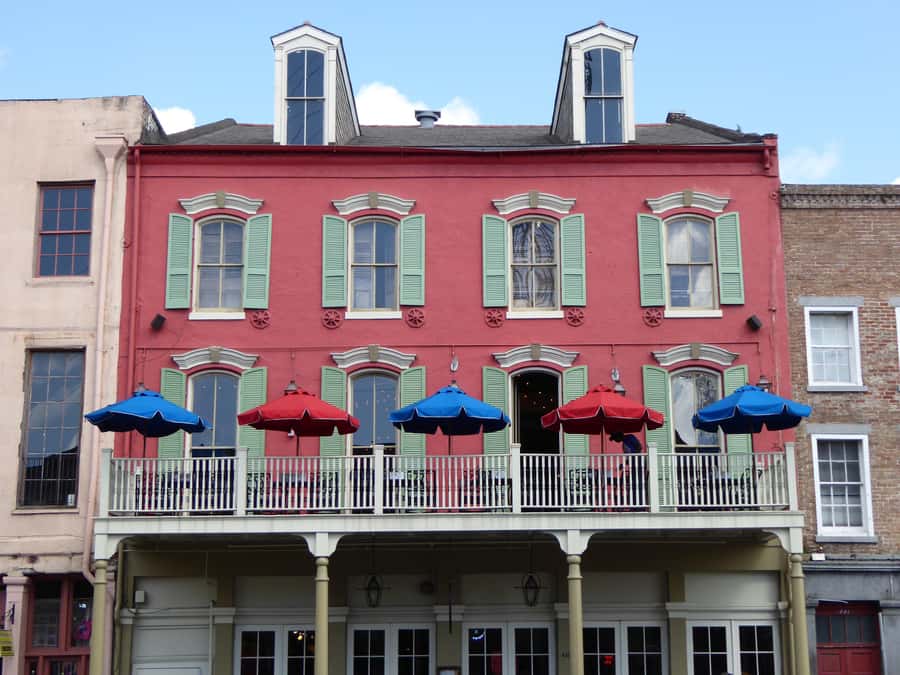
New Orleans is built in a place that can be dangerous, and the tour doesn’t ignore that. You’ll learn about how the city has protected itself from the threat of hurricanes, and you’ll also cover what happened with the deadly storm Katrina.
The value of this section is practical, not just tragic. You’ll come away understanding that New Orleans planning includes real strategies for living with water and storms. Even if you’re only visiting for a short time, it helps you understand why the Quarter is laid out the way it is, and why certain buildings and systems matter.
It also changes your tone when you walk. You stop thinking of the Quarter as frozen-in-time and start thinking of it as a living place that has had to adapt.
The Great Fire of 1788: tracing disaster to Chartres Street
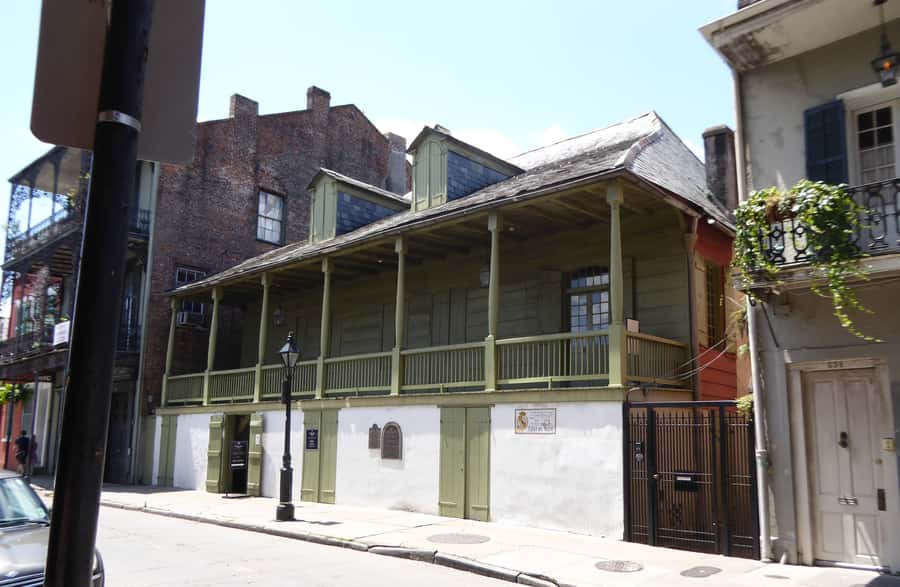
One of the most vivid stops is the story tied to a careless Spaniard whose actions are linked to the Great Fire of 1788, which destroyed 80% of the city. The tour connects that event to a specific house on Chartres Street, turning a big scary date into something you can almost point at.
This is the sort of history that makes you pay attention to the street plan. Even if you can’t see the fire’s footprint anymore, you can understand how quickly cities can change when safety systems fail. And you’ll likely notice how the Quarter’s density and building patterns affect risk.
A small warning: if you prefer your vacation to stay light, this is where the mood shifts. But it’s also where the tour shows its strength—history that explains the present by pointing to hard moments.
Slavery-era stops: former slave markets and the St. Louis Hotel and Exchange
This walking tour includes some of the most difficult parts of New Orleans’ past. You’ll see former slave markets and learn about Jean Francois Merieult, described as an influential and powerful Creole businessman and slave trader. The tour also points out the former St. Louis Hotel and Exchange, where thousands of Africans were sold into slavery.
This isn’t included to shock you. It’s there so the Quarter’s beauty doesn’t erase the reality that helped shape the city’s wealth and power. If you’re traveling with kids, you’ll want to judge how much they can handle and how you’ll explain it. That said, the fact that the tour is praised for working with a 9-year-old child suggests the guide can pace and frame information in a way that families can manage.
Still, plan on the emotional weight. This is not a tour that hides the truth.
Preservation Hall and why a short stop matters
After the hard stops, the tour steadies itself with music at Preservation Hall. This is presented as the city’s holy grail of traditional jazz, and it works as a reset for your ears and your mind.
What I like about this structure is that the tour doesn’t treat jazz as a separate category. It connects jazz to the city’s survival instincts—how people preserved what mattered even after devastation, exploitation, and constant change. So when you’re there, you’re not just learning a trivia fact. You’re standing in a place that helps you understand the larger story of the Quarter.
Madame de Pontalba: ending back at Jackson Square with a building-focused story
The tour finishes back in Jackson Square, with a story about Madame de Pontalba, a French baroness and businesswoman known for an eye for beautiful architecture. Ending here is smart because Jackson Square is the visual centerpiece of the Quarter. When your tour ends with an architectural and cultural story, you’re better equipped to look at the square as more than a postcard spot.
If you’ve been photographing the buildings all morning, this final lesson helps you connect those images to real people and real decisions. You leave with a sense of who shaped the spaces you’re seeing now.
Cafe du Monde beignets: watching the magic happen
One of the highlights is watching how the famous beignet pastries get made at Cafe du Monde. This is one of those moves that makes the tour feel grounded. You’re not just walking through history—you’re briefly stepping into the living routine that still powers the Quarter’s identity.
Even though the tour doesn’t include food, the beignet stop gives you a taste of what to look for later when you’re choosing where to eat. The biggest payoff here is understanding the process, because it makes the whole beignet experience feel less mysterious and more like part of New Orleans daily life.
Pricing and value: is $50 worth it for a 2-hour walk?
At $50 per person for a 2-hour guided walk, the value depends on what you want out of your visit. If you like compact tours that pack major landmarks into a short time, this price can feel very reasonable. You’re paying for a guide who connects multiple eras and themes—food culture, disasters, immigration, slavery-era sites, and jazz—into one path you can follow without getting lost.
What makes it feel worth it is not just the number of stops. It’s the range of storytelling: you see the city’s architecture and you learn why it was shaped by fear, survival, and commerce. Add in the fact that it’s English and German, and the guide support feels consistent enough for visitors who want clear explanations rather than a rushed experience.
If you want a walk that’s mostly about scenery with minimal heavy context, you may feel the time pressure. But if you’re aiming for a deeper sense of the Quarter, this is priced like a history tour, not a casual stroll.
Who should book this French Quarter walking tour
This tour fits best if you:
- Want traditional New Orleans history told on the sidewalk
- Care about music culture, especially jazz’s preservation
- Like tours that name names (Danny Barker, Jean Francois Merieult, Madame de Pontalba) and connect them to places
- Appreciate learning through stops that range from food traditions to major historical events
It may not be the best match if you want purely light entertainment with minimal serious topics. Still, even then, the structure makes the learning manageable because it balances tragedy with music and architecture.
Practical tips so the tour feels easy
Wear solid shoes and dress for rain or shine. The route is outdoors, and a couple of layers can keep you comfortable. Since food and drink aren’t included, plan your meals before or after, and use the beignet stop as inspiration rather than your full food plan.
If you’re booking with a language need, note the tour offers English and German. From the feedback you’ll likely hear the guide is friendly and responsive, including being willing to answer questions and offer ideas for what to do after the tour.
Should you book?
I’d book this tour if you want a guided walk that gives you more than “pretty streets.” It’s strong at making connections: pastries and immigrant food stories, jazz and the people who preserved it, and the city’s survival through hurricanes and disaster. It also doesn’t sanitize the past, which makes it more honest than most quick Quarter experiences.
Skip it only if you’re trying to keep your vacation light and you already know you won’t want to discuss slavery-era sites or the Katrina-era realities of risk. If you can handle serious moments, you’ll come away with a sharper, more human New Orleans—one you can actually picture when you look around.
FAQ
How long is the French Quarter walking tour?
The tour lasts 2 hours.
How much does the tour cost?
The price is $50 per person.
Where does the tour start?
Meet at 529 St. Ann Street in front of the former Louisiana Welcome Center storefront (now Fives Bar). It’s left of Jackson Square as you face the river.
Is food included?
No. Food and drink are not included.
What languages are available?
The live guide offers English and German.
Does the tour run in bad weather?
Yes, it operates rain or shine.
Can I cancel for a full refund?
Yes. Cancel up to 24 hours in advance for a full refund.
More Tours in New Orleans


More Tour Reviews in New Orleans
More of the French Quarter




Just added to The New Orleans Traveler


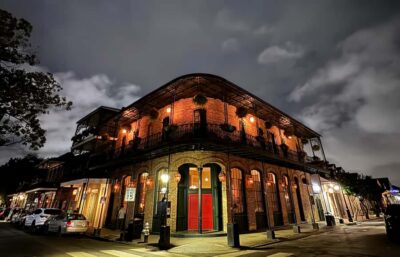
French Quarter Tours, compared.
 ★ 5.0Food Walking Tour of the French Quarter with Small-Group OptionFrom $756,118 reviews
 ★ 4.5French Quarter, Voodoo and Culture Walking TourFrom $272,961 reviews
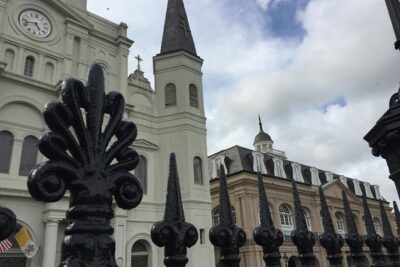 ★ 5.0French Quarter Historical Sights and Stories Walking TourFrom $352,724 reviews
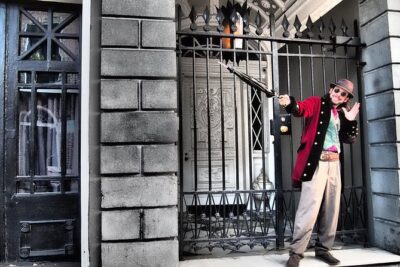 ★ 4.5Ghost and Vampire Walking Tour Of The French QuarterFrom $212,406 reviews
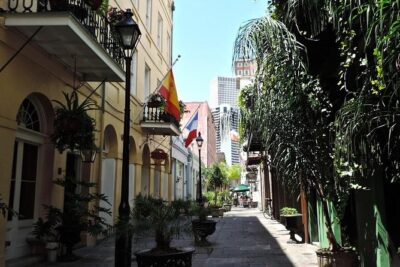 ★ 4.5City Tour: French Quarter, Garden District & CemeteryFrom $402,209 reviews
 ★ 5.0French Quarter Food Tour: Cajun, Creole and CultureFrom $811,246 reviews
 ★ 5.0French Quarter and More Carriage RideFrom $651,141 reviews
 ★ 5.0French Quarter walking Food Tour Famous Flavors of New OrleansFrom $751,115 reviews
Browse the lists this tour appears in