
Reviewed · FRENCH QUARTER TOURS
New Orleans French Quarter Architecture Walking Tour
French Quarter buildings tell stories fast. This small-group New Orleans architecture walk (max 14) pairs hands-on building ID with real people stories from local guides like Caroline and Guy. I love that you get both the why and the what—architectural clues tied to French and Spanish influences—and you can ask questions as you go. One drawback: on busier stretches, hearing every word can be a little tricky.
For $40 for about 2 hours, it’s a focused way to get your bearings without turning the day into a museum sprint. The stops include landmark exteriors like the Ursuline Convent and major sights around Jackson Square and St. Louis Cathedral, and the listed stop entrances are ticket-free. You’ll start at 523 St Ann St, use a mobile ticket, and end back there.
In This Review
- Key things to know before you set off
- Why this French Quarter architecture walk beats random wandering
- Price, time, and group size: what your $40 is really buying
- Start at 523 St Ann St: how the first 30 minutes set the hook
- Jackson Square: the architecture lesson behind Cabildo and the cathedral view
- St. Louis Cathedral plus the early church origin story
- Cabildo and Presbytere: civic design in about ten minutes
- Chartres Street: learning to spot Spanish-era to American-period changes
- Royal Street: apply the building-ID skills while you stroll and shop
- What you’ll actually take home: a French Quarter “reading kit”
- How guides bring it to life: names you might meet and what to look for
- Practical tips so the tour feels worth every minute
- Should you book this French Quarter architecture walking tour?
Key things to know before you set off
- Max 14 people = calmer pacing. You’re not getting shoved through doorways or forced to sprint for photos.
- French and Spanish styles, made visible. You’ll learn how those influences show up in the buildings you pass.
- Real landmarks, not just street names. Think Jackson Square, St. Louis Cathedral, Cabildo, and the Presbytere area.
- Chartres to Royal: style changes by era. The walk helps you notice what shifts from Spanish-era through the American period.
- A guide who talks like a local. Names you might run into include Caroline, Eva, Doug, Janet, Angela, and Guy.
- Weather matters. It requires good weather, and cold or heat can change how comfy the walk feels.
More ways to wander the Vieux Carre
- New Orleans Food Walking Tour of the French Quarter with Small-Group Option★ 5.0 · 6,118 reviews
- New Orleans French Quarter, Voodoo and Culture Walking Tour★ 4.5 · 2,961 reviews
- French Quarter Historical Sights and Stories Walking Tour★ 5.0 · 2,724 reviews
- Ghost and Vampire Walking Tour Of The French Quarter★ 4.5 · 2,406 reviews
Why this French Quarter architecture walk beats random wandering
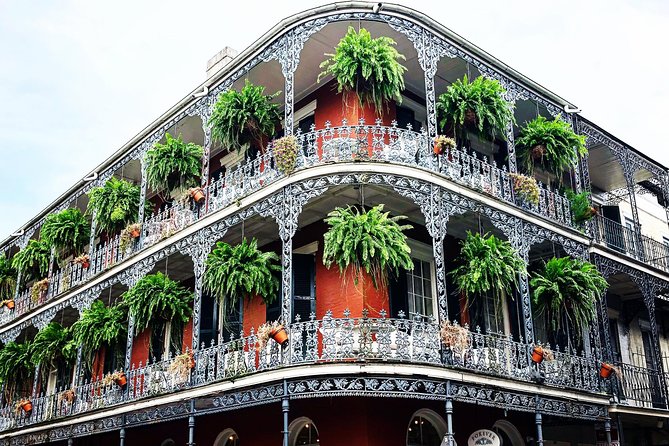
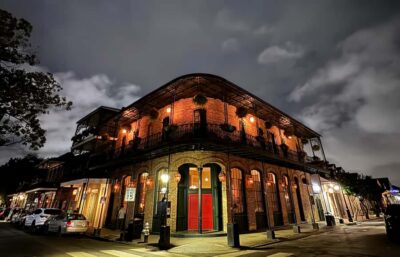
The French Quarter is gorgeous, but it can also be a blur. You’ll see balconies, arches, shutters, wrought iron, stucco, and grand facades—then it’s easy to forget what you actually learned. This tour gives you a simple framework so the details stop looking decorative and start making sense.
I also like that it’s not only about famous buildings. You build a habit of reading the Quarter: what type of building you’re looking at, what era it might relate to, and how design choices connect to culture and climate. That kind of pattern-spotting is what makes the rest of the trip feel smarter.
The group size helps, too. With a smaller walk, you can ask questions without feeling like you’re holding up a conveyor belt.
Price, time, and group size: what your $40 is really buying
At $40 per person for roughly 2 hours, you’re paying for a licensed, insured local guide plus a route that hits the most informative photo-and-story points. The key value is not that you see a list of places. It’s that you leave with language—so you can keep interpreting the Quarter after the tour ends.
Most stops on the route are marked as admission ticket free, which means you’re not stacking extra paid entries just to get the main sights. You’re also not stuck planning transport, since the tour is a walk with no hotel pickup or drop-off included.
Group size is where the bargain feels real. Max 14 people means you’re more likely to get a back-and-forth explanation when you ask about a facade, doorway, or architectural feature.
Start at 523 St Ann St: how the first 30 minutes set the hook
The meeting point is 523 St Ann St, and the tour ends back there. That matters because it keeps the day simple: you can plan your afternoon with less guesswork about where you’ll end up.
The first stop is the French Quarter, where your guide gives you a quick intro to New Orleans history. It’s short—about 5 minutes—but it does something important: it frames what you’re about to see. If you know why the Quarter looks the way it does, you can start spotting details much faster.
You’ll then head toward Jackson Square, and the tour’s style shifts from broad context to specific landmarks. This is a good structure for first-timers. You’re not just memorizing names—you’re learning what those buildings are doing in the city’s story.
Jackson Square: the architecture lesson behind Cabildo and the cathedral view
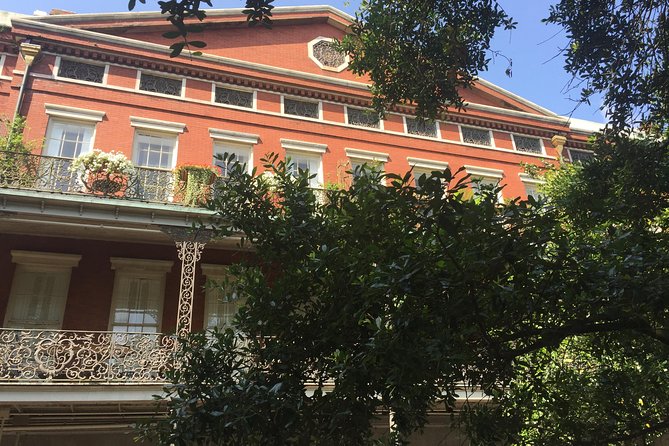
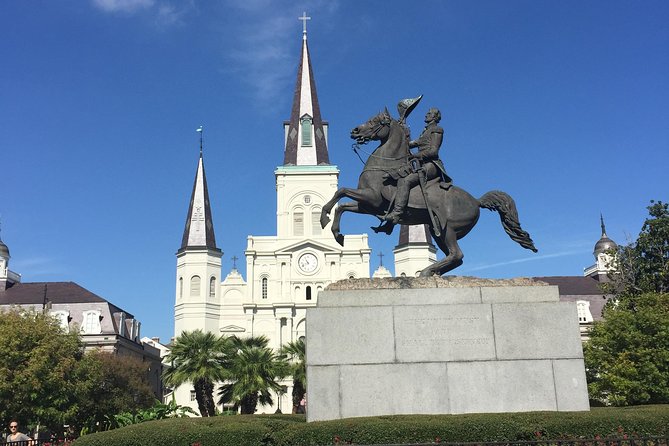
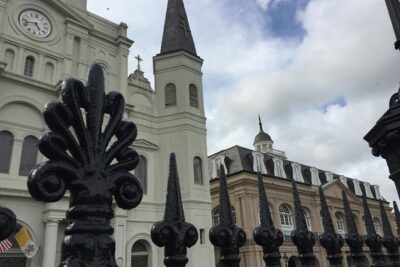
Jackson Square is the place where the Quarter’s power and design language show up at once. The tour spends around 10 minutes here, focusing on the buildings that line the park: the Cathedral, Cabildo, and Presbytere. You also get a discussion of the Pontalba Buildings, which helps you understand how the area was shaped by the people who lived there and the systems that governed the city.
The practical value of this stop is how it trains your eye. Once you know what to look for, the Quarter stops being one long street of pretty facades. Instead, you start seeing how civic spaces relate to religious buildings and surrounding architecture.
One small comfort tip: this area can be active. If you’re sensitive to noise, try to position yourself closer to the guide so you don’t miss the details.
More of New Orleans on foot





St. Louis Cathedral plus the early church origin story
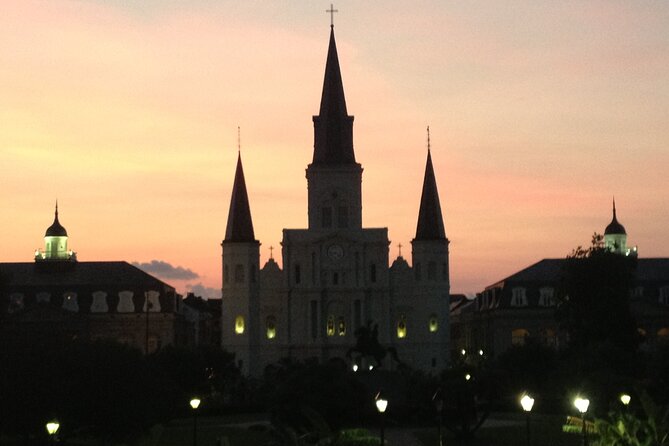
The tour’s St. Louis Cathedral stop is short—about 5 minutes—but it’s packed with meaning. You’ll hear the story of how the building began as a wooden parish church and how it became the cathedral you see today.
That origin story helps a lot. Cathedrals can look permanent and finished, but this puts the transformation in context. You learn to think about architecture as something that evolves with resources, politics, and community priorities—not just as a single static achievement.
If you care about how architectural styles change over time, this stop is a strong turning point. It gives you a baseline, so later features on other streets feel easier to decode.
Cabildo and Presbytere: civic design in about ten minutes
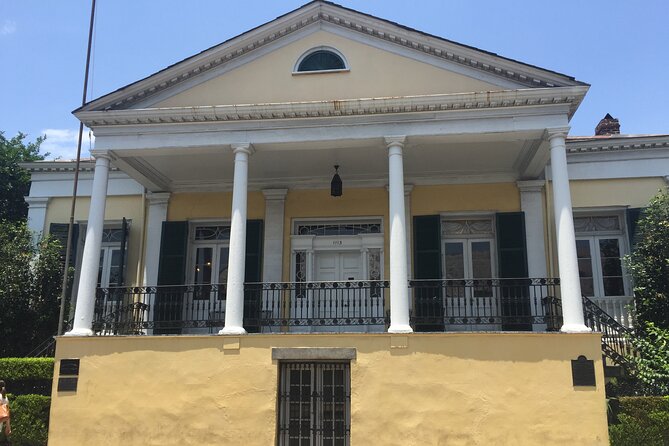
Next comes Cabildo, then the Presbytere. Each gets about 5 minutes. The focus is on historical significance and building style, which is the right level of time if you’re trying to cover ground without burning out.
This is also where the tour connects architecture to civic life. New Orleans isn’t only about churches and aesthetics. There’s governance, public identity, and neighborhood structure—built into the shape and placement of these key buildings.
Even if you’ve seen photos of Cabildo and the Presbytere, the real value is understanding what role each building played, and how that role shows up in its form.
Chartres Street: learning to spot Spanish-era to American-period changes
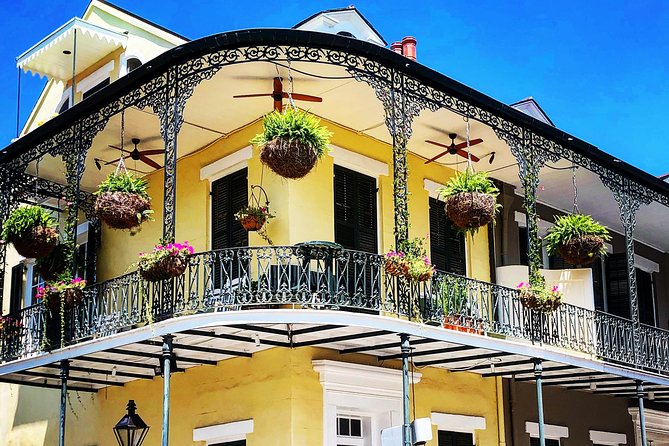
Chartres Street is one of the best parts of the tour because it turns a walk into a visual lesson. You get about 20 minutes here, and the emphasis is on historic significance that spans from the Spanish era into the American period.
This is where your guide’s explanation pays off. You start noticing the shifts in architectural language over time, and you can start labeling what you see instead of just admiring it. If you’ve ever wondered why two buildings in the same neighborhood can look like they belong to different centuries, this stop is your answer.
Practical note: Chartres is also where you’ll likely want photos. Leave a little buffer in your pace so you can pause when something clicks. This tour is relaxed, but it still moves.
Royal Street: apply the building-ID skills while you stroll and shop
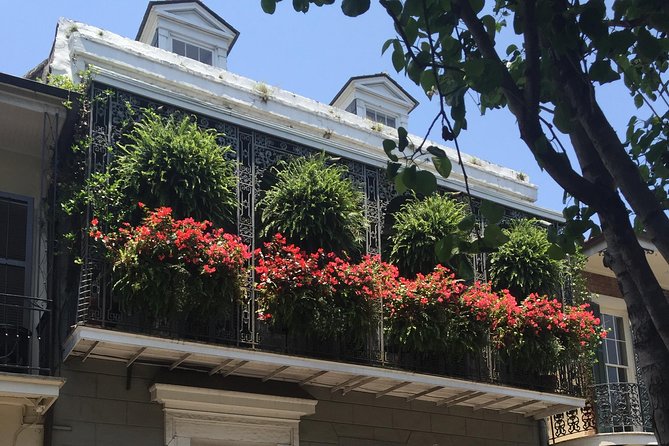
Royal Street gets about 25 minutes, and it’s a smart transition from “learning” to “testing yourself.” Your guide explains how to identify different types of buildings while you stroll down a street filled with shops and restaurants.
This part matters because it’s the moment you can transfer the new skills. You’re not only hearing definitions anymore—you’re looking at storefronts, facades, and design features and trying to connect them back to the eras and influences you learned earlier.
If you want to keep your momentum after the tour, Royal Street is also a natural place to continue exploring. You’ll already understand more of what you’re seeing, so your later browsing feels like it has a purpose.
What you’ll actually take home: a French Quarter “reading kit”
The tour’s main promise is simple: you’ll leave with a better understanding of how history shaped buildings, so you can rediscover your own hometown architecture later. That’s not just a feel-good line. The route is designed to teach you a method.
Here’s the kind of payoff that tends to stick:
- You’ll connect French and Spanish influences to visible elements in the Quarter.
- You’ll learn a few architectural terms in plain language so you can describe what you’re seeing.
- You’ll get story context that makes the buildings feel tied to real lives and decisions, not only aesthetics.
- You’ll come away with curiosity—the good kind—that makes you look twice at doorways, ironwork, and street-level details.
You might also get practical guidance from your guide on where to go next and what to look for. Some guides (like Janet) have been noted for sharing follow-up notes and reading recommendations, which is great if you like to keep the learning going after you head back out.
How guides bring it to life: names you might meet and what to look for
You’ll experience this tour through your guide’s personality. The most consistently praised element is that the best guides make the architecture feel personal, with story-driven explanations tied to what’s visible in front of you.
A few guide examples you could meet include:
- Caroline, often praised for keeping the walk comfy (like pacing with sunny-side routing on cold days) and for bringing forward stories about strong Creole women and their influence.
- Doug, noted for heat awareness and keeping people in shade where possible.
- Eva, mentioned for delivering a fun, fact-forward presentation with lots of stories.
- Angela, highlighted for making the history feel like a conversation, with humor and dad-jokes.
- Guy, described as using a binder with photos and historical notes tied to the buildings.
Not every departure will be identical, of course, but it’s a strong sign that the tour attracts guides who care about both architecture and storytelling.
Practical tips so the tour feels worth every minute
This is a walking tour, and weather in New Orleans can swing fast. Plan your outfit like a local: bring comfortable walking shoes, and pack sunscreen and a small umbrella if rain is possible. Layers help because reviews mention cold days, and the walk is long enough that you’ll feel it.
Sound can matter. One account mentioned hearing was difficult at times. To prevent that, don’t hang back—try to stay within a comfortable speaking distance so the guide’s explanations land.
If you want the most value, treat it as an early-visit tour. I like booking this near the start of my New Orleans days because it gives you instant context. Then every later stop feels less like sightseeing and more like you’re decoding the city.
Also, ask questions. The whole format is built for that. If you wonder why a facade looks a certain way, or what an element might indicate, your guide should be ready with an answer you can carry forward.
Should you book this French Quarter architecture walking tour?
Book it if you want more than postcard views. This $40 walk is best for people who like stories tied to real places and who want to learn how French and Spanish architectural influences shaped what you see in the Quarter. The small max group helps, and the route hits major landmarks—Jackson Square, St. Louis Cathedral, Cabildo, Presbytere—with extra time on Chartres and Royal to practice what you learn.
Skip it if you mainly want a long, free-form stroll with zero structure. This tour is intentionally guided and instructional, and it’s not trying to be a casual loop with no theme. If you already feel fluent in French Quarter architectural styles and want something more specialized, you might look for a deeper, narrower topic.
If you’re on your first New Orleans visit or you want a smarter way to enjoy the French Quarter, this one is a solid pick—especially if you like history that you can see.
More Tours in New Orleans



More Tour Reviews in New Orleans

More of the French Quarter




Just added to The New Orleans Traveler


French Quarter Tours, compared.
 ★ 5.0Food Walking Tour of the French Quarter with Small-Group OptionFrom $756,118 reviews
 ★ 4.5French Quarter, Voodoo and Culture Walking TourFrom $272,961 reviews
 ★ 5.0French Quarter Historical Sights and Stories Walking TourFrom $352,724 reviews
 ★ 4.5Ghost and Vampire Walking Tour Of The French QuarterFrom $212,406 reviews
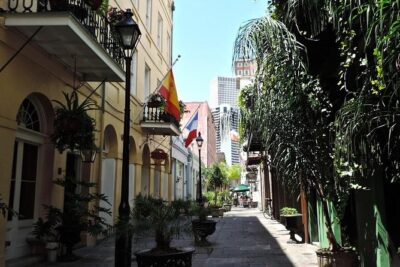 ★ 4.5City Tour: French Quarter, Garden District & CemeteryFrom $402,209 reviews
 ★ 5.0French Quarter Food Tour: Cajun, Creole and CultureFrom $811,246 reviews
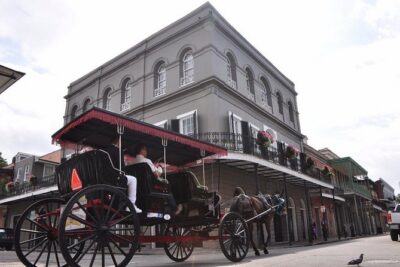 ★ 5.0French Quarter and More Carriage RideFrom $651,141 reviews
 ★ 5.0French Quarter walking Food Tour Famous Flavors of New OrleansFrom $751,115 reviews
Browse the lists this tour appears in