
Reviewed · FRENCH QUARTER TOURS
French Quarter History: Walking Tour
The French Quarter never stops talking. This 2-hour walk turns the streets into a living timeline, with stops tied to Spanish and French architecture and the city’s biggest turning points. I especially like that your guide tells history through the words of their own ancestors, and that you’ll get the why behind New Orleans, from the Mississippi River to jazz and Mardi Gras.
One thing to plan for: on big event days, like Jazz Fest, parts of the French Quarter can be crowded or blocked, so you may not see every stop as cleanly as on a quiet day.
In This Review
- Key things I’d circle before you go
- Where the walk starts near Decatur (and why that matters)
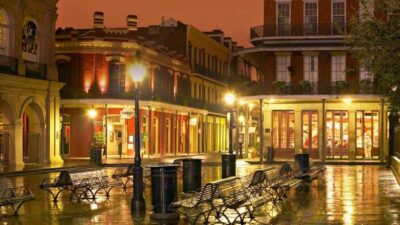
- Getting your bearings: architecture first, headlines second
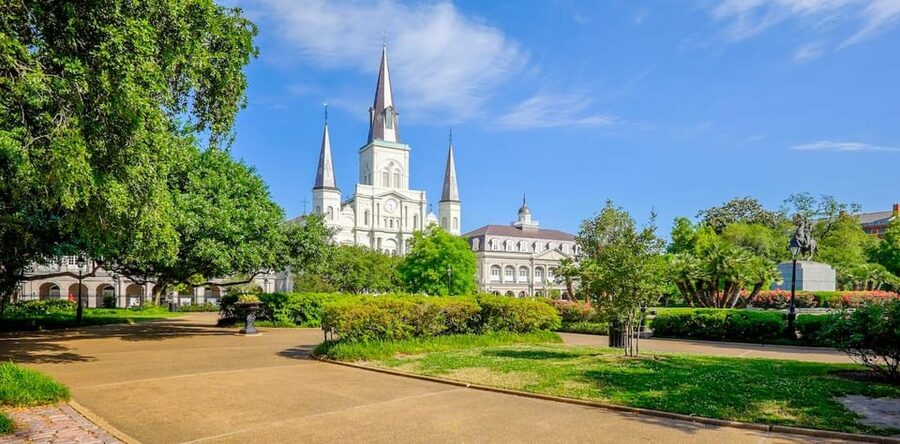
- St Louis Cathedral: the landmark you’ll keep seeing
- The Mississippi River stop: why the city exists at all
- Legalized prostitution, jazz, Mardi Gras: the stories behind the myths
- “Living Legacy” guides: why the tone feels different
- Floods, hurricanes, and other headlines that keep coming back
- Spanish and French streets: what to watch for while you walk
- The route ends near Café du Monde, with a “what next” plan
- Price and value: is $30 for two hours fair?
- Who this tour suits best (and who should rethink it)
- Should you book this French Quarter History Walking Tour?
- FAQ
- How long is the French Quarter History Walking Tour?
- Where do I meet the guide?
- How much does the tour cost?
- What does the tour include?
- Where does the tour end?
- What should I bring?
- Is there free cancellation?
Key things I’d circle before you go
- Ancestor-told history that puts local voices at the center of the story
- Spanish and French architecture you can actually read on the street, not just glance at
- St Louis Cathedral and the feel of the oldest religious landmark in the area
- Mississippi River context for why the city exists and how it keeps shaping life
- Big headline topics: legalized prostitution, the birth of jazz, and Mardi Gras traditions
- A friendly ending near Café du Monde with practical food and drink recommendations
More ways to wander the Vieux Carre
- New Orleans Food Walking Tour of the French Quarter with Small-Group Option★ 5.0 · 6,118 reviews
- New Orleans French Quarter, Voodoo and Culture Walking Tour★ 4.5 · 2,961 reviews
- French Quarter Historical Sights and Stories Walking Tour★ 5.0 · 2,724 reviews
- Ghost and Vampire Walking Tour Of The French Quarter★ 4.5 · 2,406 reviews
Where the walk starts near Decatur (and why that matters)
This tour begins at 768 Decatur Street, at the bottom of the concrete steps. It’s a convenient launch point because it drops you right into the thick of the French Quarter, so you’re not wasting your time “getting there.” You then move through the heart of the neighborhood with a guide who’s built to talk history without making it feel like a lecture.
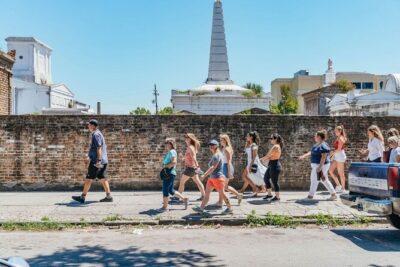
A walking tour works best when the route is simple and repeatable, and this one is. Even though you cover a lot conceptually—cultures, politics, architecture, music—the structure stays easy: walk, stop, talk, walk again. Bring comfortable shoes and water, because you’ll be on your feet for about two hours.
Getting your bearings: architecture first, headlines second
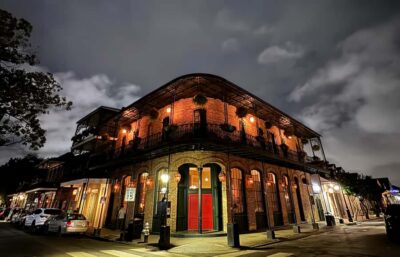
New Orleans is a place where the buildings tell you stories if you know what to notice. A major strength here is that the guide keeps steering you back to the physical neighborhood—especially the Spanish and French architecture—so the history sticks.
You’ll also hear about how different communities made this land home, including Native Americans, enslaved people, and French, Spanish, Creole, and mixed-race communities. That’s more than background color. It helps you understand why the Quarter looks the way it does, and why the culture feels layered instead of one-note.
You might also get a look at the oldest building in the entire Mississippi Valley. That kind of stop changes your perspective fast. It’s one thing to hear dates; it’s another to stand near something that’s survived long enough to still shape the streets around it.
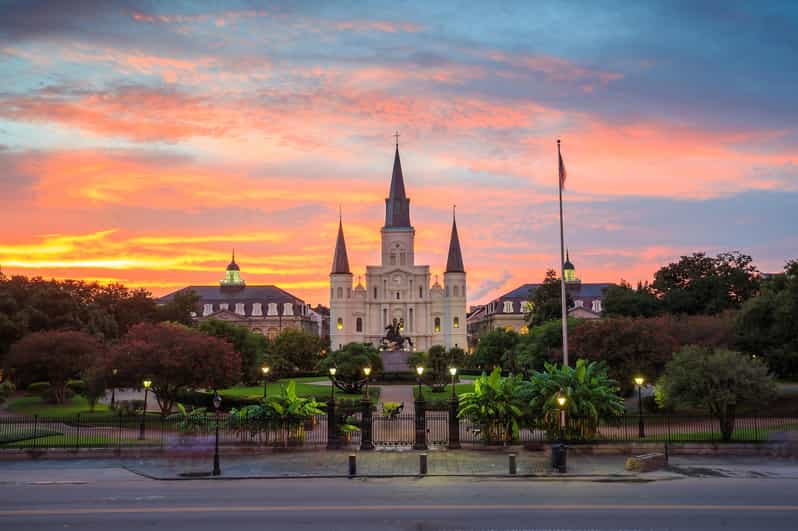
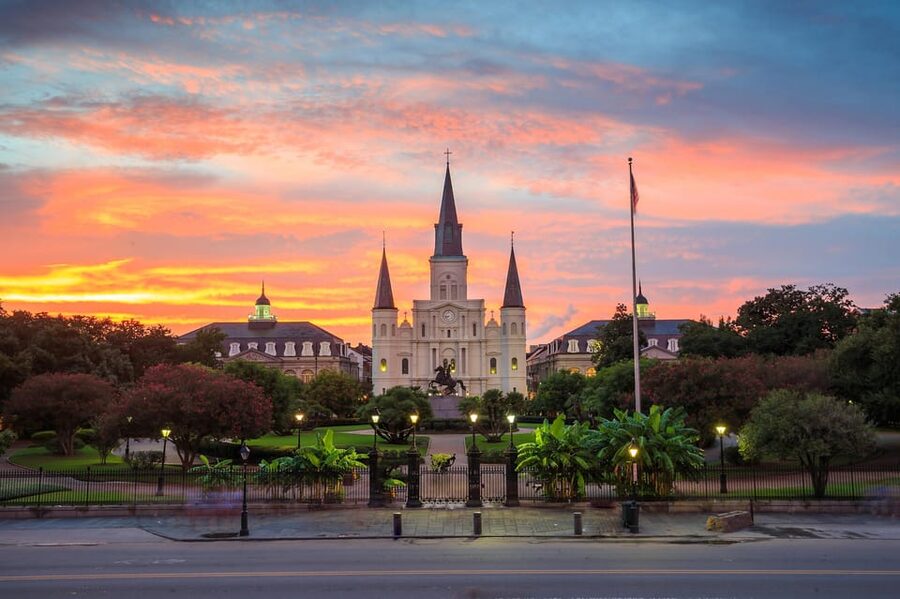
St Louis Cathedral: the landmark you’ll keep seeing
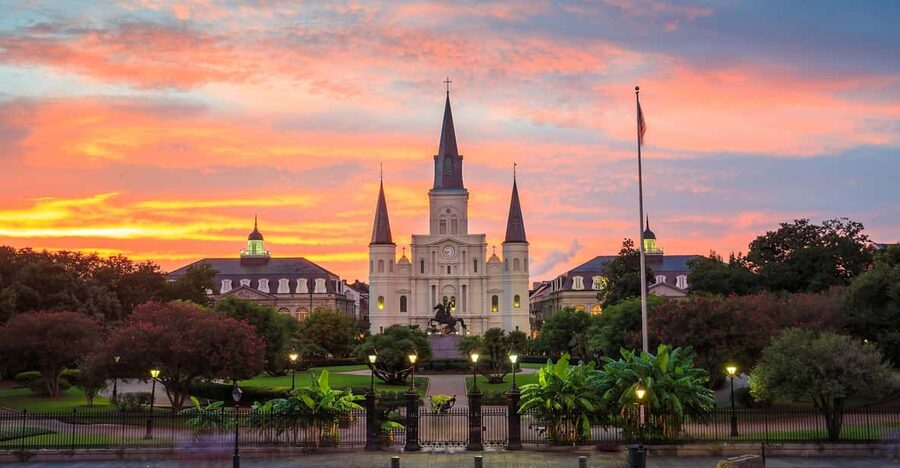
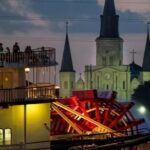
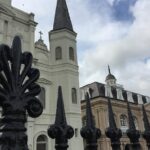
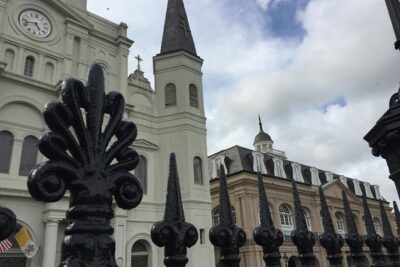
One of the best “real world” moments is the stop at St Louis Cathedral, often described as the most photographed church in the south. Even if you’ve seen it in photos, you’ll appreciate it more up close, because it’s not just a photo subject—it’s a landmark that anchors how people move through the Quarter.
For your time on the ground, the key value is context. The guide doesn’t treat the cathedral like a museum prop. Instead, it fits into the broader story of how New Orleans formed its identity—religious, cultural, and civic—all while the city faced constant pressures like floods, hurricanes, and political shifts.
If you’re the kind of traveler who likes to match what you see to what you hear, this is a strong stop. It gives you a visual anchor while the guide weaves in the bigger narrative.
The Mississippi River stop: why the city exists at all
If you only take one “big idea” from this tour, make it the Mississippi River. The tour explicitly includes time around the river’s presence, and that’s exactly where New Orleans makes sense.
The river isn’t just scenery. It’s the reason the city exists, and it also helps explain why New Orleans keeps ending up in the headlines—trade, migration, risk, and resilience all tied together. You’ll be walking through a neighborhood that grew around a working waterway, and once you notice that, the city feels less like a theme park and more like a place that had to solve real problems.
This kind of stop is also great for first-timers. Even if you already know a little about New Orleans music or food, learning the river piece can make the rest click.
More of New Orleans on foot



Legalized prostitution, jazz, Mardi Gras: the stories behind the myths
The French Quarter has a reputation for mystery, but the tour doesn’t stay vague. It covers some of the city’s sharp edges, including the history of legalized prostitution, and it links those social realities to the cultural output people associate with New Orleans.
Then the guide brings in two major engines of identity: the creation of jazz and the rise of Mardi Gras. I like that these aren’t treated like trivia. You get a sense of how music and festival culture didn’t float above daily life—they grew out of it.
A nice bonus is that the tour also references original cuisine and America’s first cocktails. Even without turning this into a food tour, those mentions nudge you to look at what’s in front of you later, when you’re hungry or deciding what to order. The goal is to give you a cultural map, so your meals feel connected instead of random.
“Living Legacy” guides: why the tone feels different
This tour is led by a licensed guide who’s a descendant of founding families to the area, and the pitch isn’t just marketing. The guide tells history through the words of their own ancestors, which changes the rhythm of the walk.
In the guide department, the praise is consistent: Angela is noted for being very nice and highly engaging, Charmaine gets called out as very helpful, and DeAnna is highlighted for keeping people entertained with stories, anecdotes, and lots of historical information. That pattern matters. It suggests the tour style is talk-with-you, not lecture-at-you.
You’ll also notice the guides stay tuned to the “confluences of cultures” theme—how Indigenous life, enslaved communities, European arrivals, and Creole culture interacted. When it’s handled well, that’s the difference between history you forget and history you remember.
Floods, hurricanes, and other headlines that keep coming back
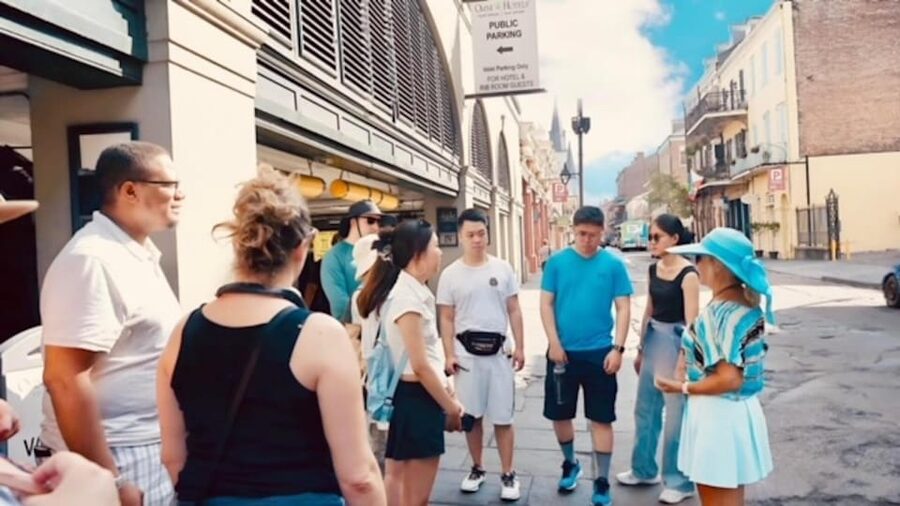
New Orleans history isn’t gentle. The tour ties in the idea that the city has always been in the headlines—floods and hurricanes included. Even if you’ve visited before, it’s worth hearing again, because weather isn’t a footnote here. It’s part of the city’s choices, rebuilding habits, and the way people live with risk.
You’ll likely hear how those threats fit alongside the human stories—music, parties, commerce, and conflict. That balance is valuable. It helps you understand why the French Quarter feels both elegant and tough-edged at the same time.
If you’re the type of traveler who likes a clean, “happy history only” itinerary, this may not be your vibe. But if you want the real texture of the place, it’s one of the tour’s strengths.
Spanish and French streets: what to watch for while you walk
At this point, you’ll be well into walking mode, so here’s how to make the most of it without needing to be an architecture expert.
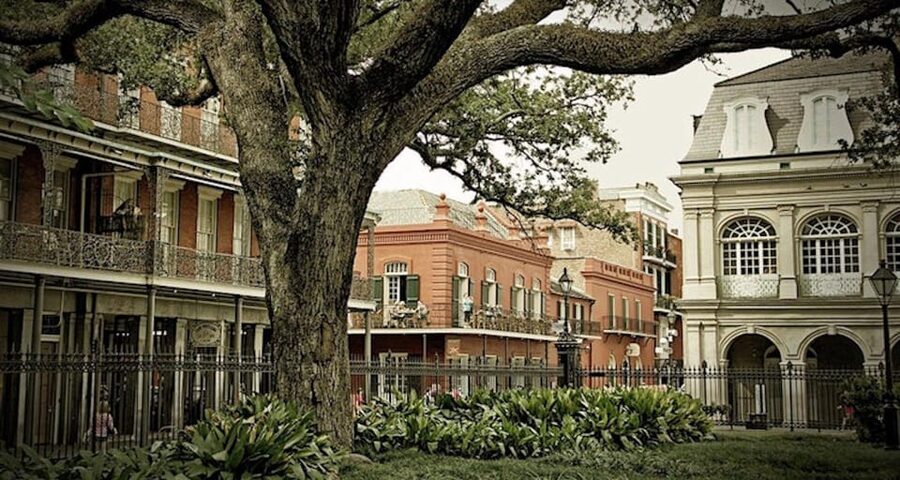
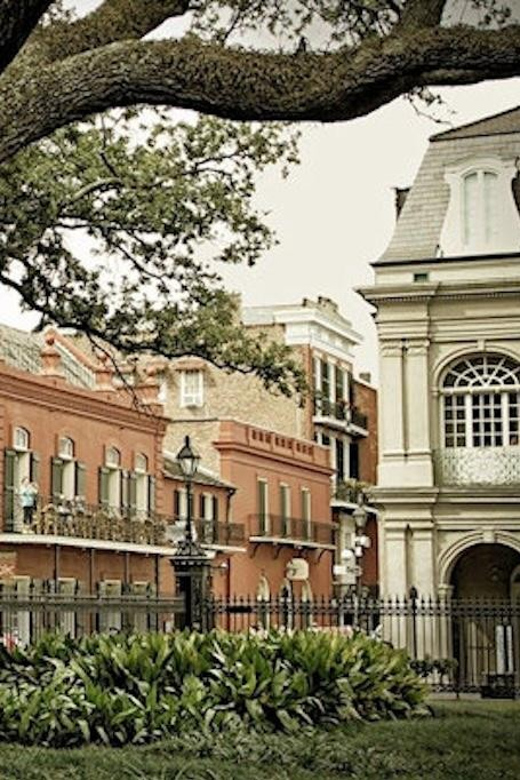
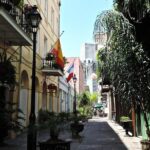
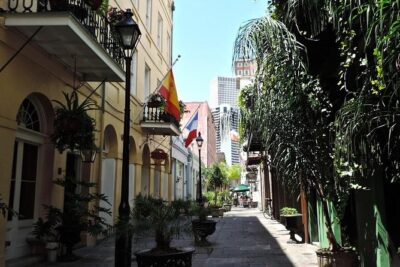
Look for visual cues the guide can point out—details that reflect French and Spanish influences and the way different eras left marks on the streets. Pay attention to how the Quarter feels like it was built in layers. That’s the point: you’ll connect the building look to the cultural mix the guide is explaining.
And because the walk includes places that are hundreds of years old, you’ll feel the pace shift. The first stops might be about setting up context; later stops start to feel more personal, like you’re standing inside a story that’s still unfolding.
The route ends near Café du Monde, with a “what next” plan
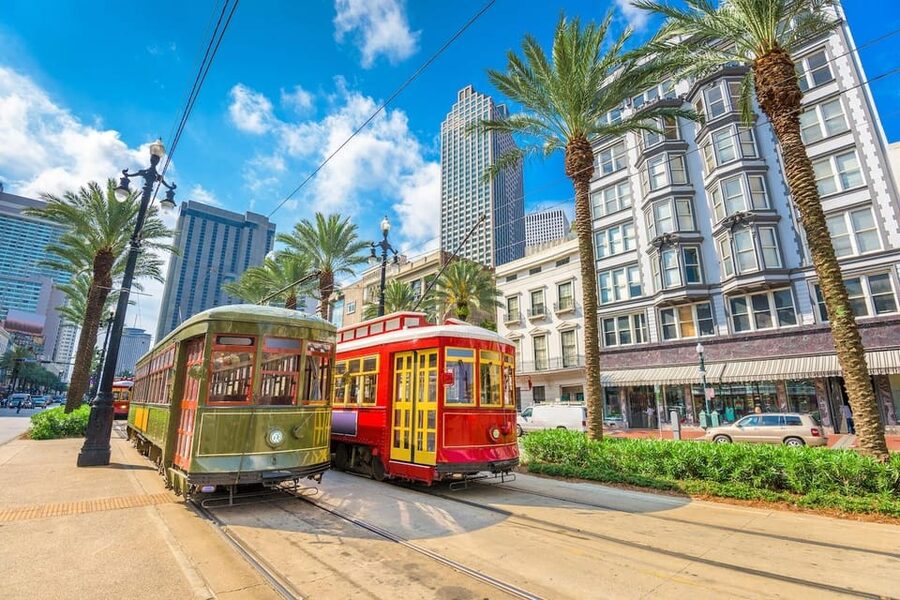
The tour wraps up near 848 Decatur Street, close to Café du Monde. Yes, you’ll have the beignet option right there, and that matters for two reasons.
First, it’s a natural place to decompress after two hours of walking and talking. Second, your guide is supposed to send you off with recommendations for what to see, eat, and drink next—and to make sure you’re headed in the right direction. That last part sounds small, but it can save you time when you’re trying to decide where to go after the tour.
If you’re building a day in the Quarter, treat the beignets as a reset button. Order what you want, then use the guide’s suggestions to pick a route that matches your energy level.
Price and value: is $30 for two hours fair?
The price is $30 per person for about two hours. For a French Quarter walking tour, that sits in a reasonable lane because you’re paying for three things: a live guide, historical storytelling tied to specific street-level locations, and time-efficient coverage of the neighborhood’s big themes.
What makes it feel like more than “just a stroll” is the guide’s focus on lived perspective—descendant-based storytelling—and the fact that the tour aims at the core identity of the city, not random facts. If you love music history, food culture, and architecture, this price can feel like a good deal. If you’re only interested in a quick photo circuit with minimal talking, you may decide it’s not worth your time.
My practical take: if you’re going to spend two hours in the Quarter anyway, paying for a guide is one of the easiest ways to make those two hours mean something.
Who this tour suits best (and who should rethink it)
This is a great fit if you want a guided way to understand what you’re seeing—especially if you care about how the French Quarter formed through multiple cultures. It’s also a strong choice if you like history with personality, because the guide’s ancestor-based storytelling is built into the experience.
It’s less ideal if you need a low-walking, low-talking outing. This is a real walk through the Quarter, and the point is conversation and stops, not a quick hop from one landmark to another.
It’s also worth noting your flexibility around crowds. On a Jazz Fest day, parts of the French Quarter may be blocked off or packed, and you could end up missing some places. If that’s your trip plan, I’d still book—just expect the route to feel a little less smooth than usual.
Should you book this French Quarter History Walking Tour?
Book it if you want your French Quarter visit to come with real context: architecture you can interpret, key landmarks like St Louis Cathedral, and the big “why” behind New Orleans through the Mississippi River and the city’s cultural milestones.
Don’t book it if you’re hoping for a purely scenic tour with minimal narrative, or if you strongly prefer quiet, uncongested walking days. If your dates overlap with major events, you might not hit every stop cleanly.
If you do book, come with one mindset: you’re not just looking at old streets—you’re learning how old streets shaped people, music, and city life. That’s where this tour pays off.
FAQ
How long is the French Quarter History Walking Tour?
The tour lasts about 2 hours.
Where do I meet the guide?
You meet at 768 Decatur Street, at the bottom of the concrete steps.
How much does the tour cost?
It costs $30 per person.
What does the tour include?
You get a walking tour with historical stories and accuracy, led by a licensed English-speaking guide, plus stops that include Spanish and French architecture and sites that are hundreds of years old.
Where does the tour end?
The tour ends near 848 Decatur Street, close to Café du Monde.
What should I bring?
Bring comfortable shoes and water.
Is there free cancellation?
Yes. You can cancel up to 24 hours in advance for a full refund.
More Tours in New Orleans


More Tour Reviews in New Orleans
More of the French Quarter


Just added to The New Orleans Traveler


French Quarter Tours, compared.
 ★ 5.0Food Walking Tour of the French Quarter with Small-Group OptionFrom $756,118 reviews
 ★ 4.5French Quarter, Voodoo and Culture Walking TourFrom $272,961 reviews
 ★ 5.0French Quarter Historical Sights and Stories Walking TourFrom $352,724 reviews
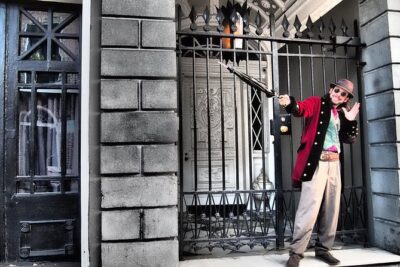 ★ 4.5Ghost and Vampire Walking Tour Of The French QuarterFrom $212,406 reviews
 ★ 4.5City Tour: French Quarter, Garden District & CemeteryFrom $402,209 reviews
 ★ 5.0French Quarter Food Tour: Cajun, Creole and CultureFrom $811,246 reviews
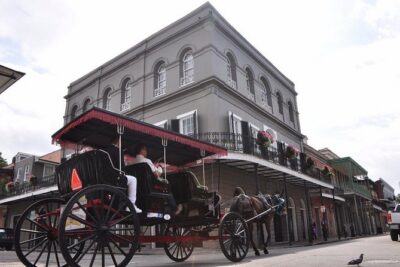 ★ 5.0French Quarter and More Carriage RideFrom $651,141 reviews
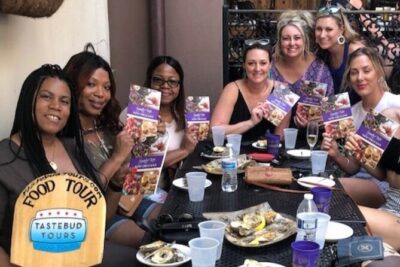 ★ 5.0French Quarter walking Food Tour Famous Flavors of New OrleansFrom $751,115 reviews
Browse the lists this tour appears in