
Reviewed · FRENCH QUARTER TOURS
Creole Louisiana: A French Quarter Walking Tour (English)
New Orleans is best learned one block at a time. This French Quarter walking tour puts the spotlight on Creole life, famous landmarks, and the stories behind jazz and the food that made New Orleans loud and proud. You get a guide who handles the walking logistics, so you can focus on the details and the vibe.
What I like most is the Hermann-Grima House courtyard stop. It’s not just a photo stop, and you’re led through a 19th-century courtyard setting that adds real texture to the neighborhood. I also love how the route starts with big public landmarks like Jackson Square and St. Louis Cathedral, then moves into cultural context at Louis Armstrong Park and Congo Square. One thing to consider: the tour is weather-dependent, so if conditions are rough, you’ll need flexibility.
In This Review
- Key things that make this tour worth your time
- Creole Louisiana on Foot: why this 2-hour walk works
- Meet on Royal St, end at the Hermann-Grima House
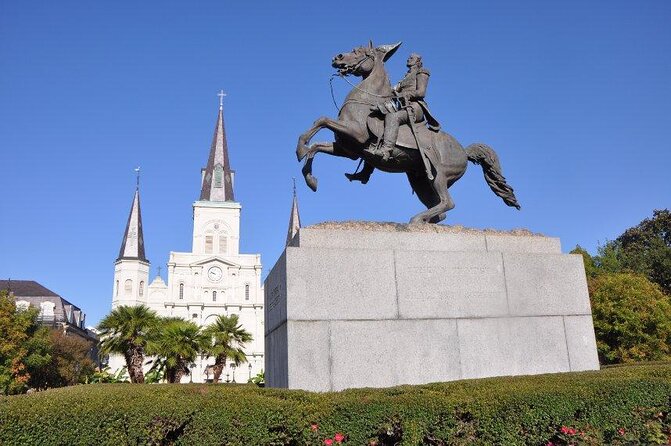
- Stop 1: Jackson Square, the heart of the Vieux Carré
- Stop 2: St. Louis Cathedral and the story behind the façade
- Stop 3: Louis Armstrong Park and Congo Square’s cultural meaning
- Stop 4: Hermann-Grima House courtyard visit you’ll actually feel
- Creole, Cajun, jazz, gumbo, and jambalaya: what the guide explains
- The value question: $35 for two hours, and what you get for it
- Group size, pacing, and what to expect on the sidewalk
- Who this tour suits best (and who might want something else)
- Should you book Creole Louisiana: A French Quarter Walking Tour?
- FAQ
- How long is the Creole Louisiana French Quarter walking tour?
- How much does the tour cost?
- Where do I meet, and where does the tour end?
- What sites do you visit on the tour?
- What is included in the ticket price?
- What if the weather is bad, and are service animals allowed?
Key things that make this tour worth your time
- Courtyard access at Hermann-Grima House with a paid-entry fee included
- A logical French Quarter route that helps you get your bearings fast
- Jackson Square + St. Louis Cathedral explained in plain language
- Congo Square context at Louis Armstrong Park tied to cultural significance
- Small group size up to 28 for a more manageable walk
- Creole vs. Cajun terminology discussed as part of understanding old Louisiana
More ways to wander the Vieux Carre
- New Orleans Food Walking Tour of the French Quarter with Small-Group Option★ 5.0 · 6,118 reviews
- New Orleans French Quarter, Voodoo and Culture Walking Tour★ 4.5 · 2,961 reviews
- French Quarter Historical Sights and Stories Walking Tour★ 5.0 · 2,724 reviews
- Ghost and Vampire Walking Tour Of The French Quarter★ 4.5 · 2,406 reviews
Creole Louisiana on Foot: why this 2-hour walk works
The French Quarter can feel like sensory overload at first. Too many balconies, too many brass bands, too many “this is where it happened” claims. This tour keeps it simple: it’s a 2-hour walking route with clear stops and a guide who connects the dots between places and people.
You’re paying $35 per person, and for that you get more than a stroll. You get interpretation—why these spots mattered, how Creole life shaped the city, and how big cultural ideas link back to everyday history. For first-time visitors, that’s usually the best value: spend less time trying to figure out what you’re looking at, and more time understanding it.
Also, the “mobile ticket” part is handy. You don’t have to fuss with printed passes, and you can focus on actually enjoying the walk.
One more practical point: you’re capped at 28 travelers, so you’re not stuck in a parade crowd. That matters on narrow Quarter sidewalks.
Meet on Royal St, end at the Hermann-Grima House
This tour starts at 2951502 Royal St, New Orleans, LA 70116 and ends at 820 St Louis St, New Orleans, LA 70112 at the historic Hermann-Grima House. That end point is a nice finish line because you’re not just walking past buildings—you’re getting entry to a specific courtyard area.
The tour also notes it’s near public transportation and that service animals are allowed. And the pacing is set for most people, since it’s a standard walking tour format rather than a long endurance hike.
If you’re the type who likes to plan ahead, try to book with a little cushion. On average, this is booked about a week in advance, so popular dates can fill.
Stop 1: Jackson Square, the heart of the Vieux Carré
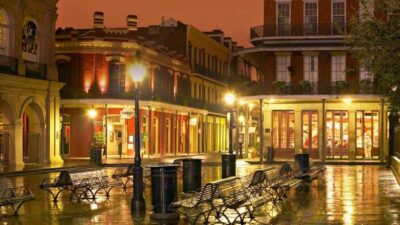
You begin at Jackson Square, the historic center of the Vieux Carré. This is one of those places that looks “obviously important” the moment you arrive. The guide’s job is to explain the importance in a way that actually sticks.
You should expect a quick history-style orientation that frames what you’re seeing. That matters because once you understand the square’s role, the rest of your walk feels less random. Even if you already know the square is iconic, you’ll get the kind of context that makes it more than a postcard stop.
A small practical note: Jackson Square is open and exposed. If it’s hot or rainy, you’ll want to dress for walking and keep an eye on how weather shifts during the tour window.
Stop 2: St. Louis Cathedral and the story behind the façade
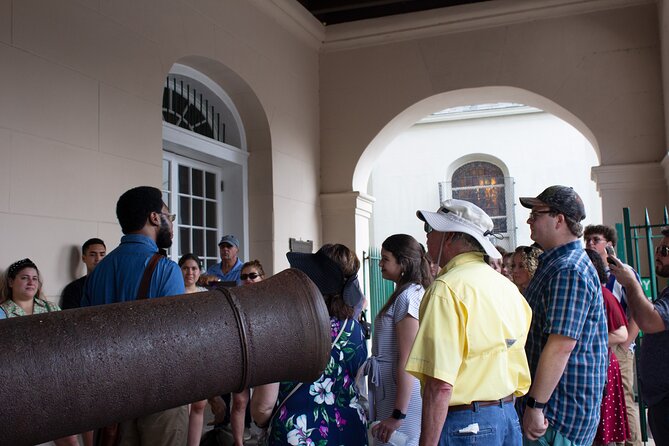
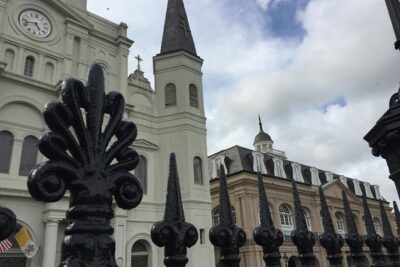
Next up is St. Louis Cathedral. The tour focuses on the history of the cathedral and calls it the most historic church in all of New Orleans. You’ll spend around 5 minutes here, which is short—but it’s enough time to get the big picture.
What I like about this kind of stop is that it gives you a grounding anchor. The French Quarter isn’t only about architecture; it’s also about community identity and how religion and civic life blended in daily existence. Even a brief explanation can change how you read the scene.
Also, this stop is marked as admission free, so you’re not paying again just to stand near the entrance and learn. It’s a smarter way to spend your time.
More of New Orleans on foot

Stop 3: Louis Armstrong Park and Congo Square’s cultural meaning
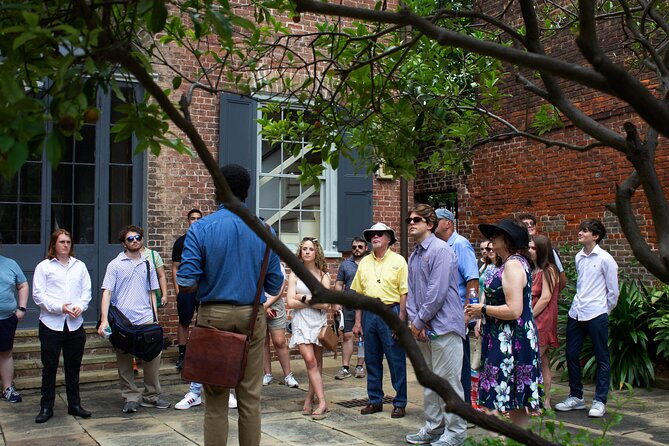
Then you move to Louis Armstrong Park, where the focus shifts to the Congo Square story—about cultural significance and why it matters in the wider New Orleans narrative. Expect about 10 minutes here.
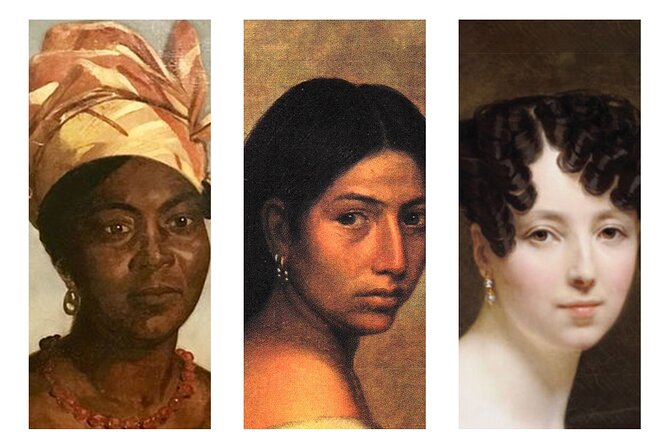
This is the stop where the tour stops being only about landmark sightseeing. It starts connecting culture to place. Congo Square is tied to the idea that New Orleans didn’t develop in a vacuum—it evolved through a mix of communities, traditions, and public gatherings.
If you like learning how music, movement, and social life shaped the city, this part tends to click. It also sets you up for the tour’s larger theme: the origins of things synonymous with New Orleans, including jazz, and even food names you’ll hear everywhere.
Stop 4: Hermann-Grima House courtyard visit you’ll actually feel
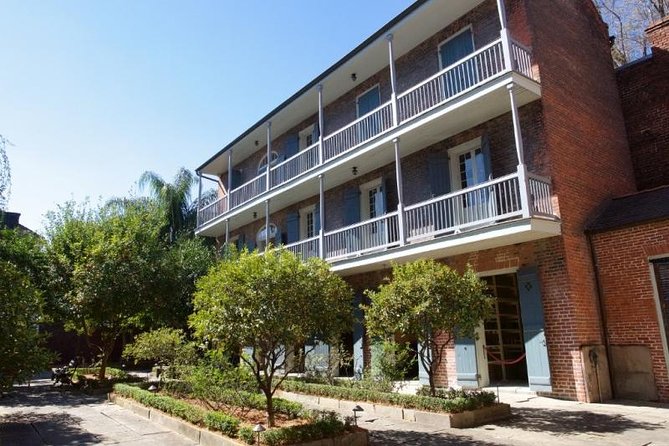
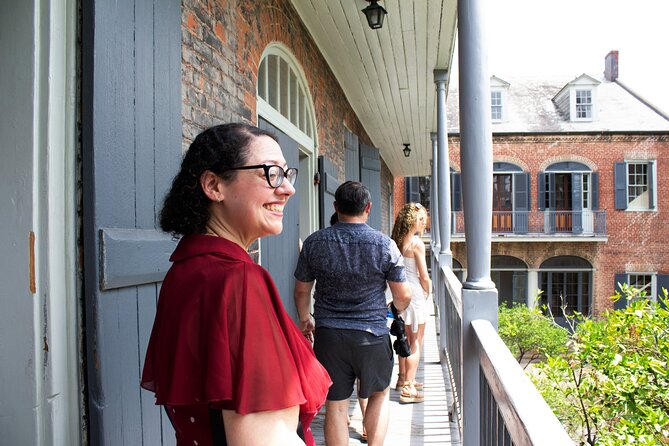
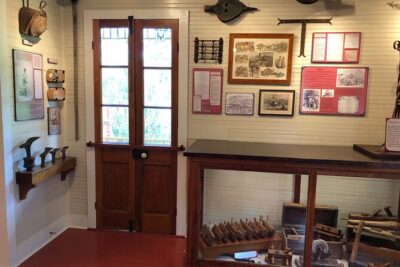
The final stop is the star: the Hermann-Grima House courtyard. You get an exclusive guided look at this typical 19th-century courtyard setting, and the courtyard entry fee is included.
This is the one stop you’re likely to remember when you compare it to other French Quarter tours. Courtyards have that “quiet contrast” effect. You walk through the busy Quarter outside, then you’re guided into a space that feels built for slower life. Even the angle of light and the way sound carries can make the history feel more real.
The itinerary gives this part about 20 minutes, so it’s not rushed. It’s long enough to ask questions or just absorb what your guide is pointing out.
One more advantage: the end location at Hermann-Grima House gives you an easy way to wrap up the walk. You can keep exploring afterward nearby, without needing to backtrack.
Creole, Cajun, jazz, gumbo, and jambalaya: what the guide explains
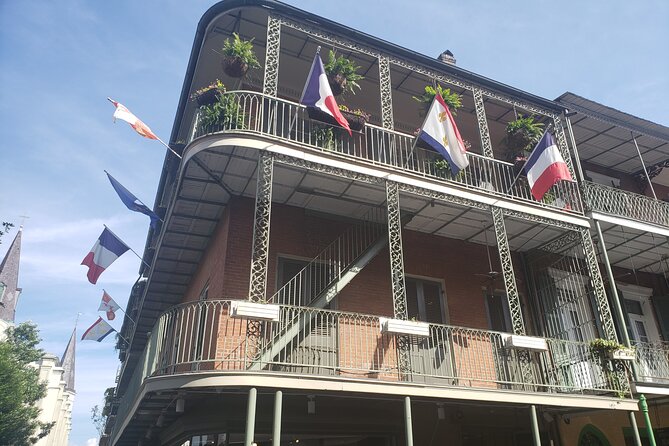
The tour’s pitch is about secrets and notable characters of old Louisiana—especially through the lens of Creole life. It also says the guide unpacks origins of New Orleans staples like jazz, gumbo, and jambalaya, plus fun city facts along the way.
Based on strong ratings, the terms and definitions matter here. One guide praised in reviews—Lawton—dissects the Creole and Cajun labels in a way that’s easier to understand. That’s not a minor point. If you’ve ever left a conversation in New Orleans with a headache because everyone used Creole and Cajun as if they were interchangeable, you’ll appreciate a tour that tries to untangle those words.
There’s also a neat example from reviews: the guide discussed the first pharmacist in the United States being in New Orleans. That’s the kind of fact that makes the city feel less like a theme park and more like a place where real people did real work.
That said, balance matters. One mixed review mentions that a guide said some things about Cajuns that didn’t match the reviewer’s experience. If your goal is “100% accuracy about every cultural term,” nothing short of local deep research will satisfy everyone. But for most visitors, a clear guided explanation with context is exactly what you want on a walking tour.
The value question: $35 for two hours, and what you get for it
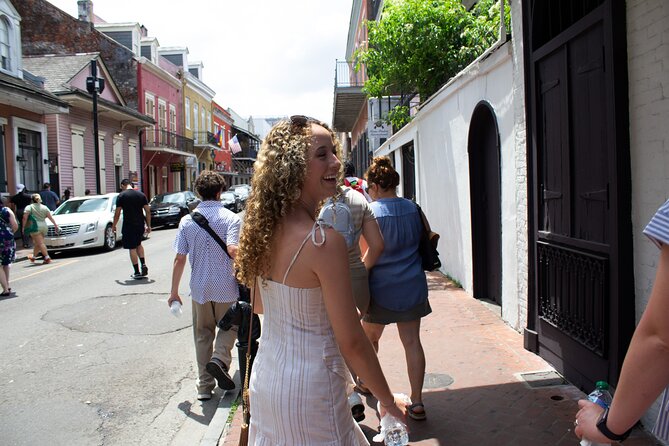
Price is $35 per person, with about 2 hours total on foot. To judge value, I look at three things: how much you learn, how efficiently the route works, and whether anything included feels truly worth paying for.
Here, the included piece is the courtyard entry at Hermann-Grima House. That’s the “payoff” moment. The other stops—Jackson Square, St. Louis Cathedral, Louis Armstrong Park—are structured as quick orientation lessons with free admission tied to the tour’s time there.
Add in the small-group cap of 28 and the fact that you don’t have to map your own walking path. In practice, that reduces the mental load. You can walk, look up, and listen instead of stopping every few blocks to check directions.
For first-timers, this is often a solid way to start a trip. For repeat visitors, it can still be worth it if you want clear Creole-centered storytelling and a focused courtyard visit rather than wandering.
Group size, pacing, and what to expect on the sidewalk
This is a walking tour through an area where streets are narrow and crowds can happen. The maximum of 28 travelers helps, but you’ll still want to wear shoes that handle lots of stone pavement.
The timing of the stops is relatively tight:
- Jackson Square and St. Louis Cathedral get about 5 minutes each
- Louis Armstrong Park gets about 10 minutes
- Hermann-Grima House courtyard gets about 20 minutes
So don’t expect long museum-style time at every location. Expect short, clear explanations at each landmark, plus a deeper moment where the tour includes an entry fee.
If you’re the type who likes to take your time reading plaques for 30 minutes, you might do better pairing this with independent time afterward. But if you want the big picture fast, this format fits.
Who this tour suits best (and who might want something else)
This tour is a great fit if you:
- Want a guided French Quarter orientation without doing your own research
- Like Creole-centered storytelling and terms explained in context
- Want one meaningful interior stop, not just outdoor sightseeing
- Prefer learning in a small-group setting
It may be less ideal if you:
- Want a long, detailed stop at multiple sites
- Are extremely sensitive to cultural-label accuracy and want deep academic sourcing
- Need a very long indoor break when the weather turns
For many people, it hits the sweet spot: enough structure to make the Quarter make sense, with a guided ending at a place you can linger around if you want.
Should you book Creole Louisiana: A French Quarter Walking Tour?
If you’re visiting for the first time and you want your French Quarter time to feel grounded in real stories, I think it’s a smart buy. The Hermann-Grima House courtyard is the standout value, and the route covers the key landmarks that usually leave visitors wondering what they’re seeing.
Also, the consistent five-star feedback gives you a clue about what matters most: guides like Lawson and Laurent show up with a friendly, entertaining teaching style, and they bring specific detail—like the first pharmacist fact and clear discussion of Creole vs Cajun terms. That kind of “explain it so I get it” energy is exactly what makes a walking tour worthwhile.
If weather is a question, plan with flexibility. Otherwise, this is a strong way to start understanding New Orleans beyond the usual surface stops.
FAQ
How long is the Creole Louisiana French Quarter walking tour?
The tour runs about 2 hours.
How much does the tour cost?
It costs $35.00 per person.
Where do I meet, and where does the tour end?
Meet at 2951502 Royal St, New Orleans, LA 70116, USA. The tour ends at Hermann-Grima House, 820 St Louis St, New Orleans, LA 70112, USA.
What sites do you visit on the tour?
You visit Jackson Square, St. Louis Cathedral, Louis Armstrong Park, and you get an exclusive courtyard tour at the Hermann-Grima House. The route also includes top sights like St. Louis Cemetery No. 1.
What is included in the ticket price?
The fee to enter the courtyard of the Hermann-Grima House is included.
What if the weather is bad, and are service animals allowed?
The tour requires good weather. If it’s canceled due to poor weather, you’ll be offered a different date or a full refund. Service animals are allowed, and the tour is near public transportation.
More Tours in New Orleans


More Tour Reviews in New Orleans
More of the French Quarter

Just added to The New Orleans Traveler


French Quarter Tours, compared.
 ★ 5.0Food Walking Tour of the French Quarter with Small-Group OptionFrom $756,118 reviews
 ★ 4.5French Quarter, Voodoo and Culture Walking TourFrom $272,961 reviews
 ★ 5.0French Quarter Historical Sights and Stories Walking TourFrom $352,724 reviews
 ★ 4.5Ghost and Vampire Walking Tour Of The French QuarterFrom $212,406 reviews
 ★ 4.5City Tour: French Quarter, Garden District & CemeteryFrom $402,209 reviews
 ★ 5.0French Quarter Food Tour: Cajun, Creole and CultureFrom $811,246 reviews
 ★ 5.0French Quarter and More Carriage RideFrom $651,141 reviews
 ★ 5.0French Quarter walking Food Tour Famous Flavors of New OrleansFrom $751,115 reviews
Browse the lists this tour appears in