Reviewed · FRENCH QUARTER TOURS
NOLA Carte Food Tour: 300 Years of Flavor in the French Quarter
One great meal turns into a history lesson. This NOLA Carte Food Tour uses the French Quarter as your classroom, tracing how New Orleans cooking evolved over 300 years of flavor as you walk through the city’s oldest food streets. You’ll hear the story behind dishes you already know, and you’ll also get the context that makes them taste even better.
What I like most is the guide-led combo of food and culture, not just a snack parade. I especially love how you start with gumbo and the explanation ties it to Africa, the Caribbean, and later French influence. Another big plus is the human side: the experience is led by people who talk, listen, and answer questions in a friendly way.
One thing to consider: the tour isn’t a good match if you have food or shellfish allergies. Also, drinks beyond restaurant service water are on you, so plan for that if you like to pair tastings with something more than water.
In This Review
- Key highlights at a glance
- 300 Years of Flavor: How This French Quarter Walk Ties Food to Place
- Price and What You Actually Get for $96 in Three Hours
- Starting at 630 St Peter: Timing, Pace, and the Small-Group Advantage
- First Stop Gumbo: The Africa-to-Caribbean-to-French Story
- Po’Boys and Beignets: How the Classics Fit the 300-Year Narrative
- Food Stops in Older Places: Why the Location Matters
- History Lessons Without Feeling Like a Lecture
- Guide Keith: The Friendly Storytelling Style That Makes It Work
- Water Only, Please: Drinks Policy and How to Budget
- Who This Tour Fits Best (and Who Should Skip It)
- NOLA Carte Food Tours and the NCIS Connection
- When to Go: Weather, Short Planning, and Smart Expectations
- Should You Book the NOLA Carte Food Tour?
- FAQ
- How long is the NOLA Carte Food Tour?
- Where does the tour start?
- What time does the tour begin?
- Is a mobile ticket used?
- What food is included?
- Are drinks included in the price?
- Is the tour suitable for people with food or shellfish allergies?
- How many people are in the group?
- What is the cancellation policy?
Key highlights at a glance
- 300 years of culinary history told as you walk through the French Quarter’s early neighborhoods
- Small group size (max 10) that keeps questions and conversation easy
- Gumbo first, with its origins linked to Africa, the Caribbean, and French influence
- Tastings built around classic New Orleans favorites like po’boys and beignets
- A guide who brings the story with warmth and real Q&A time
More ways to wander the Vieux Carre
- New Orleans Food Walking Tour of the French Quarter with Small-Group Option★ 5.0 · 6,118 reviews
- New Orleans French Quarter, Voodoo and Culture Walking Tour★ 4.5 · 2,961 reviews
- French Quarter Historical Sights and Stories Walking Tour★ 5.0 · 2,724 reviews
- Ghost and Vampire Walking Tour Of The French Quarter★ 4.5 · 2,406 reviews
300 Years of Flavor: How This French Quarter Walk Ties Food to Place
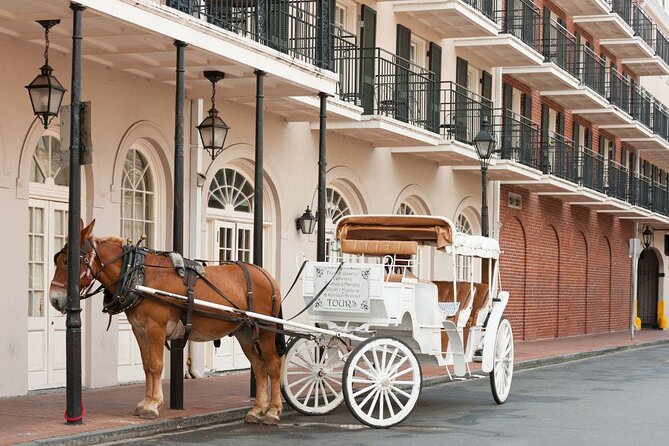
The French Quarter is packed with places to eat, but this tour gives you a way to read the neighborhood. Instead of bouncing from restaurant to restaurant with no thread, you follow a guided path that connects what’s on the table to what happened in New Orleans over generations. That matters because New Orleans food isn’t one clean tradition—it’s an ongoing mix.
I like that the tour frames the city through its earliest neighborhoods, including the first faubourg. That turns your walking time into more than just sightseeing. You start noticing how the built environment and the community shape what people cook, serve, and share.
And yes, you’ll eat. But the bigger payoff is that you’ll understand why the dishes are so stubbornly themselves. Gumbo is not just gumbo. It’s a living record of migration, trade, and cultural blending, and the guide helps you connect those dots as you go.
Price and What You Actually Get for $96 in Three Hours
At $96 per person for about 3 hours, this is not a budget shortcut. It’s a guided tasting experience. The value comes from three things you’re paying for: the walking route, the storytelling, and multiple food tastings (with gumbo as the first stop).
You’re also getting a small group format (max 10). That’s usually where food tours either feel like a herd or feel like a proper hang. A smaller group means you spend more time learning and less time waiting for people to catch up.
One more practical point: the tour includes snacks, but it does not include beverages other than restaurant service water. If you tend to order drinks with every stop, you’ll want to budget extra. If you’re happy with water and focus on the food, the price starts to feel more reasonable fast—because you’re not paying the tour for alcohol or soda.
Starting at 630 St Peter: Timing, Pace, and the Small-Group Advantage
The tour meets at 630 St Peter, New Orleans and runs from 11:00 am for around 3 hours, ending back at the same meeting point. That loop setup is helpful: you don’t have to worry about getting stranded or hunting for your way home at the end.
The pace is built for walking and stopping to eat, with a focus on conversation and Q&A. And with a maximum of 10 travelers, you’re less likely to feel rushed or lost. You’re also more likely to get direct answers instead of hearing your questions disappear into the group.
If you like food tours, you’ll probably enjoy this even more because it’s structured around learning in between bites. If you hate walking, plan for the fact that it’s still a walk through the Quarter. Wear comfortable shoes—New Orleans pavement does not care about your fashion.
First Stop Gumbo: The Africa-to-Caribbean-to-French Story
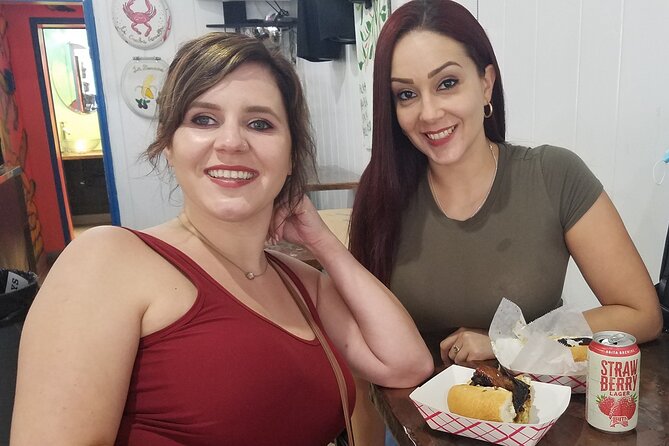
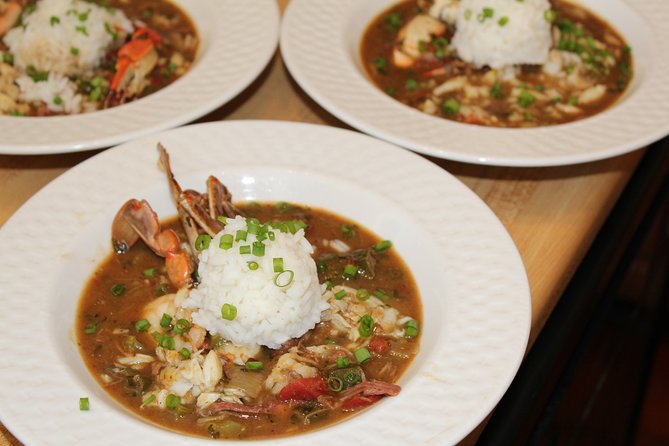
Gumbo is the first tasting, and that’s a smart choice. It’s one of those dishes where people think they know what it is—until they hear where it comes from. The tour explains gumbo as a classical New Orleans dish with origins in Africa and the Caribbean, with later French influence.
That origin story changes the way you taste it. You stop viewing gumbo as a single recipe and start recognizing it as a blended culinary product shaped by history. Even if you’ve eaten gumbo before, this kind of context makes the flavor feel less like a coincidence and more like a result.
As a first stop, it also sets the tone. You’re energized, warmed up, and ready for the rest of the walk. It’s easier to understand the next dishes once you’ve started with a dish that represents New Orleans at its most mixed.
Still hungry? More gumbo, po'boys and beignets


Po’Boys and Beignets: How the Classics Fit the 300-Year Narrative
The highlight list points to classic New Orleans comfort food—po’boys and beignets along with gumbo. That’s exactly the right mix for a food tour in the Quarter because those are dishes people associate with New Orleans, even if they haven’t learned the backstory.
The po’boy connects you to New Orleans eating habits—food that’s built for filling you up, not impressing you with plating. It’s practical food with identity. And beignets are the perfect sweet counterpoint after savory tastings. They’re also a good reminder that New Orleans food culture isn’t just about meals—it’s about the snacks and the in-between moments too.
What I like about how this tour handles classics is that it doesn’t treat them like museum pieces. The guide ties them into a wider story of fusion. That’s key because a lot of food tours stop at What you ate. This one tries to get you to understand Why it exists.
Food Stops in Older Places: Why the Location Matters
One of the most interesting parts is that the tour talks about eateries that are 100 years old or better. That’s not just trivia. In a city like New Orleans, long-running places act like cultural anchors. People return. Recipes get tweaked. Traditions survive because locals keep feeding them.
As you walk through the Quarter and its early neighborhoods, the tour uses those long-lived food stops as evidence of continuity. You’re not only tasting—you’re getting a sense of what stayed and what changed.
That makes the experience feel more authentic than a generic itinerary. You’re stepping into the idea that some foods carry family memory and neighborhood pride, not just branding.
History Lessons Without Feeling Like a Lecture
The best part is the tone. This tour blends food, history, and culture without turning into a classroom. You get explanations, sure, but they’re tied to what’s in your hand and what you can see around you.
You’ll hear the idea of America’s first fusion cuisine discussed as part of the story—how New Orleans cooking has been shaped by multiple cultures interacting over time. That kind of framing helps you stop treating dishes like separate categories and start understanding them as connected outcomes of migration and exchange.
If you’re the type of traveler who likes stories but doesn’t want a nonstop speech, you’ll probably appreciate this. The guide doesn’t just talk at you. You can ask questions and get answers, and that makes the history feel usable instead of abstract.
Guide Keith: The Friendly Storytelling Style That Makes It Work
A big reason people love this tour is the guide. One standout theme in the feedback is that Keith is friendly, answers questions readily, and brings a lot of information without making it feel heavy.
That matters because the success of a food tour lives or dies on the guide’s rhythm. If the guide is great at storytelling, you’ll remember the meal and the meaning. Keith’s style seems to do that—listeners describe his stories as amazing and easy to follow, and they highlight that he clearly knows what he’s talking about.
Also, a small but telling detail: the guide’s interaction style shows up again and again. When you feel comfortable asking questions, the tour stops being something you just consume and starts being something you participate in.
Water Only, Please: Drinks Policy and How to Budget
The tour includes snacks, and only restaurant service water is included. Anything else—juice, soda, cocktails, coffee—will be at your expense.
This is common for walking food tours, but it’s worth planning for. If you want alcohol, decide beforehand whether you’ll add it after each tasting or save it for later. The tour is timed and focused on getting you from stop to stop with enough energy to enjoy the walk.
If you’re trying to keep the total cost in check, choosing water will help you control the budget without missing out on the food experience. And since the tastings are the main event, you won’t feel like you’re paying extra just to stay hydrated.
Who This Tour Fits Best (and Who Should Skip It)
This is a great fit if you want a guided French Quarter food tour that connects what you eat to where it comes from. It’s also a good choice if you like small groups and you enjoy history, even if you don’t want a museum-level lecture.
It’s also not a party tour. Service animals are allowed, and most travelers can participate, so it’s widely accessible in terms of general participation. But it’s not recommended if you have food or shellfish allergies. That one matters. If allergens are a risk for you, don’t gamble—choose an option designed specifically for your needs.
Group size is capped at 10 travelers, which makes it better for couples, friends, and solo travelers who want conversation without crowd noise. If you’re traveling with kids, the data doesn’t spell out a specific age range, so you’ll want to consider the walking and the allergy limitation.
NOLA Carte Food Tours and the NCIS Connection
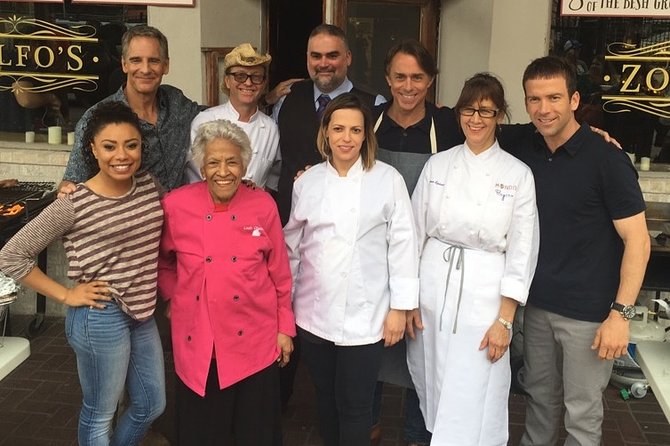
The tour brand, NOLA Carte Food Tours, was created by the food stylist for NCIS New Orleans. That’s an interesting credential because it hints at an emphasis on food storytelling rather than just food consumption.
What that usually means in practice is more attention to how dishes are presented and explained—how they fit into a bigger picture. You’ll see that in the way the tour is built around major New Orleans dishes like gumbo, po’boys, and beignets, with history threaded in.
You don’t need TV credentials to enjoy the food, of course. But if you’re the type who likes well-crafted stories and clear explanations, it’s a nice extra layer.
When to Go: Weather, Short Planning, and Smart Expectations
This experience requires good weather. If it gets canceled due to poor weather, you’ll be offered a different date or a full refund. That’s a key point in New Orleans, where plans can shift quickly.
The tour is around 11:00 am, so you’ll likely want to check conditions that day. If the weather looks questionable, keep an eye on the day’s timing so you’re not surprised at the last minute.
Also, the tour has a minimum number of travelers requirement. If that minimum isn’t met, you’ll be offered another date or a full refund. In other words: it’s designed to run smoothly, not to squeeze in if the group can’t be formed.
Should You Book the NOLA Carte Food Tour?
I’d book it if you want a French Quarter food experience that adds meaning to the tastings. The gumbo start is a strong anchor, the small group size helps the conversation, and the guide—especially Keith—is repeatedly praised for being friendly and highly informative.
Skip it if you have food or shellfish allergies, because the tour isn’t recommended for that situation and you can’t assume you’ll get allergen-safe handling. Also, if you’re allergic to walking or you hate guided groups, you might find the format less comfortable than a self-paced food crawl.
If you fall in the sweet spot—curious about the roots of New Orleans cuisine, happy to walk a bit, and okay paying for non-water drinks—this tour offers a solid blend of flavor and context for the time you spend.
FAQ
How long is the NOLA Carte Food Tour?
The tour lasts about 3 hours.
Where does the tour start?
It starts at 630 St Peter, New Orleans, LA 70130.
What time does the tour begin?
The start time listed is 11:00 am.
Is a mobile ticket used?
Yes, the tour offers a mobile ticket.
What food is included?
The tour includes snacks, with the first stop for gumbo, plus traditional New Orleans dishes like po’boys and beignets.
Are drinks included in the price?
Other than restaurant service water, beverages are not included and are at your expense.
Is the tour suitable for people with food or shellfish allergies?
It is not recommended for people with food or shellfish allergies.
How many people are in the group?
The tour has a maximum of 10 travelers.
What is the cancellation policy?
You can cancel for a full refund if you cancel at least 24 hours before the experience’s start time. If you cancel less than 24 hours before, the amount paid is not refunded. The experience is also weather-dependent. If canceled due to poor weather, you’ll be offered a different date or a full refund.
More Tour Reviews in New Orleans

More Ways to Eat New Orleans
More of the French Quarter


Just added to The New Orleans Traveler
French Quarter Tours, compared.
 ★ 5.0Food Walking Tour of the French Quarter with Small-Group OptionFrom $756,118 reviews
 ★ 4.5French Quarter, Voodoo and Culture Walking TourFrom $272,961 reviews
 ★ 5.0French Quarter Historical Sights and Stories Walking TourFrom $352,724 reviews
 ★ 4.5Ghost and Vampire Walking Tour Of The French QuarterFrom $212,406 reviews
 ★ 4.5City Tour: French Quarter, Garden District & CemeteryFrom $402,209 reviews
 ★ 5.0French Quarter Food Tour: Cajun, Creole and CultureFrom $811,246 reviews
 ★ 5.0French Quarter and More Carriage RideFrom $651,141 reviews
 ★ 5.0French Quarter walking Food Tour Famous Flavors of New OrleansFrom $751,115 reviews
Browse the lists this tour appears in