
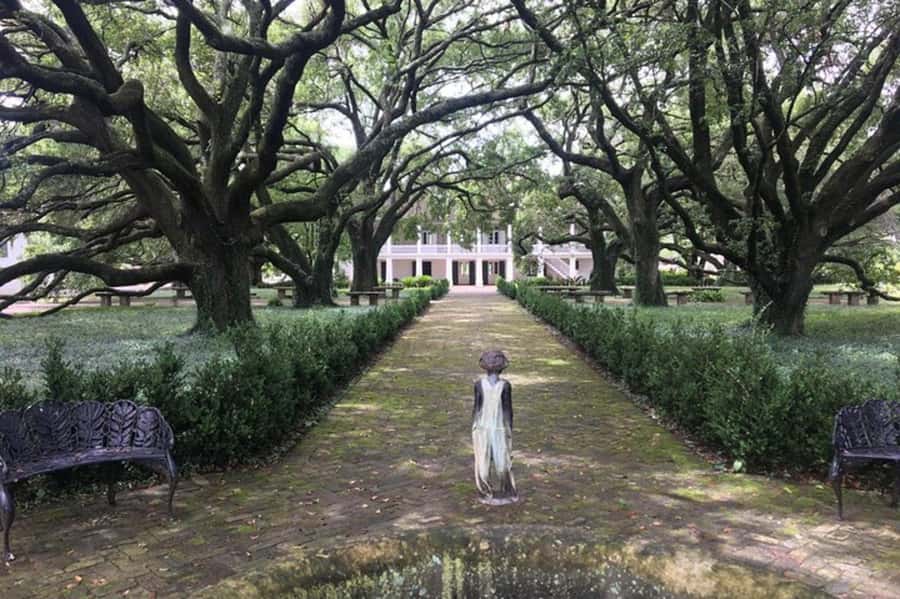
Reviewed · PLANTATION TOURS
New Orleans: Whitney Plantation Audio Tour with Transfers
History hits hard at Whitney Plantation. This audio-guided visit focuses on the lives of enslaved people, not the plantation myth. I like that it’s designed to make you face the facts in order: cabins, worship space, work areas, and a closing memorial.
I also like the balance of sights and storytelling. You’ll spend time at Freedmen’s Church and then see the harsh contrast of the 1790 owner’s house. That side-by-side memory work makes the emotion feel specific, not vague.
One practical drawback: this tour is not suitable for wheelchair users.
In This Review
- Key things I’d bank on before you go
- Why Whitney Plantation feels different than most stops in New Orleans
- Getting there from New Orleans: the drive you should plan for
- Audio headset strategy: self-paced, but not casual
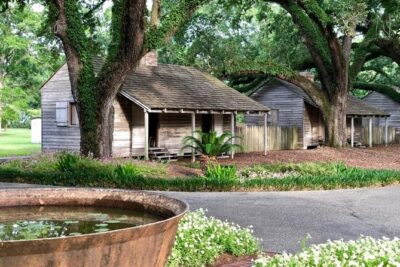
- Slave cabins: where the day-to-day story starts
- Freedmen’s Church: hope, resilience, and the meaning of worship
- Detached kitchen and outbuildings: the mechanics of plantation life
- The 1790 owner’s house: seeing the disparity in one glance
- The memorial: ending with a clear moment of respect
- Transfers, tickets, and value: is $81 worth it?
- Who should book this tour (and who might not)
- Practical tips to make the day easier on you
- Should you book Whitney Plantation with transfers?
- FAQ
- How long is the Whitney Plantation audio tour with transfers?
- How much does it cost?
- Is hotel pickup and drop-off included?
- Is the tour guided by a person or audio-only?
- What stops are included during the visit?
- Is a meal included?
- Do I get time for a gift shop or snack?
- Is this tour suitable for wheelchair users?
Key things I’d bank on before you go

- Hotel pickup and drop-off make the 70-mile ride feel like part of the experience, not a hassle.
- A self-paced audio tour lets you pause when a moment hits you, without keeping time with a group.
- Slave cabins set the baseline for daily life and hardship on the plantation.
- Freedmen’s Church and the memorial give you both hope and a clear place to reflect.
- The 1790 owner’s house shows the disparity of the era right on the same grounds.
Other River Road plantation visits
- Swamp Boat Ride and Oak Alley Plantation Tour from New Orleans★ 5.0 · 3,303 reviews
- Oak Alley Plantation Tour with Transportation from New Orleans★ 4.5 · 1,747 reviews
- Whitney Plantation Tour with Transportation from New Orleans★ 4.5 · 1,351 reviews
- Laura Creole Plantation Guided Tour★ 5.0 · 1,279 reviews
Why Whitney Plantation feels different than most stops in New Orleans
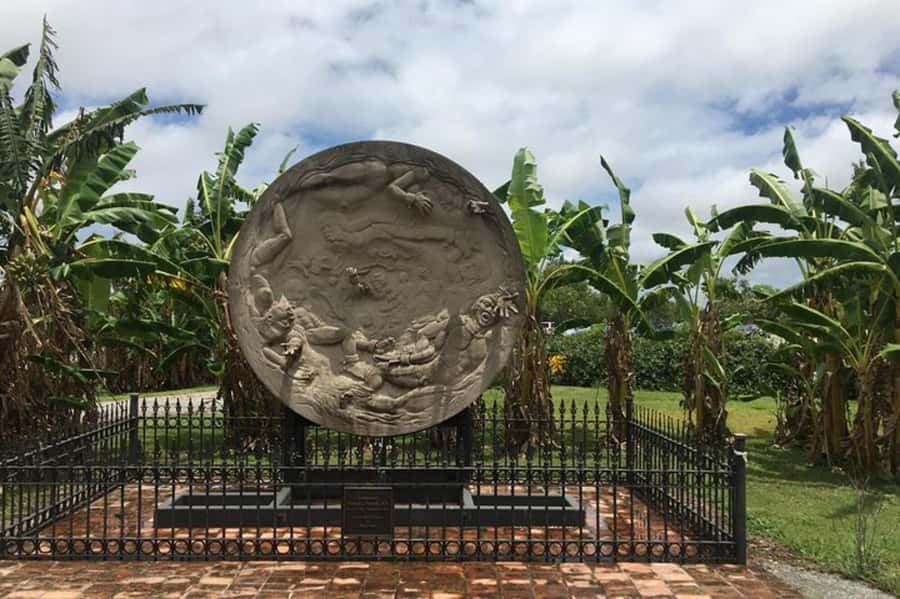
New Orleans is famous for music, food, and big personality. Whitney Plantation is different. It is Louisiana’s only museum dedicated to the lives of enslaved people, so the spotlight never moves away from what happened to them.
That focus matters. When a history site centers on the enslaved, you don’t just learn details. You feel how ordinary days were shaped by coercion, separation, and forced labor. The audio tour is built for that kind of attention. It moves through the site in a way that keeps the story grounded.
And yes, the subject is heavy. You should expect to reflect on profound loss while also seeing resilience and the enduring legacy of the enslaved community. If you’re looking for something light, this is not that. If you’re looking for something honest, it’s one of the best ways to do it from New Orleans.
Getting there from New Orleans: the drive you should plan for
This outing is about 390 minutes, so roughly 6 hours 30 minutes door to door. The plantation is about 70 miles from the French Quarter, and the day includes the round trip transfer plus your on-site time.
The hotel pickup and drop-off is a real help. You don’t have to figure out roads, parking, or a ride back at the end of a long reflective day. Pickup is available from most New Orleans hotels. If yours isn’t listed, you pick the nearest one—so the whole thing stays practical.
One reason this transfer package works: it frees you to set your mindset early. On the drive over, you get time to reflect before you start walking through the sections of the plantation. That beats the usual approach of arriving half-distracted and rushing to catch up.
Audio headset strategy: self-paced, but not casual
You’ll get an audio headset on arrival. The tour is self-guided and self-paced, which sounds relaxing—until you realize it changes how you experience the place.
Instead of watching a guide manage the crowd, you control your pace. If a section is difficult, you can slow down. If you’re taking notes, you can stand still a little longer. The trade-off is that you’re doing the mental work yourself. You’re not being told when to react. The site and the audio guide ask you to stay present.
Good news: the walking between stops is manageable. The stops are within about 3 to 4 blocks of each other. That means you’re not facing a huge hiking day. It’s more like moving through a carefully arranged memory route.
Slave cabins: where the day-to-day story starts
The tour begins with the slave cabins, and that opening matters. Cabins are the lived-in frame of the story. They set the baseline before you move into worship spaces, work areas, and the owner’s house.
From the audio experience, you’ll learn about daily life and hardships—how people lived and worked on the plantation. This isn’t an abstract history lesson. It’s about what routine looked like under slavery, and what “normal” meant when freedom was denied.
What I like about starting here is that it prevents a common mistake: treating slavery as a single event or a distant chapter. The cabin stop makes it clear slavery was a system that shaped housing, labor, and survival.
If you’re someone who likes to understand the layout of a place before you emotionally process it, this order helps. You see the scale of what people faced before you get pulled toward the more symbolic parts of the tour.
More New Orleans tours and experiences to compare





Freedmen’s Church: hope, resilience, and the meaning of worship
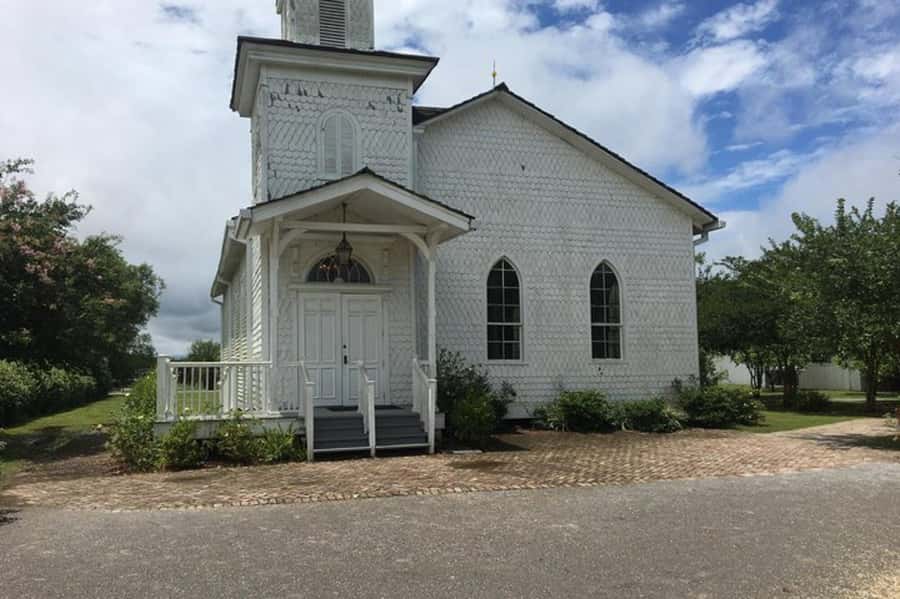
Next comes Freedmen’s Church, described as a powerful symbol of hope and resilience for those who sought freedom. This isn’t just a building stop. It’s a reminder that people didn’t only endure. They also rebuilt.
The church section gives you a different emotional temperature than the cabin stories. You’re still in the world of remembrance, but the focus shifts toward what came after emancipation—how communities found ways to gather, worship, and hold onto meaning.
I like that the audio guide treats the church as part of a continuum. You don’t jump from suffering straight to a memorial. You pass through a symbol of hope. That makes the story feel more complete, and it helps you resist the urge to think of emancipation as the end of all hardship.
This is also a good time to take a breath. Not a break from the seriousness, just a moment to let your brain move from “what was taken” to “what was carried forward.”
Detached kitchen and outbuildings: the mechanics of plantation life
After the church, you’ll explore the detached kitchen and outbuildings. This section is where the tour focuses on the plantation’s operations and the harsh conditions endured by enslaved workers.
This is one of the most important parts of the route for practical understanding. You start to see how the plantation functioned as a production system—not just a backdrop for suffering, but a machine that relied on forced labor.
The outbuildings and kitchen matter because they connect daily life to labor needs. Even without getting lost in technical details, the site prompts you to think about workload, constraints, and the physical reality of being bound to the plantation economy.
If you’re the type who wants to understand how work was organized, this segment gives you the context you need. It also explains why the cabin stories aren’t separate from the labor stories. They connect.
The 1790 owner’s house: seeing the disparity in one glance
Then the audio tour takes you to the 1790 owner’s house. This is where the contrast is blunt. The house highlights the stark disparities of the era compared with the living conditions of enslaved people.
This stop works best if you let yourself notice details instead of trying to rush through them. The point isn’t to admire architecture. The point is to hold two realities in your mind at once: the comfort and power at the top, and the deprivation and coercion below.
Even if you already know slavery involved inequality, the house stop makes it visible. It turns the abstract idea of “disparity” into a physical experience. That contrast can be uncomfortable. That’s also why it’s valuable.
And as one review noted, the experience stays focused on the enslaved people and what they endured, not on polishing the owner’s image. That choice shapes the whole day.
The memorial: ending with a clear moment of respect

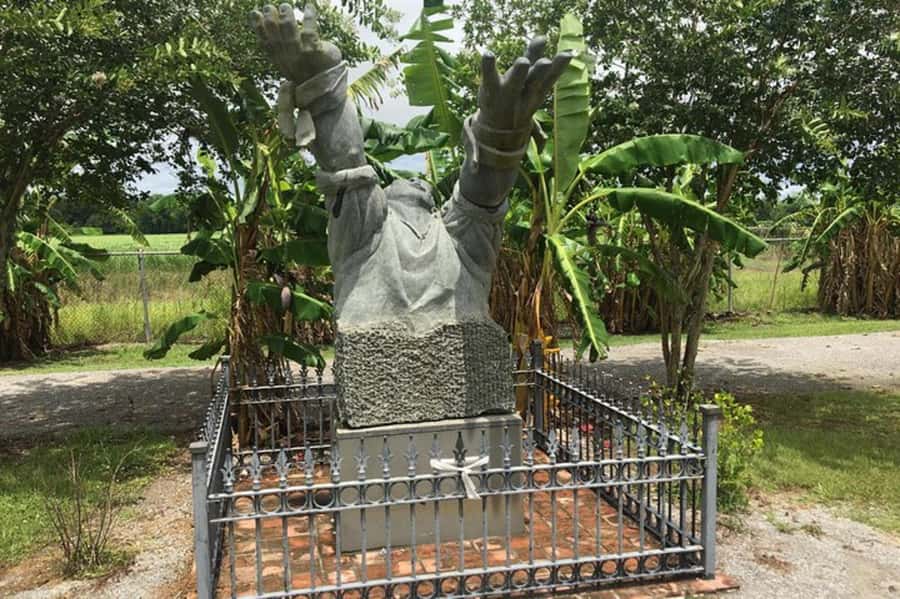
The tour concludes by paying your respects at the memorial dedicated to those who suffered under slavery. This final moment is crucial. It gives the day a closing note that isn’t just informational.
The memorial encourages reflection on lives lost and the lasting legacy of slavery. It’s the kind of stop where you can lower your voice, slow down, and just let the message land.
If you’ve been trying to stay “strong” through the earlier sections, this is often where that strength turns into quiet sadness. That’s normal. The tour doesn’t rush you past the feeling. It ends with remembrance.
After the tour, you get 30 minutes for the gift shop, restrooms, or a quick snack. That buffer is smart. You’ll have time to decompress without turning the day into a long wandering session.
Transfers, tickets, and value: is $81 worth it?
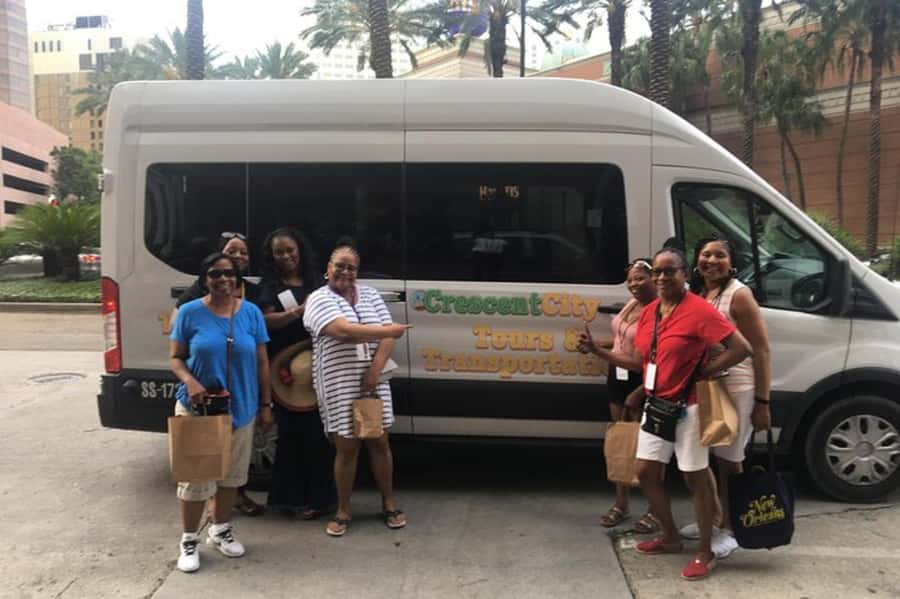
The price is $81 per person, and here’s what you’re actually paying for: hotel pickup and drop-off, the audio guide, and entry to Whitney Plantation. You’re also getting the time and structure of a full-day outing, including the 70-mile round trip.
Value comes from the package. If you tried to do this on your own, you’d be spending money on transportation and still figuring out the on-site flow. With transfers included, the day becomes easier to manage. And the audio guide is the core of the experience, since it shapes the order and emphasis across multiple site stops.
Meals and beverages are not included, so plan to handle food on your own. The good part is that you have that 30-minute window after the tour, plus access to the gift shop. A quick snack can help you avoid feeling wiped out on the ride back.
Also worth noting: the tour has a strong rating of 4.7 from a small number of reviews. One comment highlights that the visit stays focused on the enslaved and their endurance, rather than shifting the emphasis to the plantation owner. That alignment with the museum’s purpose is a big part of why this feels worth your time.
Who should book this tour (and who might not)
This is a strong fit if you want a history experience that stays centered on the people who were enslaved. The audio tour format also suits people who don’t want to be rushed through sensitive material.
It’s also a good match if you like structure. The route covers the major elements: cabins, Freedmen’s Church, detached kitchen and outbuildings, the 1790 owner’s house, and the memorial. You get a coherent arc, not a random walk through buildings.
I’d think twice if you need wheelchair accessibility, since it is not suitable for wheelchair users. I’d also think about your emotional bandwidth. This is not a quick museum stop. It’s designed for reflection and respectful attention.
Practical tips to make the day easier on you
- Wear comfortable shoes. You’re moving between multiple stops in one overall visit, even if the distances are small.
- Give yourself a slower mindset. The audio tour is self-paced, which works best if you don’t try to speed-run the experience.
- Plan for a long day. The total duration is 390 minutes, so treat it like a full outing rather than a half-day add-on.
- Since meals aren’t included, plan to eat before or after, and use that 30-minute post-tour window for a quick reset.
Should you book Whitney Plantation with transfers?
If you’re in New Orleans and you want the most direct way to understand Louisiana’s plantation history through the lives of enslaved people, I’d book this. The transfers reduce friction. The audio format gives you control. And the sequence of slave cabins, Freedmen’s Church, work-related outbuildings, the 1790 owner’s house, and the memorial creates a clear memory path.
Skip it only if mobility needs make it impossible for you, or if you’re looking for a light, entertainment-heavy day. Whitney Plantation is solemn by design. For the right traveler, it’s also one of the most meaningful history experiences in the region.
FAQ
How long is the Whitney Plantation audio tour with transfers?
The total duration is 390 minutes.
How much does it cost?
The price is $81 per person.
Is hotel pickup and drop-off included?
Yes. Hotel pickup and drop-off are included from most New Orleans hotels, and if your hotel isn’t listed, you’ll be assigned the nearest option.
Is the tour guided by a person or audio-only?
It’s an audio-guided experience. You’ll receive an audio headset and do the tour at your own pace.
What stops are included during the visit?
You’ll visit the slave cabins, Freedmen’s Church, the detached kitchen and outbuildings, the 1790 owner’s house, and a memorial honoring those who suffered under slavery.
Is a meal included?
No. Meals and beverages are not included.
Do I get time for a gift shop or snack?
Yes. After the tour, you’ll have 30 minutes for the gift shop, restrooms, or a quick snack.
Is this tour suitable for wheelchair users?
No. The activity is not suitable for wheelchair users.
More Tours in New Orleans




More Tour Reviews in New Orleans
More River Road Plantations





Just added to The New Orleans Traveler



Plantation Tours, compared.
 ★ 5.0Swamp Boat Ride and Oak Alley Plantation Tour from New OrleansFrom $1313,303 reviews
 ★ 4.5Oak Alley Plantation Tour with Transportation from New OrleansFrom $891,747 reviews
 ★ 4.5Whitney Plantation Tour with Transportation from New OrleansFrom $891,351 reviews
 ★ 5.0Laura Creole Plantation Guided TourFrom $321,279 reviews
 ★ 4.7Bayou Swamp Tour and Oak Alley Plantation TourFrom $1251,147 reviews
 ★ 4.7Oak Alley Plantation & Airboat Swamp Combo TourFrom $160906 reviews
 ★ 4.5Oak Alley Plantation and Large Airboat Swamp Tour from New OrleansFrom $160712 reviews
 ★ 4.5Houmas House Estate and Gardens Guided TourFrom $38632 reviews
Browse the lists this tour appears in