
Reviewed · HISTORICAL TOURS
New Orleans: 2-Hour Historical Walking Tour
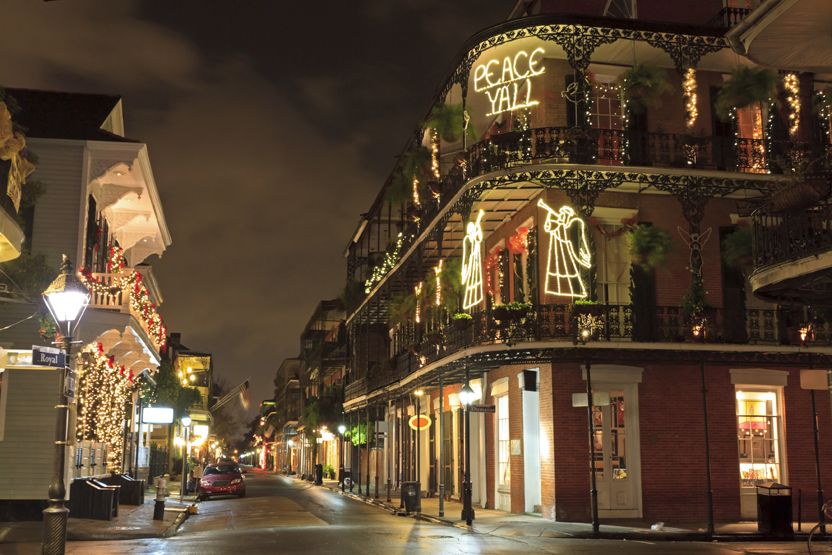
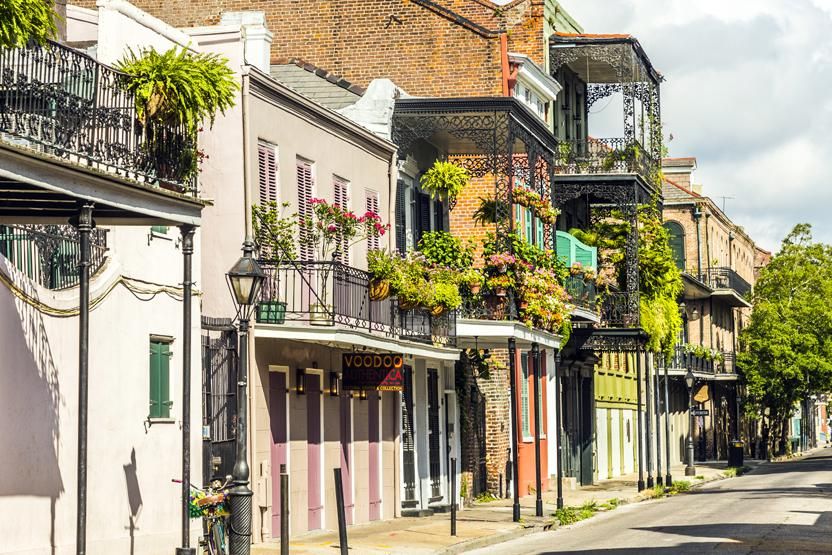
That first weird-but-fascinating French Quarter feeling starts fast. This 2-hour walk through the Vieux Carré mixes famous landmarks with stories that turn architecture into entertainment. I especially like how the tour focuses on the National Historic Landmarks you can actually see on foot, and how it threads the area’s haunted lore into the route.
The one drawback to weigh: with a 3.2 rating and at least one report of a guide not showing up, I’d treat the meeting point details seriously and plan to arrive early and confirm.
In This Review
- Key things I’d pay attention to
- Entering the French Quarter at St. Anthony’s Garden Gates
- The 2-hour route: what you can expect to cover
- St. Louis Cathedral, Cabildo, and Presbytere: the landmark backbone
- Haunted New Orleans: Sultan’s Palace and LaLaurie Mansion
- Jackson Square and the Ursuline Convent: the green pause
- Hidden-gem style stops: what the “local-only” promise means
- Price and logistics: is $35 for two hours a fair deal?
- Who this tour fits best (and who might want to plan differently)
- Should you book this New Orleans walking tour?
- FAQ
- Where do I meet the guide?
- How long is the tour?
- What does it cost?
- Is the tour wheelchair accessible?
- What language is the guide?
- Are there opportunities to buy drinks during the tour?
- Is there a private tour option?
Key things I’d pay attention to
- Meet at the courtyard gate by Lafittes Blacksmith Shop Bar (not inside)
- A fast-paced 2-hour orientation to the Vieux Carré
- St. Louis Cathedral, Cabildo, and Presbytere on foot
- Haunted stories tied to Sultan’s Palace (Gardette-LaPrete House) and LaLaurie Mansion
- A calmer pocket in the mix at Jackson Square
- Options for a more controlled experience with a private tour up to 28 guests
More of New Orleans on foot
- New Orleans Premier Ghost, Voodoo and Vampire Walking Tour★ 4.5 · 12,856 reviews
- New Orleans Food Walking Tour of the French Quarter with Small-Group Option★ 5.0 · 6,118 reviews
- St. Louis Cemetery No. 1 Official Walking Tour★ 4.5 · 3,941 reviews
- New Orleans French Quarter, Voodoo and Culture Walking Tour★ 4.5 · 2,961 reviews
Entering the French Quarter at St. Anthony’s Garden Gates
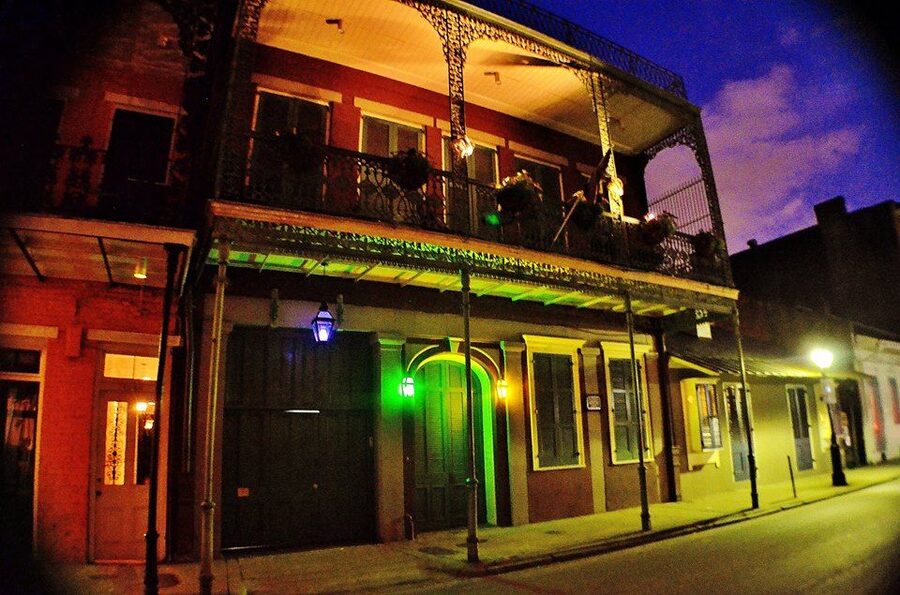
The tour kicks off at the gates of St. Anthony’s Garden, and that matters because it sets the tone. New Orleans has a way of piling eras on top of each other, and starting with a landmark gateway helps you understand you’re not just “seeing streets,” you’re moving through layers of the city.
You’ll then head out into the Vieux Carré (French Quarter), where the 19th-century look is part of the appeal and part of the storytelling. Think of this as a guided way to read the neighborhood instead of just walking past it.
The 2-hour route: what you can expect to cover
This is a walking tour built for momentum. At two hours, it’s not trying to “see everything in New Orleans.” Instead, it aims to give you a tight snapshot of the district’s most iconic stops plus a few points that feel more local and less postcard.
Along the way, you’ll hear the city’s history with a plot-like structure: where the power was, how people lived, and why certain buildings have legendary reputations. In practice, that means you’ll get the kind of context that helps you make sense of why a specific square or façade looks the way it does.
One practical tip: the tour includes stops where you can purchase drinks along the route. That’s fun if you want it, but do check your expectations if you’re traveling with kids, since some bars allow children and some don’t.
St. Louis Cathedral, Cabildo, and Presbytere: the landmark backbone
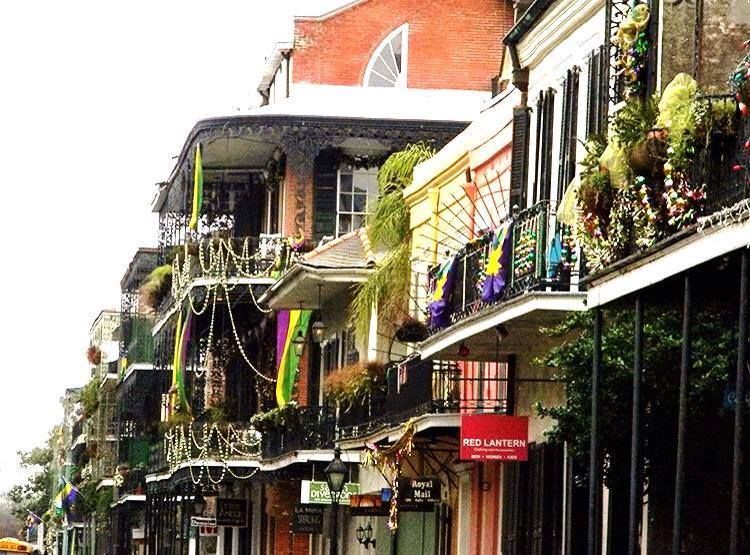
A big reason I like this tour is that it uses the district’s landmark buildings as anchors. Instead of vague “history talk,” you’re standing in front of the kind of places that explain why New Orleans became what it is.
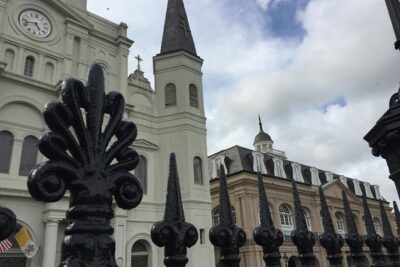
You’ll pause at St. Louis Cathedral, and you’ll get its place in the broader story of the Mississippi Valley. The tour also mentions the oldest home in the Mississippi Valley as one of the stops on the National Historic Landmarks list, plus the home of the fictional Count Saint-Germain. Even when a stop is tied to fiction, that’s useful—stories like that show how New Orleans culture absorbs legend and turns it into part of the identity.
Then you’ll reach The Cabildo, described as the former seat of the colonial government. That stop gives you a “power and paperwork” angle, which balances out the more gothic tales later in the walk.
After that, you’ll see the Presbytere and marvel at its ornate façade. In my opinion, this is where a walking guide earns their fee: the façade is stunning, but without context it can feel like just another pretty building.
Haunted New Orleans: Sultan’s Palace and LaLaurie Mansion
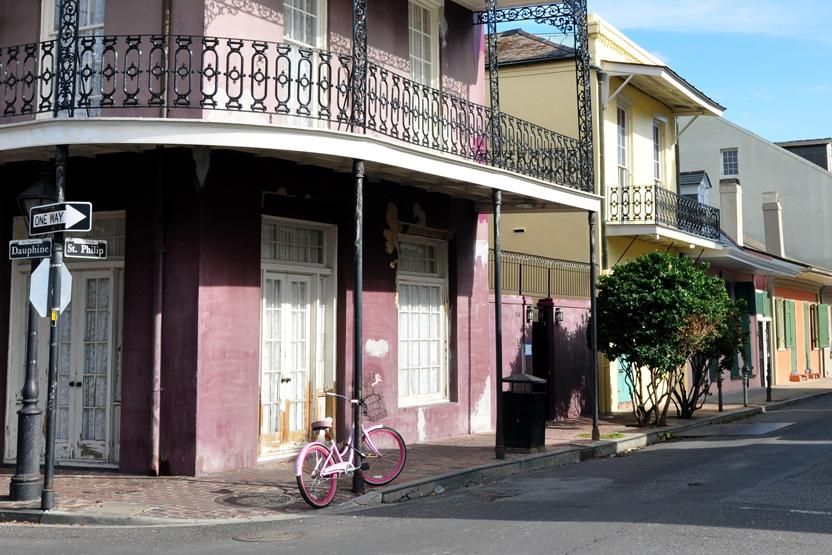
If you want spooky stories with real street-level payoff, this tour delivers. The haunted portion highlights Sultan’s Palace, also known as the Gardette-LaPrete House, plus LaLaurie Mansion. These aren’t just “creepy names” for the sake of it. They’re tied to the kind of layered, uncomfortable past that gives the Quarter its edge.
The way the tour frames these stops matters. You’re not wandering in for a jump-scare; you’re hearing the gruesome histories and then learning what to look for around the building. That changes how you experience the architecture—windows, entrances, and street frontage start to feel like clues instead of decoration.
This is also why the timing works. The tour packs the heavier stories into a portion of the walk where you’re already keyed up by the cathedral, the government building, and the general mood shift of the Quarter.
More of the city's three centuries




Jackson Square and the Ursuline Convent: the green pause
Not every part of the walk should feel dark, and this route builds in a breather. You’ll enjoy the green oasis of Jackson Square, which gives you space to slow down, refocus, and take in the whole environment rather than only individual buildings.
You’ll also walk past the Ursuline Convent, a 19th-century presence that anchors the scene with a different kind of historical weight. When a tour moves from political sites and haunted mansion tales to a public square and an enduring institution, you get a more complete sense of how New Orleans functioned day to day—not just how it mythologized itself.
If your goal is to leave with a mental map, this is where it clicks. Jackson Square is the kind of reference point you can carry with you, even after the tour ends.
Hidden-gem style stops: what the “local-only” promise means
The tour advertises sights that only a local would know about, and here’s how I interpret that for value. In a famous district like the French Quarter, “hidden gem” usually means one of two things: a specific viewpoint, a detail on a building most people don’t notice, or a stop that adds meaning without being a major attraction on every itinerary.
You’ll also hit multiple stops listed as National Historic Landmarks, which helps separate this from tours that just cruise from famous sign to famous sign. The landmark framework is useful because it suggests the guide isn’t improvising stories—they’re building the narrative around designated sites.
If you like history but hate lectures, this route style is a good fit. The stories come attached to what you can see and walk to next.
Price and logistics: is $35 for two hours a fair deal?
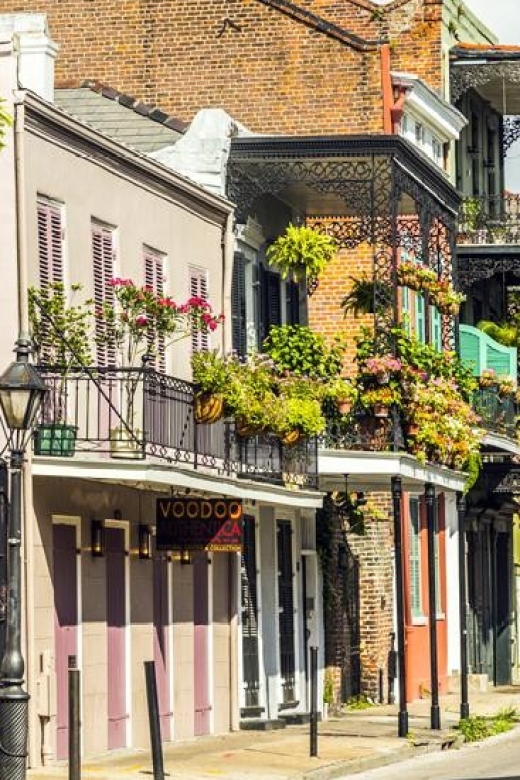
At $35 per person for a 2-hour guided walk, you’re paying for something simple: a structured route plus a guide who connects the dots. In the French Quarter, you can walk on your own for free. The question is whether your time is worth the money. If you want context quickly, this price can be a reasonable shortcut.
Where value gets real is in the mix of stops. You’re not just doing one theme. You get government-era context at The Cabildo, landmark architecture with The Presbytere and St. Louis Cathedral, plus the headline-grabbing legends at LaLaurie Mansion and Sultan’s Palace (Gardette-LaPrete House).
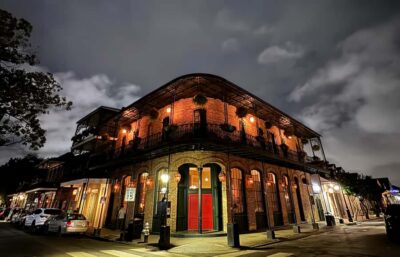
Logistics are straightforward, but they’re worth respecting. The meeting point is on the sidewalk at the gate of the courtyard attached to the Legendary Lafittes Blacksmith Shop Bar at 941 Bourbon Street. The tour notes clearly that tours do not meet inside the bar, and they are not affiliated with the bar staff—bartenders won’t have tour info. Arriving a few minutes early is smart because the route starts at a very specific spot.
Who this tour fits best (and who might want to plan differently)
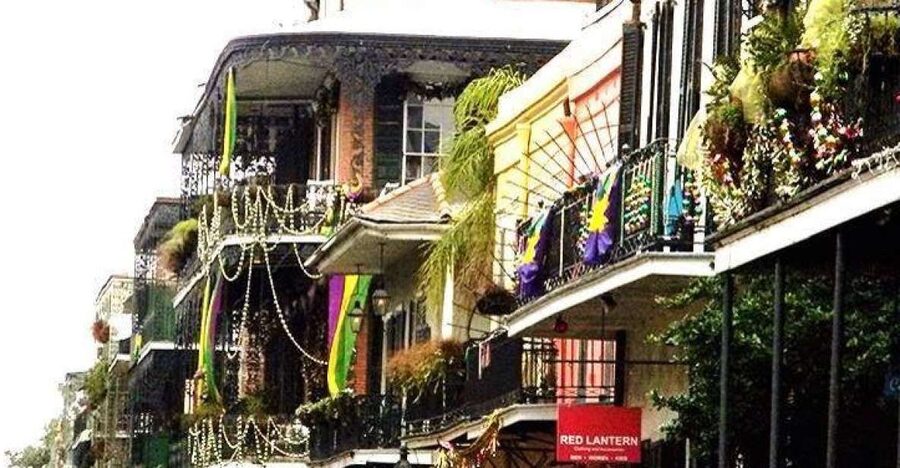
This works well if you want a tight hit of the French Quarter in limited time. It’s also a strong choice if you like history delivered in a story format—religion and politics by way of St. Louis Cathedral and The Cabildo, then the darker side through the haunted mansions.
You’ll likely enjoy it most if:
- You want a guided orientation so you can explore independently later.
- You like spooky history but still want real landmarks in the mix.
- You’d rather walk and listen than spend your day piecing together sites by yourself.
You might want to plan differently if you’re sensitive to gruesome stories. The tour includes the gruesome histories of the Sultan’s Palace (Gardette-LaPrete House) and LaLaurie Mansion, and that tone is part of the promise.
And because the rating is 3.2 and there’s at least one reported issue about a guide not arriving at the designated location, I’d build in a little buffer. If your schedule is tight, keep a flexible alternative plan for after the tour.
Should you book this New Orleans walking tour?
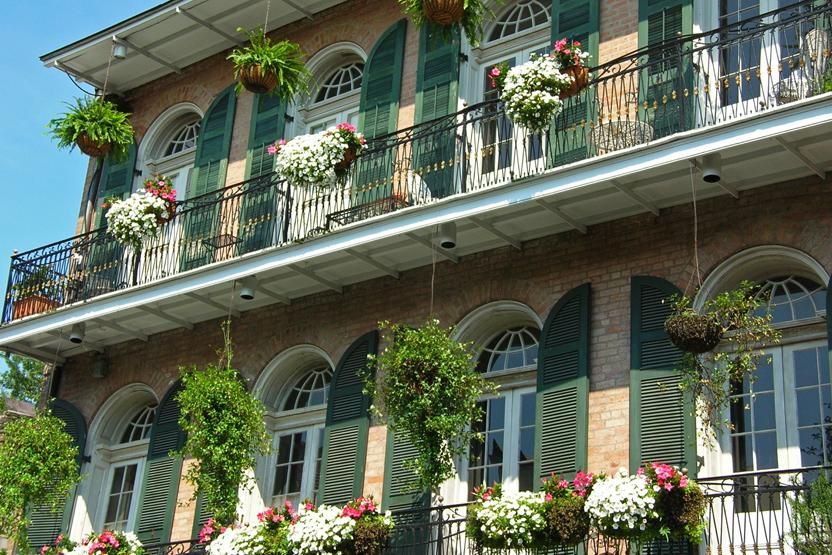
I think it’s worth booking if you want a short, guided French Quarter experience that mixes landmarks with haunted storytelling. The route is built around recognizable stops—cathedral, colonial government building, ornate church-adjacent architecture, Jackson Square, plus two major haunted legends—so you’ll come away with a clearer sense of where things are and why they matter.
Before you go, do one simple thing: show up early at the correct meeting spot—the courtyard gate on the sidewalk by Lafittes Blacksmith Shop Bar at 941 Bourbon Street. Tours don’t meet inside, and the bar staff isn’t able to help with tour questions.
If that level of precision doesn’t fit your travel style, or if you’re relying on a perfectly timed morning with zero wiggle room, you may want to consider a different option or build in extra time for potential delays.
FAQ
Where do I meet the guide?
Meet your guide on the sidewalk at the gate of the courtyard attached to the Legendary Lafittes Blacksmith Shop Bar at 941 Bourbon Street, New Orleans, LA 70116. Tours do not meet inside the bar.
How long is the tour?
The walking tour lasts 2 hours.
What does it cost?
It’s $35 per person.
Is the tour wheelchair accessible?
Yes, the tour is listed as wheelchair accessible.
What language is the guide?
The tour is guided in English.
Are there opportunities to buy drinks during the tour?
Yes. During the tour, guests are allowed to stop along the way to purchase drinks, and some bars allow children while some do not.
Is there a private tour option?
Yes. A private tour option is available for up to 28 guests, priced per tour rather than per guest.
More New Orleans Walks




More Tours in New Orleans


More Tour Reviews in New Orleans

Just added to The New Orleans Traveler


Historical Tours, compared.
 ★ 5.0Garden District History Walking TourFrom $352,879 reviews
 ★ 5.0French Quarter Historical Sights and Stories Walking TourFrom $352,724 reviews
 ★ 4.5Small-Group Haunted History Carriage TourFrom $652,289 reviews
 ★ 4.5Haunted History Ghost TourFrom $302,084 reviews
 ★ 4.5Paddlewheeler Creole Queen Historic Mississippi River CruiseFrom $471,948 reviews
 ★ 5.0Food and History Walking TourFrom $851,544 reviews
 ★ 4.3Creole Queen History Cruise with Optional LunchFrom $471,112 reviews
 ★ 5.0Cocktail and Food History TourFrom $160819 reviews
Browse the lists this tour appears in