
Reviewed · HISTORICAL TOURS
Historic Carrollton Neighborhood Walking Tour
Carrollton hides real New Orleans magic. This Historic Carrollton Neighborhood Walking Tour is interesting because it mixes architecture with human stories, right down to odd details like a Memorial trough in Fischer Park. I especially like the way the guide turns everyday streets into a timeline, and how the pace stays fun instead of lecture-y. The one drawback to plan for: it’s a roughly 2-hour walk, and the tour depends on good weather.
You’re paying $37 for a licensed guide and about two hours on the move, with a mobile ticket and a small group cap of 14. It starts at la Madeleine on S Carrollton Ave and ends a short walk away, in the same general neighborhood where you can grab food or jump on the streetcar. If you’re hoping for major indoor stops or big ticket attractions, you might find this is more about looking closely and listening.
Two main stops shape the whole experience: first the la Madeleine area and Fischer Park, then the Uptown/Carrollton stretch where neighborhood history connects to the river, the Civil War, and even World’s Fair leftovers. If you like New Orleans beyond the postcard squares, this is a smart way to get your bearings fast.
In This Review
- Key Highlights You Should Know Before You Go
- Value at $37: Why This Walk Feels Fair
- Starting at la Madeleine on S Carrollton Ave (and What to Expect)
- Stop 1: Fischer Park and the Memorial Trough Moment
- Stop 2: Uptown/Carrollton Layers—Railways, Lumber, and Street-Level Power
- Civil War and the Black Pearl Connection on the Streets
- Spotting the Architecture: How the Guide Makes It Practical
- The Bananas Built House and Other Local Lore
- Brickyards, Dairies, and Butchers Near the Mississippi Bend
- World’s Fair Vestiges and Riverboat Captain Homes
- Who This Tour Fits Best (and Who Might Skip It)
- The Local-Guide Factor: Why Emily’s Style Works
- FAQ
- FAQ
- Where does the Historic Carrollton Neighborhood Walking Tour start?
- Where does the tour end?
- How long is the walking tour?
- How much does it cost?
- Is the tour offered in English?
- How many people are in the group?
- Are there admission fees at the stops?
- What happens if the weather is bad?
- Are service animals allowed?
- Should You Book This Carrollton Walk?
Key Highlights You Should Know Before You Go
- A real neighborhood focus: not the obvious tourist loop, with a walk designed around Carrollton’s character
- Small groups (max 14): easier to hear stories and ask questions
- Civil War meets Carrollton’s Black Pearl connection: history is tied to specific streets and themes
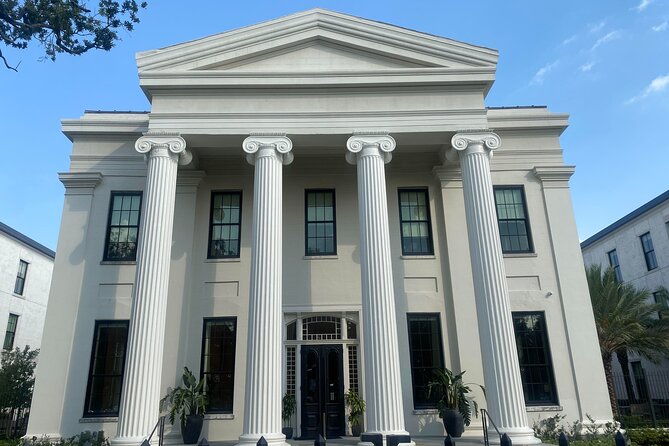
- Architecture spotting made simple: the guide explains why the neighborhood looks the way it does
- Odd-but-fascinating local details: like a Memorial trough and a house described as bananas built
- River-linked stories: brickyards, dairies, butchers near a Mississippi River bend, plus riverboat captain homes
More of New Orleans on foot
- New Orleans Premier Ghost, Voodoo and Vampire Walking Tour★ 4.5 · 12,856 reviews
- New Orleans Food Walking Tour of the French Quarter with Small-Group Option★ 5.0 · 6,118 reviews
- St. Louis Cemetery No. 1 Official Walking Tour★ 4.5 · 3,941 reviews
- New Orleans French Quarter, Voodoo and Culture Walking Tour★ 4.5 · 2,961 reviews
Value at $37: Why This Walk Feels Fair
At $37 per person for about two hours, you’re not paying for a museum admission or a bus ride. You’re paying for a licensed guide and a concentrated slice of Carrollton that would be hard to piece together on your own.
Here’s why that matters: New Orleans neighborhoods can look like one long blur when you’re only scanning for big sights. This tour slows you down just enough to notice how different buildings, businesses, and migrations shaped the streets. It’s also built around free on-site viewing—so your “entry fee” is basically the story time and local context.
Timing helps too. The tour is commonly booked about 47 days in advance, so if you’re visiting during a busy period, it’s smart to lock in early rather than waiting for the last minute.
Starting at la Madeleine on S Carrollton Ave (and What to Expect)
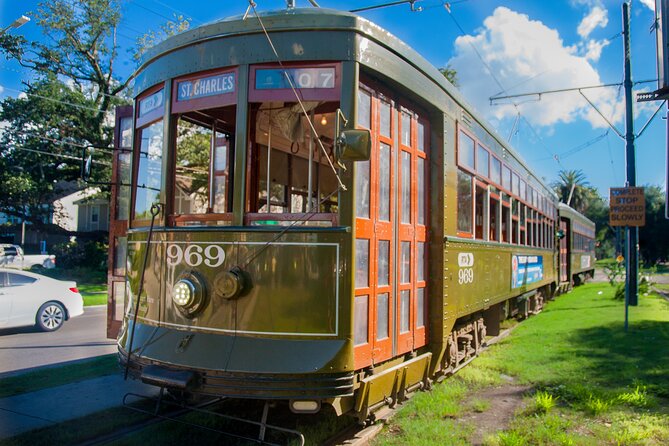
Your walk begins at la Madeleine, 601 S Carrollton Ave. This is a practical starting point for two reasons. First, you’re in the Carrollton/Uptown orbit where the neighborhood still feels like a lived-in place. Second, you’ll be close to shopping and dining, and you can take advantage of nearby transit—there’s even a streetcar running by.
Expect a straightforward “meet, walk, listen” format. The tour is designed as about two hours total, and the structure works because it splits the story into two clear blocks: a first half that sets the area’s early grounding, and a second half that expands into neighborhood layers.
Group size is capped at 14, which usually means you can actually follow along without fighting for audio. If you like asking questions, this smaller format tends to make those moments easier.
Stop 1: Fischer Park and the Memorial Trough Moment
The first stop is anchored by the la Madeleine area, and the guide takes you over to tiny Fischer Park and a Memorial trough nearby. This is the kind of stop that makes walking tours worthwhile: you don’t just see a park sign or a pretty corner. You learn what the place is and why it’s there.
What I like about this approach is that it gives you a local “starting point” before the tour gets bigger. Fischer Park offers a reset for your senses—green space, small scale, and the feeling that you’re stepping into the neighborhood’s older bones. Then the Memorial trough adds a layer of meaning that you’d easily miss if you were just passing through.
This first segment runs about an hour (with admission marked as free), so it’s long enough to feel like you’re settling in, not rushing past. If you’re the type who enjoys short, specific details, this stop is exactly that.
Stop 2: Uptown/Carrollton Layers—Railways, Lumber, and Street-Level Power
The second stop takes you deeper into Uptown/Carrollton, where the story gets bigger and more interconnected. The guide doesn’t treat Carrollton like a single “old neighborhood.” Instead, you get the sense that it grew from industry, transit, and changing communities.
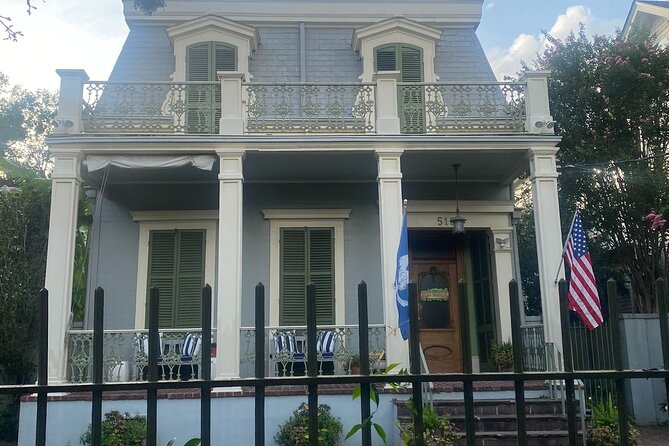
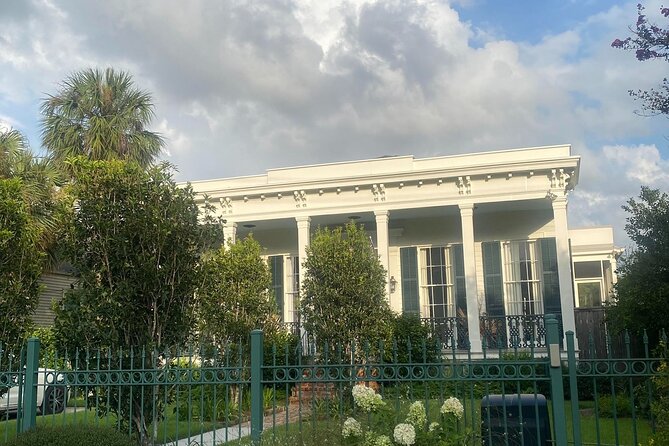
You’ll hear about how Carrollton connects to railways and a lumberyard—not as abstract facts, but as forces that shaped where people could work and how the area developed. Then the tour shifts into what makes this walk visually rewarding: you’ll be shown why this area has some of the most architecturally diverse scenery in New Orleans.
This part runs about another hour, and it’s where the tour earns its reputation for storytelling. The guide links the built environment to the human one—who lived here, what jobs sustained people, and how the neighborhood ties into the broader city story.
More of the city's three centuries



Civil War and the Black Pearl Connection on the Streets
One of the most important themes on this walk is the relationship between the Civil War and the Black Pearl neighborhood. You don’t just hear dates; you hear how those historical forces ripple into the local geography.
For me, this is where a good walking guide matters. Without a guide, you can end up looking at houses as decor. With a guide, the same houses become clues—what the neighborhood represents, how communities formed, and why certain areas carried particular stories over time.
If you care about New Orleans history but want it grounded—connected to real places you can point to—this section is a strong match. It turns “history” into something you can track block by block.
Spotting the Architecture: How the Guide Makes It Practical
Carrollton can feel like an architectural scavenger hunt. The tour is built to help you see patterns instead of just admiring individual buildings.
Here’s what you can expect:
- The guide explains different house styles and why they show up here
- You’ll get context that makes architectural variety feel logical, not random
- You’ll connect what you’re seeing to neighborhood growth and community changes
Reviews point out that the guide doesn’t just list facts. You’re guided to compare, notice, and think about how people lived in these structures. That’s a big difference between a tour that’s “about” architecture and a tour that teaches you how to look.
A fun detail worth anticipating: you’ll also hear about street-level elements tied to daily life—so the architecture becomes part of a whole system, not a series of isolated wow moments.
The Bananas Built House and Other Local Lore
Every great neighborhood tour has at least one story that makes you stop walking and actually look at the building. On this tour, that moment is described as a house that bananas built.
It’s the kind of line that sounds too quirky to be meaningful—until it’s explained. This is local lore used the right way: not just as a joke, but as a hook into how names, work, and community relationships shaped the built environment.
I like tours that use humor this way, because it helps you remember the point. When the guide connects the joke to the “why,” it stops being a punchline and turns into a memory anchor.
Brickyards, Dairies, and Butchers Near the Mississippi Bend
This portion brings the tour back to the practical side of life: industry and everyday work. You’ll learn about the history of brickyards, dairies, and butchers near a bend in the Mississippi River.
This is valuable because it fills in the “how did people live?” question. New Orleans history often gets framed around major events and famous names, but a neighborhood like Carrollton also depends on the less glamorous systems: food production, building materials, and the supply chains that kept communities going.
As you walk, you’ll see how the river’s presence wasn’t just scenery. It influenced jobs, movement, and where the neighborhood’s economic engine could thrive.
World’s Fair Vestiges and Riverboat Captain Homes
The last stretch of the walk ties Carrollton into larger city narratives through the World’s Fair. You’ll also hear about homes of heroic Riverboat Captains.
These aren’t just “look at this cool thing” stops. The stories help you understand why a neighborhood that sits outside the main tourist flow still has connections to big moments in New Orleans’ self-image. You’re learning how the city’s pride and ambition showed up in architecture and in who lived in certain houses.
If you’re the kind of visitor who likes seeing how global events trickle down into local streets, this is one of the best parts.
Who This Tour Fits Best (and Who Might Skip It)
This is a great pick if you:
- Want New Orleans history that doesn’t center on the French Quarter
- Like architecture and want help recognizing styles and meanings
- Enjoy guides who connect past and present with humor and factual detail
- Prefer a small-group walk where you can actually follow the story
It might not be ideal if you:
- Want a tour packed with big, ticketed attractions
- Don’t like walking for about two hours, especially if you’re sensitive to uneven sidewalks
- Prefer indoor stops with quick, self-guided pacing
Also note: the tour requires good weather. If rain or heat is a concern during your dates, plan a flexible morning.
The Local-Guide Factor: Why Emily’s Style Works
The best praise in the reviews centers on the guide’s storytelling. One name comes up repeatedly: Emily. She’s described as fun, deeply connected to the neighborhood, and strong at mixing humor with clear facts.
What that means for you on the ground is simple: you won’t just hear dates. You’ll hear why a house looks the way it does, what a detail in a park means, and how the neighborhood’s layers connect to the city’s larger story.
Even if you don’t get the same guide, the format is built for that kind of storytelling. Small group size helps keep it personal, and the itinerary is structured so each stop adds a new piece to the puzzle.
FAQ
FAQ
Where does the Historic Carrollton Neighborhood Walking Tour start?
It starts at la Madeleine, 601 S Carrollton Ave, New Orleans, LA 70118.
Where does the tour end?
The tour ends at 818 S Carrollton Ave, New Orleans, LA 70118.
How long is the walking tour?
The tour is about 2 hours (approximately).
How much does it cost?
It costs $37.00 per person.
Is the tour offered in English?
Yes, it’s offered in English.
How many people are in the group?
The maximum group size is 14 travelers.
Are there admission fees at the stops?
The stops are listed with admission ticket free, so you should not need to buy separate tickets for the viewing points included.
What happens if the weather is bad?
This experience requires good weather. If it’s canceled due to poor weather, you’ll be offered a different date or a full refund.
Are service animals allowed?
Yes, service animals are allowed.
Should You Book This Carrollton Walk?
If you want New Orleans history that feels specific—tied to streets, buildings, and real working life—this is an easy yes. The $37 price feels fair because you’re getting a licensed guide for roughly two hours, and the stops are built around meaningful details you’d likely miss solo.
I’d book it if your travel style includes architecture spotting and you’re curious about the parts of the city that aren’t the main attraction on most itineraries. Skip it only if you prefer big indoor sights or you’re uncomfortable with a good chunk of walking in outdoor conditions.
More New Orleans Walks




More Tours in New Orleans


More Tour Reviews in New Orleans

Just added to The New Orleans Traveler


Historical Tours, compared.
 ★ 5.0Garden District History Walking TourFrom $352,879 reviews
 ★ 5.0French Quarter Historical Sights and Stories Walking TourFrom $352,724 reviews
 ★ 4.5Small-Group Haunted History Carriage TourFrom $652,289 reviews
 ★ 4.5Haunted History Ghost TourFrom $302,084 reviews
 ★ 4.5Paddlewheeler Creole Queen Historic Mississippi River CruiseFrom $471,948 reviews
 ★ 5.0Food and History Walking TourFrom $851,544 reviews
 ★ 4.3Creole Queen History Cruise with Optional LunchFrom $471,112 reviews
 ★ 5.0Cocktail and Food History TourFrom $160819 reviews
Browse the lists this tour appears in