Reviewed · GHOST & VOODOO TOURS
True Voodoo History of NOLA’s Congo Square with Local Guide
Voodoo in New Orleans has real roots. On this 90-minute walk, I love the way Congo Square ties enslaved African culture to modern practice, and I love the fact-versus-fiction storytelling that separates Hollywood myths from ritual reality. One consideration: you also get the heavier context of Code Noir slavery and its lasting impact.
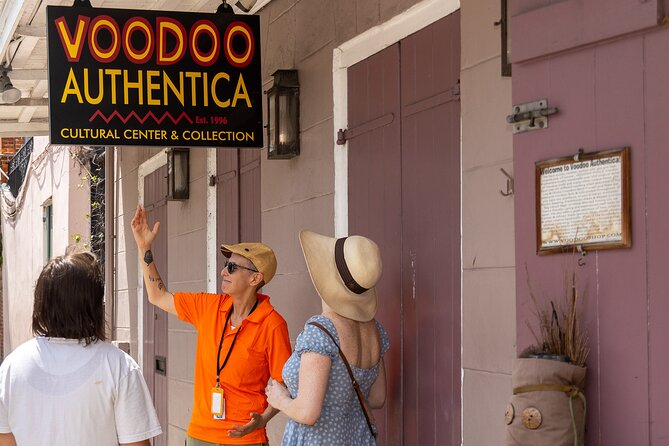
The tour ends at Voodoo Authentica, where you step into a working temple and ask questions in plain language. If you want a souvenir with meaning, you can pick up gris-gris after learning what each item is supposed to represent.
In This Review
- Key highlights
- Why This French Quarter Voodoo Tour Feels Different Than Movies
- Meeting at Armstrong Park: Get Your Bearings Before the Stories Start
- French Quarter and Tremé/Lafitte: The Neighborhood Clues That Make Everything Click
- Marie Laveau’s Home Spot: Legend With Rules You Should Know
- Congo Square: Where Enslaved People Gathered and Culture Took Root
- New Orleans Historic Voodoo Museum: Reality Check and Modern Framing
- Code Noir, Slavery, and Haitian Rebellions: The Hard History You Need
- The Doll, the Pin, and Vevers: How Ritual Objects Get Misread
- Temple Time at Voodoo Authentica: Gris-Gris Shopping With Context
- Price and Time: Is $39 Worth It for 90 Minutes?
- Who This Tour Suits Best (and Who Might Prefer Something Else)
- Should You Book This Voodoo Tour of Congo Square History?
- FAQ
- Where does the tour start?
- How long is the tour?
- What does the tour cost?
- What is included in the price?
- Is St. Louis #1 Cemetery included?
- Will I be able to buy gris-gris?
- What voodoo-related topics does the guide cover?
- Is the tour offered in English?
- Is gratuity included?
Key highlights
- Congo Square in context: you see where enslaved Africans gathered and how that shaped later New Orleans spiritual traditions
- Marie Laveau’s story with boundaries: you learn her legend while respecting rules around her tomb
- Code Noir and Haitian influence: the tour connects slavery law and Caribbean rebellion to what people practiced here
- Hands-on artifacts: you’ll get the meaning behind items like dolls, vevers, and gris-gris bags
- Modern temple visit: the experience doesn’t stop at legends; it shows today’s practice at Voodoo Authentica
Still up for a haunt? More voodoo and ghost walks
- New Orleans Premier Ghost, Voodoo and Vampire Walking Tour★ 4.5 · 12,856 reviews
- Adults-Only New Orleans Ghost, Crime, Voodoo, and Vampire Tour★ 5.0 · 6,545 reviews
- New Orleans Adults-Only Ghost, Voodoo and Vampire Tour★ 5.0 · 3,291 reviews
- New Orleans French Quarter, Voodoo and Culture Walking Tour★ 4.5 · 2,961 reviews
Why This French Quarter Voodoo Tour Feels Different Than Movies
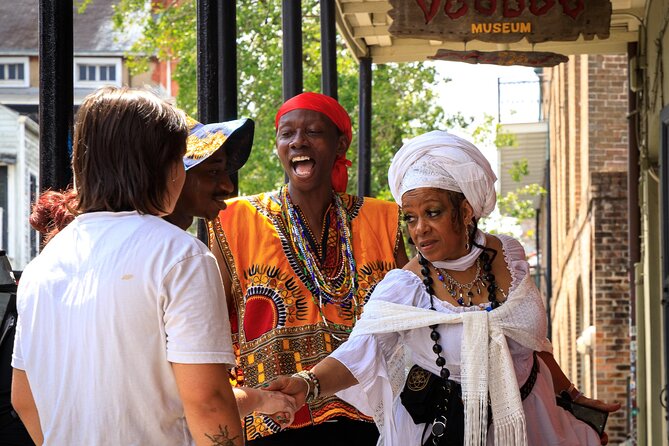
This tour takes voodoo out of the scare-movie lane and puts it into the real streets, real people, and real history of New Orleans. You’ll hear the stories behind rituals and symbols, but the tone stays grounded: what is myth, what is tradition, and what is just Hollywood exaggeration.
I especially like how the guide quality matters here. You may hear names like Logan, Matthew, or Evian connected to past groups, and they’re praised for being engaging storytellers with a strong ability to explain the difference between fiction and facts. One guide explanation you might get: Catholicism and voodoo have overlap in how they show up as religious practice and worldview, even if they are not the same system.
If you’re hoping for a spooky show, this is not that. It’s more like cultural history with a spiritual backbone, plus a chance to see a temple in action.
Meeting at Armstrong Park: Get Your Bearings Before the Stories Start
You meet at the Archway to Louis Armstrong Park on Rampart Street. That location is a good warm-up because it helps you line up the neighborhoods you’ll be talking about—French Quarter edges, and then toward Tremé/Lafitte and the deeper cultural roots.
The timing is tight in the best way. At 90 minutes total, the tour uses walking time for meaning: photo stops aren’t random. They’re there to anchor specific stories you’ll carry through the next streets.
You’ll want comfortable shoes. The tour is walk-based, and you’re trading rushing for context, so you’ll be glad you didn’t choose sandals.
French Quarter and Tremé/Lafitte: The Neighborhood Clues That Make Everything Click
Your early stops include the French Quarter and then Tremé/Lafitte. This matters because voodoo in New Orleans isn’t one single place—it’s a set of practices shaped by geography, community, and history.
At these stops, you should expect more than a photo. You’ll get guided interpretation: why certain blocks and sites are tied to the city’s cultural mixing, and how traditions moved and changed over time. It’s the kind of explanation that helps you look at the area with better context later, long after the guide moves on.
If you like walking tours where the guide actually teaches, this is a strong fit. If you prefer tours that focus mostly on architecture and viewpoints, you might still enjoy it, but you’ll want to be ready for social and spiritual history.
Marie Laveau’s Home Spot: Legend With Rules You Should Know
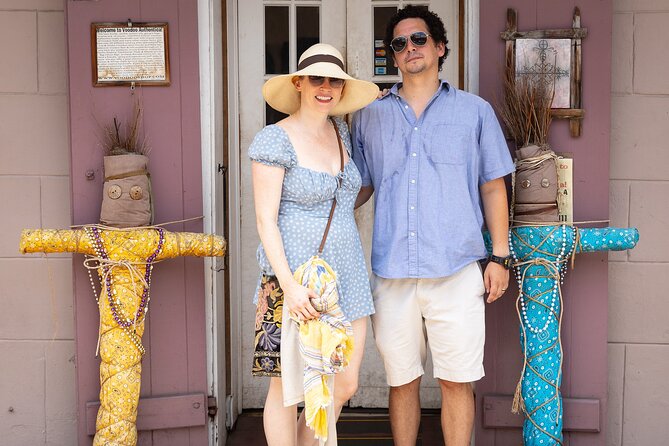
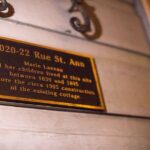
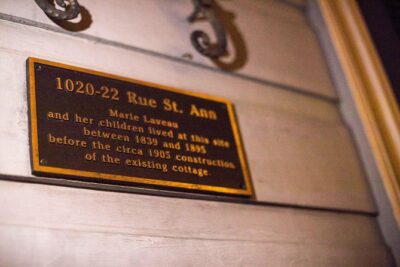
One of the photo stops focuses on the original spot of Marie Laveau’s home. This is where New Orleans legend turns into a discussion about how spiritual authority and community memory get preserved.
Two important considerations come up. First, there are specific sensitivities around places connected to her. Second, your tour does not visit St. Louis #1 Cemetery due to new security regulations related to pilgrimages.
Also, offerings to Marie Laveau’s tomb are discouraged. That’s worth internalizing before you arrive emotionally, especially if you’ve read sensational accounts online. The tour keeps the focus on history and respectful understanding, not on spectacle.
More guided New Orleans outings





Congo Square: Where Enslaved People Gathered and Culture Took Root
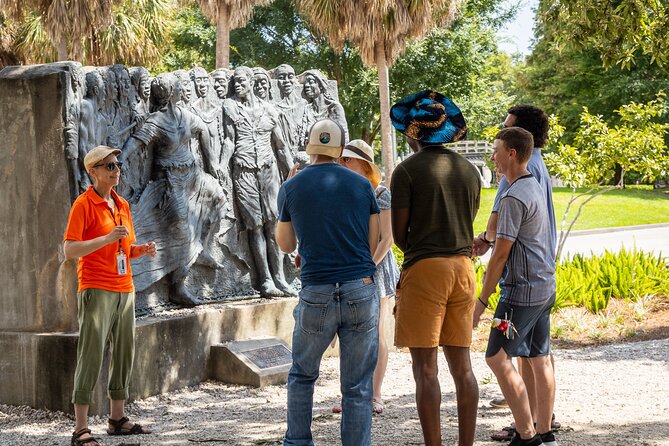
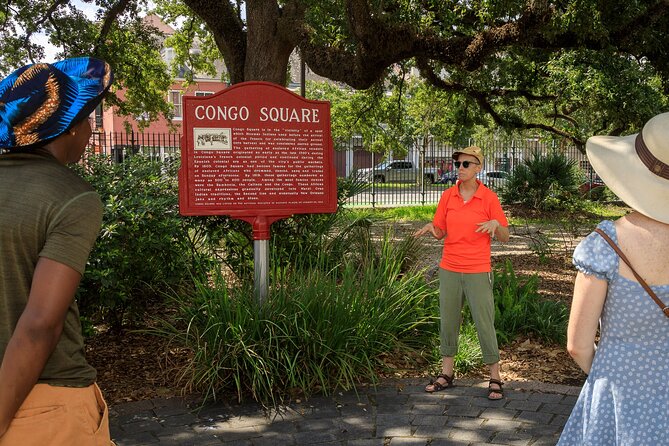
Congo Square is the heart of the experience, and the guide walks you through the area rather than treating it like a quick stop. This is where the story becomes less about individuals and more about community.
You’ll learn about enslaved Africans gathering there to practice cultural rituals and music. That’s a big part of why later New Orleans voodoo traditions took shape the way they did. In other words, the tour connects spiritual practice to social survival—how people kept identity alive despite brutal oppression.
It’s also a place you’ll probably feel differently after hearing the slavery-linked context. You may still enjoy the neighborhood atmosphere, but you’ll notice the meaning behind it.
New Orleans Historic Voodoo Museum: Reality Check and Modern Framing
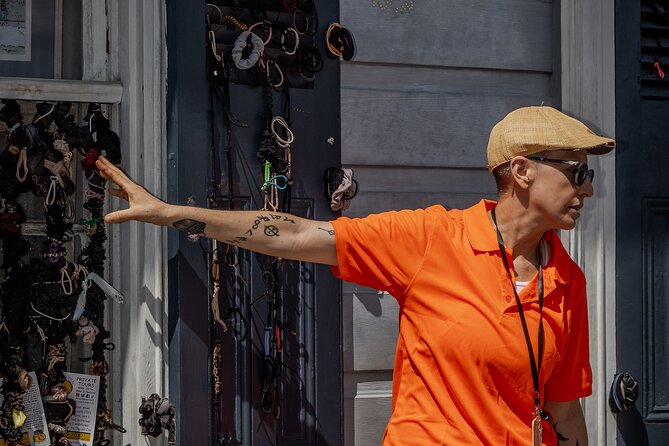
After the Congo Square focus, you’ll make a photo stop at the New Orleans Historic Voodoo Museum. This helps bridge two versions of the topic that can clash in your head: the legend version and the documented-historical version.
Even with only a photo stop, the purpose is clear: you’re not meant to leave with just campfire stories. You’re meant to carry an informed view into the next step—especially once you see a working temple later.
If you like museums, you’ll probably wish you had more time inside. But even a brief stop can anchor your understanding so the temple visit doesn’t feel random.
Code Noir, Slavery, and Haitian Rebellions: The Hard History You Need
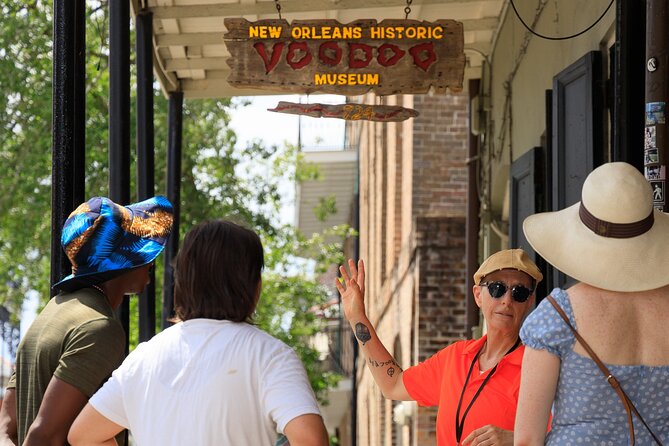
The tour doesn’t dodge the dark side of New Orleans. You’ll uncover the impact of slavery under Code Noir and how the law shaped daily life and spiritual practice. This is heavy material, and it’s also essential, because ignoring it turns voodoo into a Halloween costume.
You’ll also learn about Haitian rebellions and how they influenced the spread of voodoo practices into New Orleans. That connection helps you understand voodoo as a living tradition shaped by migration, resistance, and community networks—not just a local superstition.
This is the point where I’d caution you: if you want a carefree tour with zero emotional weight, this may not be your day. But if you want the real story, this section is exactly why the tour is worth doing.
The Doll, the Pin, and Vevers: How Ritual Objects Get Misread
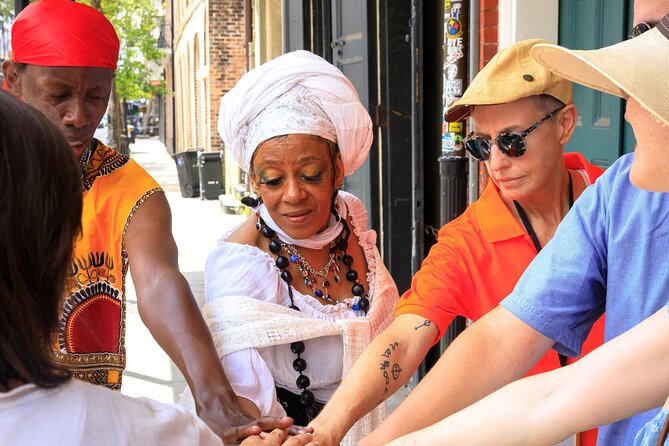
One reason people rave about this tour is that the guide separates Hollywood from reality. You might hear the real story behind the doll and pin—specifically how it was used in the past and how that differs from what films popularized.
You’ll also learn about artifacts like vevers and gris-gris bags. The tour frames them as symbolic tools inside a belief system. The goal is understanding the meaning, not collecting shock value.
This is also where the tour’s tone becomes practical. Instead of “look how scary,” you get “here’s what it meant” and “here’s what it signals in the broader tradition.” That approach makes the whole experience feel more respectful and more understandable.
Temple Time at Voodoo Authentica: Gris-Gris Shopping With Context
The final stop is Voodoo Authentica Inc. This is where the experience moves from explanation to participation. You’ll stop inside a Voodoo temple, and you’ll have a chance to pick up New Orleans gris-gris to take home.
This is the part where you should slow down. Ask questions. Listen to the guide’s explanation of what different items represent. The point is to understand the symbolism you’re bringing into your life, not just the object.
You also get to see modern practice, which matters. Voodoo isn’t trapped in old photos or spooky street myths. The tour shows contemporary temples and the way rituals continue in present-day New Orleans.
If you’re the type of traveler who likes meaningful souvenirs, this stop will land well. If you’re not into buying items, it still works because the value is in the cultural context and the respectful temple visit.
Price and Time: Is $39 Worth It for 90 Minutes?
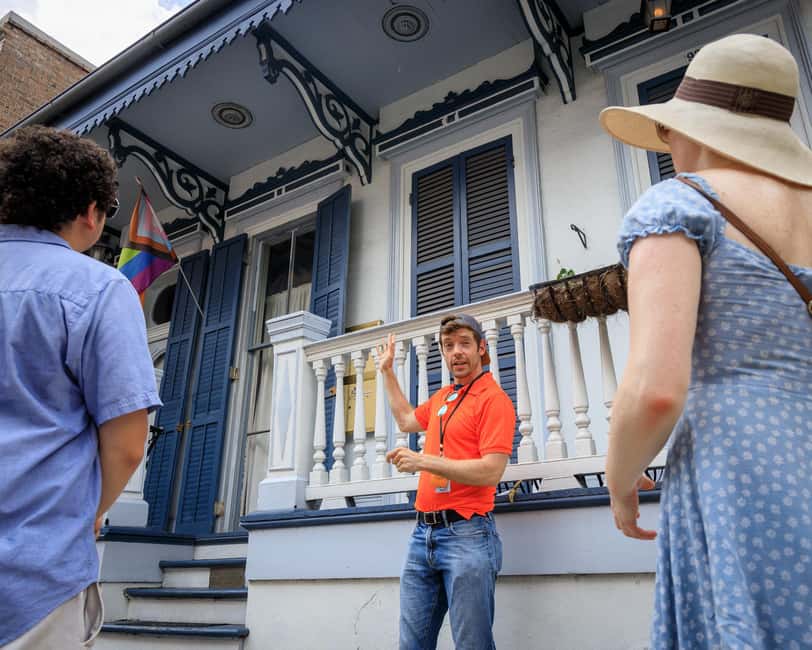
At $39 per person for 90 minutes, you’re paying for three things that add up fast: a licensed guide, multiple stops tied to specific stories, and a temple visit with a chance to buy gris-gris.
This isn’t a cheap “walk and wander” tour. The value is in the guided interpretation—especially for topics like Code Noir slavery law and how Haitian rebellions influenced what arrived in New Orleans. Those are the kinds of details that you won’t get from a phone map or a quick Google read.
You should also factor in what’s not included. Gratuity isn’t included, so plan to tip if you feel the guide delivered well. (With this style of tour, tips are often part of respecting the work.)
If you’re short on time in the city, 90 minutes is a manageable commitment. If you’re hungry for a longer sit-down education, you may still want extra reading after, but this tour gives a strong, organized foundation.
Who This Tour Suits Best (and Who Might Prefer Something Else)
This experience fits you best if you want New Orleans beyond postcard clichés. You’ll enjoy it if you like history that includes religion, community traditions, and the hard parts—slavery law and its effects.
It also works well for travelers who want a guide who can handle tricky topics without turning them into theater. Guides connected with past groups like Matthew and Evian are praised for separating fiction and facts, and for turning complicated ideas into understandable stories.
You might consider skipping if:
- you want a purely light, feel-good tour
- you dislike walking in the French Quarter heat for a short but steady stretch
- you want voodoo presented with zero discussion of slavery and repression
Should You Book This Voodoo Tour of Congo Square History?
If you’re curious about voodoo in New Orleans, this is one of the better ways to get your bearings. You start with real locations tied to African cultural gathering, learn how slavery law and Haitian rebellion shaped what followed, and end at a working temple where you can see modern practice.
Book it if you want a respectful, story-driven approach and you’re okay with heavy history. Pass on it if you want only spooky vibes or you’re uncomfortable with the slavery-focused context.
In my view, the strongest reason to book is simple: this tour treats voodoo as a system of belief and community tradition with roots, not as a movie prop.
FAQ
Where does the tour start?
The tour begins at the Archway to Armstrong Park on Rampart Street.
How long is the tour?
It runs for 90 minutes.
What does the tour cost?
The price is $39 per person.
What is included in the price?
You get a professional, licensed guide, 6+ stops discussing voodoo history and culture, and a walk through Congo Square.
Is St. Louis #1 Cemetery included?
No. The tour does not visit St. Louis #1 Cemetery due to new security regulations by the Archdiocese of New Orleans.
Will I be able to buy gris-gris?
Yes. The tour ends with a stop inside a Voodoo temple and you’ll have a chance to pick up New Orleans gris-gris to take home.
What voodoo-related topics does the guide cover?
You’ll cover Congo Square, slavery under Code Noir, Haitian rebellions, Marie Laveau, voodoo dolls and related objects, Saint John’s Eve and other voodoo holidays, and modern temples including Voodoo Authentica.
Is the tour offered in English?
Yes, the live guide offers the tour in English.
Is gratuity included?
No. Gratuity is not included.
More Guided New Orleans

More Tour Reviews in New Orleans


More Ghosts, Voodoo & Vampires


Just added to The New Orleans Traveler

Ghost & Voodoo Tours, compared.
 ★ 4.5Premier Ghost, Voodoo and Vampire Walking TourFrom $2712,856 reviews
 ★ 5.0Adults-Only New Orleans Ghost, Crime, Voodoo, and Vampire TourFrom $376,545 reviews
 ★ 5.0Adults-Only Ghost, Voodoo and Vampire TourFrom $293,291 reviews
 ★ 4.5French Quarter, Voodoo and Culture Walking TourFrom $272,961 reviews
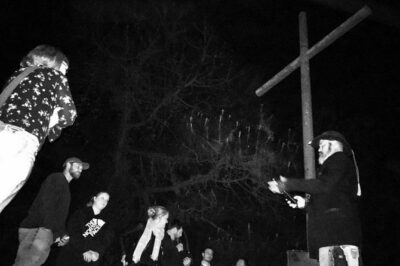 ★ 4.5Cemetery and Ghost BYOB Bus Tour in New OrleansFrom $302,685 reviews
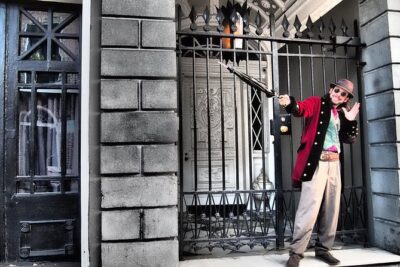 ★ 4.5Ghost and Vampire Walking Tour Of The French QuarterFrom $212,406 reviews
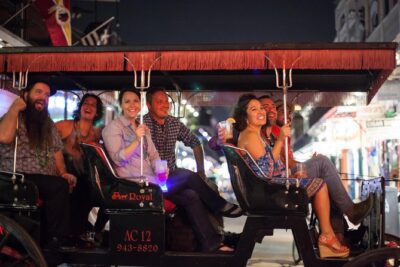 ★ 4.5Small-Group Haunted History Carriage TourFrom $652,289 reviews
 ★ 4.5Adults Only Haunted Pub Crawl in New OrleansFrom $292,158 reviews
Browse the lists this tour appears in