Reviewed · GHOST & VOODOO TOURS
New Orleans: Voodoo History Guided Walking Tour
Voodoo in New Orleans finally gets the facts. I love how this tour keeps its feet on the ground while talking about Marie Laveau and the sacred grounds of Congo Square. I also like that it corrects the usual demonic myths with clear history and names, not scare tactics. One drawback: if you’re chasing a spooky ghost vibe, this is not that kind of show.
At $37 per person for a 2-hour walk, you’re paying for expert storytelling plus direct access to the stories behind the sites—so you leave with context you can actually use while exploring on your own. It’s also run by a licensed, insured, and bonded operator, so you’re not just walking with a random character from the Quarter.
You meet on Basin Street near the Basin Street Station Visitors’ Center area, on the St. Louis side, close to a tomb that’s allegedly connected to Marie Laveau. From there, the tour moves street by street, story by story, with a guide who’s there to explain how New Orleans voodoo formed and why so much gets distorted.
In This Review
- Key highlights worth your attention
- Starting on Basin Street Station, St. Louis side, near Marie Laveau’s tomb
- Before you even reach Congo Square: Haitian Voodoo, New Orleans Voodoo, Santeria, and Hoodoo
- Congo Square: sacred grounds and the place ceremonies made sense
- Marie Laveau’s former home: the daily life vs the spiritual work
- Dauphine Street facts and folklore: voodoo dolls, zombies, and medicine
- Sanite Dede and the spread of voodoo in the city (including bans)
- Price, pacing, and what a 2-hour walking tour really means
- Where the reviews’ praise actually matters for your expectations
- Should you book the New Orleans Voodoo History Guided Walking Tour?
- FAQ
- How long is the New Orleans Voodoo History Guided Walking Tour?
- What does the tour cost?
- Where is the meeting point?
- Is the tour guided by a live person?
- Is the tour in English?
- What locations does the tour include?
- Is the tour wheelchair accessible?
- What should I bring?
- What kinds of topics will I learn about?
Key highlights worth your attention
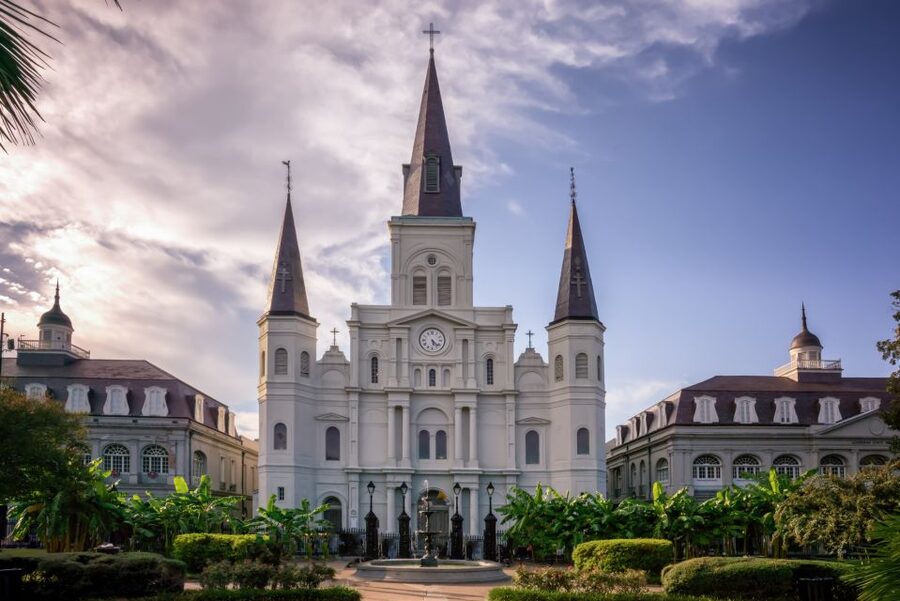
- Congo Square as a real ritual site: You’re guided through why this place mattered for ceremonies and community life.
- Marie Laveau’s former home in the story: You’ll connect her daily life with the spiritual work people associate with her.
- Big myths get challenged: Voodoo dolls, zombies, and other pop-culture ideas are treated as history, not horror.
- Clear religion comparisons before you walk: Haitian Voodoo, New Orleans Voodoo, Santeria, and Hoodoo are explained early.
- Sanite Dede gets center stage: You learn how she helped shape what became popular in the city.
- The mix of spiritual and social history: Ancestor worship shows up alongside race, medicine, and the early abolition movement.
Still up for a haunt? More voodoo and ghost walks
- New Orleans Premier Ghost, Voodoo and Vampire Walking Tour★ 4.5 · 12,856 reviews
- Adults-Only New Orleans Ghost, Crime, Voodoo, and Vampire Tour★ 5.0 · 6,545 reviews
- New Orleans Adults-Only Ghost, Voodoo and Vampire Tour★ 5.0 · 3,291 reviews
- New Orleans French Quarter, Voodoo and Culture Walking Tour★ 4.5 · 2,961 reviews
Starting on Basin Street Station, St. Louis side, near Marie Laveau’s tomb
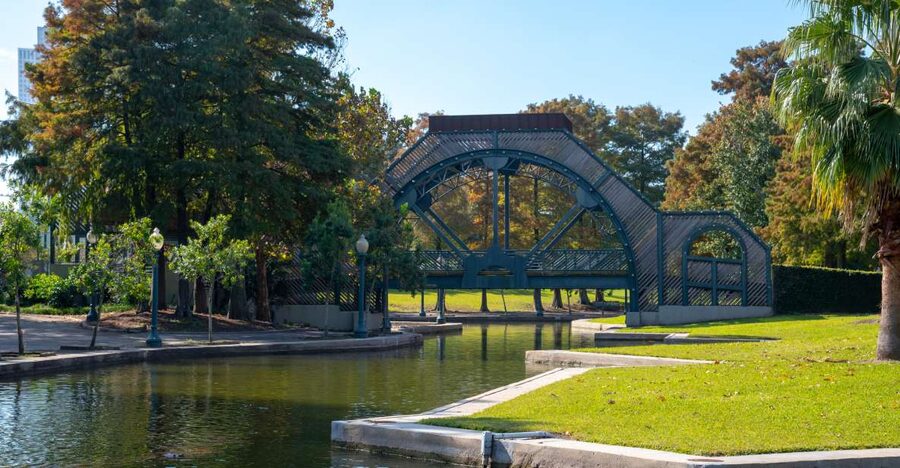
Most New Orleans tours start with a meet-up sign and a quick hello. This one starts with location. You’ll meet on the St. Louis side of the Basin Street Station Visitors’ Center, and you do not meet inside the building. That detail matters, because the Basin Street Station area can confuse first-timers fast.
Why I like this meeting setup: you’re already in the right mood. You’re steps away from the famous tomb people associate with Marie Laveau—again, it’s described as an alleged connection. Even if you’re not a hardcore history person, that proximity helps you understand why Laveau is such a magnet for stories in the Quarter.
From the first moments, the tone is “learn the truth and the reasons,” not “scare the group.” One review specifically called out that the tour isn’t a spooky ghost tour, and that lines up with how the guide frames what you’re about to hear.
Before you even reach Congo Square: Haitian Voodoo, New Orleans Voodoo, Santeria, and Hoodoo
The best part of this tour is that it doesn’t dump legends on you and call it education. It begins with a short lesson on the differences between Haitian Voodoo, New Orleans Voodoo, Santeria, and Hoodoo.
That matters because people often use voodoo as one giant catch-all word, even though the religious traditions are not interchangeable. Haiti, the Caribbean, Cuba, and the U.S. don’t share the exact same roots, practices, and history. In New Orleans, the story is shaped by a specific mix of cultures arriving through slavery and trade.
This early framing also explains why you’ll hear about “mystery” and drums and powerful spiritual figures—while still being clear-eyed about how outsiders (including Christians and colonizers) intentionally painted the religion as demonic. The tour’s goal is to separate lived practice from the propaganda that got repeated for generations.
If you’re the type who wants to understand the “why” behind the stereotypes, you’ll appreciate this setup. It gives you a mental map before the walking starts.
Congo Square: sacred grounds and the place ceremonies made sense
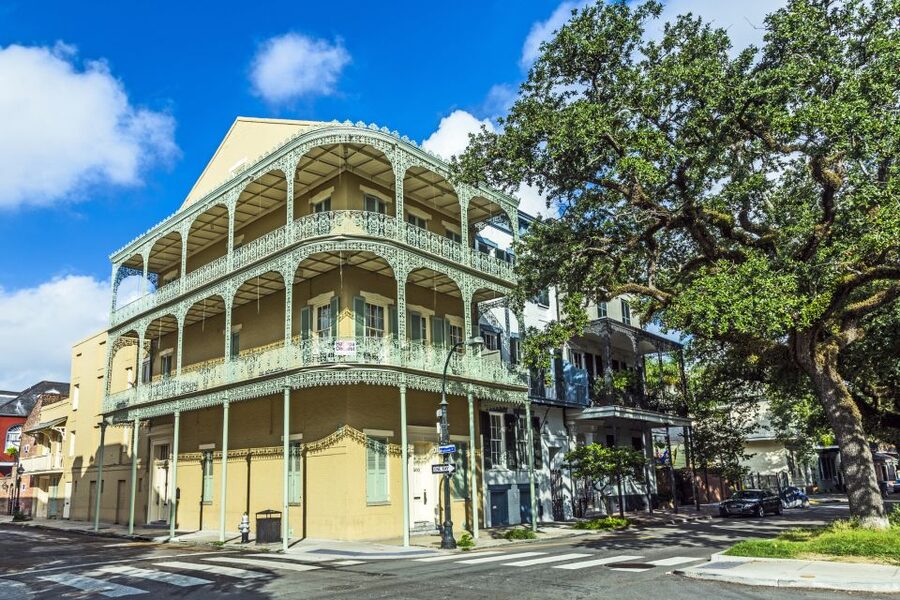
Next up is Congo Square, the site tied to Marie Laveau’s ceremonies and rituals. This is not treated like a spooky set piece. You’re guided through what made the square meaningful and how it fit into community life.
Congo Square is central to understanding why voodoo in New Orleans became so visible in stories. The guide connects the square to Laveau’s “countless ceremonies and rituals,” which helps you see the place as more than a postcard stop. It’s part of a network of sacred and communal spaces.
A practical note: this is a walking tour, and Congo Square is outdoors. Wear comfortable shoes. You’ll want your camera ready too, but don’t let the camera slow you down—your understanding comes from the guide’s words, not just the photos.
And yes, you’ll still hear dramatic elements. But the emphasis stays on why these practices mattered to people who were targeted, controlled, and forced to build spiritual survival in a hostile world.
Marie Laveau’s former home: the daily life vs the spiritual work
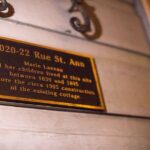
After Congo Square, you’ll make your way to Laveau’s old home. This stop is one of the most gripping because it ties the legend to a physical address in the city’s fabric.
The tour frames a contrast: Laveau raised her children there by day, and at night she’s associated with spiritual workings, including the colorful detail of a large snake around her neck by night. Whether you read that as literal, symbolic, or both, the point is clear: her story became a blend of everyday presence and spiritual authority.
This stop also helps you understand why Marie Laveau’s name keeps coming back in pop culture. A home you can point to turns “vague lore” into “something that happened here.”
For me, the value is in the respect. The tour doesn’t treat her like a cartoon. It treats her like a person whose spiritual work was real to her community, and whose story got distorted by people trying to discredit it.
More of New Orleans on foot
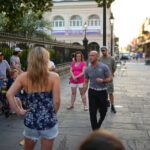
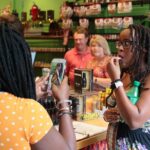
Dauphine Street facts and folklore: voodoo dolls, zombies, and medicine
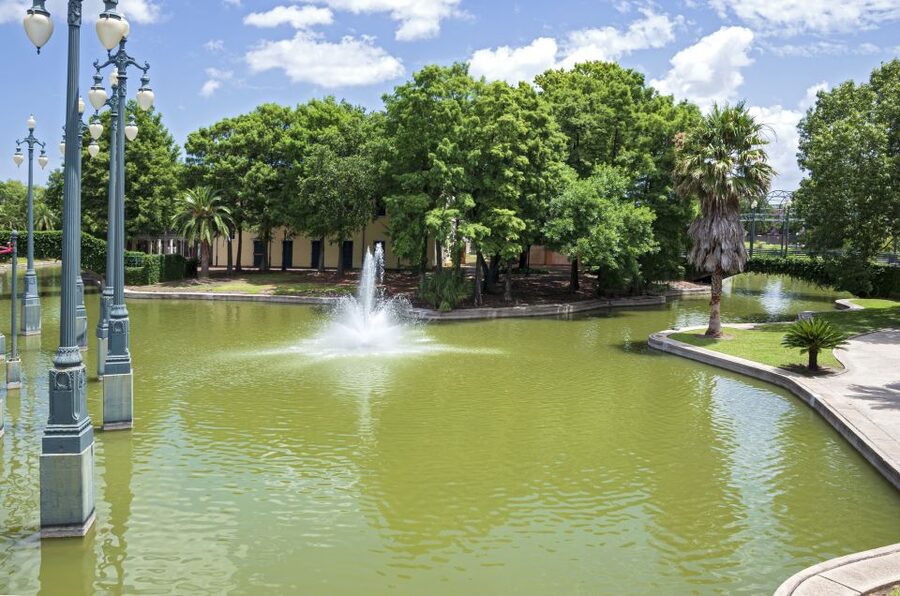
Then comes Dauphine Street, where the guide layers together multiple strands: zombie lore, pandemic history, old-time propaganda, and the truth about voodoo dolls.
This is where the tour earns its spot for people tired of clickbait explanations. The guide promises you the “truth” about voodoo dolls and medicine traditions. Traditional Afro-Caribbean medicine is brought into the conversation, and the key idea is that it was often more effective than Western medicine, especially in a context where Black communities had less access to competent care.
You’ll also hear how propaganda worked. Outsiders didn’t just misunderstand the religion. They actively sold a story that made it easier to control and stigmatize people. That’s why “demonic” got attached to voodoo in so many accounts.
If you’re worried this will get too creepy: one review said it was researched historical info and not a spooky ghost tour. So expect storytelling, but with a historical lens, and expect the guide to explain what’s known, what’s exaggerated, and why the exaggerations stuck.
This stop can also feel intense because the tour covers shocking crimes and the social realities surrounding the religion’s reputation. Go in with open eyes. It’s history, not a fun haunted-house script.
Sanite Dede and the spread of voodoo in the city (including bans)
The tour doesn’t make Marie Laveau the only name on the page. You’ll also learn about Sanite Dede, described as the woman who paved the way for Marie Laveau and helped make voodoo so popular it had to be banned from the French Quarter entirely.
That detail is one of the clearest proof-points that the religion wasn’t just a rumor. Authorities took it seriously enough to try to restrict it. When something gets banned, it means it was visible, practiced, and influential.
The guide ties Sanite Dede into the larger arc of voodoo becoming a New Orleans phenomenon. You’ll hear about ancestor worship and spiritual summoning, plus documented miracles and radical healings. You’ll also hear about secret love affairs and stories of spirit work—again, framed as part of the historical record and the way these narratives were built.
And the tour doesn’t stop at spiritual practice. It brings in social and political history, including racial crimes and the very beginning of the abolition movement. If you want to understand voodoo in New Orleans as part of a broader struggle for humanity, this stop is a strong anchor.
Price, pacing, and what a 2-hour walking tour really means
At $37 per person for 2 hours, this is priced like a mid-range guided tour in New Orleans. The value comes from two things: you get guided interpretation of multiple key sites, and you get myth correction packaged into a walk you can’t easily DIY without the context.
A walking tour also means you’re moving at a pace that’s designed for learning. The whole point is that the guide can connect sites while you’re still oriented in the area. If you only did museum time, you might miss the street-level storytelling that makes this history stick.
Still, it’s a short tour. In two hours you won’t get every footnote. Instead, you’ll get the framework: differences among traditions, the role of Congo Square, the Marie Laveau sites, the Dauphine Street myths, and the Sanite Dede link to the city’s spread and backlash.
What to bring is straightforward:
- Comfortable shoes
- Camera
- Cash
- Weather-appropriate clothing
You’ll be outside and walking, so dress for New Orleans conditions, not for comfort in an air-conditioned lobby.
Where the reviews’ praise actually matters for your expectations
The feedback for this tour is strongly positive, with an overall rating of 4.8 from a small set of bookings. The standout praise isn’t about jump scares. It’s about the guide and the approach.
One repeated theme is that the tour is fun while staying informative. Doug, named in one of the reviews as the guide, is described as a story teller who keeps things both entertaining and factual. Another review specifically noted it wasn’t a spooky ghost tour, and highlighted that the information was researched historical info.
That combination is rare: you get a lively guide, plus a serious effort to correct misconceptions. If you like learning without feeling trapped in a lecture, this tour matches that style.
Should you book the New Orleans Voodoo History Guided Walking Tour?
Book it if you want a history-first voodoo tour that explains the differences among Haitian Voodoo, New Orleans Voodoo, Santeria, and Hoodoo, and then connects those ideas to real places like Congo Square and Marie Laveau’s former home.
Skip it if your main goal is spooky entertainment. This tour is built around truth-setting, context, and the social history around voodoo’s reputation in Louisiana, including intense topics like racial crimes and the early abolition movement.
If you’re a first-timer in New Orleans who keeps hearing voodoo reduced to dolls, zombies, and fear, this is a smart way to get your bearings fast—without pretending the subject is harmless pop folklore.
FAQ
How long is the New Orleans Voodoo History Guided Walking Tour?
The tour lasts 2 hours.
What does the tour cost?
It costs $37 per person.
Where is the meeting point?
You meet on the St. Louis side of the Basin Street Station Visitors’ Center, and you do not meet inside the building.
Is the tour guided by a live person?
Yes. It includes an in-person guide, and the operator is licensed, insured, and bonded.
Is the tour in English?
Yes, the tour is in English.
What locations does the tour include?
The tour covers Congo Square, the former home of Voodoo Queen Marie Laveau, and the Marie Laveau related area near Basin Street and Dauphine Street.
Is the tour wheelchair accessible?
Yes, it is wheelchair accessible.
What should I bring?
Bring comfortable shoes, a camera, cash, and weather-appropriate clothing.
What kinds of topics will I learn about?
You’ll learn about differences among Haitian Voodoo, New Orleans Voodoo, Santeria, and Hoodoo, plus voodoo dolls, zombies, traditional Afro-Caribbean medicine, and stories connected to Marie Laveau and Sanite Dede.
More Tours in New Orleans


More Tour Reviews in New Orleans
More Ghosts, Voodoo & Vampires


Just added to The New Orleans Traveler
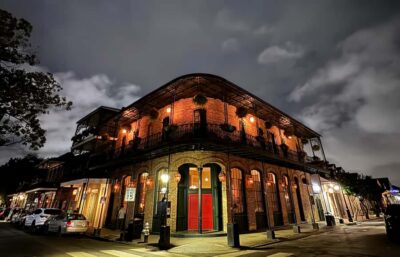
Ghost & Voodoo Tours, compared.
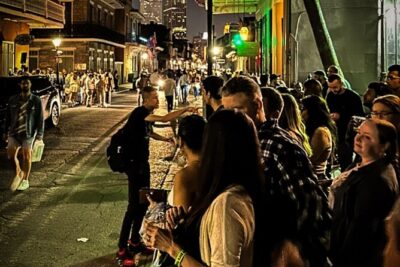 ★ 4.5Premier Ghost, Voodoo and Vampire Walking TourFrom $2712,856 reviews
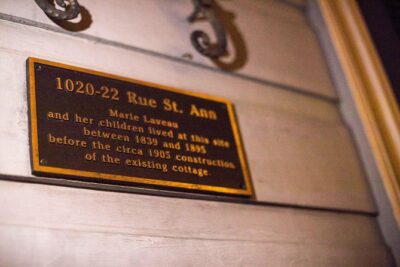 ★ 5.0Adults-Only New Orleans Ghost, Crime, Voodoo, and Vampire TourFrom $376,545 reviews
 ★ 5.0Adults-Only Ghost, Voodoo and Vampire TourFrom $293,291 reviews
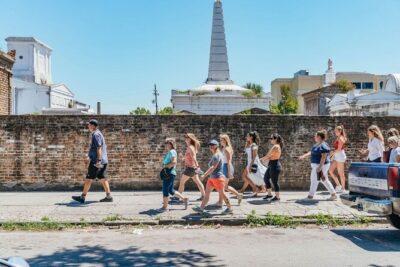 ★ 4.5French Quarter, Voodoo and Culture Walking TourFrom $272,961 reviews
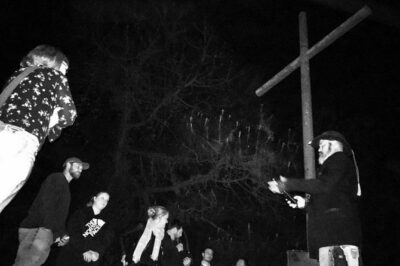 ★ 4.5Cemetery and Ghost BYOB Bus Tour in New OrleansFrom $302,685 reviews
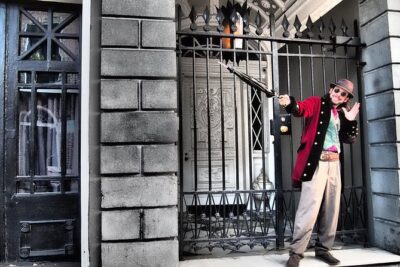 ★ 4.5Ghost and Vampire Walking Tour Of The French QuarterFrom $212,406 reviews
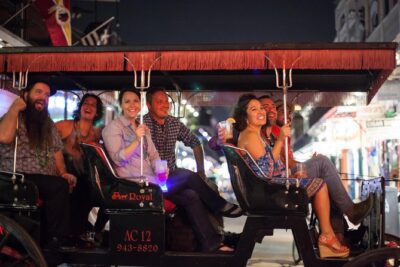 ★ 4.5Small-Group Haunted History Carriage TourFrom $652,289 reviews
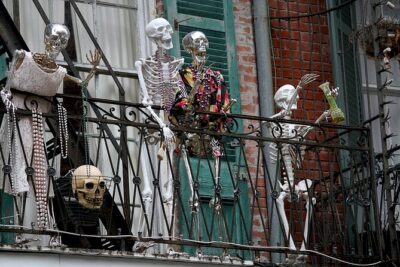 ★ 4.5Adults Only Haunted Pub Crawl in New OrleansFrom $292,158 reviews
Browse the lists this tour appears in