
Reviewed · FRENCH QUARTER TOURS
New Orleans: Highlights of the French Quarter
New Orleans grabs you by the collar. This private, local-guided walk focuses on the French Quarter and the landmarks around it, with stop after stop that explains how the city became what it is. I especially like how the route connects music and food to the neighborhoods you’re standing in. One thing to keep in mind: with a 2-hour time window, you’ll want to pick what you want to linger on and what you’re okay seeing from the sidewalk.
You get a local English-speaking guide, pickup is offered, and you’ll use a mobile ticket. I also like that several segments are marked free for admission, which helps your cost stay predictable. The only drawback I’d plan around is simple: this is a lot of famous sights packed into a short span, so expect walking and quick storytelling rather than slow museum time.
In This Review
- Key highlights I’d plan around
- The point of this French Quarter highlights tour
- French Quarter streets: cast-iron balconies and the culture-to-food link
- Jackson Square and St. Louis Cathedral: icons, symbolism, and the tough chapters
- Bourbon Street with history baked in
- French Market: shopping, live music chances, and a jazz museum add-on
- Garden District and Magazine Street: mansions, Hollywood, and shotgun homes
- City Park: Tree of Life photo time and garden stops
- Price and timing: what $37 buys in real-world value
- What the guide does well (and what to ask)
- Who this tour suits best
- Should you book this French Quarter highlights tour?
- FAQ
- FAQ
- Is this tour private?
- How long is the New Orleans French Quarter highlights tour?
- What does the tour cost?
- Is pickup offered?
- Do I need to print tickets?
- Are admission tickets included for the stops?
- Is food and drink included?
- Are tips for the guide included?
- Can I bring a service animal?
- Is free cancellation available?
- What’s included in the tour?
Key highlights I’d plan around
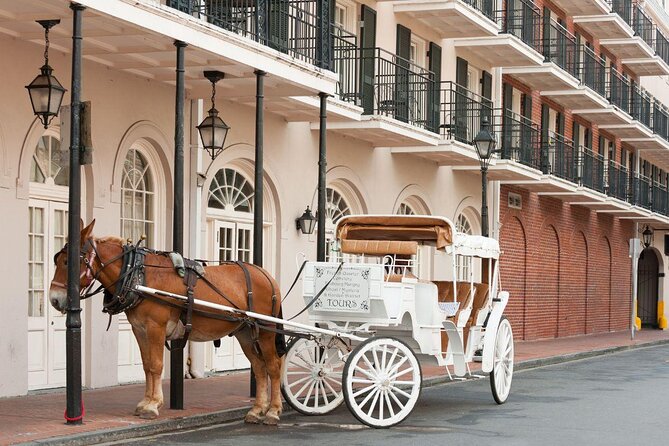
- French Quarter cast-iron balconies paired with the city’s culture-and-food story, not just pretty photos
- Jackson Square and St. Louis Cathedral with major-world events explained on-site (including a long list of symbolism)
- Bourbon Street with context, so you understand the bars and early jazz links instead of guessing
- French Market shopping with a likely soundtrack (live music may happen)
- Garden District + Magazine Street for antebellum look, Hollywood connections, and shotgun-style homes
- City Park options like the botanical garden and major photo spots under Spanish moss
More ways to wander the Vieux Carre
- New Orleans Food Walking Tour of the French Quarter with Small-Group Option★ 5.0 · 6,118 reviews
- New Orleans French Quarter, Voodoo and Culture Walking Tour★ 4.5 · 2,961 reviews
- French Quarter Historical Sights and Stories Walking Tour★ 5.0 · 2,724 reviews
- Ghost and Vampire Walking Tour Of The French Quarter★ 4.5 · 2,406 reviews
The point of this French Quarter highlights tour
This tour is built for getting your bearings fast, while still feeling like New Orleans and not like a checklist. You start in the Quarter, then your guide uses the walking route (and short added segments when time allows) to show how different parts of the city connect to each other.
What makes it practical is that a local guide is doing the heavy lifting: explaining why a street looks the way it does, why a landmark matters, and how the city’s cultures shaped daily life. That turns famous stops into something you can actually remember, even when the streets are crowded and the weather is doing its own thing.
Because it’s private, your group controls the pace. That’s a big value add at this price point, since you’re not stuck behind a large group moving like a slow parade.
French Quarter streets: cast-iron balconies and the culture-to-food link
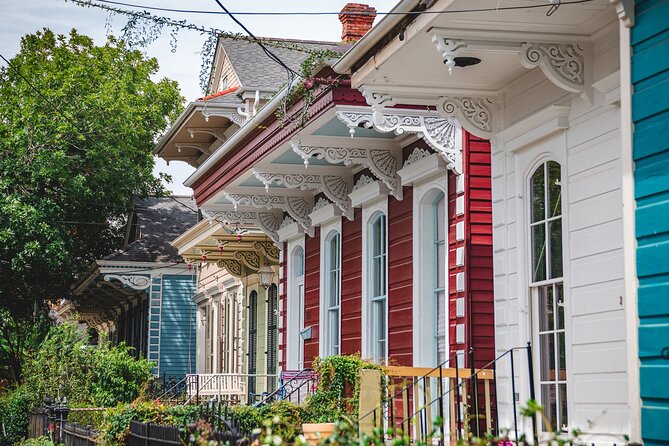
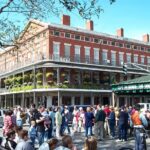
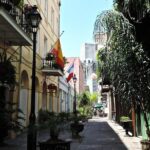
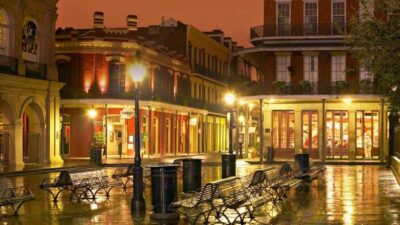
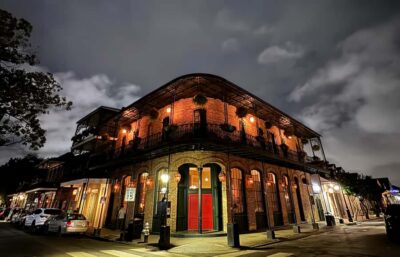
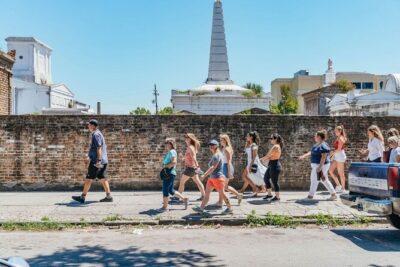
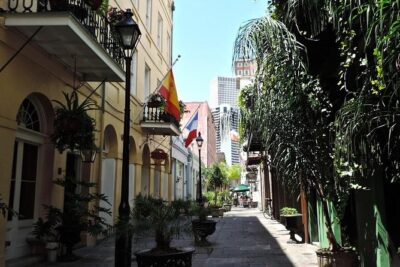
The French Quarter segment is where this tour starts paying off. You’ll walk along historic streets lined with colorful buildings and cast-iron balconies, and your guide ties what you see to the city’s history as a melting pot of cultures.
That matters because New Orleans isn’t just architecture and vibes. It’s also a food culture that grew out of many communities living side by side. When your guide explains that connection while you’re literally looking at the buildings, you get a clearer sense of why certain flavors, ingredients, and traditions show up where they do.
Practical tip: if you have specific food questions—like what to order or where locals tend to go—this is the time to ask. A good guide will steer you without turning it into a hard sell.
Jackson Square and St. Louis Cathedral: icons, symbolism, and the tough chapters
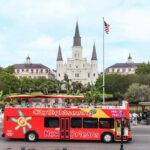
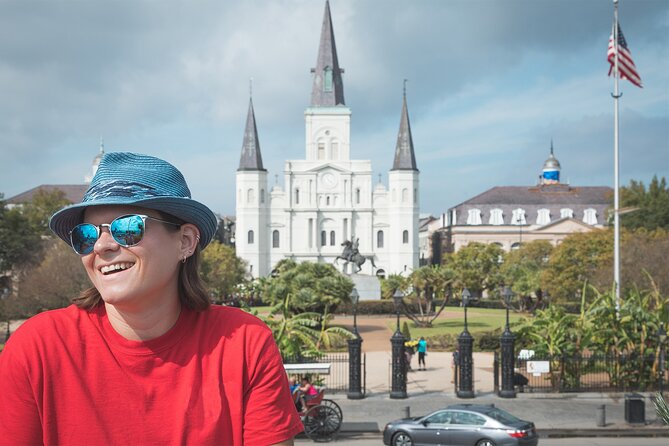
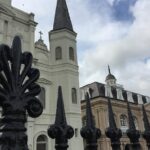
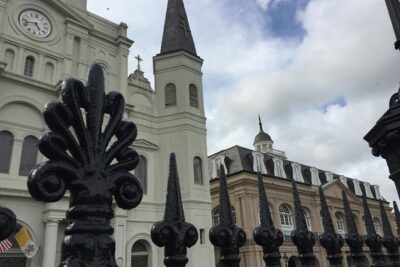
From the French Quarter, the route turns to the central heart of the city: Jackson Square and the St. Louis Cathedral. This is one of those stops where it helps a lot to have someone explain what you’re seeing instead of just photographing it.
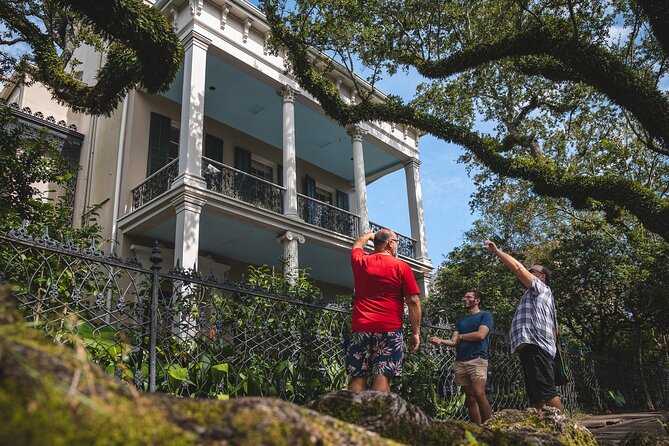
St. Louis Cathedral has stood in this location since 1794, and your guide will point out the unique architecture and the symbolism around the square. You’ll also hear about layered events connected to the church, including that past popes are interred here and that the cathedral has faced a notorious bombing.
That’s the balanced part of the tour: you get the postcard view, but you also get context for why the place carries weight. If your group likes history that’s specific (dates, places, and real events) rather than general storytelling, this stop is a strong match.
One caution: depending on crowds and timing, you may not have long moments to stand quietly and soak it in. Plan to use the guide’s explanation first, then if you want still time, ask for a minute to linger.
Bourbon Street with history baked in
Next up is Bourbon Street, famous for its bars, crowded energy, and the city’s early jazz scene. The difference here is that the tour doesn’t treat Bourbon Street like just an after-dark attraction. Your guide gives you the neighborhood story behind the vibe.
I like this approach because Bourbon Street can easily become visual noise. With context, you start noticing patterns—where music culture took root, why certain streets became gathering points, and how the social side of New Orleans grew over time.
Bourbon Street can be loud and busy, so if your group is sensitive to crowds, you might ask your guide to move you along at a comfortable pace. This is another place where private touring pays off: you don’t have to stay stuck at the loudest block.
More ways to take in the whole city


French Market: shopping, live music chances, and a jazz museum add-on
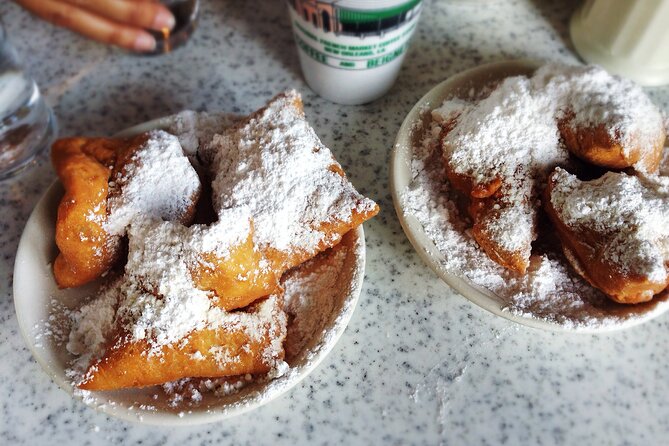
At French Market, you get a more relaxed break built into the walking plan. It’s described as the oldest market of its kind in the United States, and the tour gives you time to browse for shopping if you want it.
There’s also room for music. The tour info notes you may catch live music here, which can make this stop feel less like a shopping errand and more like another layer of the city’s soundscape.
From there, the route can connect to the New Orleans Jazz Museum, which focuses on the history of early jazz greats and includes instruments. For music-first groups, your guide can also add stops such as Louis Armstrong Park and Preservation Hall.
If you care about jazz, I’d treat this as the moment to say so. The tour instructions specifically note that you should let the operator know in advance if you have music fans, so the guide can shape the stops around that interest.
If you don’t care as much about museums, that’s okay. French Market itself can be enough, and you can still enjoy the walk without turning the day into ticketed attractions.
Garden District and Magazine Street: mansions, Hollywood, and shotgun homes
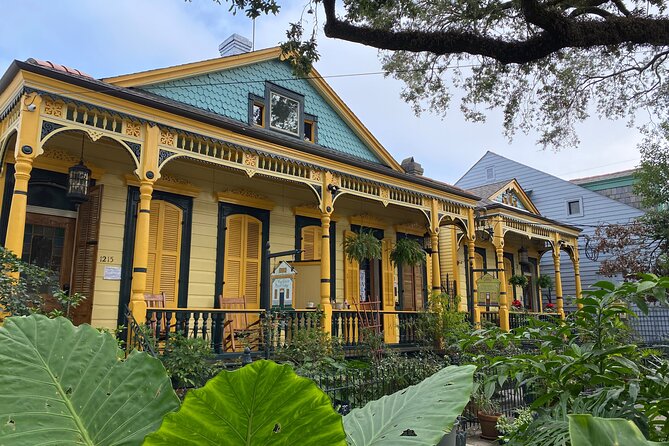
Then the tour shifts into a different mood: the Garden District. Here you’ll see streets lined with old trees and grand historic mansions, and your guide explains the area’s connections to Hollywood.
This is a nice counterweight to the Quarter. The architecture is still dramatic, but the feel is more spacious, and you can usually move at a calmer pace. If your group likes photos, this is where you’ll likely get that classic New Orleans “main street but old” look.
After Garden District, the route heads to Magazine Street. You’ll get a snapshot of working-class early life in the city through the iconic shotgun-style homes. That’s valuable because it shows you the city wasn’t only built for postcard scenery. Your guide connects neighborhood design to how people lived and moved through daily life.
Practical planning idea: if you want to shop, this is the best stretch to do it. The route includes time for browsing at Magazine Street arts and antique shops, either during the tour or after.
City Park: Tree of Life photo time and garden stops
The itinerary also includes City Park, and this is where the tour becomes more than just a French Quarter highlight. City Park is described as a large green space with institutions, outdoor art, Louisiana wildlife, and major photo opportunities.
Your guide can point out things like the Tree of Life and the campus of Loyola University along the northern edge of the park. The tour plan also mentions a botanical garden inside City Park with thousands of plant varieties and themed gardens, including Louisiana native plants, tropical plants, Japanese plants, and even prehistoric-themed plantings.
If your group likes outdoor breaks, City Park is a smart use of time. It gives your legs a change of scenery from sidewalks and lets the city’s “Spanish moss and old oaks” feel hit in a way you can’t get from a single street corner.
There’s also mention of major nearby cultural stops like the New Orleans Museum of Art, and the route references other photo-worthy park features such as the Dueling Oaks and stone bridges over a stream. If you’re the kind of person who likes walking slowly just to take pictures, this park section can become a highlight even when you’re not looking for a museum.
Price and timing: what $37 buys in real-world value
At about $37 for a tour that’s roughly 2 hours, the value comes from three things: a private local guide, the number of high-recognition stops, and the fact that multiple segments are marked with free admission for the scheduled walking time.
You’re not just paying to be taken from Point A to Point B. You’re paying for someone to explain why those points matter—how cultures shaped architecture, how the city’s music scene links back to places you pass, and why landmarks carry stories beyond what’s on the signage.
Timing is the only thing to watch. The itinerary includes many named areas—French Quarter, Jackson Square, Bourbon Street, French Market, Garden District, Magazine Street, and then options in City Park—so the exact balance between walking and added stops will likely depend on your day’s pace and crowd levels.
My advice: decide in advance what your “must not miss” moments are. If jazz matters most, prioritize the French Market-to-jazz connections. If you want architecture and neighborhood vibe, Garden District and Magazine Street should be your focus. If your group is more outdoorsy, lean into City Park and skip any optional museum time that would feel rushed.
What the guide does well (and what to ask)
The tour’s structure is designed around a local English-speaking guide who keeps everything connected. In practice, that means you should expect explanations as you walk rather than long lectures at a single spot.
One thing I’d recommend for better results is using your questions strategically:
- Ask for food suggestions when the tour hits the French Quarter culture-and-food story
- Ask where early jazz links show up as you move toward Bourbon Street and French Market
- Ask what you should do with your spare time after the tour, especially if you plan to keep exploring on foot
There’s also a clue from past feedback: some people want more personal story detail when guides cover major history. If you want the human side of the city’s past—families, everyday life, and specific people—ask follow-up questions during stops. A private guide is the easiest place to request that kind of extra context.
Who this tour suits best
This is a great fit if:
- You want a first-day orientation to New Orleans without spending hours planning
- Your group enjoys walking and wants history and culture tied to real places
- You like jazz culture and want at least a chance to connect it to major landmarks
- You want a private tour format that keeps pace comfortable
It’s less ideal if:
- Your group hates walking and needs long sit-down breaks between stops
- You’re expecting a slow, museum-heavy schedule with lots of indoor time
- You want food included in the ticket (it isn’t)
Should you book this French Quarter highlights tour?
Yes, I’d book it if you want a focused, guided route that gives you context for the French Quarter and nearby classics in a short time. The private format and local explanations make it feel worth the money, especially because you’re hitting major landmarks like Jackson Square, St. Louis Cathedral, and Bourbon Street with built-in narrative.
Book with a simple plan: pick your top 2 interests (jazz, architecture, shopping, or outdoor park time) and tell your guide. Then you’ll get more than a photo tour—you’ll leave with a map in your head and a better sense of why this city looks and sounds the way it does.
FAQ
FAQ
Is this tour private?
Yes. It’s a private tour/activity, and only your group participates.
How long is the New Orleans French Quarter highlights tour?
The duration is about 2 hours.
What does the tour cost?
The price is listed as $37.
Is pickup offered?
Pickup is offered.
Do I need to print tickets?
No. The tour uses a mobile ticket.
Are admission tickets included for the stops?
The itinerary lists admissions for the major segments as free (for example the French Quarter, Bourbon Street, French Market, and Garden District).
Is food and drink included?
No. Food and drink are not included.
Are tips for the guide included?
No. Tips and gratuities for the guide are not included.
Can I bring a service animal?
Yes. Service animals are allowed.
Is free cancellation available?
Yes. You can cancel for a full refund up to 24 hours in advance.
What’s included in the tour?
Included are a local English-speaking guide and views of New Orleans most iconic spots.
More Tour Reviews in New Orleans


The Whole City, More Ways
More of the French Quarter


Just added to The New Orleans Traveler


French Quarter Tours, compared.
 ★ 5.0Food Walking Tour of the French Quarter with Small-Group OptionFrom $756,118 reviews
 ★ 4.5French Quarter, Voodoo and Culture Walking TourFrom $272,961 reviews
 ★ 5.0French Quarter Historical Sights and Stories Walking TourFrom $352,724 reviews
 ★ 4.5Ghost and Vampire Walking Tour Of The French QuarterFrom $212,406 reviews
 ★ 4.5City Tour: French Quarter, Garden District & CemeteryFrom $402,209 reviews
 ★ 5.0French Quarter Food Tour: Cajun, Creole and CultureFrom $811,246 reviews
 ★ 5.0French Quarter and More Carriage RideFrom $651,141 reviews
 ★ 5.0French Quarter walking Food Tour Famous Flavors of New OrleansFrom $751,115 reviews
Browse the lists this tour appears in