
Reviewed · GARDEN DISTRICT TOURS
New Orleans: Garden District Walking Tour
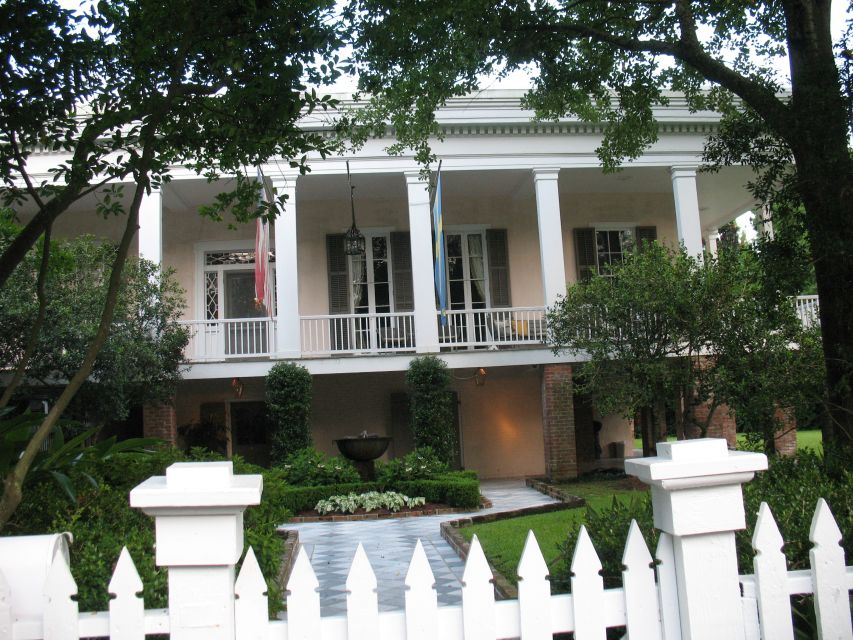
A walk through the Garden District feels like turning pages. You’ll enjoy a guided 2-hour route framed by 19th-century mansions and the stories of New Orleans’ wealth swings, plus stops that connect architecture to real-life history. I love how the tour points out specific building styles you can actually see, like Greek Revival and Italianate details, and I also like the way it ties the neighborhood to big-name culture, including the Hollywood-house connection and Commander’s Palace chef training. One consideration: it’s a proper walking tour, so you’ll want comfortable shoes and you should plan for steady time on your feet (and it is not aimed at very limited mobility).
The guide experience is a big part of why this tour works. In recent tours, guides such as Regina and Randy have been praised for making history feel human, using warm humor without losing facts, and adjusting to the group as they go. The other watch-out is simple: no food is included, so if you’re hungry you’ll need to plan a meal or a quick coffee break on your own.
In This Review
- Garden District highlights you’ll actually notice
- Why this Garden District walk is worth your time (and $45)
- Where the tour starts on Magazine Street
- Stop 1: Bosworth-Haus and the lesson hidden in design
- Stop 2: Burnside Mansion and the real story behind the wealth
- Walking break: the cemetery stop that changes how you view New Orleans
- Commander’s Palace: culinary fame with an actual training lineage
- Stop that feels like a movie set: Eustis-Haus and Sandra Bullock
- Lonsdale house on Prytania Street: the oldest home angle
- The Rink finish: a former skating rink turned neighborhood hub
- What I like about the guides (and why it matters for your day)
- Logistics that affect comfort
- Who should book this tour
- Should you book New Orleans: Garden District Walking Tour?
- FAQ
- Where does the Garden District walking tour start?
- How long is the tour?
- How much does it cost?
- What’s included in the ticket price?
- Is food included?
- What languages are available?
- Is the tour wheelchair accessible?
- Is there an age limit?
- What should I bring?
Garden District highlights you’ll actually notice
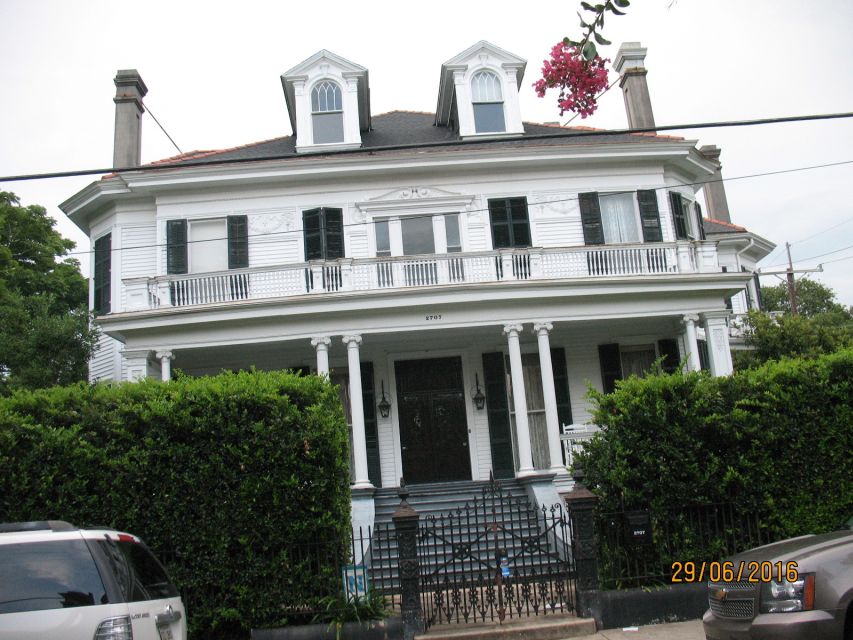
- Greek Revival and Italianate facades you can spot in the details, not just the dates
- Carved-out stories of wealth found and sometimes lost during the second half of the 1800s
- Above-ground cemetery traditions you’ll understand instead of just looking at
- Commander’s Palace culinary roots, including Paul Prudhomme and Emeril Lagasse training there
- A movie-famous house stop tied to Sandra Bullock and a big purchase figure
- Finish at The Rink area, where a former skating rink now shapes the neighborhood’s modern vibe
Keep strolling the oak-lined Garden District
- New Orleans Garden District History Walking Tour★ 5.0 · 2,879 reviews
- New Orleans City Tour: French Quarter, Garden District & Cemetery★ 4.5 · 2,209 reviews
- New Orleans Small-Group Garden District Walking Tour★ 5.0 · 1,384 reviews
- New Orleans City and Cemetery Tour with Garden District Stroll★ 4.5 · 766 reviews
Why this Garden District walk is worth your time (and $45)
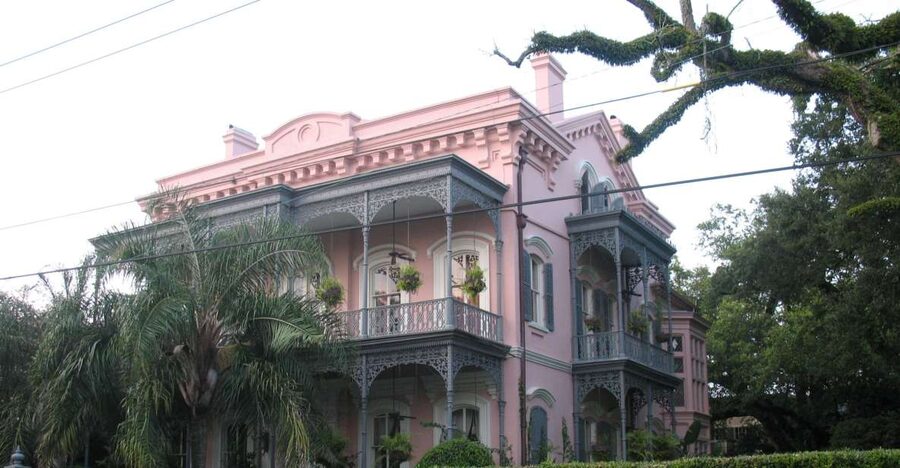
New Orleans loves to sell you a postcard. This tour does something smarter: it uses a small set of street-level stops to explain how the Garden District became what it is. You’ll walk past opulent 19th-century homes, then the tour keeps you thinking with context—who lived here, what their money did for them, and what changed when fortune didn’t last.
At $45 per person for about 2 hours, you’re paying for a guide’s ability to connect what you see with why it matters. That’s the value piece. A self-guided stroll is free, sure—but a guided walk gives you the “so what?” for architecture, cemeteries, and the famous restaurant you’ll walk by. If you want a structured way to get bearings in this neighborhood, this is a practical pick.
Where the tour starts on Magazine Street
You’ll meet at 2801 Magazine St., on the corner of Washington Avenue, across from Coquette. This matters because Magazine Street is a strong visual spine for the Garden District. Starting here keeps you from wandering in circles before the tour even begins, and it puts you close to the neighborhood’s core streets once you’re walking.
Plan to arrive a little early. Not because you’ll be rushed, but because a guided group usually stays together, and the route is paced for about a 2-hour loop.
Stop 1: Bosworth-Haus and the lesson hidden in design
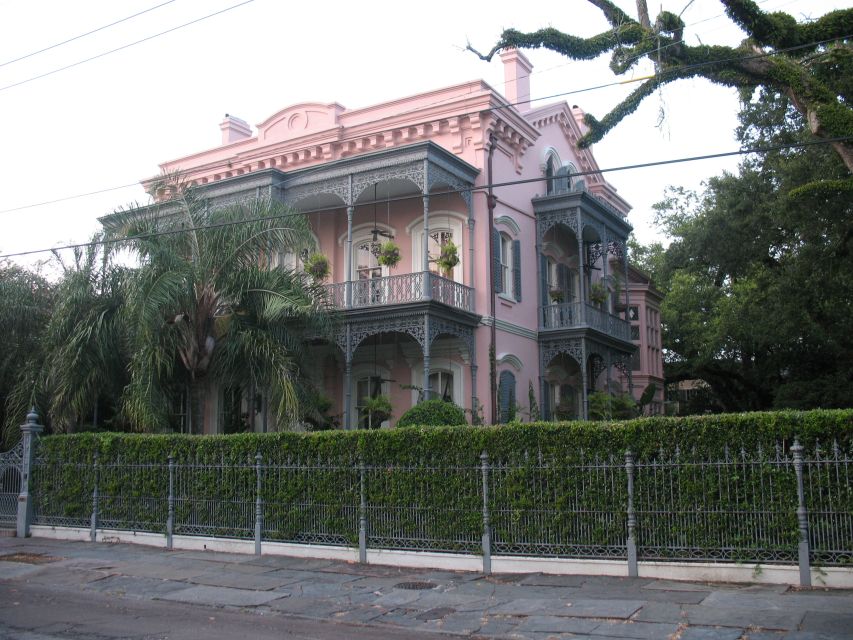
The tour starts with two iconic mansions, and the Bosworth-Haus is the first one you’ll see up close. The point isn’t just admiring the scale. You’ll learn to read the house like a document.
Garden District homes from this era often reflect confidence—money, taste, and the idea that permanence is possible. Expect to be pointed toward architectural features that relate to the big style families the tour highlights, including Greek Revival and Italianate elements. Even if you’re not an architecture person, you’ll start noticing patterns: proportions, decorative choices, and the way a facade signals status.
Why it’s valuable: this is the moment the tour teaches you what to look for. If you miss it, the rest of the houses can start to blur. If you catch it, the whole neighborhood feels more legible.
Stop 2: Burnside Mansion and the real story behind the wealth
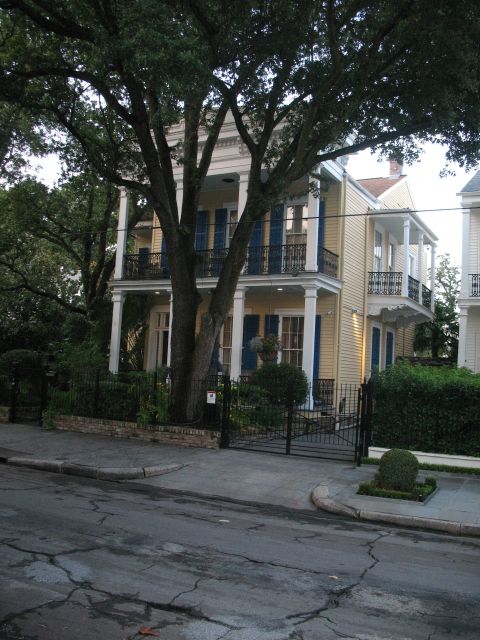
Next comes the Burnside Mansion. This stop is where the tour’s theme—wealth found and sometimes lost—really takes shape. You’ll hear about former owners tied to major income sources of the time, including a plantation owner and an ice-magnate. The tour frames these stories as part of the neighborhood’s broader economic history in the late 1800s.
The architecture still matters here, but now it’s not just “pretty.” You’ll connect the building to the lived reality of the people who benefited from 19th-century money—then think about what happens when fortunes don’t stay stable.
Possible drawback to keep in mind: if you’re hoping for an interior visit, don’t. This is a street-level walking tour. The best use of your energy is to look closely at what’s visible—entryways, ornamental details, and the overall massing of the buildings.
More of New Orleans on foot





Walking break: the cemetery stop that changes how you view New Orleans
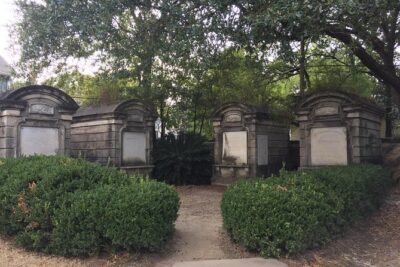
After the mansion viewing, the tour heads to the oldest municipal cemetery. This stop is a big deal because it explains a tradition that can feel strange if you don’t know the background: New Orleans has a long history of above-ground burial.
Instead of treating the cemetery like a spooky prop, the guide gives you the “why.” You’ll learn how the city’s above-ground burial traditions shaped what you see in these spaces. The cemetery becomes less about shock and more about understanding the local response to practical realities and long-held customs.
How this helps your trip: once you understand this tradition, you’ll notice it elsewhere around town with fewer questions and more context.
Commander’s Palace: culinary fame with an actual training lineage
Then you’ll look at Commander’s Palace, one of the area’s most famous restaurants. This is where the tour pleasantly shifts gears from architecture and funerary history into food culture.
You’ll hear that culinary stars such as Paul Prudhomme and Emeril Lagasse trained at Commander’s Palace, with Ella Brennan at the center of the story. The takeaway isn’t just name-dropping; it’s how this restaurant became a training ground for chefs who later became household names in American cooking.
Even if you don’t eat here, this stop is useful because it gives you a tangible way to connect New Orleans’ past to its present. This is still a working city with living institutions, not just preserved scenery.
Stop that feels like a movie set: Eustis-Haus and Sandra Bullock
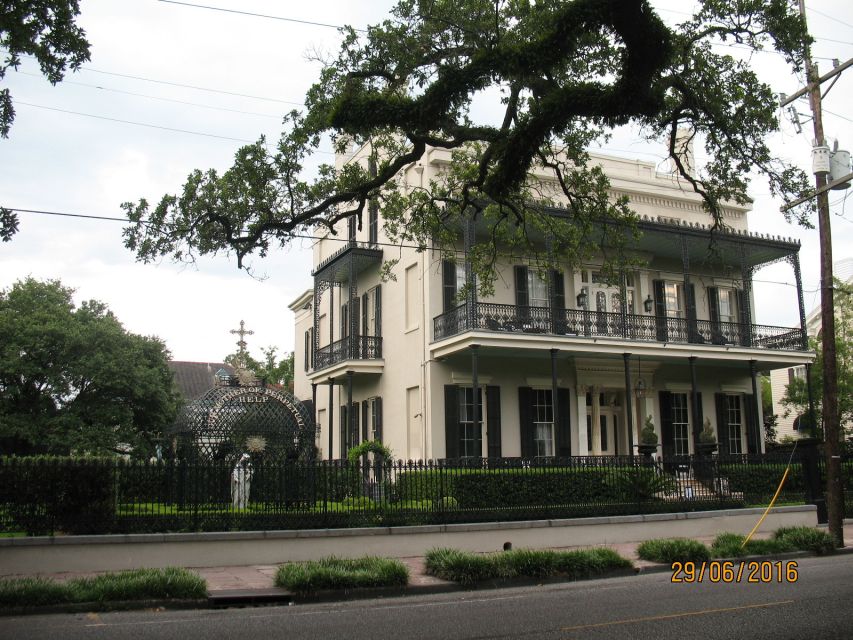
The tour then moves to the Eustis-Haus, built for the daughter of a cotton factor. Here’s the part that sparks extra attention: this house was also the home of Hollywood actress Sandra Bullock, who purchased it for $2.25 million.
That kind of detail changes the way you look at the street. It’s one thing to see old wealth. It’s another to see how old wealth—architecturally, in brick and trim—can still attract modern fame and big purchases.
What to watch for: even without stepping inside, pay attention to how the house holds its presence. The guide’s narration helps you understand why people keep wanting to claim these addresses.
Lonsdale house on Prytania Street: the oldest home angle
Nearby you’ll also get the chance to see the Lonsdale house on Prytania Street. The key detail here is its age—it’s described as the oldest in the Garden District. The tour also notes that it’s now owned by a wealthy local tea and coffee importer.
This is a smart stop because it gives you a longer timeline than just the “big mansion boom” vibe. The Garden District isn’t only a snapshot of one decade—it’s a neighborhood that kept evolving. Seeing an older house paired with later mansions helps you feel that progression while you walk.
The Rink finish: a former skating rink turned neighborhood hub
The walk ends at The Rink, a former skating rink that now houses a local coffee shop, an independent bookstore, and small boutiques. This ending works well because it lets you transition from history mode to real-life browsing mode.
After two hours of mansions and stories, you’ll likely want a breather. This is a friendly place to pause and decompress, and it also gives you a chance to shop or pick up something small without the tour needing to include food.
What I like about the guides (and why it matters for your day)
This tour’s reviews put a clear spotlight on guide style: warm, humorous storytelling paired with a serious grasp of local detail. Guides like Regina and Randy have been praised for connecting with the group and answering questions beyond the exact route.
That matters more than you might think. A walking tour can be either a script you follow or an exchange you’re part of. When the guide actually engages—stopping to tailor explanations, keeping pace reasonable, and letting questions happen—you get more out of your time.
Also, languages offered include English and German. If that’s important to you, it’s a practical advantage.
Logistics that affect comfort
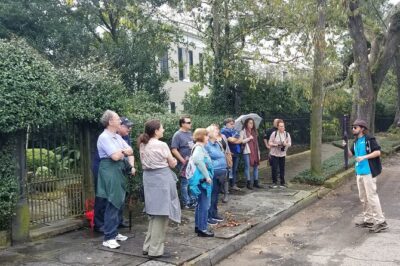
This is a 2-hour walking tour. That’s not long in total time, but it’s enough to notice the difference between comfortable shoes and sore feet. Bring shoes with grip and support, especially if you’re visiting during a warm or humid stretch.
It’s also described as a private group, so you’re not stuck in a huge crowd. That tends to make it easier to hear the guide, and it usually improves the chance your questions get answered.
One more point: food and beverages aren’t included. If you’re planning to eat afterward, keep your timing loose and don’t assume the tour will “bump into” a meal spot at the right moment.
Who should book this tour
Book it if you want:
- A structured introduction to the Garden District with a guide’s explanation
- A focus on what you see (architecture, homes, cemetery traditions) rather than only broad history
- A neighborhood walk that includes culture touchpoints like Commander’s Palace and the Sandra Bullock house story
Skip or reconsider if:
- You need minimal walking time or you’re likely to struggle on uneven sidewalks
- You were hoping for interior access to the mansions (this is primarily a streetscape experience)
Should you book New Orleans: Garden District Walking Tour?
Yes, if you’re the kind of traveler who likes understanding what you’re looking at. This tour earns its spot by turning a pretty neighborhood into a clear story: architectural styles, social history, cemetery traditions, and New Orleans’ culinary legacy all on one walk.
I’d also book it early in your Garden District time. When you learn the “read” of the buildings—Greek Revival and Italianate features, and why the houses reflect money in that period—you’ll spot more on your own afterward.
If you’re a slow walker or have mobility concerns, check carefully with the provider first. The activity is described as wheelchair accessible in one place but also says it’s not suitable for wheelchair users, so it’s worth confirming what that means for your specific needs.
FAQ
Where does the Garden District walking tour start?
The meeting point is 2801 Magazine St., on the corner of Washington Avenue, across the street from Coquette.
How long is the tour?
The tour duration is 2 hours.
How much does it cost?
The price is listed as $45 per person.
What’s included in the ticket price?
The ticket includes a guided walking tour through the Garden District.
Is food included?
No. Food and beverages are not included.
What languages are available?
The live tour guide is available in English and German.
Is the tour wheelchair accessible?
It is listed as wheelchair accessible, but it also states it is not suitable for wheelchair users. If accessibility is a key concern, you should confirm details with the provider.
Is there an age limit?
Yes. It notes that the tour is not suitable for people over 95 years.
What should I bring?
The main advice is comfortable shoes, since it’s a walking tour.
More Tours in New Orleans




More Tour Reviews in New Orleans

Garden District, Block by Block




Just added to The New Orleans Traveler





Garden District Tours, compared.
 ★ 5.0Garden District History Walking TourFrom $352,879 reviews
 ★ 4.5City Tour: French Quarter, Garden District & CemeteryFrom $402,209 reviews
 ★ 5.0Small-Group Garden District Walking TourFrom $351,384 reviews
 ★ 4.5City and Cemetery Tour with Garden District StrollFrom $55766 reviews
 ★ 4.9Garden District Guided Walking TourFrom $35514 reviews
 ★ 5.0Highlights of the Garden District Walking TourFrom $37492 reviews
 ★ 4.8Garden District TourFrom $28480 reviews
 ★ 5.0Garden District Home and History Walking TourFrom $26470 reviews
Browse the lists this tour appears in