
Reviewed · FRENCH QUARTER TOURS
New Orleans French Quarter and Voodoo History Walking Tour
New Orleans has a way of turning corners into stories. This tour walks you through the French Quarter’s real landmarks and the voodoo-linked history that shaped the city. You’ll hear it told like a show, not a lecture, and you get to see the places where people lived, worshipped, argued, and survived.
I especially like the pacing and the focus on context. Stops are short, sights are varied, and the guide connects architecture, music, and culture to the big human stories underneath. One possible drawback: the tone can run from folk legend to modern political framing, so if you want only strictly neutral history, go in knowing the guide may bring strong perspective.
In This Review
- Key things I’d put on your radar
- What this 1 hour 45 minute walk really gives you
- From Voodoo Lounge to Jackson Square: the route you’ll feel in your legs
- Quick practical note
- Congo Square: where culture, forced migration, and faith collide
- Marie Laveau’s former home: the idea of a safe house
- Bourbon Street and the Old French Opera House: why one street has two personalities
- Preservation Hall: New Orleans music, protected on purpose
- Royal Street: the politicians behind the drama
- Voodoo Authentica and Jackson Square: how the Quarter shows faith and art
- The guides: storytelling skill is the real product
- Price and value: why $21 can feel like a deal
- Who should book this tour, and who might not love it
- Should you book the French Quarter and Voodoo History Walking Tour?
- FAQ
- How long is the New Orleans French Quarter and Voodoo History Walking Tour?
- How much does it cost?
- Where does the tour start and where does it end?
- What time does the tour begin?
- What language is the tour offered in?
- What will I see during the walk?
- Is admission included anywhere?
- Is the tour canceled for bad weather?
Key things I’d put on your radar
- Master storytelling that mixes legend with grounded local detail
- Marie Laveau’s former home site and the idea of safe shelter
- Congo Square as a starting point for faith, forced migration, and culture
- Preservation Hall through the lens of how New Orleans music is protected
- Royal Street politics including Huey P. Long, Edwin Edwards, and Plessy vs. Ferguson
- Jackson Square full of St Louis Cathedral, the Cabildo, artists, musicians, and tarot readers
Still up for a haunt? More voodoo and ghost walks
- New Orleans Premier Ghost, Voodoo and Vampire Walking Tour★ 4.5 · 12,856 reviews
- Adults-Only New Orleans Ghost, Crime, Voodoo, and Vampire Tour★ 5.0 · 6,545 reviews
- New Orleans Adults-Only Ghost, Voodoo and Vampire Tour★ 5.0 · 3,291 reviews
- New Orleans French Quarter, Voodoo and Culture Walking Tour★ 4.5 · 2,961 reviews
What this 1 hour 45 minute walk really gives you
This is a 1 hour 45 minute walk through one of the most walkable parts of the city. And it’s not just “see the postcard.” You’ll connect the dots between the French, Spanish, African, and Creole influences that shaped what you see today.
The voodoo angle is treated like part of New Orleans history, not a gimmick. You’ll also learn how the city’s food, music, and street culture grew out of real people and real pressure. The result is that the French Quarter starts to feel less like a theme park and more like a living archive—one you can actually walk through.
From Voodoo Lounge to Jackson Square: the route you’ll feel in your legs
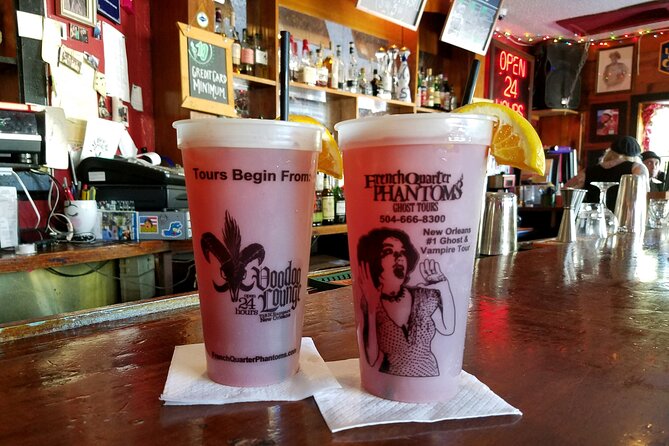
The tour starts at Voodoo Lounge, 718 N Rampart St (near the action, not across town). It ends at Jackson Square, right in the center of the French Quarter. Meeting at Rampart St means you start with enough “Old New Orleans” texture that the Quarter doesn’t feel like it appears out of nowhere.
It caps at 20 travelers, so it’s not a giant cattle-car situation. You’ll get a mobile ticket, and the tour is in English, making it a good pick if you want easy, clear narration without waiting for translations.
Quick practical note
This is outdoors and walking-heavy, so you’ll want shoes that can handle uneven sidewalks. The tour also requires good weather, and if it gets canceled due to poor weather, you’re offered a different date or a full refund.
Congo Square: where culture, forced migration, and faith collide
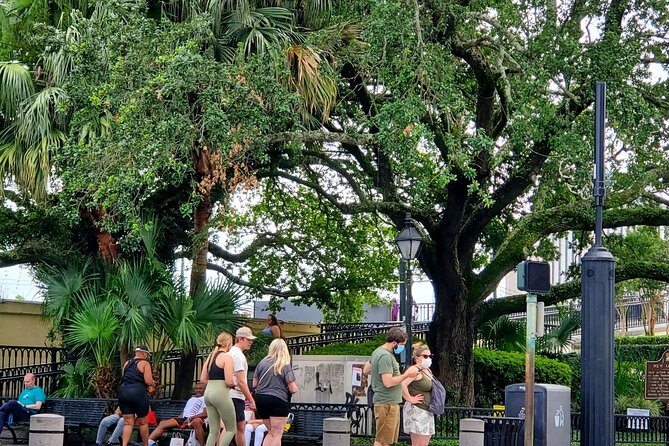
Congo Square is a smart first stop because it sets the emotional and historical stage. You’ll hear about early voodoo connections alongside the darker realities of the slave trade and the role of indigenous peoples of New Orleans. The point isn’t shock value. It’s understanding why certain practices and celebrations survived and evolved.
What you’ll likely notice as you stand here is how a single plaza can carry layers of meaning. That’s the real value of starting with Congo Square: it helps you interpret later scenes in the Quarter without treating voodoo as separate from daily life.
More ways to wander the Vieux Carre


Marie Laveau’s former home: the idea of a safe house
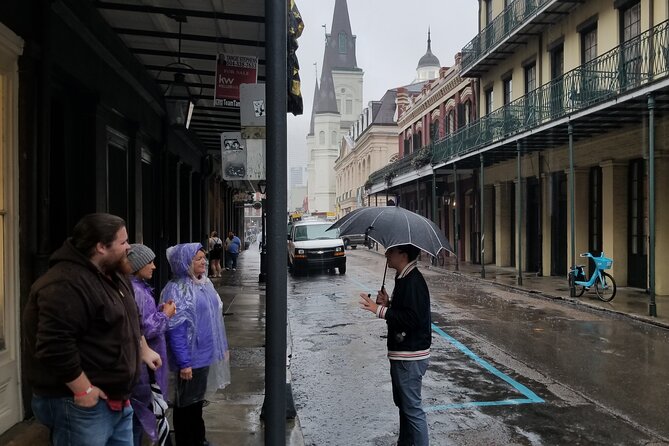
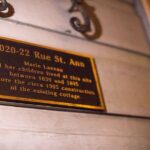
Next you’ll visit the original spot of Marie Laveau’s former residence. This isn’t just about the famous name. The story includes how her home functioned as a kind of safe house for people in need, including orphans and Choctaw vendors.
That framing changes how you think about the French Quarter. You stop seeing it only as nightlife and architecture and start seeing it as a place where community networks formed under pressure. And since this stop includes an admission ticket, you also get a bit more “on-the-ground” access than some street-only tours.
Bourbon Street and the Old French Opera House: why one street has two personalities
Then comes Bourbon Street—loud, famous, and impossible to ignore. Here, the guide covers how it got its name and why it became what it is. You’ll also hear the locals’ complicated relationship with its reputation, which is a polite way of saying: the Quarter loves the business, but nobody pretends it’s just classy.
A useful twist is the mention of the Old French Opera House. Even if you’re not going inside, the history gives context to why the Quarter’s buildings and culture developed the way they did. You start to see Bourbon Street as a stage that grew out of earlier cultural life, not just a modern party strip.
Preservation Hall: New Orleans music, protected on purpose
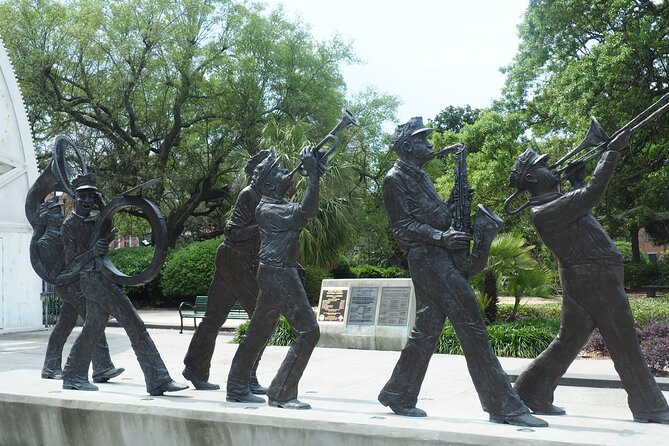
A stop at Preservation Hall shifts the mood from street stories to something more focused: music as heritage. You’ll hear the history of the venue, the musicians associated with it, and the work Preservation Hall does to protect the city’s music traditions.
This is the kind of moment that makes the tour worth doing even if you already know a bit of voodoo lore. New Orleans doesn’t keep its traditions by accident. Places like this work to keep the sound alive and stop it from being turned into something else.
Since this stop includes a free admission ticket, it’s also a tangible value hit. You’re not just watching; you’re getting access to a core New Orleans institution.
Royal Street: the politicians behind the drama
Royal Street is more architectural and slower than Bourbon, and the tour uses it for a different kind of story: politics and power. You’ll see the State Supreme Court building and hear about famous Louisiana figures, including Huey P. Long, Edwin Edwards, and the landmark case Plessy vs. Ferguson.
This part matters because it reminds you that New Orleans history isn’t only spiritual and musical. It’s legal, political, and often controversial. The French Quarter shaped itself through decisions made in official rooms—then those decisions echoed outward into neighborhoods and daily life.
Royal Street also tends to be a calmer walk, which helps if you’re trying to keep the day enjoyable instead of exhausting.
Voodoo Authentica and Jackson Square: how the Quarter shows faith and art
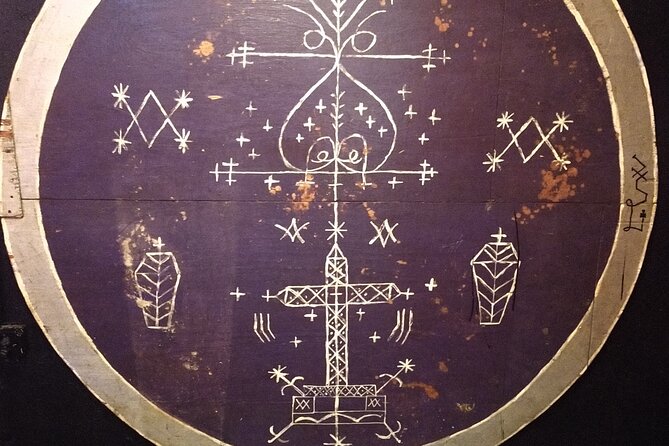
Then you’ll head to Voodoo Authentica, a Voodoo Cultural Center and Collection. This stop gives you a more grounded view of voodoo as culture—something with objects, practice, and community meaning. The focus is on seeing the tradition as part of a broader New Orleans identity, not just a rumor you hear on the street.
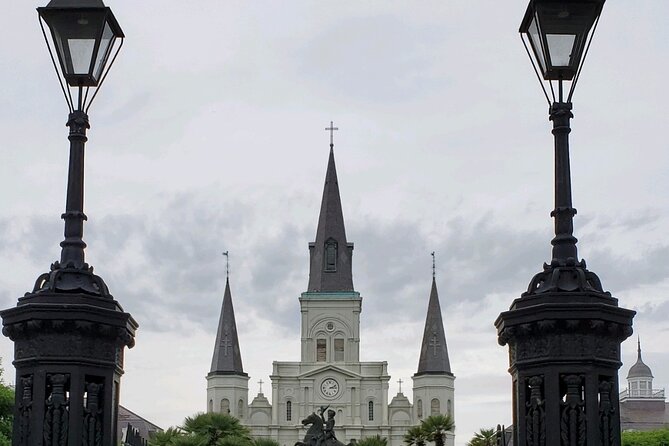
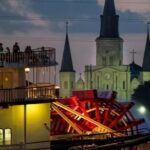
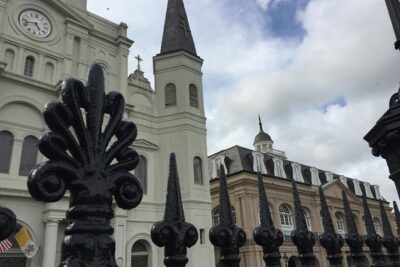
Finally, you arrive at Jackson Square, which functions like a grand outdoor living room. You’ll see the St Louis Cathedral and The Cabildo, plus the square’s mix of artists, musicians, and tarot card readers. This is where the tour’s “context” payoff shows up clearly: history, religion, commerce, and performance all share the same space.
If you’re the type who likes people-watching, Jackson Square can be a bonus time sink in the best way. Just remember: the best move is to keep listening while you’re there, not to switch off and scroll your phone.
The guides: storytelling skill is the real product
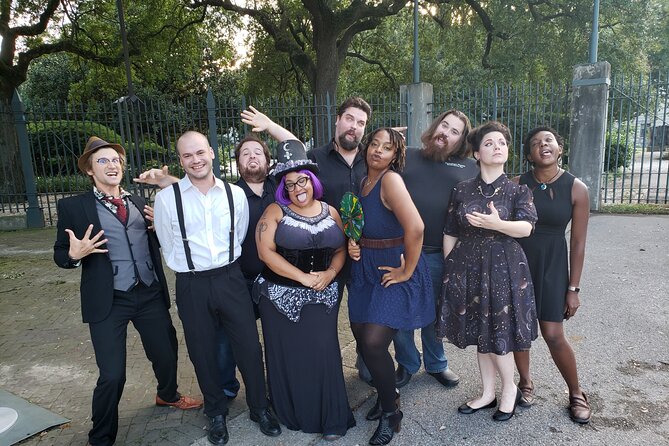
A walking tour lives or dies on the guide. And this one has a pattern: guides are often described as fast-thinking, funny, and strong at weaving together local lore with actual historical detail.
You may encounter guides like Wolfy, Pepe, Erin, Angela, Nika, Robert, or Bobby. The common theme in the guidance style is pacing—keeping it group-friendly, with good attention to comfort. On hot days, guides have been praised for keeping people in the shade and handling small needs like water breaks and bathroom stops.
One more thing to keep in mind. Not every visitor wants the same mix of history and modern framing. If you prefer a strictly “facts only” vibe, take that seriously. This tour can include stronger commentary, so your enjoyment may depend on your tolerance for perspective.
Price and value: why $21 can feel like a deal
At $21 per person for about 1 hour 45 minutes, the value mostly comes from three things.
First, you get a lot of major stops in a tight area: Congo Square, Marie Laveau’s site, Preservation Hall, Royal Street, Voodoo Authentica, and Jackson Square. Second, several stops include admission tickets marked free, meaning you’re not paying extra at each location. Marie Laveau’s site is the one listed as included, and the others are free, so your total out-of-pocket stays predictable.
Third, the group size is capped at 20 travelers, which usually helps with the pace and the chance to ask questions. If you’re doing only a couple of guided experiences in the French Quarter, this is a strong way to get “the story behind the map.”
Who should book this tour, and who might not love it
This is ideal if you want:
- A first or second day overview of the French Quarter that explains how it got its identity
- A mix of voodoo history and the broader city story, including politics and music
- A guided walk that keeps moving but still gives you time at each stop
You might want to skip it (or pair it carefully) if:
- You hate walking in heat and want a slower, sit-down style experience
- You only want spiritual topics handled in a neutral, strictly academic way
- You prefer tours that focus on only one theme (like architecture only or music only)
Should you book the French Quarter and Voodoo History Walking Tour?
If you’re trying to understand New Orleans beyond the obvious highlights, I’d book it. The route covers the places you’ll see anyway, but the guide gives you context that turns them from scenery into meaning. At $21, with access tied to multiple stops and a group size under 20, it’s an easy “value bet.”
My best advice: bring a curious mindset and be okay with stories that move between legend, culture, and real historical systems. If that’s your style, this walk will help you enjoy the French Quarter with your eyes open.
FAQ
How long is the New Orleans French Quarter and Voodoo History Walking Tour?
The tour runs about 1 hour 45 minutes.
How much does it cost?
It’s priced at $21.00 per person.
Where does the tour start and where does it end?
It starts at Voodoo Lounge, 718 N Rampart St, and ends at Jackson Square.
What time does the tour begin?
The start time is 11:00 am.
What language is the tour offered in?
The tour is offered in English.
What will I see during the walk?
You’ll visit Congo Square, the site of Marie Laveau’s former home, Bourbon Street (with history including the Old French Opera House), Preservation Hall, Royal Street, Voodoo Authentica, and Jackson Square.
Is admission included anywhere?
Some stops are listed as free, and the Marie Laveau former home site includes an admission ticket.
Is the tour canceled for bad weather?
Yes. The tour requires good weather. If it’s canceled due to poor weather, you’ll be offered a different date or a full refund.
More Tour Reviews in New Orleans

More of the French Quarter

More Ghosts, Voodoo & Vampires

Just added to The New Orleans Traveler


French Quarter Tours, compared.
 ★ 5.0Food Walking Tour of the French Quarter with Small-Group OptionFrom $756,118 reviews
 ★ 4.5French Quarter, Voodoo and Culture Walking TourFrom $272,961 reviews
 ★ 5.0French Quarter Historical Sights and Stories Walking TourFrom $352,724 reviews
 ★ 4.5Ghost and Vampire Walking Tour Of The French QuarterFrom $212,406 reviews
 ★ 4.5City Tour: French Quarter, Garden District & CemeteryFrom $402,209 reviews
 ★ 5.0French Quarter Food Tour: Cajun, Creole and CultureFrom $811,246 reviews
 ★ 5.0French Quarter and More Carriage RideFrom $651,141 reviews
 ★ 5.0French Quarter walking Food Tour Famous Flavors of New OrleansFrom $751,115 reviews
Browse the lists this tour appears in