
Reviewed · FRENCH QUARTER TOURS
New Orleans: 2-Hour French Quarter History and Voodoo Tour
Voodoo stories meet real streets. This 105-minute French Quarter tour stitches together early voodoo, the slave trade, and Indigenous presence, then threads those themes through the city’s most famous architecture, including the former home of Marie Laveau and the stops around Jackson Square. I especially love the storytelling style, the kind that makes you pay attention.
What makes this tour work is the guide. I’m drawn to how locals like Erin and Wolfy turn complicated, heavy topics into something you can actually understand on foot, with humor that never makes the subject smaller. I also like the built-in landmark focus, especially the Jackson Square lineup—St. Louis Cathedral, the Presbytère, and the Cabildo—which helps you connect what you see to what you learn.
The main thing to consider is pacing. You cover a lot of ground and big ideas in a short time, so if you hate walking or you’re sensitive to historical material about enslavement, plan for a slower rhythm than usual and wear shoes that can handle constant movement.
In This Review
- Key Things You’ll Notice on This French Quarter History and Voodoo Walk
- How This 105-Minute Tour Flows Through the French Quarter
- Congo Square: Where the Tour Starts With Shared Human History
- Marie Laveau’s Former Home: Reading Voodoo Through Place
- The Supreme Court Stop: Politics, Law, and New Orleans’ Power Moves
- Bourbon Street, Music, Food, Architecture, and Literary Threads
- Jackson Square Finale: St. Louis Cathedral, Presbytère, Cabildo
- Price and Value: Why $22 Can Actually Feel Like a Deal
- Who Should Book This Tour, and Who Might Not Love It
- Tips to Make Your Tour Feel Worth It
- Should You Book This French Quarter History and Voodoo Tour?
- FAQ
- What is the duration of the tour?
- Where do I meet the guide?
- Is hotel pickup included?
- Is the tour wheelchair accessible?
- Does the tour run in bad weather?
- Are video recordings allowed?
- Do I get anything included for Hurricane drinks?
Key Things You’ll Notice on This French Quarter History and Voodoo Walk
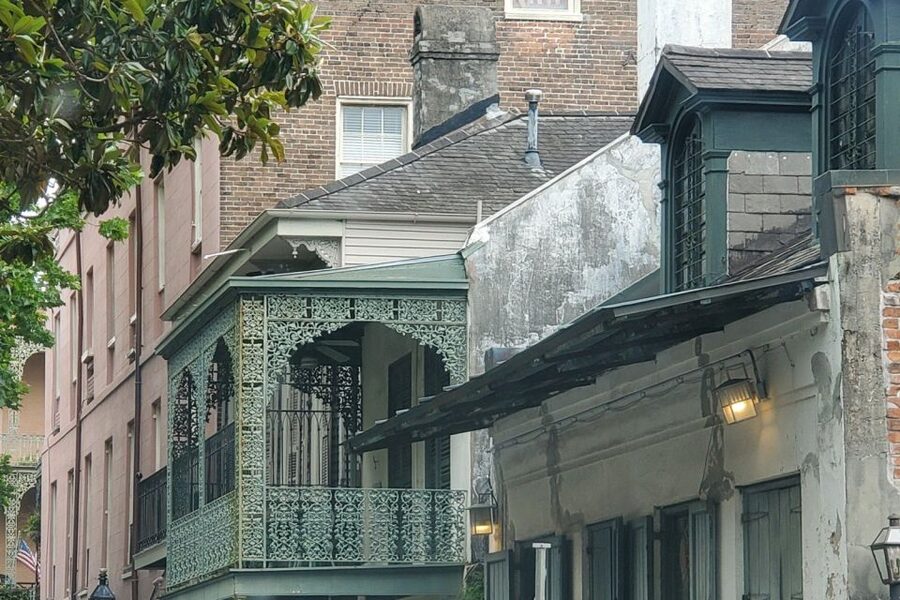
- Congo Square to Marie Laveau’s former home: voodoo origins tied to real locations
- Licensed local storytelling: guides like Erin, Wolfy, Gracie, Angela, and Adelai focus on place-based narratives
- Supreme Court stop with Louisiana politics: Huey P. Long, Edwin Edwards, and Plessy vs. Fergusson
- Architecture at nearly every turn: Jackson Square’s major buildings are the final payoff
- Q-and-A friendly: strong emphasis on answering questions and offering practical suggestions
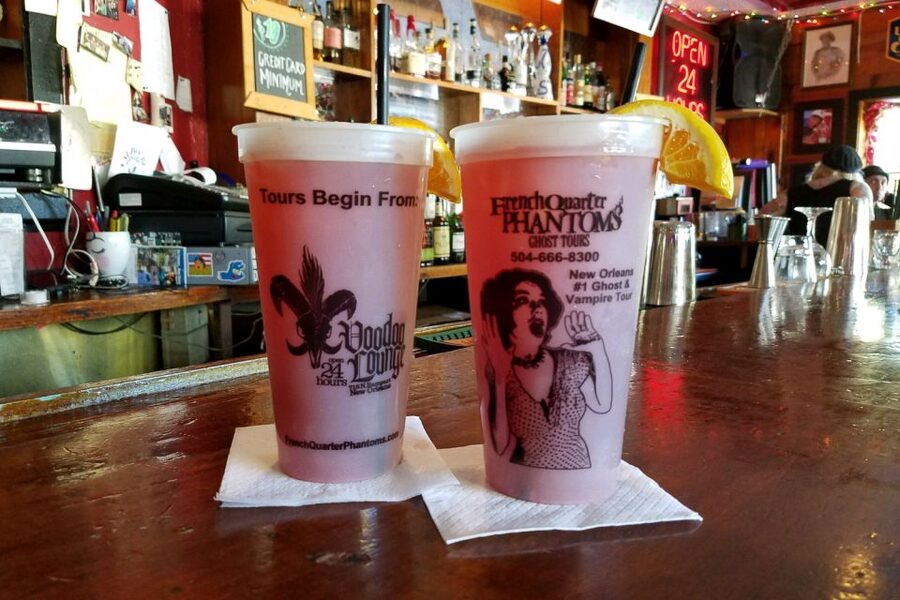
- 21+ Hurricane bonus: the wristband includes a souvenir cup plus 2-for-1 Hurricane drinks at The Voodoo Lounge
Still up for a haunt? More voodoo and ghost walks
- New Orleans Premier Ghost, Voodoo and Vampire Walking Tour★ 4.5 · 12,856 reviews
- Adults-Only New Orleans Ghost, Crime, Voodoo, and Vampire Tour★ 5.0 · 6,545 reviews
- New Orleans Adults-Only Ghost, Voodoo and Vampire Tour★ 5.0 · 3,291 reviews
- New Orleans French Quarter, Voodoo and Culture Walking Tour★ 4.5 · 2,961 reviews
How This 105-Minute Tour Flows Through the French Quarter
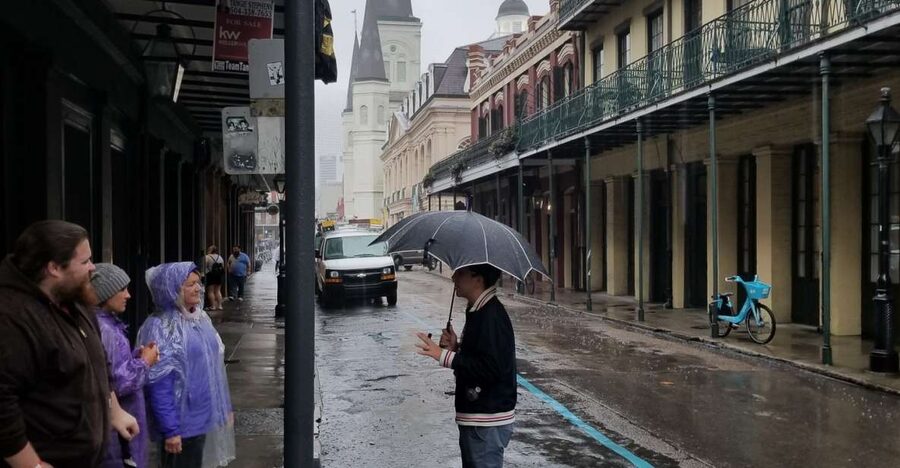
This is a walking tour designed for first-time orientation. You’ll meet inside the Voodoo Lounge (not just outside on the street) where you check in at the box office and get your wristbands. Arrive 10 to 15 minutes early so you’re not rushed at the start.
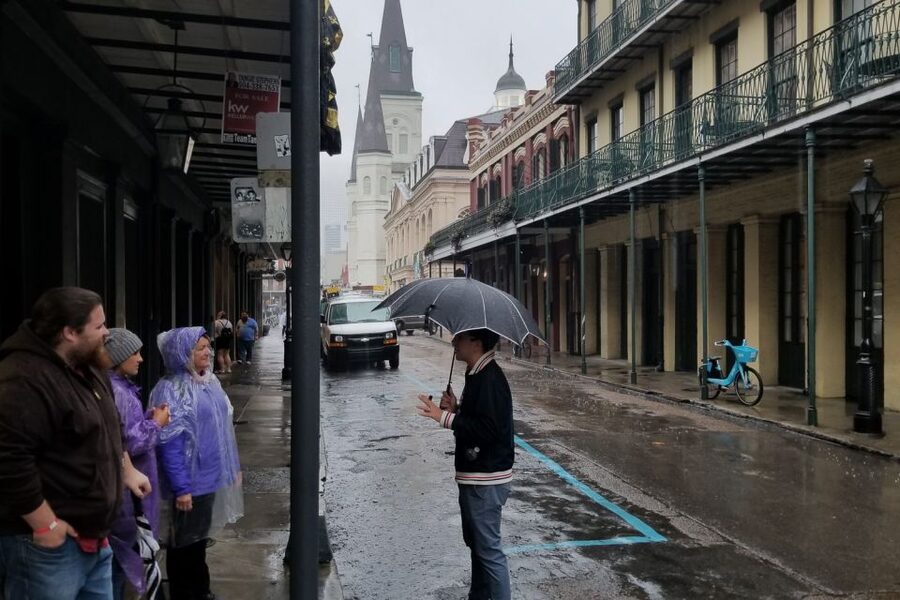
The timing is tight: 105 minutes, which is why it’s marketed as a two-hour experience. You’ll be on your feet much of the time, moving from one historic point to the next as the guide explains how the French Quarter’s past shaped what you see now.
A few practical notes that help: it runs rain or shine, and there’s a bathroom break during the tour. Video recording isn’t allowed, so plan to take notes or photos where permitted and just watch the guide’s storytelling in real time. The tour is also wheelchair accessible, which is a good sign if you need mobility options. And if you’re doing this at the start of your trip, remember there’s no hotel pickup, so you’ll want to build in time to get yourself to the Voodoo Lounge.
The biggest “logistics” trick is simple: go inside for wristbands. One reviewer specifically flagged that starting-point instructions weren’t obvious enough, and that confusion can cost you a few minutes. If you want a smooth start, treat the Voodoo Lounge check-in as the real meeting point, not the street outside.
Congo Square: Where the Tour Starts With Shared Human History
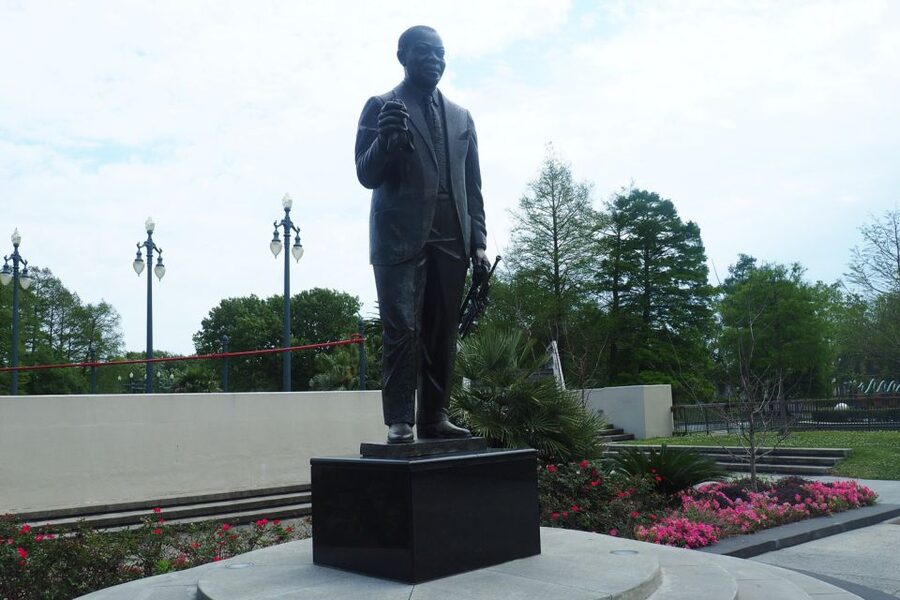
Most guided walks skim the vibe and move on. This one starts at Congo Square, and that choice matters. Congo Square is the entry point for the tour’s main themes: early voodoo, the slave trade, and the Indigenous peoples connected to New Orleans’ past.
What I like about opening here is that the guide doesn’t treat voodoo like just spooky street theater. The story is framed as part of a broader history of forced migration, survival, and cultural blending. That context changes how you look at the neighborhood when you move on.
You should expect a mix of explanation and storytelling—often with humor, based on the guide styles highlighted in reviews (Erin and Wolfy get mentioned a lot for making the hard parts readable). At the same time, the subject matter is serious. If you tend to get overwhelmed by history that directly involves enslavement, give yourself a moment to reset after the first big story beats.
The upside is clarity: you’ll leave Congo Square understanding why the French Quarter isn’t just beautiful buildings and music nights. It’s also a map of human struggle and cultural persistence.
Marie Laveau’s Former Home: Reading Voodoo Through Place
After Congo Square, the tour steers toward the site connected to Marie Laveau, including the former home of the infamous voodoo priestess. This stop is one of the emotional anchors of the route because the tour treats her as a historical figure tied to community life, not just a legend.
Here’s how this benefits you: once you’ve been given context at Congo Square, you can start sorting legend from history in your own mind. The guide’s job is to connect what’s being said to where it was said and why it mattered. That’s why a walking tour is useful for this kind of subject. You’re not just reading about the French Quarter; you’re stepping through the neighborhoods that shaped the stories.
Respect matters too. This isn’t presented as a party theme. The best way to handle this stop is to listen closely, ask questions if you want, and keep an open mind about how different cultures interpret spirituality.
If you’re the type who likes stories you can repeat later, this is where the tour gives you memorable detail. Multiple guides in reviews were praised for the way they balance humor with seriousness, so you’re likely to feel both entertained and challenged without feeling talked down to.
The Supreme Court Stop: Politics, Law, and New Orleans’ Power Moves
Next comes a different side of the French Quarter: law and politics. You’ll stop at the historic Supreme Court building and hear stories about Louisiana politicians and court cases, including Huey P. Long, Edwin Edwards, and Plessy vs. Fergusson.
This stop is valuable because it connects the street-level French Quarter with systems that shaped people’s lives. It’s easy to treat the Quarter as separate from the wider world. This adds a reminder that policies and legal decisions have long consequences, and New Orleans is no exception.
If you like when a guide makes connections for you, this is where you’ll feel it. You’ll learn how power worked, how reputations grew, and how court decisions can ripple for generations. And because this tour also touches on music, food, architecture, and literature, the legal stop helps the rest of the route make more sense. You’ll start seeing the Quarter not as a set of attractions, but as a social machine: culture, commerce, politics, and identity all interacting.
One practical consideration: this is where the topics can feel heavy again. It’s not a “fun facts” tour only. If you want the lightest possible version, you may find yourself wishing for more breathing room. But if you want understanding, this is a key reason the tour earns high marks.
More ways to wander the Vieux Carre


Bourbon Street, Music, Food, Architecture, and Literary Threads
Between the major stops, the guide passes historical sites at every turn and keeps adding context—music, food, architecture, culture, and even literary history—along with time spent discussing Bourbon Street.
This is where you start getting what I think of as street-level interpretation. The French Quarter can look like it’s all performance. The guide reframes it: why certain buildings and streets exist, how culture evolved, and how music and nightlife grew from the same blended influences we talked about earlier.
One thing the reviews consistently highlight is the guide’s ability to answer questions and make useful recommendations for what to do next. That matters because many walking tours end with a generic tip to go eat somewhere. Here, the stronger guides—like Aaron, Angela, and Adelai—are praised for steering you toward authentic things to do with the rest of your time in town. Even if you’re only in New Orleans for a couple days, this kind of guidance helps you avoid wasting hours on the wrong stops.
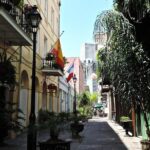
Also, this part of the tour is a great moment to just look around. You’ll be moving through streets where architecture isn’t a background detail—it’s part of the story. The guide’s commentary turns what you’d normally see as scenery into clues.
The main drawback risk here is that Bourbon Street area sightseeing can overlap with crowds and noise. You’ll still get the historical frame, but if you’re hoping for a quiet walk with no distractions, you might find the Quarter’s energy hard to escape.
Jackson Square Finale: St. Louis Cathedral, Presbytère, Cabildo
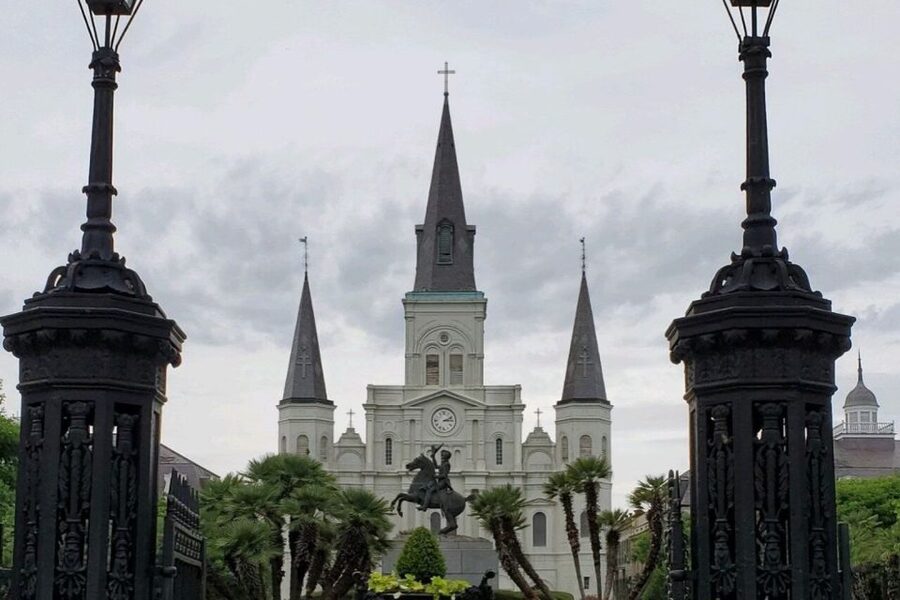
The tour ends at Jackson Square, and it’s a smart place to finish. This is the moment when your “story map” clicks into visual reality.
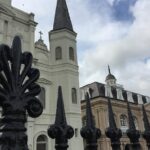
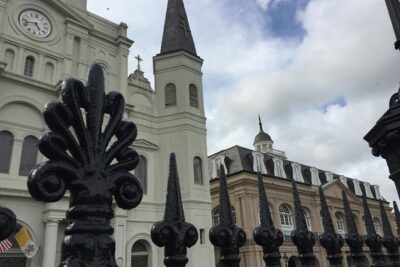
From there, you’ll admire St. Louis Cathedral, the Presbytère, and the Cabildo. The buildings are famous for a reason, but on a tour like this, you don’t just see facades. You get context for what you’re looking at and why these civic and religious landmarks matter.
I like Jackson Square as the finish line because it gives you a natural pause point. You can linger after the tour to take photos, watch street activity, or simply regroup with less pressure than earlier in the route. By the time you reach this area, the guide has already taught you how to connect voodoo lore and slavery-era history to the French Quarter’s architectural and cultural identity. That makes the ending feel like a payoff, not a random location drop.
If you’re choosing one “anchor” spot for your first-day planning in New Orleans, Jackson Square is an easy pick. This tour helps you understand it faster.
Price and Value: Why $22 Can Actually Feel Like a Deal
At $22 per person for a 105-minute guided walk, the value comes from what’s included and how efficiently the guide gets you oriented.
First, you’re paying for a licensed guide who interprets the Quarter for you. That’s not just commentary; it’s a time-saver. If you try to DIY a similar path, you’ll either miss key connections (like the Supreme Court stop and those legal/civic references) or you’ll spend extra time researching on your own.
Second, there’s an optional bonus that can add real value: for participants 21 and up, the wristband includes a souvenir cup and all-day 2-for-1 Hurricane drinks at The Voodoo Lounge. That means if you plan to do a drink anyway during the day, the wristband can soften the cost without making the tour feel like a sales pitch.
Is it pricey? Not based on the format. A short walking tour plus a local guide plus major landmarks plus a couple heavier historical stops is a pretty efficient use of time. Just remember: this is still a walking tour, not a sit-down museum experience, so you’re trading comfort and space for momentum and context.
Who Should Book This Tour, and Who Might Not Love It
This is a great fit if:
- You’re visiting for the first time and want a guided way to understand the French Quarter quickly
- You like local storytelling and don’t mind humor mixed into serious topics
- You want a route that ties together voodoo lore, enslavement history, politics, architecture, and culture
- You’ll appreciate practical recommendations from guides who are familiar with the area (multiple reviewers mention this kind of helpful guidance)
This may be less ideal if:
- You hate walking in the rain or you’re expecting a slow, leisurely stroll
- You want purely spooky entertainment and nothing about the history of slavery and Indigenous peoples
- You’re strongly sensitive to heavy historical material and would rather process it in a museum setting instead
Also, because video recording isn’t allowed, if your plan is to film your entire trip, this won’t match your style.
Tips to Make Your Tour Feel Worth It
A few practical things can boost your experience fast:
- Arrive early and go inside the Voodoo Lounge for check-in and wristbands. Treat the indoor box office as the real starting point.
- Wear comfortable walking shoes. You’re moving through the Quarter for about 105 minutes.
- Plan for the bathroom break so you don’t rush your schedule later.
- Ask questions. The guides here are repeatedly praised for answering and expanding, and some even tailor suggestions for what to do with your remaining time.
- Respect the topic matter. Guides seem to balance humor with seriousness, and you’ll get more out of it if you let the stories land.
Should You Book This French Quarter History and Voodoo Tour?
If your goal is to understand New Orleans beyond the postcard, I think this is a strong pick. The standout reason is how the tour ties together Congo Square, the Marie Laveau connection, the Supreme Court/political references, and the final Jackson Square architecture into one coherent walk. That’s not something you can easily replicate with random wandering.
The rating is also a good signal: 4.7 with 89 reviews. Reviews repeatedly mention entertaining, professional guides with strong storytelling skills and lots of helpful answers. If you want a guide-driven orientation that also respects the darker parts of the city’s past, this is a smart use of an afternoon.
Just be honest about your tolerance for walking and for heavy history. If you can handle both, you’ll come away with a much clearer picture of why the French Quarter feels the way it does.
FAQ
What is the duration of the tour?
The tour lasts 105 minutes (about two hours).
Where do I meet the guide?
Check in is inside the Voodoo Lounge. You’ll receive your wristbands at the box office. Arrive about 10 to 15 minutes early.
Is hotel pickup included?
No. Hotel pickup and drop-off are not included.
Is the tour wheelchair accessible?
Yes, the tour is wheelchair accessible.
Does the tour run in bad weather?
Yes. It takes place rain or shine.
Are video recordings allowed?
No. Video recording is not allowed during the tour.
Do I get anything included for Hurricane drinks?
For participants 21 and up, the wristband includes a souvenir cup and all-day 2-for-1 Hurricane drinks at The Voodoo Lounge.
More Tour Reviews in New Orleans

More of the French Quarter

More Ghosts, Voodoo & Vampires

Just added to The New Orleans Traveler


French Quarter Tours, compared.
 ★ 5.0Food Walking Tour of the French Quarter with Small-Group OptionFrom $756,118 reviews
 ★ 4.5French Quarter, Voodoo and Culture Walking TourFrom $272,961 reviews
 ★ 5.0French Quarter Historical Sights and Stories Walking TourFrom $352,724 reviews
 ★ 4.5Ghost and Vampire Walking Tour Of The French QuarterFrom $212,406 reviews
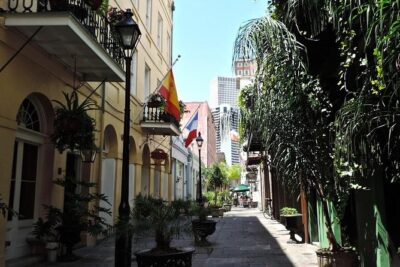 ★ 4.5City Tour: French Quarter, Garden District & CemeteryFrom $402,209 reviews
 ★ 5.0French Quarter Food Tour: Cajun, Creole and CultureFrom $811,246 reviews
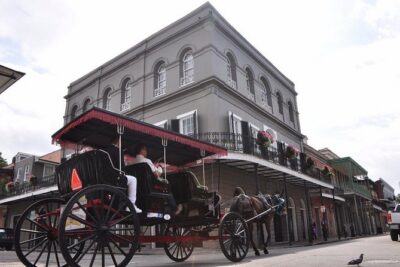 ★ 5.0French Quarter and More Carriage RideFrom $651,141 reviews
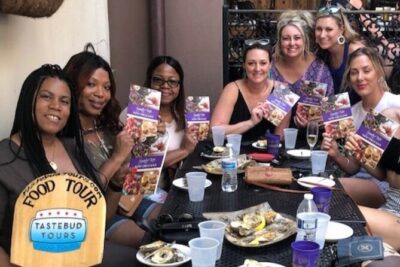 ★ 5.0French Quarter walking Food Tour Famous Flavors of New OrleansFrom $751,115 reviews
Browse the lists this tour appears in